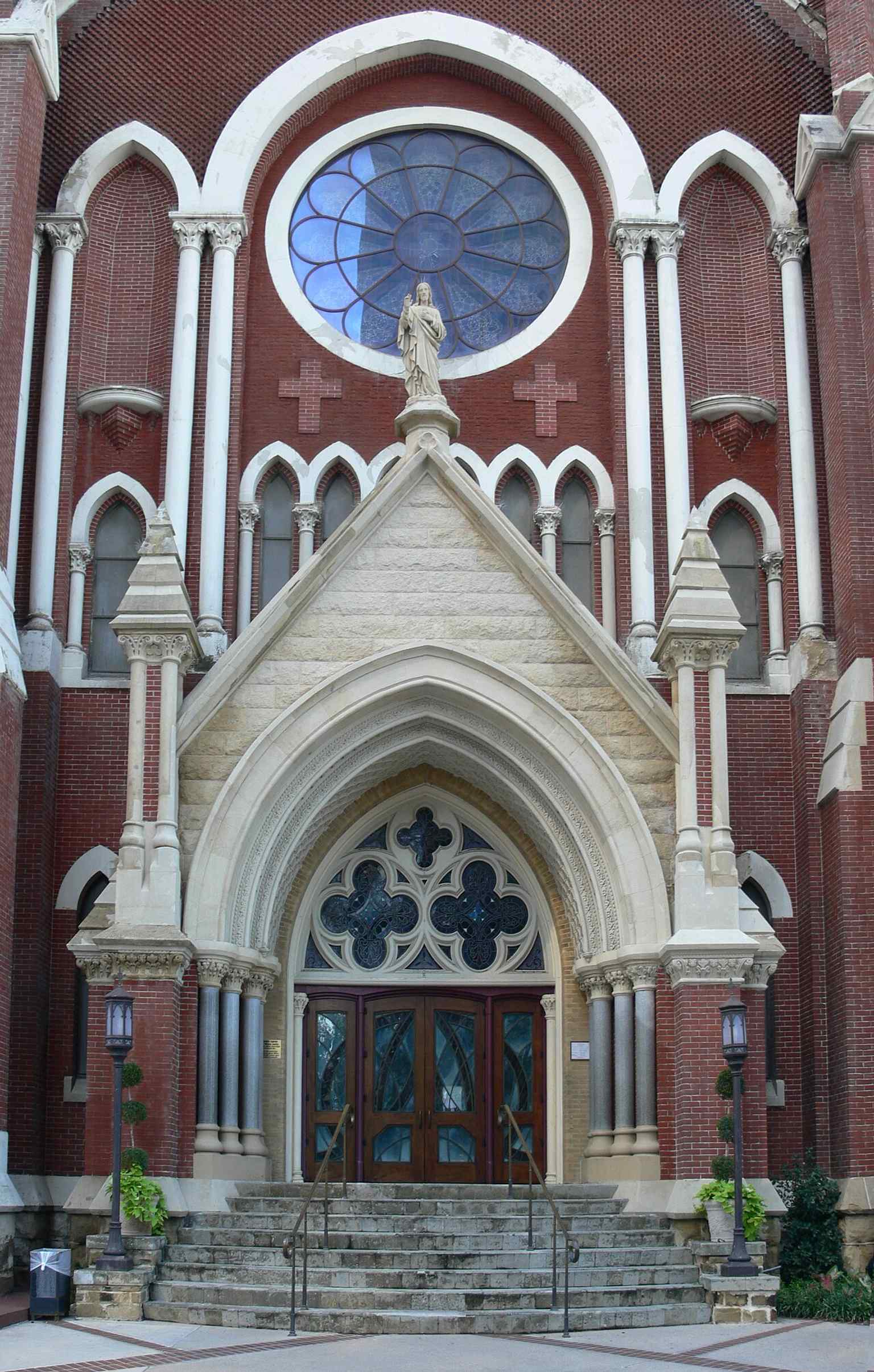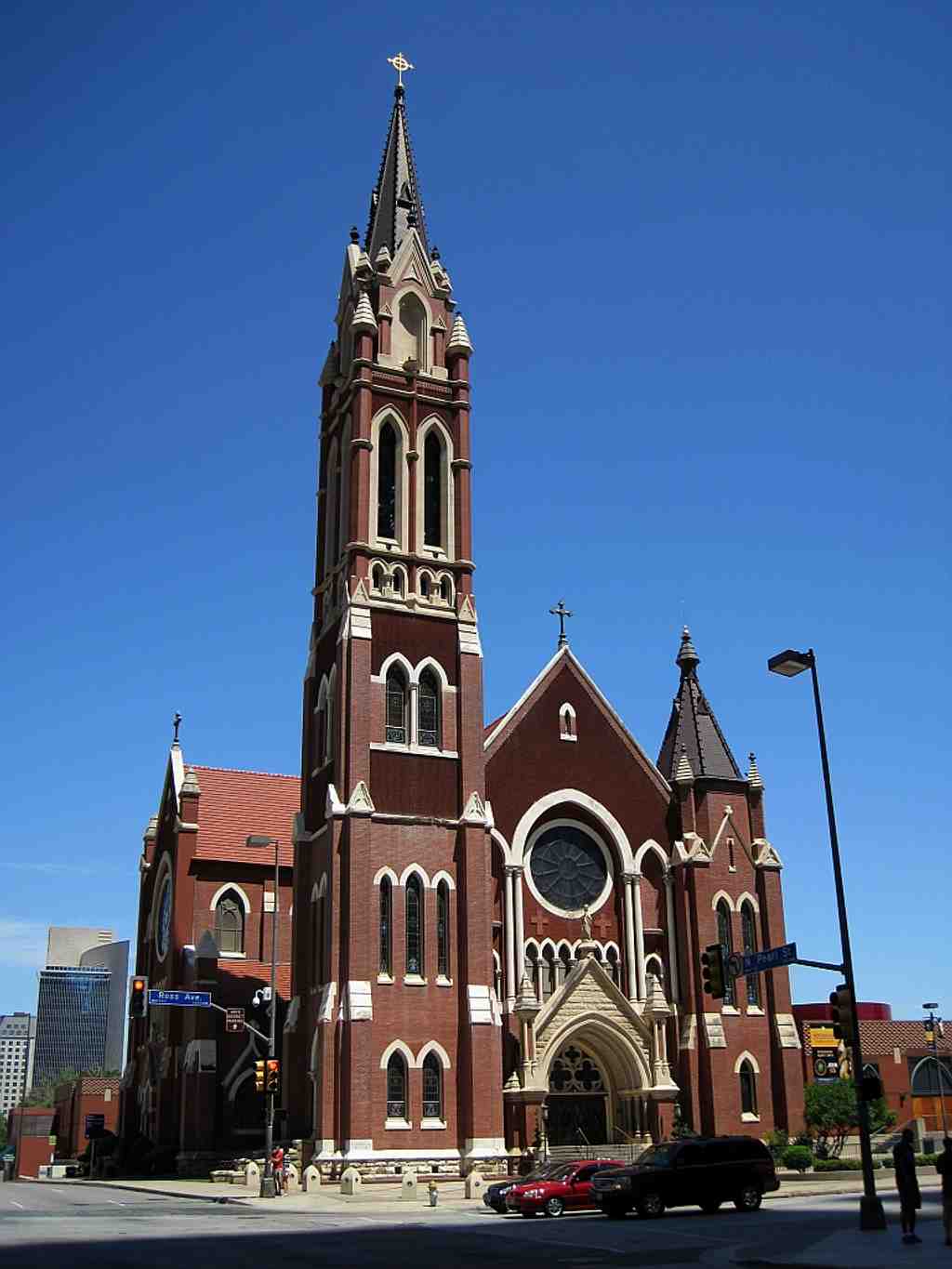
On your left, the cathedral stands in pale tan brick with a steep Gothic front, a large round rose window at the center, and a slender steeple rising above the entrance.
Faith can hide in plain sight in downtown Dallas. Surrounded by the polished confidence of the Arts District, this place reminds you that belonging here has never been built by business alone... it has also been carried by prayer, pilgrimage, and a lot of determined families.
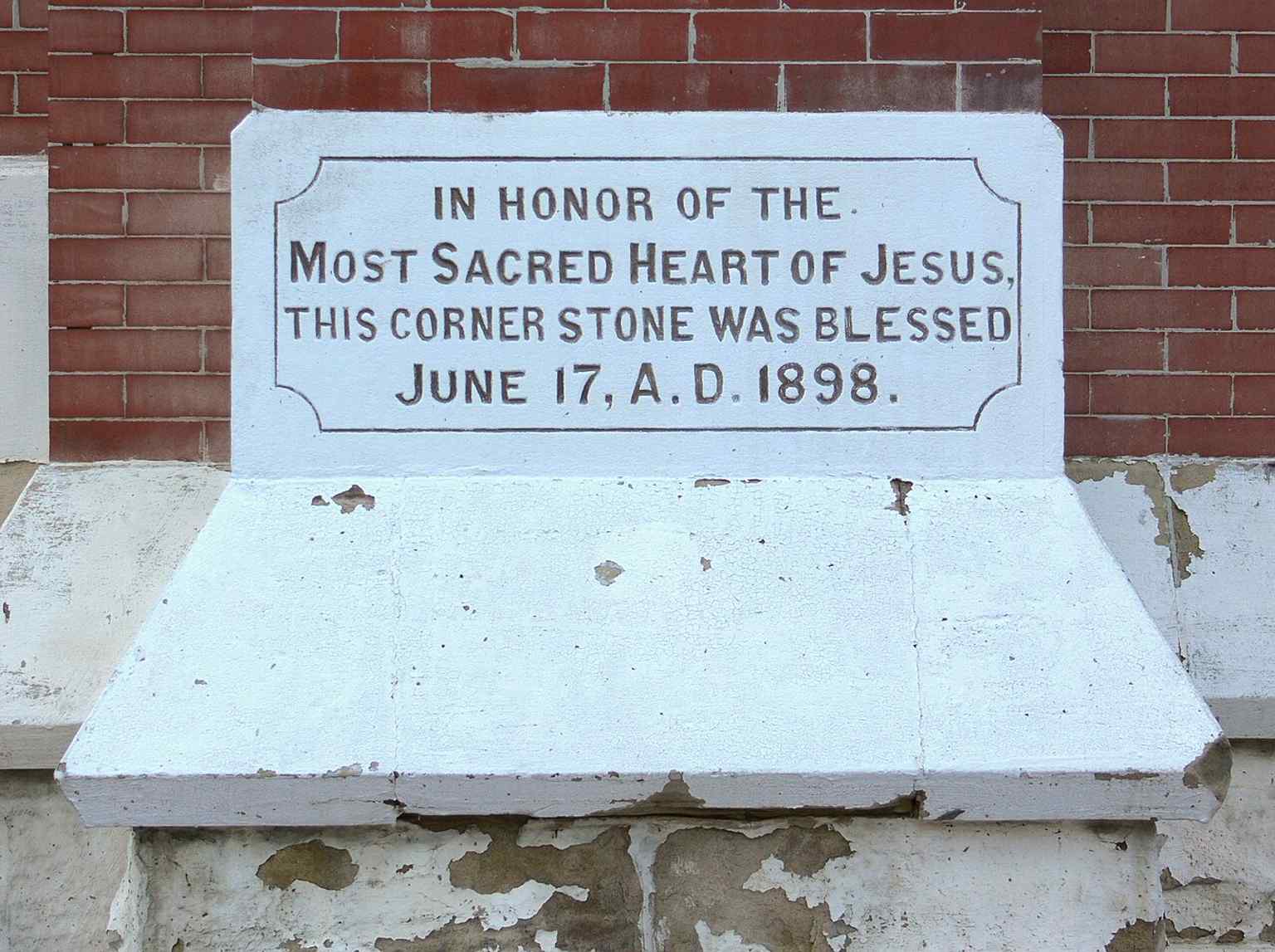
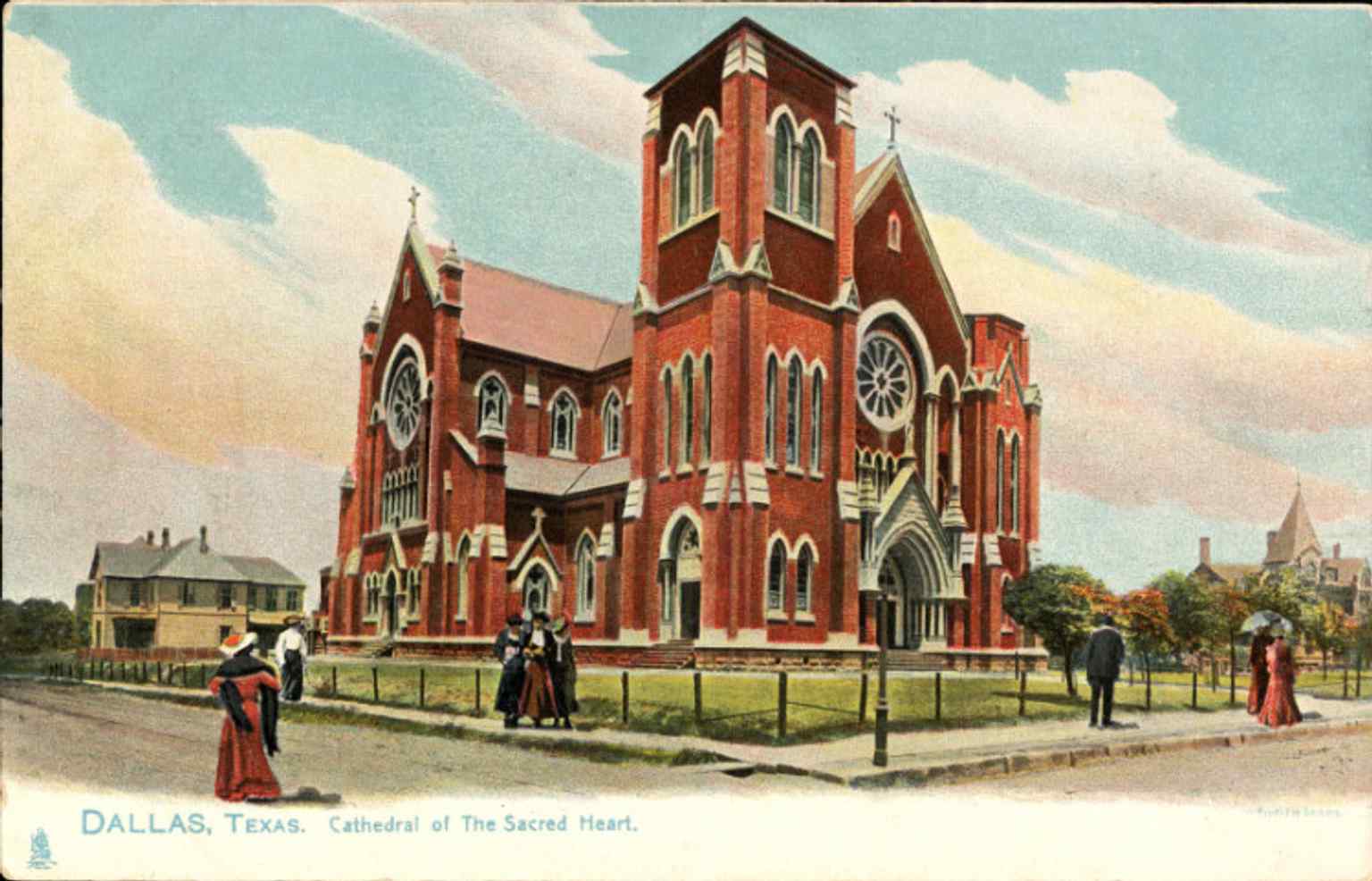
This story started with Dallas’s first Catholic parish, Sacred Heart, founded in eighteen sixty-nine. By eighteen ninety, Dallas had its own diocese, and Bishop Thomas Brennan quickly saw the old church could not keep up with the city’s growth. So the diocese bought this site for thirty thousand dollars, which would be more than seven hundred forty-five thousand today, and laid the cornerstone in eighteen ninety-eight.
If you want, take a quick look at the before-and-after image in the app; it neatly shows how the smaller Sacred Heart church gave way to this larger Gothic revival vision, finally completed with its steeple more than a century later.
The human heart of the story is Father Jeffrey A. Hartnett. He pushed this project forward, then in eighteen ninety-nine he caught smallpox while caring for sick Dallas residents during the epidemic. He died before the cathedral opened in nineteen oh-two. That is a hard kind of legacy to miss: the building behind him, the people before him.
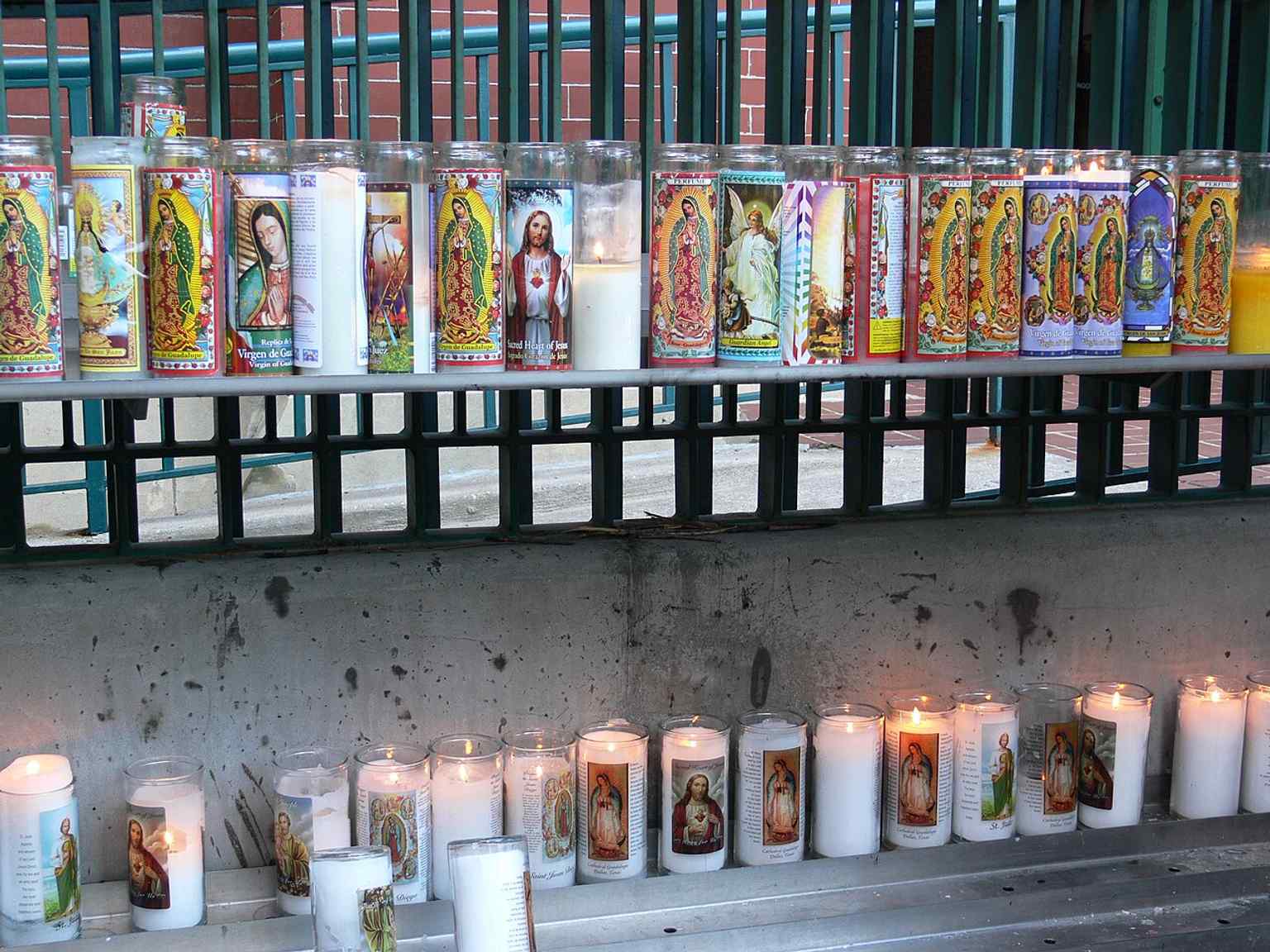
And then Dallas changed again. In nineteen fourteen, a separate Our Lady of Guadalupe parish began serving Mexican immigrants in Little Mexico. By the nineteen sixties, that congregation had outgrown its own church. Sacred Heart, meanwhile, had room to spare. So Bishop Thomas Tschoepe invited the two parishes to merge, and in nineteen seventy-seven this place took the name Cathedral Santuario de Guadalupe. That shift mattered. It said, plainly, that the city’s Catholic center would speak with a stronger Mexican and Latin American voice.
You can still feel that in the life of the place. Masses and programs happen in Spanish and English, and average Sunday attendance reaches about eleven thousand two hundred. In twenty twenty-three, the U-S Conference of Catholic Bishops recognized what worshippers already knew and elevated it to a National Shrine, a church with special meaning for pilgrims, especially from Mexico and Latin America. Tens of thousands still come during the Guadalupe feast days in December.
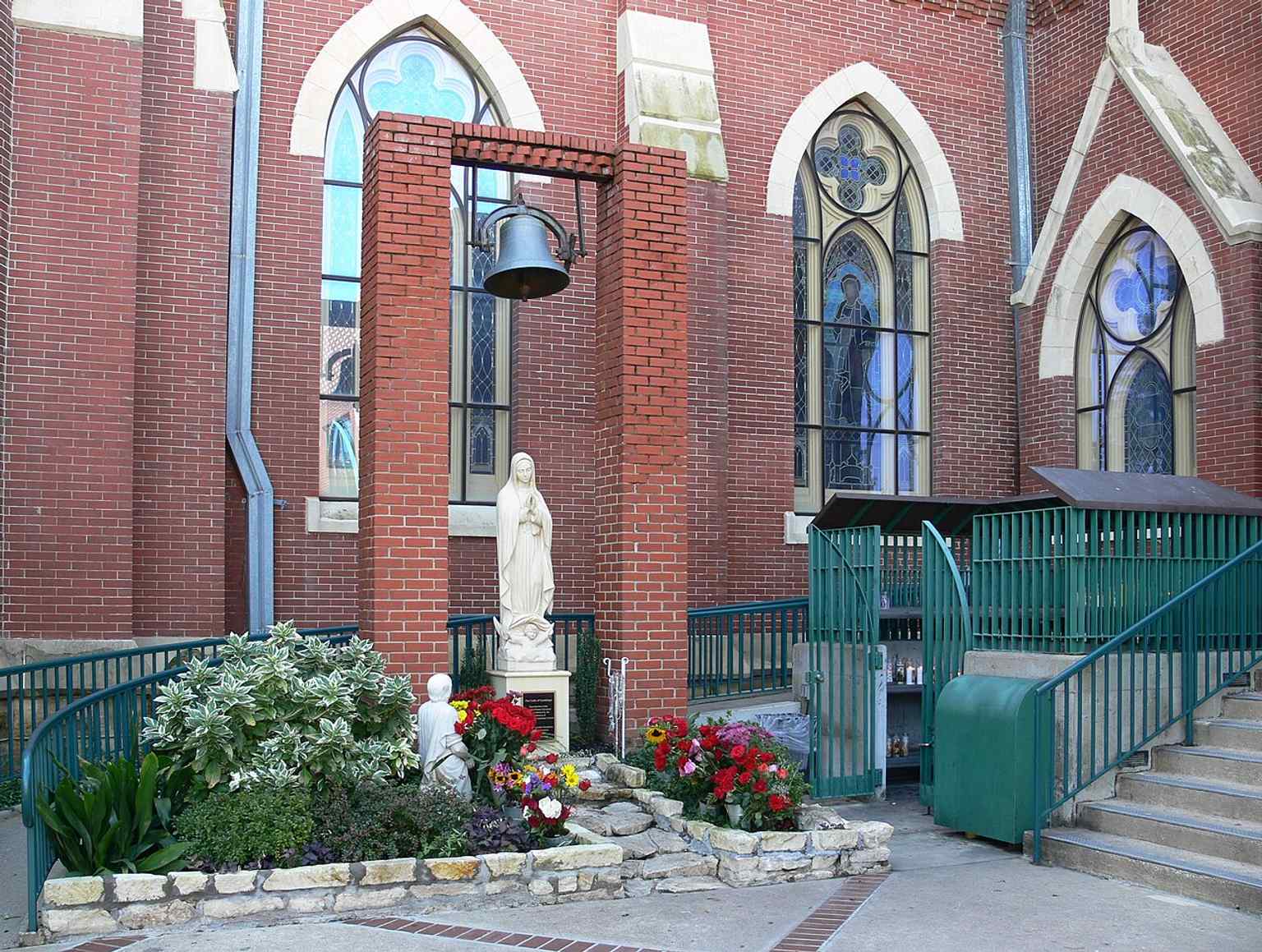
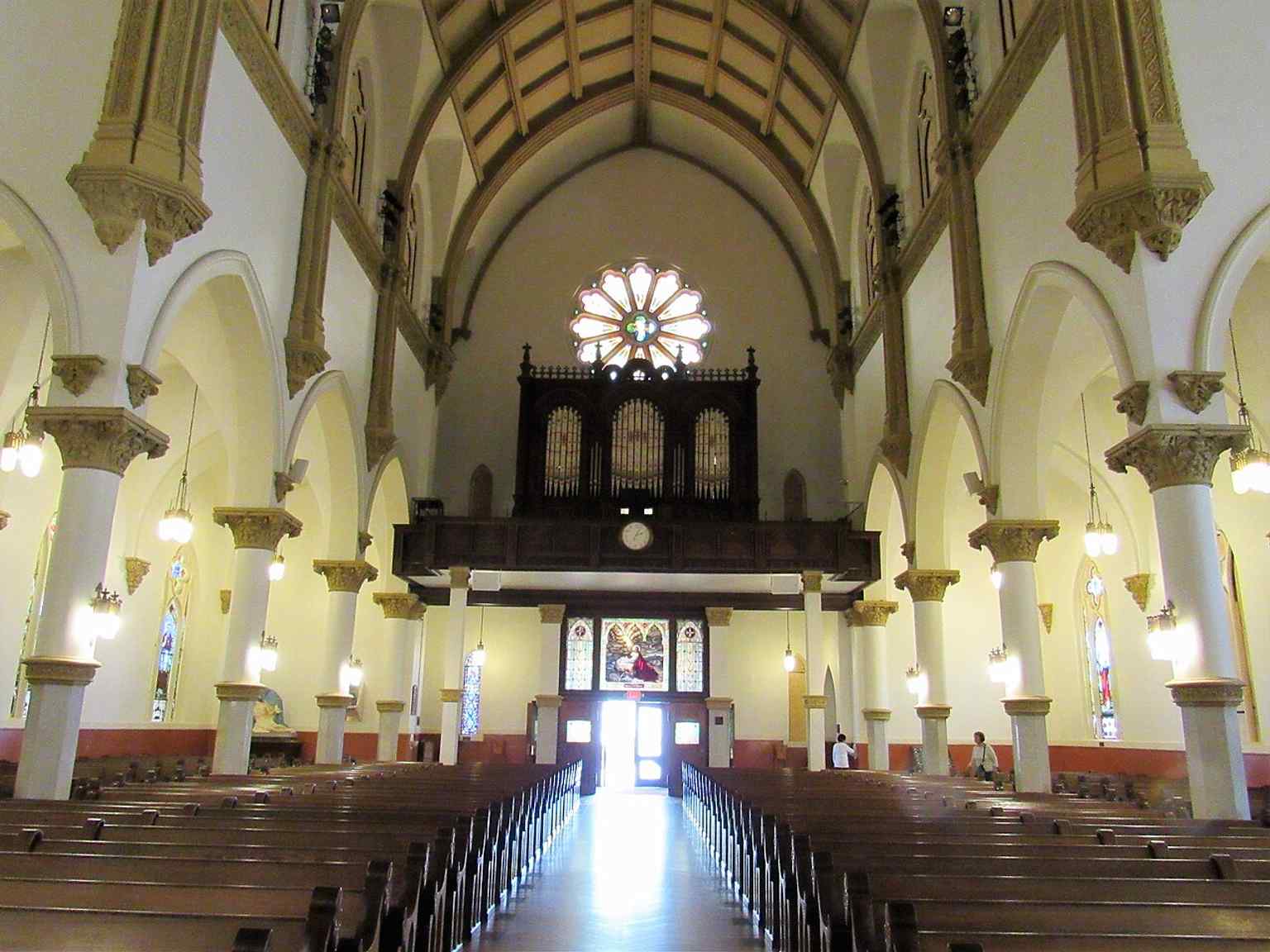
Dallas, being Dallas, also kept redesigning the place. A nineteen sixty-six renovation stripped away much of the old interior character with almost comic enthusiasm, and later restorers had to play detective to recover architect Nicholas Clayton’s original plan. The bell tower you see now finally rose in two thousand five, with forty-nine bronze bells... one weighing seven thousand five hundred pounds, because subtlety is not always this town’s first instinct.
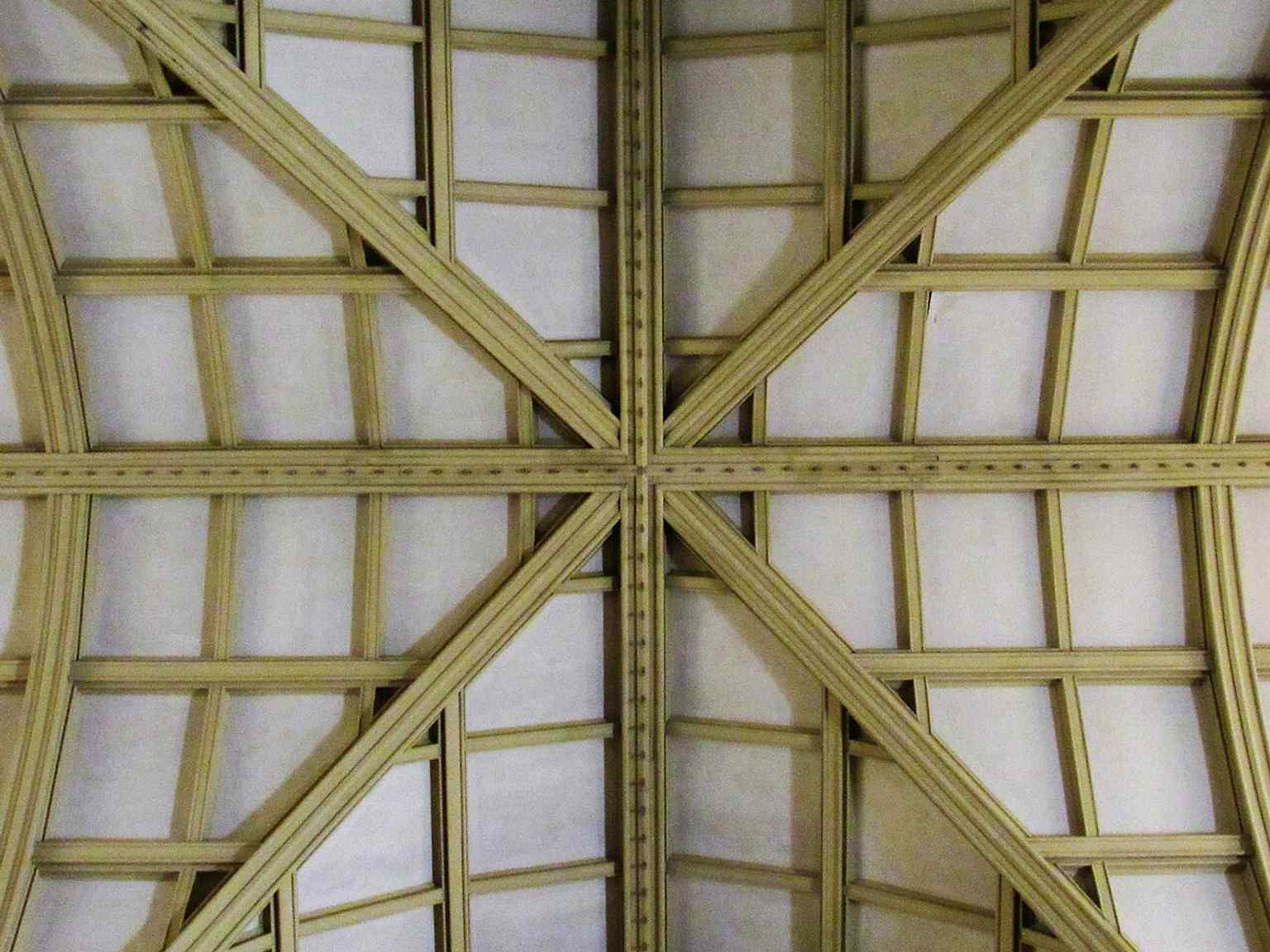
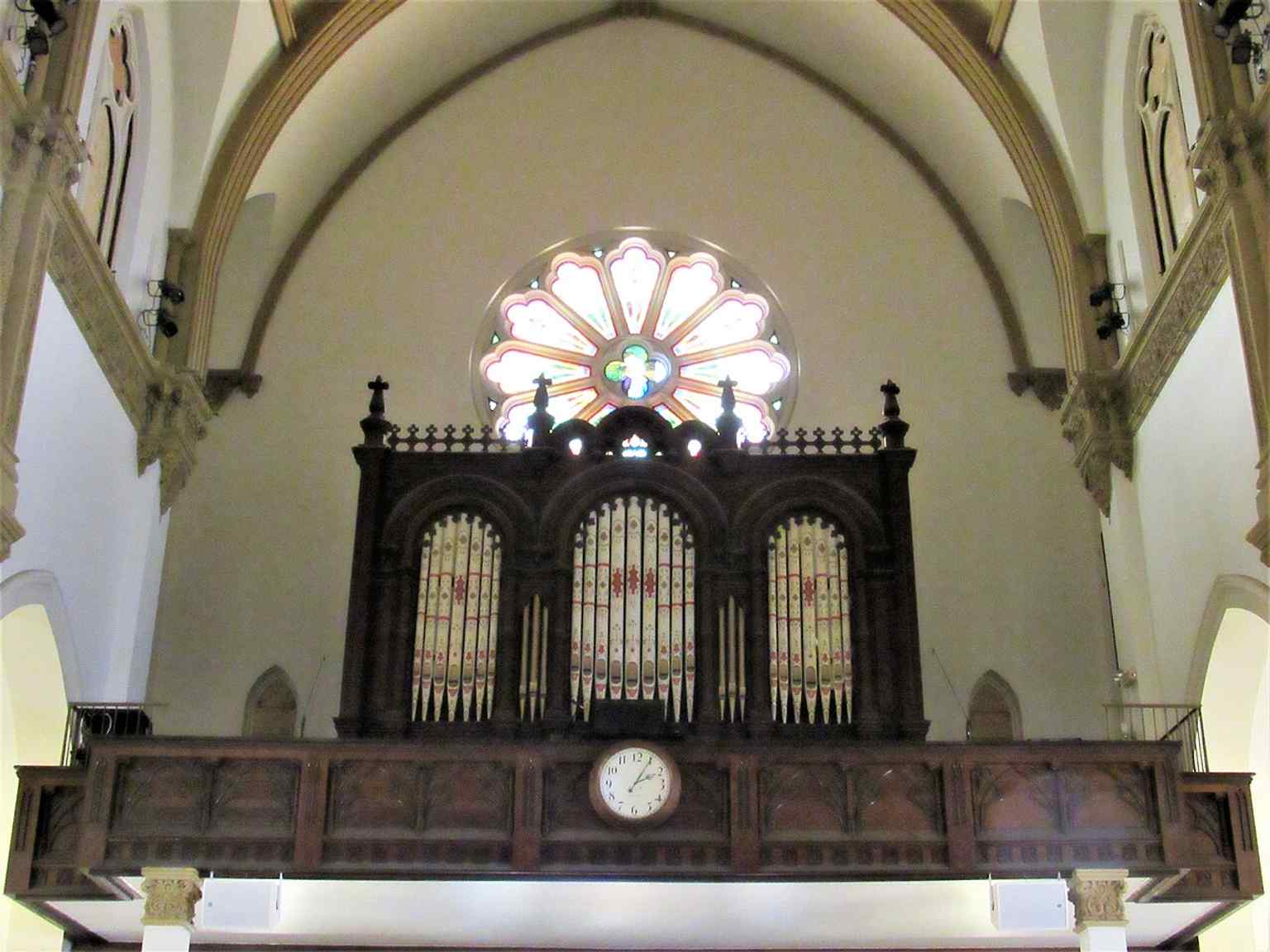
If you glance at your screen, image seven shows the restored interior and how carefully the cathedral tried to recover its memory.
From here, the city’s ambitions keep unfolding in another key: worship here, performance just ahead. Walk about three minutes to the Morton H. Meyerson Symphony Center. If you plan to return, the cathedral is generally open daily, with longer hours most weekdays and Sunday.