On your left is a low pale-stone-and-glass building with long rectangular lines and a distinctive roof of screened skylight canopies.
This place has the manners of a museum and the instincts of a very refined living room. The Nasher Sculpture Center opened in two thousand three to house the collection of Patsy and Raymond Nasher, who began buying sculpture in the nineteen fifties. Raymond Nasher liked to say they chose works they wanted to live with, not just own, and that each piece carried its own story. That idea matters here. The collection is serious enough to include Brancusi, Calder, Giacometti, Matisse, Picasso, Rodin, Henry Moore, Richard Serra, and more... but the feeling was never meant to be cold or encyclopedic.
Raymond Nasher bought this downtown site in nineteen ninety-seven, across from the Dallas Museum of Art, and chose Renzo Piano to shape a museum worthy of the collection and the neighborhood growing around it. Piano is one of those architects who treats light almost like a construction material. Here, he designed a fifty-five-thousand-square-foot building on two point four acres, and he worked with landscape architect Peter Walker so the galleries and garden would feel like one composed experience, not a box with a yard attached.
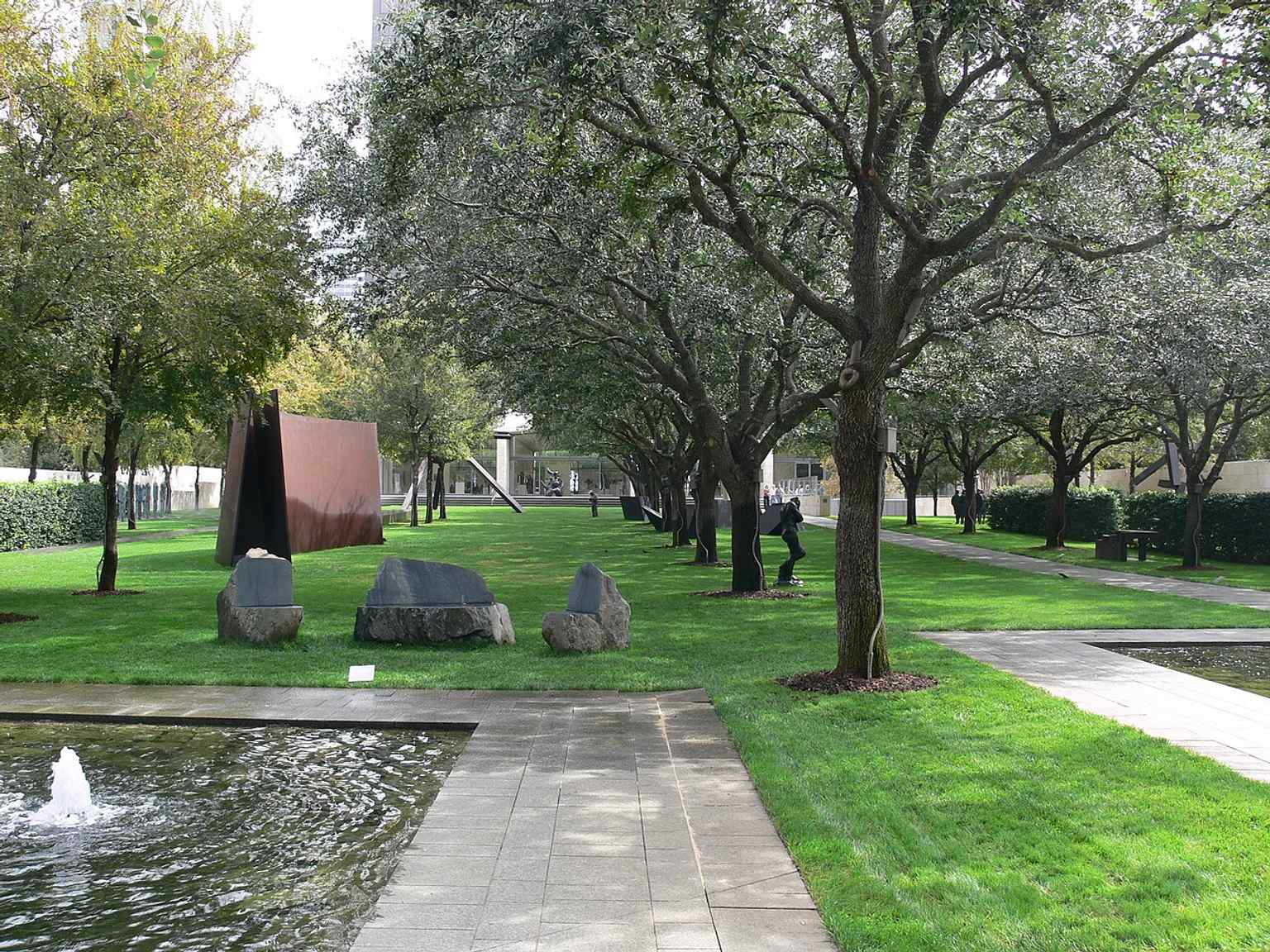
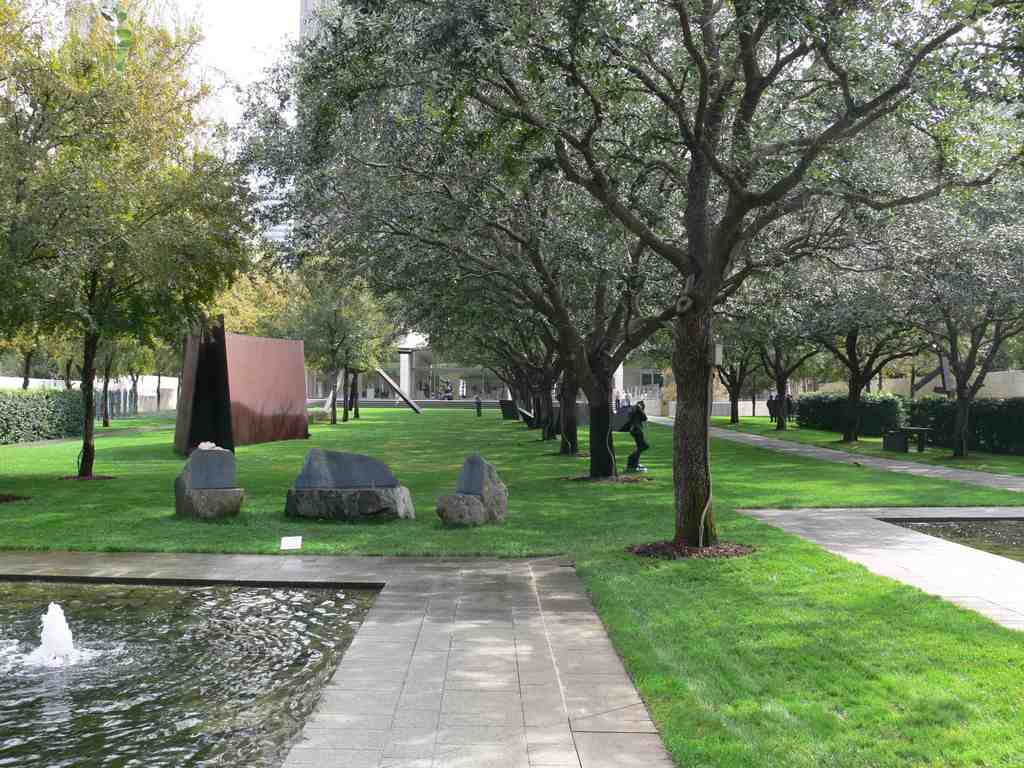
If you look at the image on your screen, you can see how the interior roof filters daylight instead of blasting art with it like an interrogation lamp. That careful control is the whole trick. Sculpture changes as you circle it, so Piano made a place where light changes gently too. Outside, the garden drops toward an auditorium, turning the landscape into a kind of open-air theater. On your phone, the garden view shows that blend beautifully: art, paths, trees, and even seating all working together instead of competing for attention.
And because this is Dallas, refinement did not exempt the place from drama. In two thousand twelve, the neighboring Museum Tower began throwing reflected sunlight into the Nasher’s skylit galleries. That glare threatened parts of the collection, and artist James Turrell asked the museum to close Tending Blue, his skyspace, meaning a chamber designed to frame the sky as part of the artwork, because the tower had effectively broken the piece’s view. So here you get a very Dallas argument in one scene: ambition rising next door, and another ambition already here asking what growth is allowed to damage.
The Nasher Foundation paid the full seventy million dollar cost of building this museum, and you can feel that private patronage made permanent in the cityscape. What started as one family living with art became part of how Dallas presents itself to the public. Not just wealth on display... taste, landscape, engineering, and civic aspiration all folded together.
We’re heading next to the Cathedral Santuario de Guadalupe, where space is shaped by devotion rather than sculpture, and not long after that the city makes another grand cultural claim at the Meyerson, where architecture gets tuned for sound. If you want to come back inside later, the Nasher is generally open Wednesday through Sunday from eleven to five.