
50+ languages

 Lublin · Poland
 Lublin Audio Tours
Discover Lublin with self-guided audio walking tours
headphones
4 tours
pin_drop
20 landmarks
translate
Top landmarks
The Lublin everyone knows.
The landmarks in every guidebook — and the tours that tell you what guidebooks don't.
A few words on Lublin
Where Poland and Lithuania became one, on a hot July.
In 1569, the Sejm met in Lublin and created the Polish-Lithuanian Commonwealth, one of the largest and most unusual political experiments in European history: a multi-ethnic, multi-confessional republic stretching from the Baltic to the Black Sea. The Union of Lublin was signed here, and the city never let go of that sense of significance. The Lublin Castle, with its fourteenth-century keep and its Chapel of the Holy Trinity covered in Byzantine-inflected frescoes from 1418, stands as the clearest evidence of what this corner of Europe once was.
Before the Second World War, Lublin was known as the 'Jewish Oxford' for the reputation of its yeshiva, which drew students from across eastern Europe.
The Nazis built Majdanek on the city's outskirts, and it was liberated in July 1944 while it was still operating. That history presses on the old town without overwhelming it. The Old Town itself is genuinely beautiful, with a medieval street pattern, the Renaissance Crown Tribunal building from 1578, and the Krakow Gate forming the entrance. Comparisons to Krakow are made and they are fair, though Lublin tends to be less polished and more alive for it.
Lublin
Lublin FAQ
Before you walk.
Every Lublin tour, in your language.
All 50+ languages, included with every booking.
🇬🇧 English🇫🇷 Français🇪🇸 Español🇩🇪 Deutsch🇮🇹 Italiano🇯🇵 日本語🇨🇳 中文🇰🇷 한국어+ 41 more
star AudaTours Unlimited
Visiting more than one city? Subscribe.
Unlock every Lublin tour — plus thousands more worldwide. Cancel any time.
$4.99/week · Cancel anytime

More in Poland
Explore Poland arrow_forwardOther cities to walk in Poland.



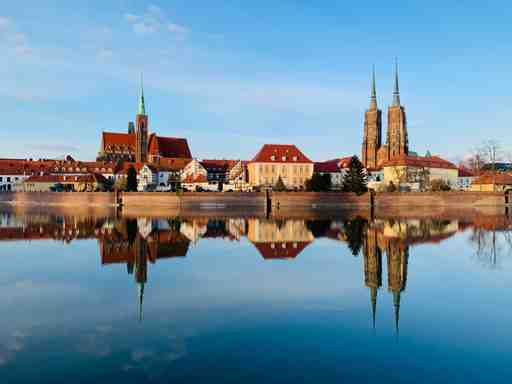


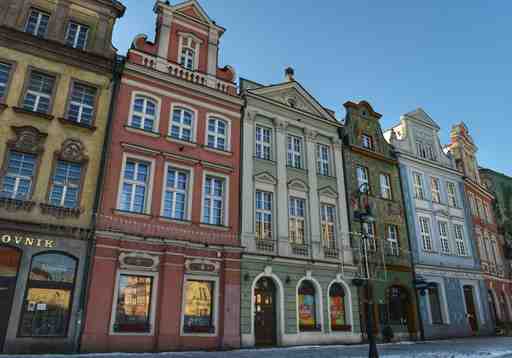
Loved by travellersThousands of tours started.
Thousands of tours started.
Plenty of opinions.
4.8 across the App Store and Google Play. Here's a few we keep coming back to.
starstarstarstarstar
This tour was such a great way to see the city. The stories were interesting without feeling too scripted, and I loved being able to explore at my own pace.

Jess
Tbilisi Tourstarstarstarstarstar
This was a solid way to get to know Brighton without feeling like a tourist. The narration had depth and context, but didn't overdo it.

Christoph
Brighton Tourstarstarstarstarstar
Started this tour with a croissant in one hand and zero expectations. The app just vibes with you, no pressure, just you, your headphones, and some cool stories.

John
Marseille Tourdownload Get the app Pop your headphones in.


Pop your headphones in.
Step outside.
Free to download. Tours in every city. Start in 60 seconds — no account, no card.

headphones
~ 4 min until your first tour starts
public
1,000+ cities worldwide
all_inclusive
AudaTours
Unlimited
Every tour. Every city. One subscription.
3096 tours2272 cities138 countries50+ languages
$39 /year
all_inclusive Explore Unlimited