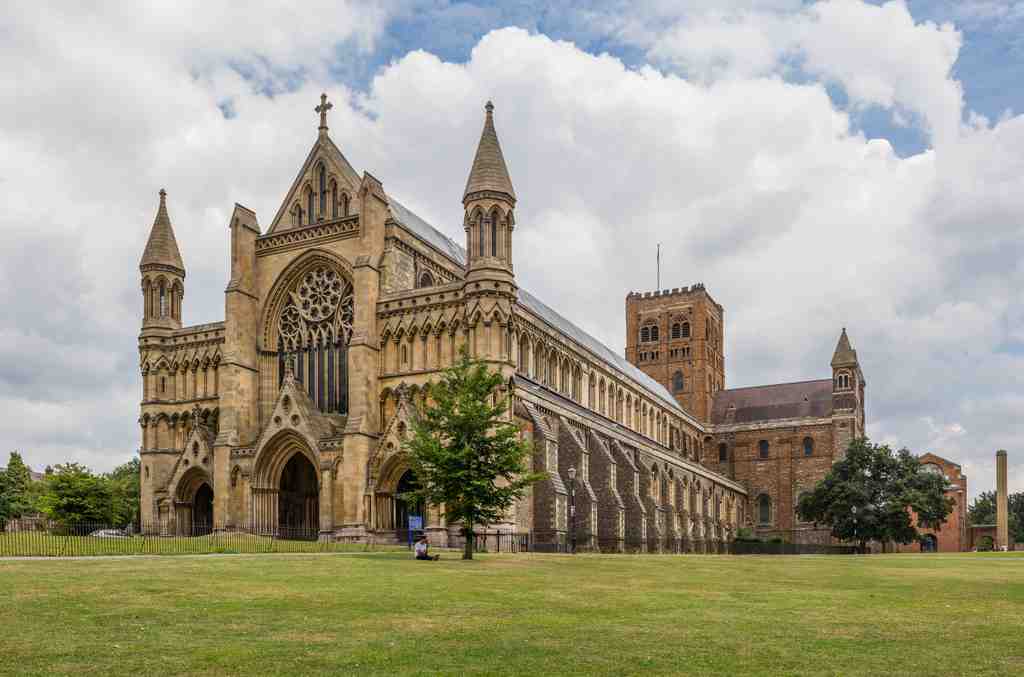
On your right, look for the immense red-brick and flint church with its broad west front and the great square tower rising from the middle like a watchful crown.
This is St Albans Cathedral, still often called simply the Abbey, and it keeps one of the oldest and most intimate legends in English Christianity. According to tradition, Alban lived here in Roman Verulamium in the third or fourth century, when Christians faced persecution. He sheltered a priest named Amphibalus, admired his courage, and quietly converted. When soldiers arrived, Alban put on the priest’s cloak and gave himself up in his place. He was led to execution on the hill nearby, and the story says that, parched with thirst, he prayed and a spring burst from the ground at his feet. Even the name Holywell Hill still carries an echo of that miracle.
A shrine stood here by the mid-fourth century, and pilgrims came in hope of healing long before this vast church took shape. Then, in the year seven hundred and ninety-three, King Offa of Mercia founded a monastery here. The building you see now owes much of its scale to the Normans. In ten seventy-seven, Abbot Paul of Caen arrived with a master mason named Robert and set about creating something astonishingly ambitious. They borrowed heavily from the ruined Roman city below, so Roman bricks and tiles found a second life in these walls. That is part of the cathedral’s quiet magic: one civilisation folded into another.
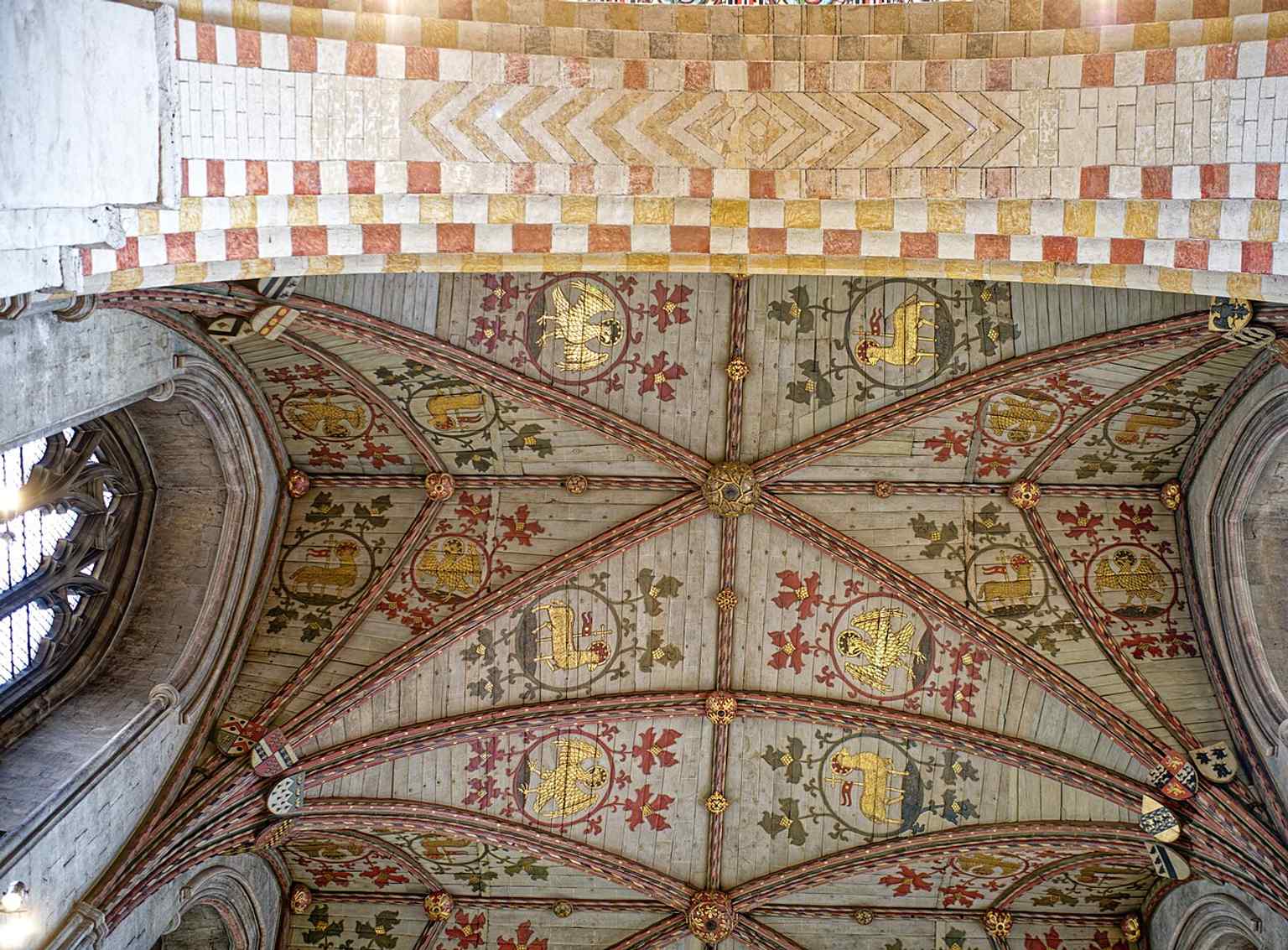
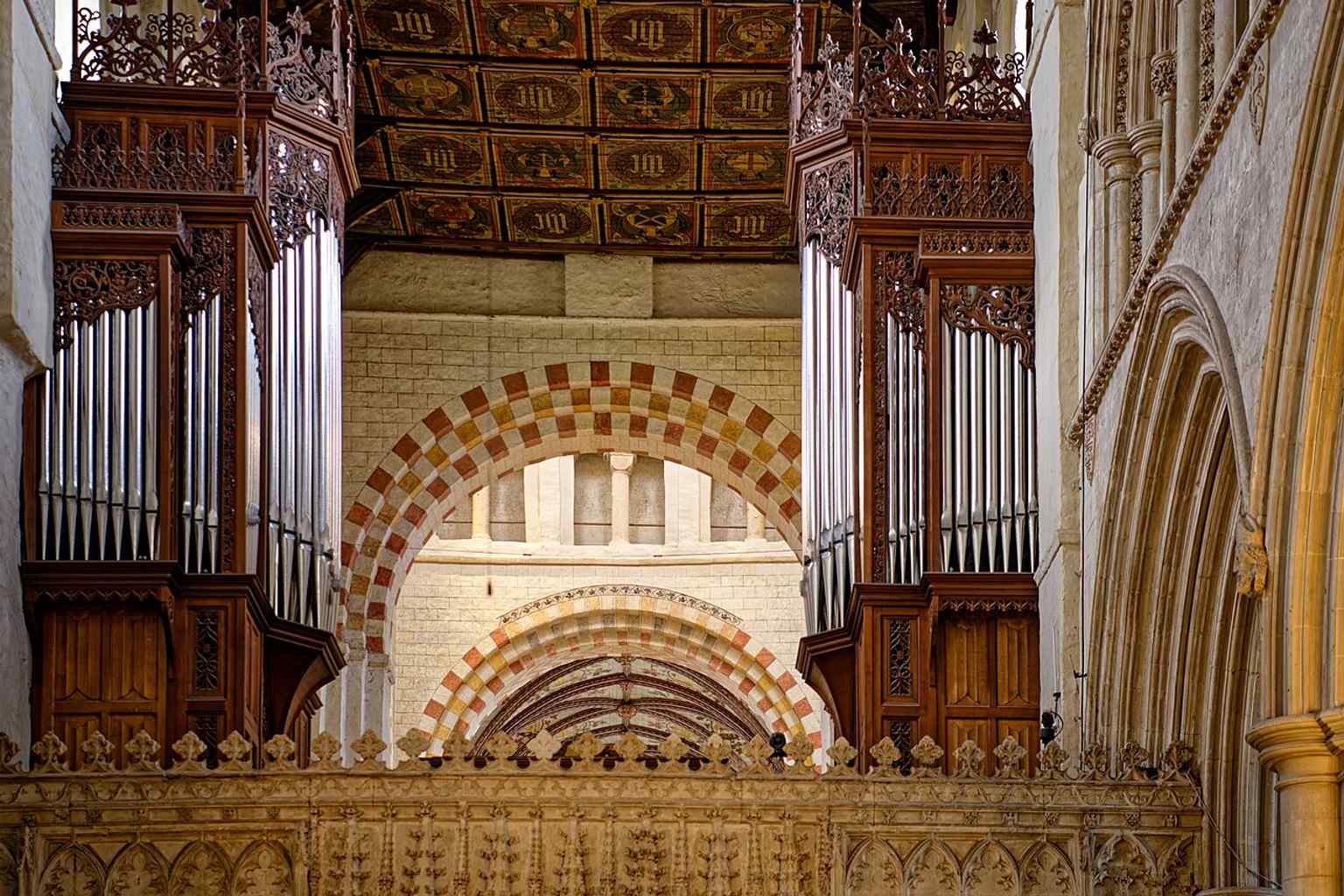
The plan was grand almost beyond reason. The nave, the main central hall of the church, runs for eighty-five metres, the longest of any cathedral in England. If you glance at the app, the interior view gives you a marvellous sense of that long, solemn reach. And above the crossing, where the long body of the church meets its side arms, rises the great central tower - the only surviving eleventh-century tower of its kind in England.
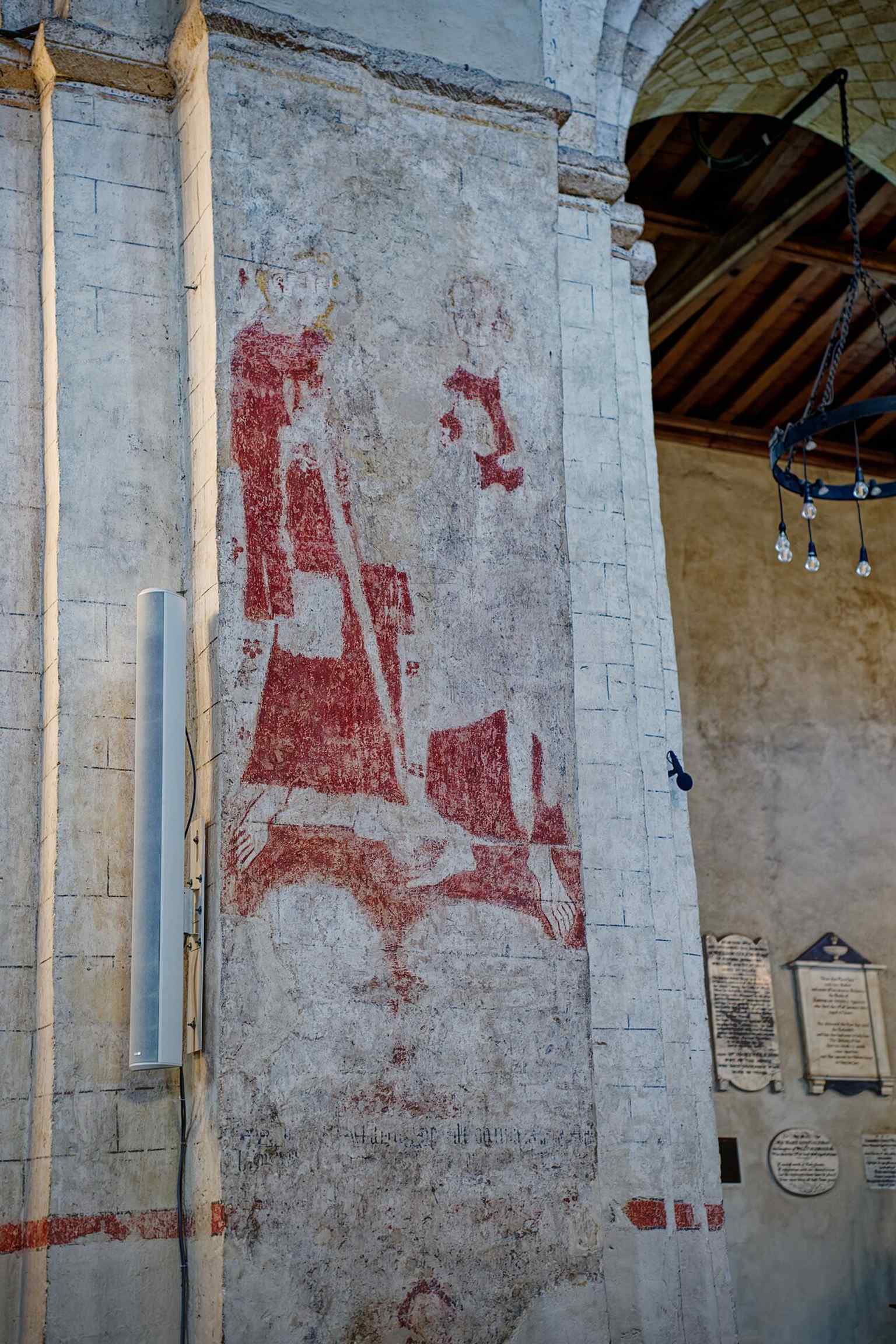
But survival came dearly. In fifteen thirty-nine, Henry the Eighth’s dissolution of the monasteries ended the abbey. Monks left, shrines were broken apart, and the monastic library scattered. The church survived because the townspeople bought it and kept it alive as their parish church. That curious double life still remains: it is both cathedral and parish church, which is rather unusual in England.
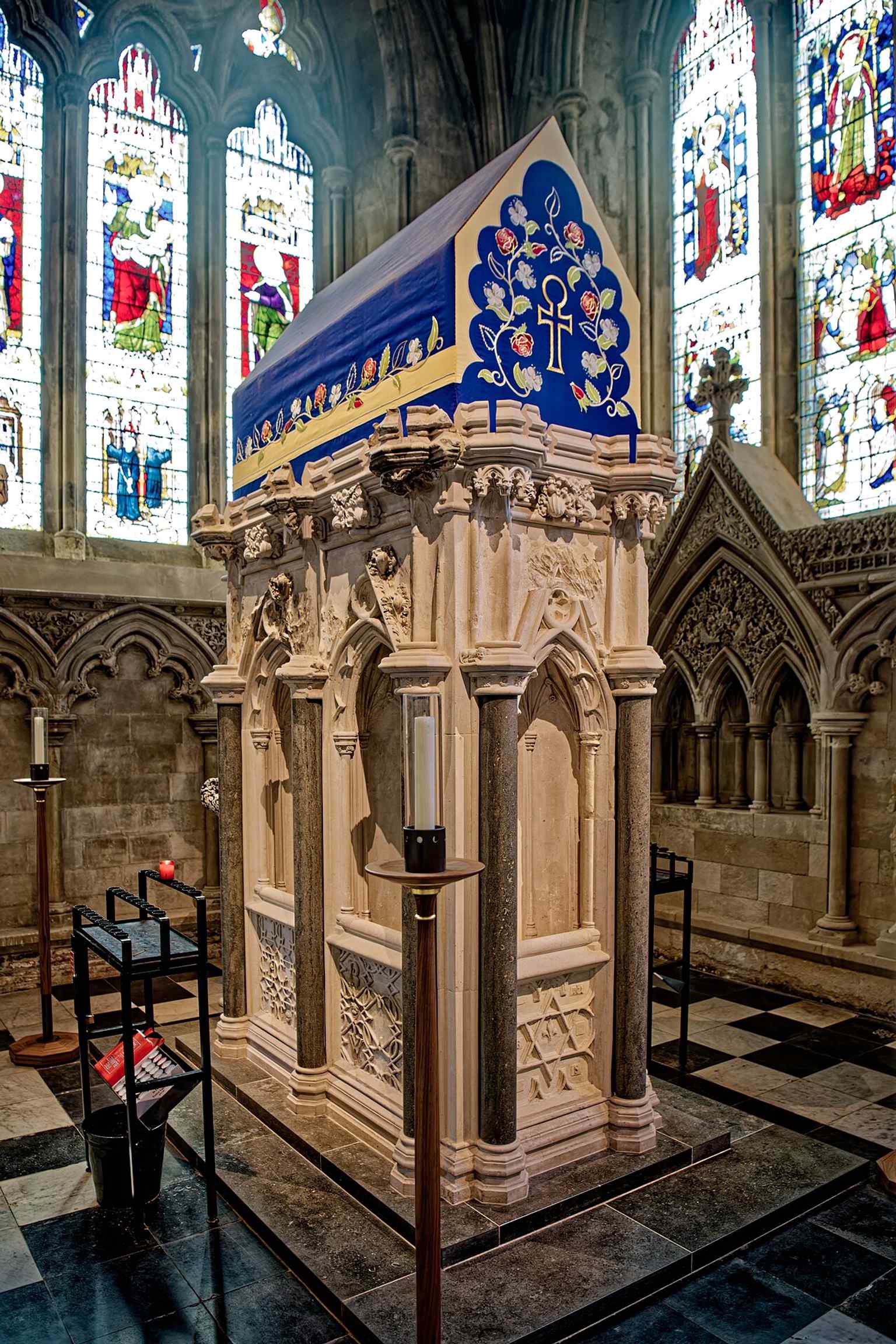
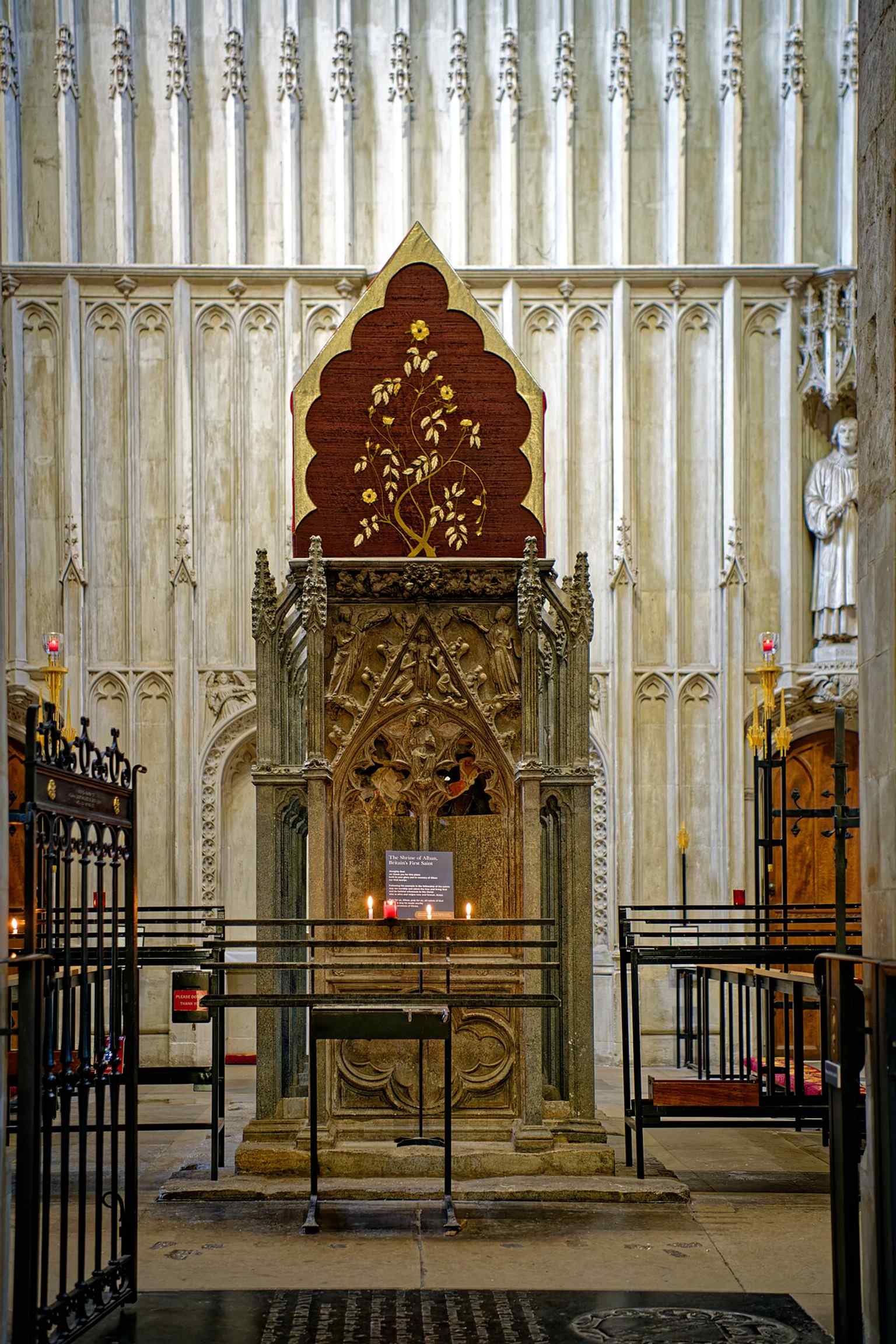
Inside, the shrine of Saint Alban still draws people in, as it has for centuries; you can see it on your screen here. The tomb of Amphibalus is there as well, so the old story of host and guest still lingers at the building’s heart. The fabric itself nearly failed more than once - cracked walls, subsiding ground, storm damage, even serious talk of demolition - until Victorian restorers rescued it. George Gilbert Scott saved much; then Lord Grimthorpe, wealthy and forceful, reshaped the west front you see now, not always delicately, but decisively enough to secure the cathedral’s future. In eighteen seventy-seven, the church finally became a cathedral in law as well as stature.
If you choose to go inside later, the cathedral is generally open every day from nine in the morning until five in the afternoon.
This is a place where martyrdom, monarchy, ruin and rescue all settle into one immense body of stone.
When you are ready, continue on and let the city unfold its next secret.