
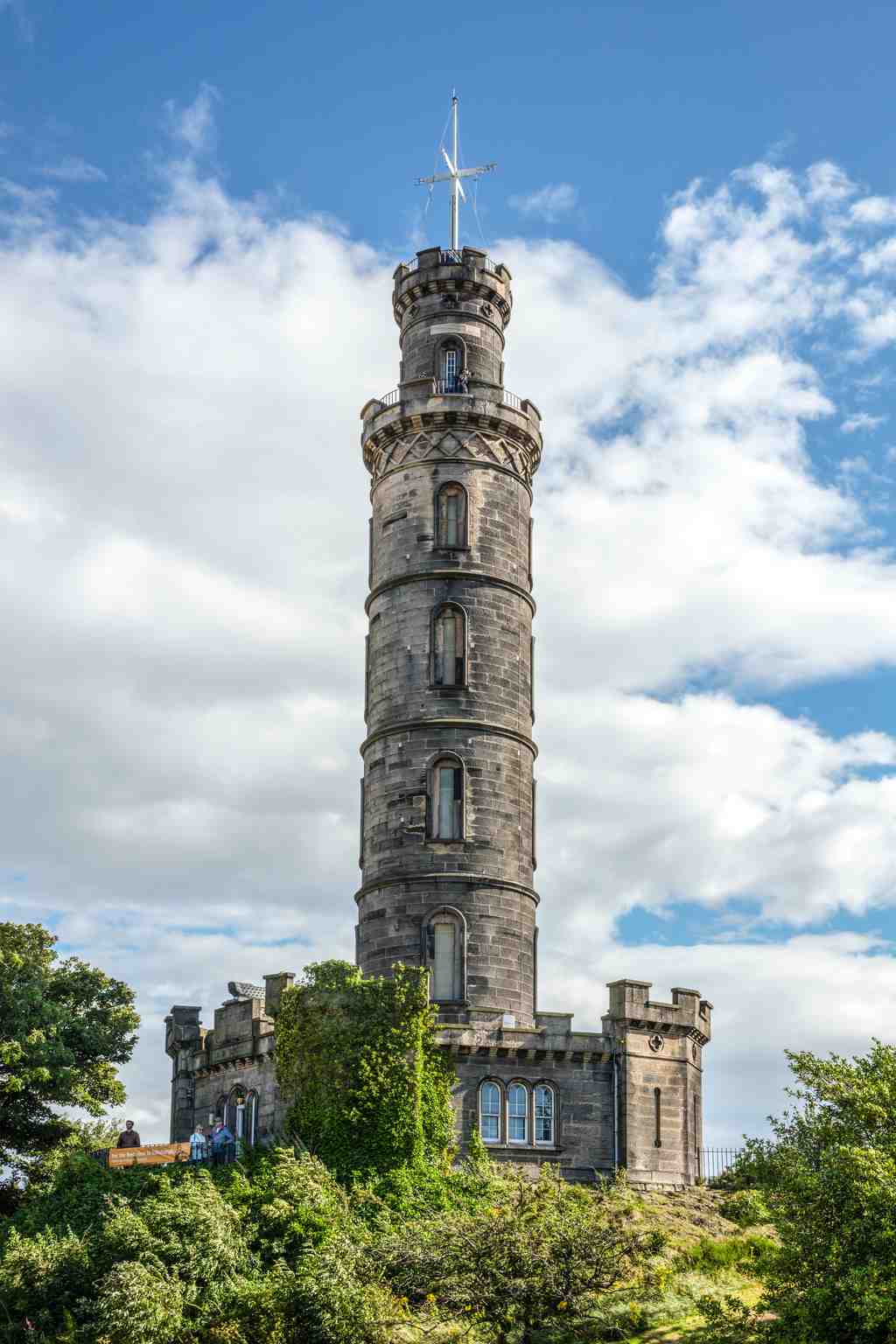
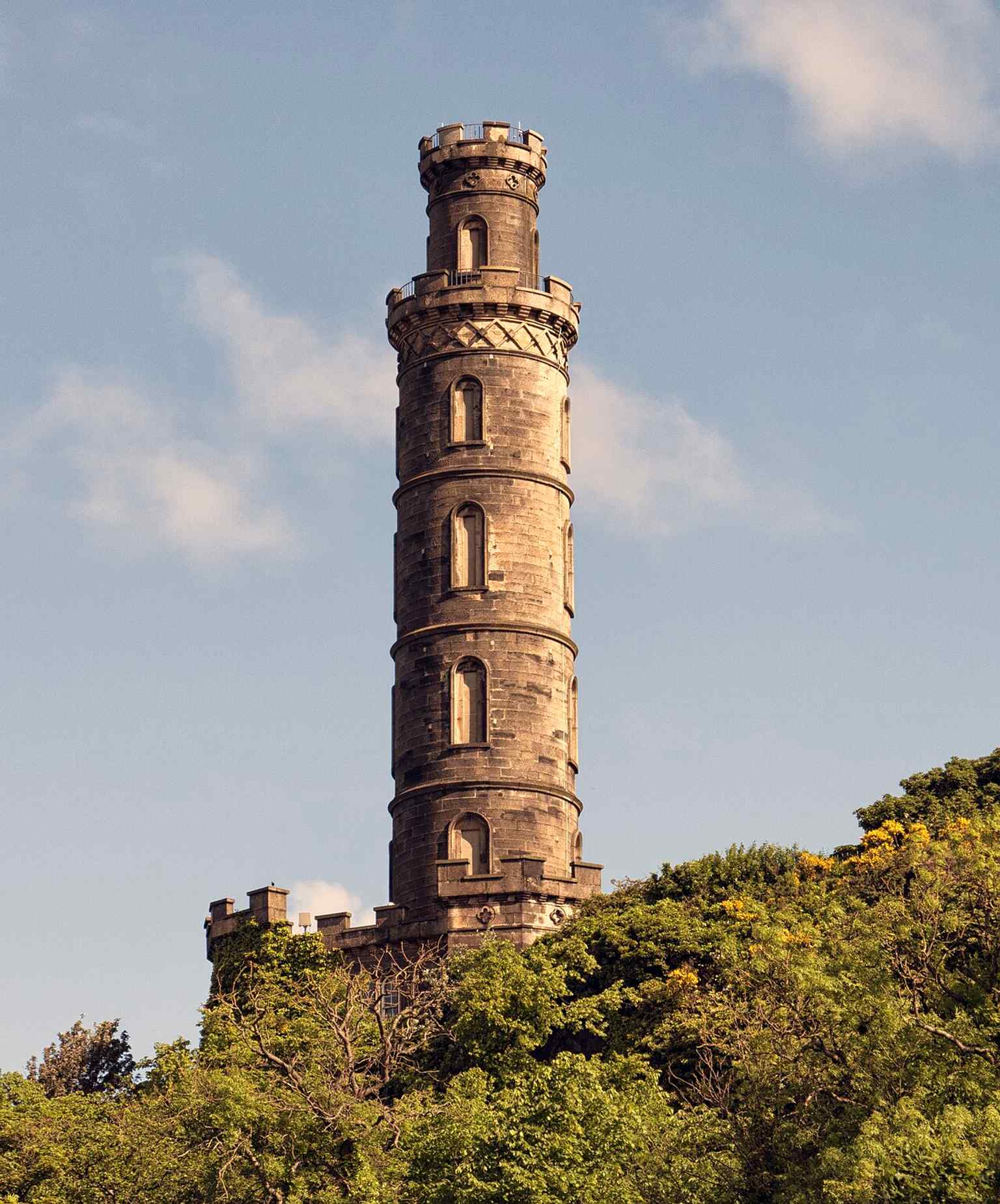
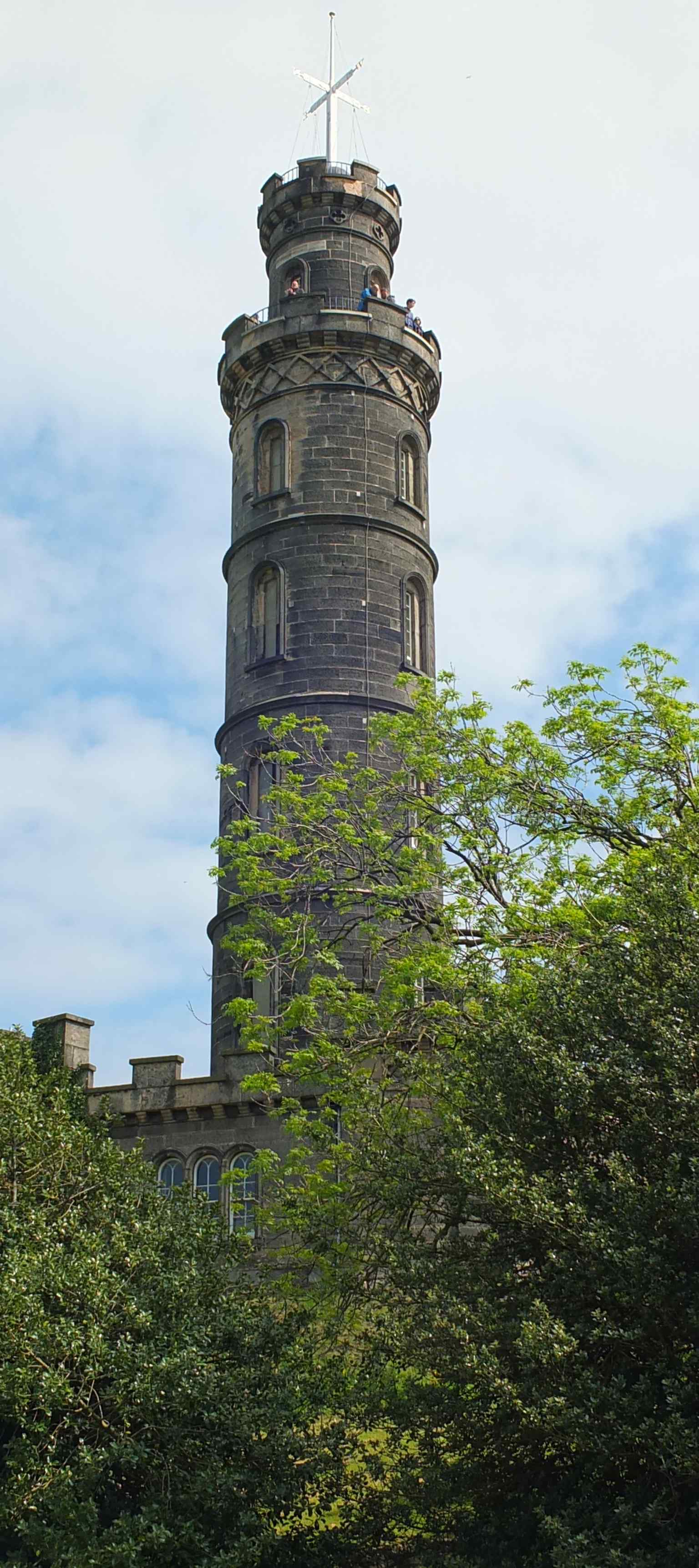
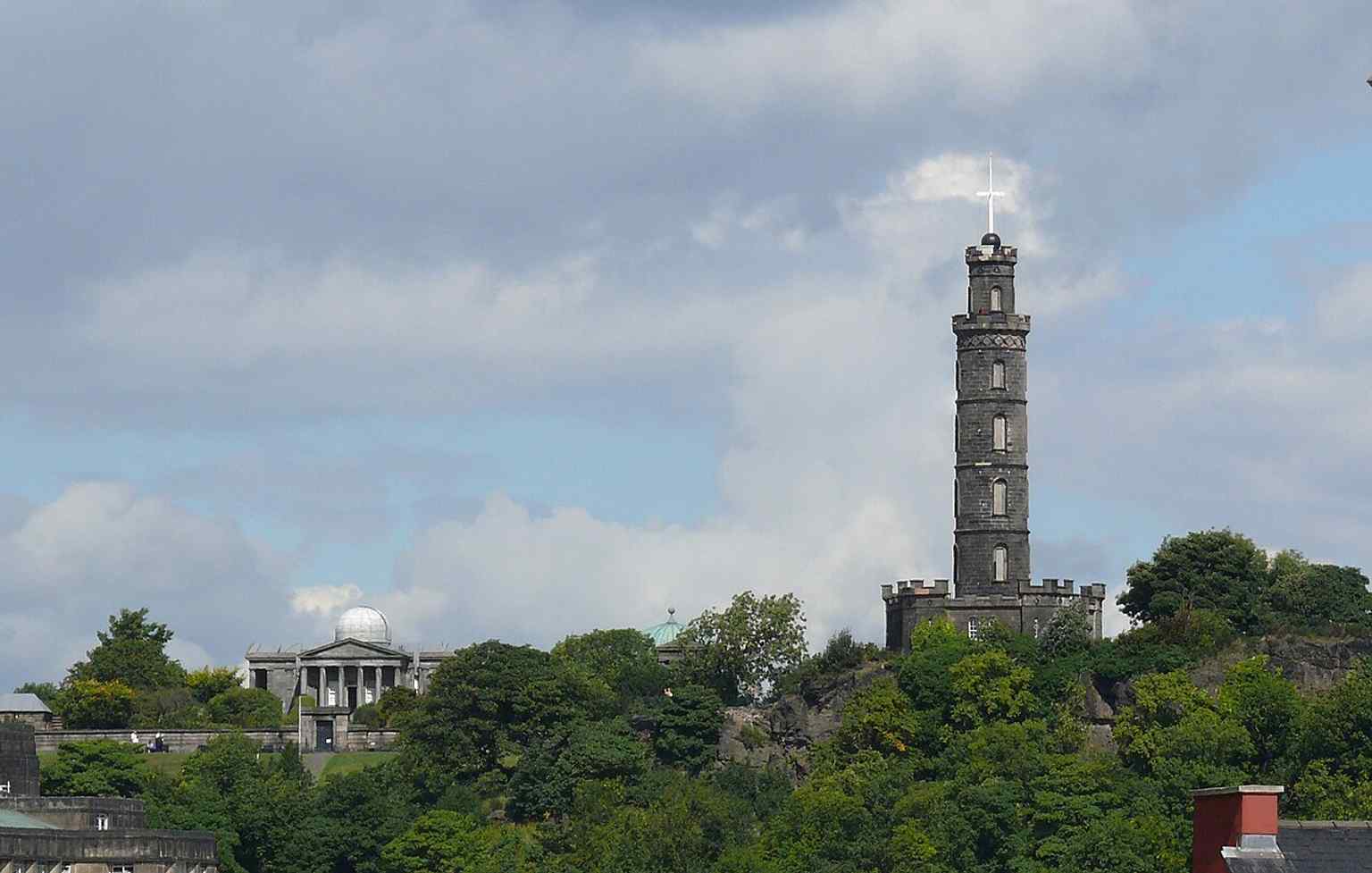
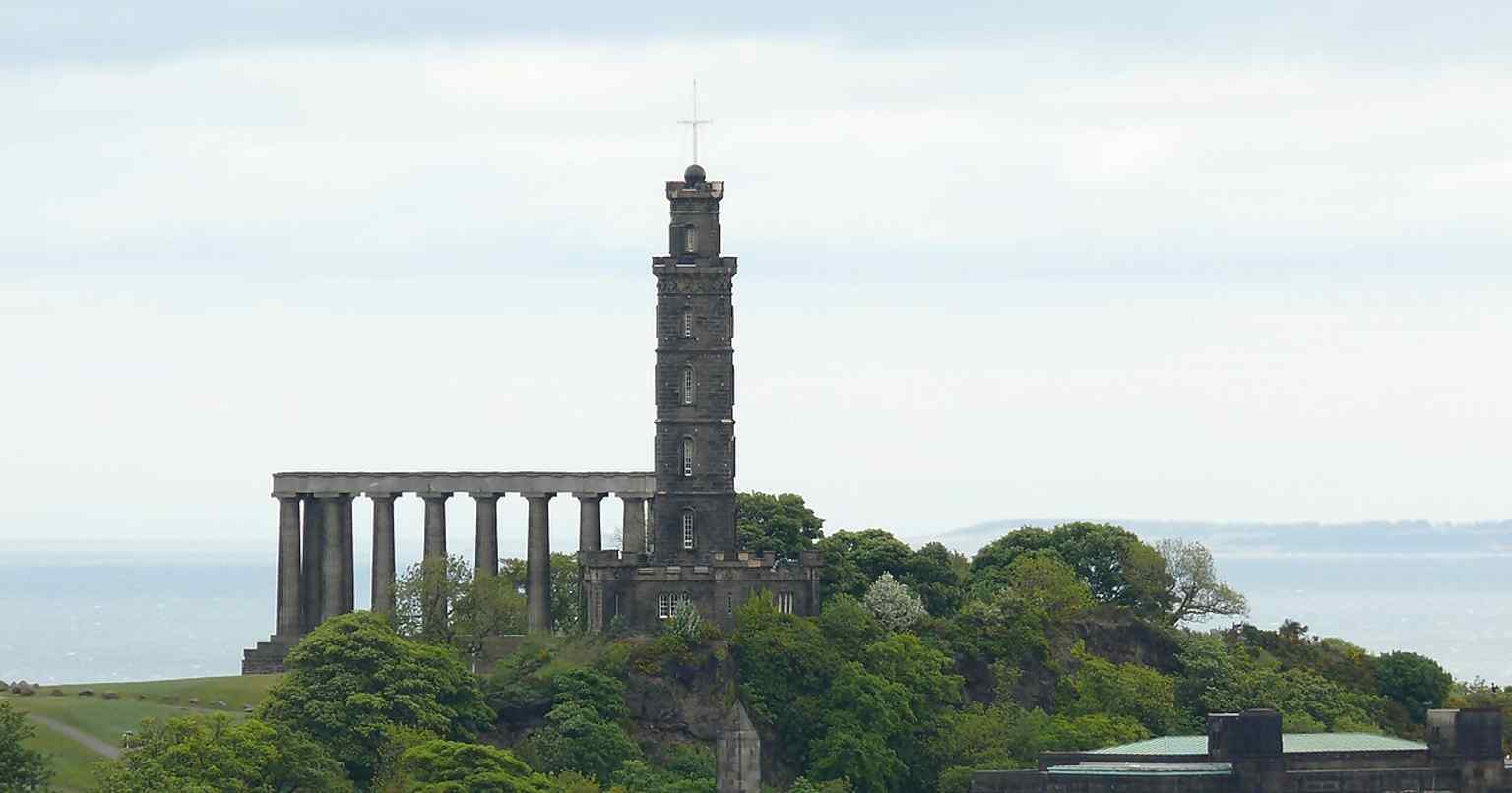
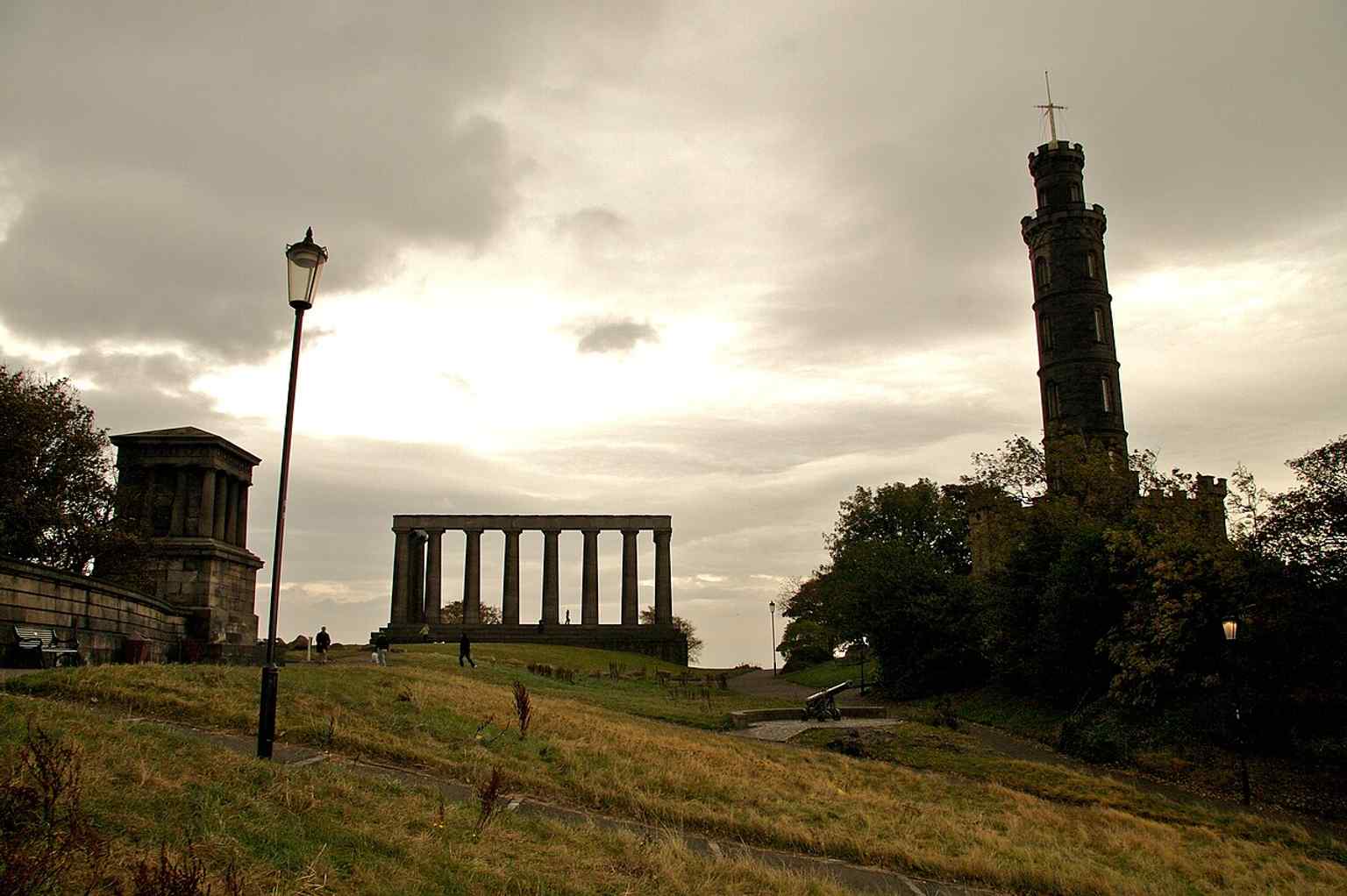
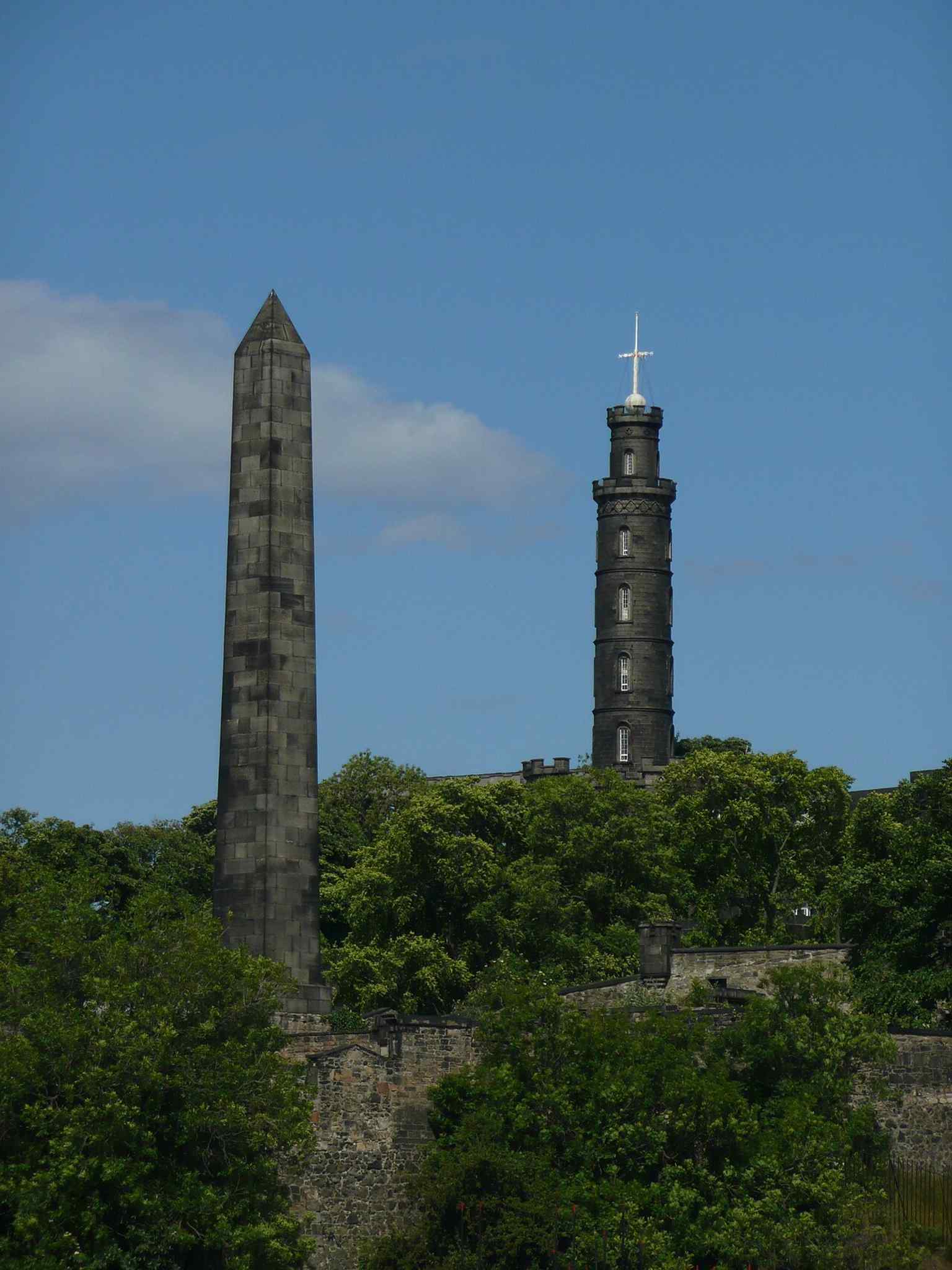
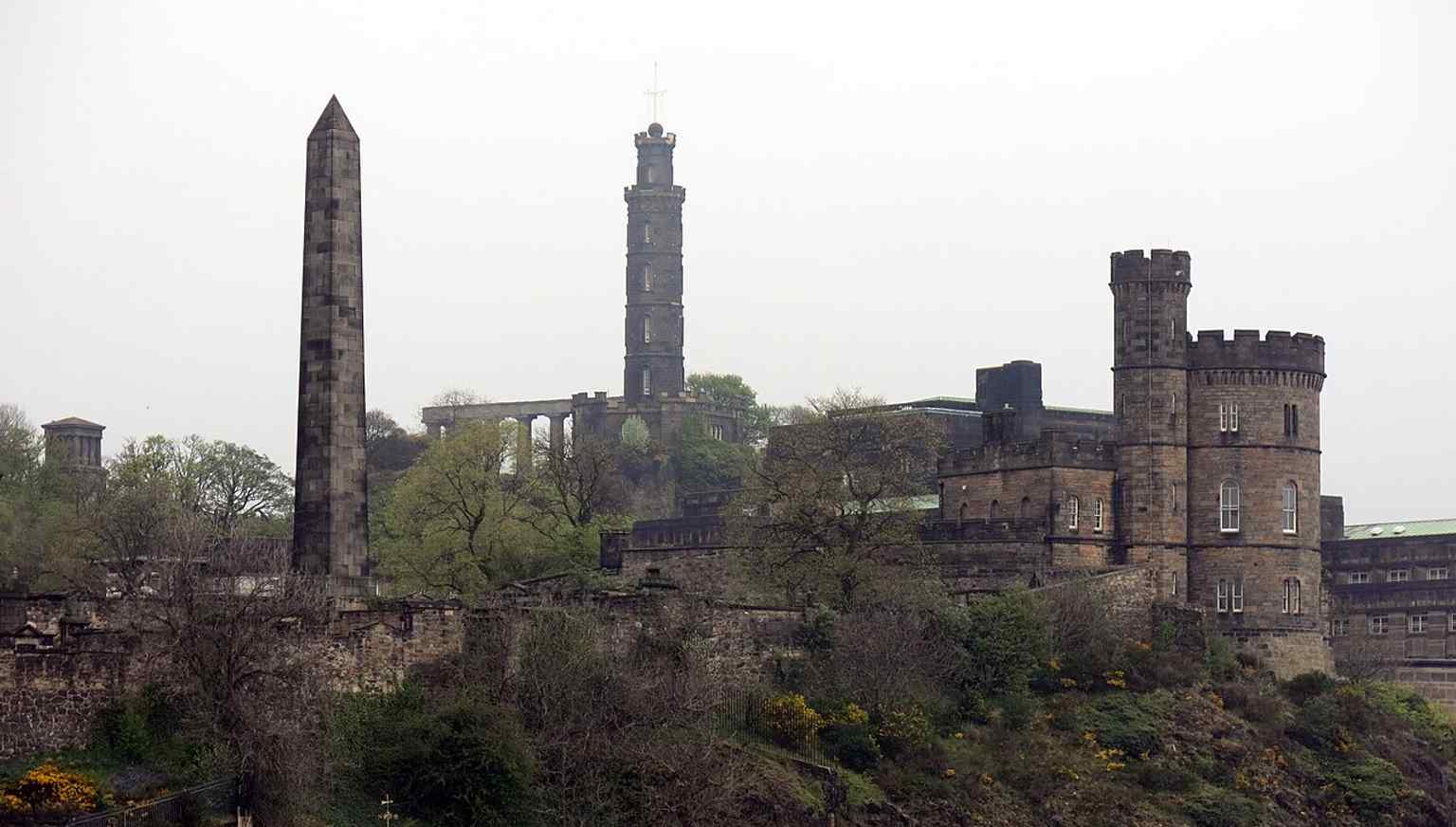
On your left rises a pale stone tower shaped like an upturned telescope, set on a castellated stone base and crowned by the distinctive mast and time ball.
This is the Nelson Monument, Edinburgh’s memorial to Vice Admiral Horatio Nelson, raised not simply to remember a man, but to present him as an example. Nelson died at Trafalgar in eighteen oh five, at the very moment of his greatest victory over the French and Spanish fleets, and Edinburgh answered with a monument that began in ceremony as much as in stone. On the twenty-first of October, eighteen oh seven, the second anniversary of the battle, they laid the foundation stone here on Calton Hill, tying this place to sacrifice, triumph, and duty from the first moment.
The design tells its own story. An early scheme by Alexander Nasmyth proved too expensive, so architect Robert Burn supplied this more pointed idea: a tower in the form of an upturned telescope, the instrument most closely linked in the public imagination with Nelson at sea. Burn did not live to see it finished. He died in eighteen fifteen and lies buried nearby in the Old Calton Burial Ground, while Thomas Bonnar completed the pentagonal, battlemented base by eighteen sixteen. There is something rather Edinburgh about that: ambition checked by money, then carried through by stubborn civic will. Unlike the unfinished National Monument beside it, this one made it to completion.
Look at the entrance plaque if you can. Its tone is strikingly severe. The citizens who paid for this by public subscription did not say only that they mourned Nelson. They said they wished future generations to emulate him, and, if duty required it, to die for their country. Above that inscription sits a carving of the San Josef, the Spanish ship Nelson captured at Cape Saint Vincent. So even the decoration gives a lesson.
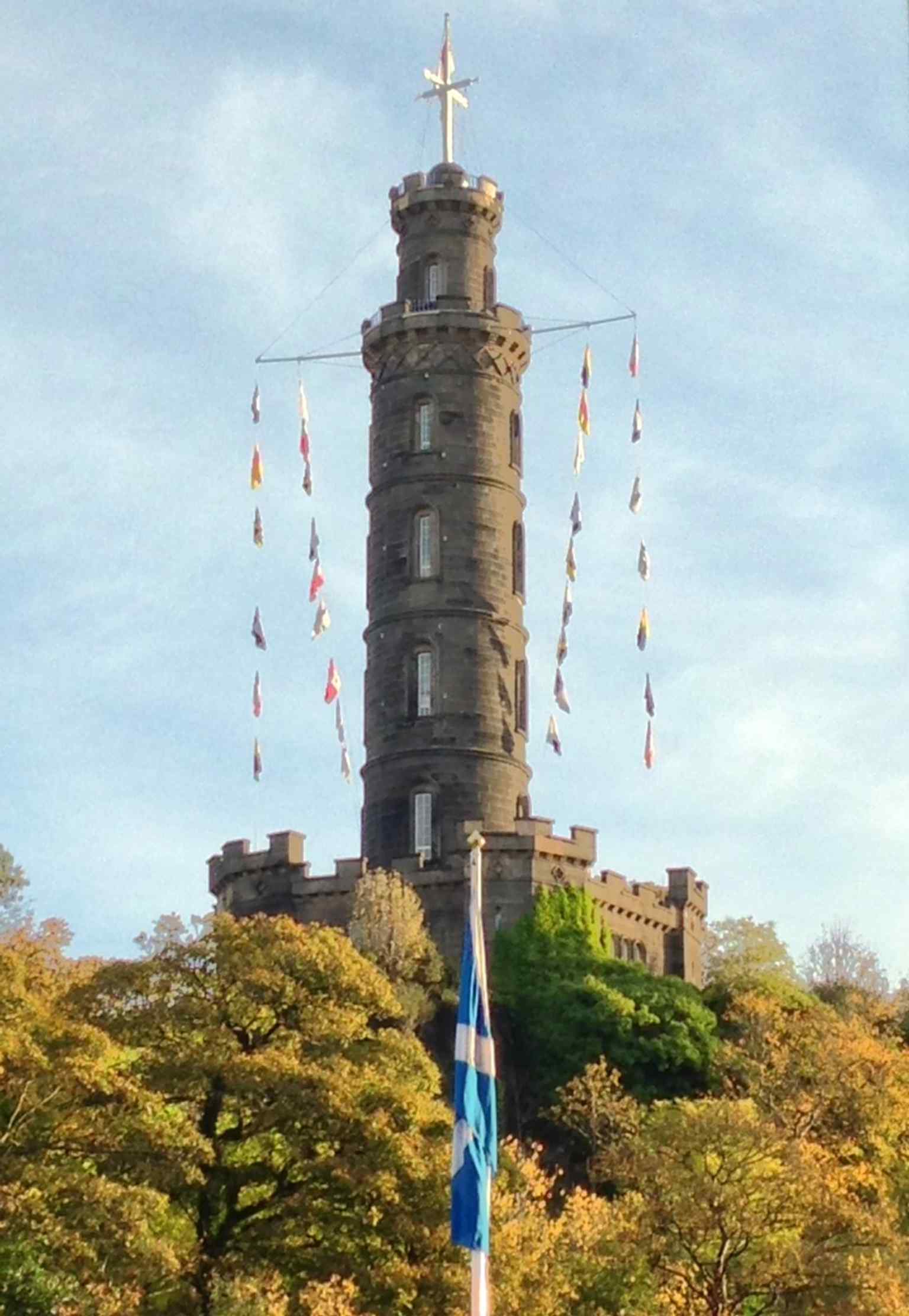
That lesson still returns each Trafalgar Day. The Royal Navy’s White Ensign flies here, along with signal flags spelling Nelson’s famous message: England expects that every man will do his duty. If you want to see that ritual in miniature, there’s a fine image in the app of the flags in full voice above the tower. Local memory gave the ceremony a Scottish cast too. Reports liked to note that roughly one fifth of those at Trafalgar were Scots, and they singled out one child in particular: ten-year-old John Doig from Leith.
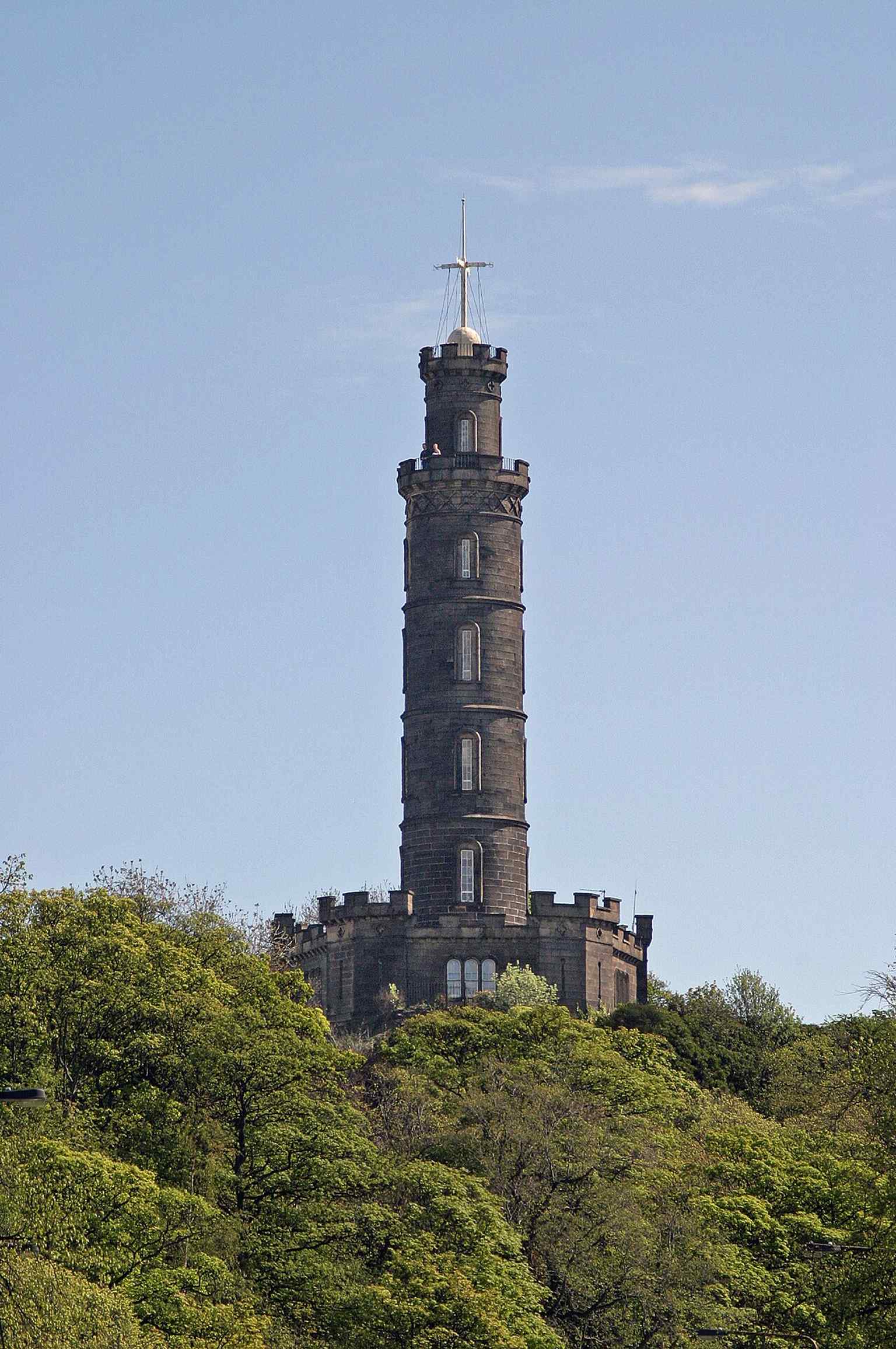
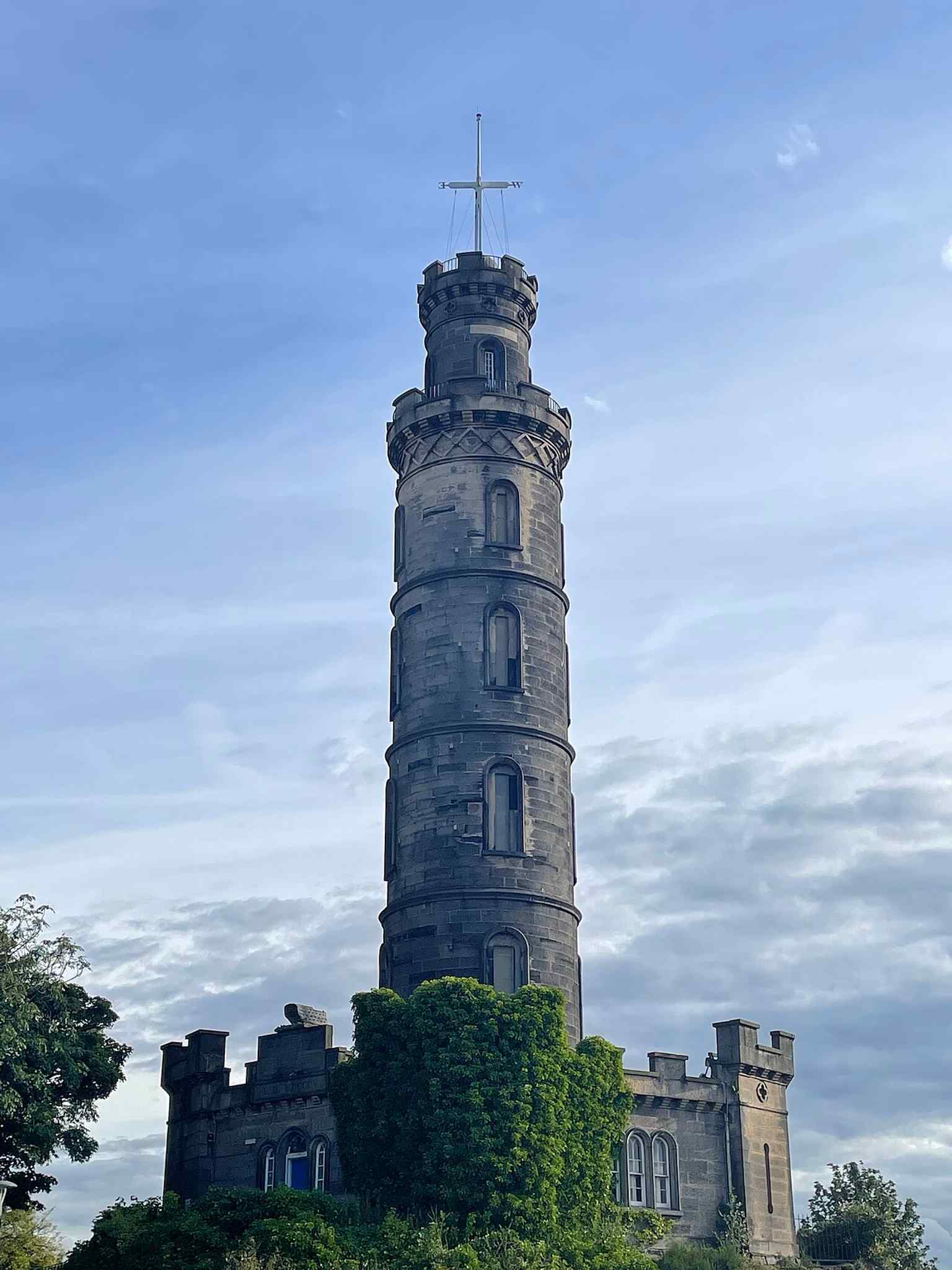
And then, wonderfully, the memorial took on a practical job. In the eighteen fifties, Charles Piazzi Smyth, the Astronomer Royal for Scotland, helped add the time ball on top. A large wooden ball, covered in zinc and weighing about ninety kilograms, rose shortly before one o’clock and dropped precisely at one, letting ships in Leith set their chronometers, their shipboard clocks for navigation. So this monument honoured a naval hero and served working sailors at the same time. If you like, have a look at the before-and-after image in the app; it shows the tower swaddled for repair in two thousand and nine, then restored to its familiar profile again.
From here, our path leads in about six minutes to Regent Bridge, where the city reshaped access with stone and engineering, and, as so often in Edinburgh, disturbed the dead in the process. If you want to return and go inside, the monument generally opens daily from ten to one and from two to five.






.jpg)


