
Look for a wide, stone-paved square of split Rhine cobbles, edged by stately old houses, with the red sandstone mass of Basel Minster holding the whole space in place.
This is Münsterplatz, one of Basel’s oldest squares... and one of its best stage sets. Not stage set in the fake Hollywood sense... more like a place where the same ground kept accepting new scenes for more than two thousand years.
This hill is the Münsterhügel, the layered core of Basel. Long before the cathedral, people settled this rise above the Rhine because it gave them a strong position and a long view. In the first century before Christ, the Raurici lived here in a fortified settlement, so ancient life and medieval life sit here almost like stacked pages in the same book.
The square you see took shape much later, in steps: first with the building of the Minster in the Middle Ages, then with Baroque changes, and again in the early nineteenth century. Even the paving under your feet carries that long memory. These are Rhine stones, split and set with the broken face upward, and the core of this surface goes back to the late fourteenth and early fifteenth centuries. When the Council of Basel met here in the early fifteenth century, people already crossed this same patchwork of stone.
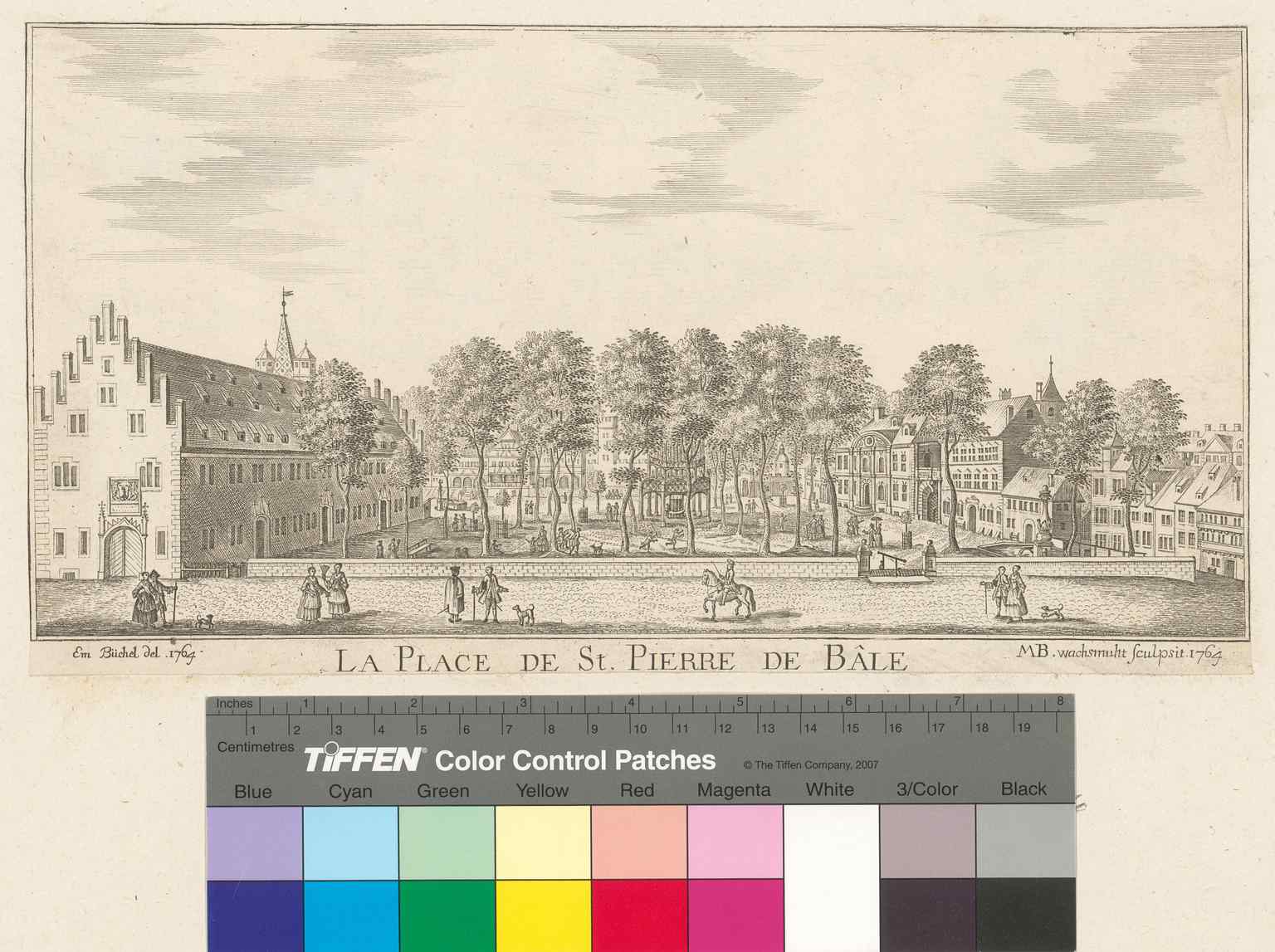
If you glance at the app, the older view shows how stubbornly this place has kept its role, even as the city changed around it.
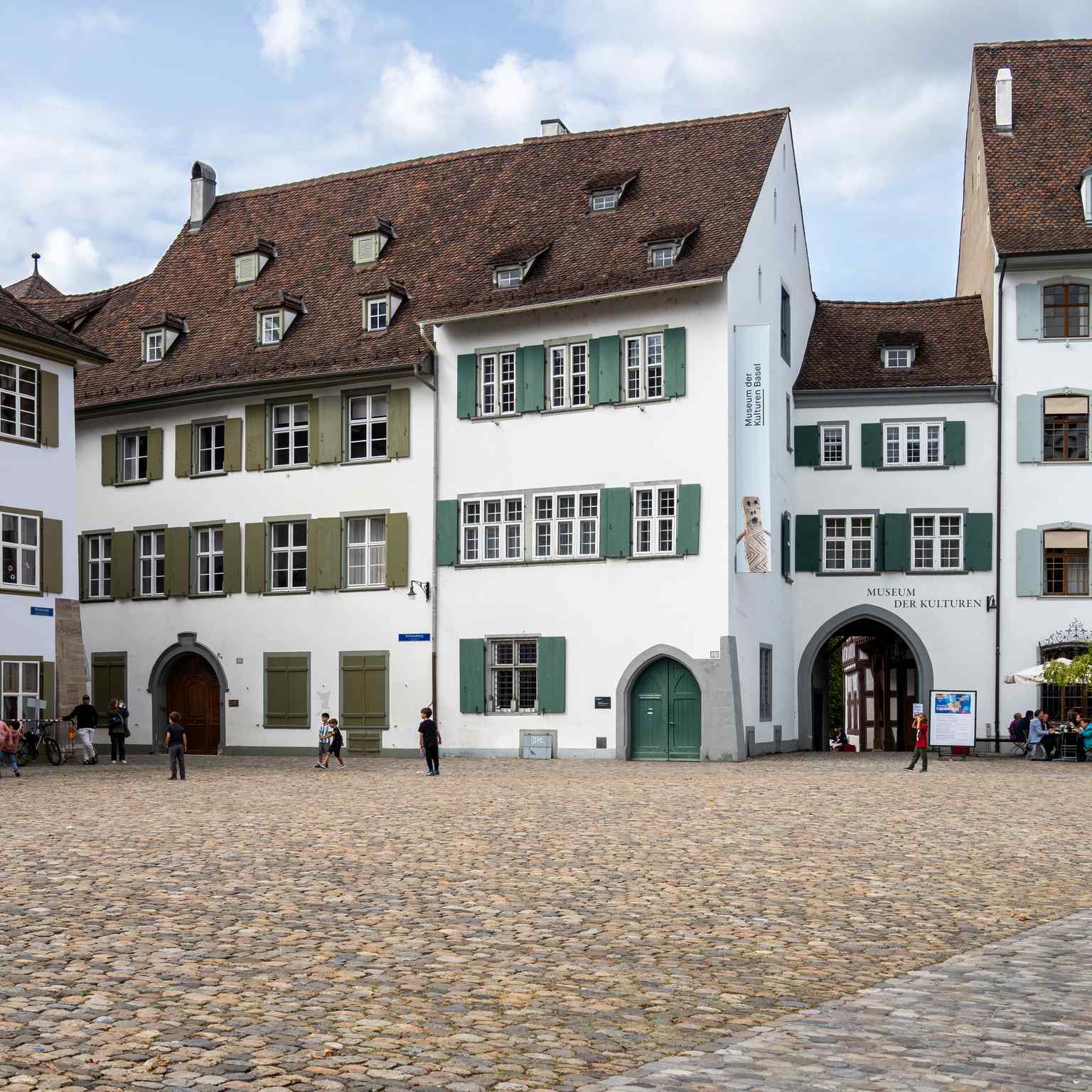
Now take a slow look around the edges of the square... Notice how the open space meets those tightly packed historic houses. It feels ceremonial, yes, but also lived-in, like a grand room that never forgot it had neighbors.
Those houses mattered. Across the square stood the Haus zur Mücke, and in fourteen forty, during the Council of Basel, it became the scene of a European power struggle. Pope Martin the Fifth had called the council to reform the church, but reform and politics are old traveling companions. Under Cardinal Ludwig of Arles, the conclave in that house chose Amadeus of Savoy as Felix the Fifth, an antipope, meaning a rival claimant to the papacy. For his public crowning on this square, workers had to force open sealed doors with axes, and witnesses said the electors came out pale and exhausted. So yes... this peaceful square has seen men argue about the fate of Christendom within a few steps of where schoolchildren later walked home.
And the square kept changing jobs. In seventeen ninety-eight, Basel citizens and French revolutionaries held a fraternization ceremony here around a liberty tree. In eighteen seventy-one, the city laid asphalt across the space because horse-drawn traffic clattered so loudly it disturbed lessons in the nearby school. Then, after years of parking and buses, Basel restored the square between two thousand six and two thousand thirteen, bringing back a unified stone surface while making it easier to walk. Old fabric, new use... Basel’s favorite trick.
One more witness hides in plain sight: somewhere in the paving of the larger square, a cast-iron plate marks a Roman well once about twenty meters deep. The well is filled in now, but its marker quietly says, “I was here first.”
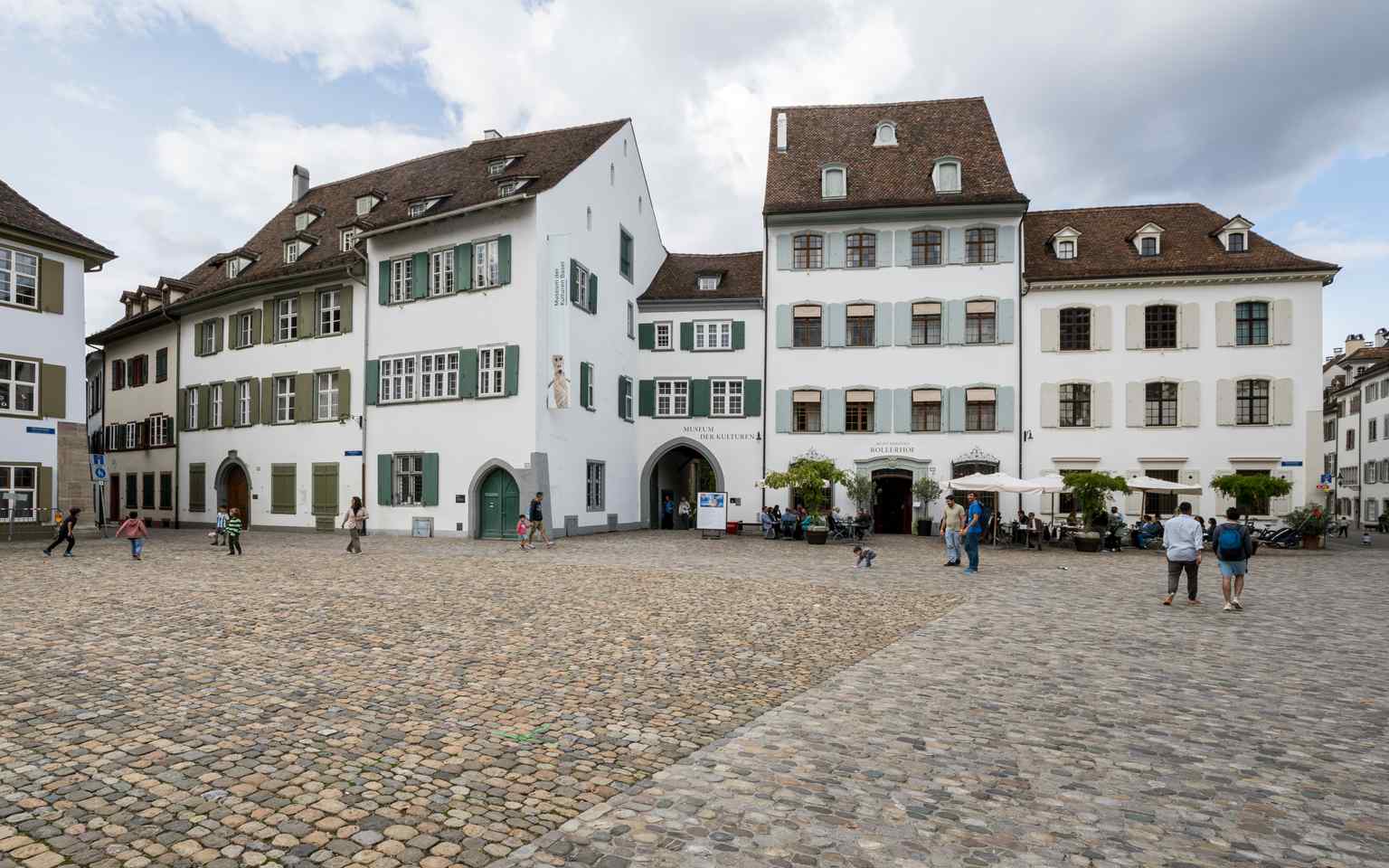
If you want one more visual anchor, the app’s southeast view makes the square’s breadth and its ring of old houses especially clear.
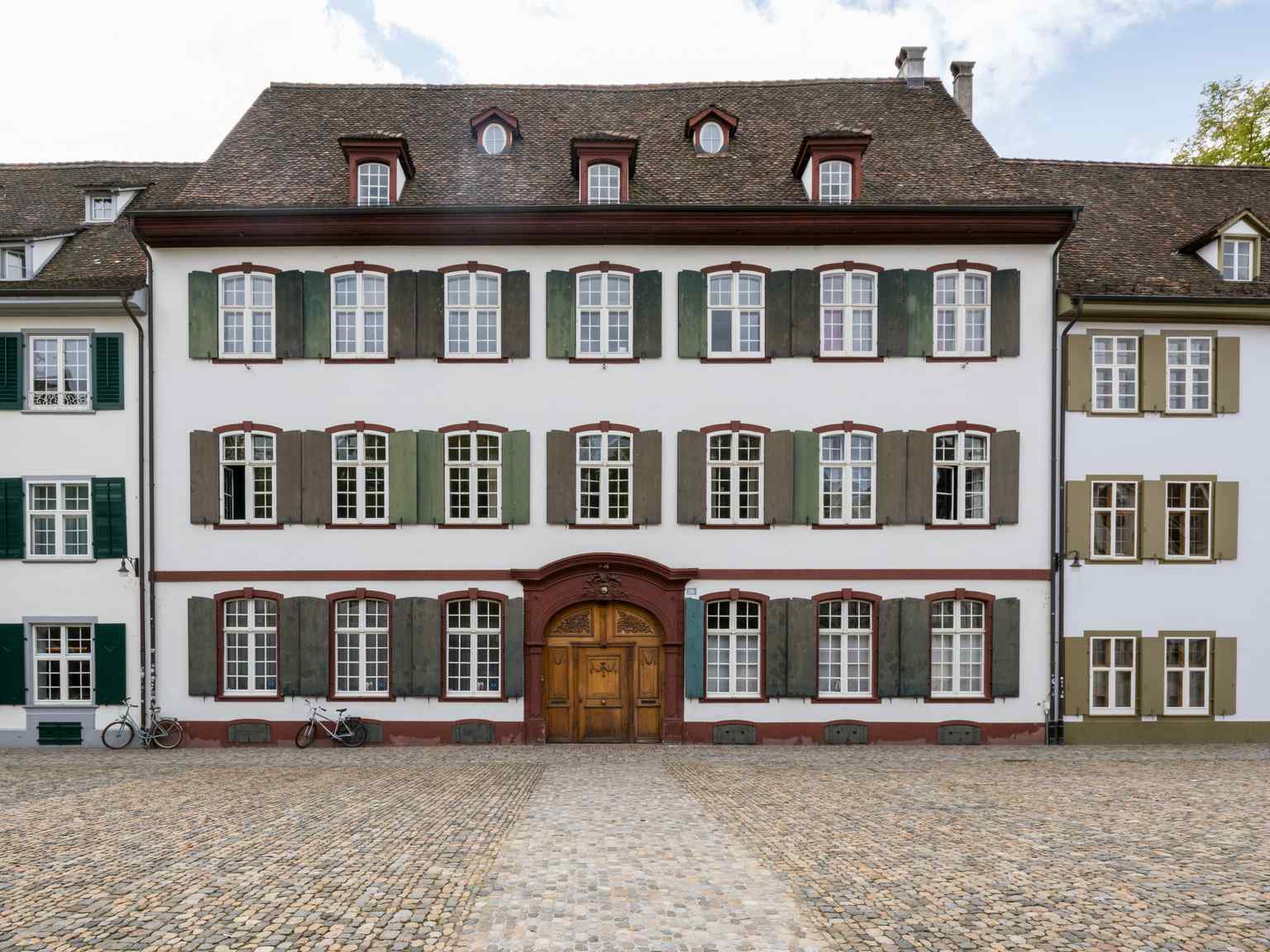
Now let your eyes rise from the square to the Minster itself. We’ve been standing in the city’s outer chamber; next, we step toward its heart.






.jpg)
.jpg)
.jpg)