
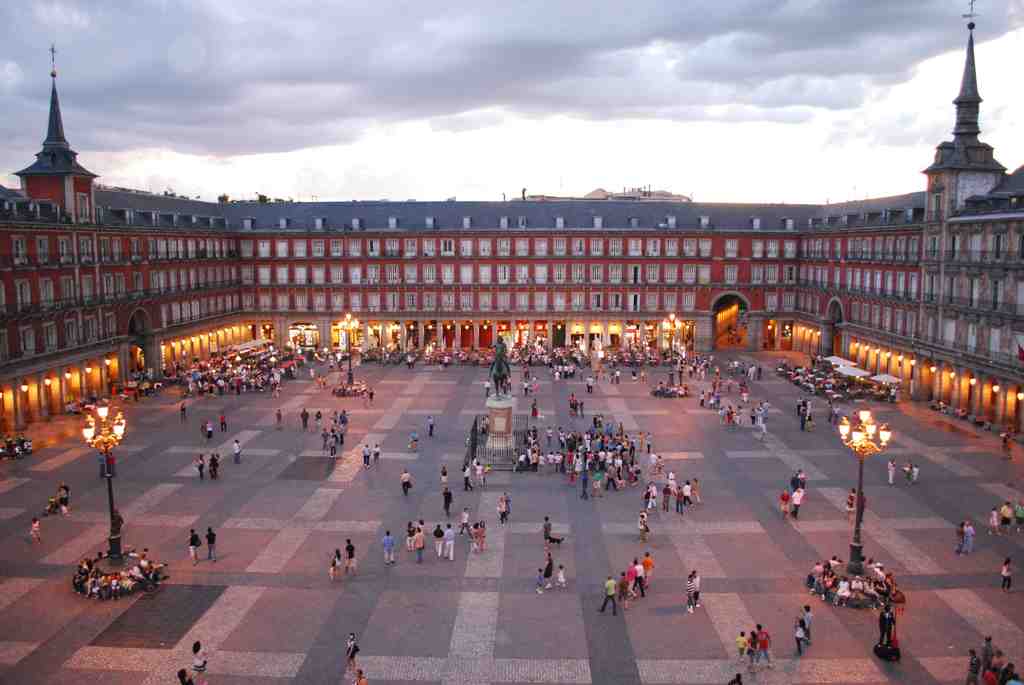
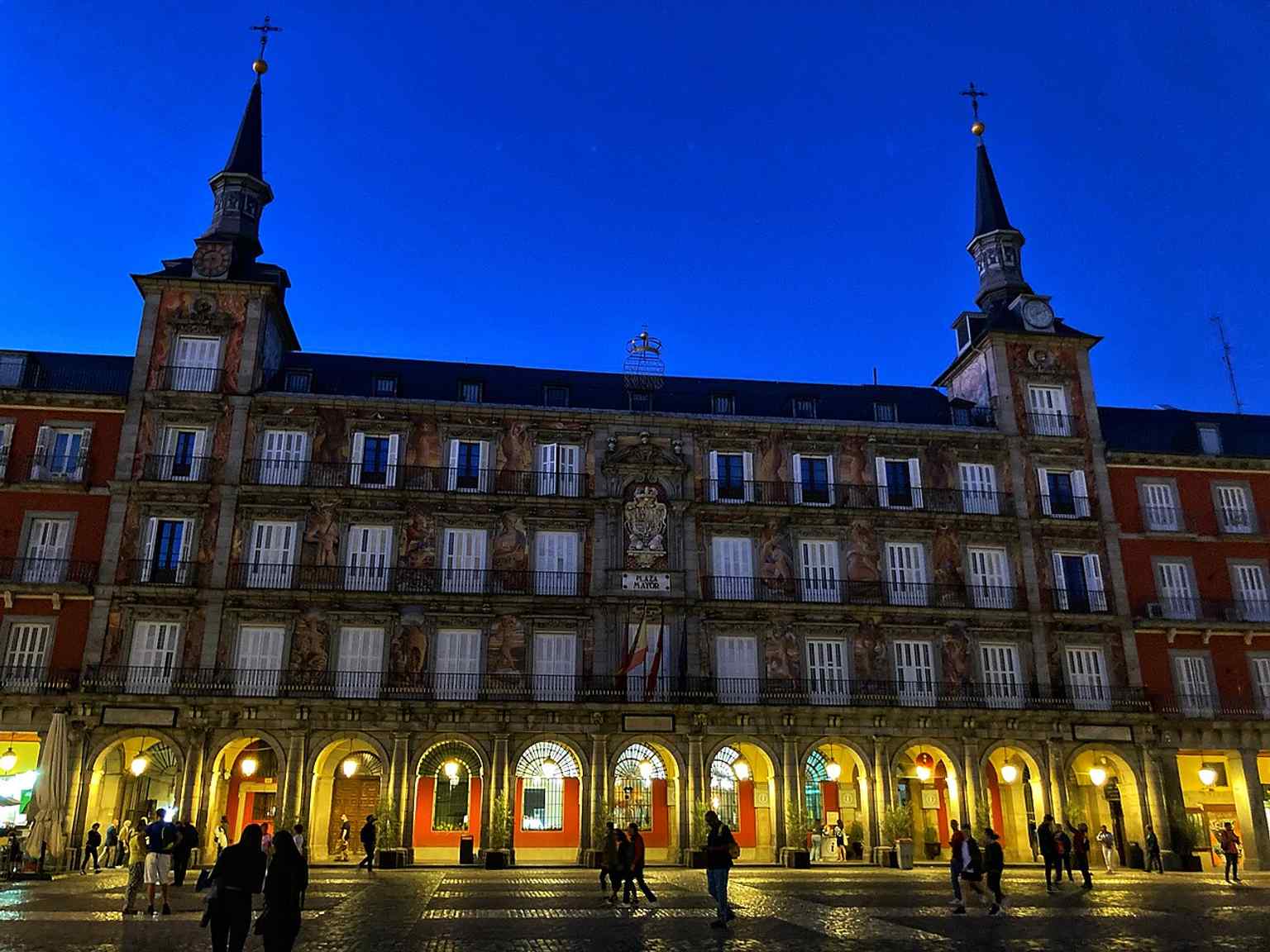
On your left, Plaza Mayor opens as a grand red-brick rectangle framed by granite arcades and rows of iron balconies, with the painted Casa de la Panadería standing out as its signature marker.
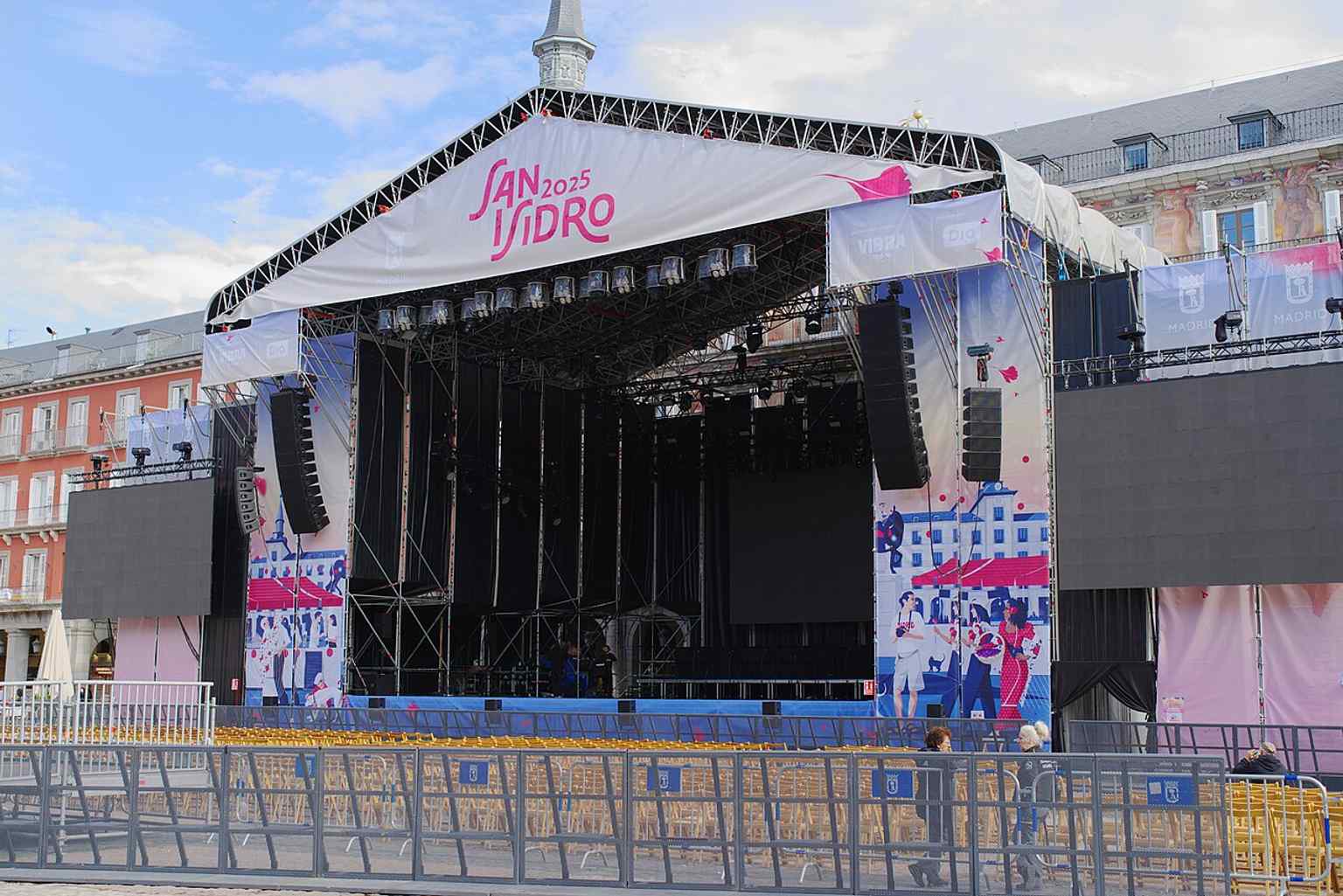
From here, you’re looking at one of Madrid’s great public stages. A stage, in this case, means more than a place where things happened. It was designed so people could watch from the square, from the arcades, and from those balconies above... and just as important, be watched themselves. In a city like Madrid, the crowd was never only the audience. The crowd became part of the performance.
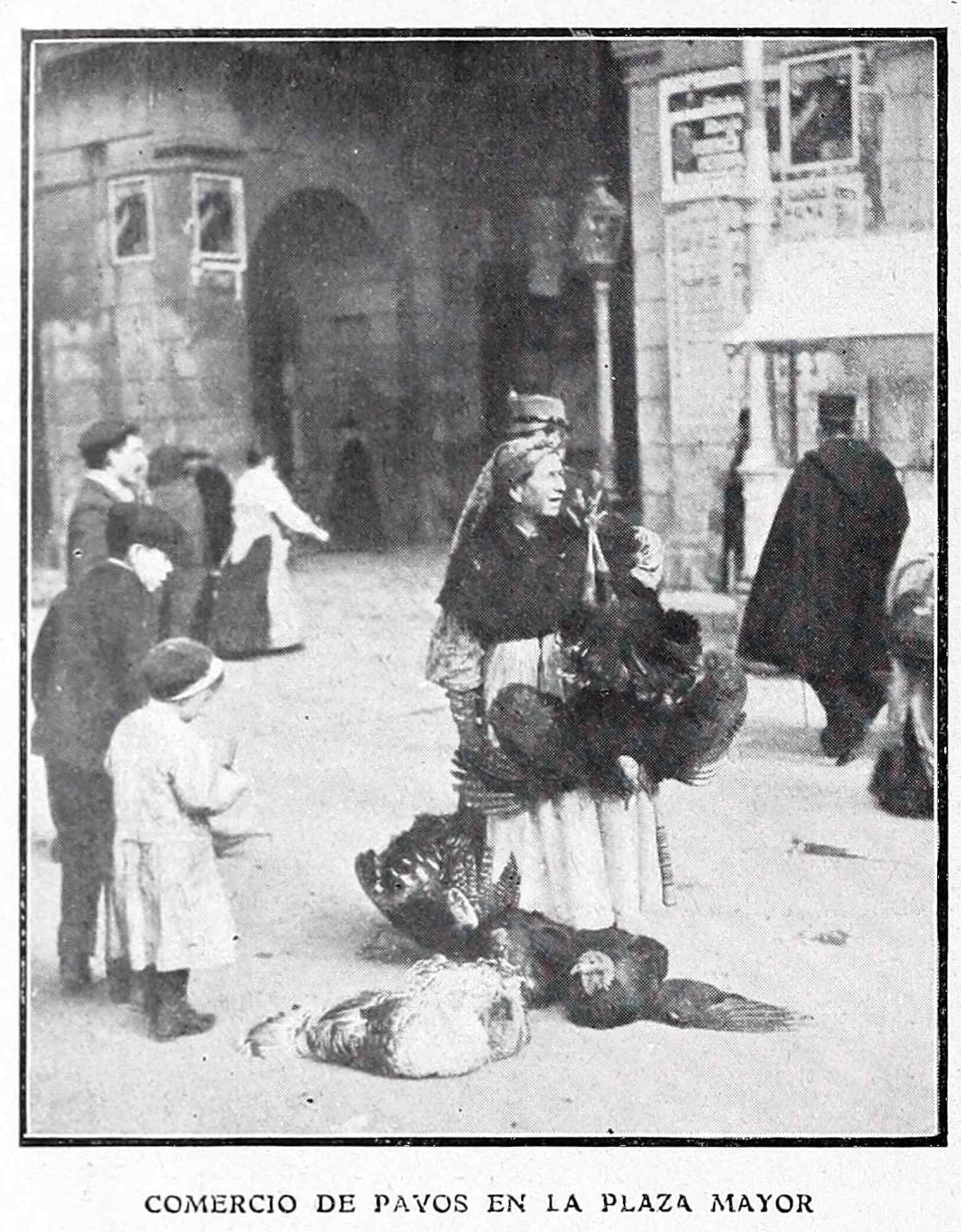
This space began humbler than it looks. In the Middle Ages, it stood outside the old walled town as the plaza del Arrabal, the main market where the roads from Toledo and Atocha met. Traders gathered here so regularly that the town built a lonja, a covered market hall, to keep commerce under control. Then Felipe the Second decided Madrid needed a square fit for a capital. He ordered Juan de Herrera to redesign it, Diego Sillero began the Casa de la Panadería in fifteen ninety, and in sixteen seventeen Felipe the Third told Juan Gómez de Mora to finish the whole ensemble. Gómez de Mora completed it in sixteen nineteen, and the official opening followed with the beatification of San Isidro in sixteen twenty, complete with celebrations and literary contests. Madrid liked to make an entrance, even then.
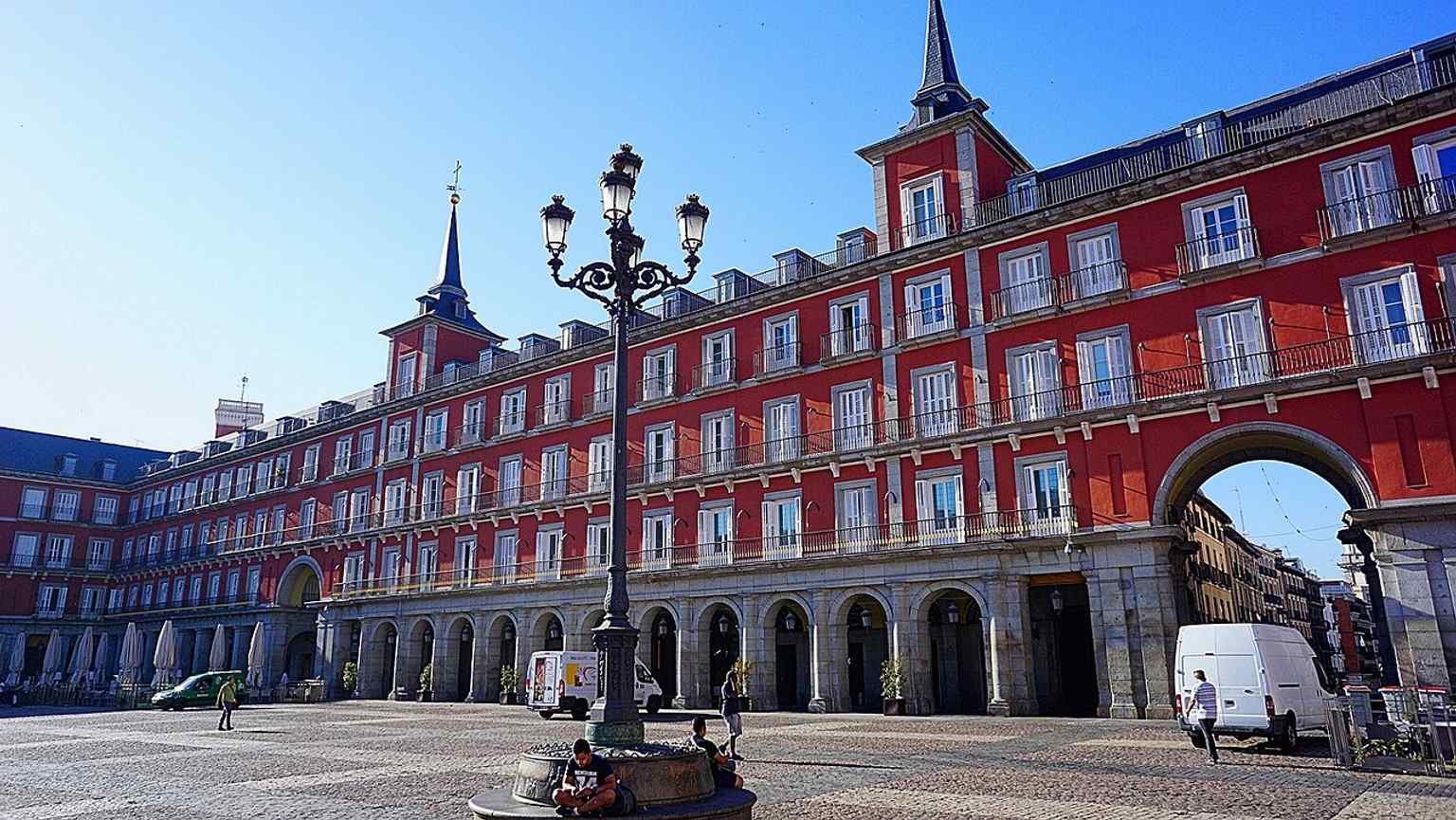
Architecturally, it is a neat piece of control: a rectangular square enclosed by housing, arcades below, three stories above, and two hundred thirty-seven balconies aimed inward like theater boxes. An arcade, by the way, is that sheltered passage of repeated arches along the ground floor. Handy for trade... and perfect for spectators.
And this place needed spectators. It hosted markets, royal proclamations, processions, bullfights, and executions. It also hosted the darker kind of ceremony. In sixteen eighty, Carlos the Second presided here over an auto de fe, a public ritual staged by the Inquisition to judge and punish people accused of heresy. Francisco Rizi painted the scene, and the canvas still shows the square turned into a theater of fear, religion, and royal authority.
Plaza Mayor kept burning and returning. Fires hit in sixteen thirty-one, sixteen seventy-two, and most devastatingly in seventeen ninety, when flames destroyed a third of the square and spread into nearby streets. Juan de Villanueva then reshaped the place you see: he lowered the surrounding buildings from five stories to three and closed the corners with large access arches. If you like, have a look at the before-and-after image in the app; it neatly shows the square shifting from the spare formality of nineteen forty-eight to the busier landmark centered on the restored Casa de la Panadería.
Later, Queen Isabella the Second moved the equestrian statue of Felipe the Third into the center in eighteen forty-eight, and the square slowly turned from arena into symbol. The Casa de la Panadería, once tied to market power, now serves visitors instead.
So here’s the question to carry with you: if you had stood in this square in sixteen eighty, packed among thousands, would you have felt devotion, curiosity, fear... or simply the pressure to show the “right” emotion? That was the trick of Plaza Mayor. In one age it entertained, in another it disciplined, and in another it terrified, all depending on who held the script. When you’re ready, the Collegiate Church of San Isidro is about a four-minute walk from here.





%20Comercio%20de%20pavos%20en%20la%20Plaza%20Mayor.jpg)


