
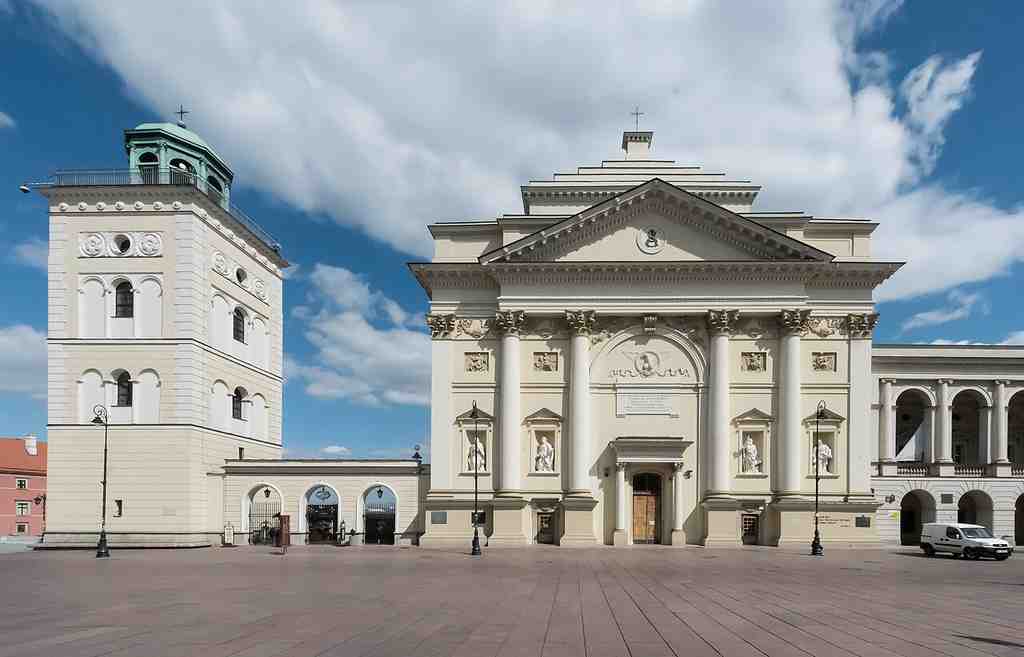
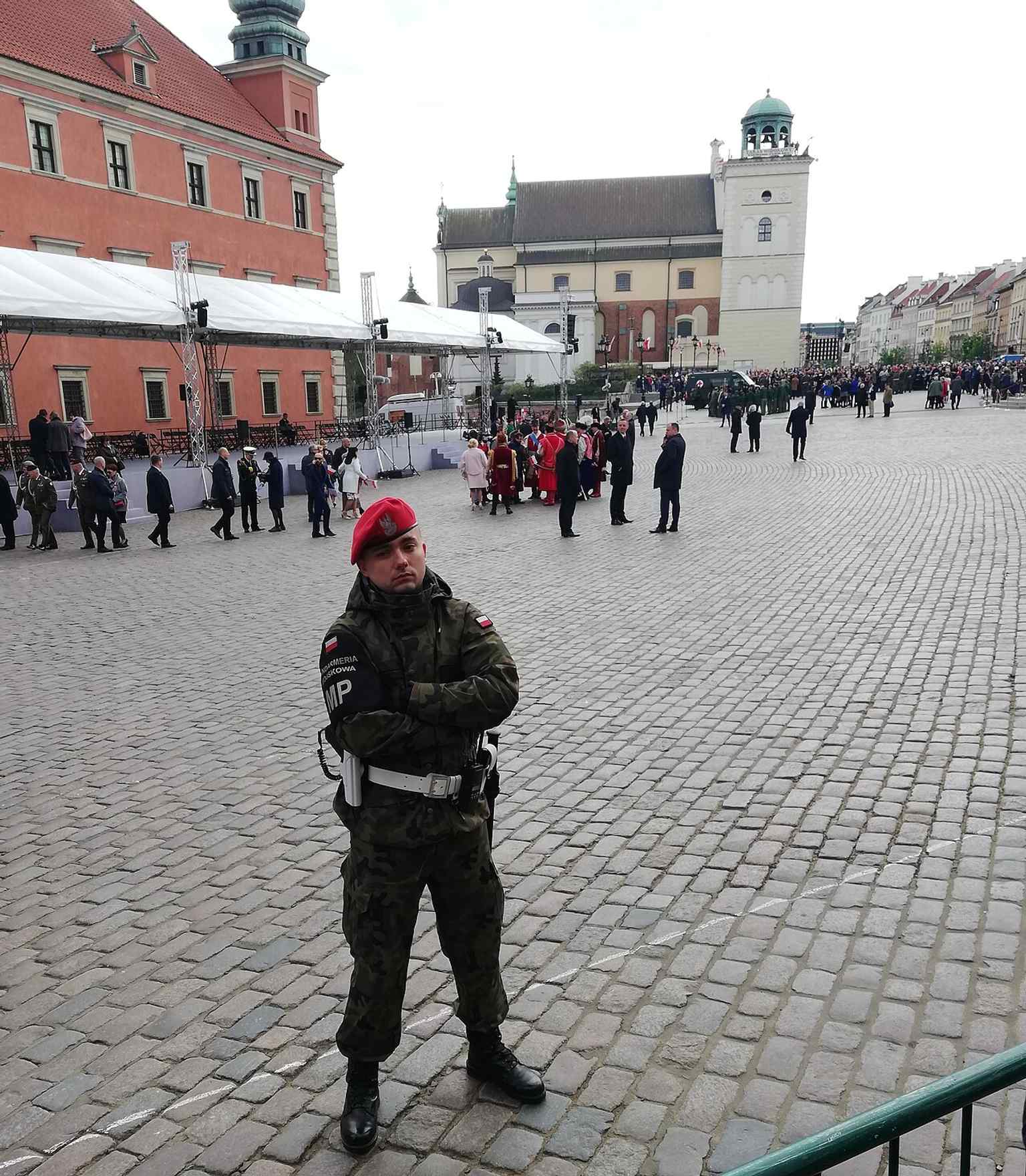
On your right, look for a pale stone façade shaped like a classical temple front, with tall columns, a triangular pediment, and a slender Italian-style bell tower rising beside it.
St. Anne’s looks calm and orderly from here... and that is only half the truth. This church began in fourteen fifty-four, when Duchess Anna Fiodorovna helped bring the first Bernardine friars to Warsaw, inspired by Jan Capistrano. Back then, this stood outside the city walls at the edge of the road south, a true threshold church: part monastery, part roadside marker, part spiritual gate into Warsaw.
In this city, churches often do more than serve worship. They also keep public memory safe - grief, loyalty, rebellion, thanksgiving - like national archives with incense instead of filing cabinets.
That role fits St. Anne’s perfectly. Kings used the open space before it for political theater: in fifteen seventy-eight, Margrave George Frederick of Ansbach paid homage here to King Stephen Báthory, and in sixteen eleven, Elector John Sigismund of Brandenburg did the same before Sigismund the Third Vasa. So this church did not simply watch history pass by; it stood on the route where state ritual announced itself to the city.
Its most beloved human story belongs to Blessed Władysław of Gielniów, a Bernardine preacher buried here in fifteen oh five. Warsaw people believed his intercession helped end the plague in fifteen twenty-two, and a local legend says that during a Good Friday sermon he rose in mystical ecstasy above the pulpit. Now, whether you take that literally or not... it tells you how deeply this place lived in the city’s imagination.
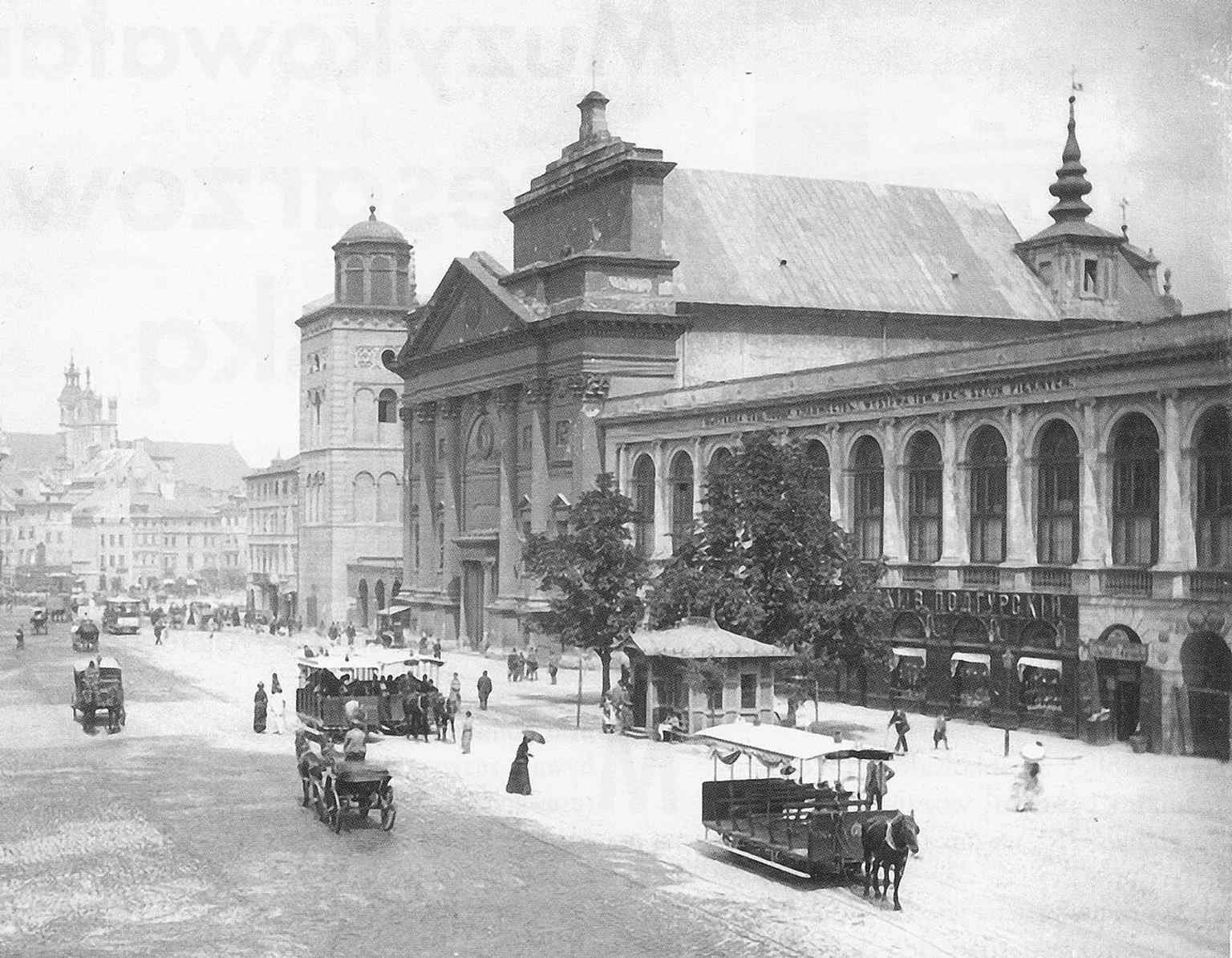
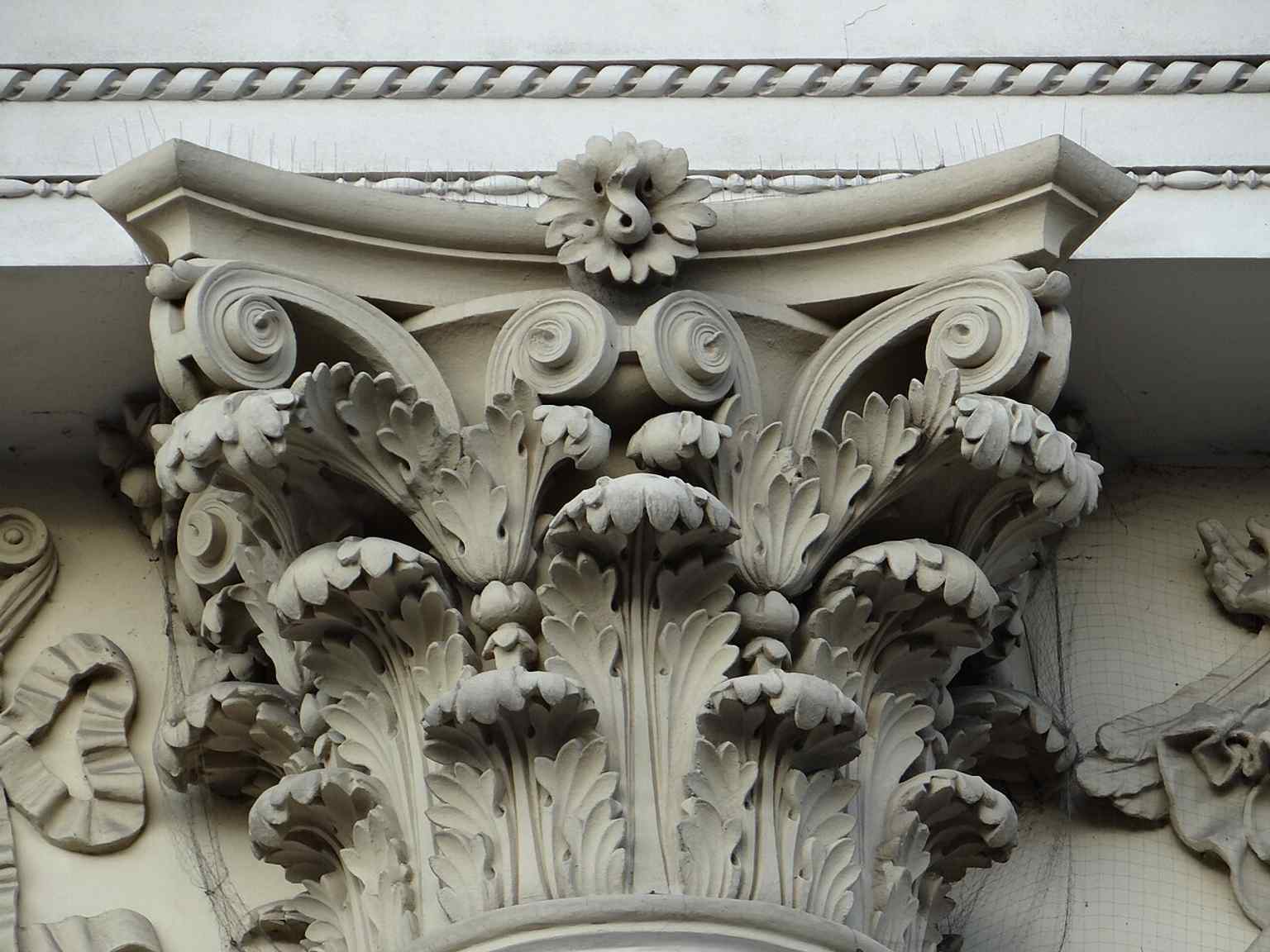
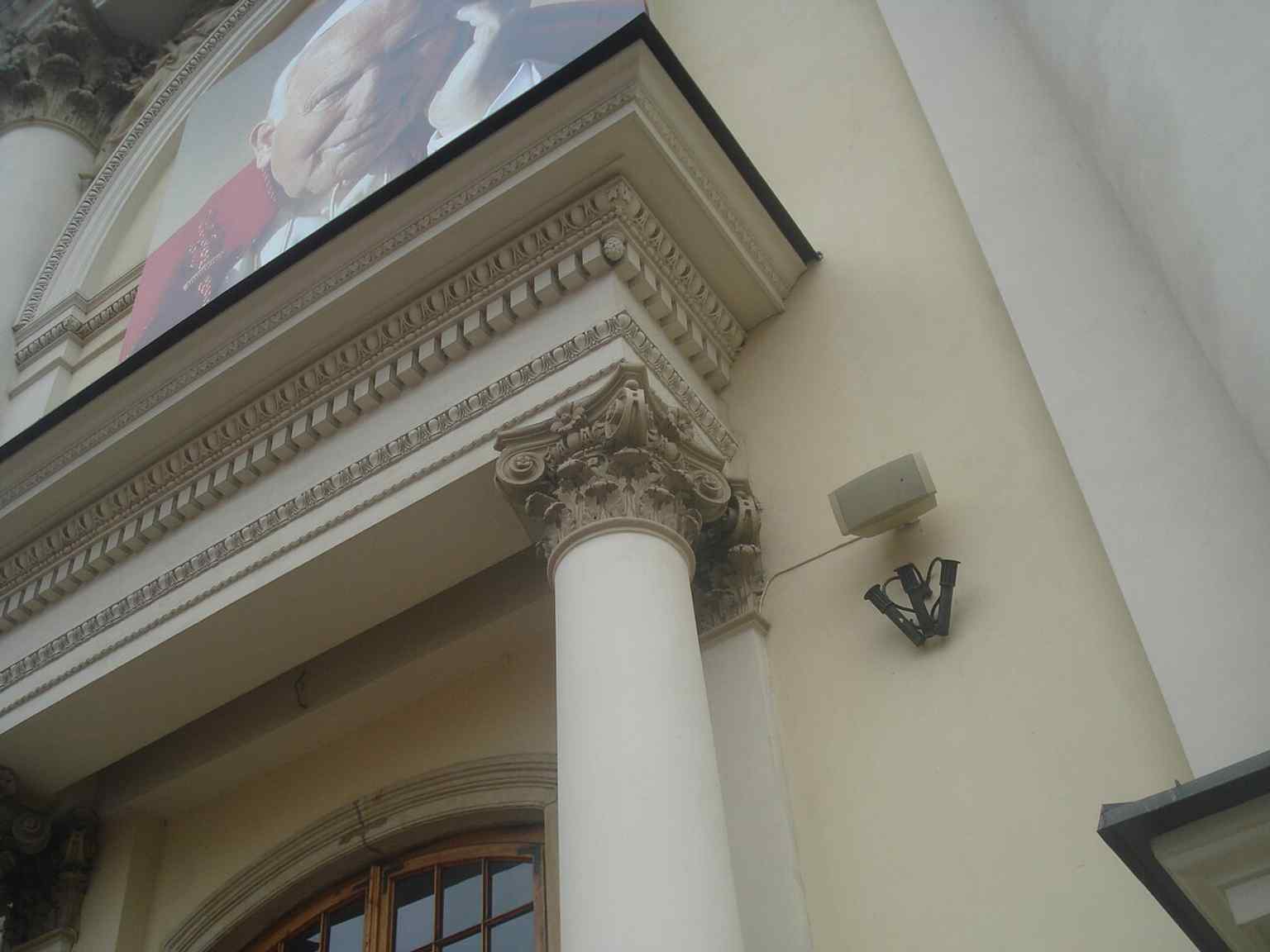
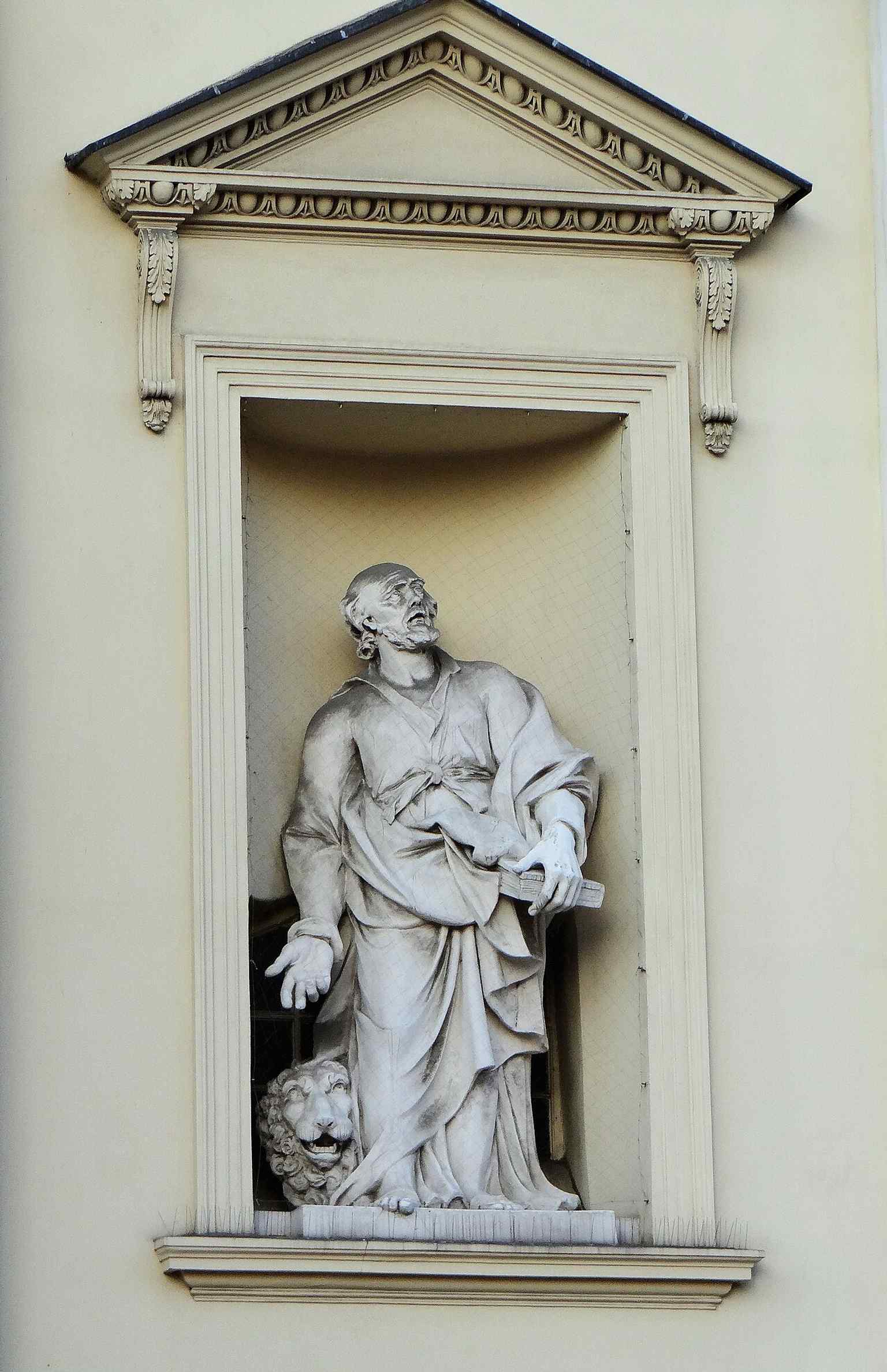
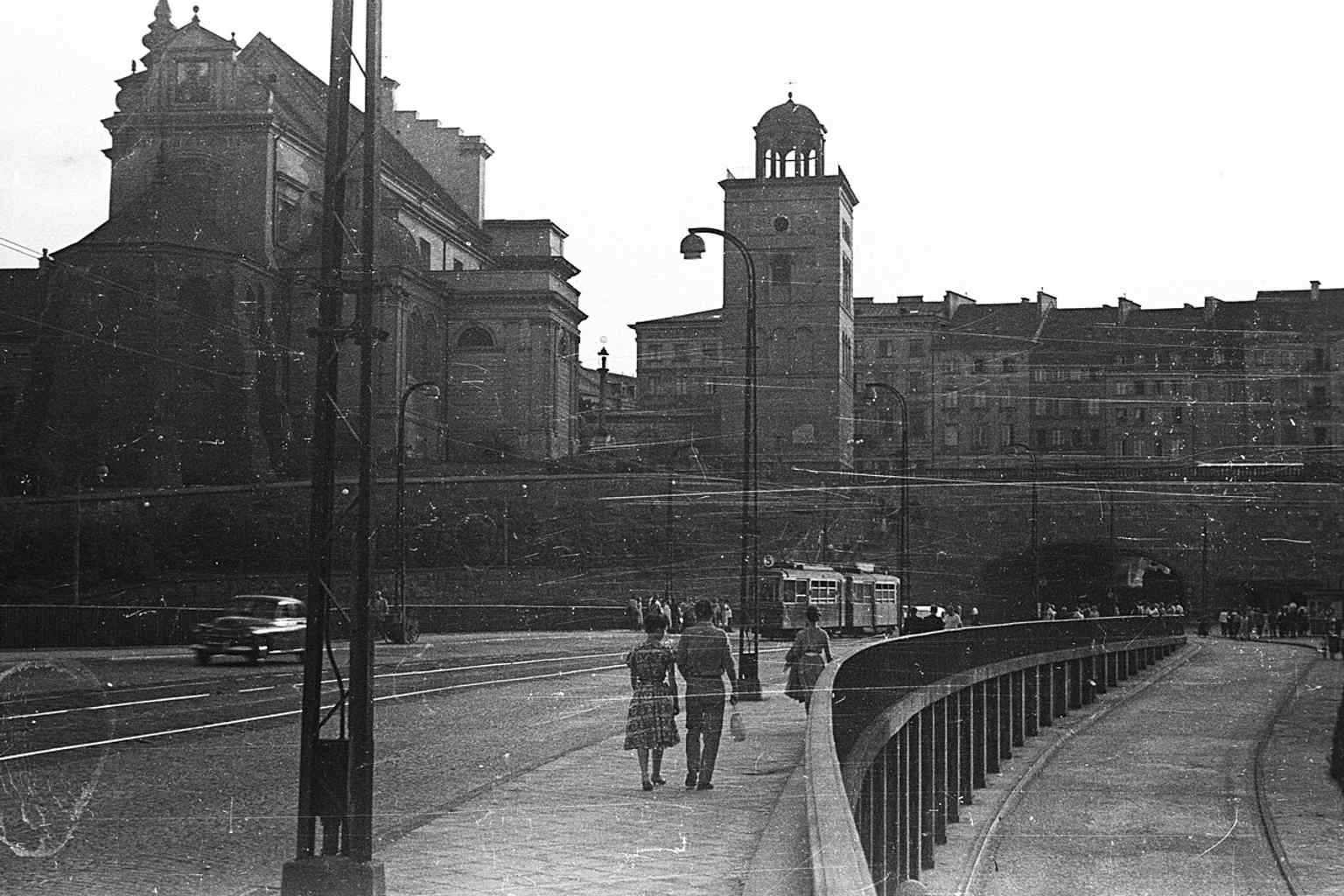
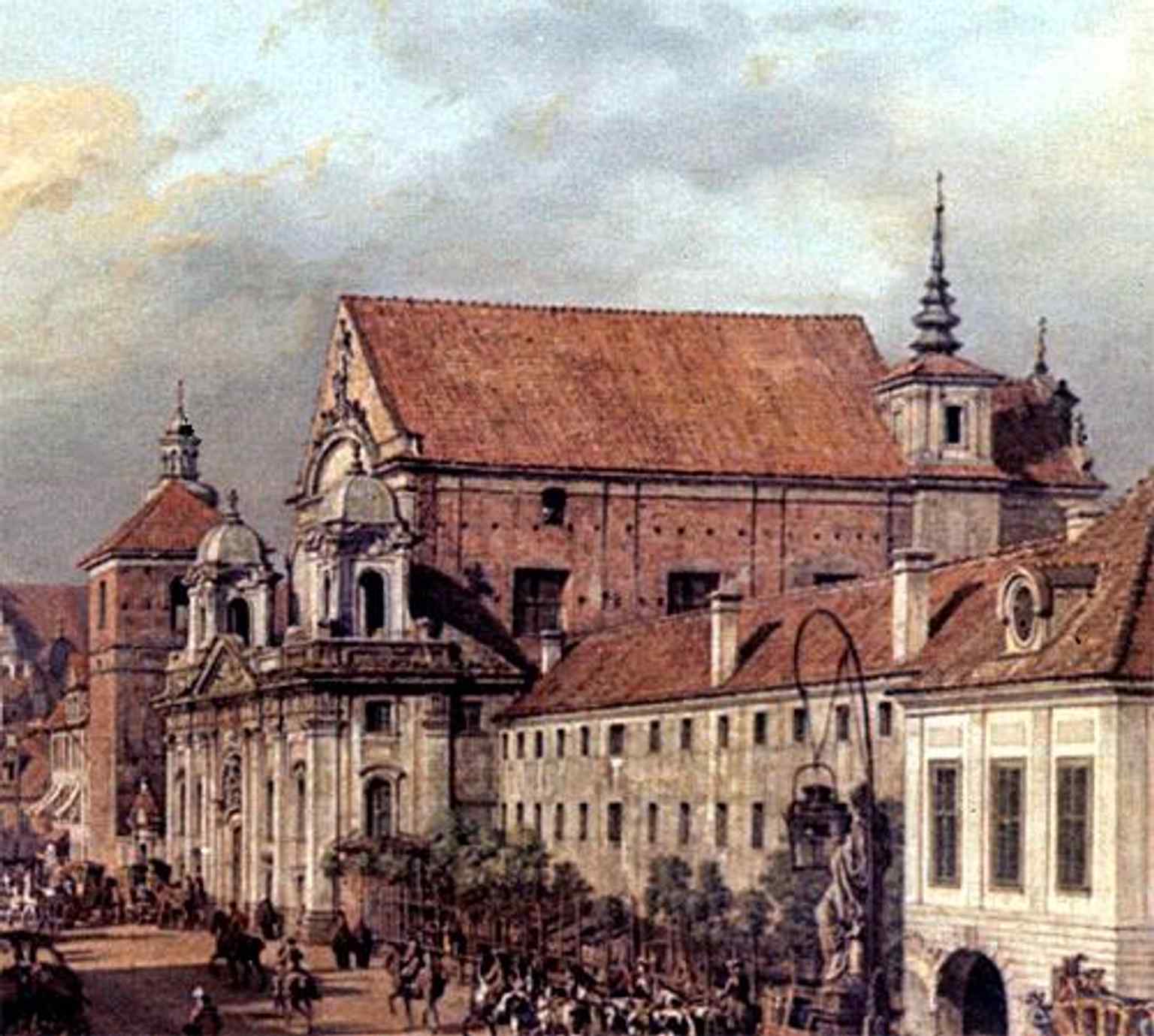
The surprise is this: the neat classical front you see is not the church’s original face at all. Fires wrecked the complex in fifteen oh seven and again in fifteen fifteen. Later rebuildings layered Gothic, Baroque, and finally classicism on top of one another. In the late eighteenth century, architect Piotr Aigner gave the façade its present look, borrowing from Palladio and the churches of Venice. So what seems pure and unified is really a carefully composed mask over a much older, messier survivor. If you compare the historic photo with the current view in the app, you can watch Krakowskie Przedmieście change around the church while St. Anne’s keeps anchoring the route.
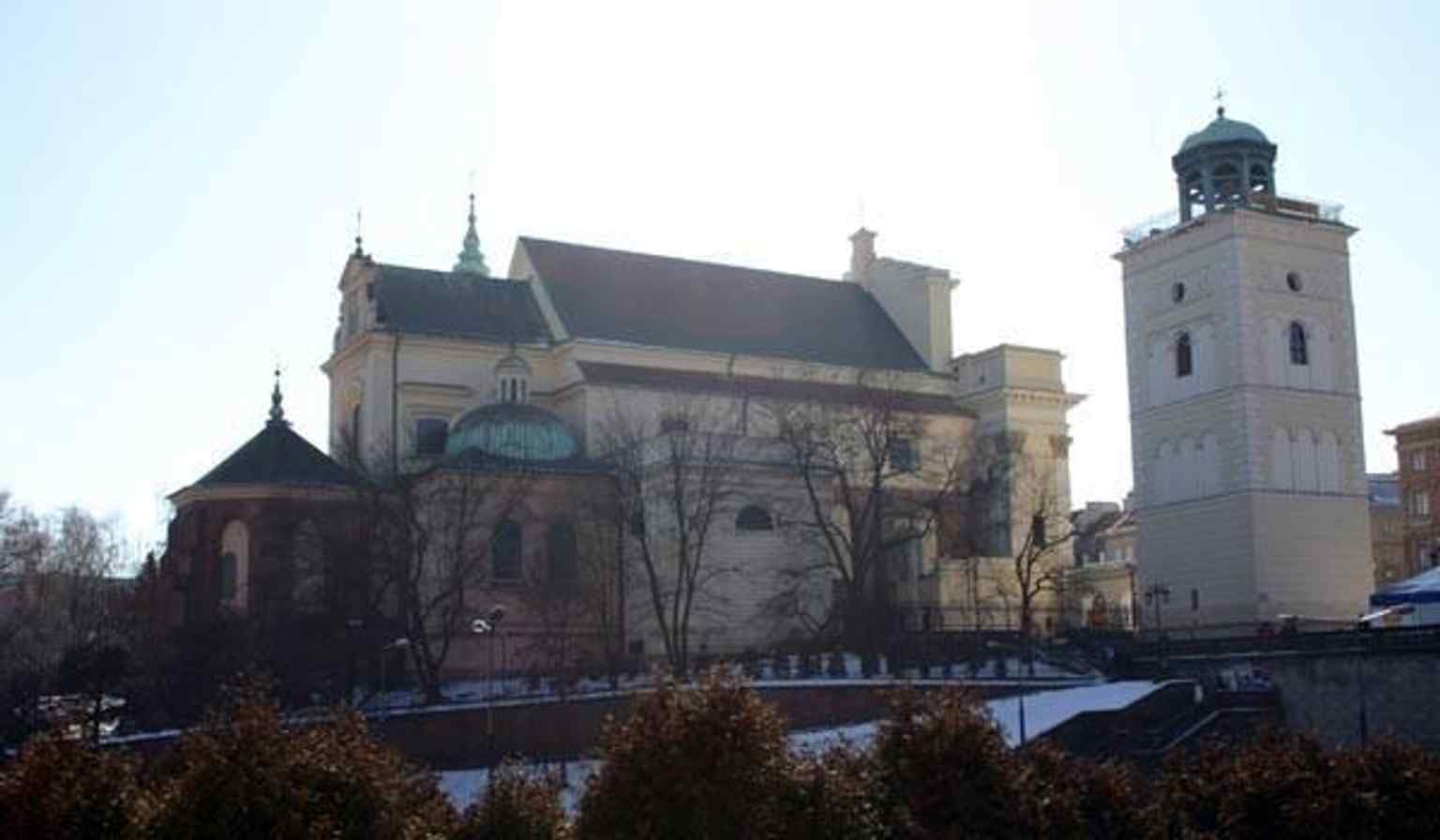
And then came another twist. In nineteen forty-four, fire destroyed the roof, though the walls and bell tower survived. After the war, workers even used the damaged building to store objects recovered from Old Town rubble. But the most dramatic rescue came in nineteen forty-nine, when construction of the W-Z route triggered a landslide in the Vistula escarpment. The apse and part of the presbytery - the eastern end around the altar - began to move. Engineer Wacław Żenczykowski organized about four hundred people to work day and night, pumping cement deep into the ground and bracing the structure until they saved it in just twenty days. That is Warsaw in one story: even rebuilding the city nearly pulled the church apart.
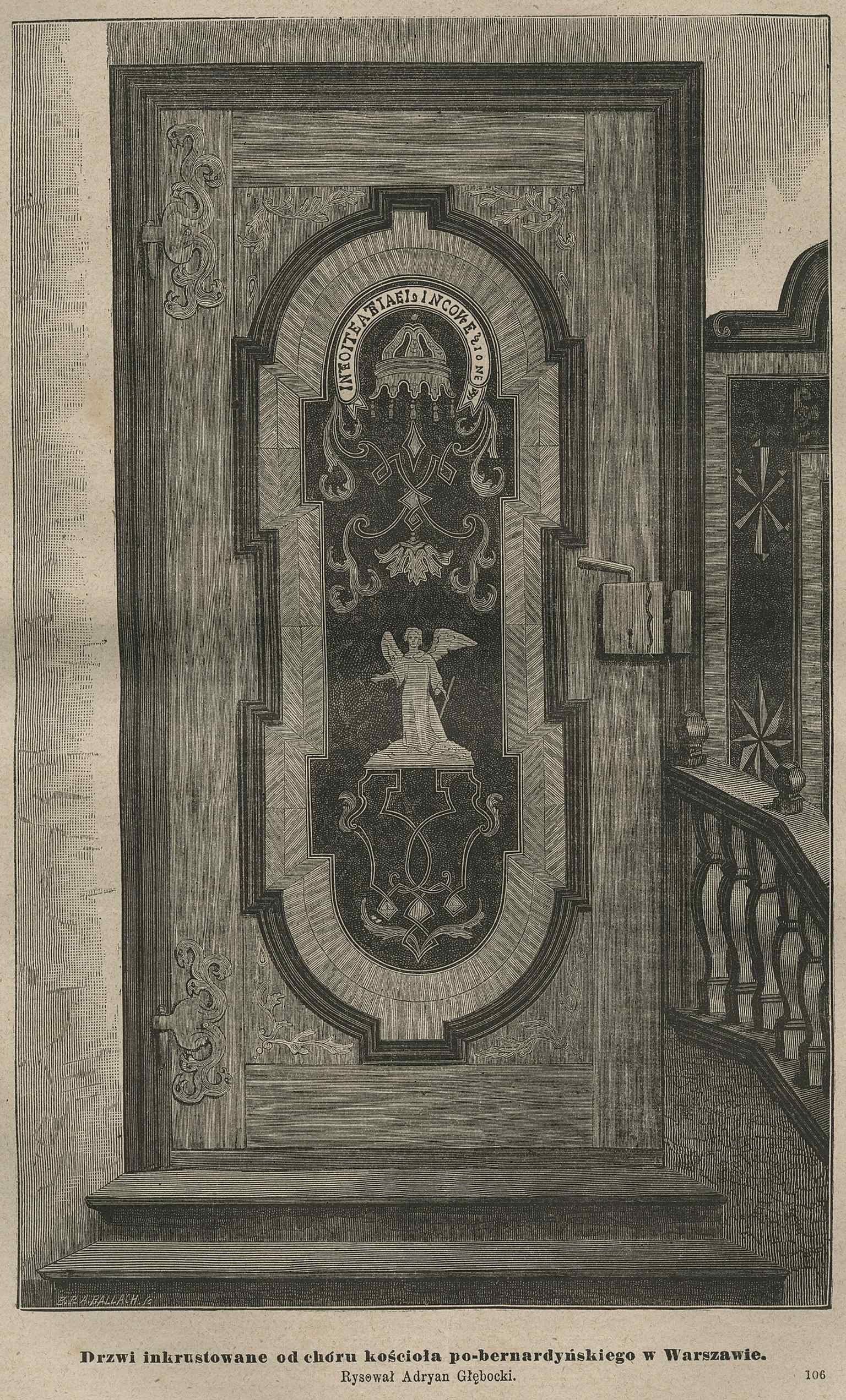
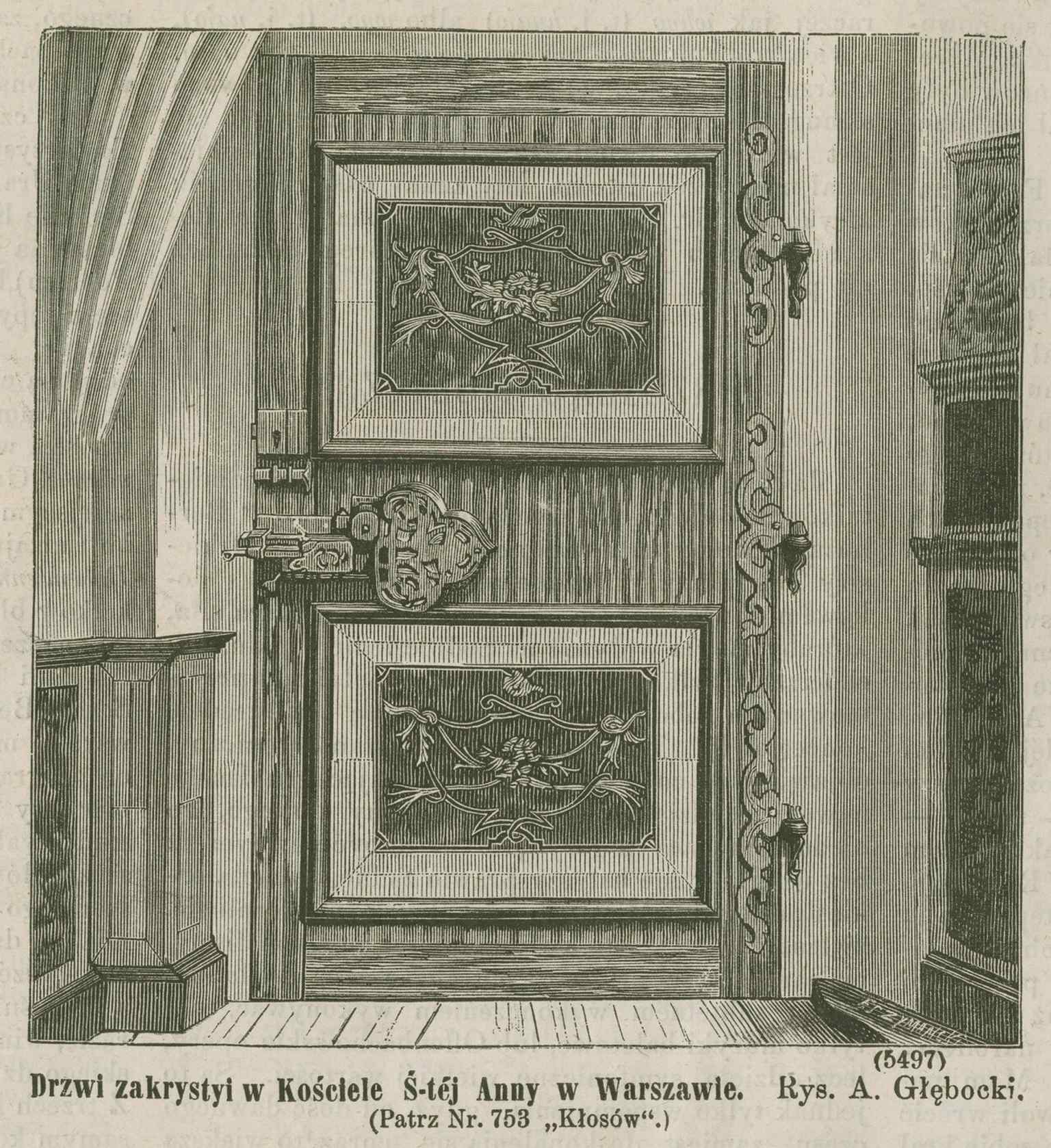
Since nineteen twenty-eight, St. Anne’s has served as Warsaw’s academic church for students from the nearby university, art, music, and theater schools. In nineteen seventy-nine, John Paul the Second met young people here and blessed their crosses. If you glance at the app image of the chancel doors, you’ll catch another layer of the craftsmanship tucked behind this formal exterior.
In a moment, we’ll head to a monument where dynastic image-making stops being subtle and rises straight into the square: the Column of Sigismund the Third Vasa. If you want to go inside later, St. Anne’s is generally open every day, with especially long evening hours on Sunday.





.jpg)


.jpg)


