
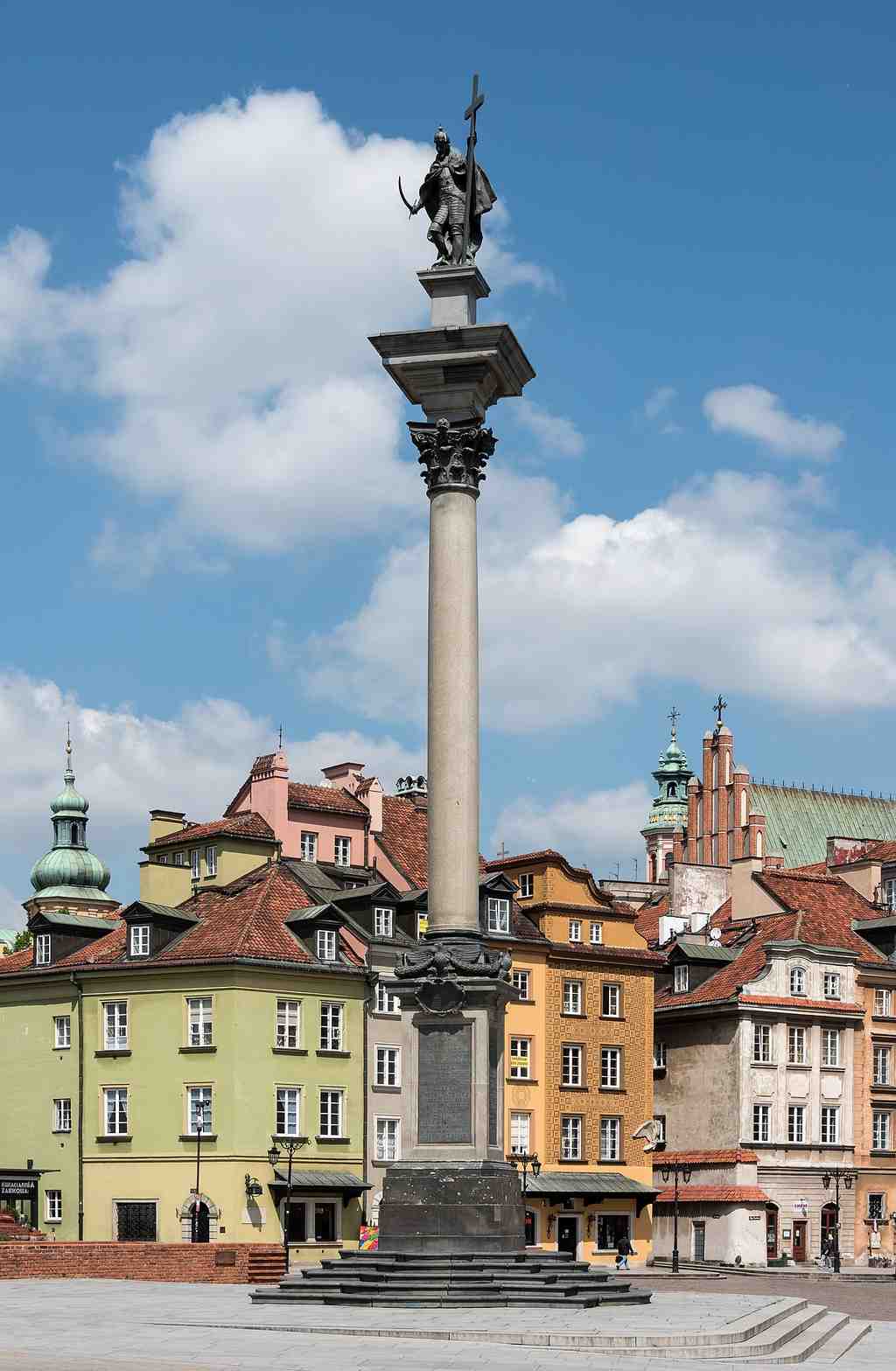
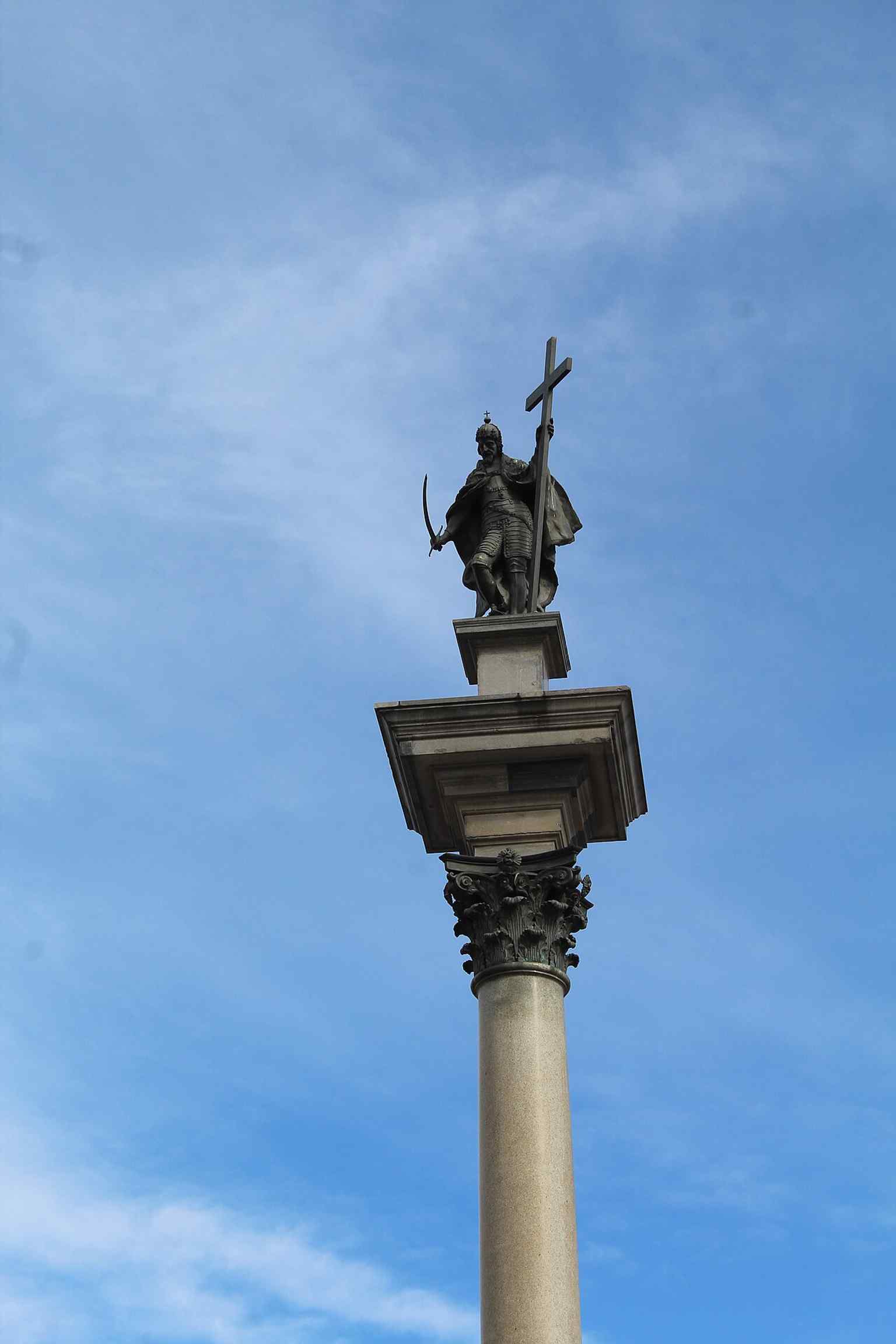
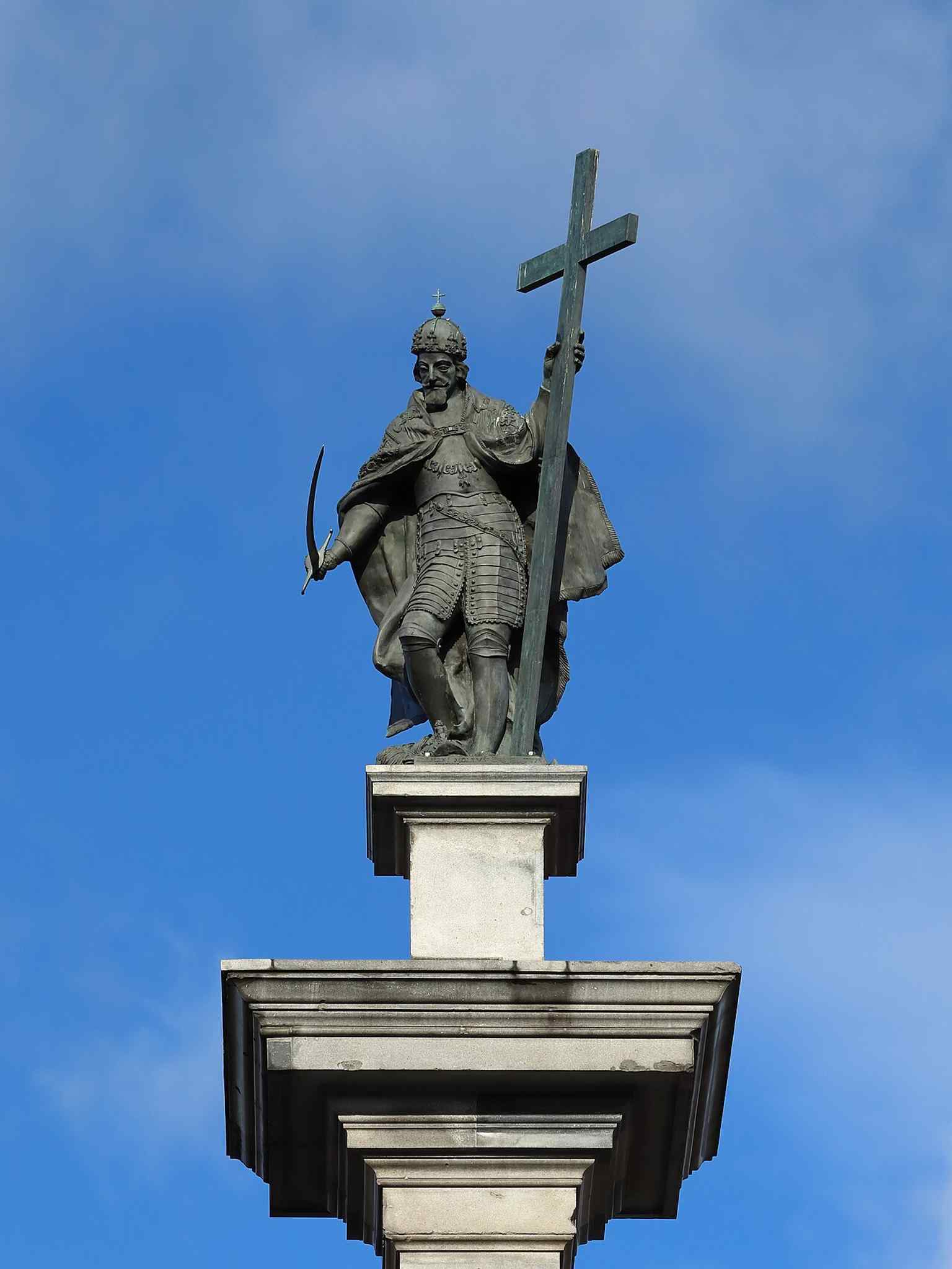
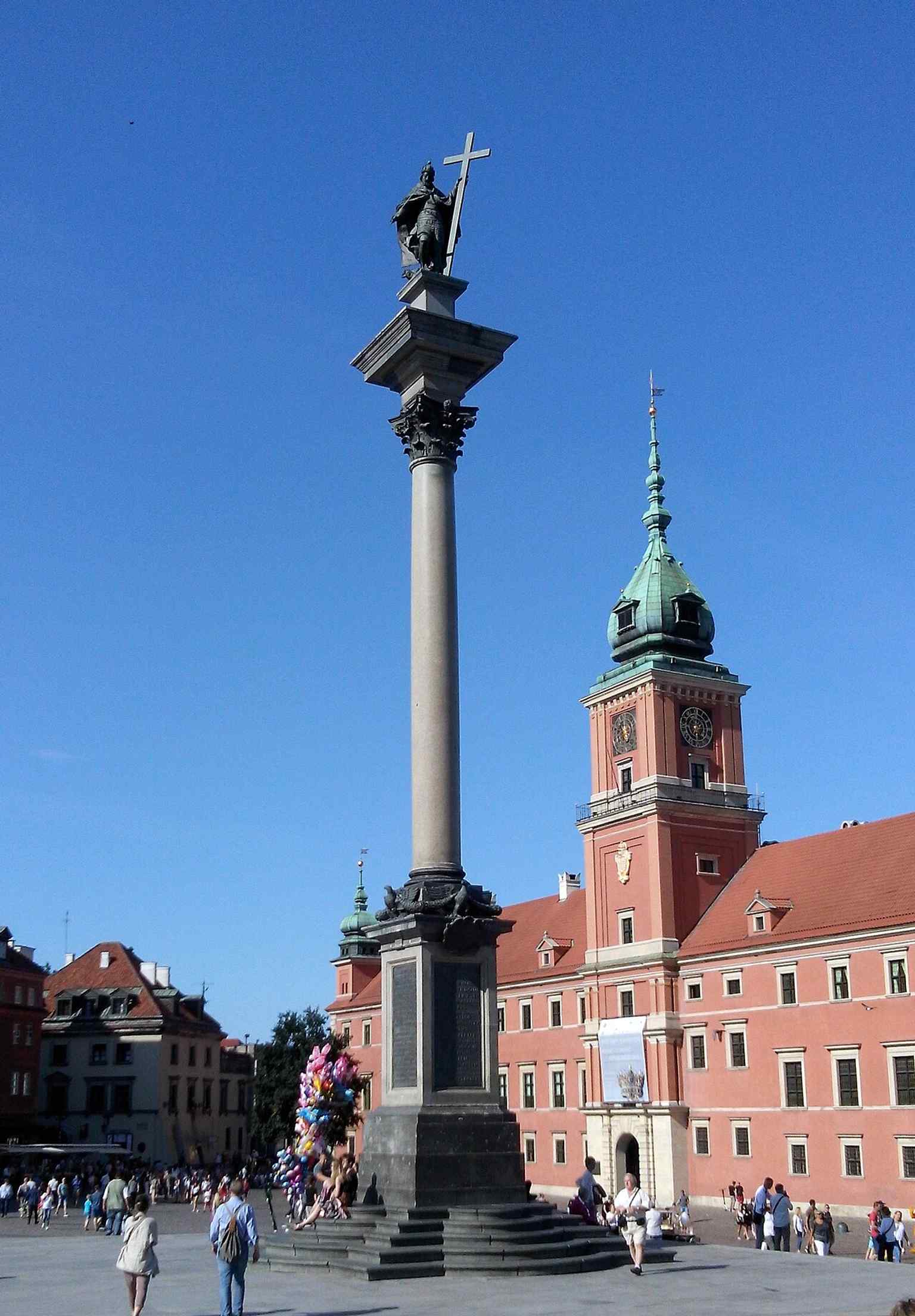
On your left, a tall stone column rises from a square pedestal, topped by a bronze crowned king in armor, with a sword in one hand and a cross braced beside him.
This is Sigismund’s Column, and it is doing much more than honoring a dead king. When Władysław the Fourth raised it here in the sixteen forties for his father, Sigismund the Third Vasa, he was making a public argument. The Vasa dynasty - that is, the royal family line ruling from this castle - used display, ceremony, and symbols to say, plainly, “we belong at the center of power.” And here, right in front of the royal residence and at the city’s key crossroads, they said it in stone and bronze.
That choice was bold enough to rattle church nerves. In Europe at the time, columns crowned with figures usually belonged to saints, sacred figures, or ancient emperors from memory. A living political dynasty putting a secular ruler up on a column like this? That was new, and more than a little cheeky. The papal nuncio, Mario Filonardi, objected most strongly to exactly that point: a worldly king lifted into a form people associated with holy elevation. So from the beginning, this monument carried a little static in the air.
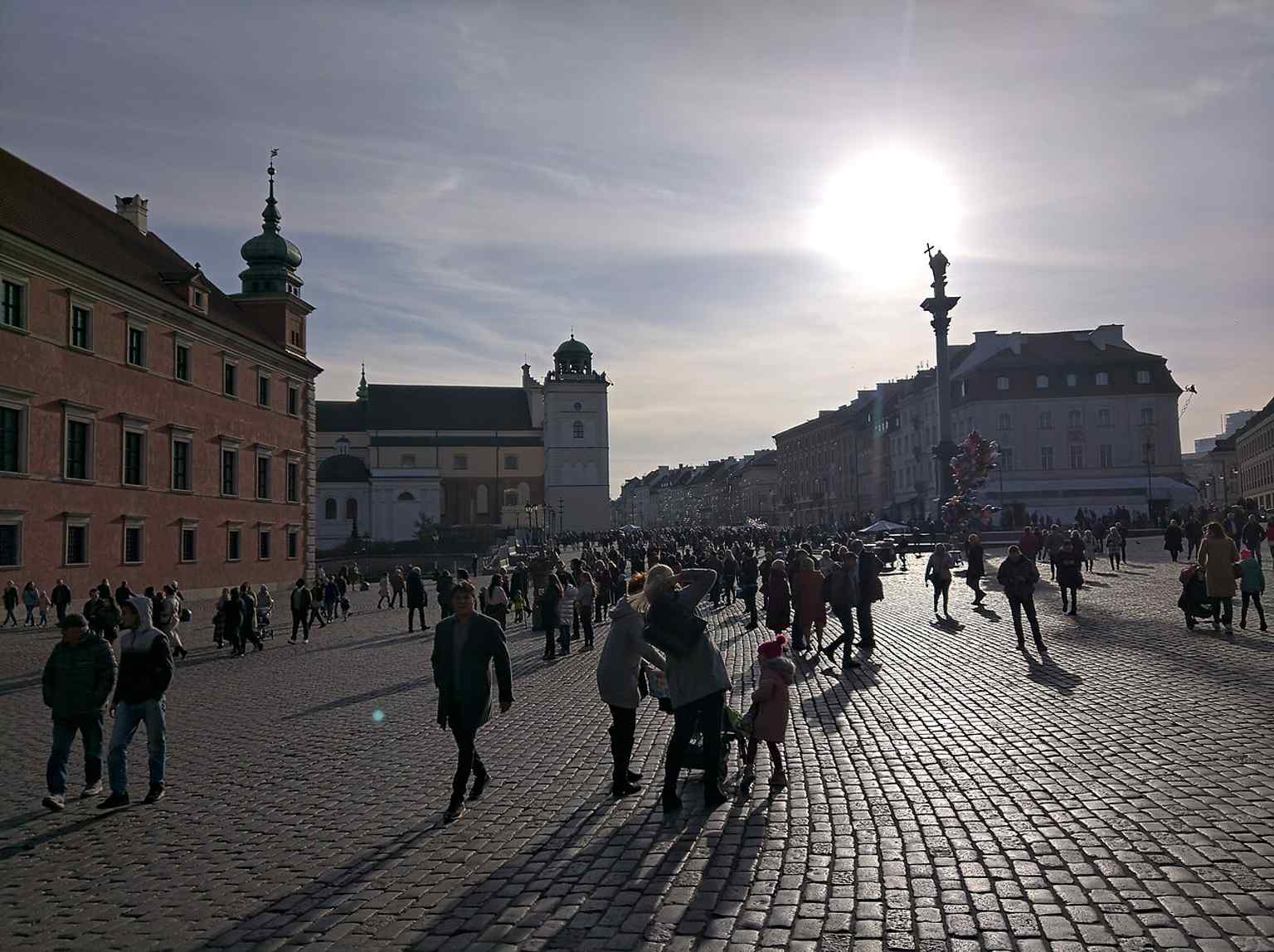
Take a second and look at how it dominates the square. Height, visibility, and that tight link to the castle were not decoration... they were the message. Warsaw was becoming a stage, and this column gave the leading actor a very tall mark to stand on.
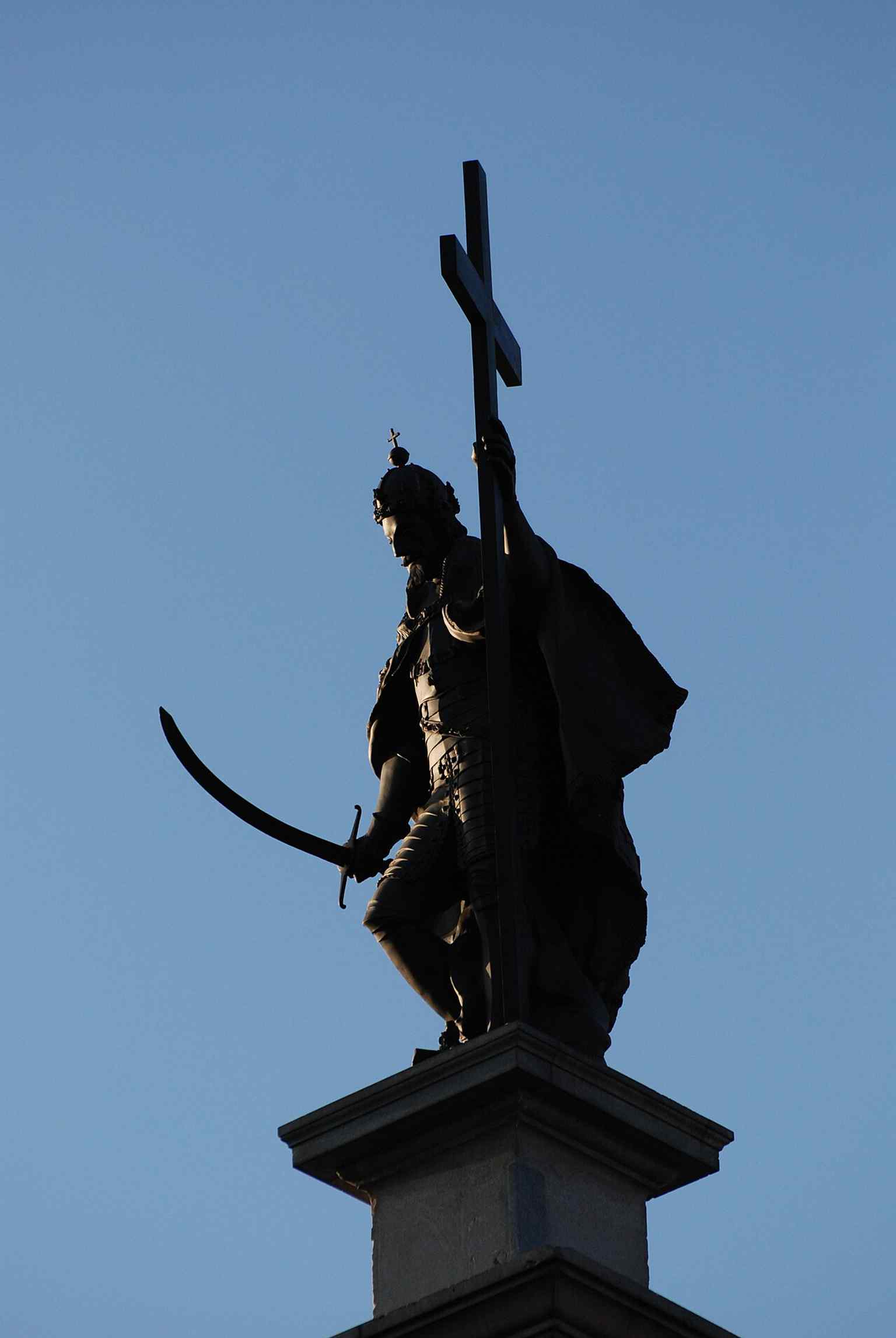
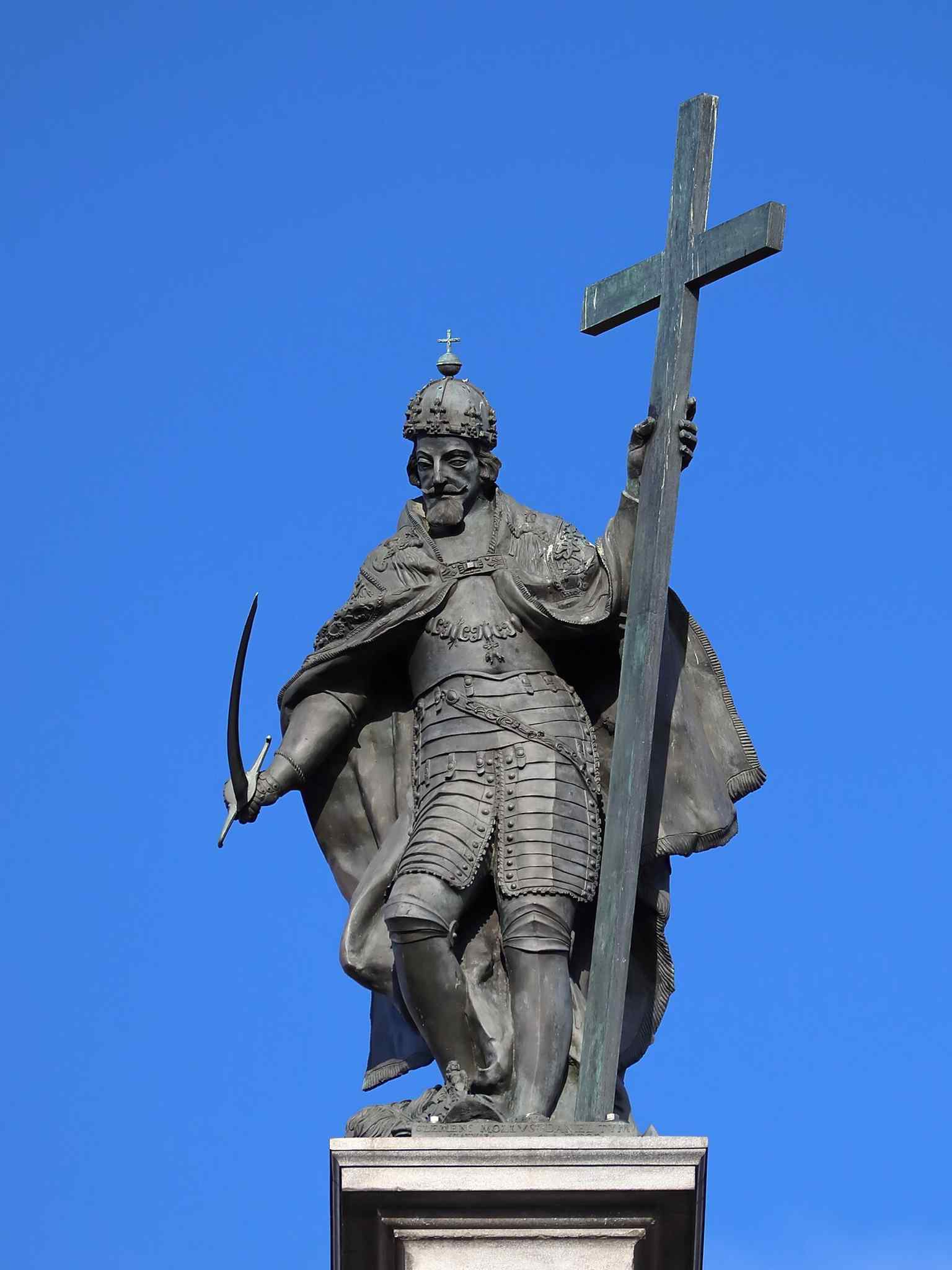
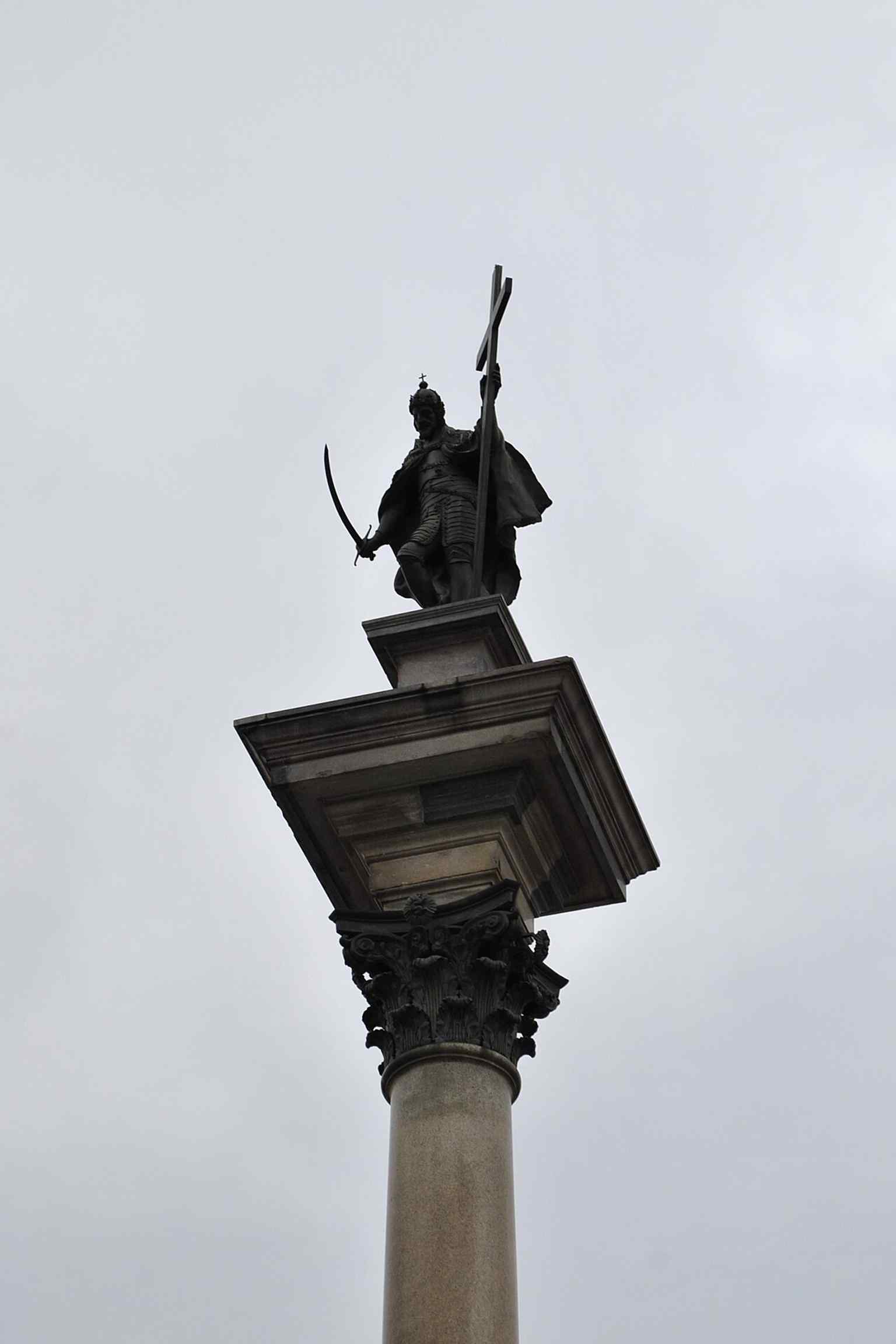
The statue itself tells the story. Sigismund wears old-style armor and a richly decorated coronation cloak, with a crown on his head. In his right hand he lifts a saber; with his left he steadies a Latin cross. Sword and faith, rule and devotion - no subtlety here, folks. If you want a closer look at that pose, open the statue detail on your screen.
The bronze king came from sculptor Clemente Molli, brought from Bologna, and the casting likely happened here in Warsaw under Daniel Tym, the royal founder who also made the inscription plaques. The original shaft was even more dramatic: one huge block of local conglomerate stone from Czerwona Góra, nicknamed “Zygmuntówka” for its speckled, almost marbled pattern. Workers floated it up the Vistula, then about three hundred men, backed by two hundred royal guards, rolled it into place in a single day.
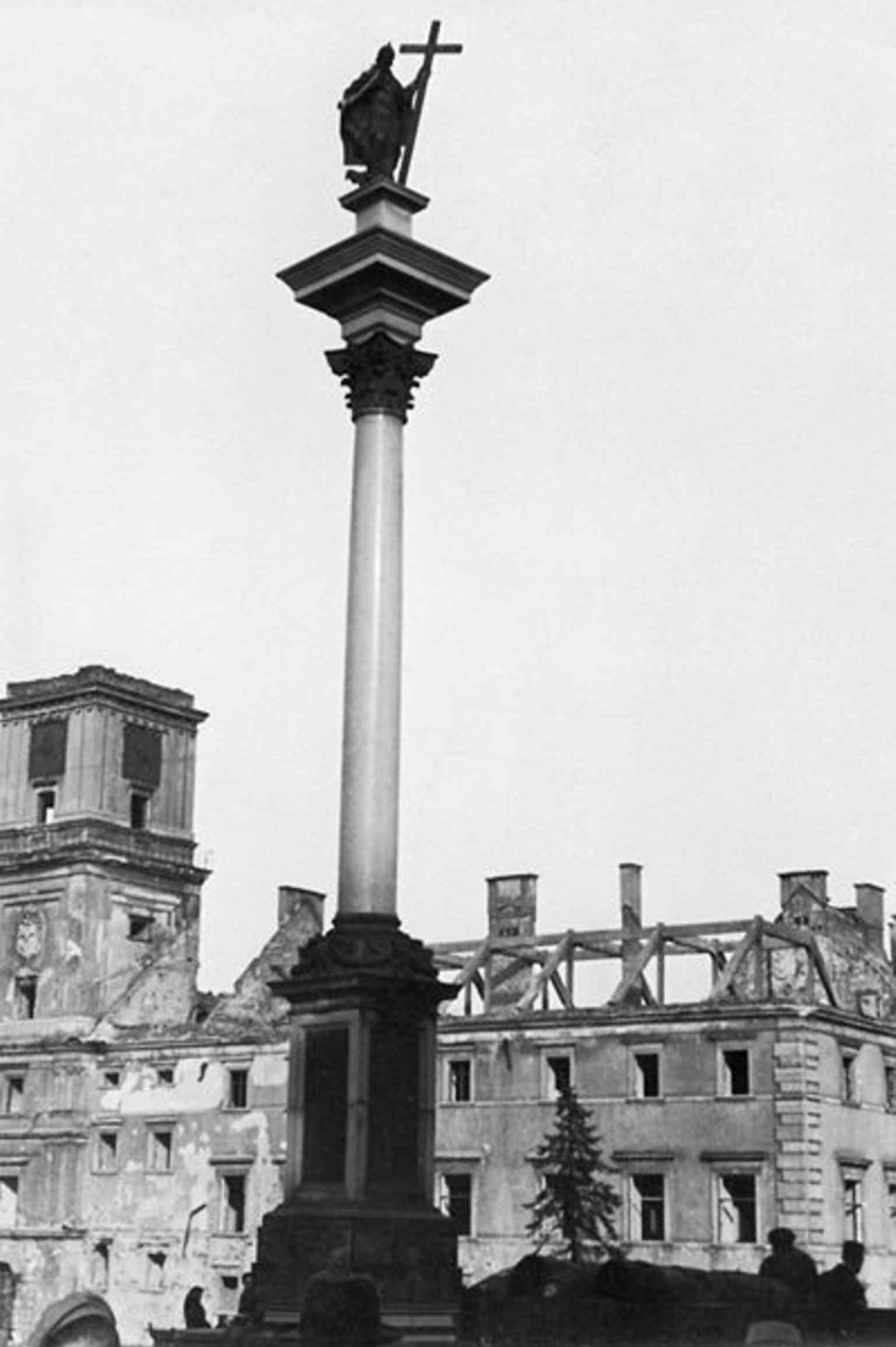
And like so much in Warsaw, the monument did not remain untouched. It suffered damage in wars, got rebuilt in the nineteenth century, and in September of nineteen forty-four German forces brought it down. The king survived the fall with surprisingly limited damage, and after the war metalworkers and other labor unions pushed to restore him. When the column returned in nineteen forty-nine, they shifted it slightly and turned Sigismund to face Krakowskie Przedmieście. If you want the square’s transformation in one glance, the image in the app shows how the column’s setting changed after the war.
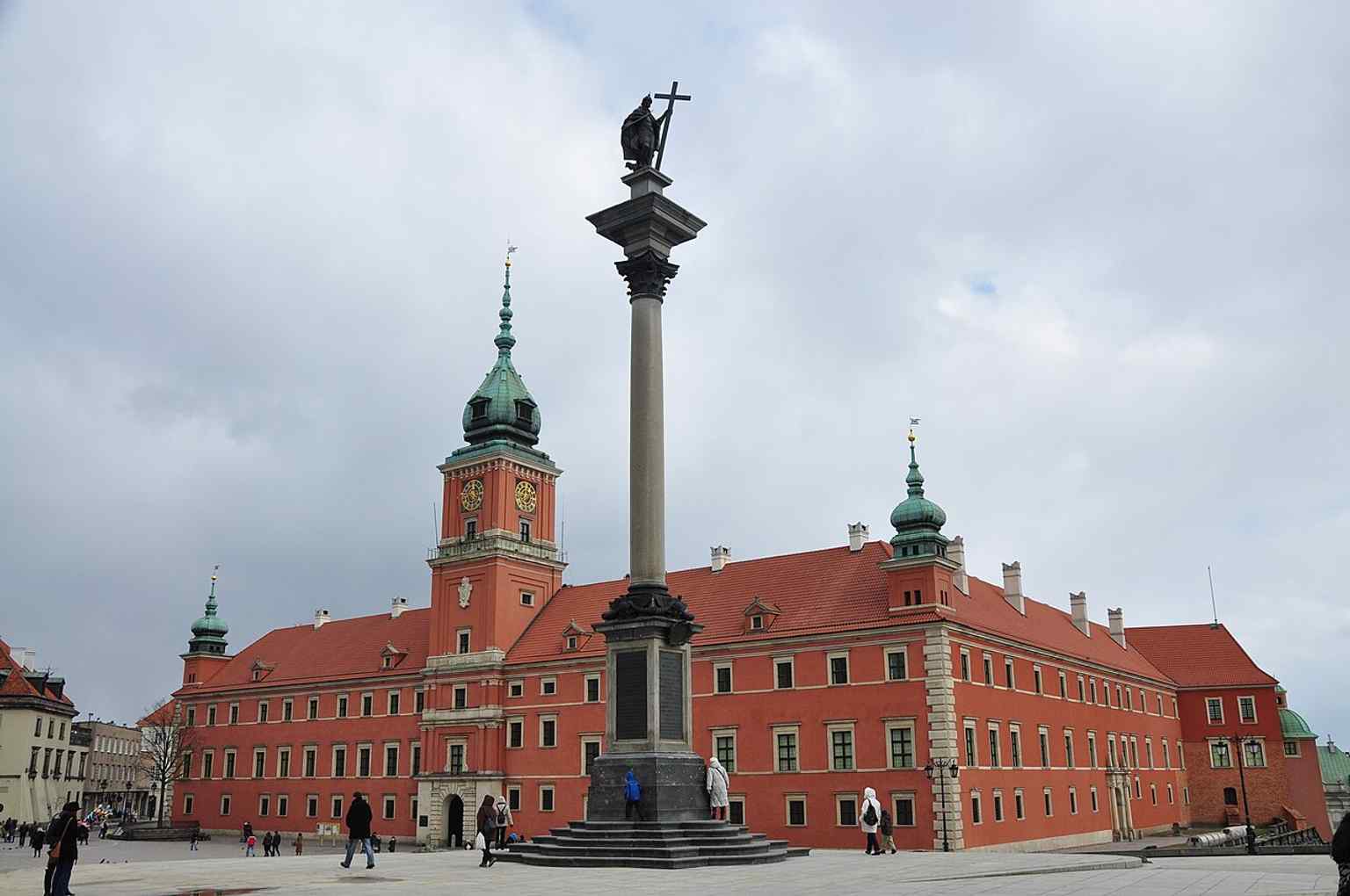
So this column is not just a statue. It is an announcement: dynasty, ambition, faith, victory, and survival, all planted in public view. Now let your eyes travel straight toward the Royal Castle it was meant to glorify... that’s our next stop, about one minute away. And like the square itself, this monument is always accessible - open all day, every day.






.jpg)


.jpg)