AudaTours logoAudaTours

Stop 15 of 17

Luxury Apartments Mondrian Market Square I

Luxury Apartments Mondrian Market Square I
Old Town Square in Warsaw
Old Town Square in WarsawPhoto: Adrian Grycuk, Wikimedia Commons, CC BY-SA 3.0 PL. Cropped & resized.

Look for a broad rectangular cobbled square framed by tall stucco townhouses with steep ceramic roofs, with the Warsaw Mermaid standing at the center as its unmistakable marker.

This is the old living room of Warsaw... and like any good living room, it has seen trade, arguments, celebrations, punishment, gossip, and the occasional political thunderstorm.

The square took shape at the turn of the thirteenth and fourteenth centuries. Builders laid it out parallel to the Vistula, about ninety by seventy-three meters, and eight streets run out from its corners like spokes from a wheel. For centuries this was the administrative and trading heart of Old Warsaw. Right in the middle stood the town hall, first recorded in the early fifteenth century, with a clock tower and market stalls crowded around it. So this was not just where people bought fish and cloth. This was where the city made decisions... and made them in public.

That public stage could turn harsh. In sixteen sixty-five, officials beheaded Konstanty Kotowski and three other men here for the murder of Hetman Wincenty Gosiewski. On the ninth of May, seventeen ninety-four, crowds gathered again as leaders of the Targowica Confederation were hanged in front of the town hall. Same square, same stones underfoot... very different errands.

But it could also carry hope. Jan Dekert, the Warsaw mayor whose name now marks the north side, became one of the boldest voices for the rights of townspeople. In December of seventeen eighty-nine, he led the famous Black Procession from this very square to the Royal Castle, pressing for the restoration of urban rights. If you compare the historic photo in the app, the Dekert side still holds that civic memory in its frontage today.
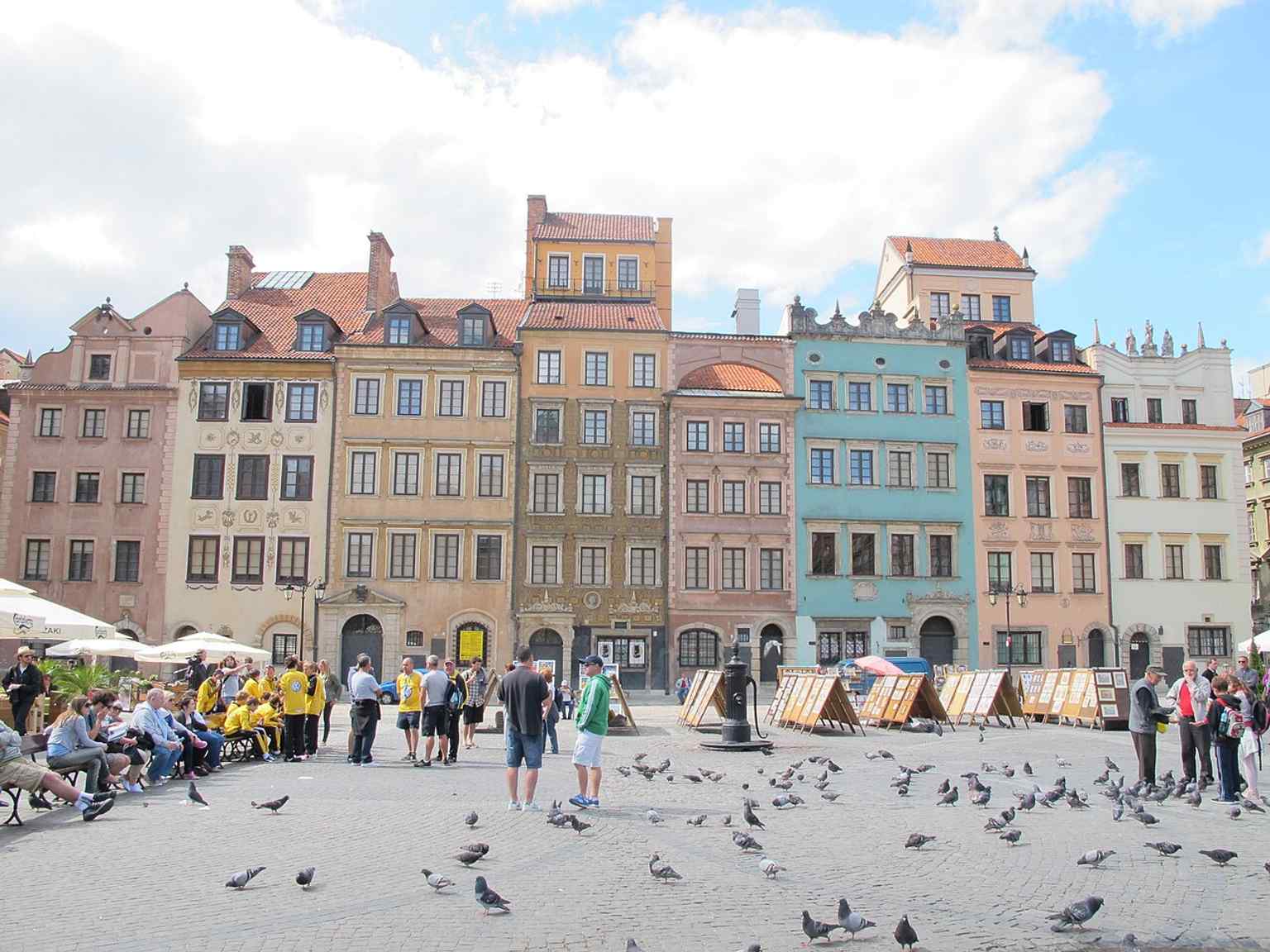
The Dekert side of the square, home to the Museum of Warsaw today and one of the most historically significant façades after the postwar reconstruction.
The Dekert side of the square, home to the Museum of Warsaw today and one of the most historically significant façades after the postwar reconstruction.Photo: Андрей Романенко, Wikimedia Commons, CC BY-SA 4.0. Cropped & resized.

Later, the square changed jobs. The old town hall came down in eighteen seventeen. The market itself moved away in the early twentieth century, and workers laid geometric cobbles across the open space. Then in eighteen fifty-five, engineers added a fountain tied to Henryk Marconi’s modern water system, topped by the Mermaid sculpted by Konstanty Hegel. The figure you see now has had quite a journey. Conservators counted more than fifty bullet and shrapnel marks on her surface. Warsaw, as ever, keeps the scars and the symbol in the same frame. If you want a wider sense of the square as a whole, take a quick peek at the broad view on your screen.
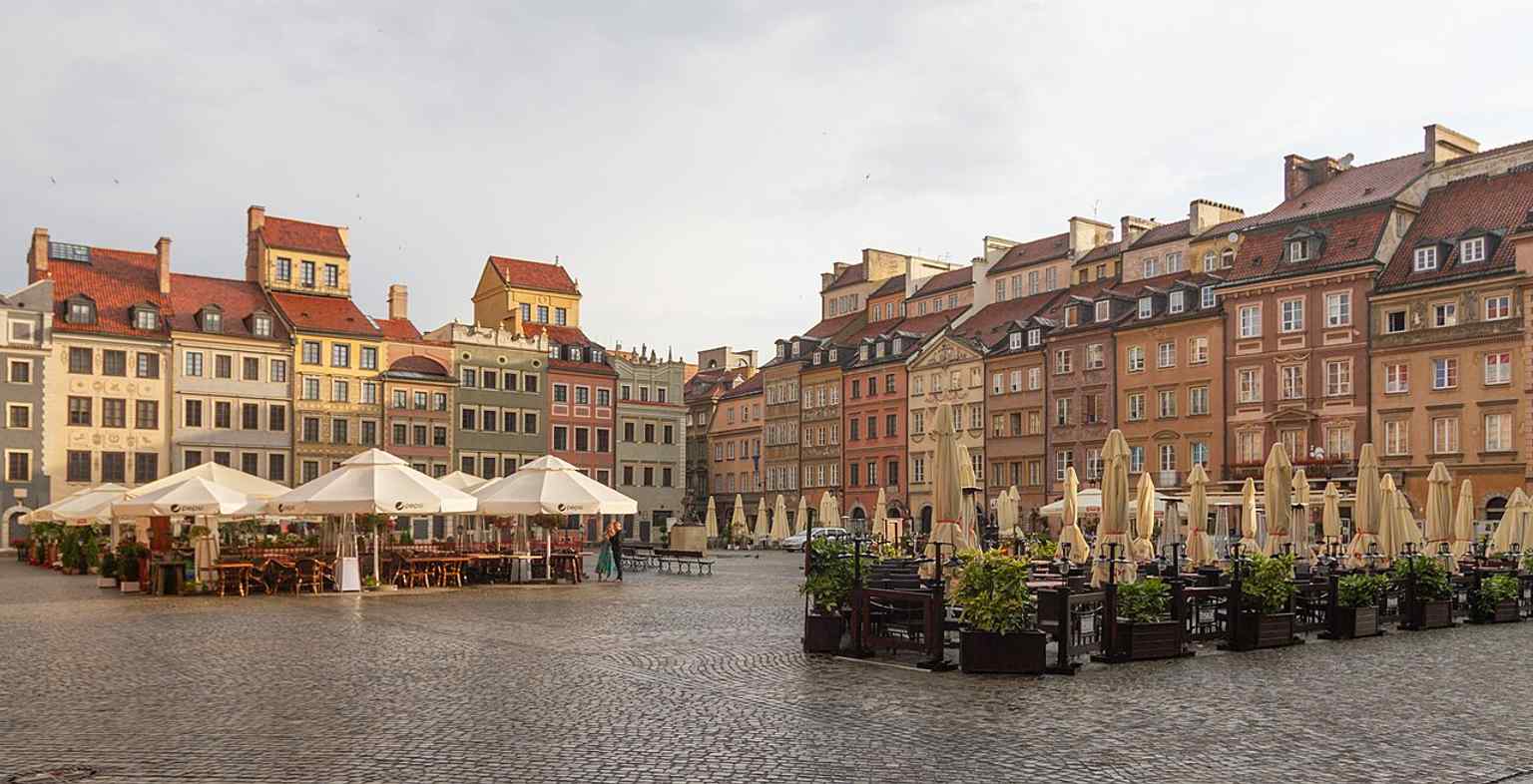
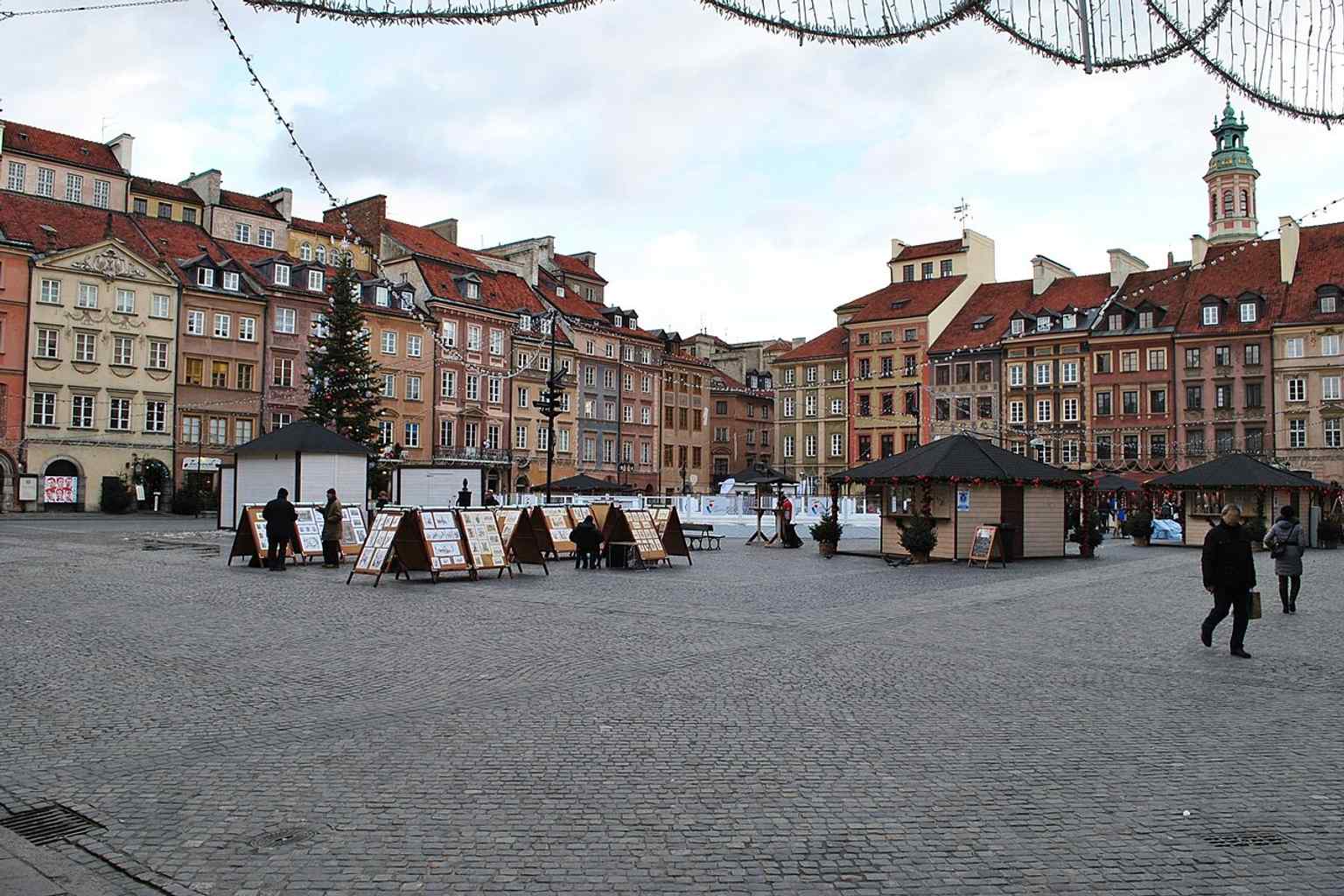
A broad 2018 view of the Old Town Market Square, showing the rebuilt historic frontage and the open central space that has hosted markets, celebrations, and political events for centuries.
A broad 2018 view of the Old Town Market Square, showing the rebuilt historic frontage and the open central space that has hosted markets, celebrations, and political events for centuries.Photo: Maksym Kozlenko, Wikimedia Commons, CC BY-SA 4.0. Cropped & resized.

During the Warsaw Uprising, most of these houses were destroyed. After the war, the damage was so complete that reconstruction here became something almost unheard of: not patching ruins, but rebuilding a historic city with salvaged portals, painted walls, and memory as a set of working plans. Between nineteen forty-nine and nineteen fifty-three, teams carefully brought the square back, and the Dekert side became the home of today’s Museum of Warsaw.

So here is the question I’ll leave you with... if a square is rebuilt after near-total ruin, does it become less real, or more real, once generations return and fill it again with footsteps, voices, and ordinary life?

That may be the secret of this place. A city’s heart does not survive by standing still. It survives when people come back and use it again. From here, the Barbican is about a two-minute walk ahead. And if you plan to linger later, the square is generally accessible every day from eight in the morning until ten at night.
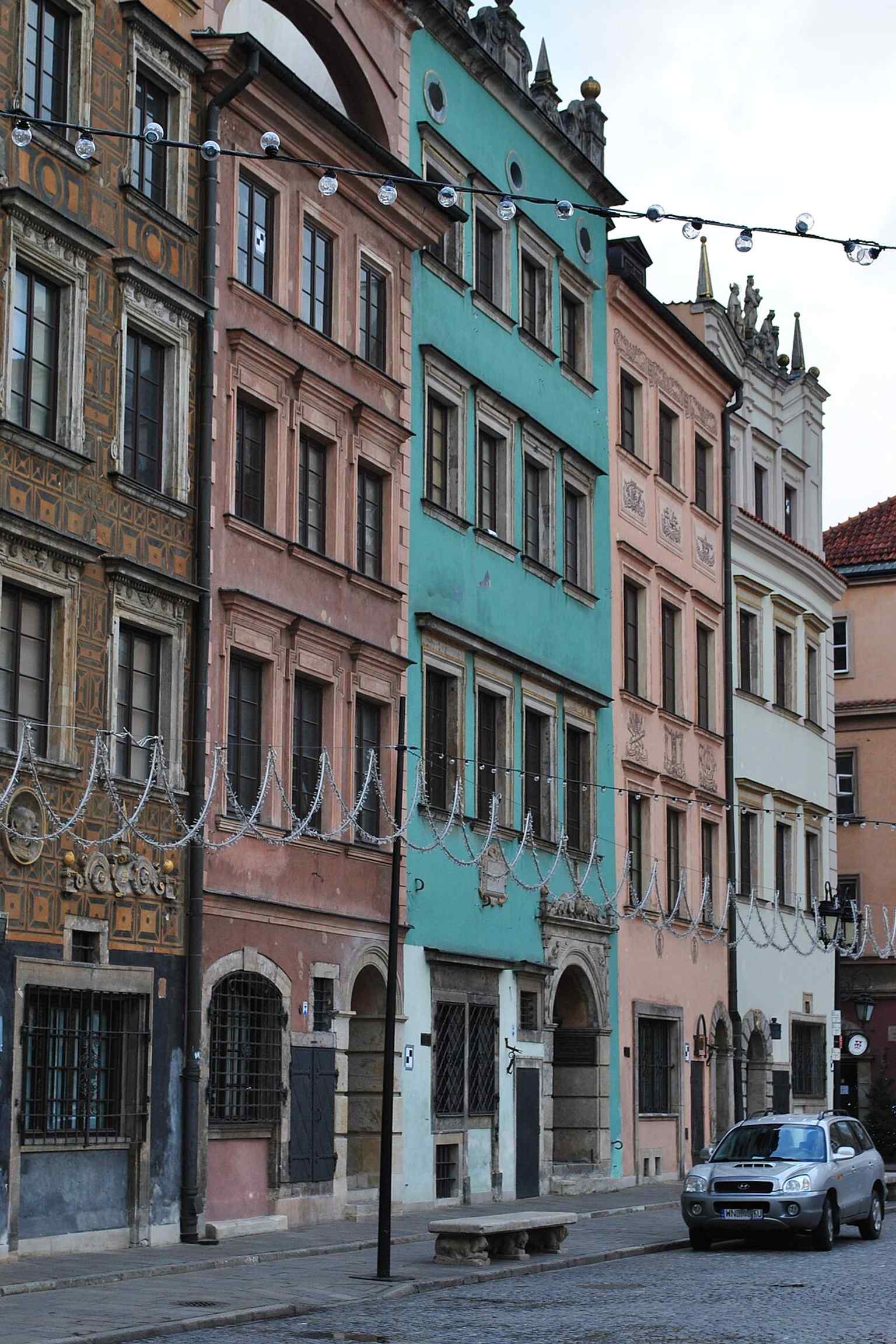
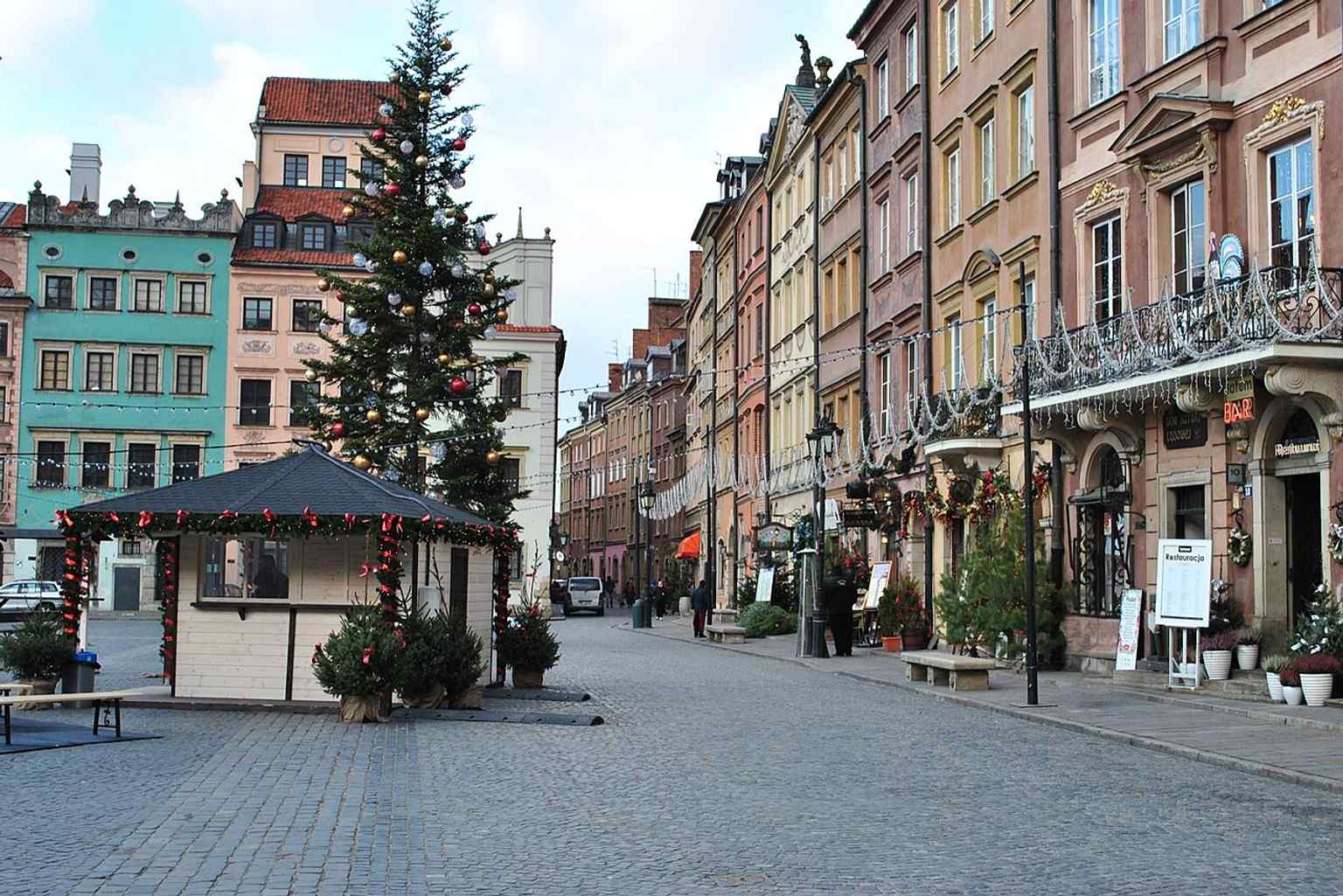
The Dekert side in 2014, where the restored façades later served as the Museum of Warsaw and reflect the careful postwar reconstruction of the square.
The Dekert side in 2014, where the restored façades later served as the Museum of Warsaw and reflect the careful postwar reconstruction of the square.Photo: Marek Mróz, Wikimedia Commons, CC BY 4.0. Cropped & resized.
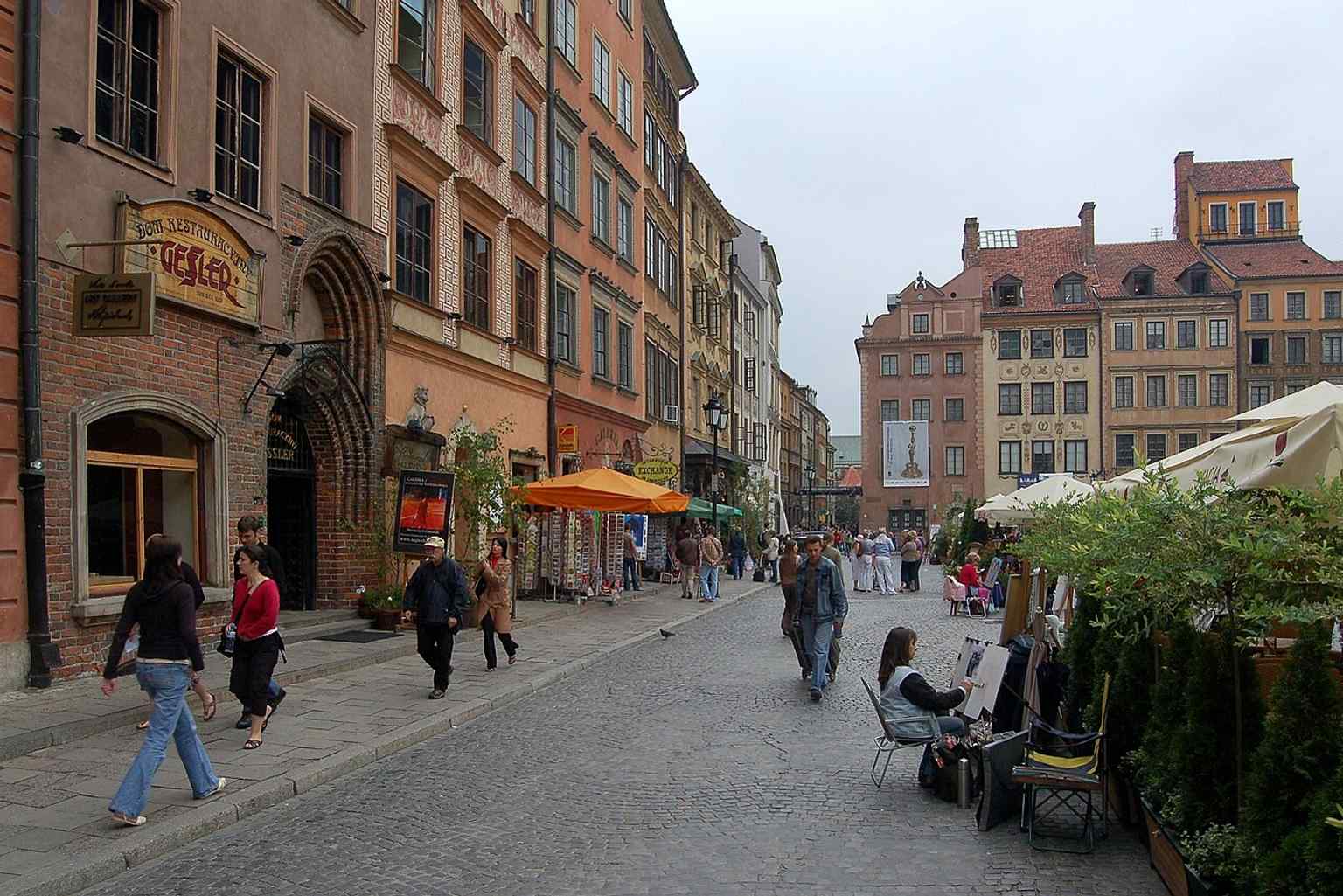
The Kołłątaj side beside Świętojańska Street, helping show how the square connects to the eight streets that radiate from its corners.
The Kołłątaj side beside Świętojańska Street, helping show how the square connects to the eight streets that radiate from its corners.Photo: Marek Mróz, Wikimedia Commons, CC BY 4.0. Cropped & resized.
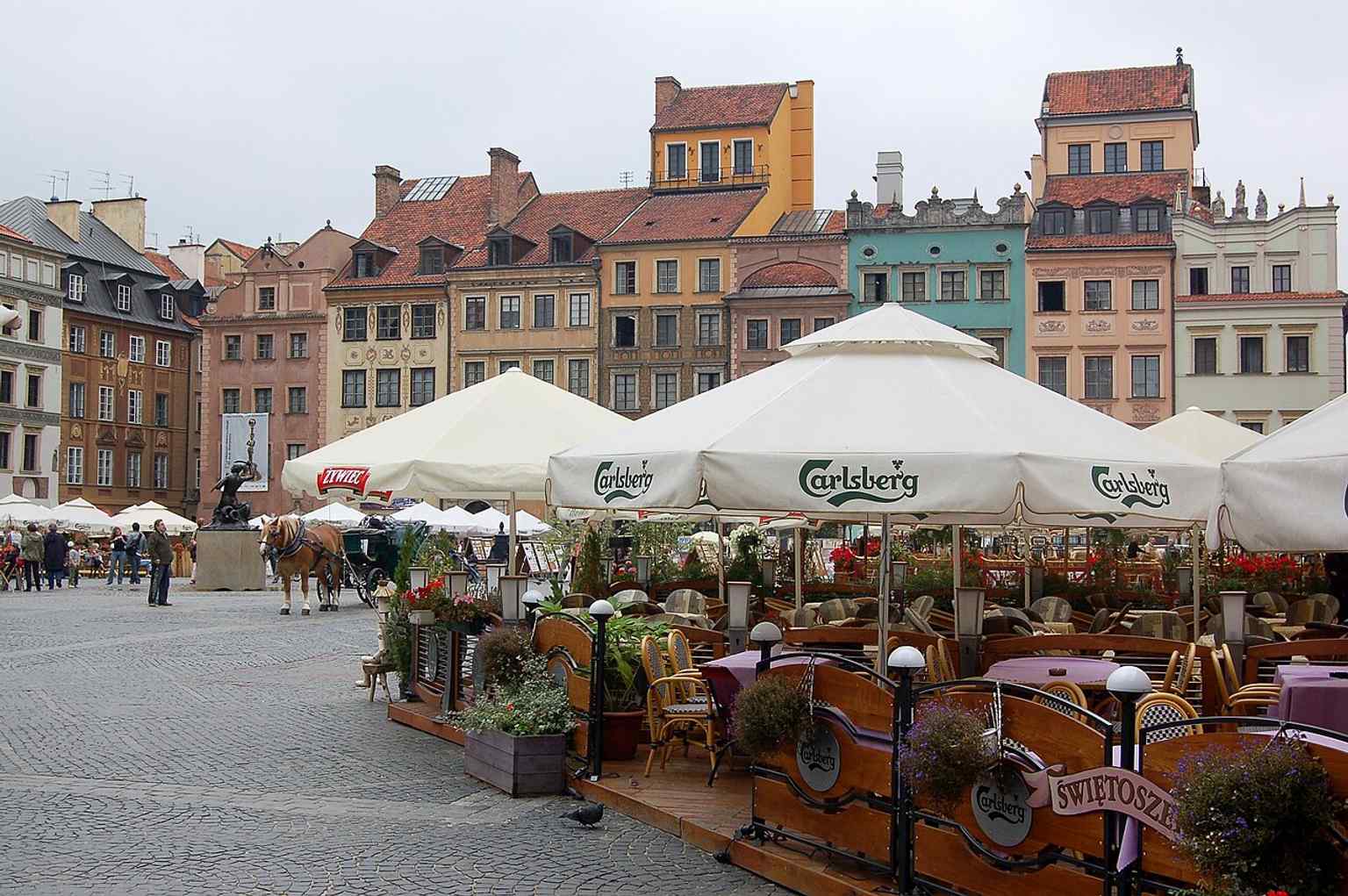
A 2006 view of the Zakrzewski side, facing toward the Royal Castle and Cathedral — the southern edge of the square tied to the old city’s ceremonial axis.
A 2006 view of the Zakrzewski side, facing toward the Royal Castle and Cathedral — the southern edge of the square tied to the old city’s ceremonial axis.Photo: Bahnfrend, Wikimedia Commons, CC BY-SA 4.0. Cropped & resized.
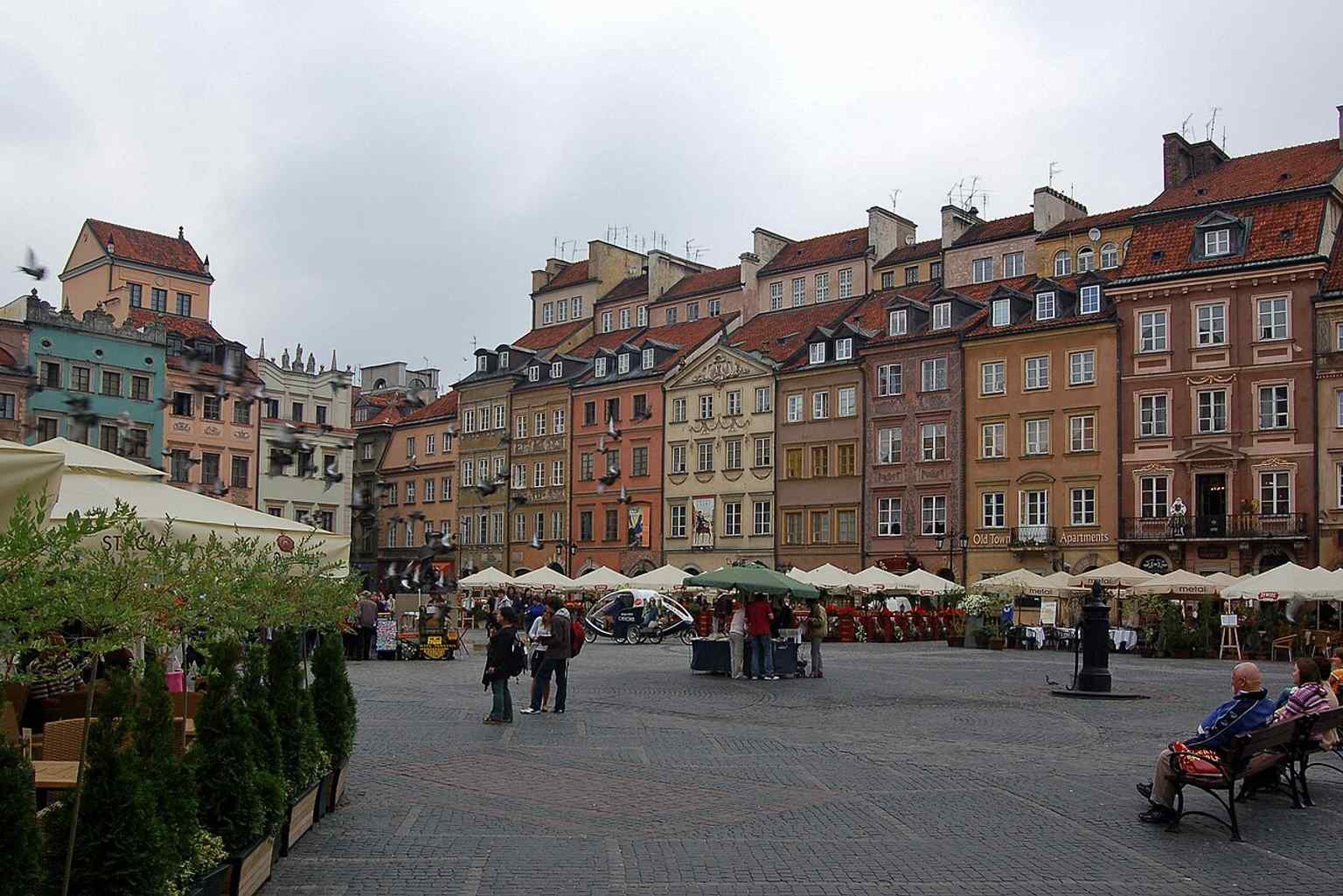
The Dekert side in 2006, a useful comparison point for the changing conservation colors and rebuilt historic character of the museum façades.
The Dekert side in 2006, a useful comparison point for the changing conservation colors and rebuilt historic character of the museum façades.Photo: Bahnfrend, Wikimedia Commons, CC BY-SA 4.0. Cropped & resized.
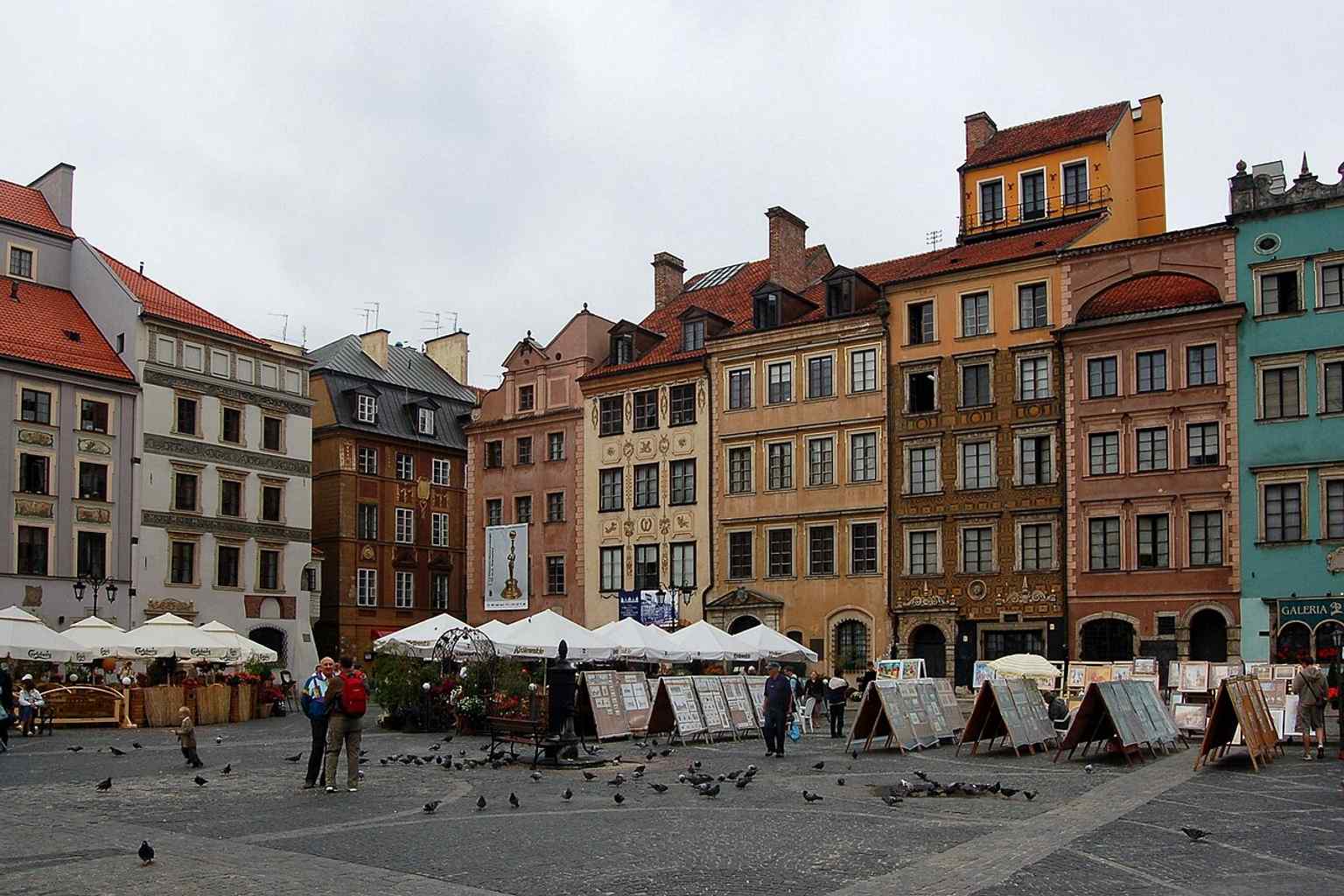
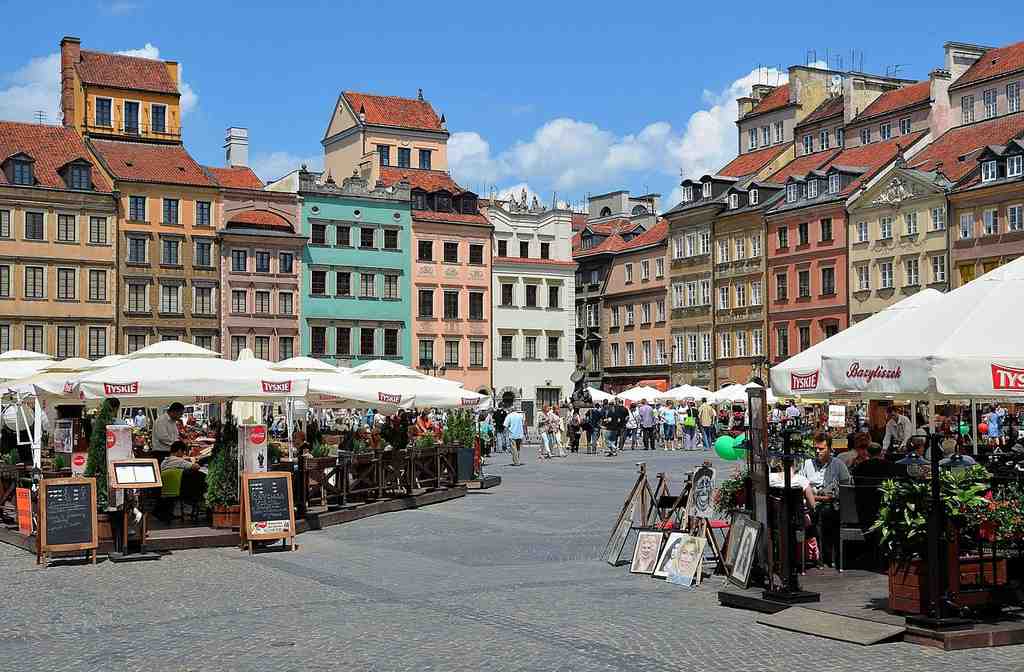
The Barss side in 2006, one of the square’s four named façades that survived as part of the postwar historical reconstruction.
The Barss side in 2006, one of the square’s four named façades that survived as part of the postwar historical reconstruction.Photo: Bahnfrend, Wikimedia Commons, CC BY-SA 4.0. Cropped & resized.
A view of the Kołłątaj side, illustrating the western frontage that once bordered the market and trade activity of the old square.
A view of the Kołłątaj side, illustrating the western frontage that once bordered the market and trade activity of the old square.Photo: Bahnfrend, Wikimedia Commons, CC BY-SA 4.0. Cropped & resized.
Another angle on the Dekert side, the northern frontage associated with Jan Dekert and the civic history of Warsaw’s burgher rights.
Another angle on the Dekert side, the northern frontage associated with Jan Dekert and the civic history of Warsaw’s burgher rights.Photo: Bahnfrend, Wikimedia Commons, CC BY-SA 4.0. Cropped & resized.
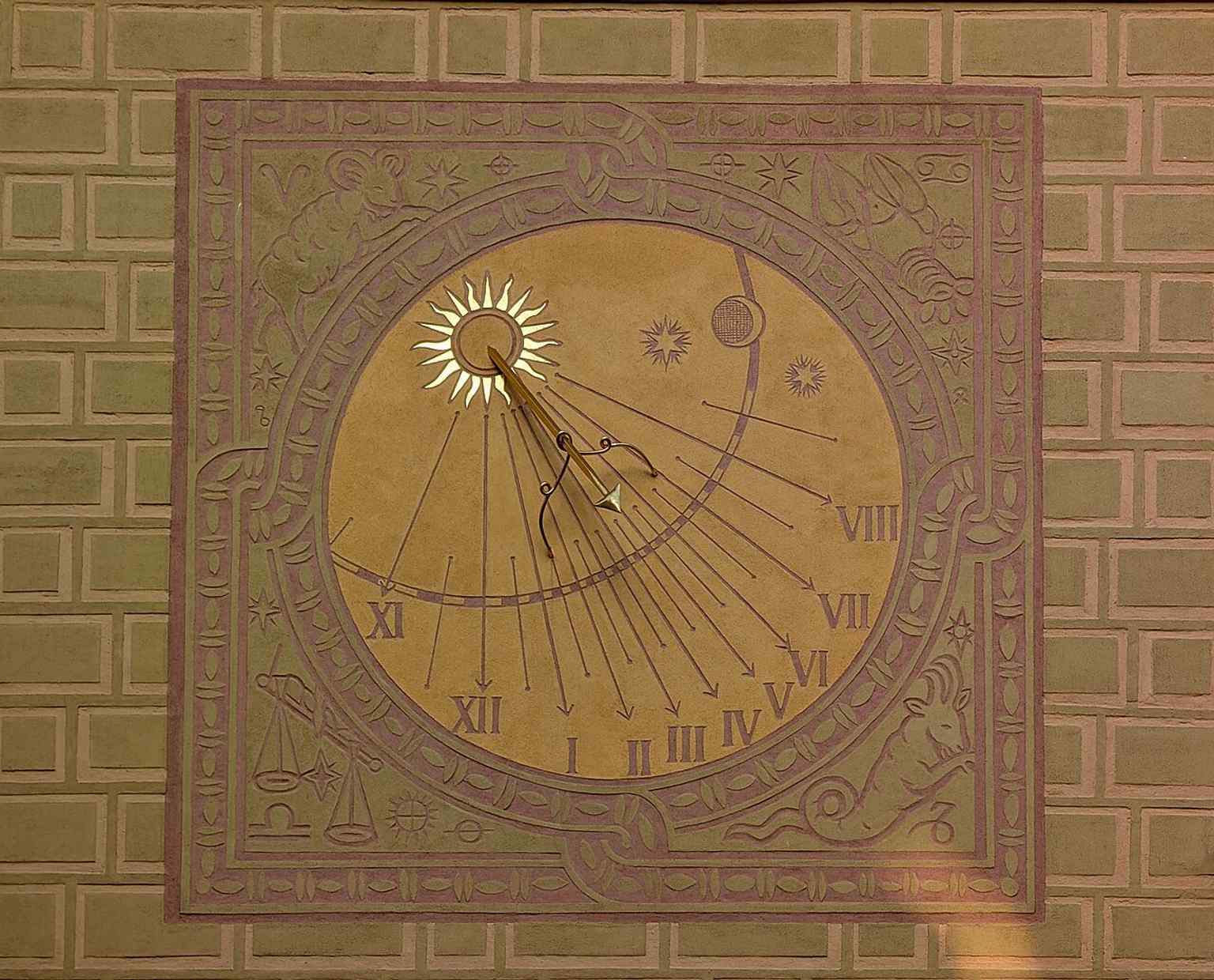
The ornate vertical sundial on the House under the Lion, a decorative detail on the square that fits the postwar revival of historic façades.
The ornate vertical sundial on the House under the Lion, a decorative detail on the square that fits the postwar revival of historic façades.Photo: Siarhei Besarab, Wikimedia Commons, CC BY-SA 4.0. Cropped & resized.
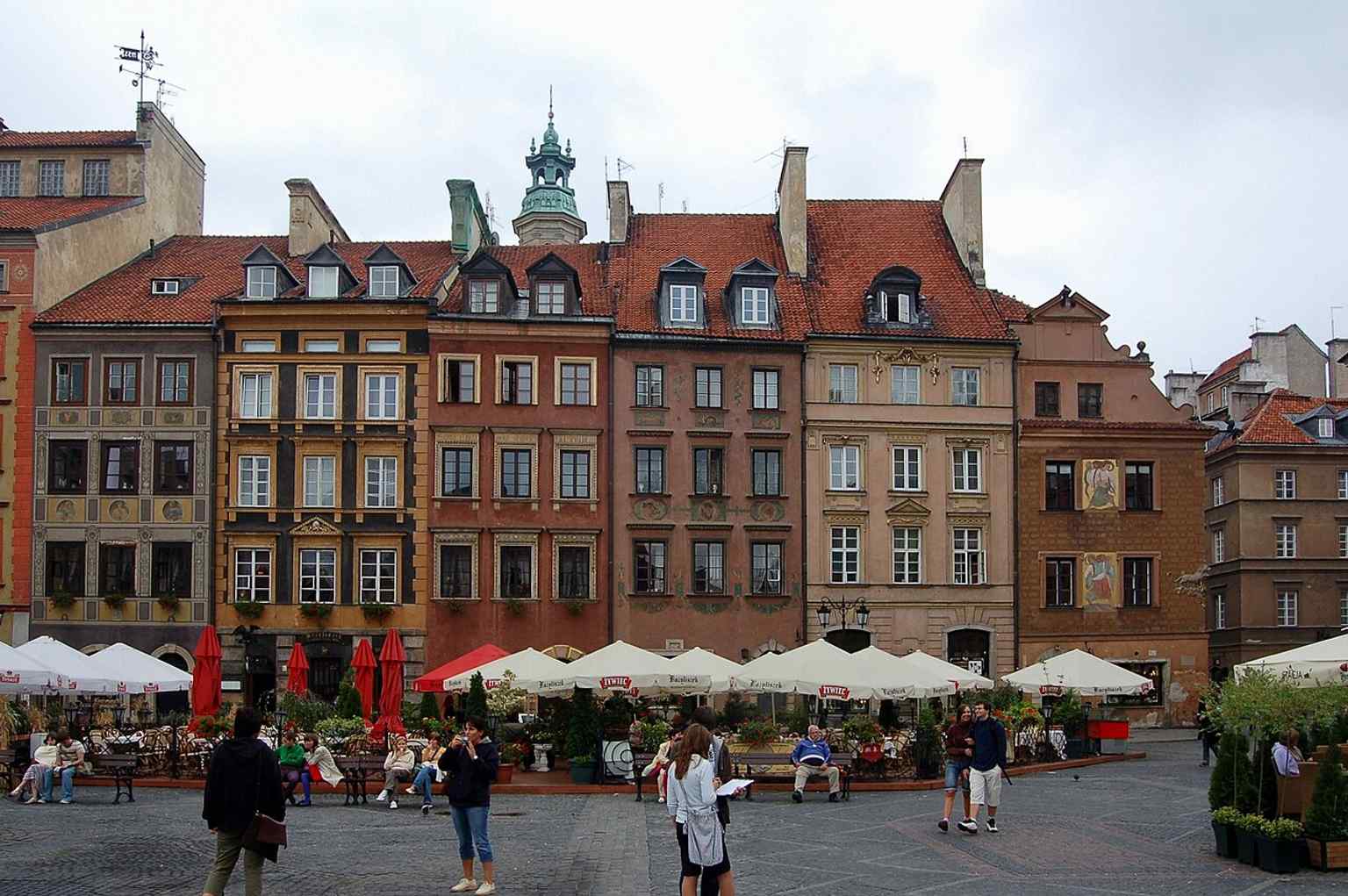
A 2014 view of the Barss side, showing the eastern frontage that forms one of the square’s four named sides.
A 2014 view of the Barss side, showing the eastern frontage that forms one of the square’s four named sides.Photo: Marek Mróz, Wikimedia Commons, CC BY 4.0. Cropped & resized.
arrow_back Back to Warsaw Audio Tour: Royal Heritage Walk
Loved by travellers

Thousands of tours started.
Plenty of opinions.

4.8 across the App Store and Google Play. Here's a few we keep coming back to.

starstarstarstarstar
This was a solid way to get to know Brighton without feeling like a tourist. The narration had depth and context, but didn't overdo it.
Christoph
Christoph
Brighton Tour
starstarstarstarstar
Started this tour with a croissant in one hand and zero expectations. The app just vibes with you, no pressure, just you, your headphones, and some cool stories.
download Get the app

Pop your headphones in.
Step outside.

Free to download. Tours in every city. Start in 60 seconds — no account, no card.

Download on the App StoreGet it on Google Play
starstarstarstarstar_half
4.8
AudaTours app icon
headphones
~ 4 min until your first tour starts
public
1,000+ cities worldwide
all_inclusive
AudaTours
Unlimited

Every tour. Every city. One subscription.

3097 tours2273 cities138 countries50+ languages