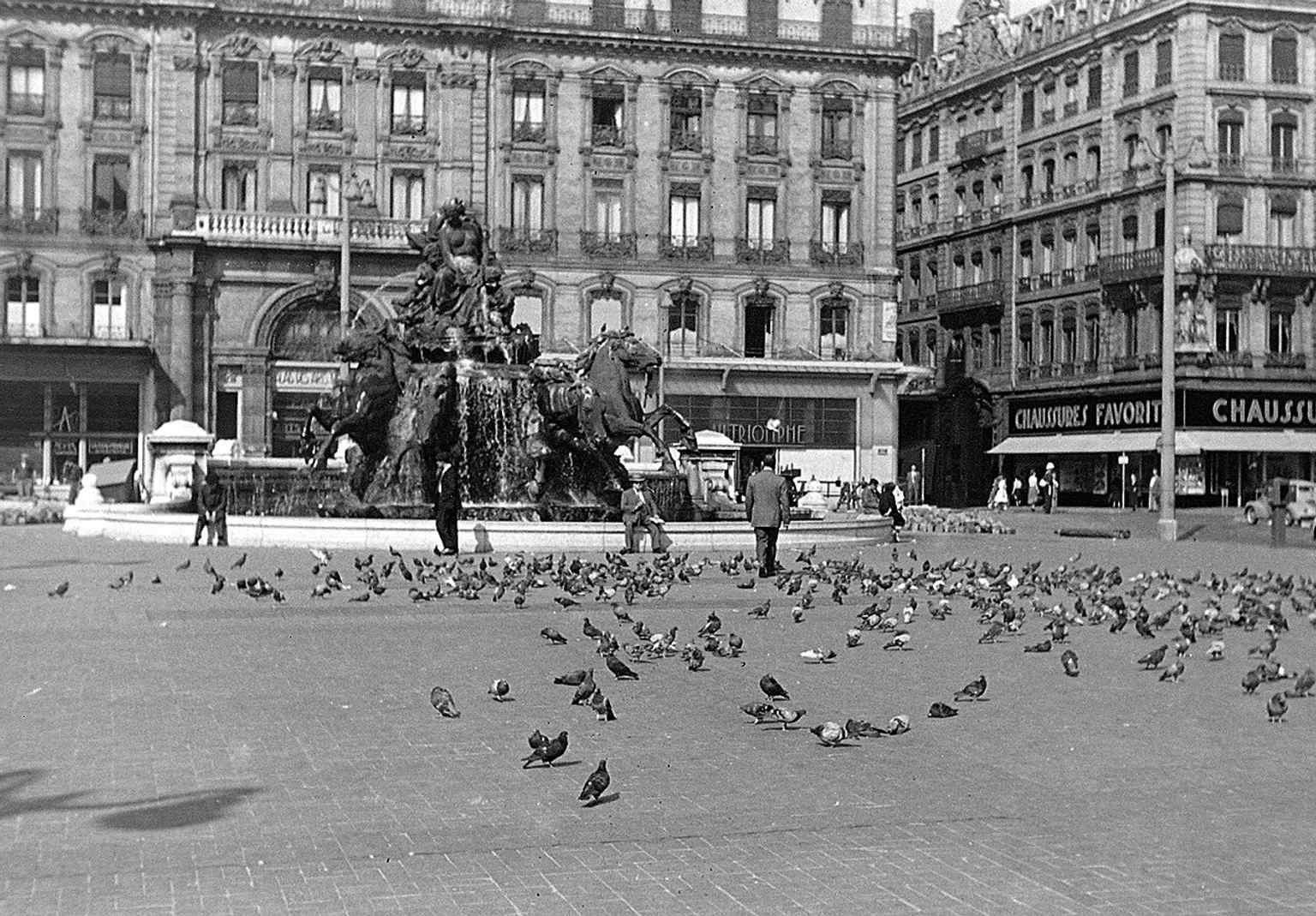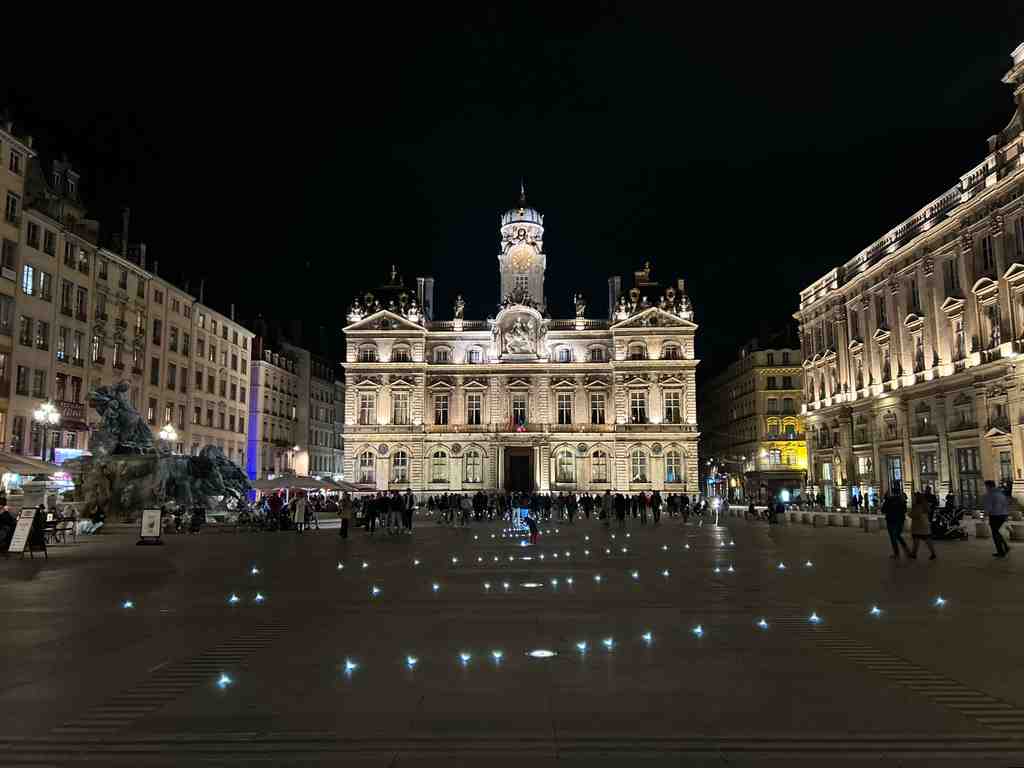
On your left, Place des Terreaux opens as a broad stone square framed by pale classical facades and anchored by Bartholdi’s dark bronze fountain, where four powerful horses surge forward from a low basin.
This feels like one of Lyon’s grand public living rooms... but its first job was defense. The Terreaux Defenses began as ditches and fortifications at the foot of the Croix-Rousse hill, and that matters because the open space you see now started life as a barrier, not a welcome mat.
Back in the early thirteenth century, Lyon’s merchants clashed with Archbishop Renaud the Second de Forez over taxes and power. The city’s bourgeois answered with stone and earth: a wall, a tower by the Saône, and control over the only bridge passage between Saint-Nizier and Saint-Jean. Then, in a neat historical twist, de Forez and his successors kept building anyway, turning the line into a serious military enclosure between the Saône and Rhône. Picture a wall about two meters thick, ten meters high, with ten towers, drawbridges, and a twenty-two-meter ditch that engineers could flood through channels from the Rhône. Under your feet, this elegant square keeps the memory of a moat.
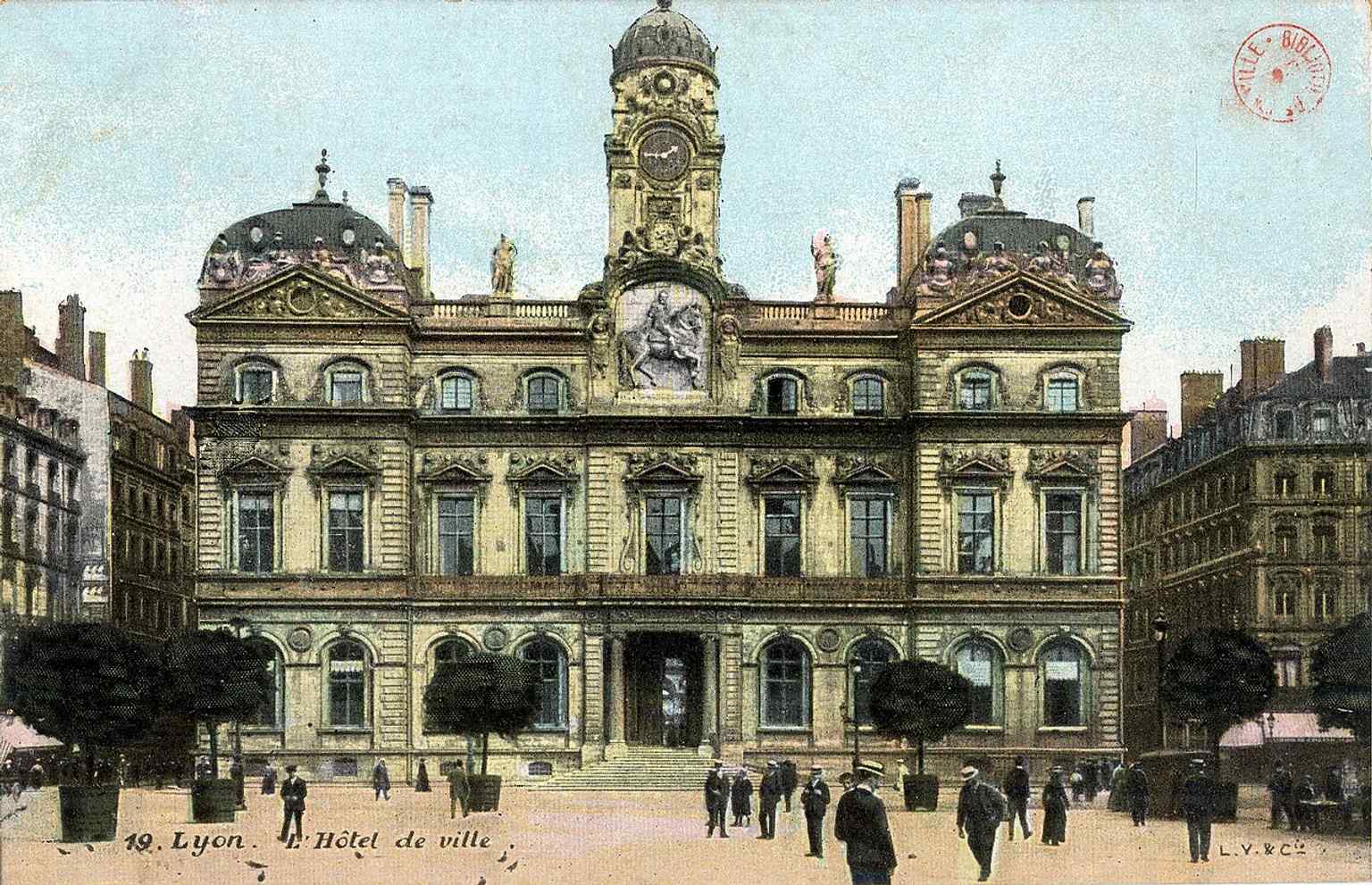
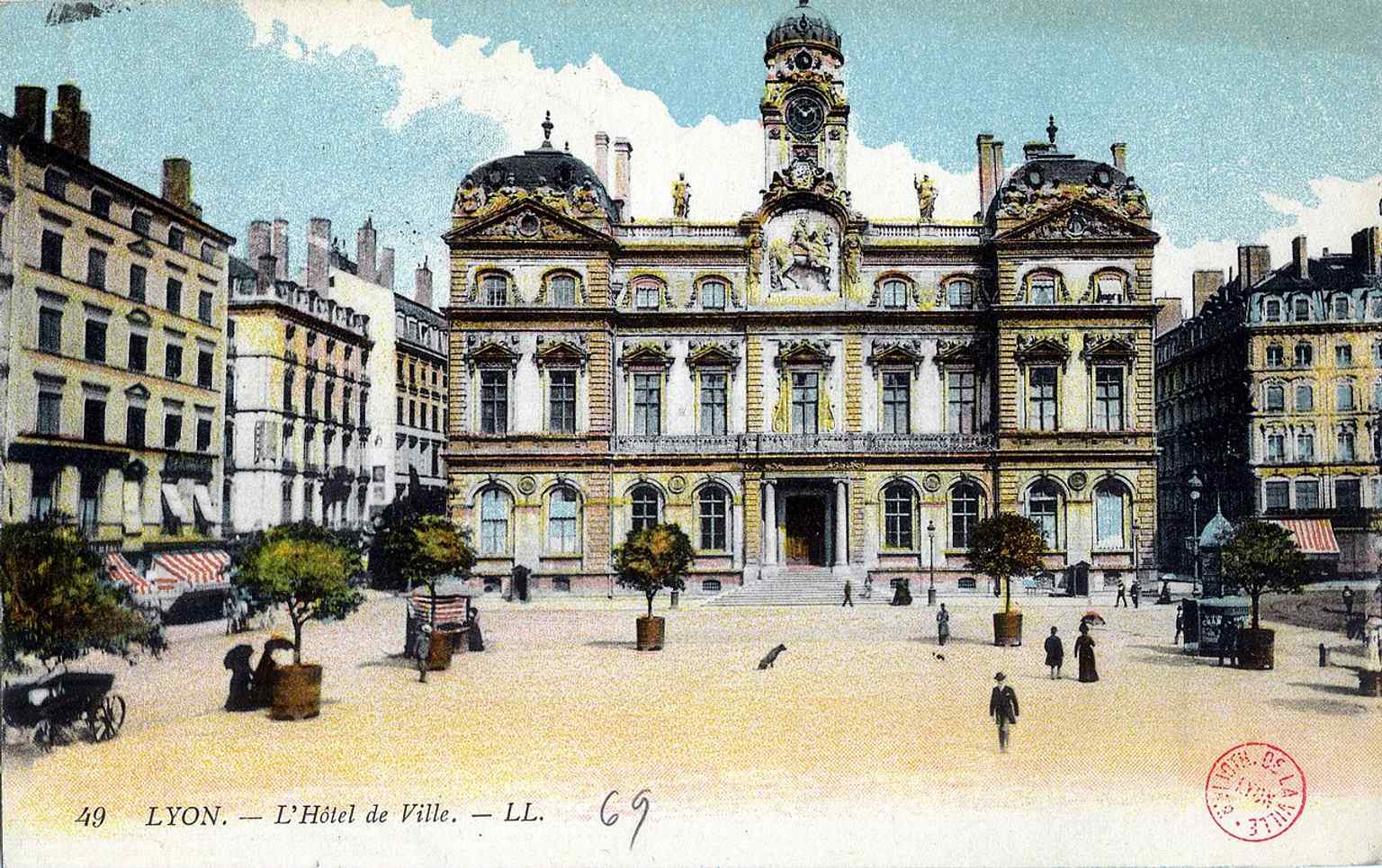
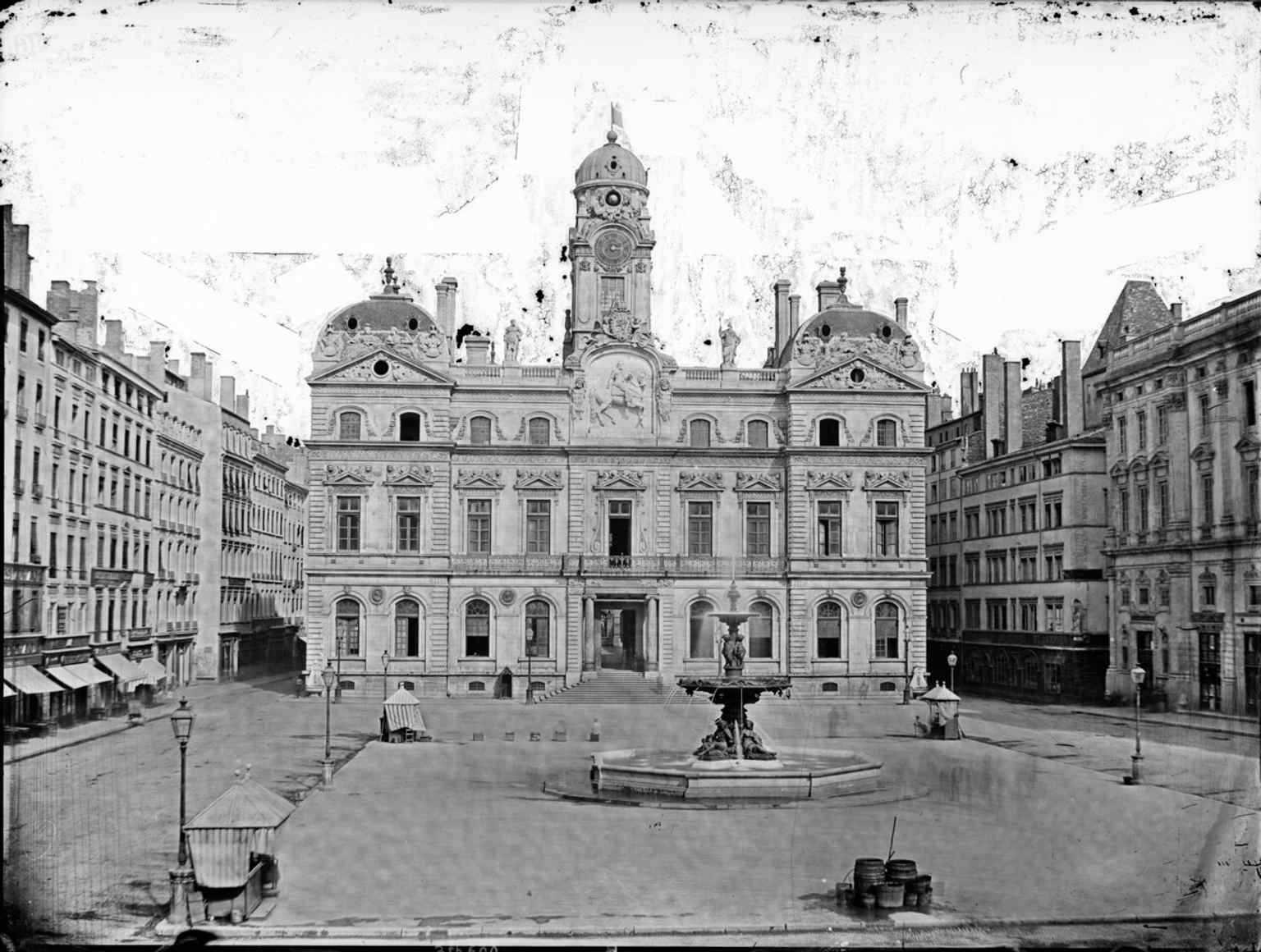
Later, soldiers used those ditches for crossbow practice. Then the walls crumbled, demolition started in the sixteen hundreds, and the city began doing what Lyon does so well: recycling one age into the next. The nuns of Saint-Pierre took stones from the old wall to repair their monastery. The ditch disappeared under gardens. On one side rose the Hôtel de Ville, begun by Simon Maupin and later rebuilt by Jules Hardouin-Mansart after the fire of sixteen seventy-four. On the south side, the wealthy abbey of Saint-Pierre grew into the grand palace you see today, home to the museum.
But here’s the turn in the story. Once the fortifications vanished, the old defensive ground did not become gentle... it became a stage. In sixteen forty-two, Henri Coiffier de Ruzé, the Marquis of Cinq-Mars, died here after plotting against Cardinal Richelieu. The professional executioner was unavailable, so officials reportedly pressed a porter into the task. He panicked, struck again and again, and turned a formal execution into a public horror. A century and a half later, the revolutionary Marie Joseph Chalier met the same square’s appetite for spectacle. He had brought the guillotine to Lyon to purge enemies; then he became its first local victim when the blade failed repeatedly and the executioner finished the job with a knife. That is Terreaux for you: from moat to plaza, from barrier to theater, and not always a polite one.
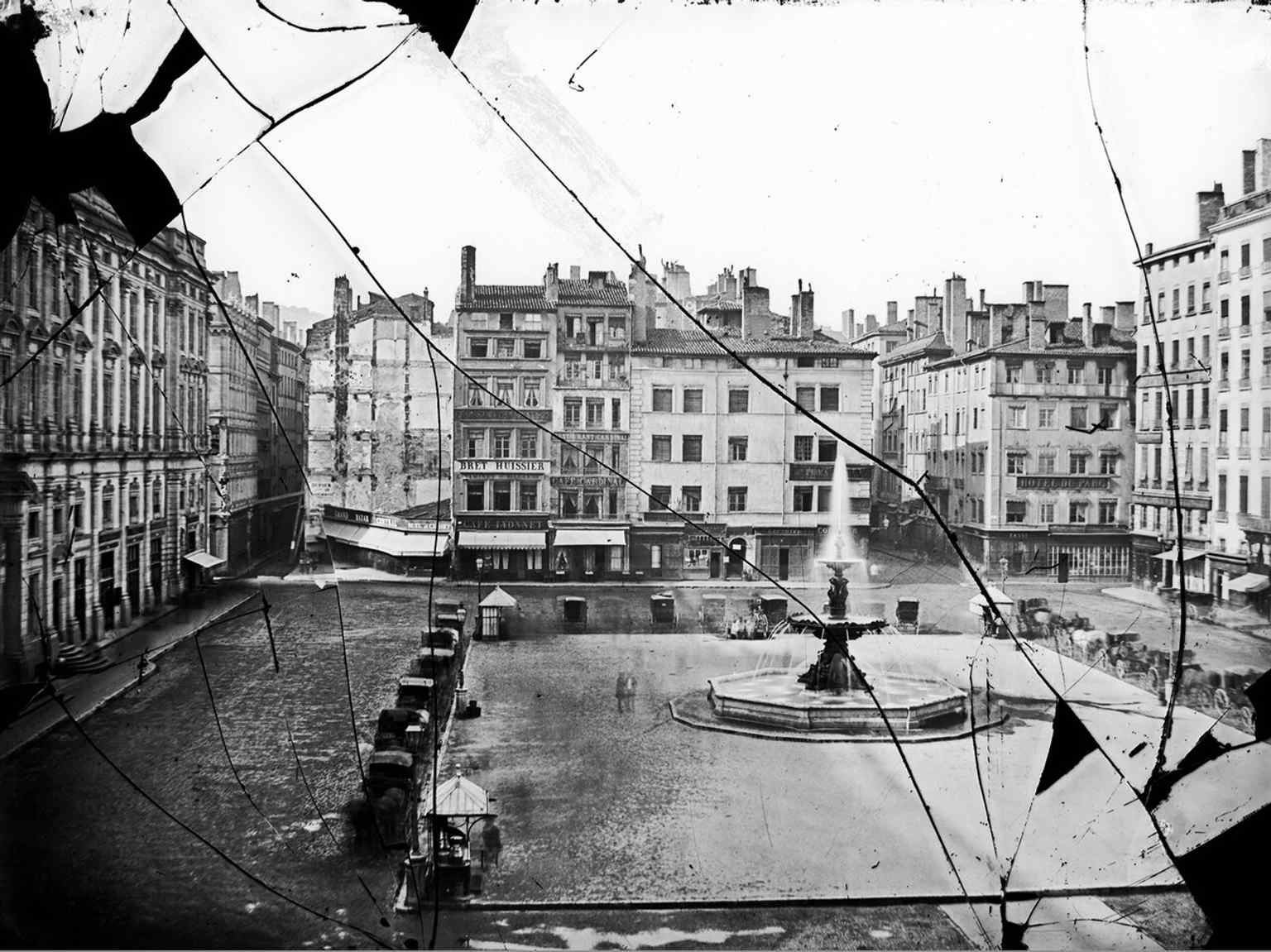
If you want a quick visual of how completely this place changed, look at the before-and-after image in the app.
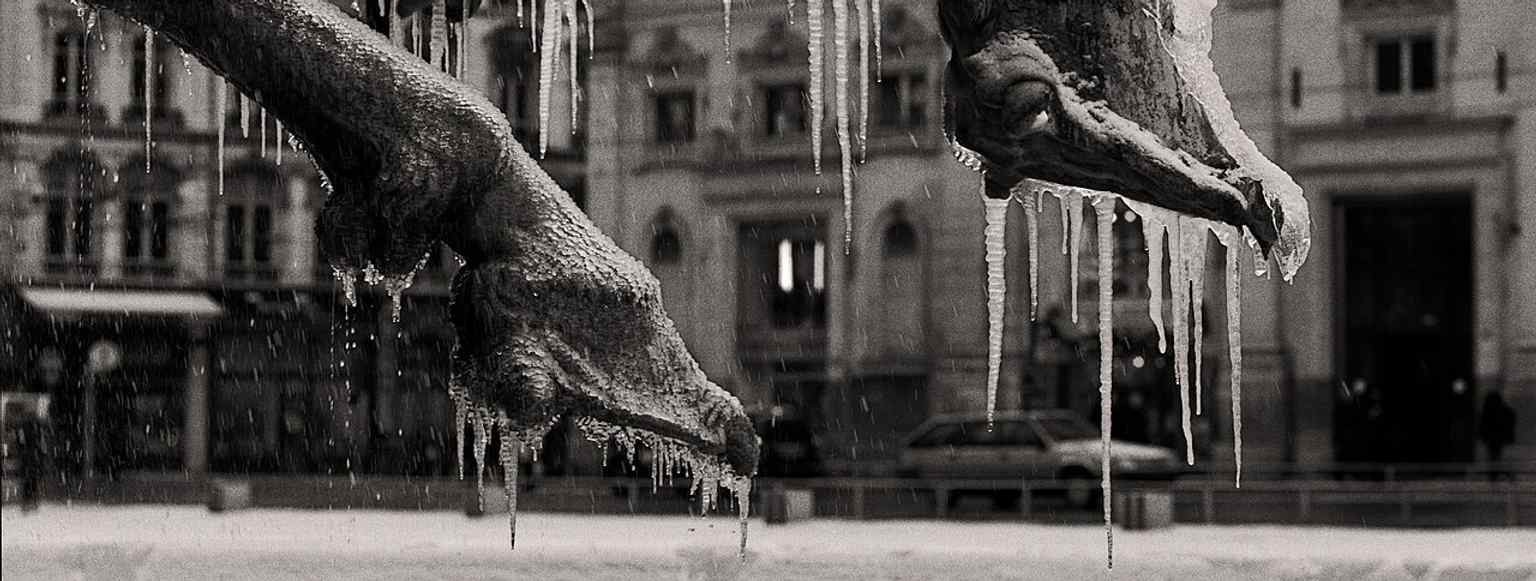
At the center now stands Frédéric Auguste Bartholdi’s fountain, unveiled here in eighteen ninety-one after Bordeaux decided it cost too much. Lyon’s mayor, Antoine Gailleton, happily scooped it up, which is why a sculpture of the Garonne and its tributaries gallops through a city of the Rhône and Saône. A classic bargain, with a slight geographical mix-up. If you glance at the fountain photo in the app, those bronze horses look ready to bolt straight across the paving.
Then came another rewrite in nineteen ninety-four, when Christian Drevet and Daniel Buren redesigned the square with sixty-nine water jets and fourteen pillars, even moving the fountain during construction. So yes, this polished civic space still follows the old logic of control, display, and power... just with better paving.
And now, as your eye shifts from open square to the city’s showpiece facades, we’re heading toward the next act: the Lyon Opera, just a short walk away. Handy detail: Place des Terreaux is open twenty-four hours a day.