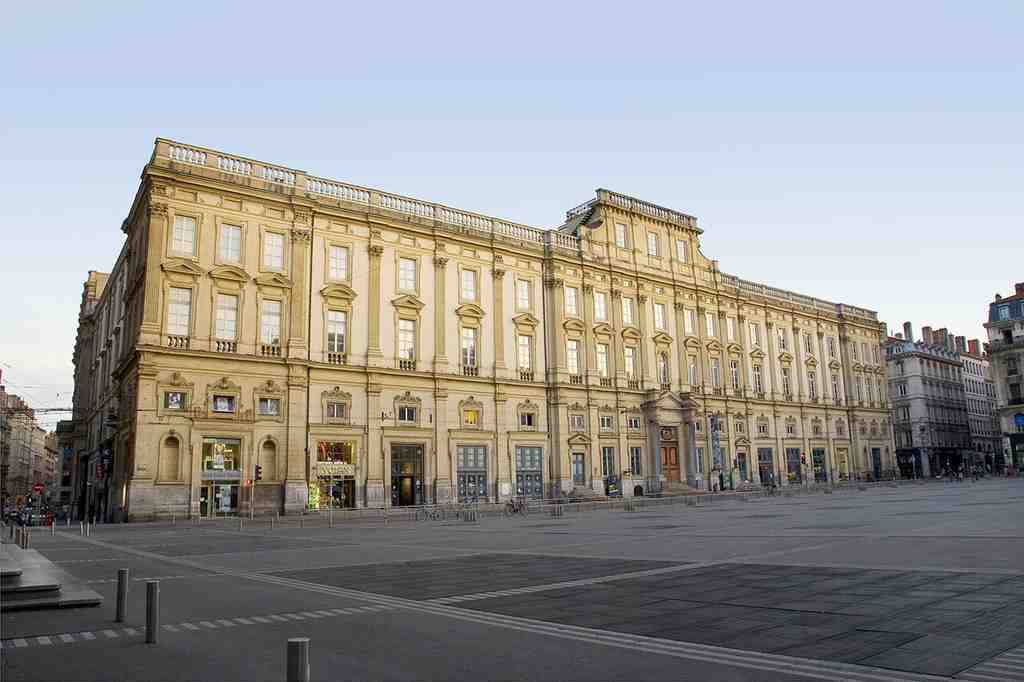
On your right, look for a broad pale-stone façade with tall, evenly spaced windows and a formal central entrance, the restrained face of the old Palais Saint-Pierre.
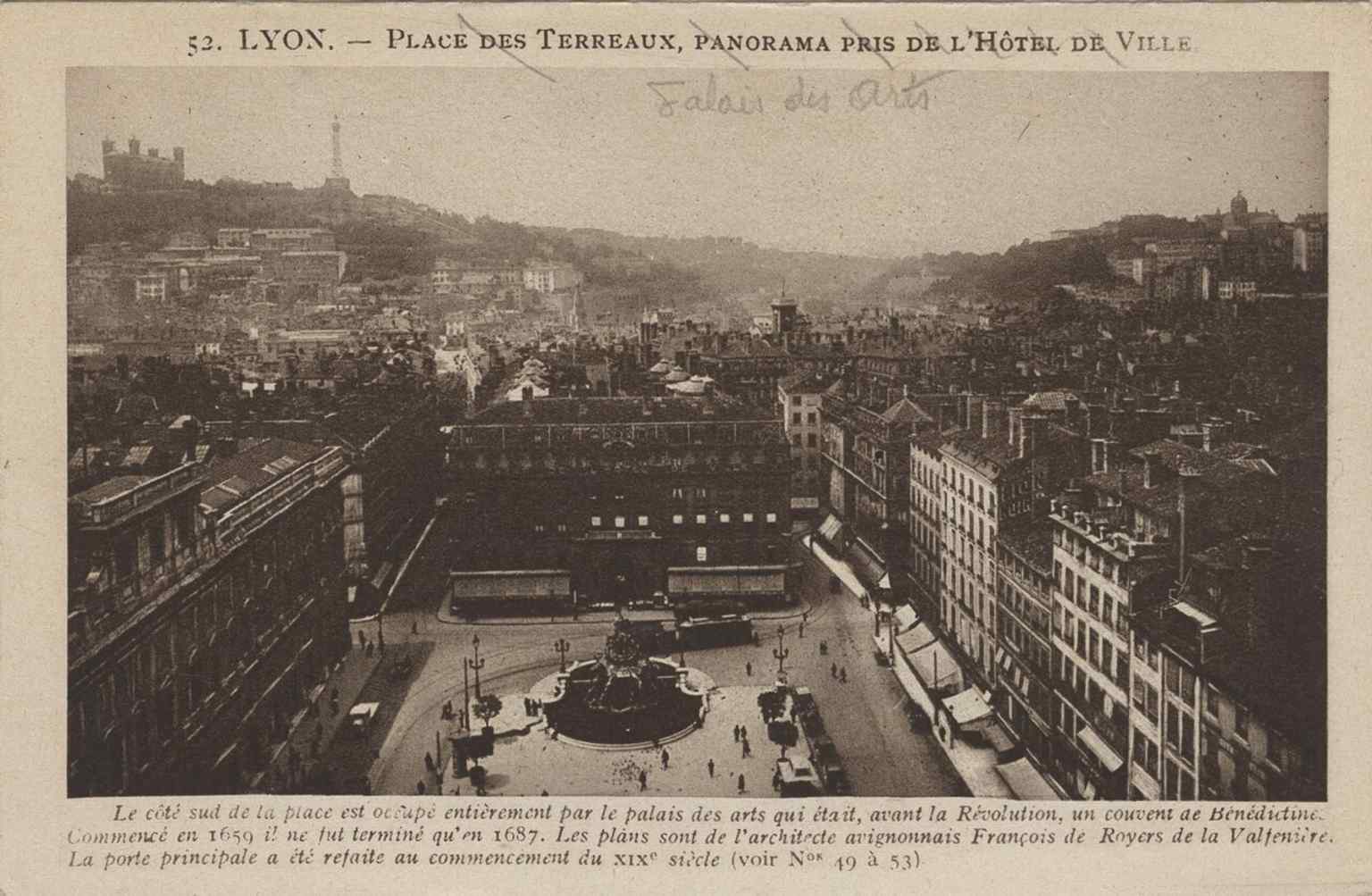
This place is one of Lyon’s great acts of reinvention. What began as the Abbey of Saint-Pierre-les-Nonnains, a Benedictine convent closed off from the city, became the Musée des Beaux-Arts, one of France’s major civic museums. If you want one building that explains how Lyon keeps reusing its inheritance instead of tossing it out... well, here you go, gift-wrapped in stone.
In seventeen ninety-two, the French Revolution ended monastic life here. The Benedictine nuns had to leave. The abbey escaped sale or destruction partly because it stood so close to City Hall, which made the complex too useful to lose. That practical instinct matters in Lyon. This city has a habit of looking at an old building and saying, more or less, “Fine structure... what else can it do?”
A museum had already been imagined by Lyon’s elites, but the Revolution gave the idea a new purpose. Art seized from churches and noble families could now educate the public. The museum was officially founded in eighteen oh one and opened in eighteen oh three. At first, it did not simply aim to delight the eye. It had a job to do. Lyon’s silk industry depended on skilled designers, so the city wanted painters, flowers, ornament, color, models to study. Art here helped train commerce. That is very Lyon too: beauty with its sleeves rolled up.
The human face I’d remember is François Artaud, appointed conservator in eighteen oh six. He was not just a caretaker; he was a sorter of civilization. Under the cloister arcades, he gathered inscriptions, bronzes, and mosaics that spoke of Roman Lyon, the Lugdunum we met on Fourvière. In eighteen eleven, he also created the Salon des Fleurs, a flower gallery meant to train silk designers. Not every museum begins by helping people draw better bouquets for fabric, but this one did.
Over time, the place kept changing roles. The old abbey became what you might call a museum city: painting galleries upstairs, antiquities and decorative arts below, sculpture in the chapel, and a quiet garden in the former cloister at its heart. Later directors and architects kept reshaping it. René Dardel redesigned parts of the palace in the eighteen thirties. Abraham Hirsch added the grand new wing and staircase in the eighteen eighties. In the nineteen nineties, Jean-Philippe Dubois and Jean-Michel Wilmotte led a major renovation that reopened the museum with far more space and a clearer layout.
If you want a quick visual time jump, take a peek at the before-and-after image in the app.
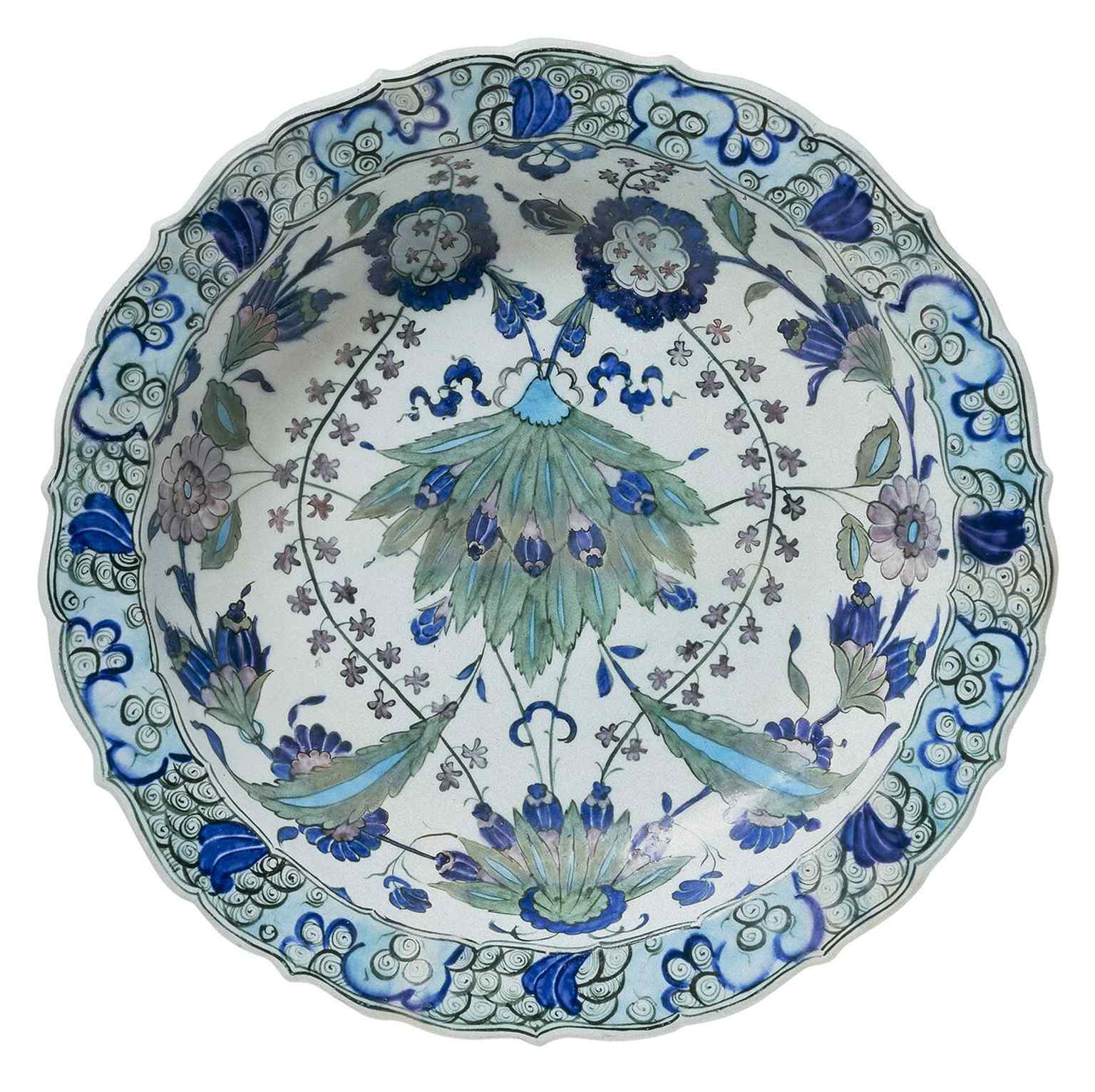
Inside, the collection sprawls across centuries and continents: Venetian Renaissance painting, French masters, Impressionists, Egyptian antiquities, Islamic art, coins, drawings, sculpture. One bold purchase in nineteen oh one brought in Renoir’s Guitariste, and in nineteen thirteen the museum acquired Gauguin’s Nave Nave Mahana, the first Gauguin painting to enter a French museum. If you glance at your screen, the Degas dancers give you a nice taste of that ambition.
And notice what that means: museums do not just save memory; they arrange it, elevate it, and decide what a city wants to see about itself.
Next, let your eyes drift outward to the square beside this former abbey, where power, trade, and public theater start pressing in from all sides. Place des Terreaux is about a one-minute walk away. If you plan to come back inside later, the museum usually opens from around ten to six, with Tuesday closed.