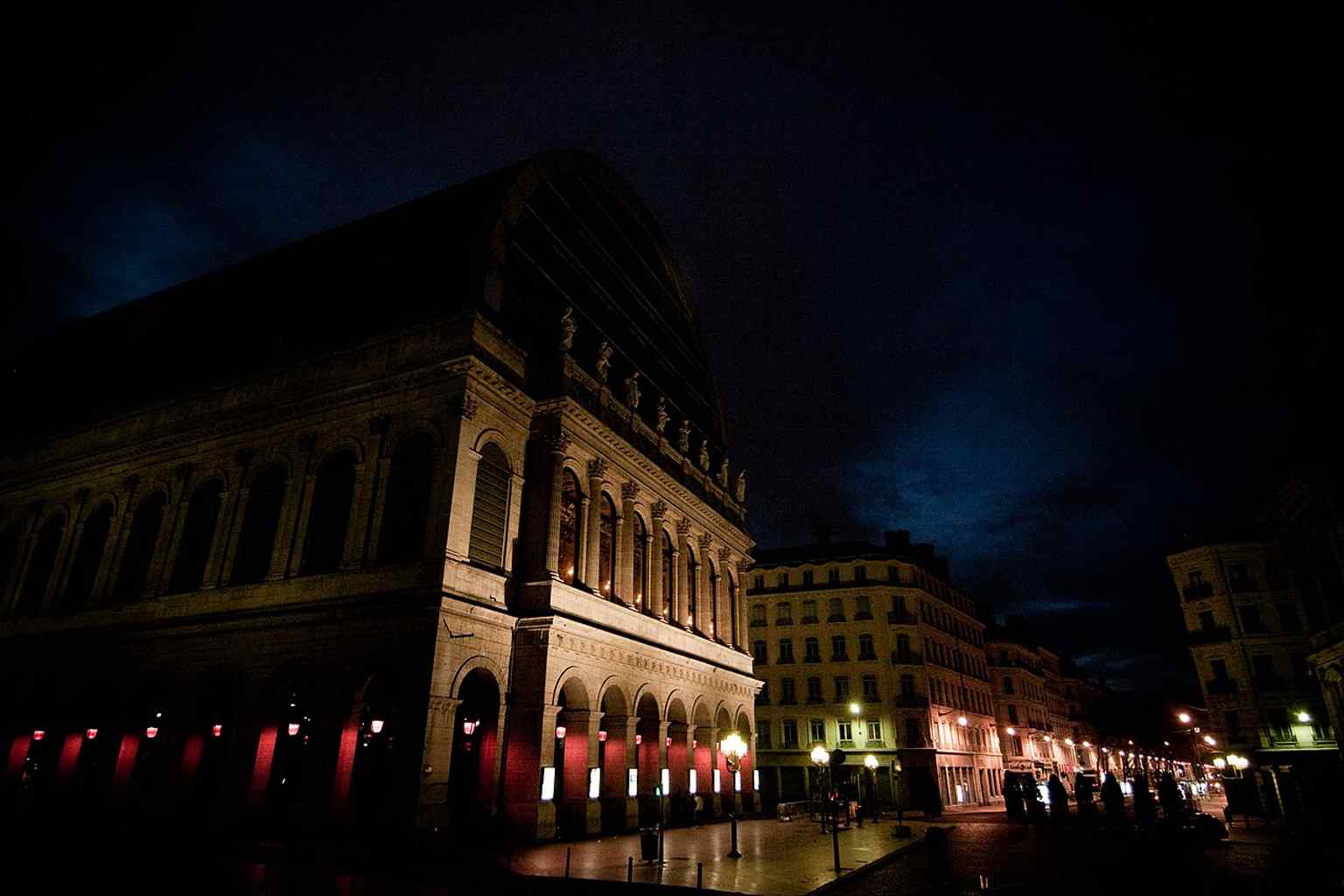
On your left, the Lyon Opera is a pale stone facade of arches and columns topped by a long black glass barrel vault, a sleek half-cylinder crown that makes the whole building look split between two centuries.
This is one of Lyon’s best arguments in stone and glass. At first glance, you might think you’re looking at a proper nineteenth-century grand theater, all symmetry and civic manners. And you are... partly. But this building is also a late twentieth-century dare.
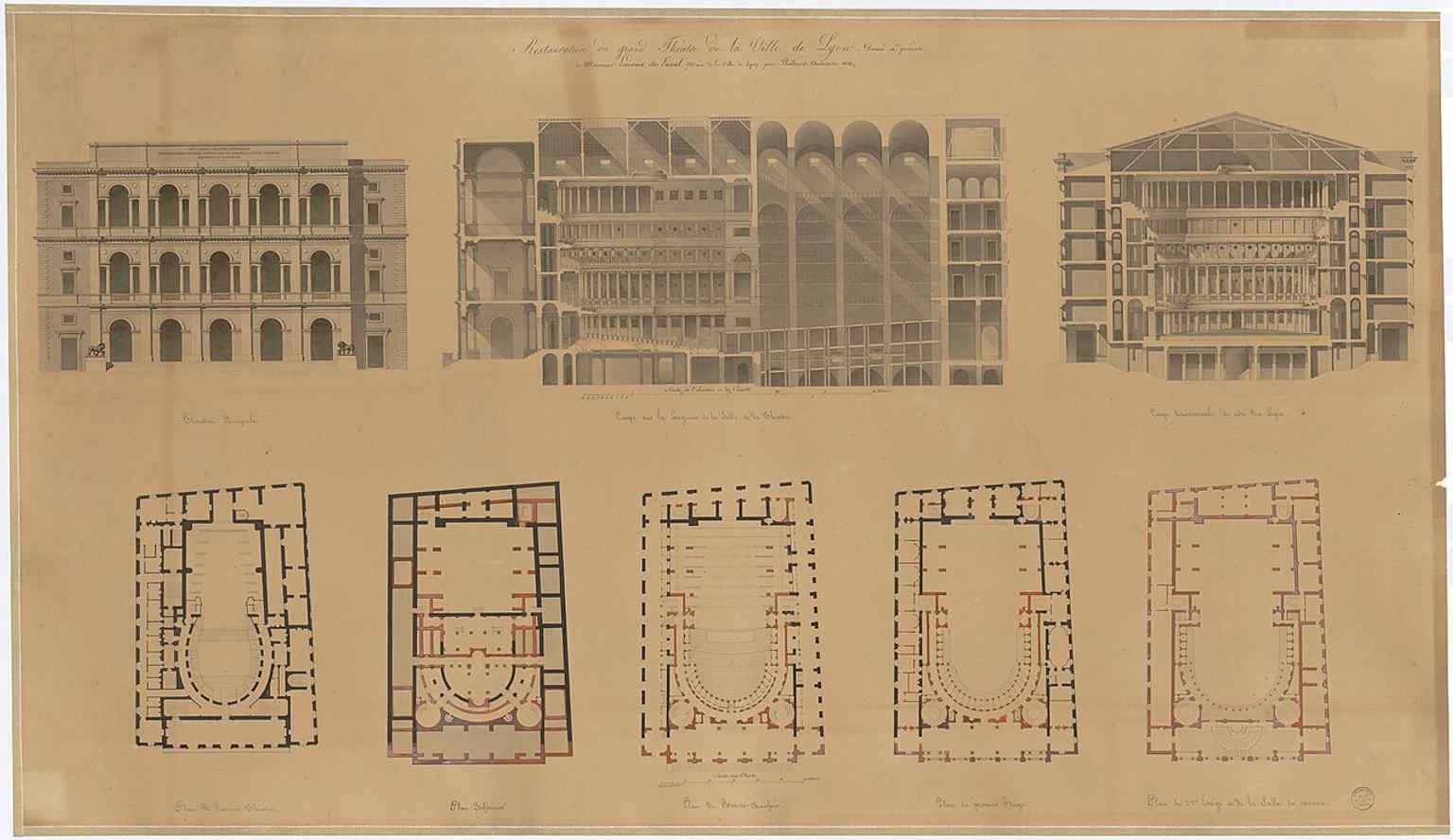
The story starts with an earlier Grand Théâtre. In the mid-eighteenth century, Jacques-Germain Soufflot built a first theater here on the gardens of city hall, under the supervision of Michelle Poncet, who directed Lyon’s royal music academy. That house opened in seventeen fifty-six and disappeared in eighteen twenty-six. Then Antoine-Marie Chenavard and Jean-Marie Pollet gave Lyon the stone shell you see now, opening it in eighteen thirty-one.
Even that respectable facade had a little drama baked into it. Chenavard imagined a row of the nine Muses across the top, but classical rules favored an even number of columns, so one muse had to go. Poor Uranie, muse of astronomy, got cut from the cast. The other eight arrived only in the eighteen sixties. Then the city tried a miracle treatment called silicatisation, meant to make the statues nearly indestructible. It did the opposite. On Christmas Day in eighteen ninety-five, part of Terpsichore fell onto the square. City officials removed all the Muses the next year, then replaced them in nineteen twelve with cast-iron copies painted to look like stone. So even the “old” ornament up there tells a story of repair, compromise, and municipal thrift.
Now give the building’s outline a good look... the classical body below, the dark glass-and-metal crown above. Does it feel like a quarrel, or more like Lyon adding one more layer in plain sight?
That crown belongs to Jean Nouvel’s reinvention. In nineteen eighty-six, the city launched a competition that was supposed to bring the opera up to code. Nouvel won, and then did something much bolder: he kept only the four historic facades and the public foyer, the protected part, and rebuilt almost everything else behind them. Michel Noir thought the project was shocking because the new dome, about twenty-six meters high, nearly doubled the building’s height. Nouvel went ahead anyway. If you glance at the image in the app, you can see that bold collision clearly.
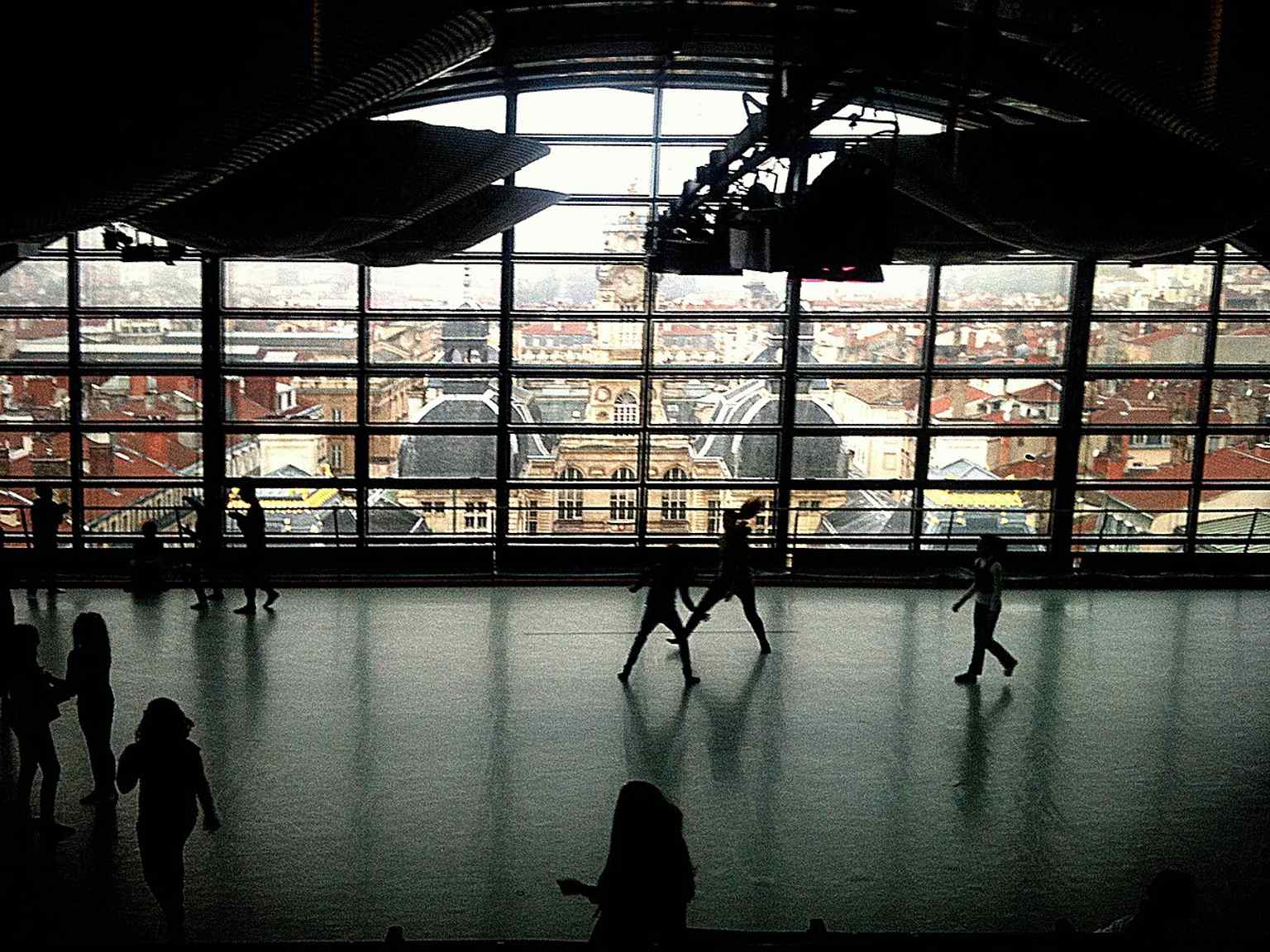
Inside, this is no frozen museum piece. The opera now rises through eighteen levels, with five sunk below ground and five tucked into that glass roof. The National Opera of Lyon performs opera, ballet, and concerts here, and the ballet lives in the building too. If you check the studio image on your screen, you can see how high performance now sits above the old shell.
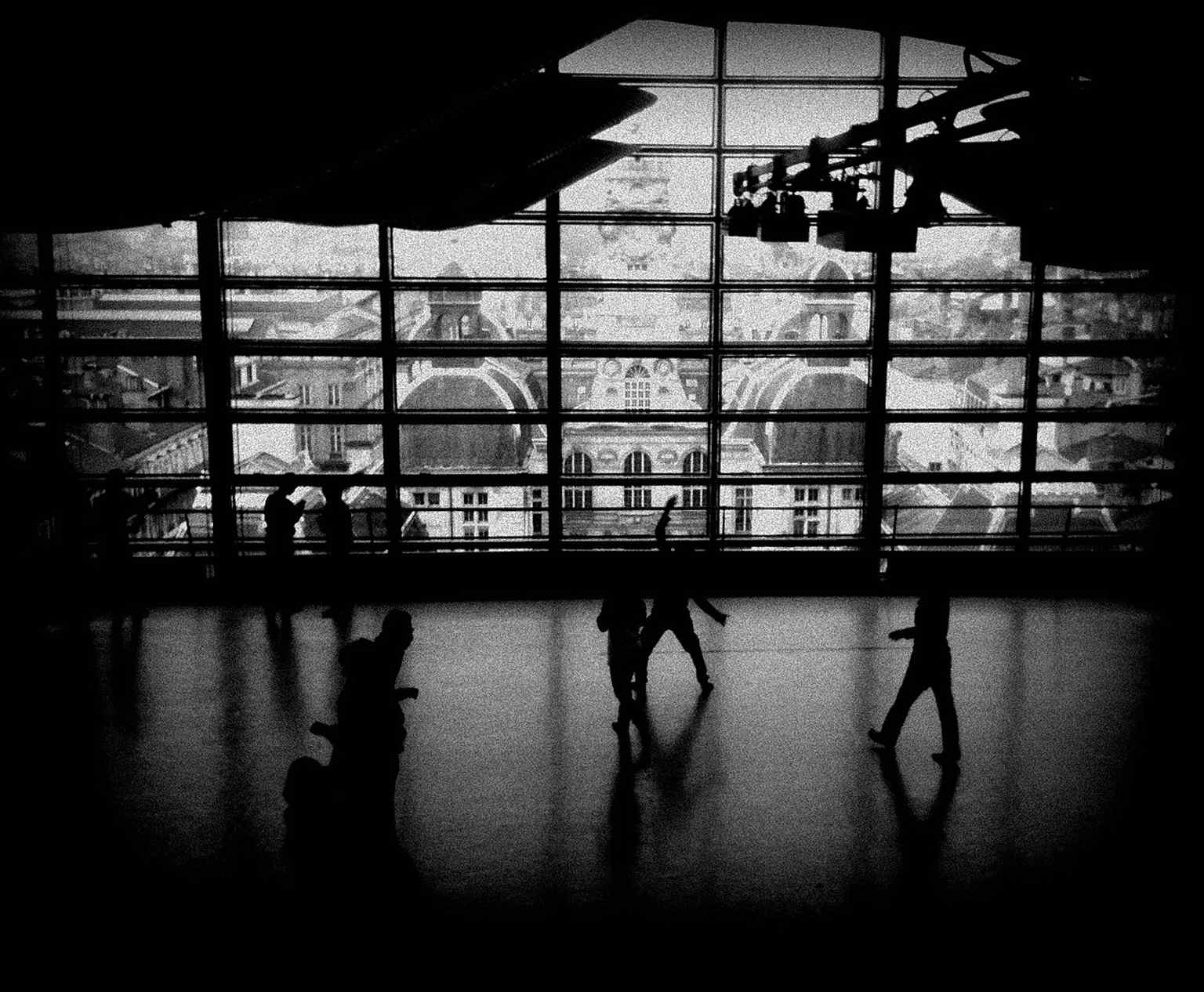
And here’s the twist I love: spectacle in Lyon never belonged only to emperors, bishops, or velvet-seat patrons. Riyad Fghani started breakdancing on this very forecourt at fifteen. His group, the Pockemon Crew, grew from these arcades, won world attention, and the opera invited them in for a long residence in two thousand three. That’s Lyon in a nutshell: Roman theater became opera house, opera house opened to hip-hop, and public display kept changing costume without giving up the stage.
When you’re ready, turn your eyes to the grand building facing the opera. That is its perfect counterpart: city hall, where performance meets authority. Head there next; it’s about a three-minute walk.