
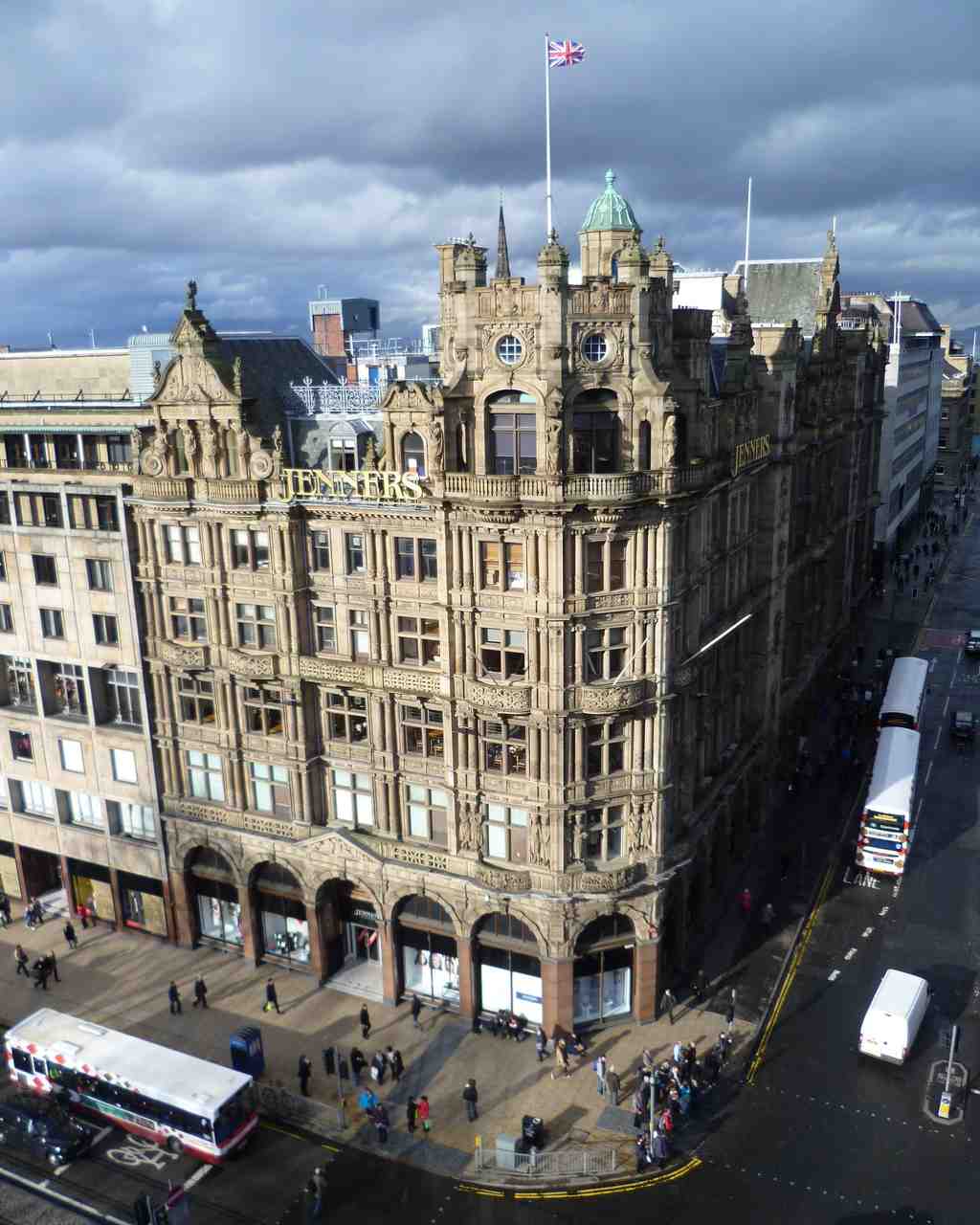
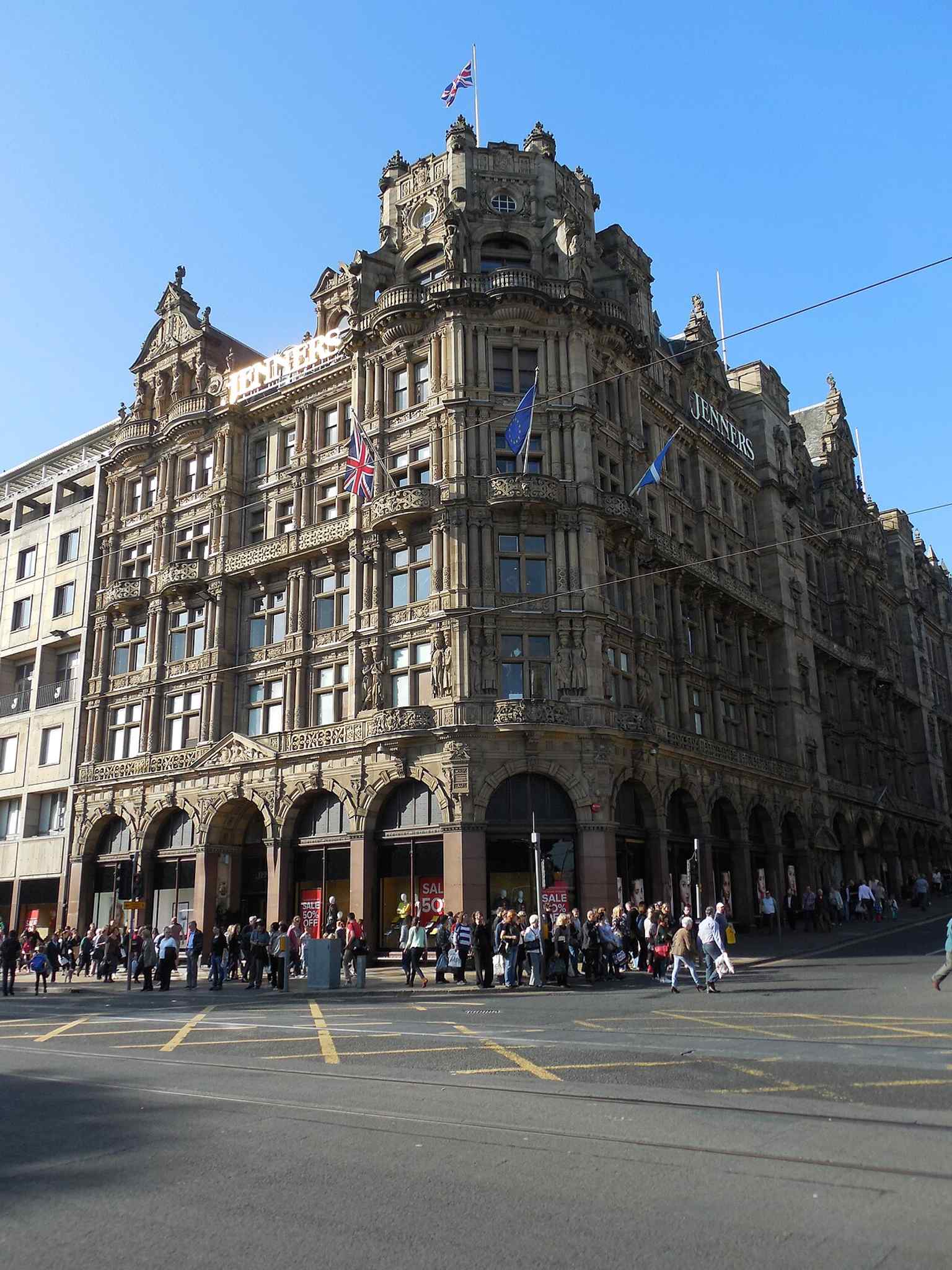
On your left rises an ornate pale stone block with an angled corner tower, deep arched windows, and rows of carved female figures supporting the façade.
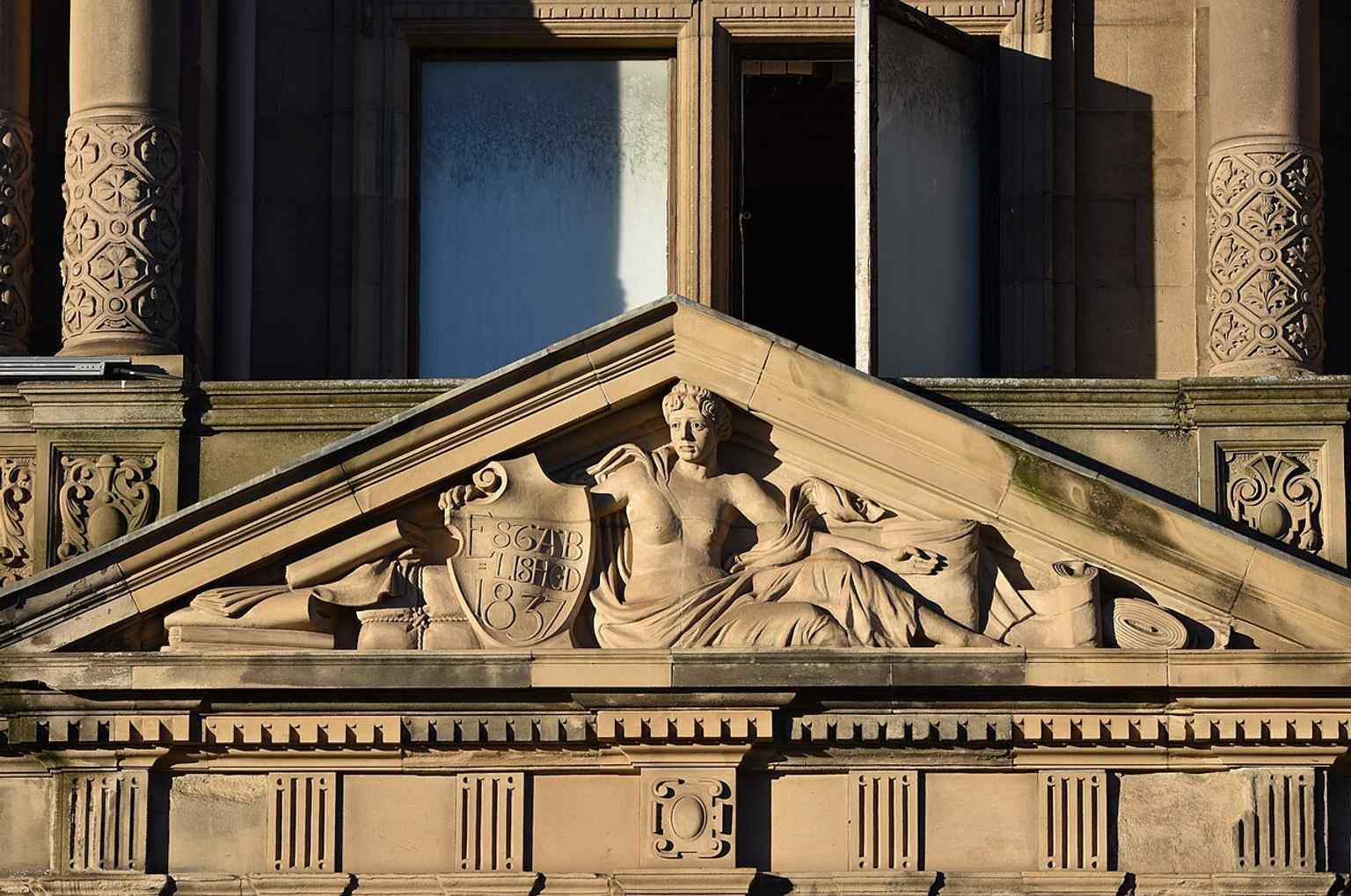
Jenners turned shopping into theatre. If the Portrait Gallery showed you Scotland presenting itself in oils and gilt frames, this building did much the same in plate glass, polished counters, and impeccable manners. Charles Jenner, a linen draper, founded the business here in eighteen thirty-eight with Charles Kennington under the name Kennington and Jenner, and for all the upheavals that followed, the store never deserted this stretch of Princes Street.
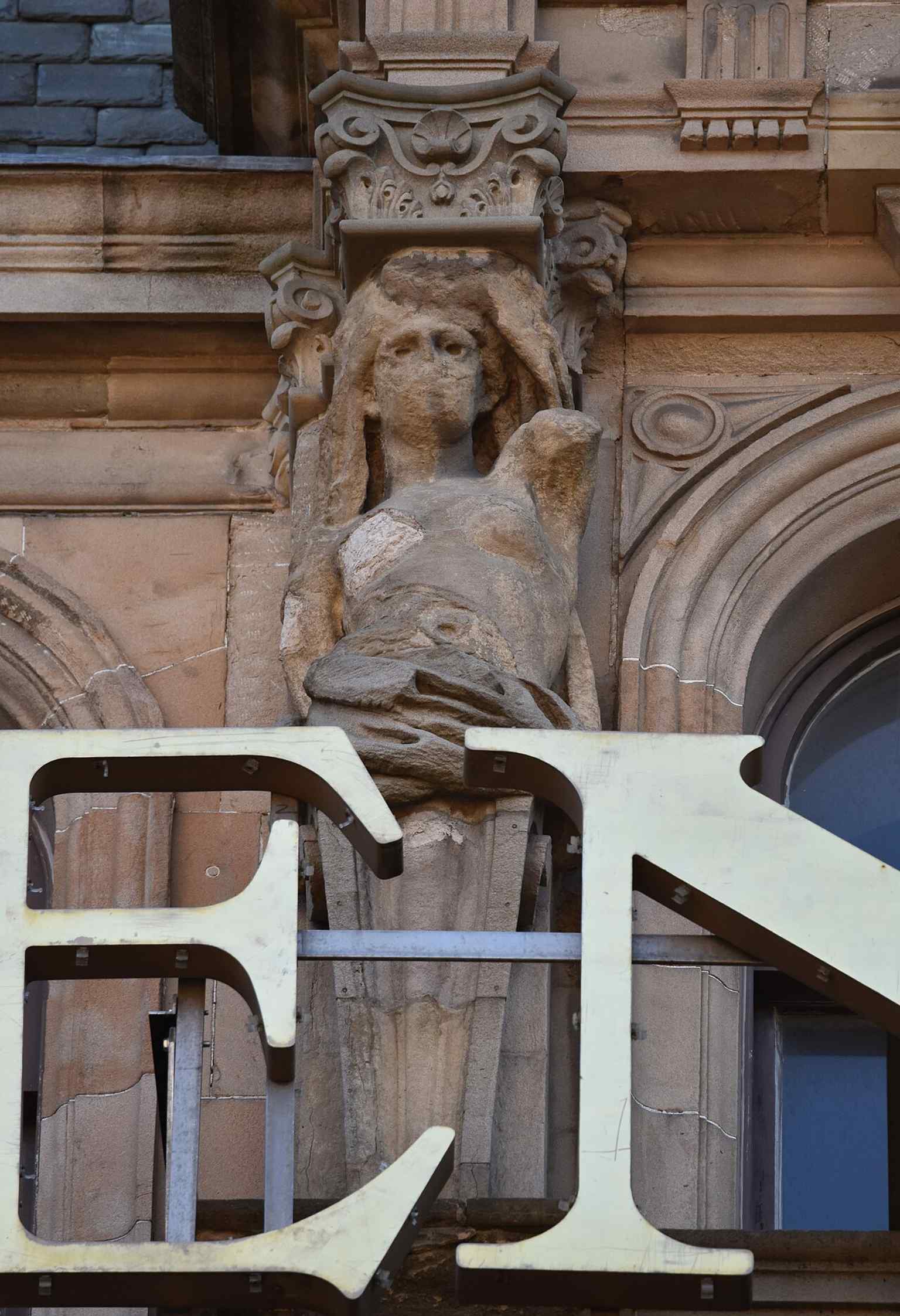
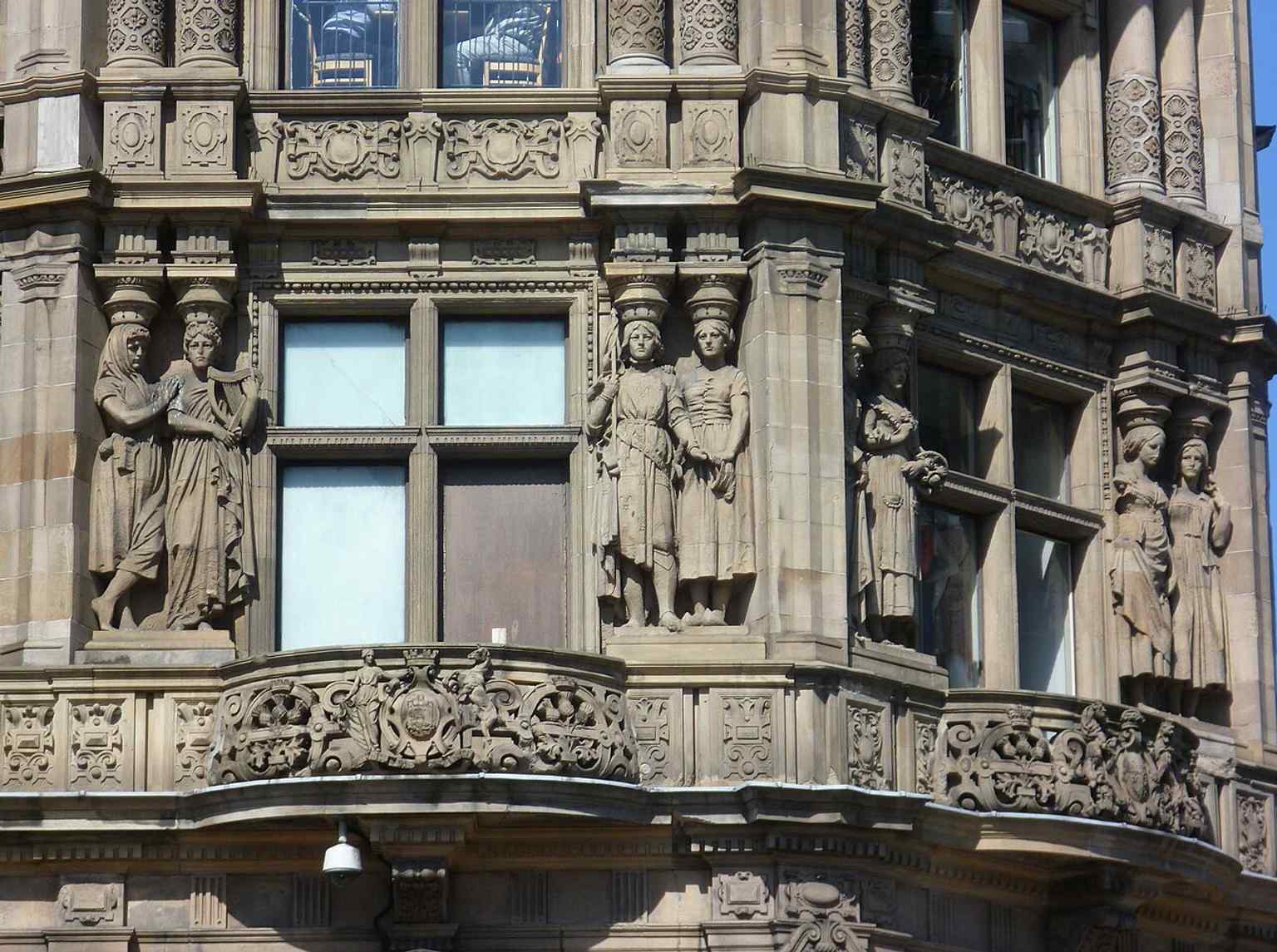
Lift your eyes to those carved women on the frontage. Architects call them caryatids, which simply means female figures used as supports. Jenner wanted them here. He said they symbolised women as the support of the house. It is a clever piece of salesmanship in stone: gracious on the surface, shrewd underneath.
The first Jenners building met a spectacular end in eighteen ninety-two, when fire tore through it. Locals still pass down the detail most visitors miss: around forty thousand people gathered to watch. Forty thousand. Princes Street became a civic amphitheatre, with flames as the entertainment and two firemen carried off to hospital after the fight. In this part of Edinburgh, even disaster could become public display.
The man who gave the story its second act was William Hamilton Beattie. He took the commission in eighteen ninety-three and reopened Jenners in eighteen ninety-five as the lavish building before you now, a Category A-listed survivor-Scotland’s highest heritage category-dressed in early Renaissance Revival style, borrowing the ornament of old palaces. The new store offered electric lighting and hydraulic lifts - lifts powered by water pressure - so customers came not only to shop, but to witness modernity behaving grandly.
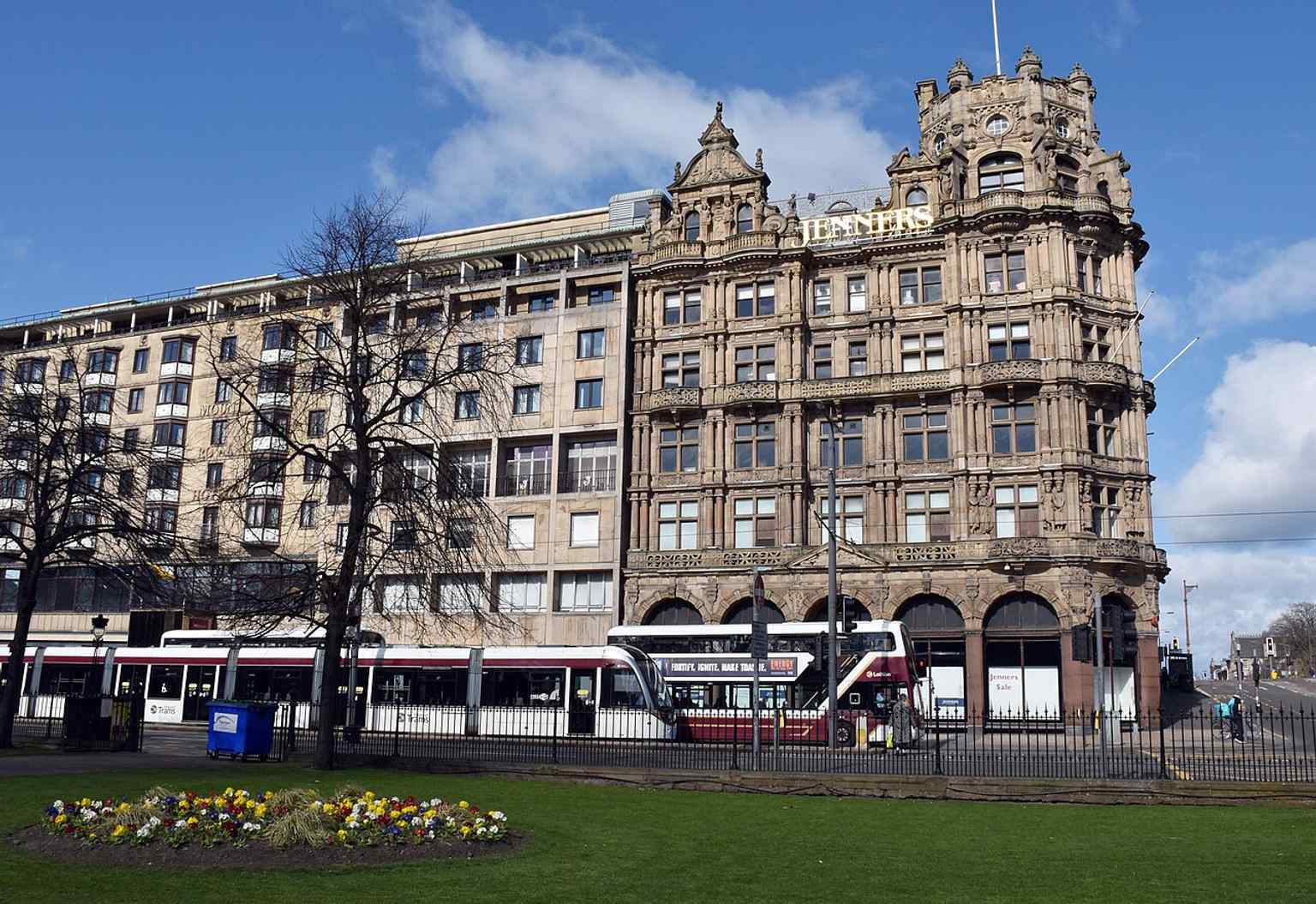
If you want to see how violent that later transformation became, have a glance at the before-and-after image in the app. For years the Douglas Miller family ran Jenners, descended from James Kennedy, who took charge after Jenner retired in eighteen eighty-one. People called it the Harrods of the North. It held a Royal Warrant from nineteen eleven, and Queen Elizabeth the Second visited on its one hundred and fiftieth anniversary in nineteen eighty-eight. Even its controversies played well. In two thousand and seven, after pressure from the Duke and Duchess of Hamilton, Jenners stopped selling foie gras, the luxury liver delicacy, and the press treated it like a morality play with better window displays.
Then came the slow unravelling. House of Fraser bought the retail business in two thousand and five, but kept the Jenners identity. That mattered, because here the name was part of the building’s public face. When the store closed in December twenty twenty and the famous letters were removed in April twenty twenty-one without listed-building consent, the council ordered them reinstated. The argument was not just about signage. It was about whether memory itself could be taken down with a screwdriver.
And then, in January twenty twenty-three, fire returned. Around fifty firefighters and ten appliances answered the call. Five firefighters were injured. Barry Martin, a thirty-eight-year-old firefighter from Fife, died four days later. In a place long built on display and prestige, his death cut through the pageantry and reminded the city that restoration always has a human cost.
The plan now is to turn Jenners into a hotel, with shops, cafés, and restaurants below, while keeping the central atrium and the name. If you look at the image on your screen, you can glimpse the great hall where generations came to see the enormous Christmas tree rising through the interior. So here stands Jenners: a palace of commerce that keeps rewriting itself, never quite able to separate beauty from loss. In a moment, we’ll leave this worldly stage for the church that was meant to give New Town life its moral centre: Edinburgh New Town Church.






%2C%20pediment%20over%20Bay%204%2C%20South%20Saint%20David%20Street%20fa%C3%A7ade%2C%20Jenners%2C%20Edinburgh.%20Photo%2C%20Jamie%20Mulherron.jpg)

