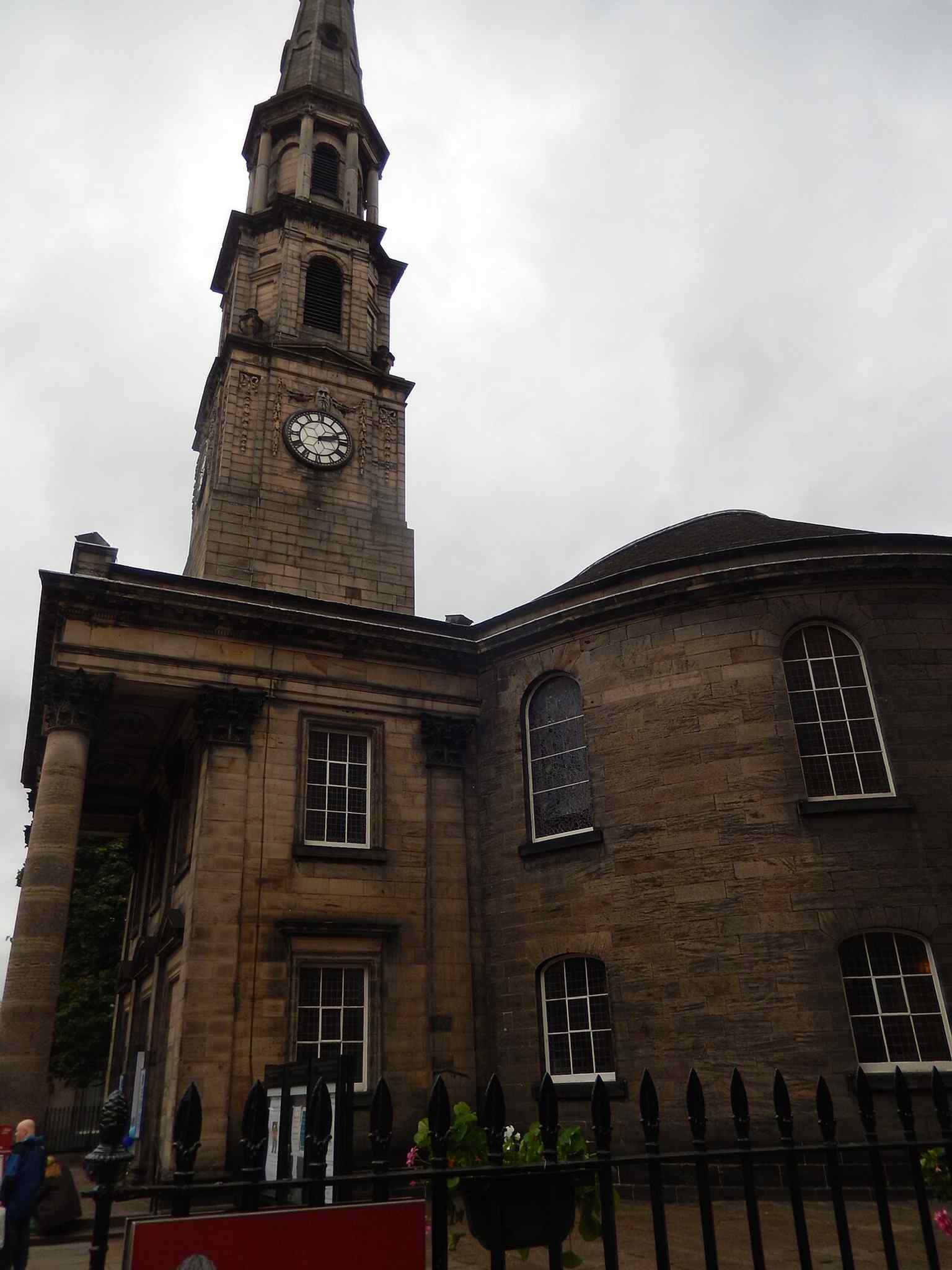
Look for the pale stone church with a temple-like portico, a broad oval body tucked behind it, and a tall steeple lifting above the line of George Street.
This church began as part of a very confident idea. When James Craig drew the New Town plan in seventeen sixty-seven, he imagined a city arranged by reason: straight streets, balanced squares, and churches placed like moral anchors at either end of George Street. Stone, symmetry, and good conduct were meant to reinforce one another. The city would look orderly, and therefore, so the planners hoped, it would also feel orderly.
But cities rarely obey drawings.
The east-end church was supposed to stand in St Andrew Square. Then Sir Lawrence Dundas stepped in. Dundas, a wealthy businessman whose fortune was tied to India, preferred that site for his own house and bought the land before the plan could settle into fact. So the church lost its intended square and landed here instead, on a shallower plot along George Street. It is a splendid result, but not an innocent one. The New Town liked to present itself as pure design; in truth, property, private wealth, and influence were already rearranging the sacred furniture.
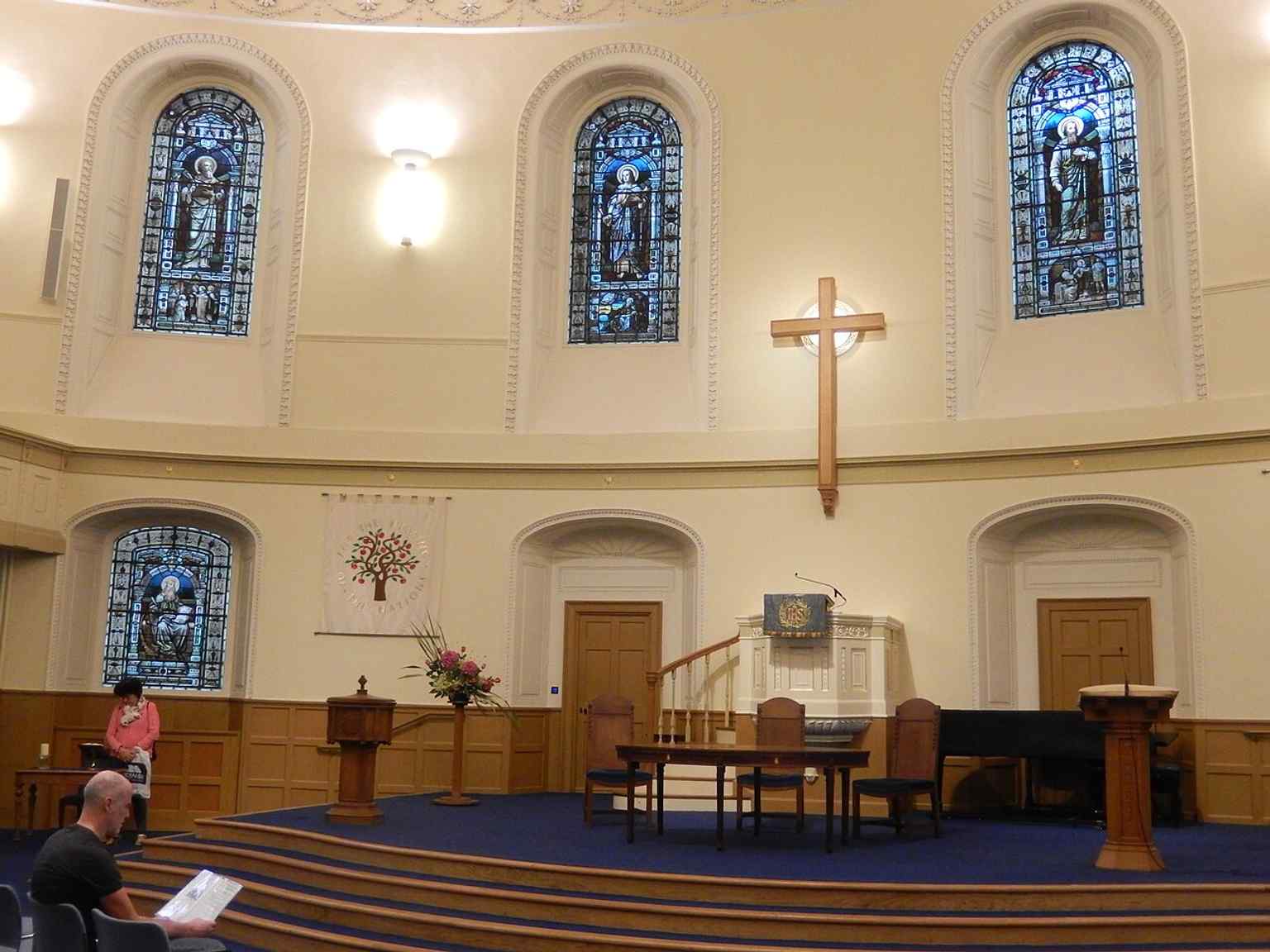
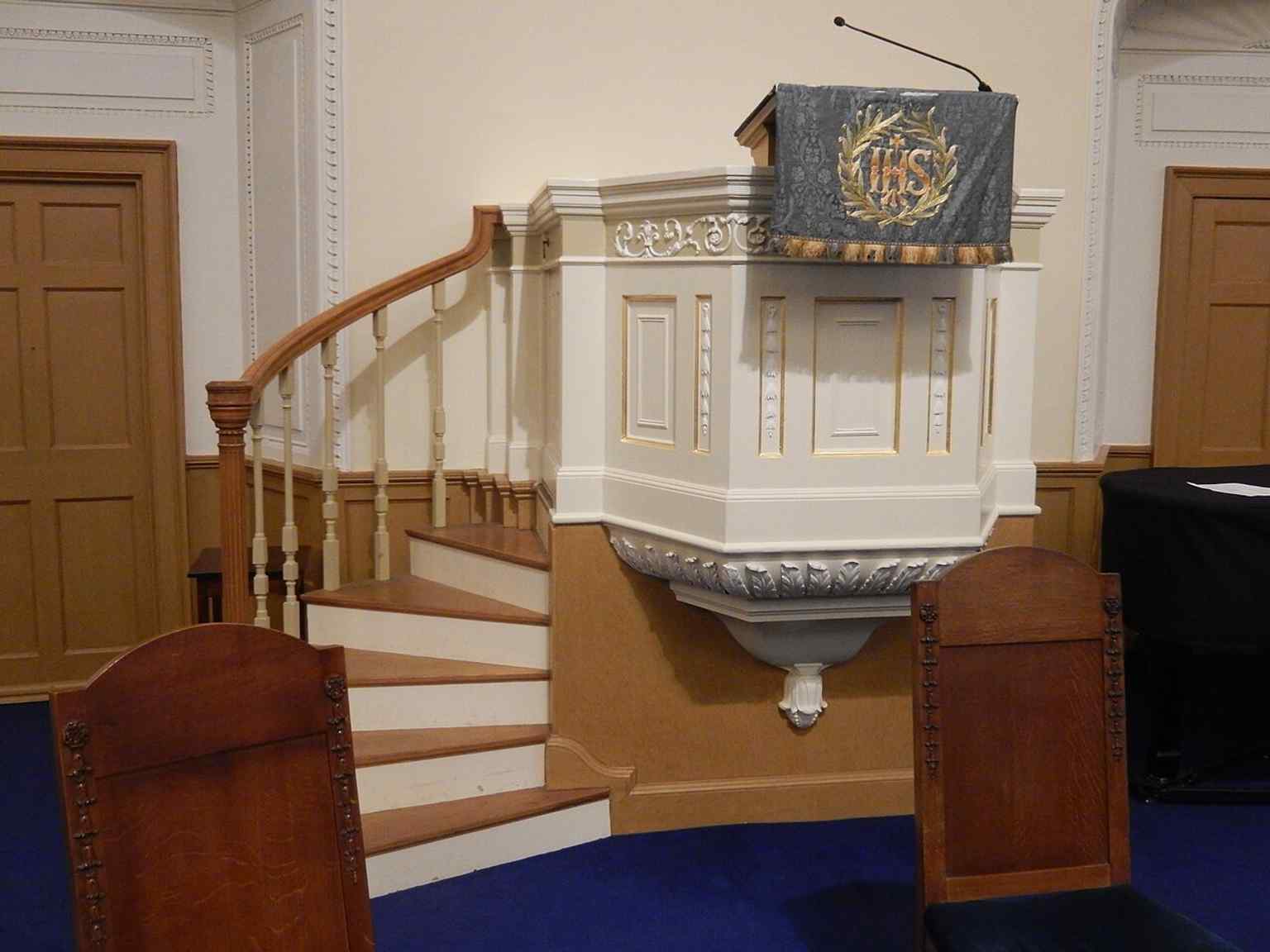
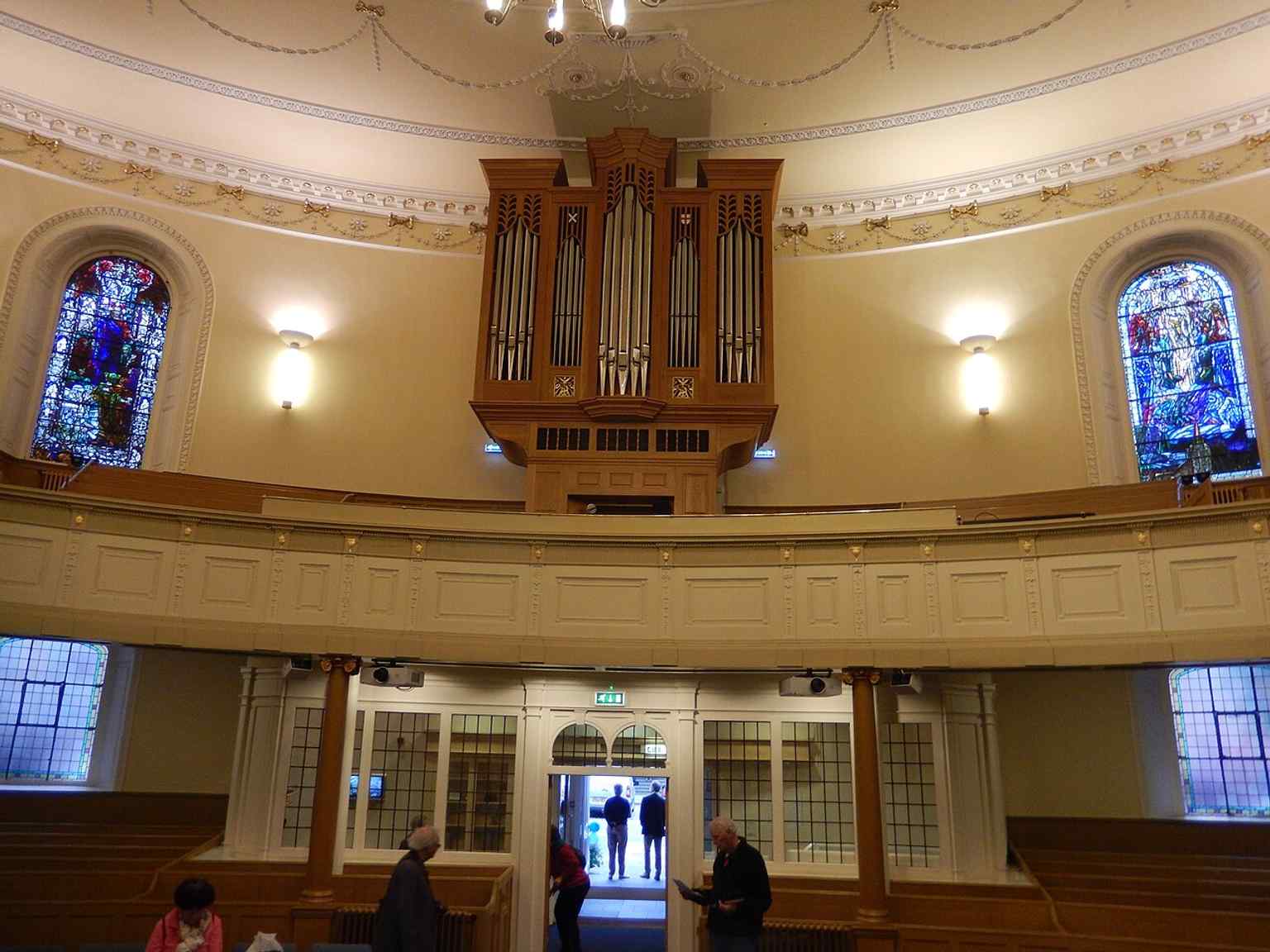
That awkward plot forced a remarkable answer. Captain Andrew Frazer of the Royal Engineers and Robert Kay won the design competition, and when the church opened in seventeen eighty-four they gave Britain something new: an elliptical church, the first of its kind here. An ellipse is simply an oval rather than a long rectangle, and that shape mattered. With no hard corners, and with windows all around, the interior gained an unusual brightness and clear acoustics. If you glance at the image on your screen, you can see that unusual sanctuary opening out in a wide oval around the pulpit.
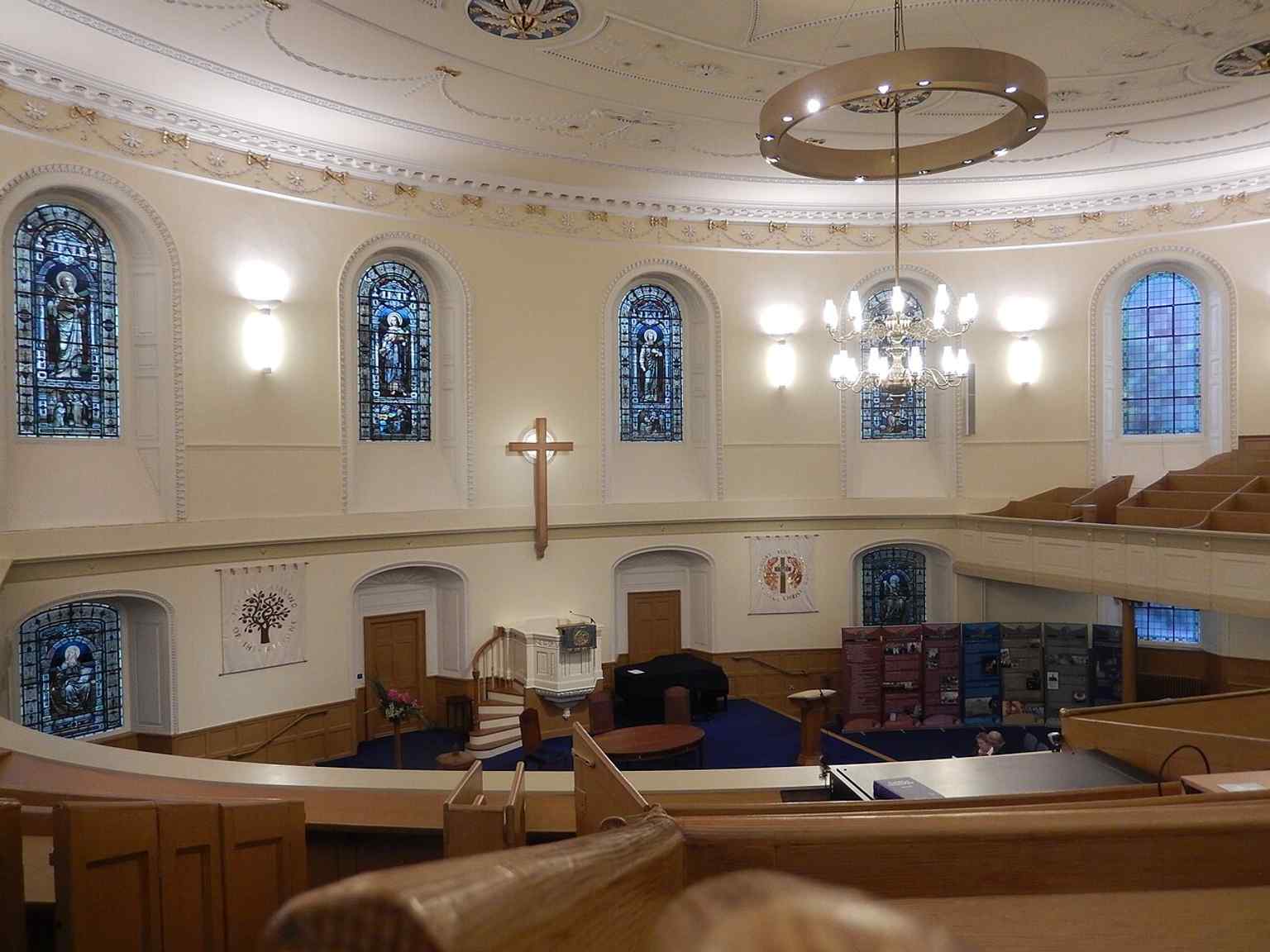
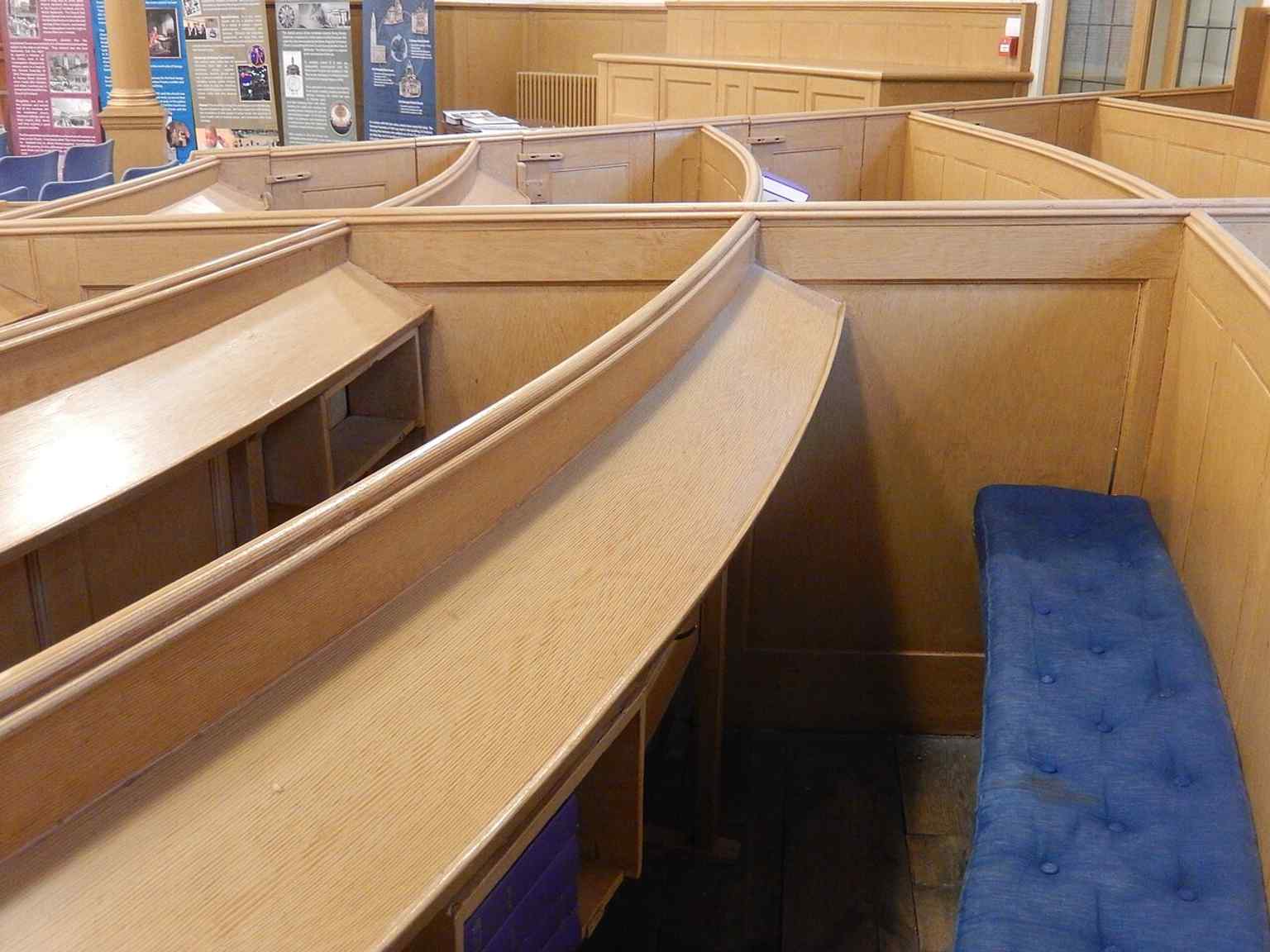
Outside, the style speaks the language of Rome: a temple-front portico, disciplined stonework, and a steeple added in seventeen eighty-seven. Inside, it once held original box pews around the curve, placing the congregation almost in conversation with the preacher rather than in a long procession. It was religion fitted to an enlightened capital: rational, audible, visible, composed.
And yet this place also became a theatre of rupture. In eighteen forty-three, minister John Bruce took part in the General Assembly here when the great Disruption broke open. Around a third of the ministers walked out, cheered by crowds outside, protesting what they saw as civil courts intruding on the Church’s freedom. So this polished Georgian interior, built to steady the new city, suddenly echoed with departure.
The building kept changing because the city kept changing. In nineteen sixty-four it joined with St George’s in Charlotte Square. In two thousand and ten it joined with St George’s West. And in twenty twenty-four, this new congregation brought together St Andrew’s and St George’s West with Greenside, gathering several strands of New Town church life into one body. Even the old bells tell that story: eight bells cast in seventeen eighty-eight, the oldest complete ring in Scotland for change ringing, a style in which bells swing full circle, restored in two thousand and six. If you look at the exterior photo in the app, you can see the confident street presence this church gained from the very compromise that displaced it.
So here, perhaps more clearly than almost anywhere in the New Town, you can see how ideals become institutions: first through plans, then through money, then through argument, then through adaptation. Next we head to the Northern Lighthouse Board, where that same Scottish urge to guide conduct and impose order reaches beyond streets and souls to coasts and seas, about a five-minute walk away.
If you hope to step inside another time, the church is generally open limited hours on weekdays and on Sunday mornings.