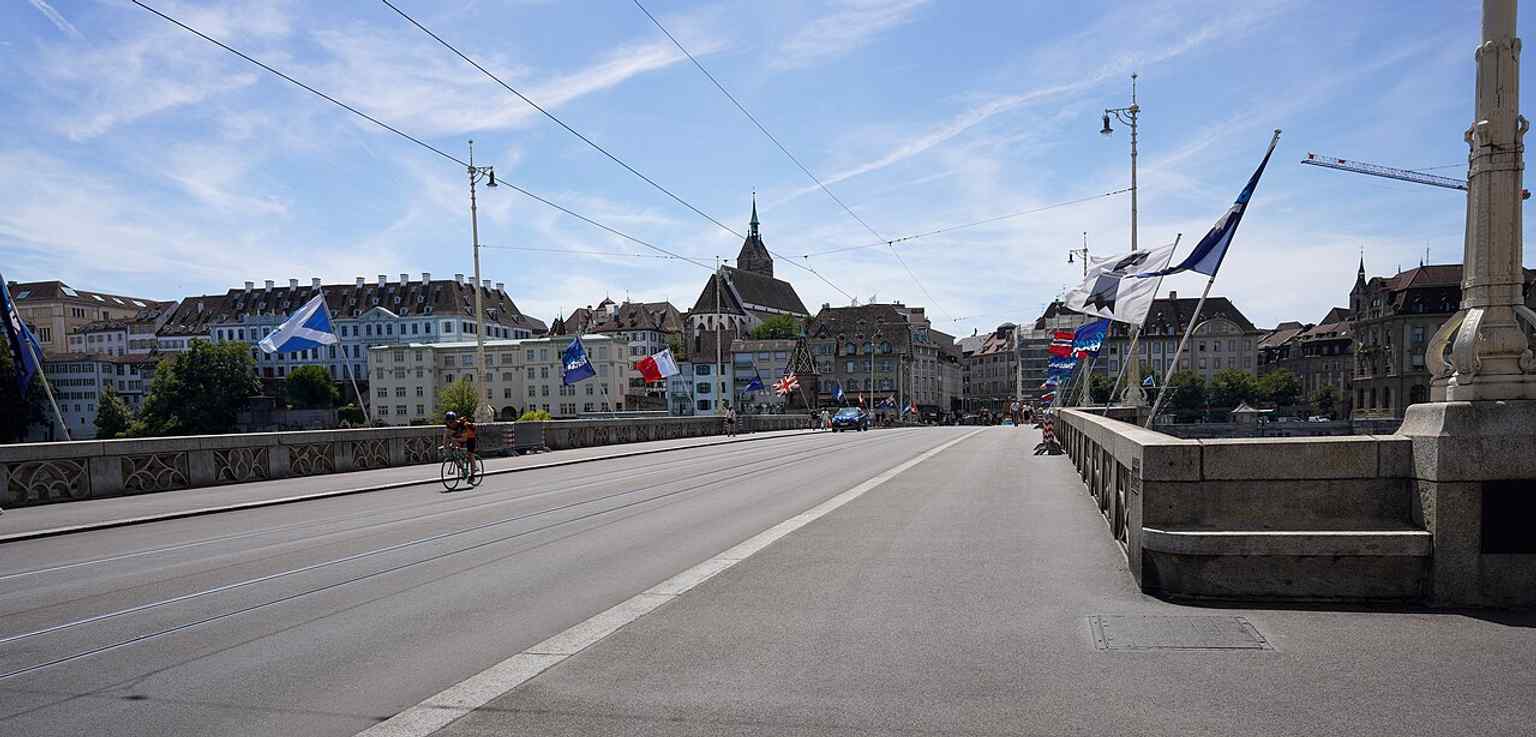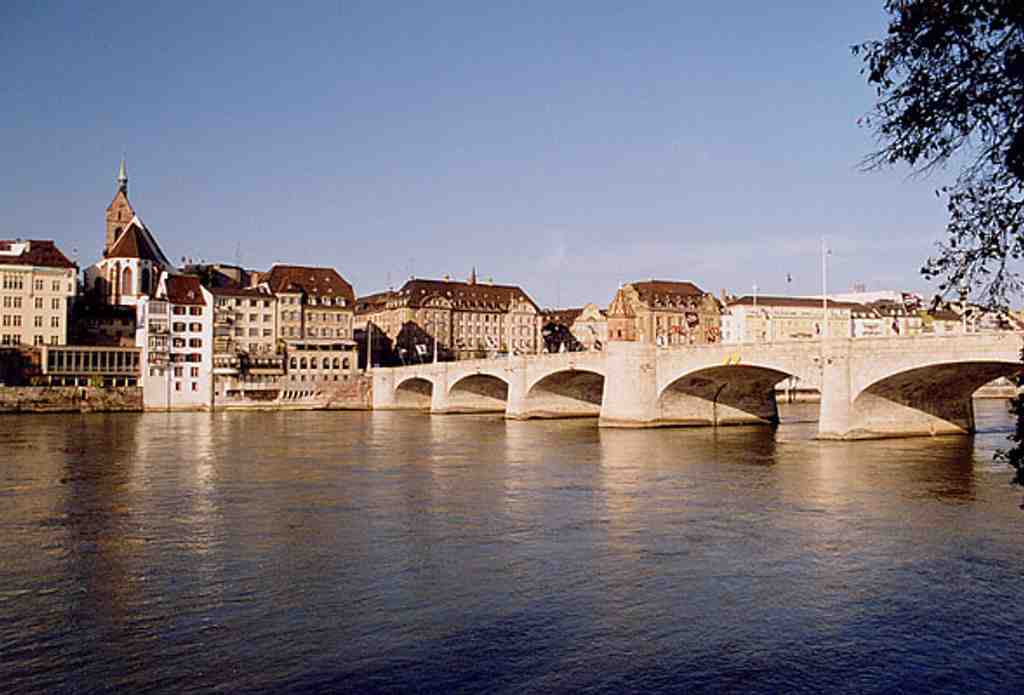
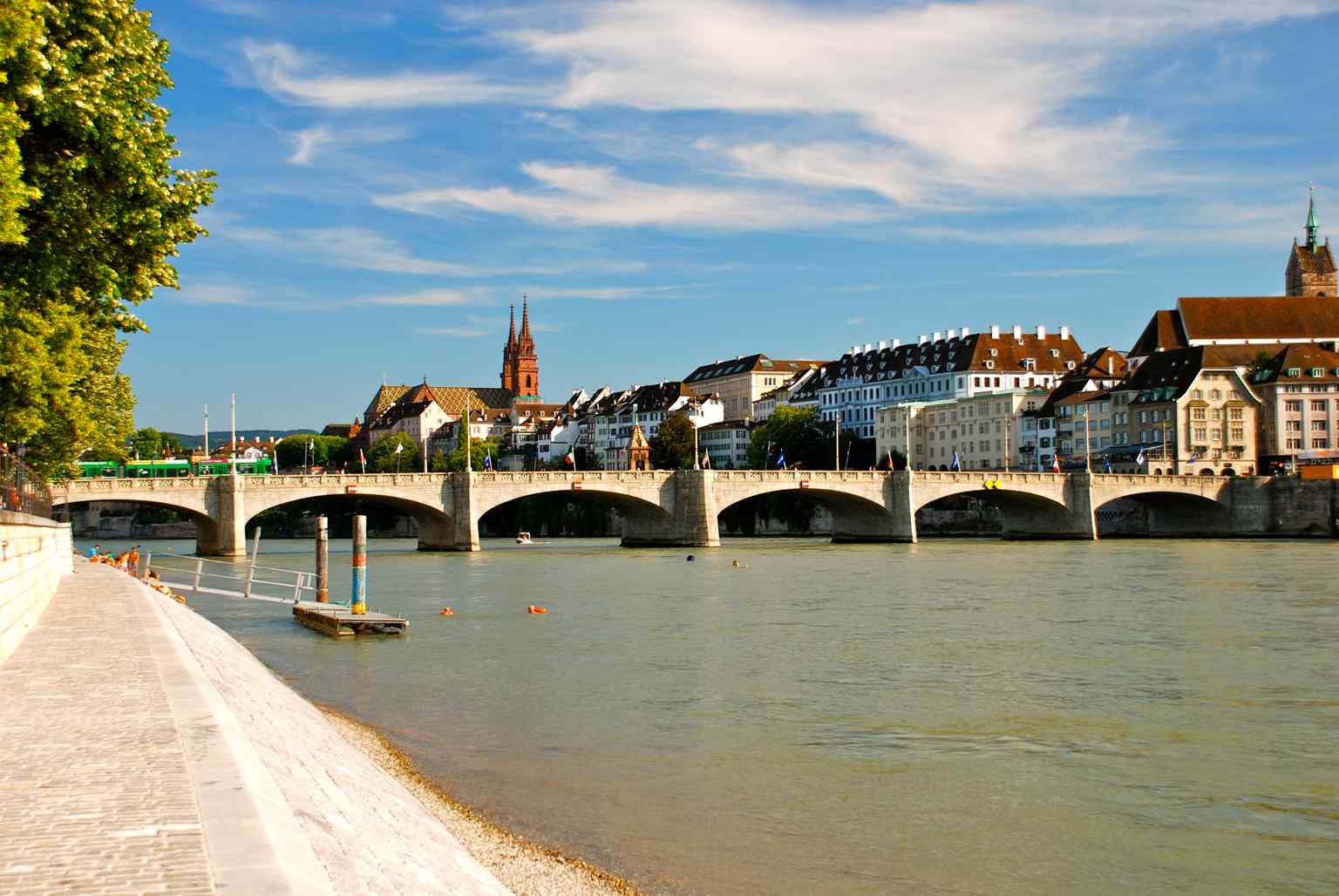
Ahead of you is a broad gray granite bridge with low stone arches and, on its middle pier, a small chapel-like structure called the Käppelijoch that makes it easy to recognize.
This is the Mittlere Brücke, the Middle Bridge in everyday speech, and it is the oldest Rhine crossing in Basel. For a very long stretch of the city’s life, this was not just a bridge. It was the bridge. Until the Wettstein Bridge opened in eighteen seventy-nine, Basel had only this one permanent way across the river. If you wanted to trade, collect tolls, move troops, visit family, or simply get to the other bank without getting wet in a very dramatic fashion... this was your line.
The driving force behind the first bridge was Heinrich von Thun, Basel’s prince-bishop in the early thirteenth century. He did not back this project out of pure kindness to tired travelers. Heinrich saw that a fixed crossing could strengthen his authority, pull traffic and goods through Basel, and tighten the city’s grip on the river. By around twelve twenty-five, documents already mention toll exemptions for monasteries that helped pay for it. In plain English: the bridge came with receipts.
If you glance at the image on your screen, you can see how old and strategic that first crossing was in the city’s memory. At the time, Basel’s bridge was among the lowest fixed bridges on the Rhine. That gave the city real leverage. A toll here was never just a fee; it was a hand on the steering wheel of commerce.
The first bridge mixed five stone piers on the Kleinbasel side with oak pile supports on the Grossbasel side, because the river ran too deep and too hard for thirteenth-century builders to do more. It had no railing, and its planks lay loose so ice would not jam the structure and defenders could disable part of it in war. Practical, a little grim, and very Basel.
The river, of course, kept reminding people who was boss. A flood in twelve seventy-five reportedly collapsed the bridge and killed about a hundred citizens. In fourteen twenty-four, high water tore away three wooden supports; after a hasty repair, fifteen people fell into the Rhine. So this place carries memory as much as masonry.
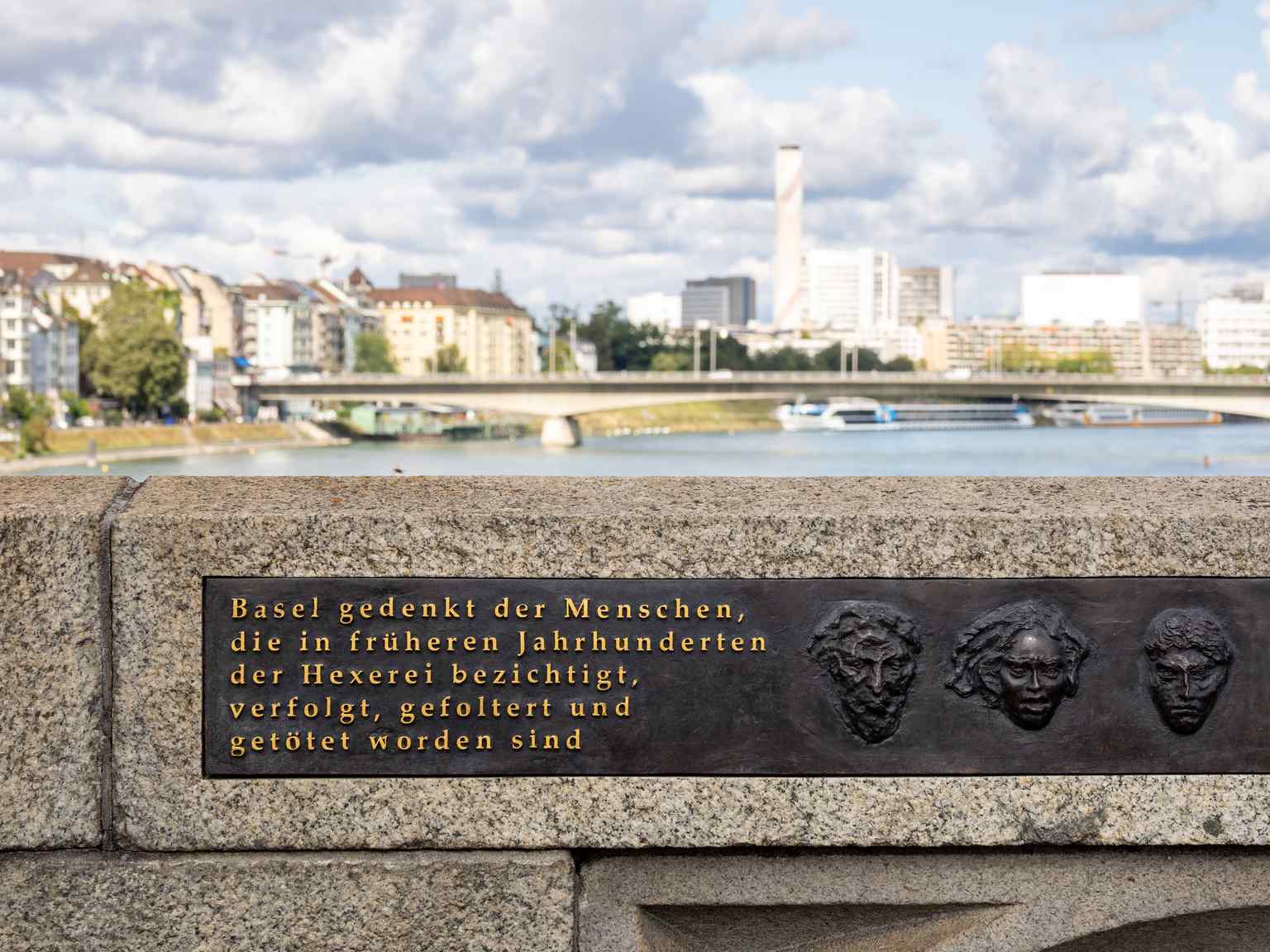
That little structure in the middle, the Käppelijoch, began as a chapel after the union of Grossbasel and Kleinbasel in thirteen ninety-two. It also served as extra weight on a vulnerable pier. Later, it became the site of executions by drowning. And yet even there, the story bends: nuns from the Klingental convent sometimes pulled condemned women from the river alive, to the fury of the authorities. If you want one image for Basel, that might do it: power lays down a rule, and human beings quietly complicate it.
The bridge you see now dates from nineteen oh-three to nineteen oh-five. Engineers replaced the old structure with this all-stone bridge of Gotthard granite, seven openings wide, because the medieval foundations could no longer cope with the faster river. Basel could have chosen a modern iron truss, but it chose stone arches instead, to keep the old city’s silhouette intact. That is Basel in a nutshell: update the machinery, keep the face.
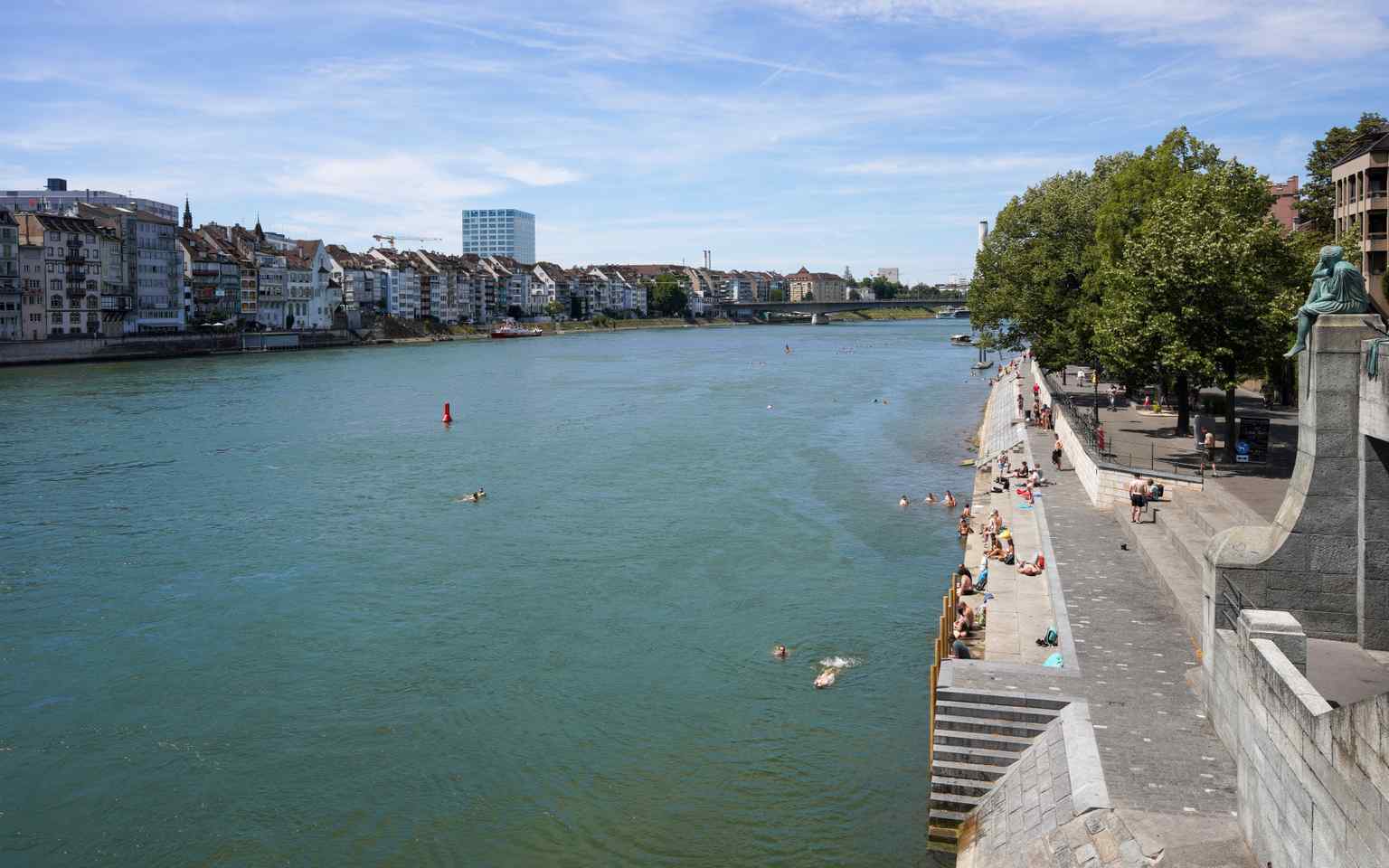
Take a moment and look along the arches and the curve of the Rhine. You can almost feel why one dependable crossing here could shape markets, government, punishment, expansion, and belonging all at once. This city keeps moving forward the way this bridge does: by spanning the gap, not erasing it.
And fittingly, this final stop is open all day and all night.