
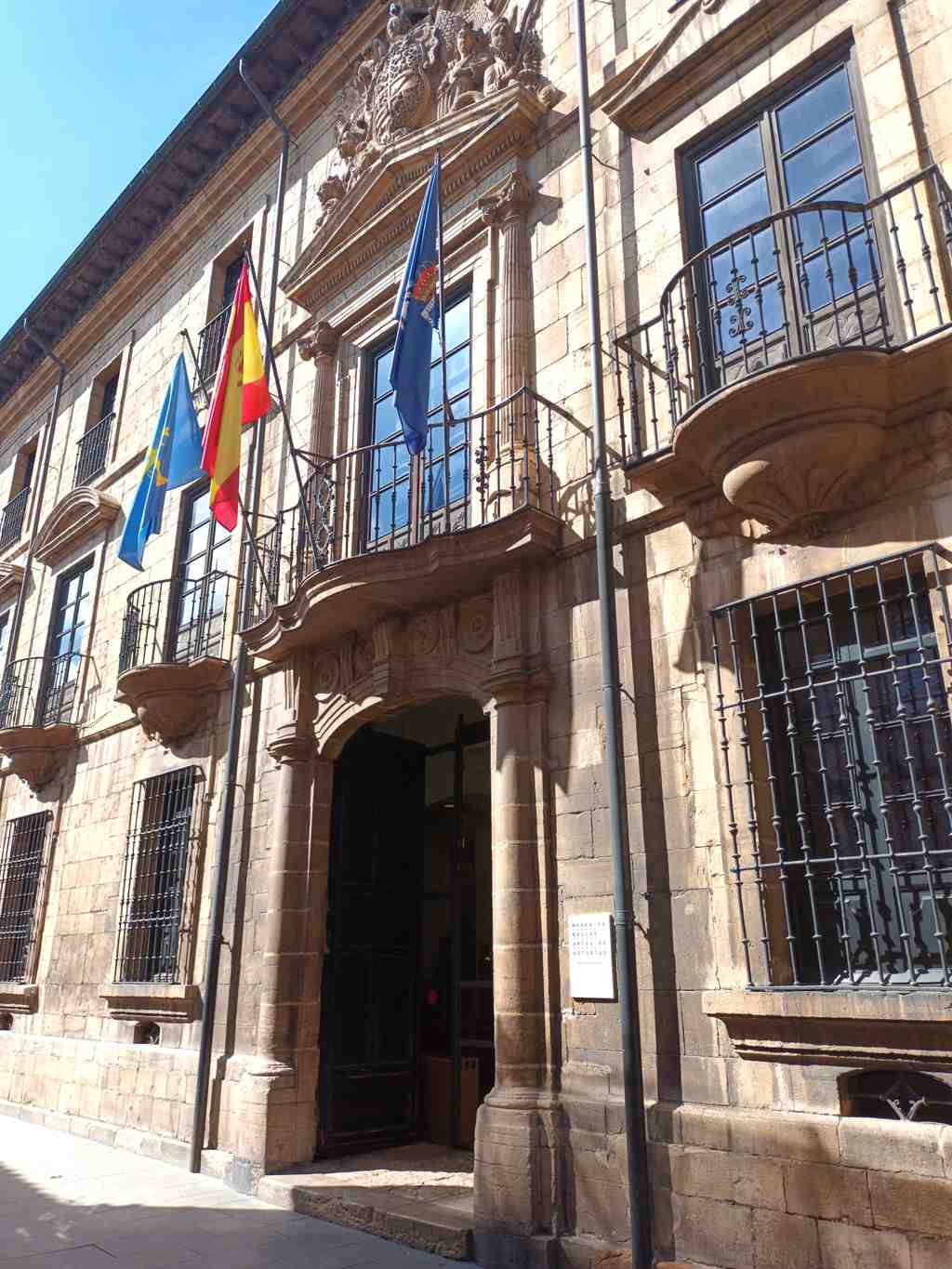
On your right, look for the pale stone façade with tall rectangular windows, wrought-iron balconies, and a stately arched doorway joining several historic houses into one museum.
From where you’re standing, this place looks composed... almost courtly. But the Museum of Fine Arts of Asturias is really a headquarters for survival.
This is the most important art museum in Asturias, spread across three old city buildings: the Palacio de Velarde, the Casa de Oviedo-Portal, and the later extension through the Casa de Solís-Carbajal. And this address matters for more than art. In the October Revolution of nineteen thirty-four, this block became the blast center of central Oviedo. Fire and dynamite wrecked much of the surrounding area, including the University and the Campoamor Theatre we’ve already met. The Palacio de Velarde survived almost by miracle, and the stone nearby still carries the kind of evidence cities rarely advertise... bullet scars, small and stubborn.
When the museum opened on the nineteenth of May, nineteen eighty, it did not begin with one grand aristocratic hoard. It began with search parties. Emilio Marcos Vallaure and his right-hand man, Toto Castañón, went hunting through dim offices, dusty storage rooms, and forgotten corners of public buildings, even the Hotel Reconquista, rescuing paintings that had drifted out of view. They were not flashy heroes. They were curators, cataloguers, and caretakers - the sort of people who save a culture by writing things down properly, opening the right cupboard, and refusing to let the good stuff disappear.
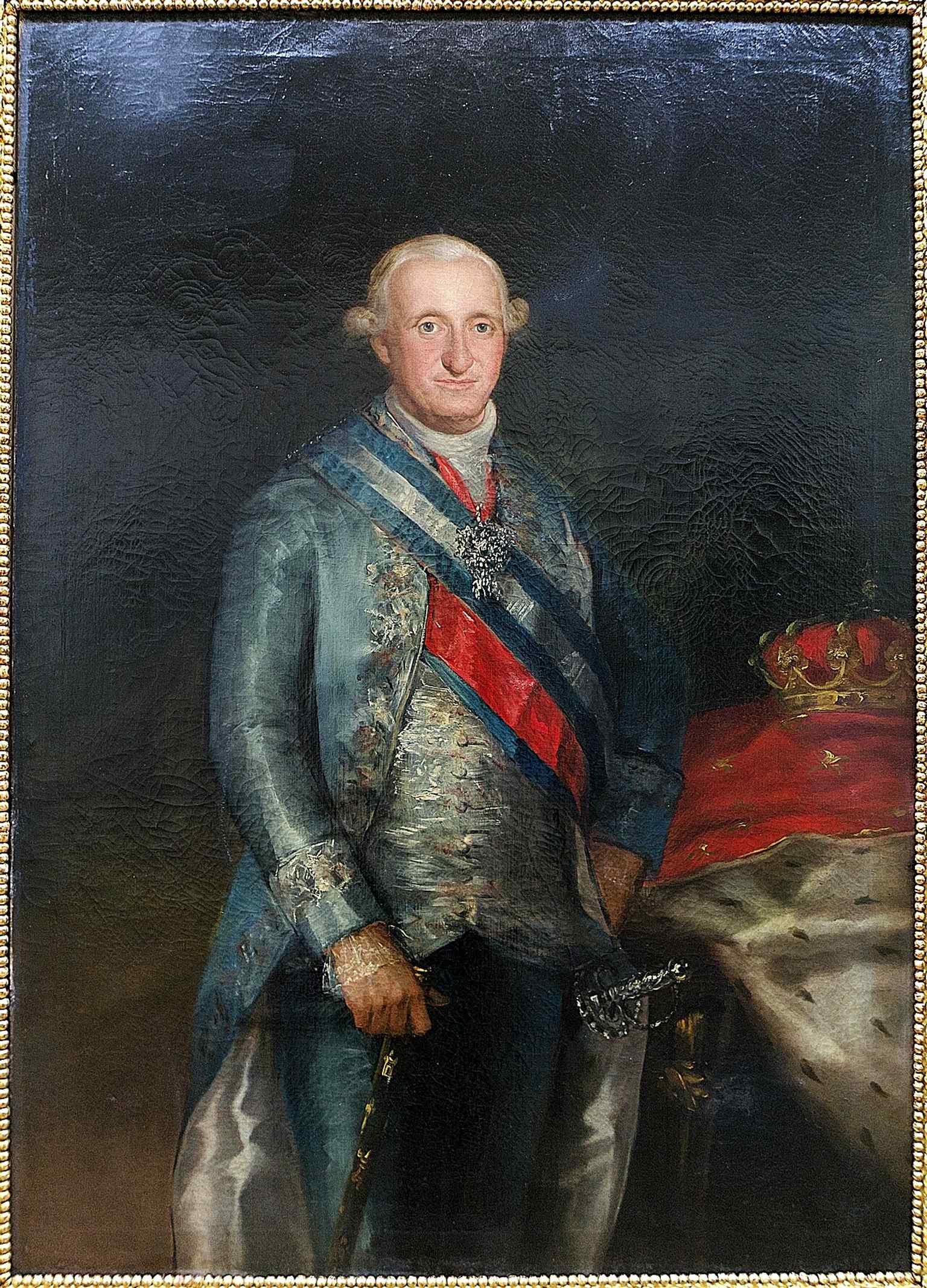
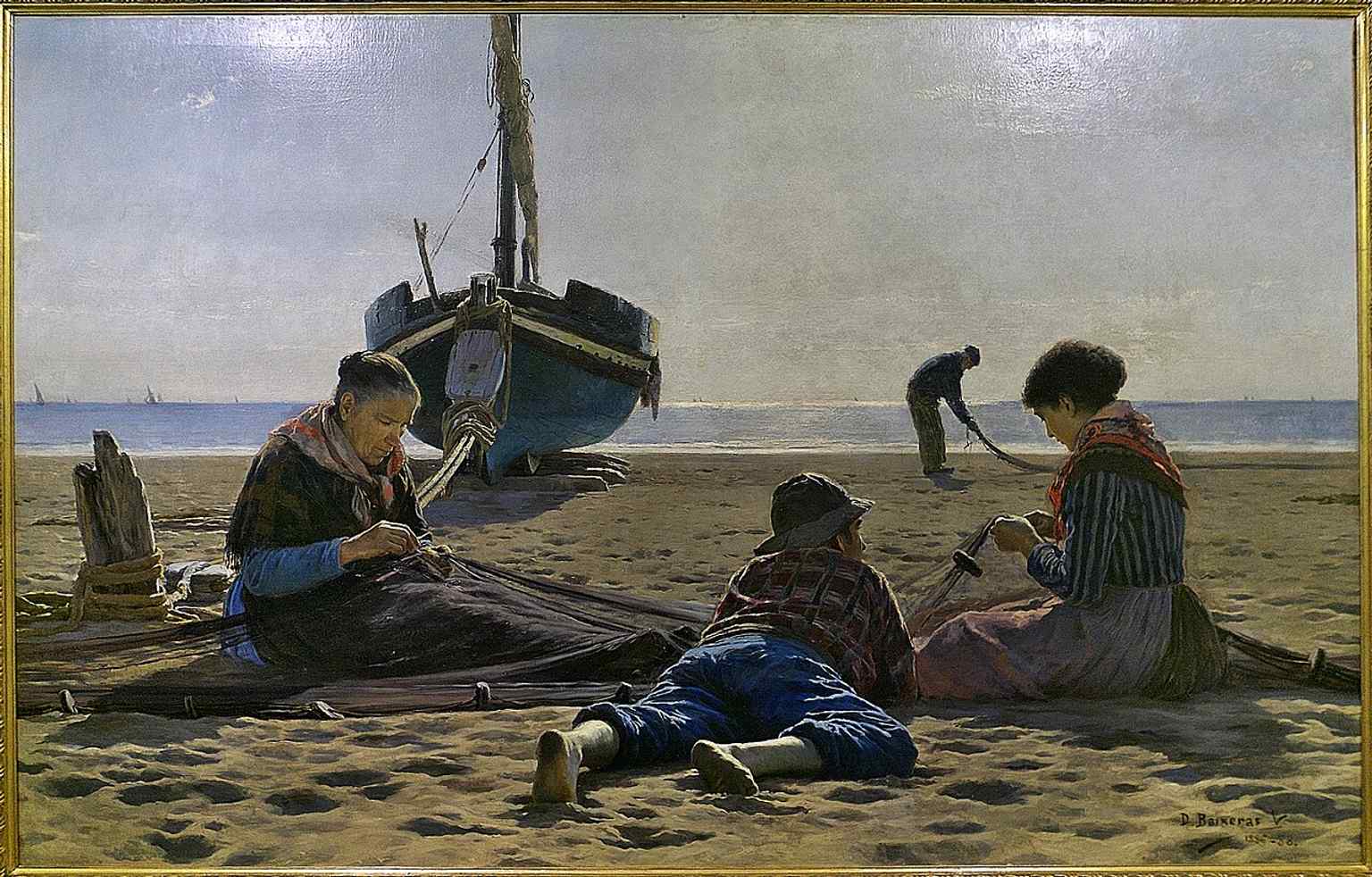
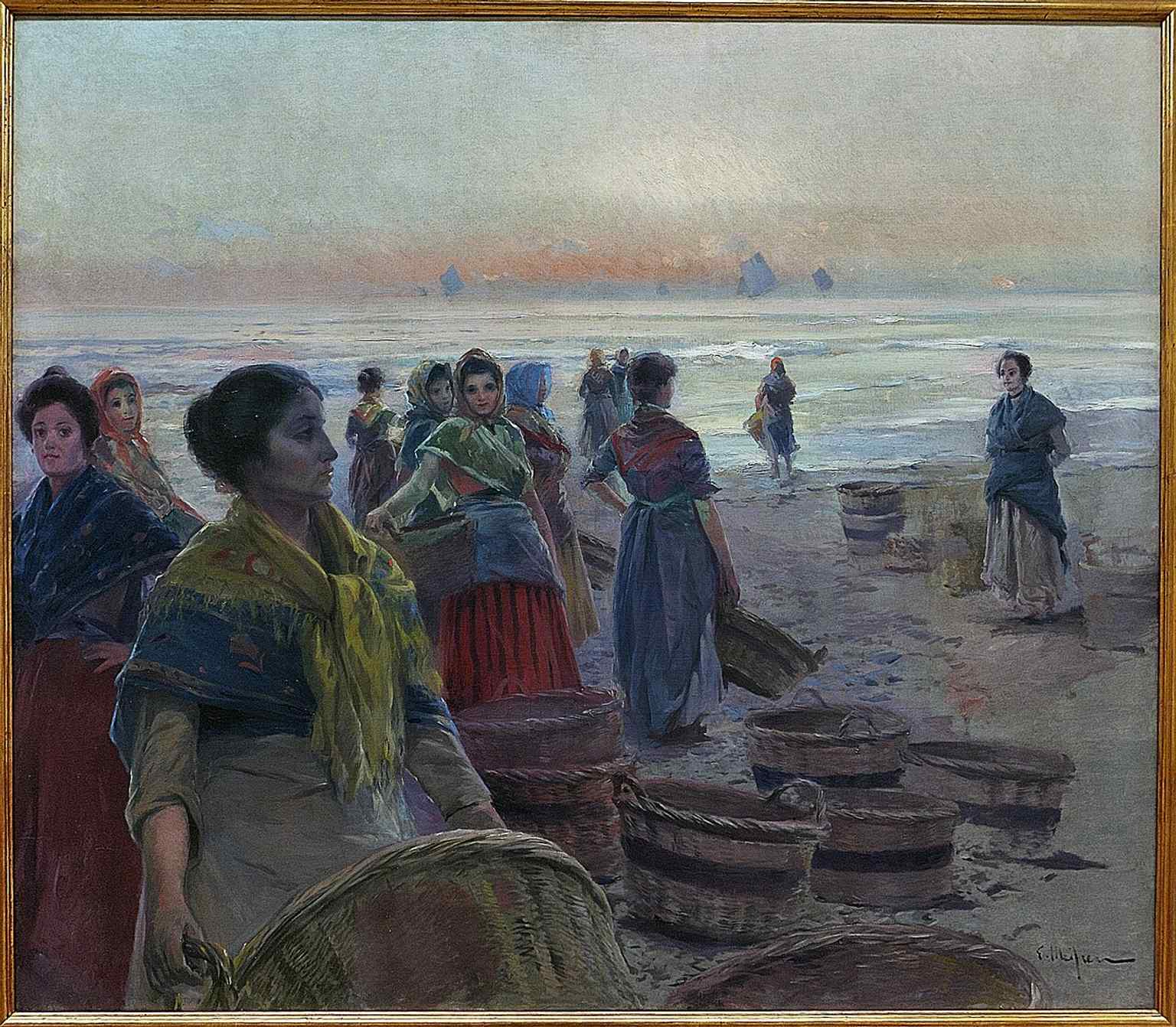
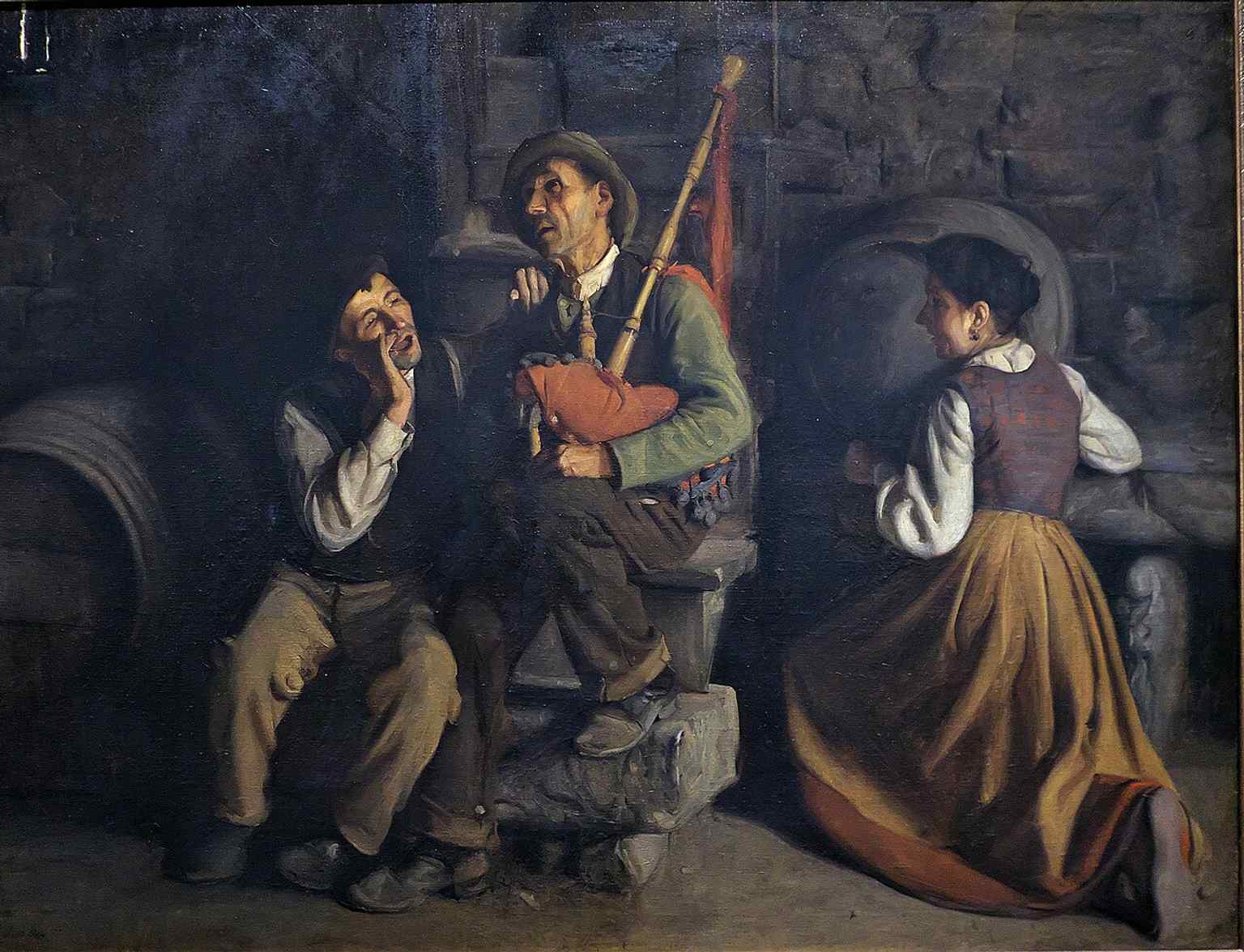
That patient detective work built a collection of nearly fifteen thousand works, with around eight hundred on permanent display. Inside, you’ll find Goya, El Greco, Picasso, María Blanchard, José de Ribera, Flemish and Italian altarpieces - painted church screens made of many panels - along with Asturian painters, sculpture, photography, glass, and ceramics. Some of the industrial arts are wonderfully local: one glass factory represented here helped create the sidra bottle shape Asturias still knows by heart. Even the cider has an art-history chapter.
The jewel many locals quietly brag about is El Greco’s Apostolado de San Feliz, one of only three complete series of apostles by him that survive in the world. And here’s the little wrinkle most visitors miss: some of the names painted onto the canvases do not match the saints actually shown, because someone in the eighteenth century labeled them incorrectly, and restorers kept the mistake as part of the work’s own biography.
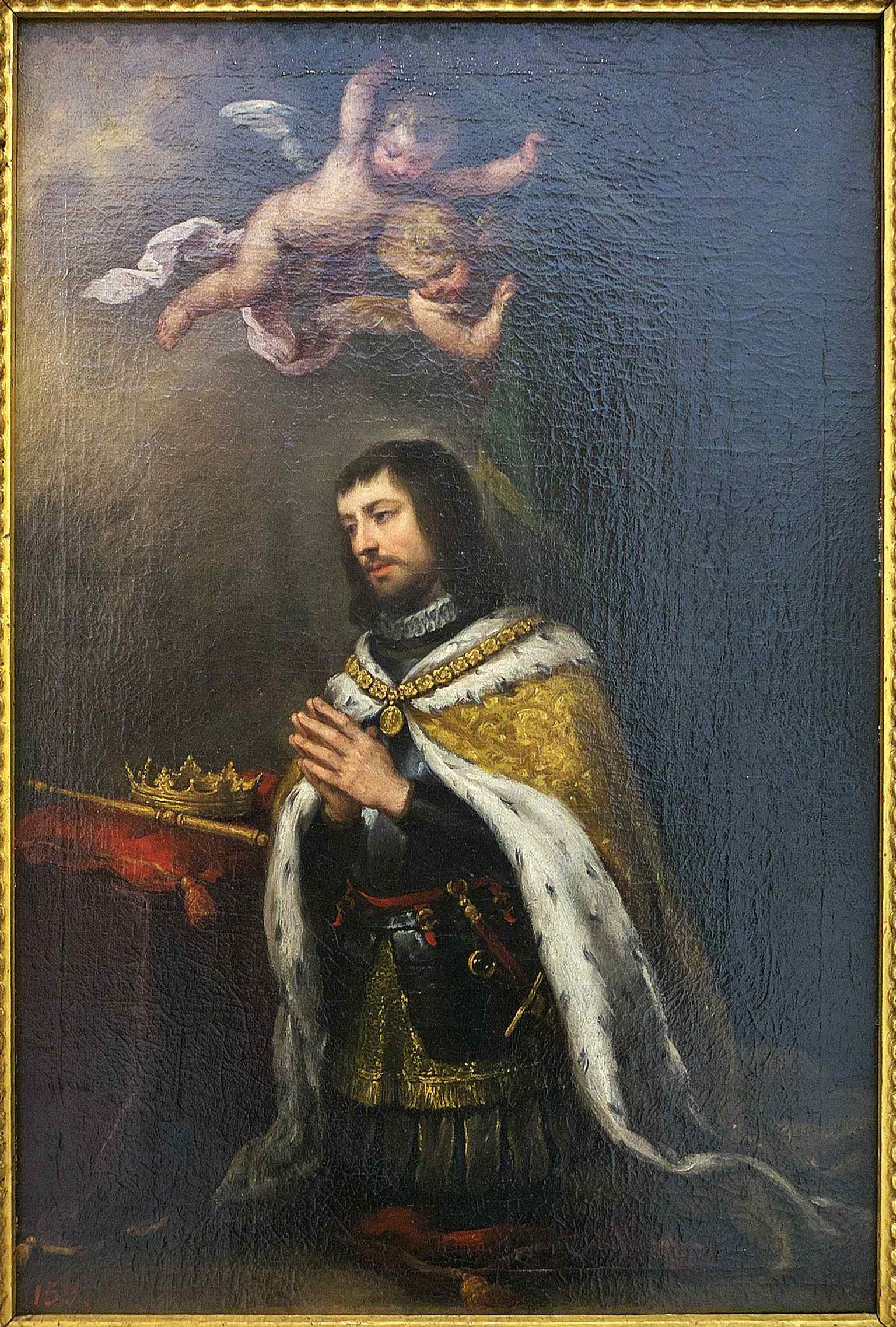
If you check the app, Murillo’s San Fernando gives you a taste of the museum’s Spanish Baroque strength. And that strength kept growing. In two thousand and fifteen, after eight years of interrupted works and the discovery of Roman and medieval remains, architect Francisco Mangado opened an expansion that nearly doubled the museum’s space. The biggest surprise lay underground: a pre-Romanesque fountain from the eighth or ninth century. Mangado redesigned the project so that hidden piece of water engineering could greet visitors in the vestibule instead of being buried again.
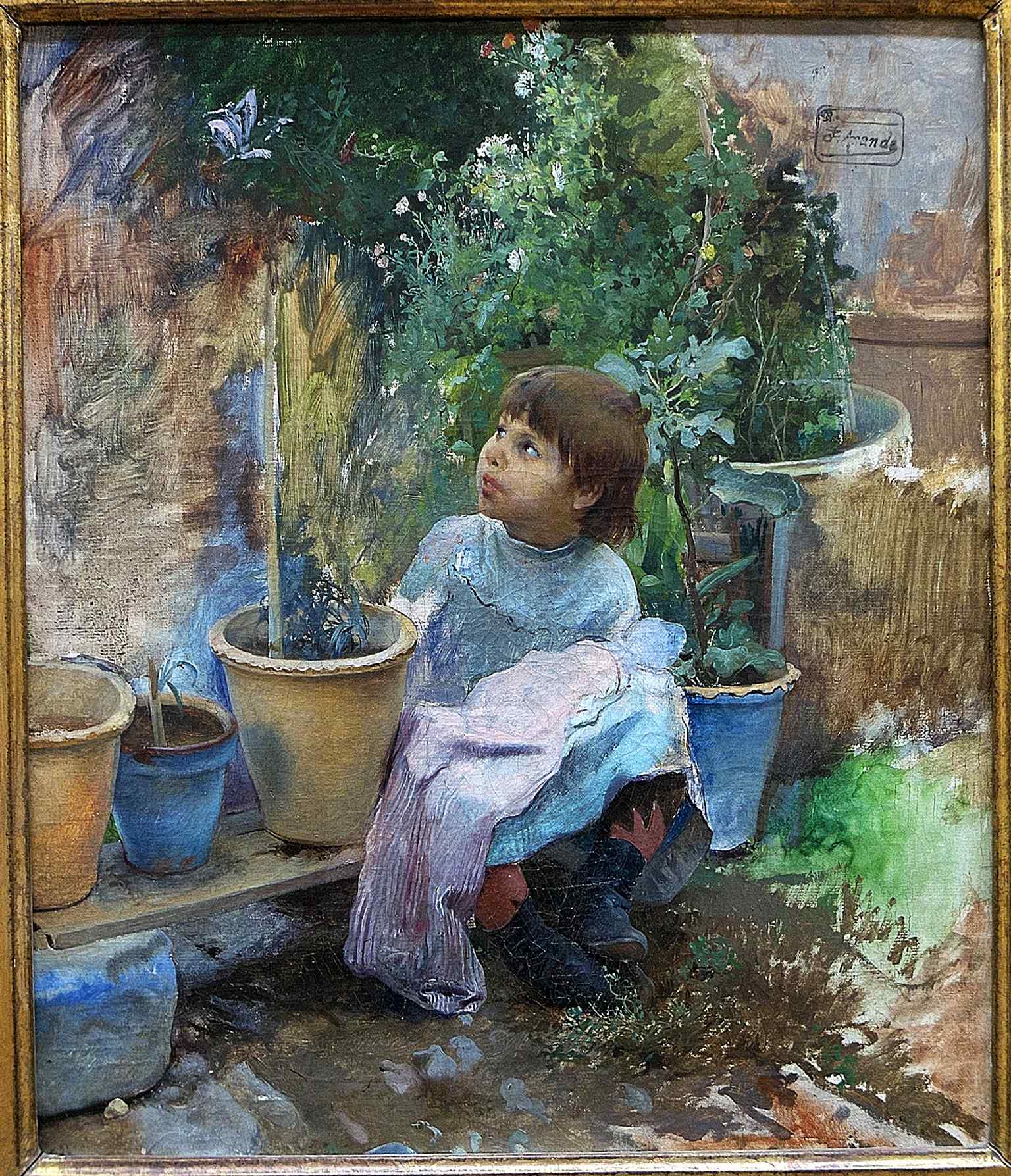
Then, in two thousand and seventeen, Plácido Arango Arias - born in Mexico to Asturian parents - donated thirty-three major works in tribute to his family, filling crucial gaps with artists like Zurbarán and Valdés Leal. And in November twenty twenty-five, the museum did something just as important as collecting: it returned two paintings seized by Franco’s regime to the grandchildren of Pedro Rico, the republican mayor of Madrid who died in exile. If you glance at the screen, that José Jiménez Aranda portrait hints at an artist tied to that longer story of loss and restitution.
So yes, this museum protects paintings. But it also proves that a city keeps its soul only when someone does the slow, unglamorous labor of rescue. And if artworks needed saving, so did the stories around them... which brings us, in about a one-minute walk, to the Valdecarzana-Heredia Palace, where status once helped decide which stories got polished and which were left in the dust. Entry here is free, and if you plan to come back, note that it’s usually closed on Mondays, with split hours most other days and shorter Sunday hours.






.jpg)
.jpg)
.jpg)
.jpg)
