
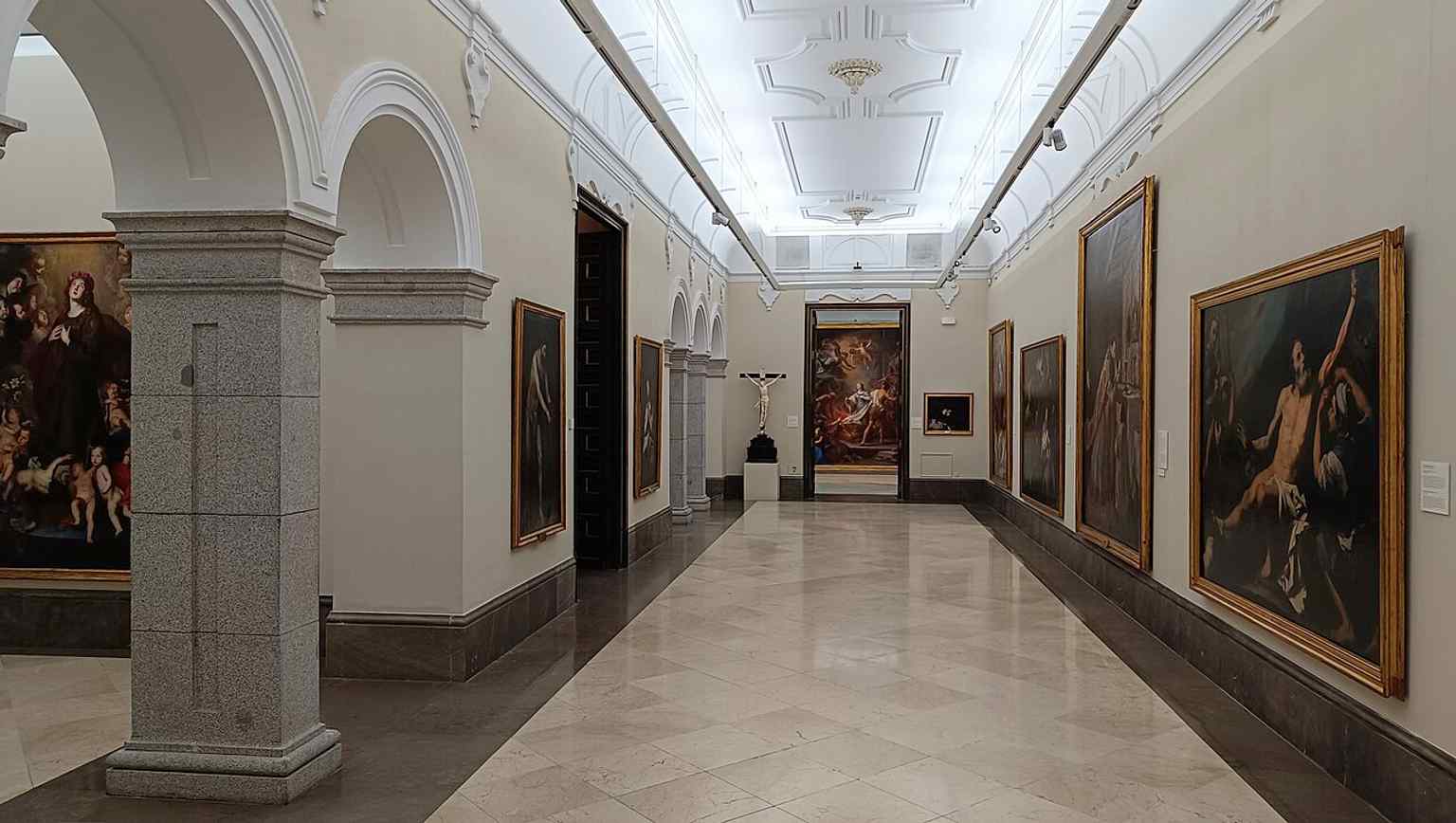
On your left stands a school, a museum, and a kind of command center for taste all at once. This is the Royal Academy of Fine Arts of San Fernando, created by royal decree in seventeen fifty-two... but its real story starts earlier, with a fire.
When the old Real Alcázar burned in seventeen thirty-four, the court suddenly needed a new palace and, just as important, art worthy of it. So power did what power often does in Madrid: it organized. The sculptor Juan Domingo Olivieri began holding classes in his rooms inside the new royal palace from seventeen forty-one, and by seventeen forty-four a preparatory board was already meeting around him. Picture it: courtiers, artists, ambition, and a lot of opinion in one room. Never a low-drama combination.
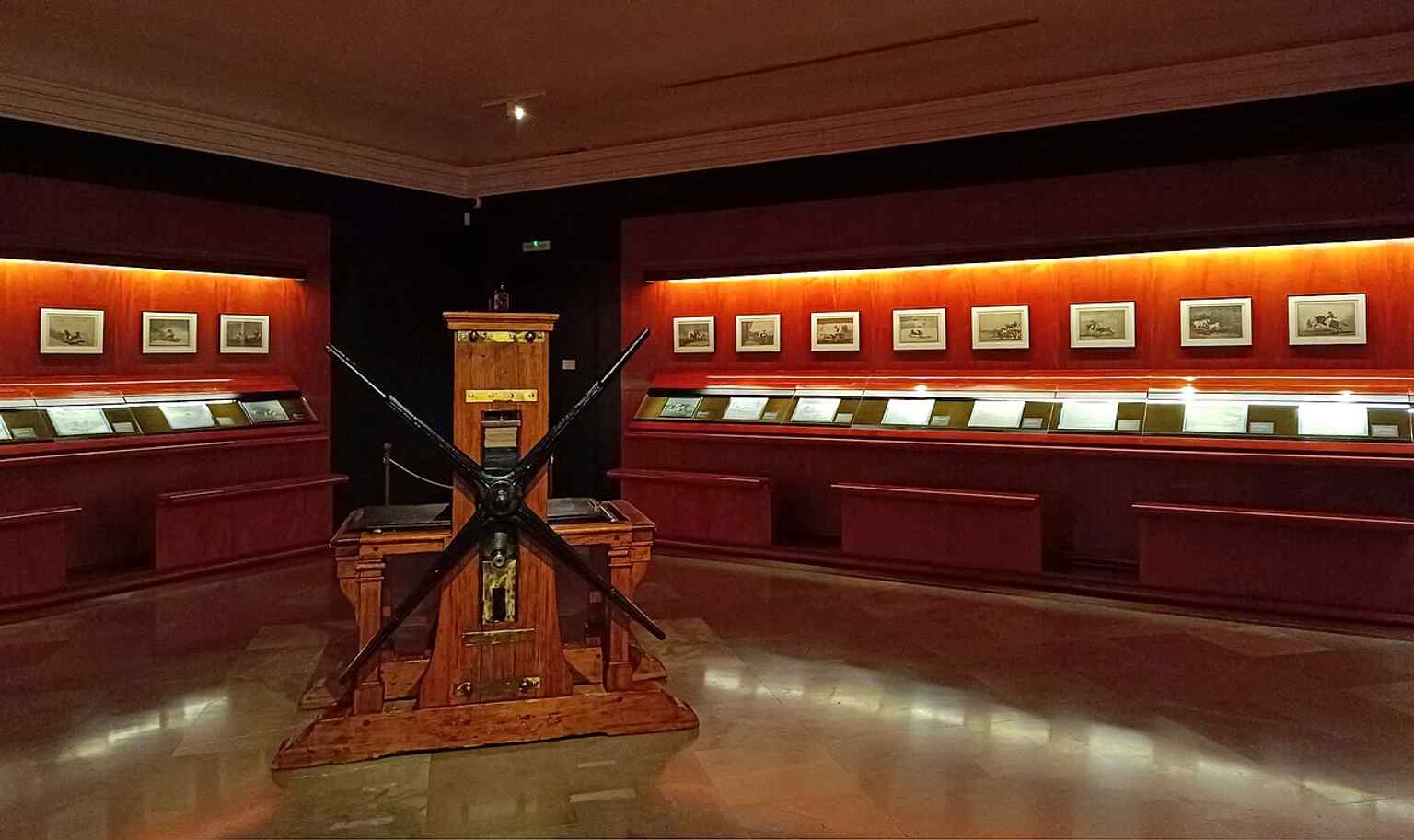
What emerged here was something new for Spain. Art stopped being only workshop knowledge, passed from master to apprentice, and became a regulated subject with professors, plaster casts, live hired models, prizes, and study grants to Rome. Painting, sculpture, architecture, engraving... all trained, judged, and put to use. This was how a monarchy taught people to make authority look natural.
One of the key figures was Felipe de Castro. In the early rules, noblemen held the advantage. Castro pushed back. When the final statutes arrived in seventeen fifty-seven, he shifted control toward artists themselves. That may sound bureaucratic, but it mattered. It meant the image of the state would not be shaped only by titles, but by people who actually knew how to draw a hand, carve a saint, or design a facade that could make a king look inevitable.
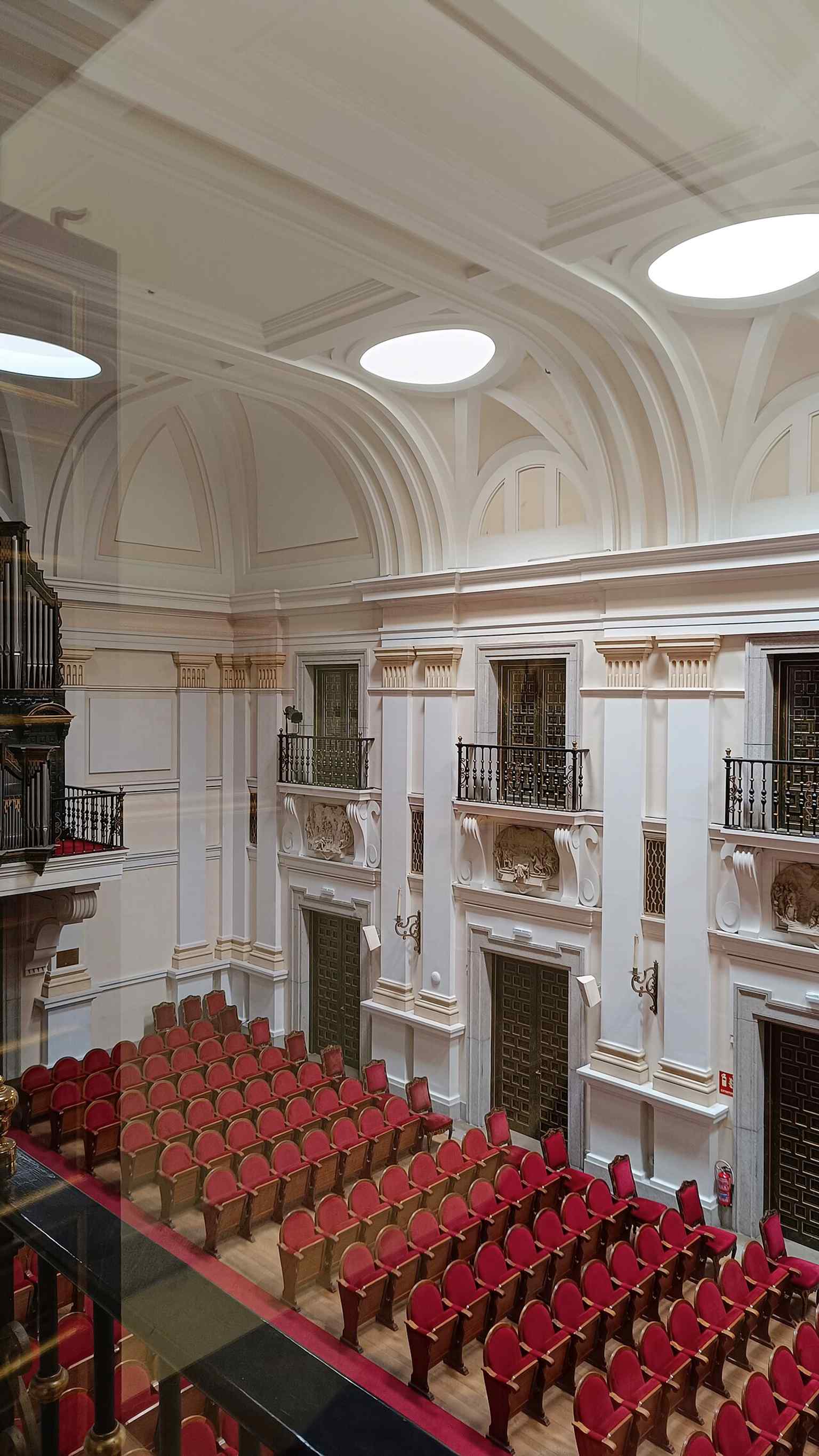
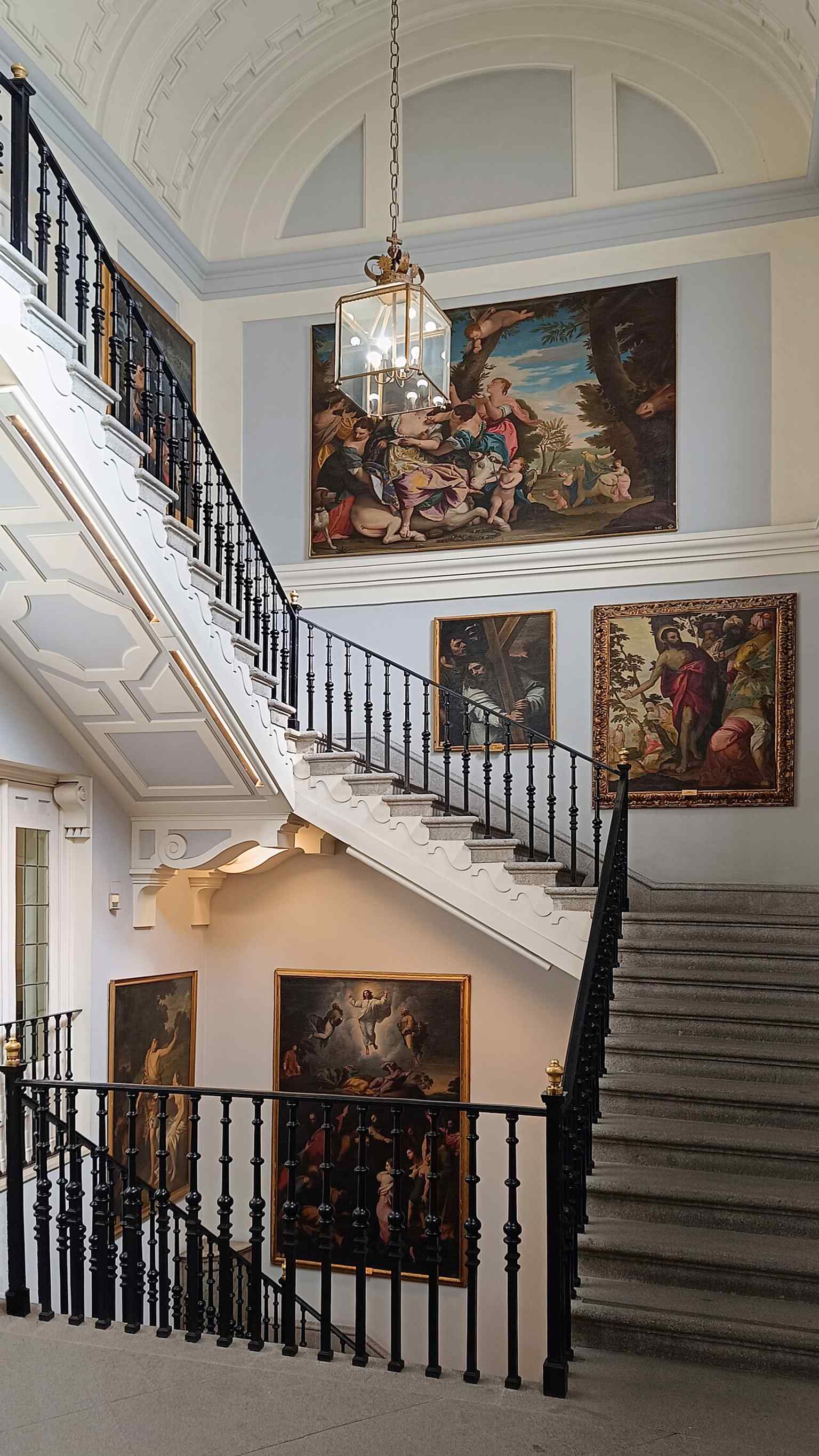
And speaking of facades, the building in front of you tells the same story in stone. This is the Goyeneche Palace, designed by José de Churriguera, then remodeled when the Academy moved here in seventeen seventy-three. Diego de Villanueva stripped away much of the older Baroque style - that curly, theatrical look - and gave it a neoclassical face, calmer and more disciplined, more Roman in spirit. If you check the image on your screen, you can see that polished exterior logic clearly here.
Francisco de Goya gives this place its human edge. He was not a student here, but an academician and professor of painting, and his relationship with the Academy could be prickly. Goya valued freedom; institutions like rules. Still, the Academy holds one of Madrid’s finest groups of his work after the Prado, including La Tirana and two self-portraits. Take a peek at that theatrical, quicksilver presence on your phone. Even inside the system, Goya kept wriggling like a man refusing to sit still for his own portrait.
Places like this also prepared the ground for what comes later on our route. Long before the Prado opened as a public museum, the Crown’s collections and institutions like this one trained artists, stored masterpieces, and defined what counted as national culture. In other words, the Royal Collection did not simply become the Prado by magic; places like this built the machinery first.
That is a handy thing to remember as Madrid turns more modern ahead of us: this city often dresses innovation in respectable old clothes. Next, we head toward the Metropolis Building, about a five-minute walk away, where that trick becomes wonderfully obvious. If you want to come back inside, check the current visiting hours in the app.






.jpg)