AudaTours logoAudaTours

Stop 16 of 17

Riverside Market

headphones 04:45 Buy tour to unlock all 19 tracks
Riverside Market
Riverside Market
Riverside MarketPhoto: PA, Wikimedia Commons, CC BY-SA 4.0. Cropped & resized.

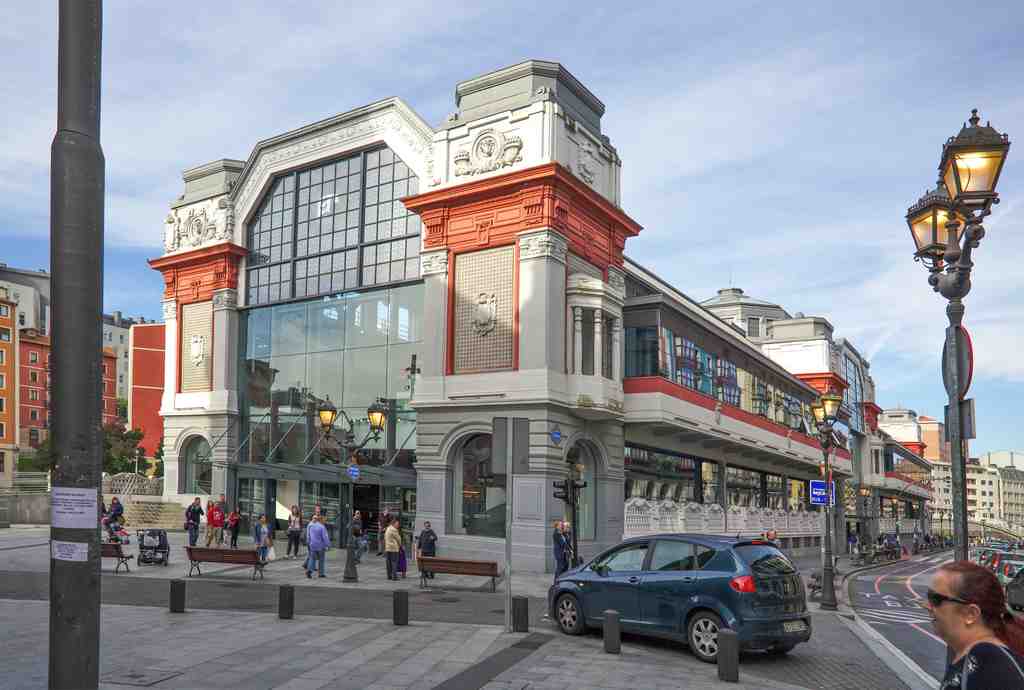
On your right, look for a long concrete-and-glass building with broad horizontal lines and decorative art deco panels set into its riverside façade.

This is the Riverside Market, Mercado de la Ribera, stretched along the right bank of the Nervión beside the Old Town, and it is exactly the kind of place where Bilbao tells the truth about itself. Not in speeches, not in monuments... in dinner.

For centuries, this edge of the river served as the city’s working heart. From the fourteenth century onward, the old main square stood here beside San Antón church, the first town hall, and the houses of the Ribera. People came to buy, argue, compare fish, and probably exaggerate the quality of their onions. In the nineteenth century, the city began taming that open-air trade. By around eighteen forty, stall roofs started appearing, and by eighteen seventy the whole market had shelter. In eighteen fifty, Bilbao even set up quality controls for fish, milk, and meat, which tells you something important: this city tied civic pride to what landed on your plate.

One older market hall, built in iron, wrought metal, and glass, had a problem so practical it feels beautifully Bilbao. It trapped heat so badly that workers installed a watering system on the roof to cool the interior. A very grand building, with the survival instincts of a sprinkler.

The market you see now took shape in nineteen twenty-nine. Architect Pedro de Ispizua designed it in reinforced concrete with wide open floors, no interior columns, strong ventilation, and carefully managed natural light. He was a Bilbao kid with a gift for drawing, entered the School of Arts and Crafts at twelve, later worked on the Sagrada Familia under Gaudí in Barcelona, and then came home to shape his own city. Here, he gave Bilbao something wonderfully sensible: a market planned for use first, but dressed with stained glass, latticework, floral details, and an art deco sparkle on the façade. If you glance at the image in the app, you can see how the market, river, and old quarter lock together like pieces of one machine. And the interior photo shows Ispizua’s real trick, daylight flowing through lofty open space instead of getting trapped behind a forest of columns.

Inside, the building still organizes daily life by floor. The ground level belongs to fish, shellfish, salt cod, and pickles. Upstairs come meats, charcuterie, poultry, pastries, and preserves. Above that, fruit, vegetables, eggs, flowers, mushrooms, and seeds. And here is the detail locals quietly treasure: the market still keeps an area for direct sales from caseríos, the small Basque farmsteads. That link matters. Even after Bilbao reinvented its riverfront, its museums, and its image, the city still leaves space for someone from the countryside to bring in what they grew.

This place took its share of blows. Mercabilbao opened in nineteen seventy-one and pushed Ribera away from wholesale trade toward neighborhood shopping. Then the floods of nineteen eighty-three hit hard and forced major repairs. In two thousand eight, engineers discovered a serious structural problem: beach sand in the concrete had carried chlorides that corroded the steel reinforcement inside. So Bilbao rebuilt the market in phases from two thousand nine onward, correcting the damage without closing it for a single day. That tells you everything, really. A museum can shut for renovation. A city’s pantry has to keep feeding people.

Before you head on, look toward those entrances and ask yourself: if you had to explain Bilbao with one stall inside, would you choose cod, peppers, cured meat, eggs, or flowers from a caserío? After all the grand gestures a city can make, it feels right to end here, by the river, where history still changes hands in paper bags.

If you want to come back inside, the market usually opens from seven thirty in the morning until eight at night, with later closing, until nine, from Thursday through Saturday.
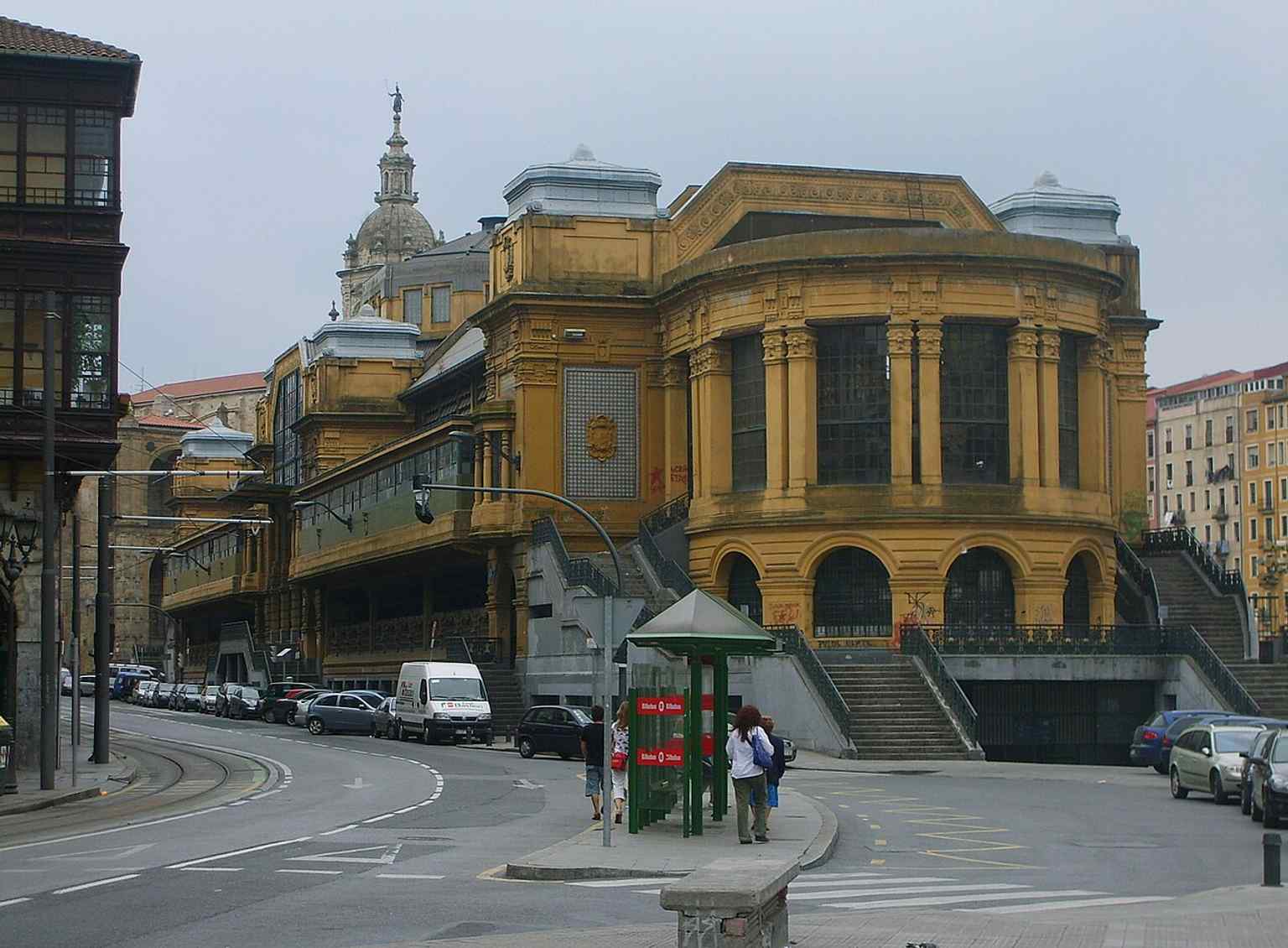
A classic full view of the market building, showing the long riverside façade beside Bilbao’s old quarter.
A classic full view of the market building, showing the long riverside façade beside Bilbao’s old quarter.Photo: No machine-readable author provided. Martin253~commonswiki assumed (based on copyright claims)., Wikimedia Commons, Public domain. Cropped & resized.
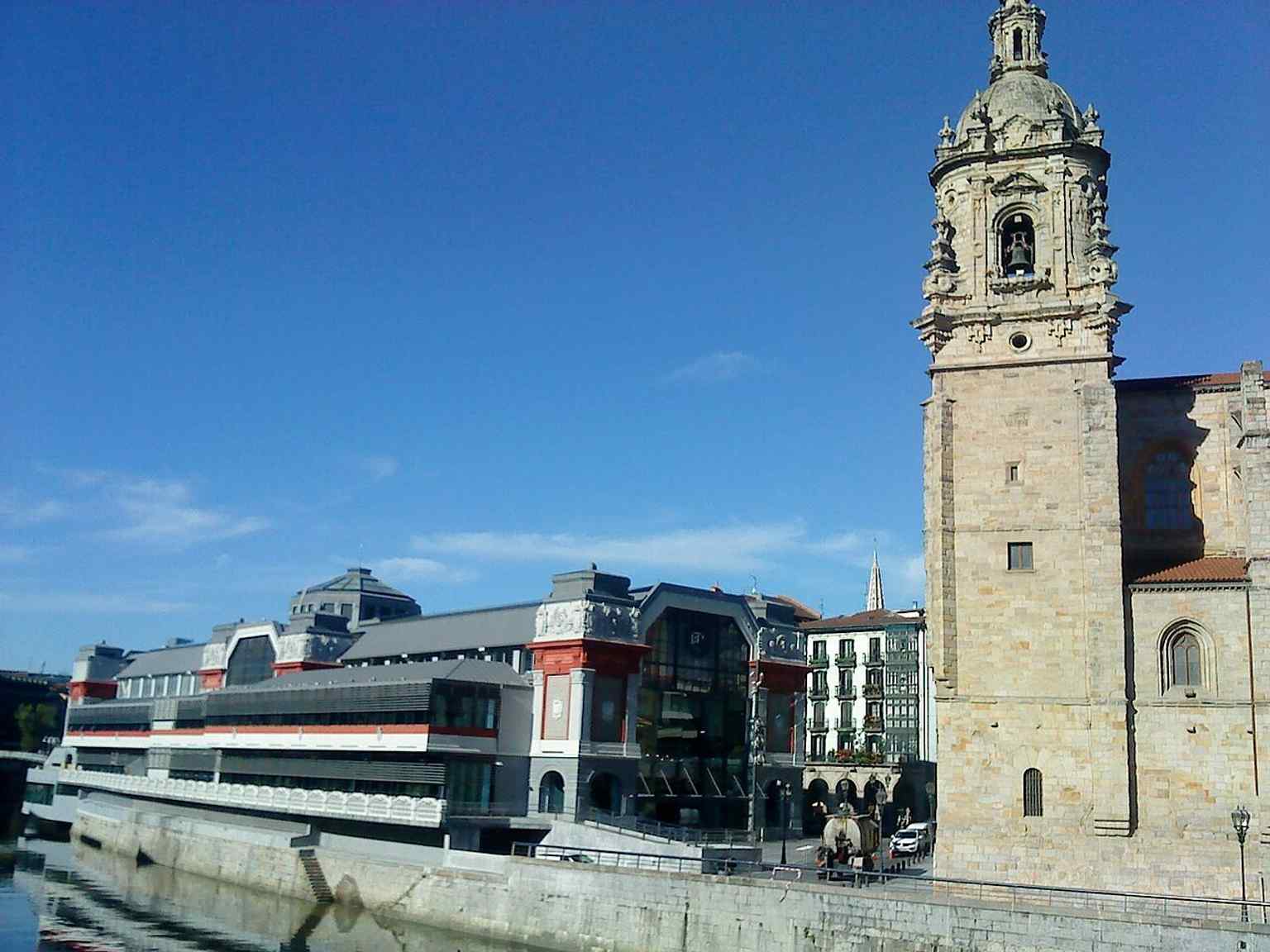
The market with San Antón Church next door, exactly the landmark pairing that shaped this site for centuries.
The market with San Antón Church next door, exactly the landmark pairing that shaped this site for centuries.Photo: Txo, Wikimedia Commons, CC BY-SA 3.0. Cropped & resized.
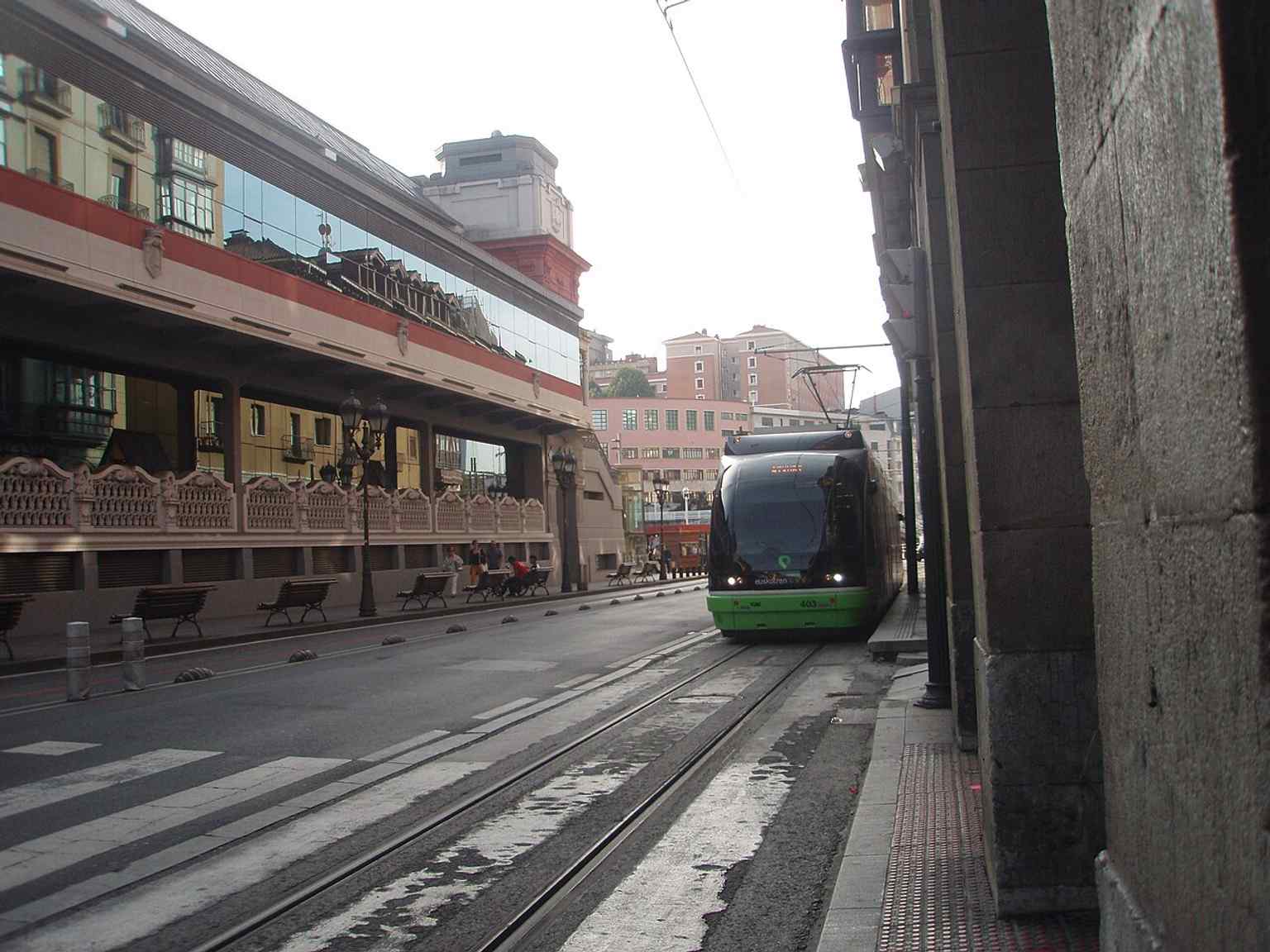
The market seen with the tram in front, reflecting the easy public-transport access mentioned in the source.
The market seen with the tram in front, reflecting the easy public-transport access mentioned in the source.Photo: MaiGor JoaEto, Wikimedia Commons, CC BY-SA 4.0. Cropped & resized.
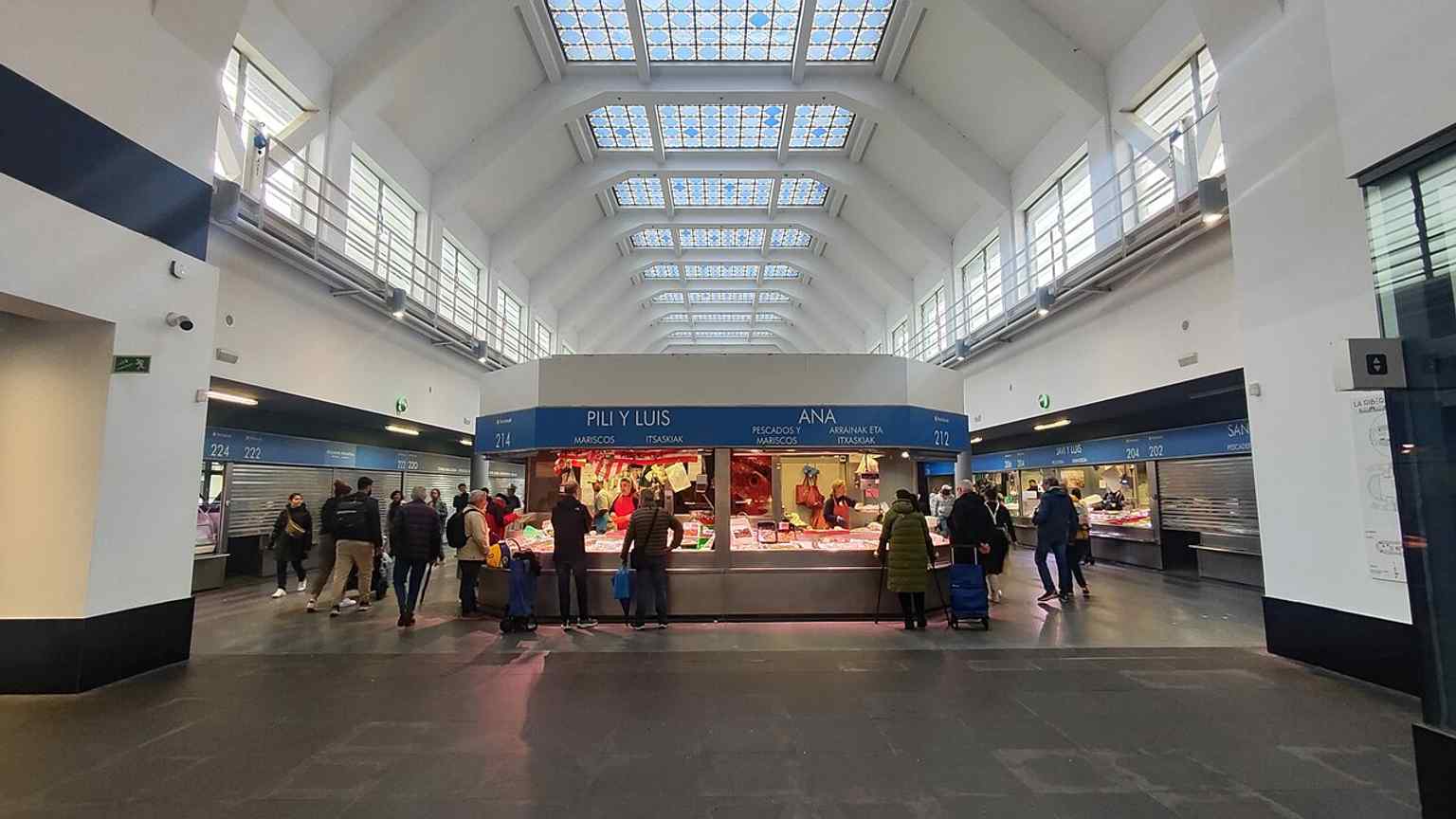
Inside the market under its lofty ceiling, where natural light and open space were central to the 1929 design.
Inside the market under its lofty ceiling, where natural light and open space were central to the 1929 design.Photo: PA, Wikimedia Commons, CC BY-SA 4.0. Cropped & resized.
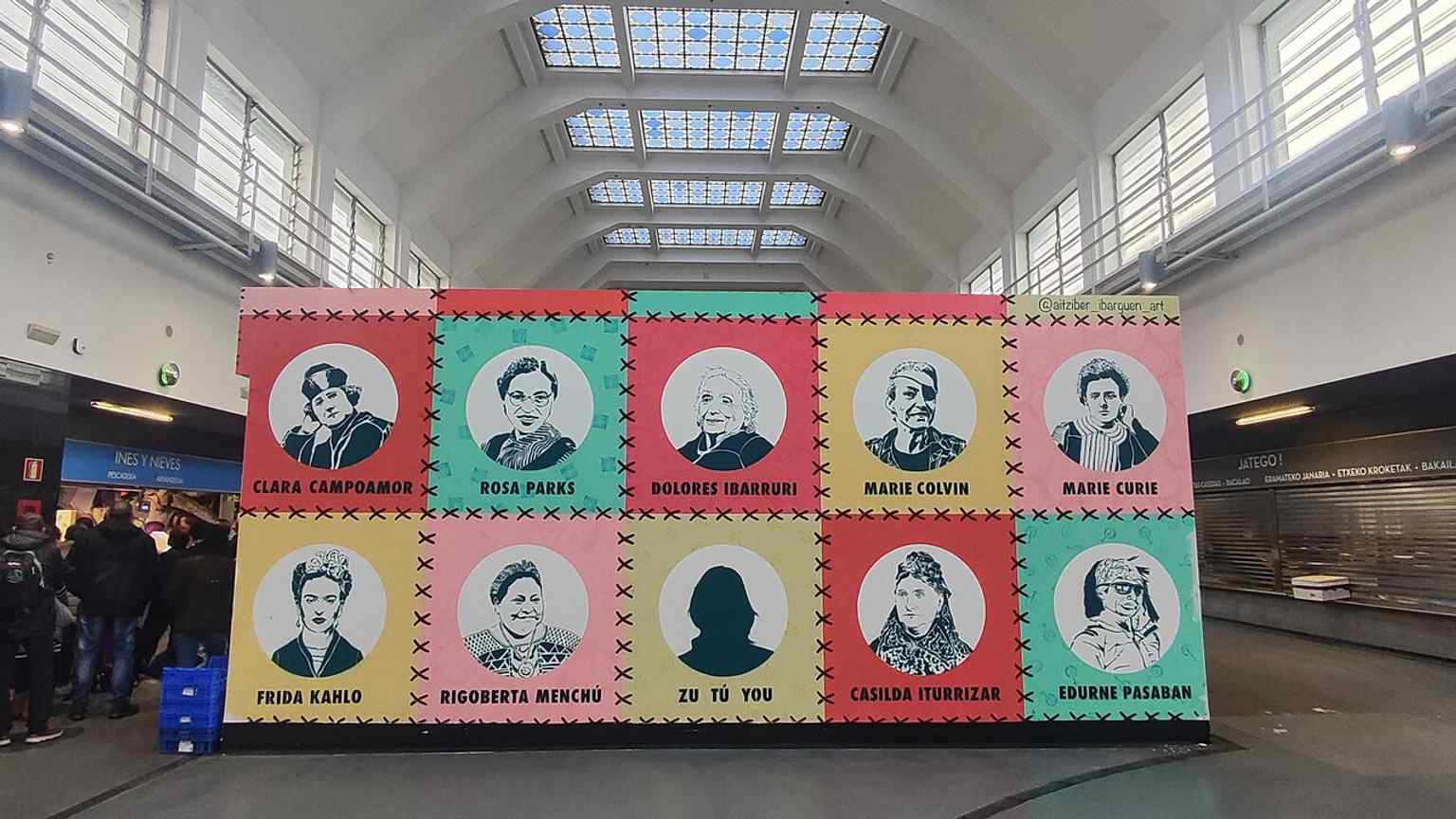
A modern interior view showing the busy covered market that still serves Bilbao’s neighborhood shoppers.
A modern interior view showing the busy covered market that still serves Bilbao’s neighborhood shoppers.Photo: Mentxuwiki, Wikimedia Commons, CC BY-SA 4.0. Cropped & resized.
Another interior angle that helps show the market’s updated stalls and circulation after the 1983 flood repairs.
Another interior angle that helps show the market’s updated stalls and circulation after the 1983 flood repairs.Photo: Mentxuwiki, Wikimedia Commons, CC BY-SA 4.0. Cropped & resized.
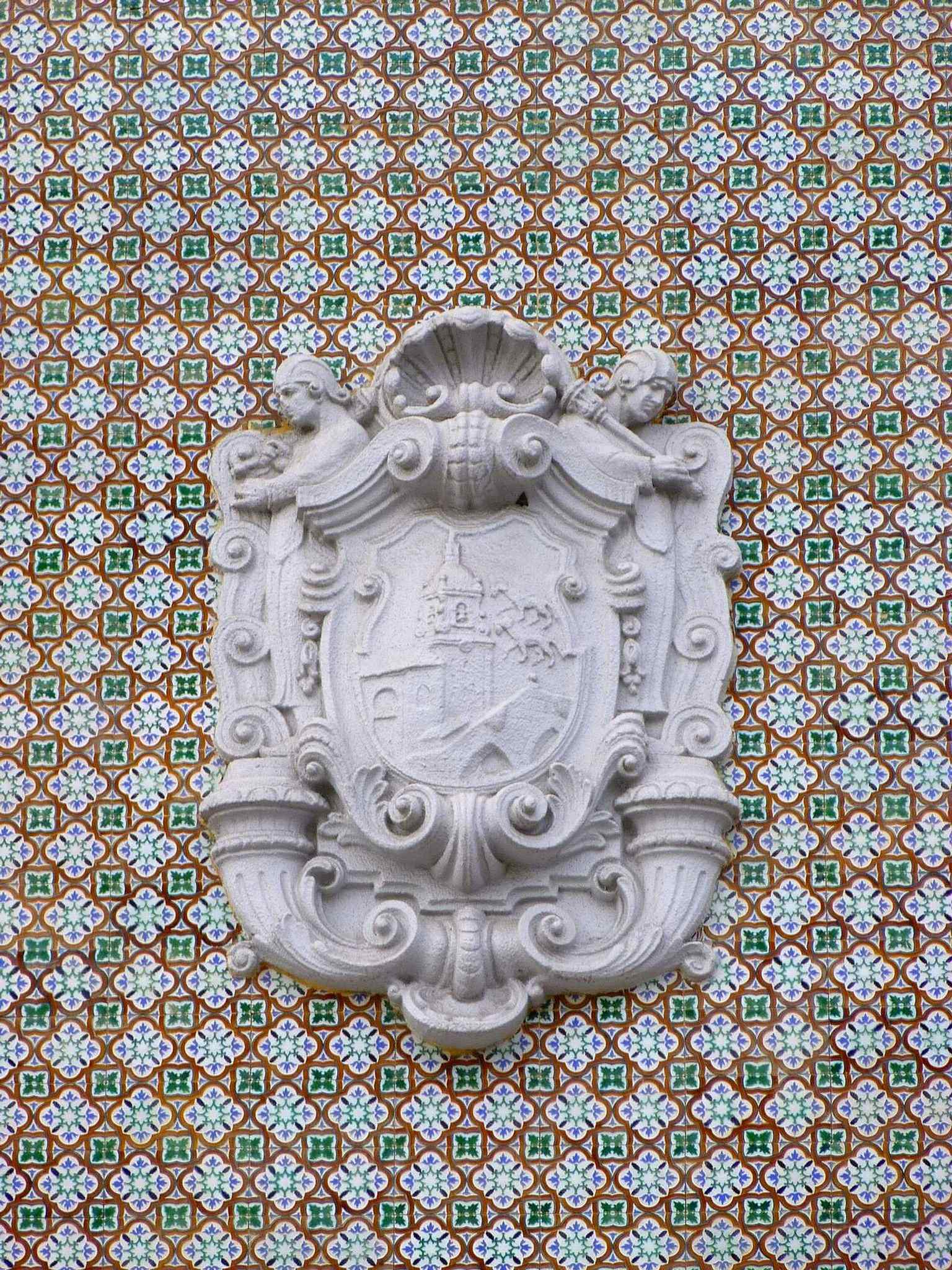
A close-up of the Bilbao coat of arms on the building, a reminder of the market’s civic importance.
A close-up of the Bilbao coat of arms on the building, a reminder of the market’s civic importance.Photo: Zarateman, Wikimedia Commons, CC BY-SA 4.0. Cropped & resized.
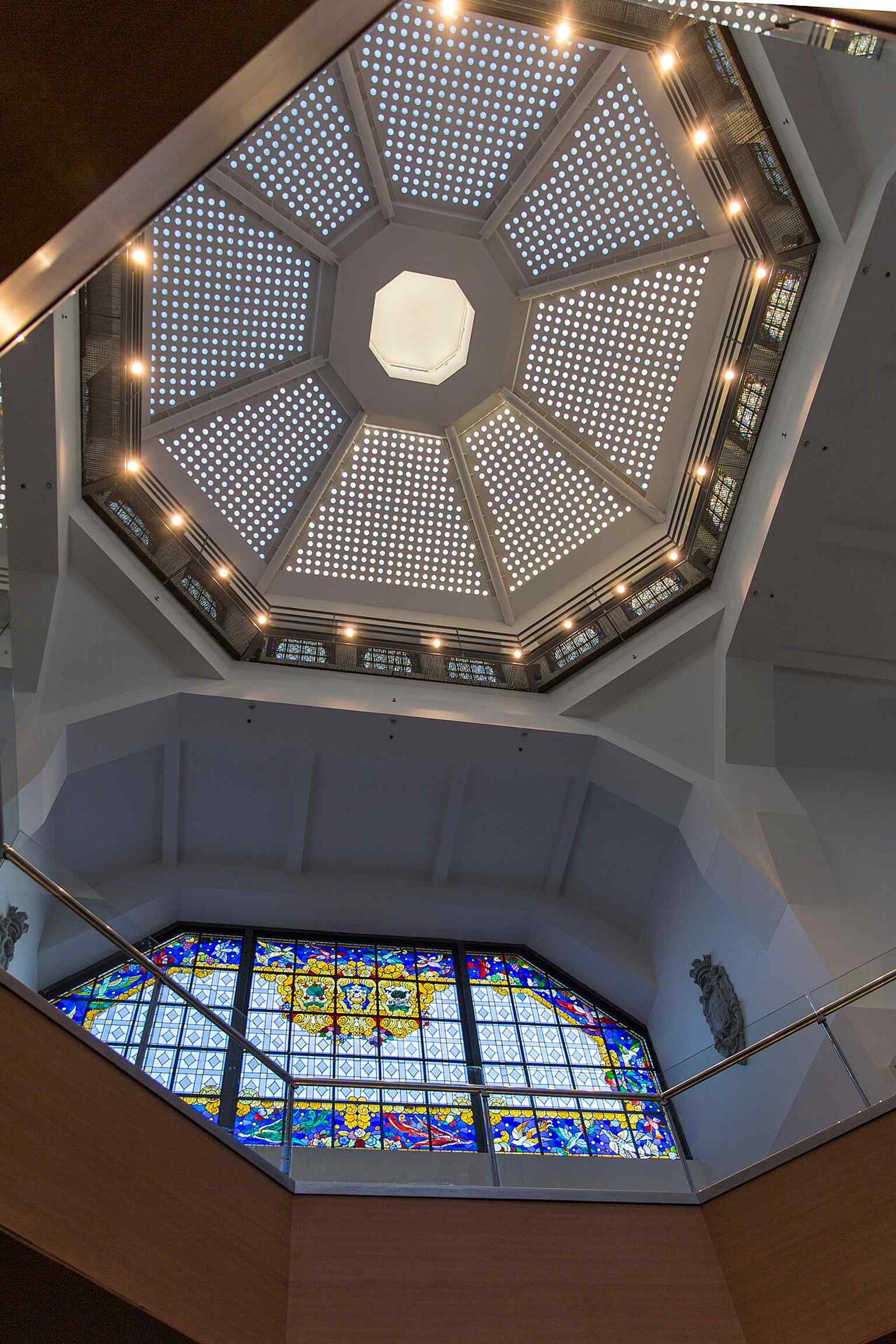
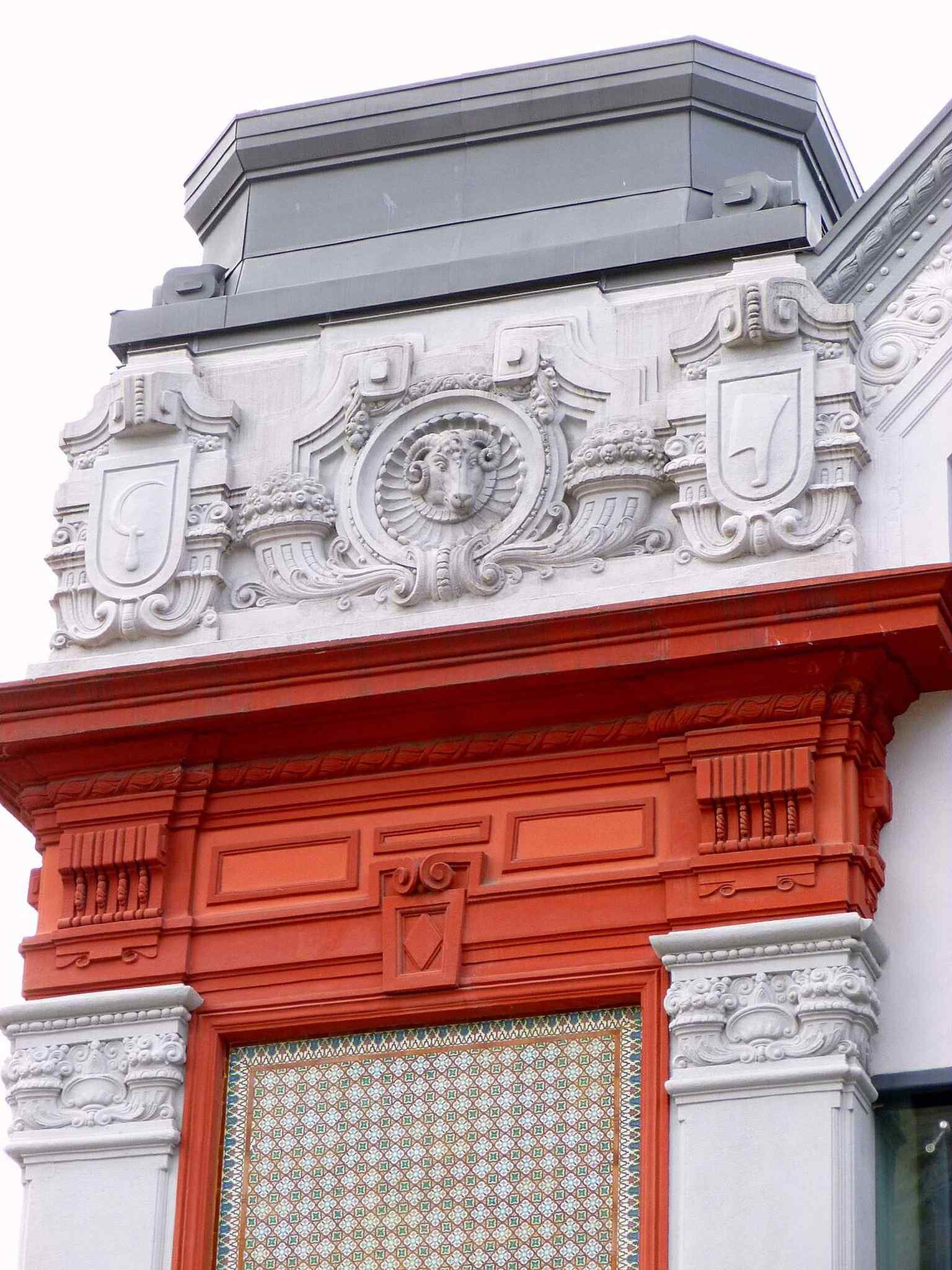
Architectural ornament on the façade — the art-deco and eclectic detailing added to the rationalist structure.
Architectural ornament on the façade — the art-deco and eclectic detailing added to the rationalist structure.Photo: Zarateman, Wikimedia Commons, CC BY-SA 4.0. Cropped & resized.
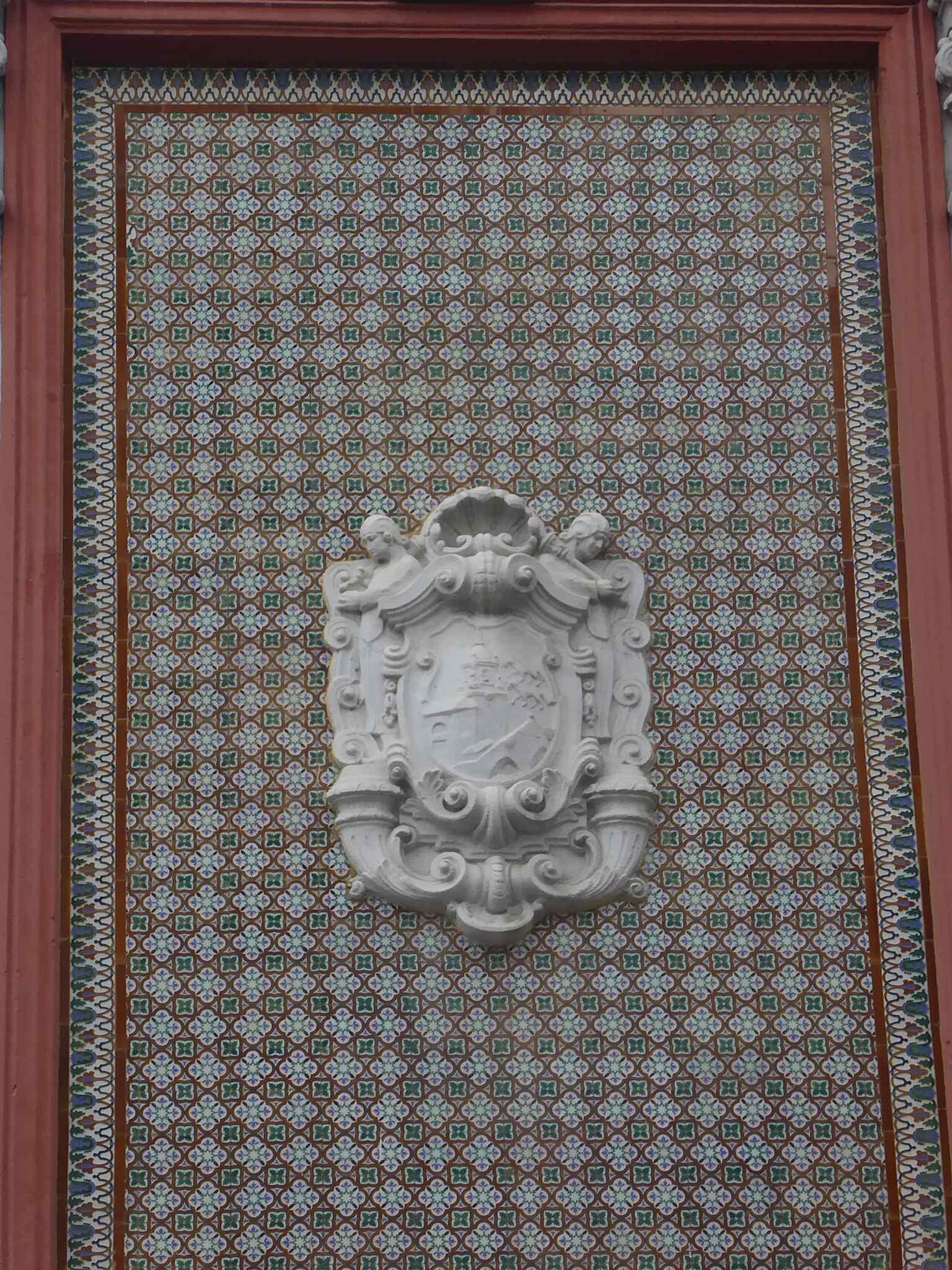
Decorative tilework on the market exterior, part of the rich façade treatment that distinguishes the building.
Decorative tilework on the market exterior, part of the rich façade treatment that distinguishes the building.Photo: Ardfern, Wikimedia Commons, CC BY-SA 4.0. Cropped & resized.
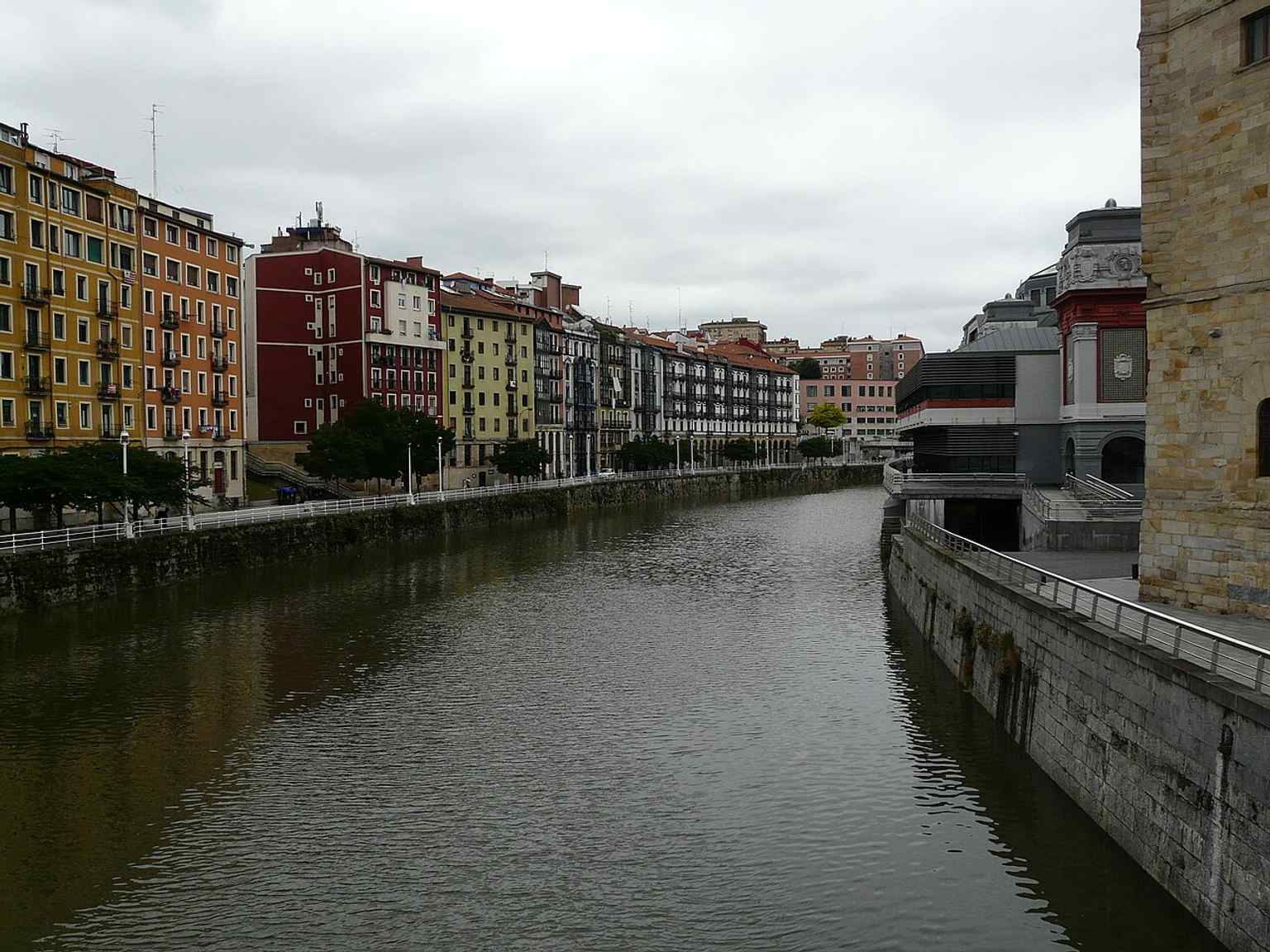
A view from San Antón Bridge looking toward the riverfront, placing the market in the wider Bilbao landscape.
A view from San Antón Bridge looking toward the riverfront, placing the market in the wider Bilbao landscape.Photo: pere prlpz, Wikimedia Commons, CC BY-SA 3.0. Cropped & resized.
arrow_back Back to Bilbao Audio Tour: Casco Viejo Treasures
Loved by travellers

Thousands of tours started.
Plenty of opinions.

4.8 across the App Store and Google Play. Here's a few we keep coming back to.

starstarstarstarstar
This was a solid way to get to know Brighton without feeling like a tourist. The narration had depth and context, but didn't overdo it.
Christoph
Christoph
Brighton Tour
starstarstarstarstar
Started this tour with a croissant in one hand and zero expectations. The app just vibes with you, no pressure, just you, your headphones, and some cool stories.
download Get the app

Pop your headphones in.
Step outside.

Free to download. Tours in every city. Start in 60 seconds — no account, no card.

Download on the App StoreGet it on Google Play
starstarstarstarstar_half
4.8
AudaTours app icon
headphones
~ 4 min until your first tour starts
public
1,000+ cities worldwide
all_inclusive
AudaTours
Unlimited

Every tour. Every city. One subscription.

3097 tours2273 cities138 countries50+ languages