
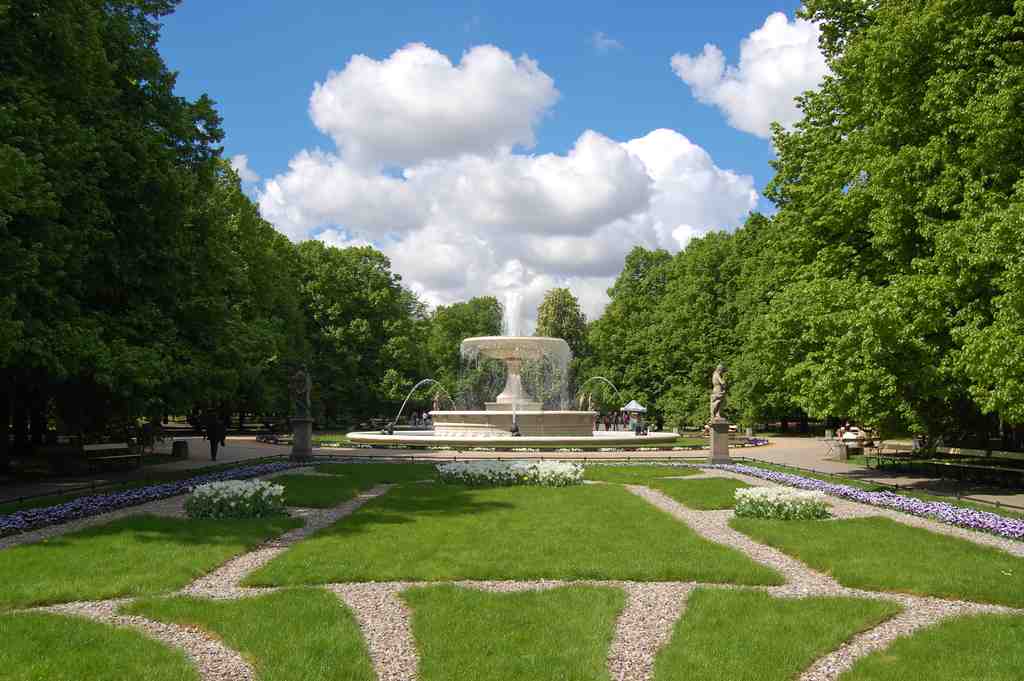
Look for a broad formal park opening behind straight gravel paths and dense rows of trees, with the pale stone arcade of the old Saxon Palace marking one edge.
Saxon Garden is where Warsaw turns urban planning into stagecraft. This is the city’s oldest public park, spread across fifteen and a half hectares, but it began much less peacefully: on the old line of Warsaw’s fortifications and beside a palace that Jan Andrzej Morsztyn built in the sixteen sixties. Then Augustus the Second stepped in and thought much bigger.
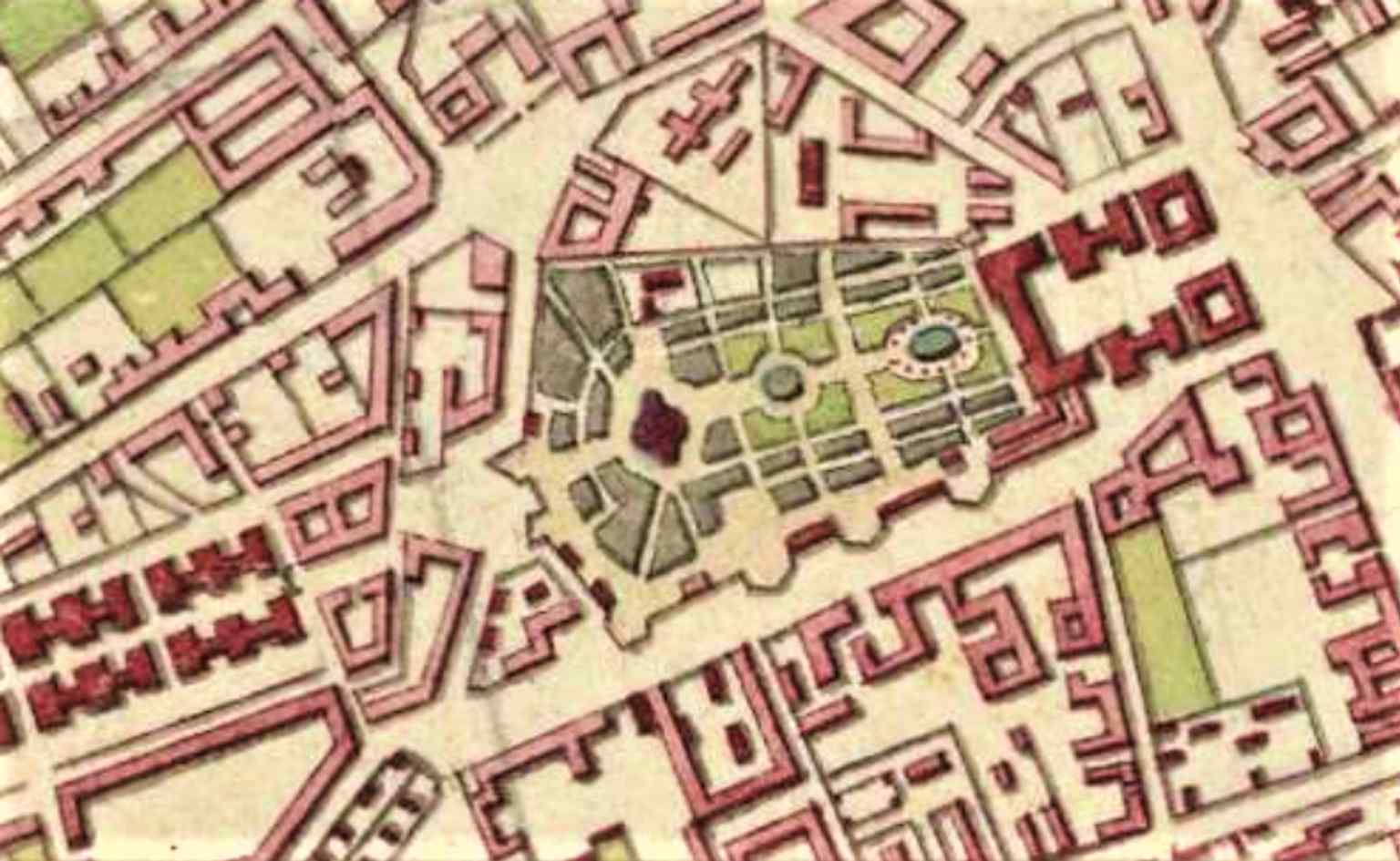
Augustus did not just want a pleasant royal garden. He wanted a dynastic billboard in hedges and avenues... a grand axis stretching from western Warsaw toward the Vistula, linking palaces, gardens, and power into one carefully arranged view. If you peek at the plan on your screen, you can see how deliberate it was: straight lines, symmetry, and the garden serving the palace like a giant green carpet. Very French, very orderly, very “please admire the king from the correct angle.”
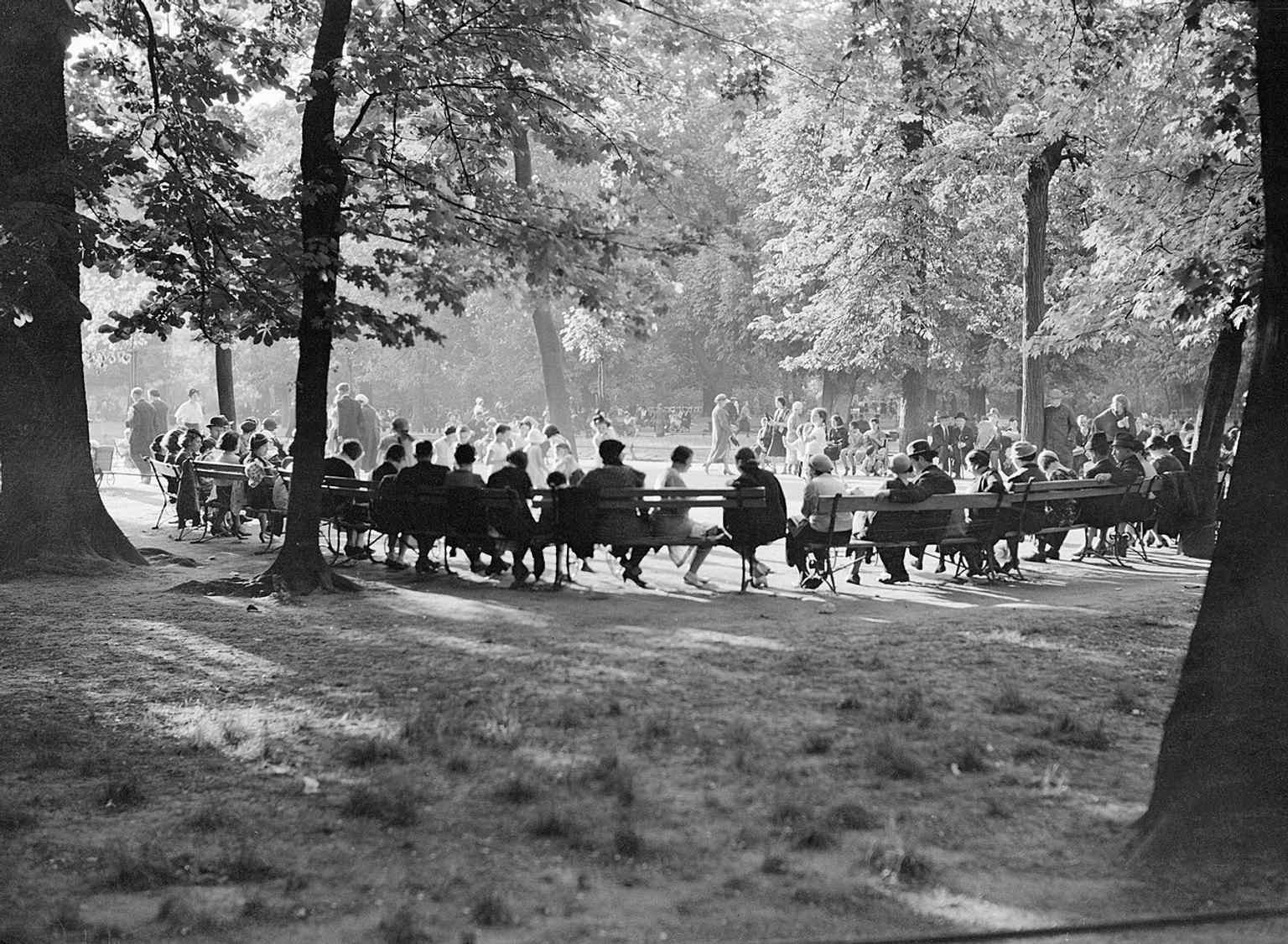
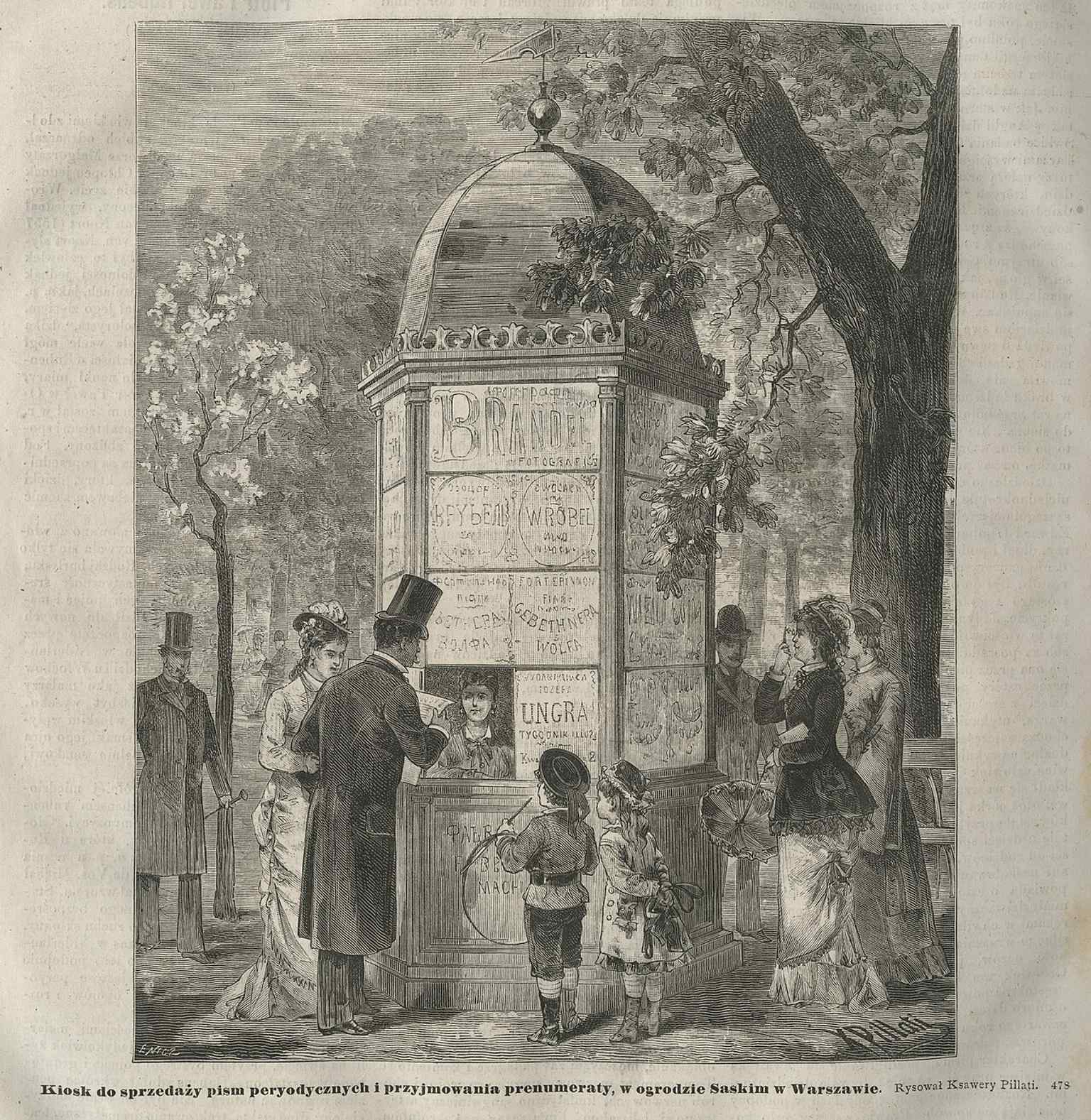
Here is the local brag most visitors miss: Warsaw opened this park to the public in seventeen twenty-seven. That was unusually early for a royal garden to be open to ordinary walkers. So this place welcomed ordinary walkers while many more famous royal gardens still kept the rope up.
Even that openness had politics baked into it. A public park can look generous, and it is generous, but it also teaches you how a ruler wants the city to see itself. In the eighteenth century, these paths led the eye back toward the Saxon Palace, flanked by sculptures of subjects like Astronomy, Justice, Painting, and Science, as if the whole country had lined up for inspection. The garden even held the Great Salon, a pavilion planted on the central axis simply to complete the view.
Augustus the Second’s grand urban vision never fully landed. He planned an even larger Saxon composition, but after he died in seventeen thirty-three, key pieces stalled. The demolition of Lubomirski Palace farther west was called off, and the whole axis remained half dream, half city. Plans here rarely get the last word.
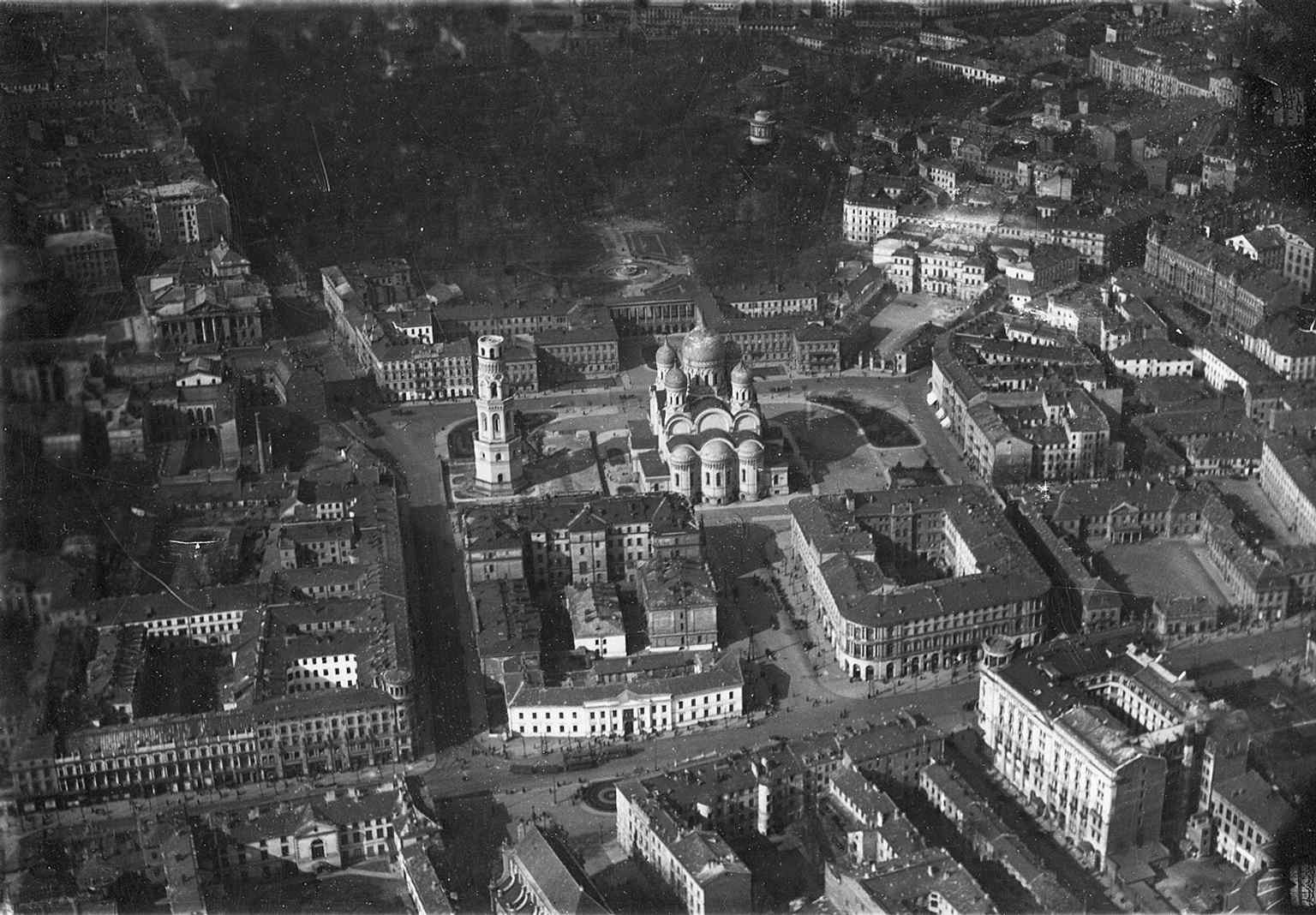
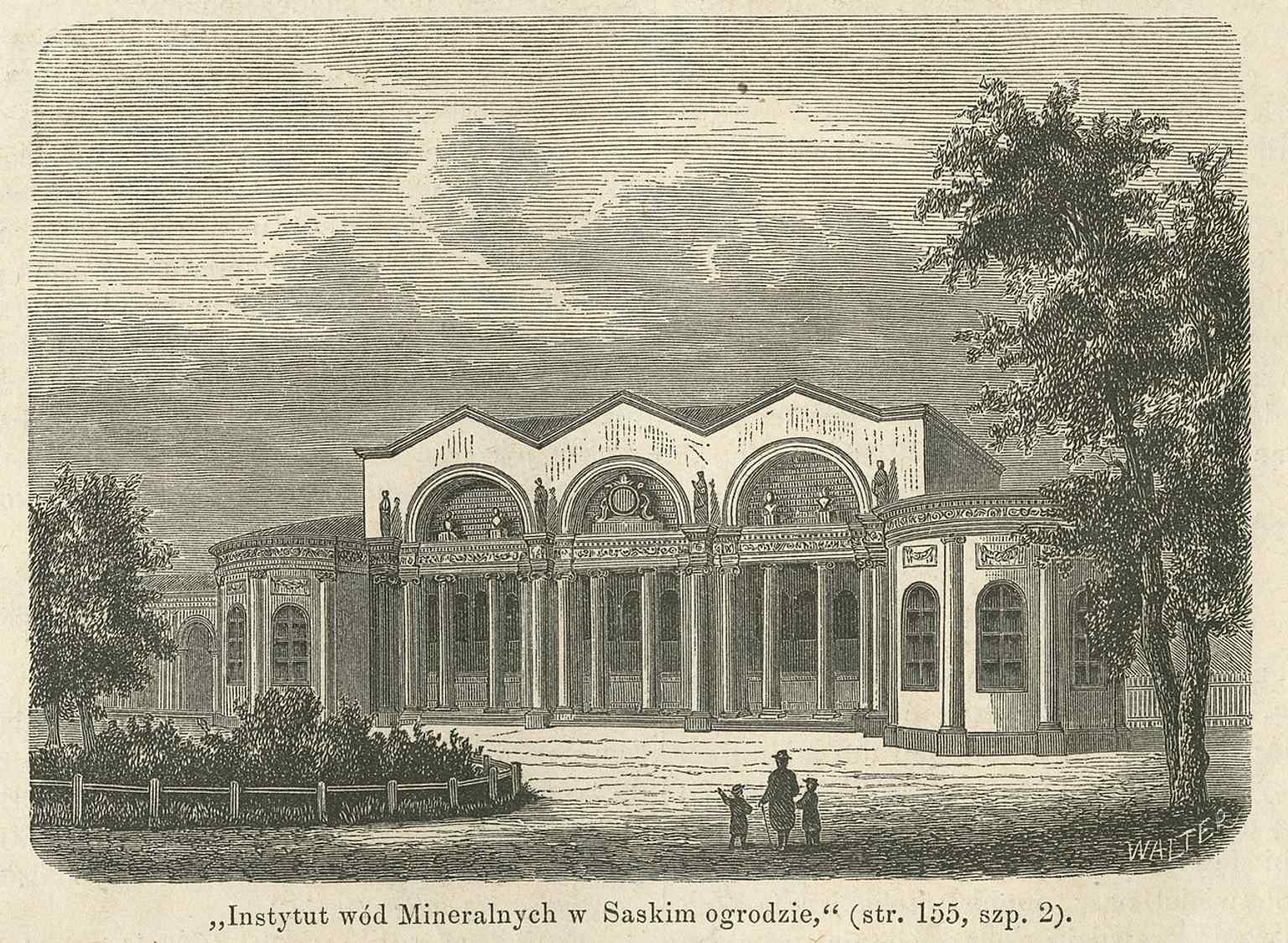
The garden kept changing costumes. In the nineteenth century, Warsaw softened the severe Baroque layout into a Romantic English-style landscape park, looser and more natural-looking. Henryk Marconi later added the fountain that became a classic meeting spot, with a marble sundial nearby and, farther in, a water tower modeled on the Temple of Vesta in Tivoli, an ancient round Roman temple. If you bring up the aerial view, you can see how the garden once sat inside a larger courtly composition that later generations had to reinterpret rather than simply inherit.
There is a more intimate story tucked in here too. Augustus treated the nearby Blue Palace as a gift for his daughter, turning family affection into another display of royal scale. So behind the grand geometry, there was family politics... and a father trying to impress his daughter with real estate on a royal scale.
Then history turned hard again. The surviving arcade at the edge, now part of the Tomb of the Unknown Soldier, is all that remains of the Saxon Palace after deliberate wartime destruction, while the garden around it had to be pieced back together after the Warsaw Uprising and the wrecking that followed.
From here, we head toward a skyline marker born of a very different regime and a much blunter idea of power: the Palace of Culture and Science, about a nineteen-minute walk from here. And handily enough, Saxon Garden stays open all day and all night.





.jpg)
%2C%20in%20de%20buurt%20van%20de%20oude%20Joodse%20volkswijk%2C%20Bestanddeelnr%20190-0032.jpg)
.jpg)
.jpg)
%20%2C%20Josephinische%20Landesaufnahme.png)