
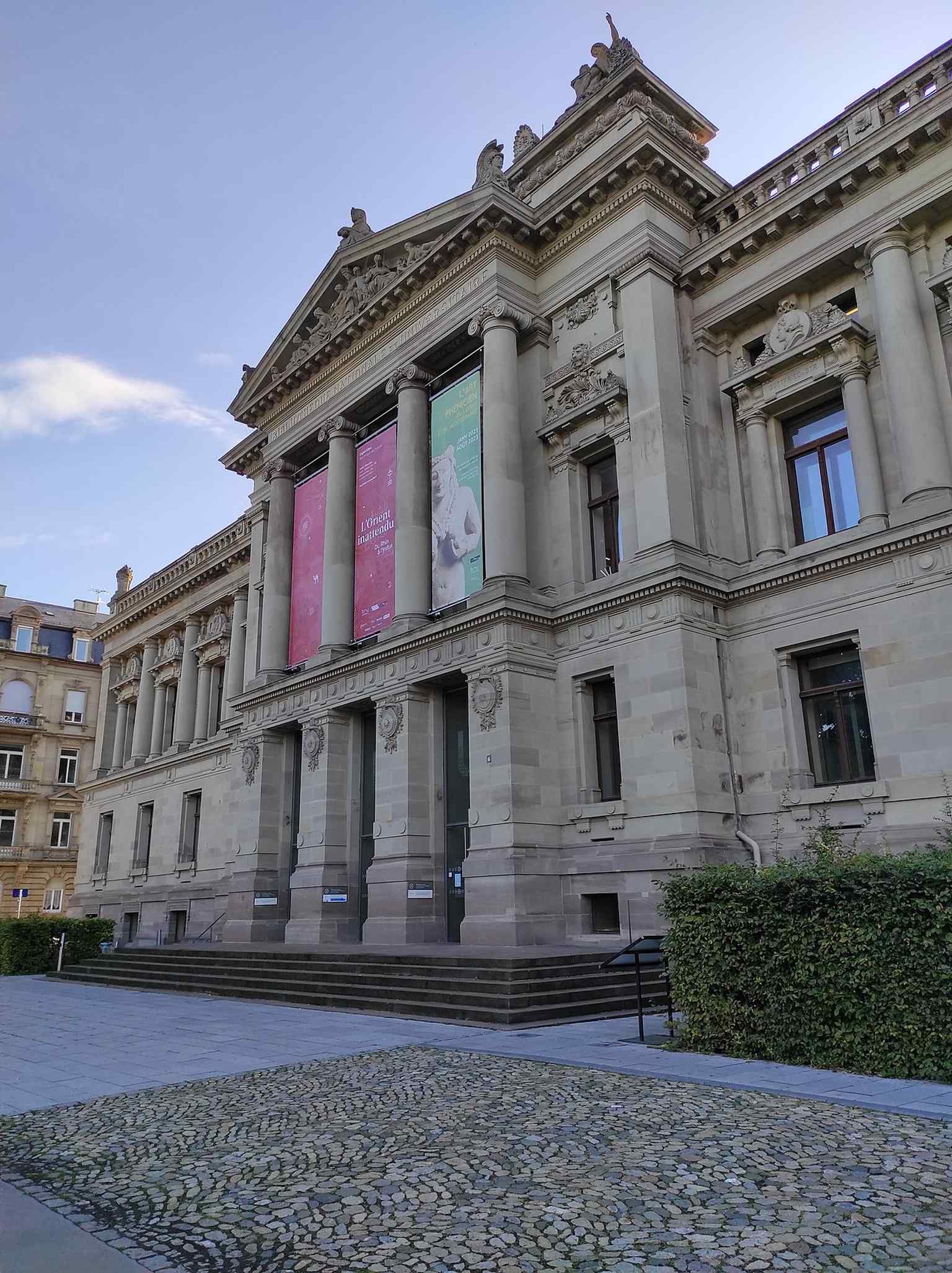
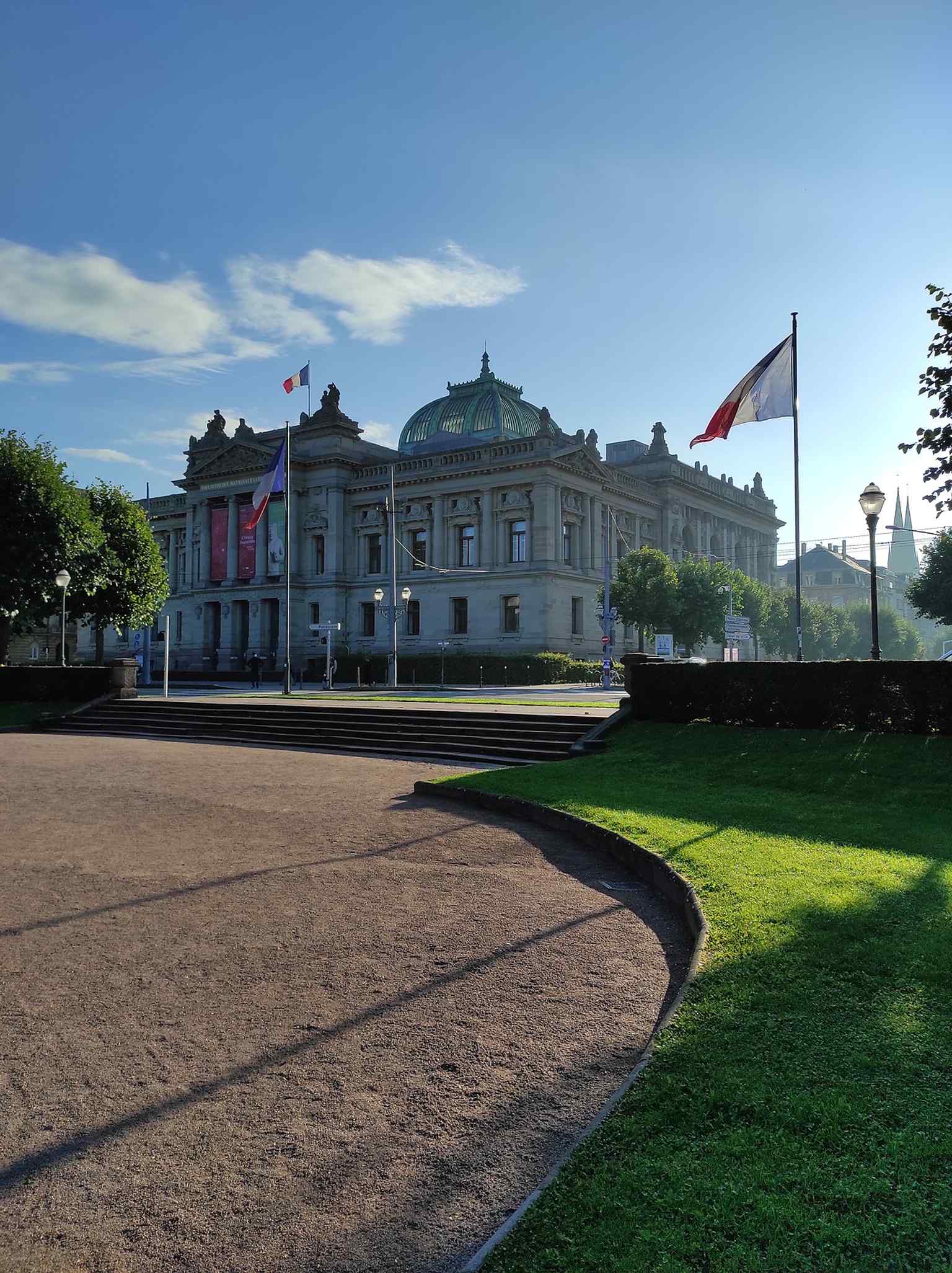
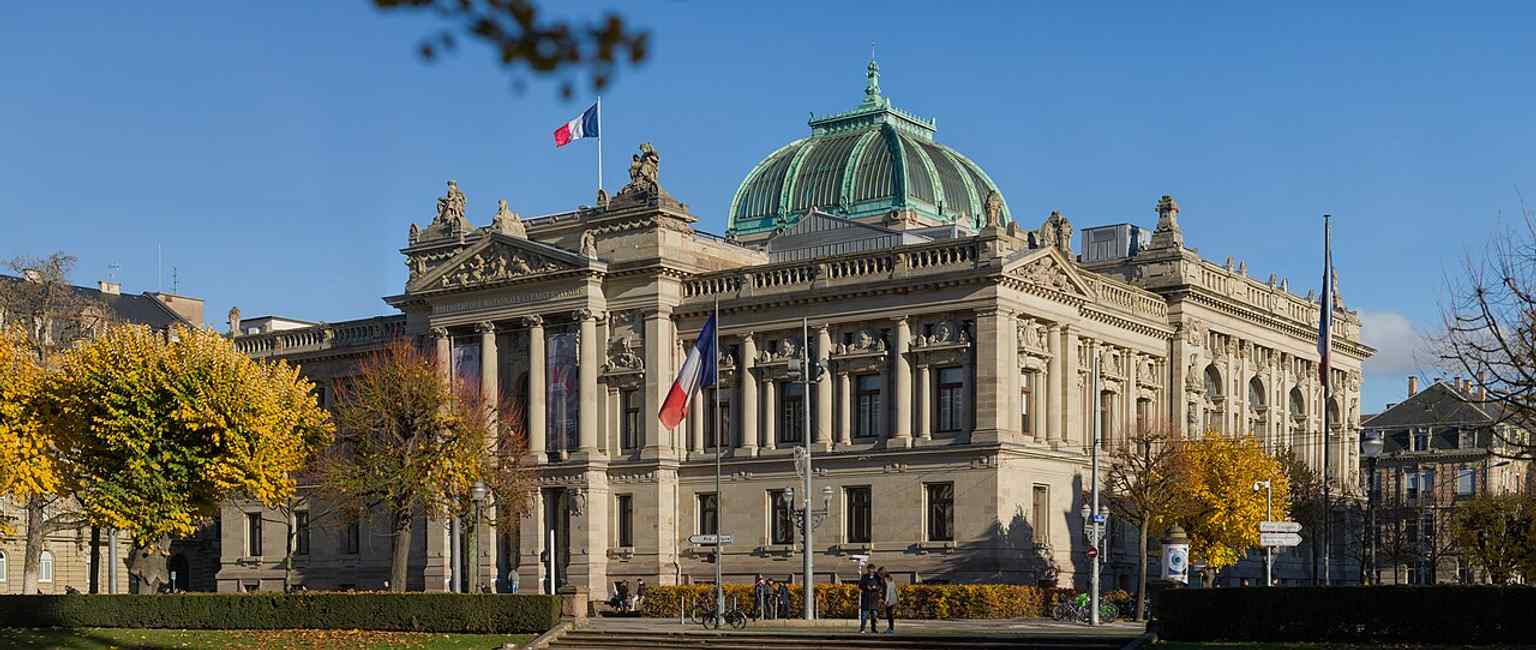
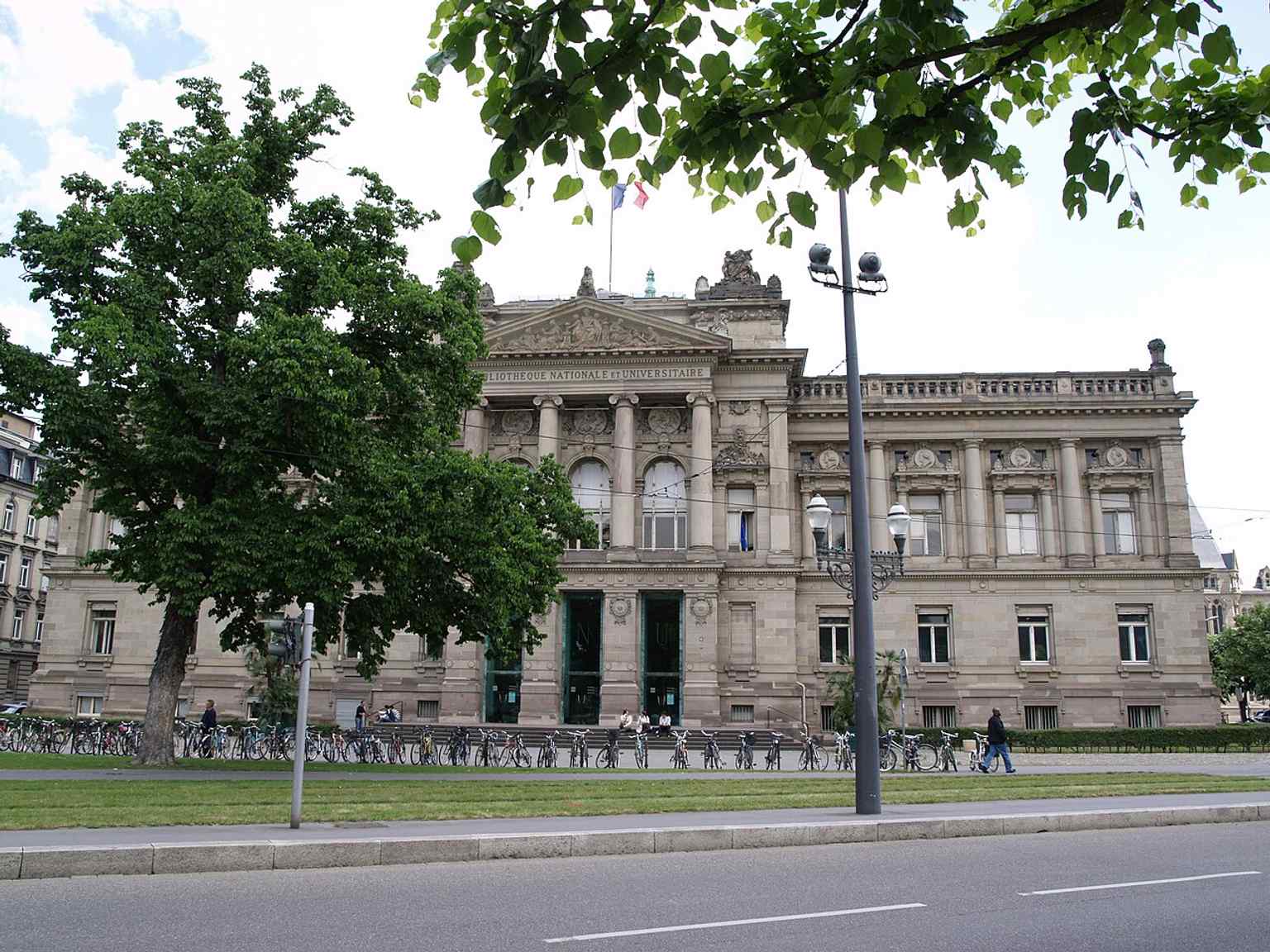
Look for a broad pale-stone facade shaped like an Italian palace, with tall arched windows and a central dome rising behind the roofline.
This is the National and University Library of Strasbourg, known here as the B-N-U, and it stands for something larger than bookshelves. It stands for memory rebuilt.
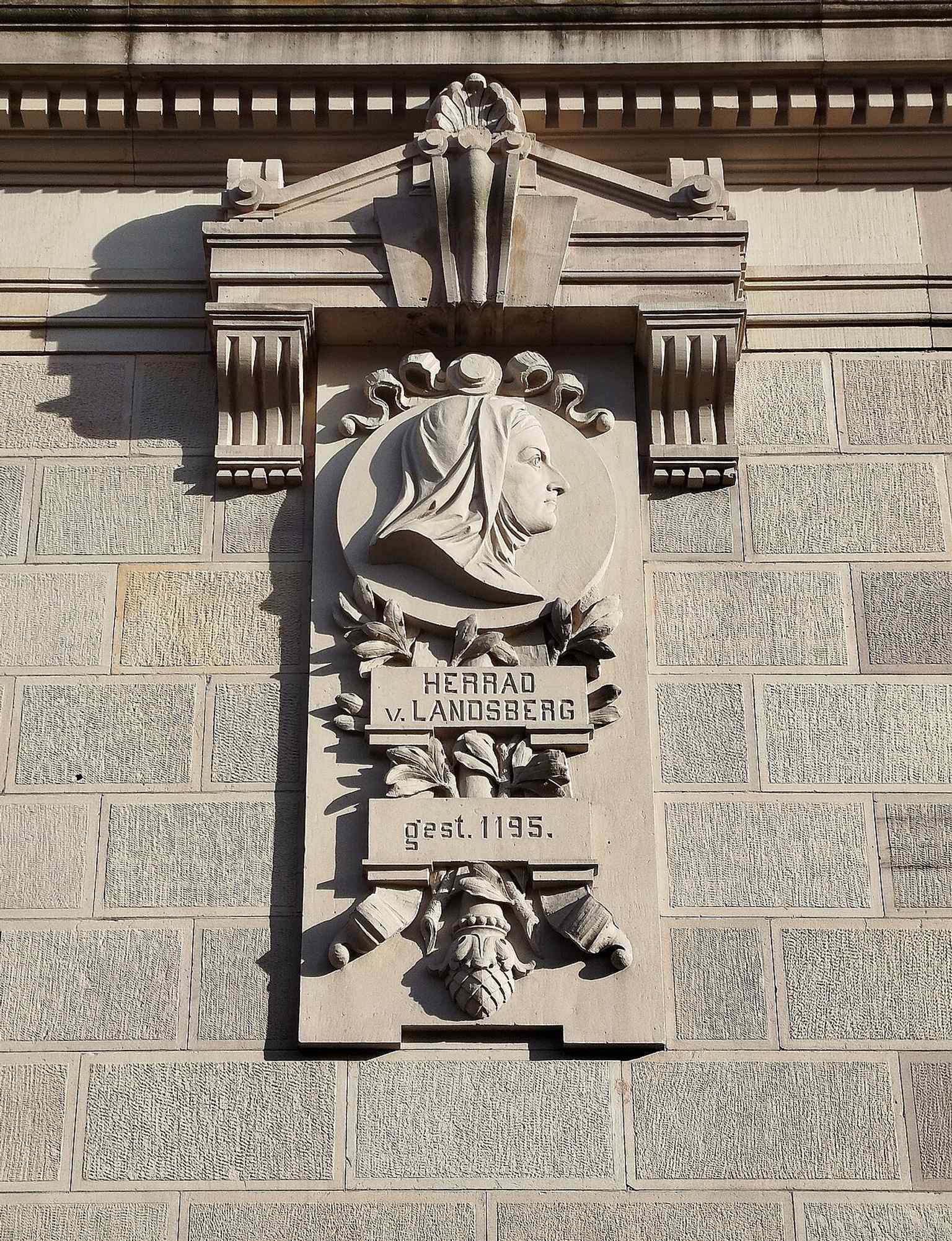
Before eighteen seventy, Strasbourg already had two remarkable libraries: the Protestant seminary library and the municipal library. Together they held hundreds of thousands of volumes and precious manuscripts, including Herrade of Landsberg’s Hortus deliciarum, a twelfth-century encyclopedia of knowledge made in a convent here in Alsace. Then came the siege of Strasbourg. On the night of the twenty-fourth to the twenty-fifth of August, eighteen seventy, shells struck the Temple-Neuf church. The building burned, and with it went those collections... whole centuries of thought, gone in smoke.
Scholars and collectors answered that loss the way good neighbors answer a house fire: they showed up carrying what they could. Librarians, donors, and researchers from across the German-speaking world sent books, manuscripts, and learned tools of every kind so Strasbourg could rebuild not only its shelves, but its mind.
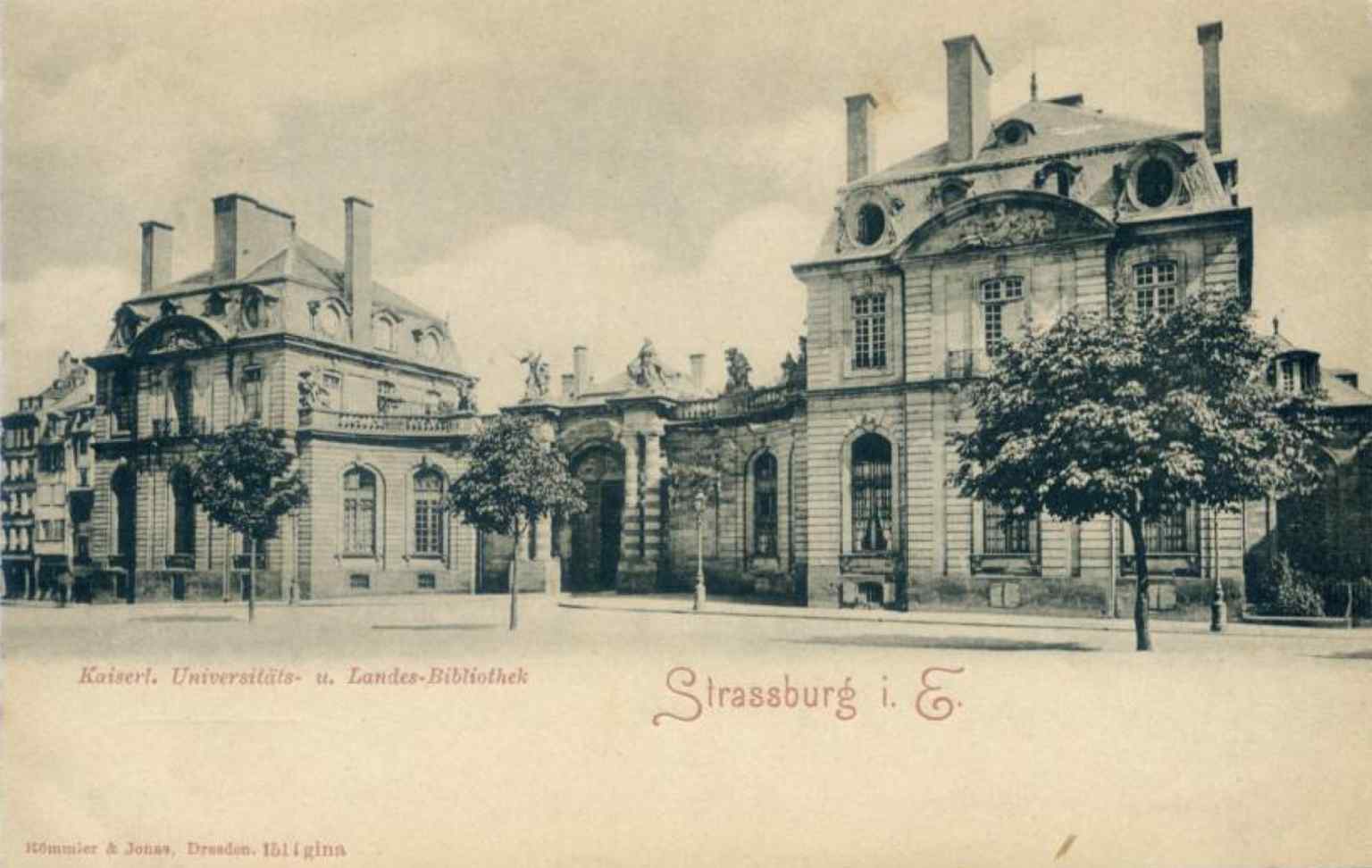
One man matters here: Karl August Barack. He became the first administrator of the recreated library and, on the first of November, eighteen seventy, he issued an appeal for donations. It worked far better than anyone dared hope. By the inauguration in eighteen seventy-one, two hundred thousand volumes already waited in the Palais Rohan. Other libraries sent duplicates, Emperor Wilhelm donated four thousand books from his own collection, and later Julius Euting helped shape one of Europe’s richest collections on the cultures of the East.
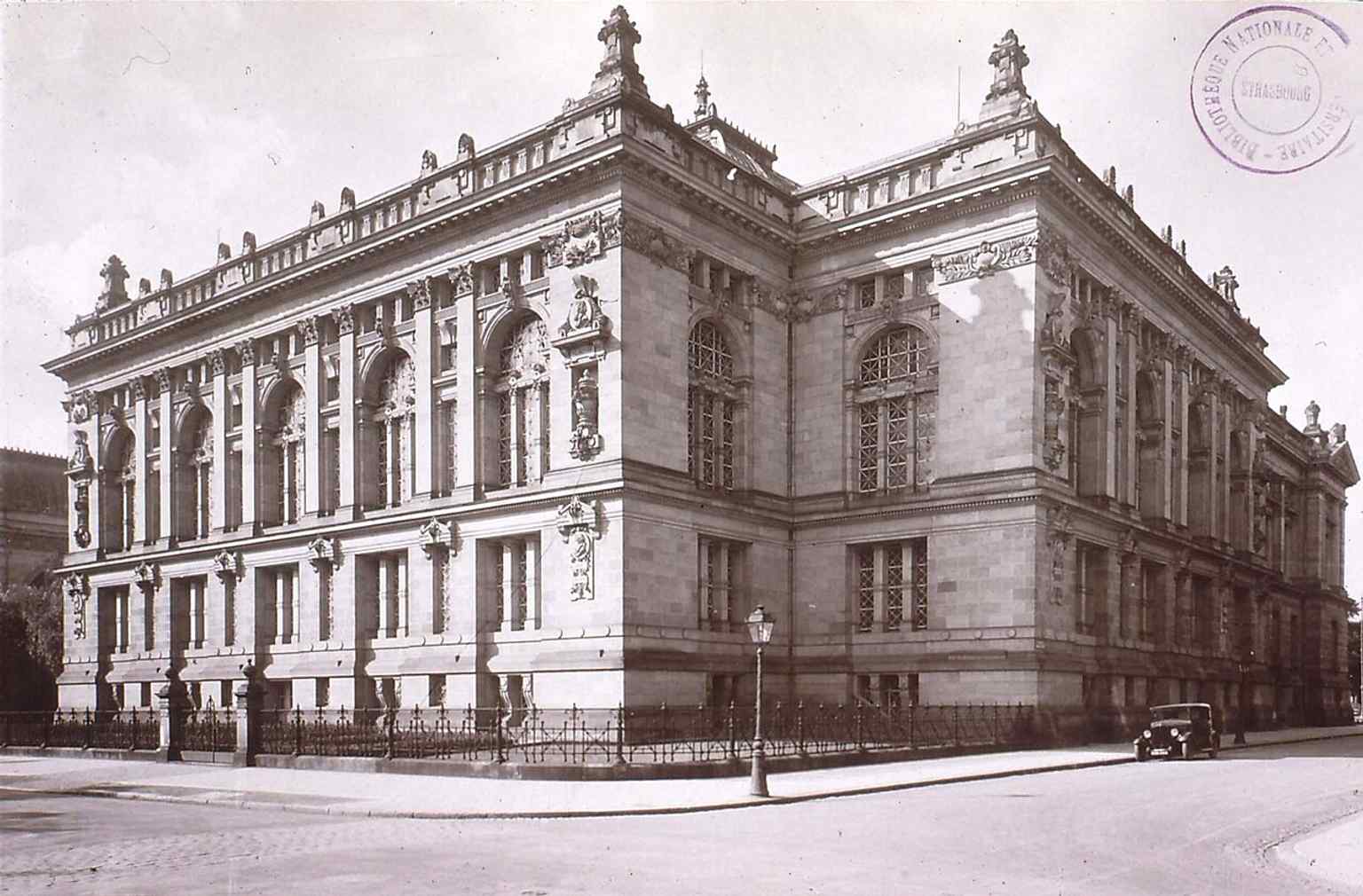
The books kept coming, so the old quarters no longer fit. Architects August Hartel and Skjold Neckelmann gave the library this grand home, opened in eighteen ninety-five in a neo-Renaissance style, meaning a nineteenth-century revival of Renaissance palace design. Fitting, really: when the city lost its written inheritance, it answered with a monument.
Today the B-N-U holds more than three million three hundred thousand documents, making it the second-largest library in France by holdings. Its treasures range from papyri and coins to manuscripts, incunables - those are books printed in the earliest age of printing - and early editions of Dante. There is a quiet Strasbourg logic in that. Gutenberg helped make knowledge travel; this place made sure knowledge survived.
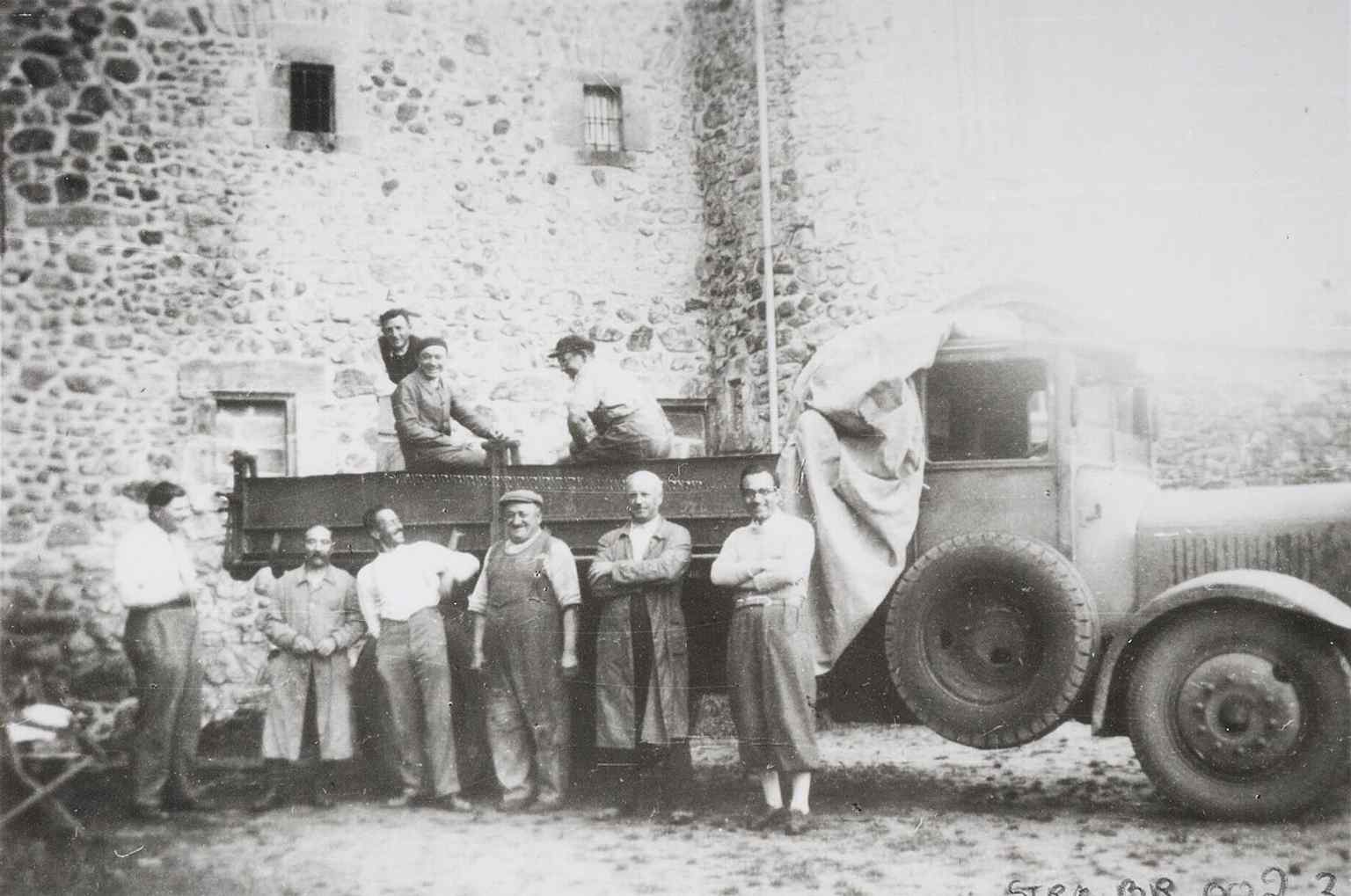
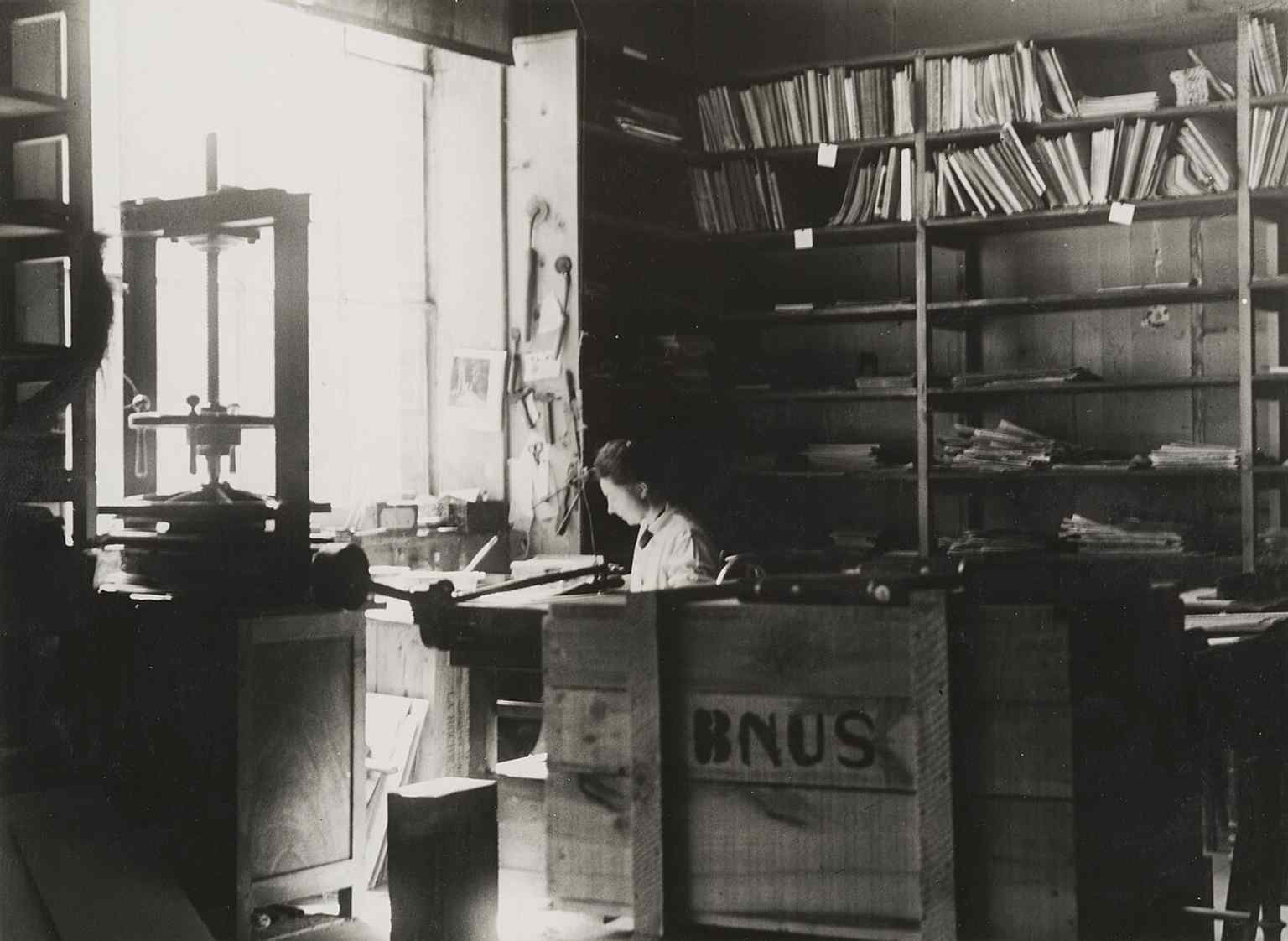
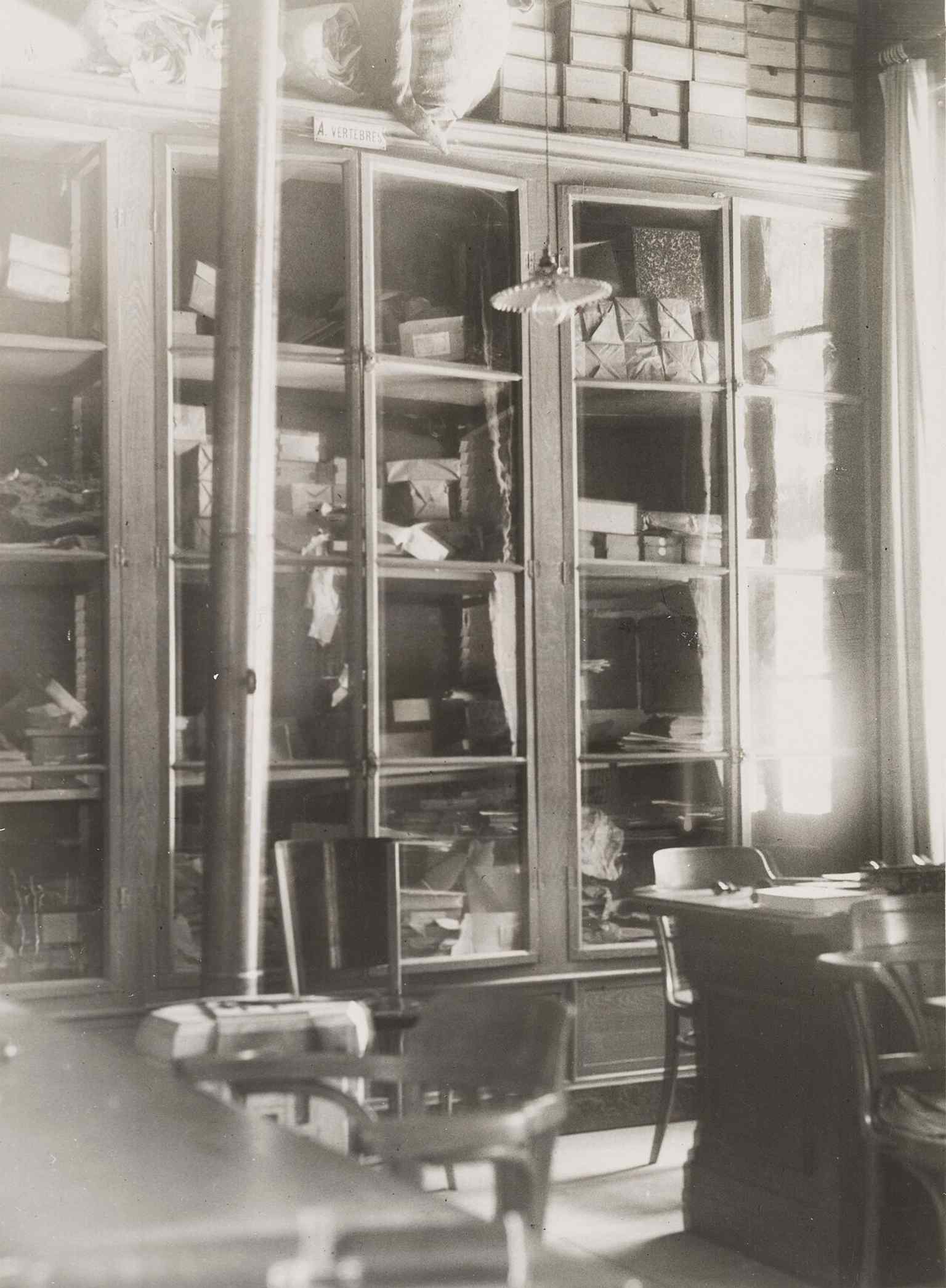
The story nearly repeated in the Second World War. In nineteen thirty-nine, the librarian Kuhlmann used carefully prepared plans to pack the reserve collections, the coin collection, and the archives into two hundred sixty-four crates in just over three days. About one and a half million volumes went south toward Clermont-Ferrand and nearby châteaux for safety. If you glance at your screen, image eight shows staff during that evacuation - a grand institution reduced, in the best possible way, to human hands and wooden boxes.
Some collections were still lost, and many had to be recovered after the war. Yet the building remained, and the library adapted again. A major renovation between two thousand ten and two thousand fourteen reopened the interior around the dome and brought light back into its heart. If you like, try the before-and-after slider in the app; the facade barely changes while the city around it learns new habits.
That is Strasbourg in a nutshell, folks: not pretending nothing broke, but deciding the answer is to learn, preserve, and begin again.
In about five minutes, we’ll continue to Saint Paul’s Church, where this grand district ends with a church that says a lot about Strasbourg’s tangled loyalties and layered faiths. If you want to return later, the library is generally open Monday through Saturday from ten A-M to seven P-M, and closed on Sunday.






.jpg)
.jpg)


