
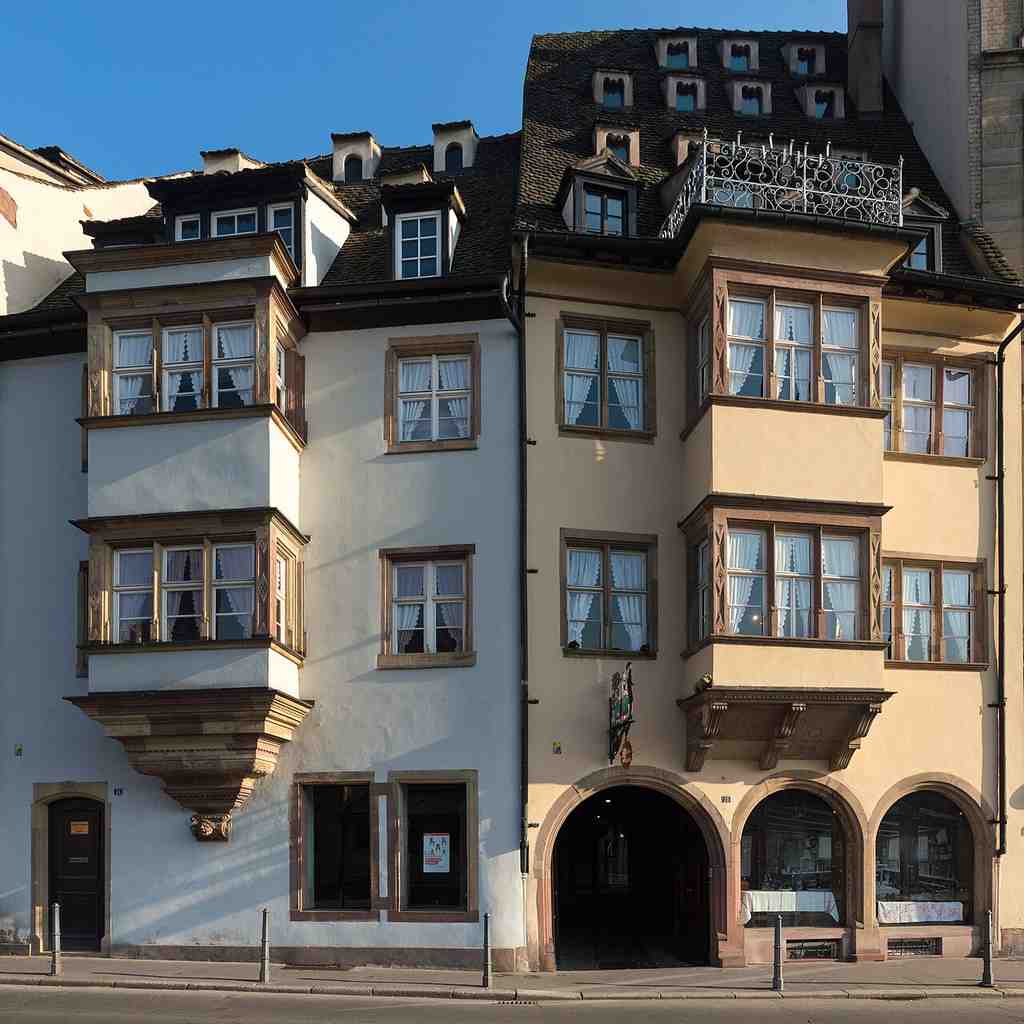
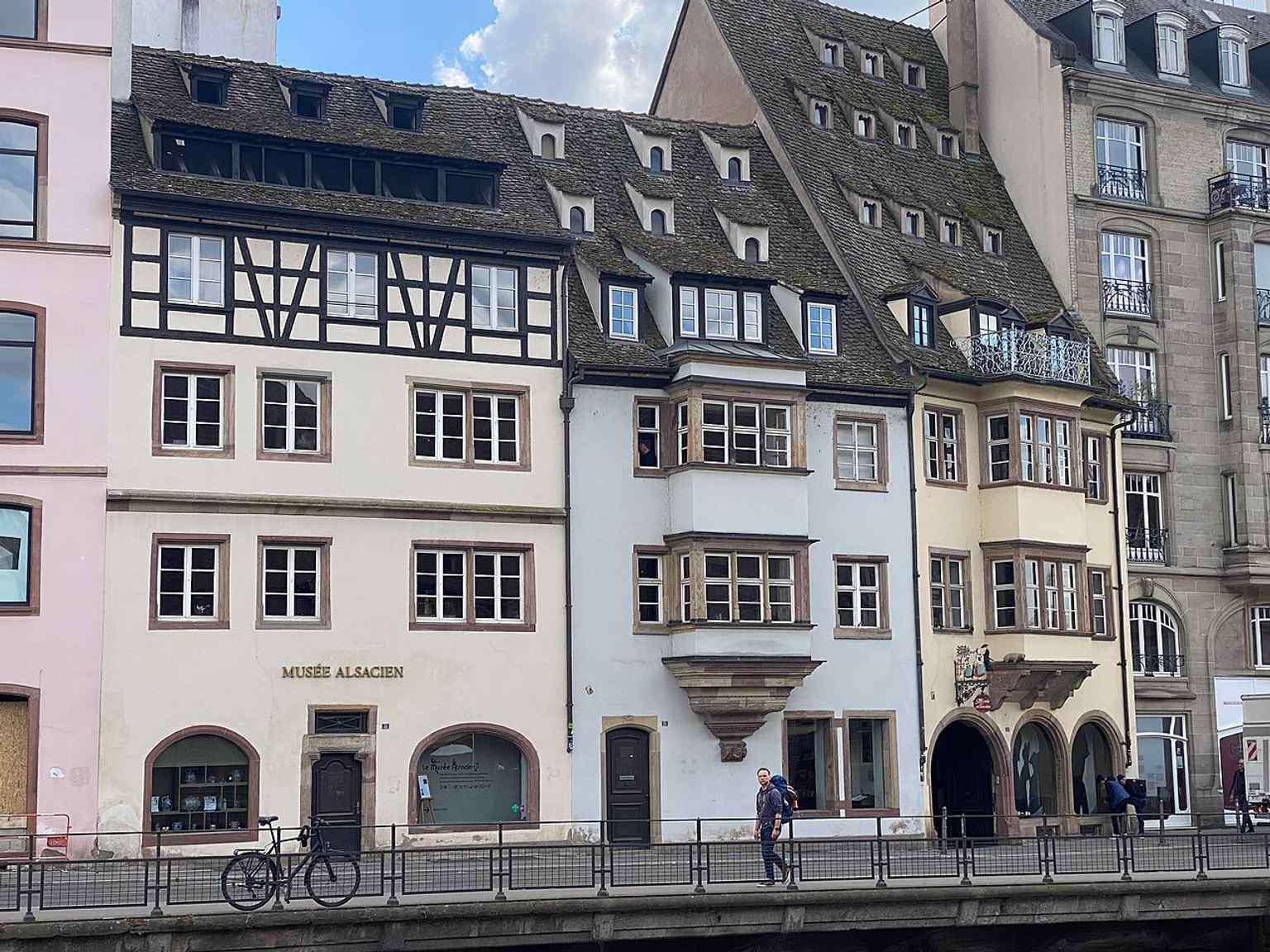
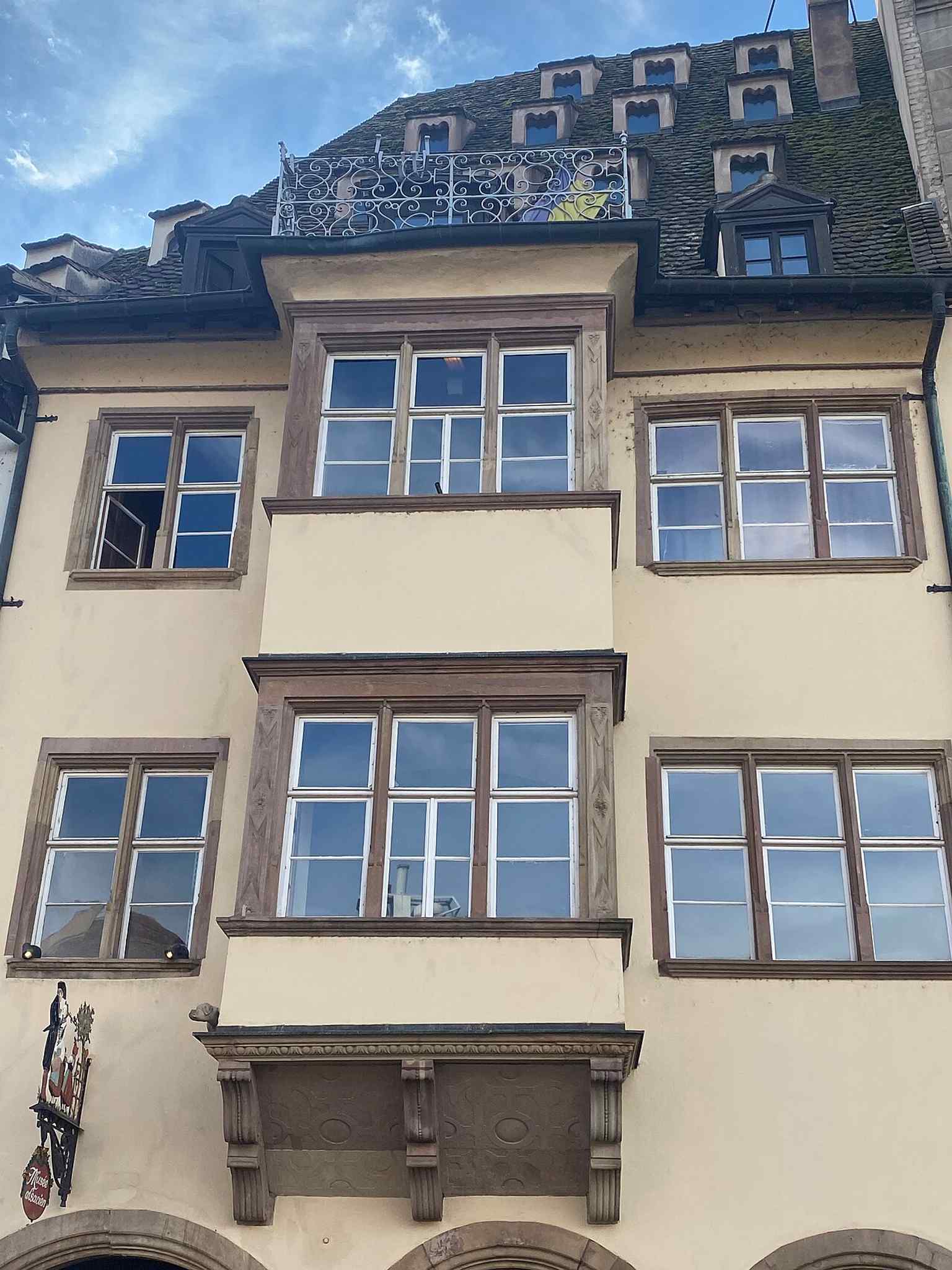
Look for three adjoining half-timbered houses of wood and plaster along the river, with steep roofs and an old wooden gallery wrapped around an inner courtyard.
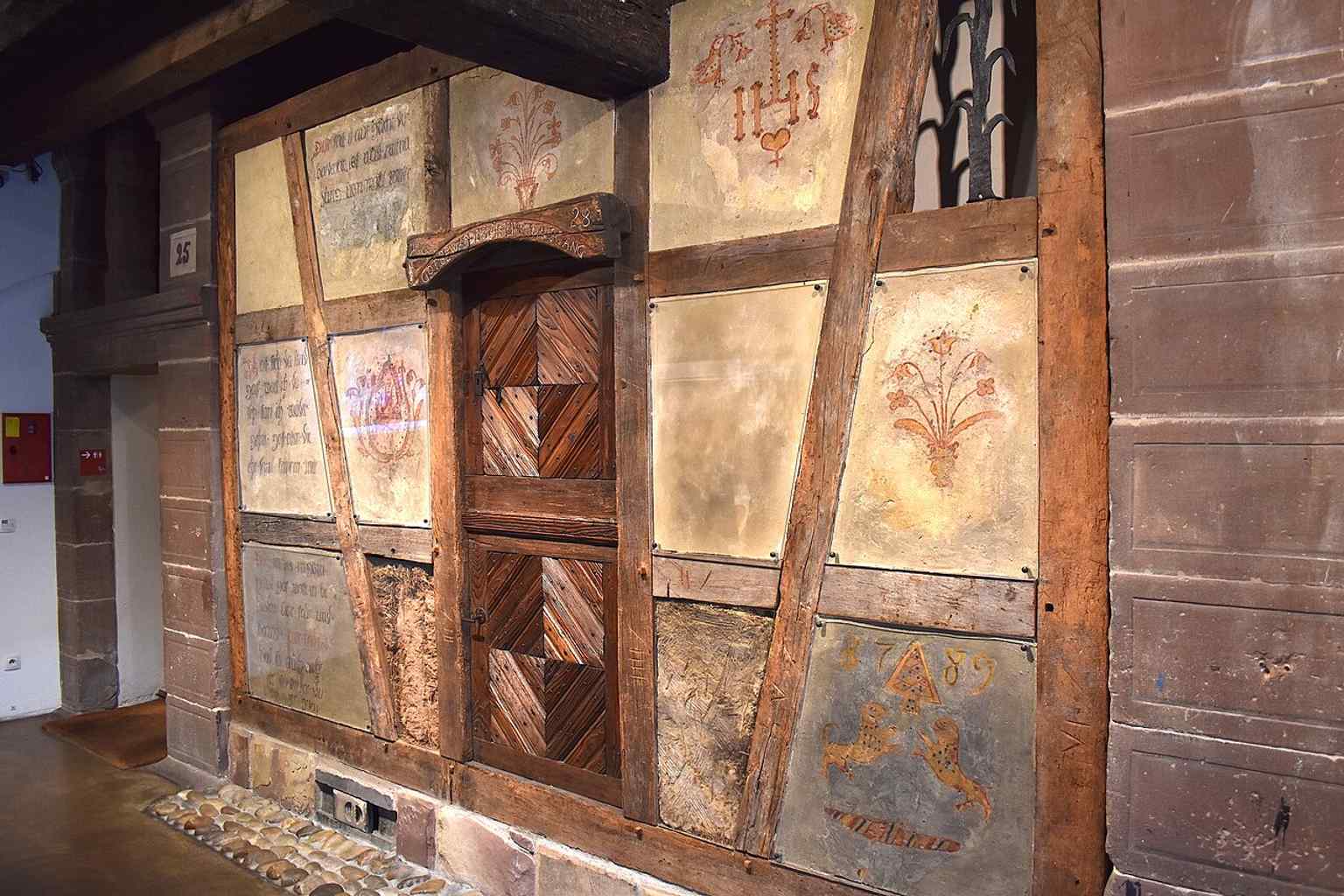
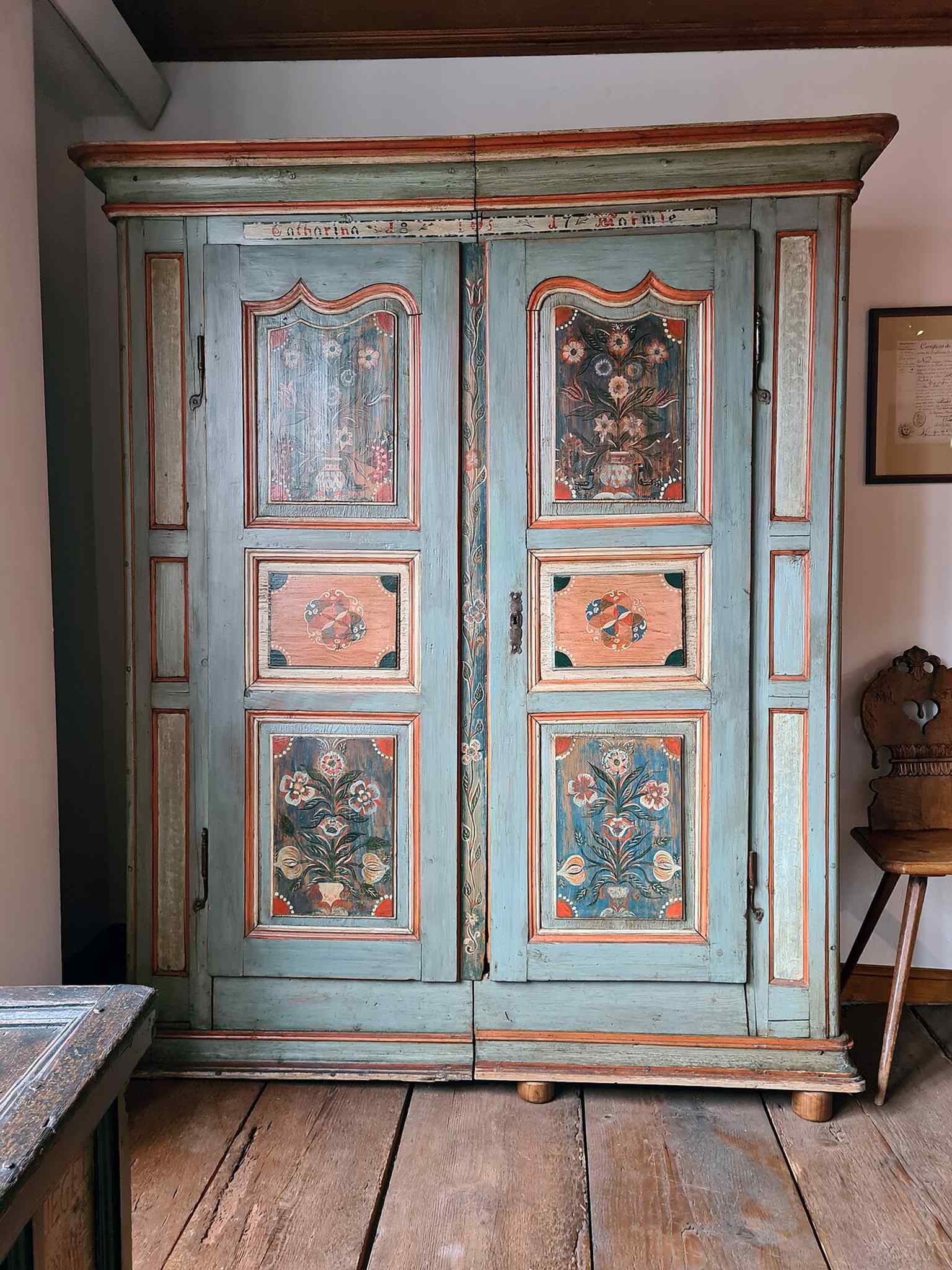
This is the Alsatian Museum, and it does something grand monuments often cannot... it remembers how people actually lived. Not how rulers wanted to be seen, but how families cooked, prayed, married, mourned, played, and argued over the good chair by the stove.
Alsatian identity comes into focus here as lived memory, not folklore wallpaper. The museum preserves domestic life, language, craft, and regional memory shaped by shifting borders and changing political belonging. In Alsace, people might speak dialect at home, write German before nineteen eighteen, then gradually shift toward French after the wars. When the map kept moving under people’s feet, the household became a kind of anchor.
That idea took shape in eighteen ninety-eight, when the artist Charles Spindler and other writers and artists launched the Revue alsacienne illustrée, a journal devoted to regional culture during the years when Alsace belonged to the German Empire. Spindler did not treat carved wardrobes and village costumes as cute antiques. He treated them as evidence: proof that a people’s character lived in ordinary rooms. He even helped seed the future museum with his own original watercolors from Costumes et coutumes d’Alsace. In nineteen hundred and four, the founders bought the house at number twenty-three quai Saint-Nicolas for its character and its central position. That choice says a lot. They picked a building that already felt like a statement.
When the museum opened in nineteen hundred seven, it did so with a peasant fair held for charity. Society ladies dressed as Alsatian village women and sold local food and objects here. Charming, yes... but also pointed. The following year, the costumes nodded toward patriotic French novels by Erckmann and Chatrian, a discreet political message stitched into festival cloth.
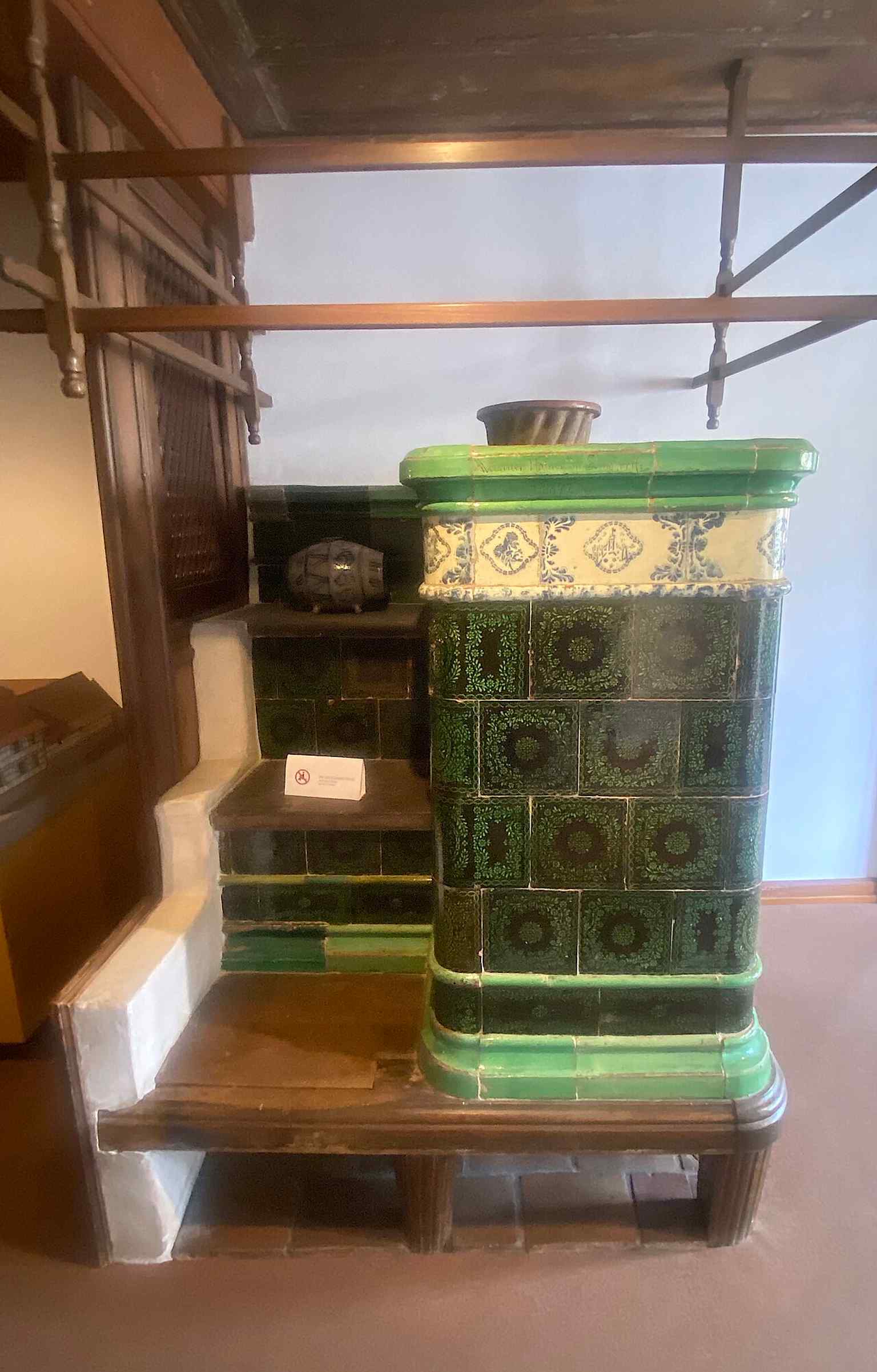
Inside, the museum spreads across three neighboring buildings and more than fifty thousand objects, with reconstructed interiors that make the past feel close enough to touch. If you glance at your screen, the tiled stove with its built-in seat shows the heart of a traditional Stub, the main family room and often the only heated one besides the kitchen. That stove, called a Kachelofe when covered in ceramic tiles, warmed the room from the other side while smoke passed through the kitchen hood. Efficient, practical, no nonsense... very Alsatian, you might say.
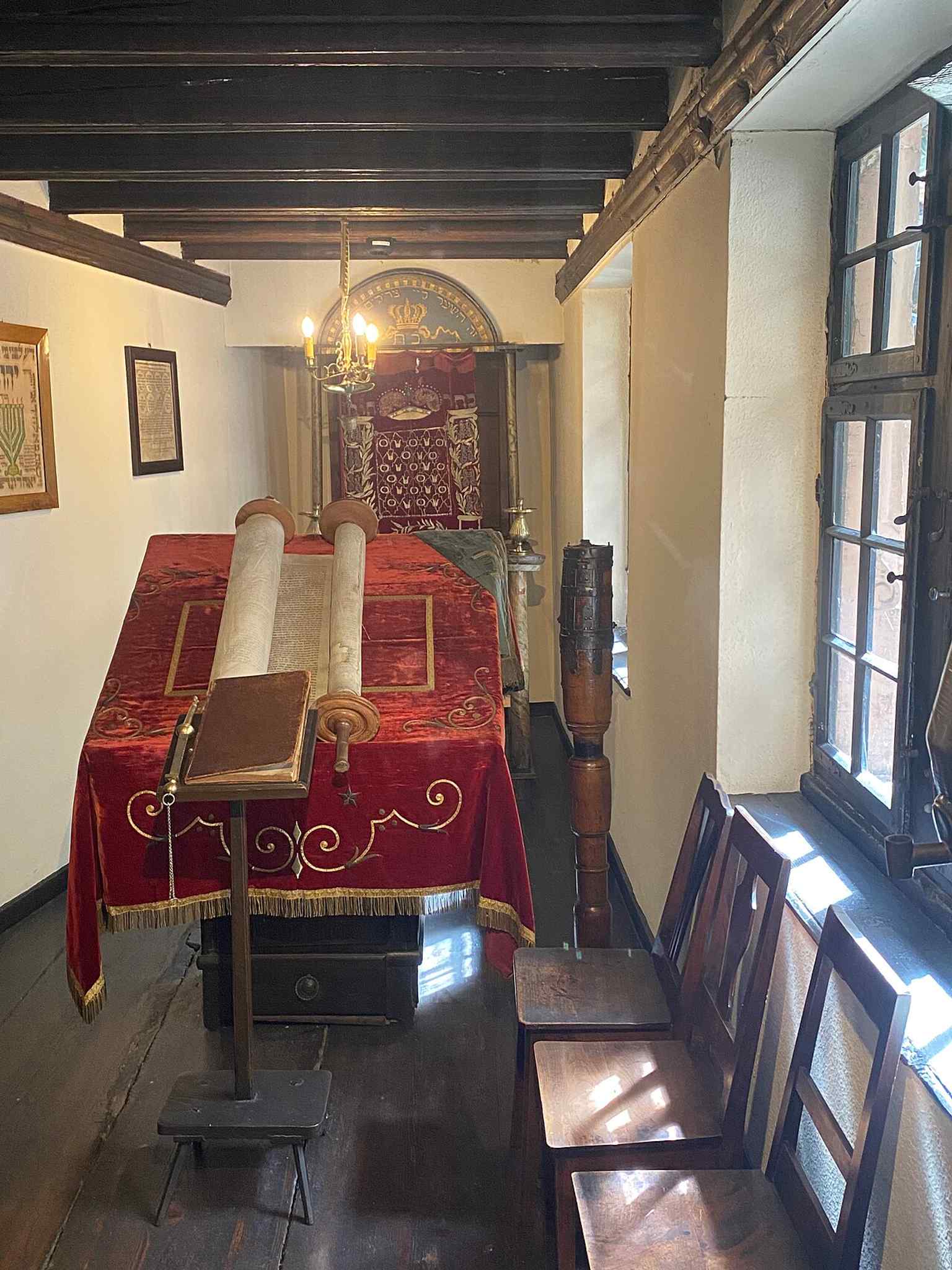
And the story here is broader than one faith or one village. The museum has held an important collection of Jewish heritage from Alsace and Lorraine almost from the beginning. On your phone, that ritual object points to a deeper truth: this region’s identity formed through Catholic, Protestant, and Jewish lives lived side by side.
Most visitors never hear about the goodbye. Before closing for major renovation, the museum staged an unusually emotional farewell called Salü bisàmme! Works moved to Strasbourg’s study and conservation center for restoration. That was not just maintenance. It was a pause to rethink the institution from the ground up.
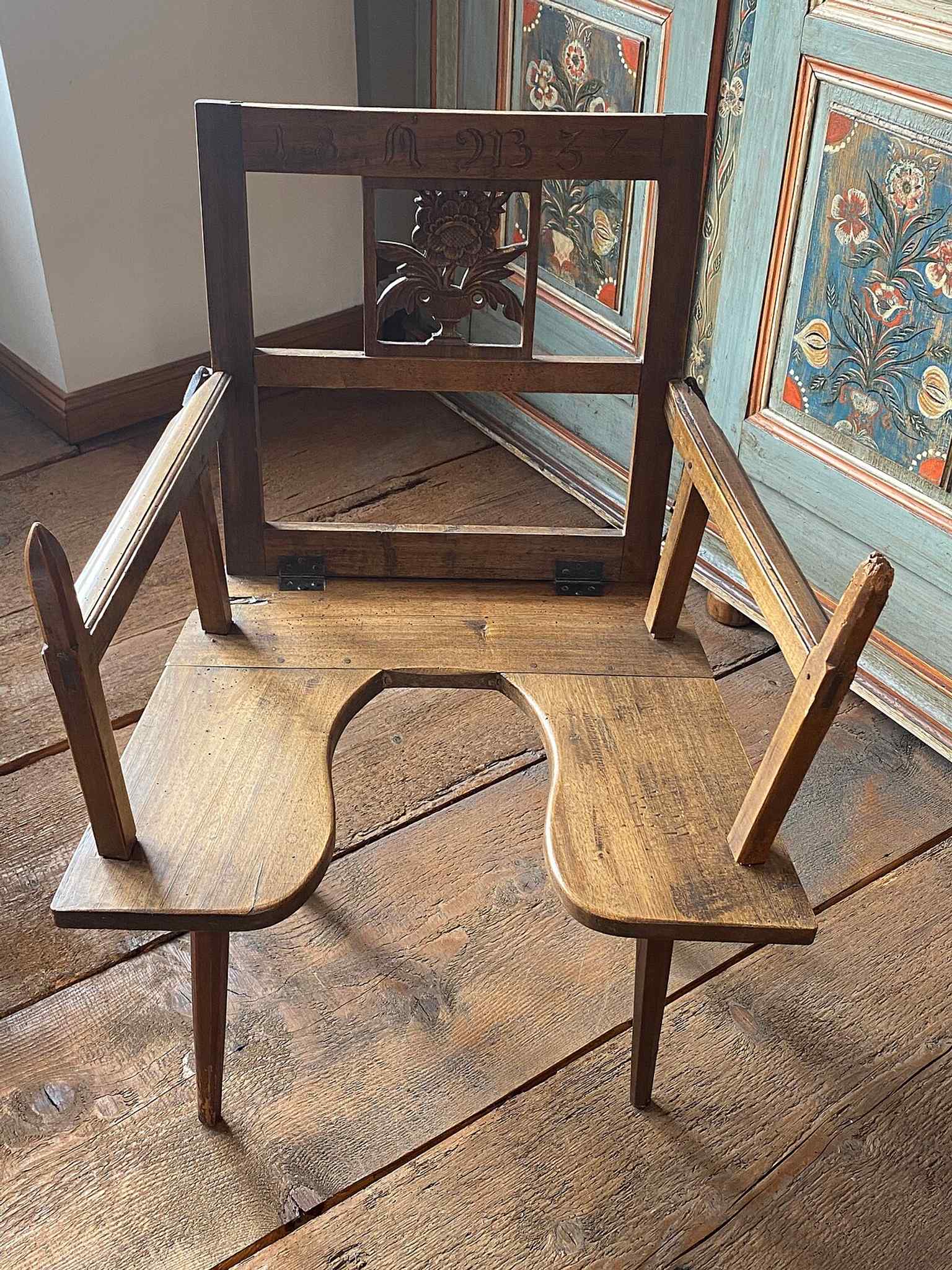
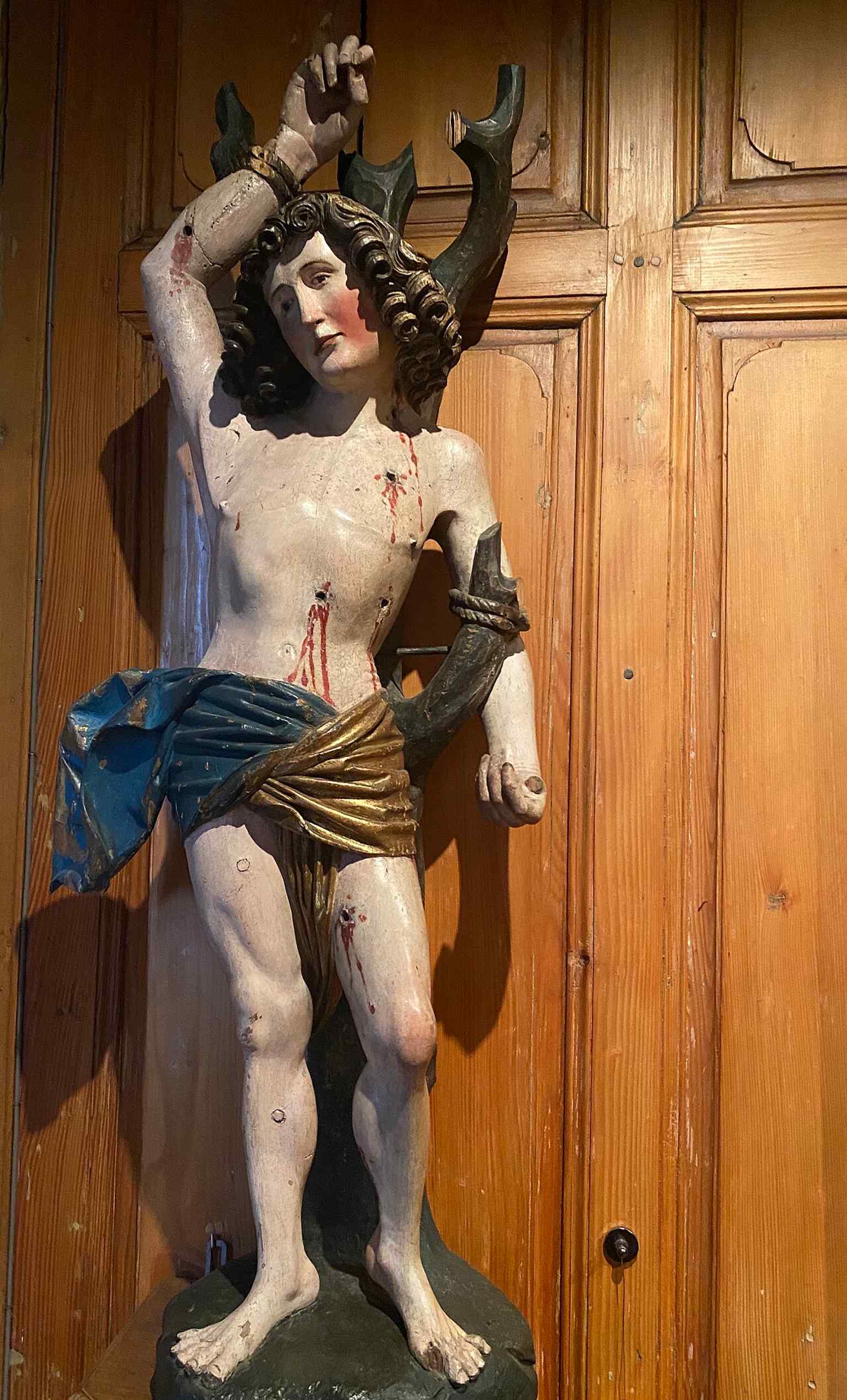
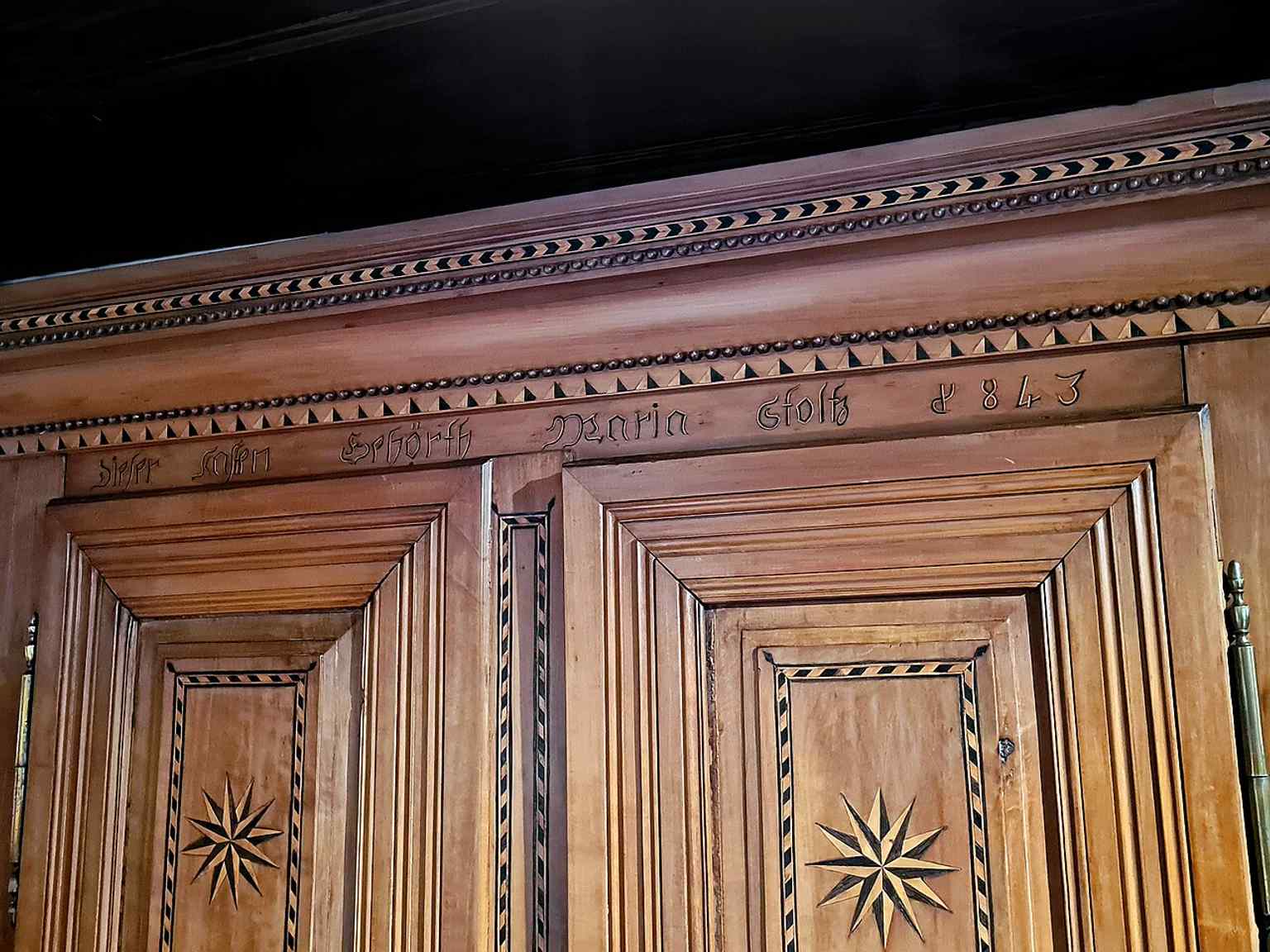
So here, by the Ill, Strasbourg keeps its quieter layers beneath the official story: stove tiles, birth chairs, wedding wardrobes, toys, prayer objects, paper images, wine tools, even kougelhopf molds. In a few minutes, we’ll step from household memory into princely display. When you’re ready, head about five minutes toward the Palais Rohan.





%2C%20de%20Wanner%20(po%C3%AAlier%20de%20Linsdorf)%2C%201872.jpg)


.jpg)
.jpg)