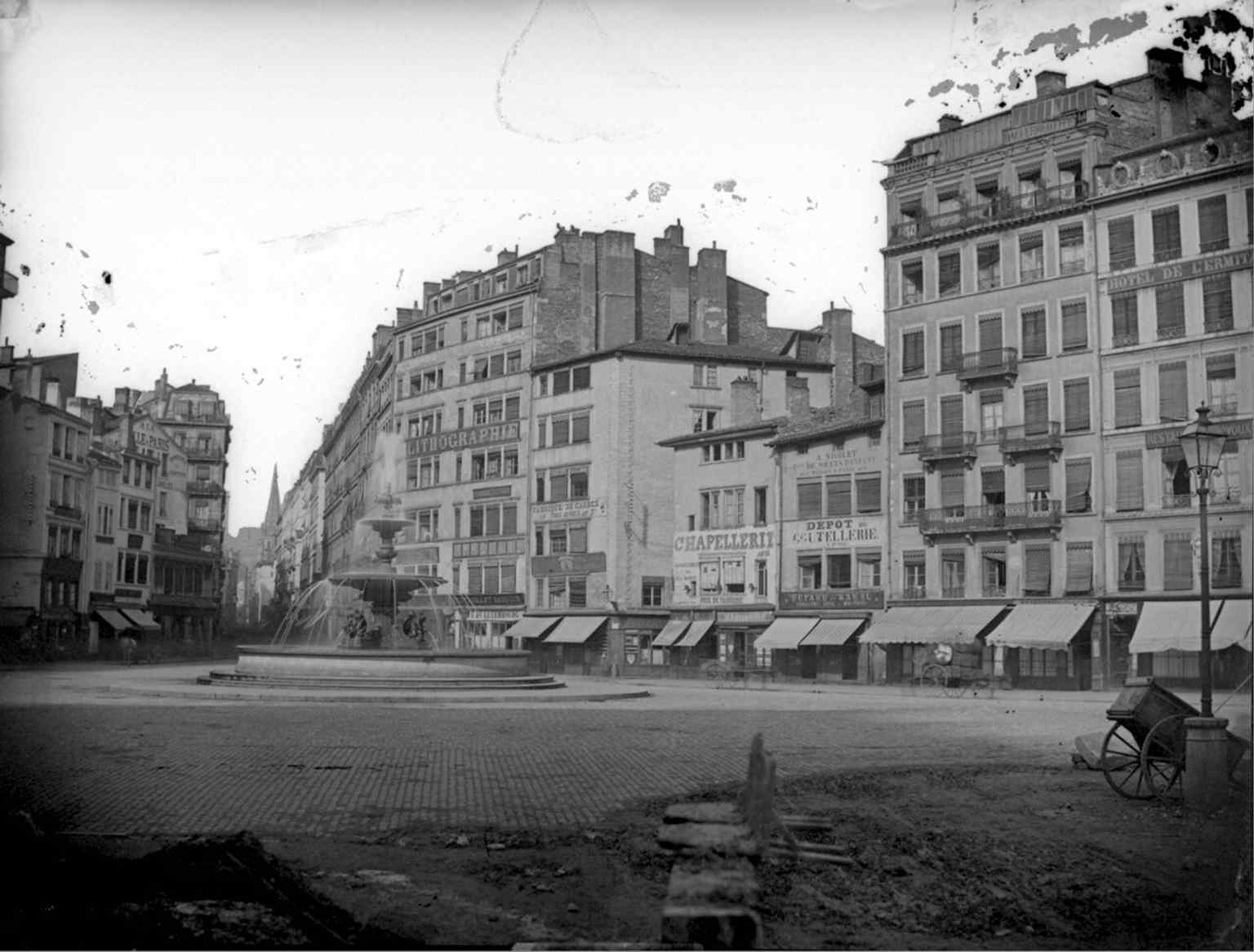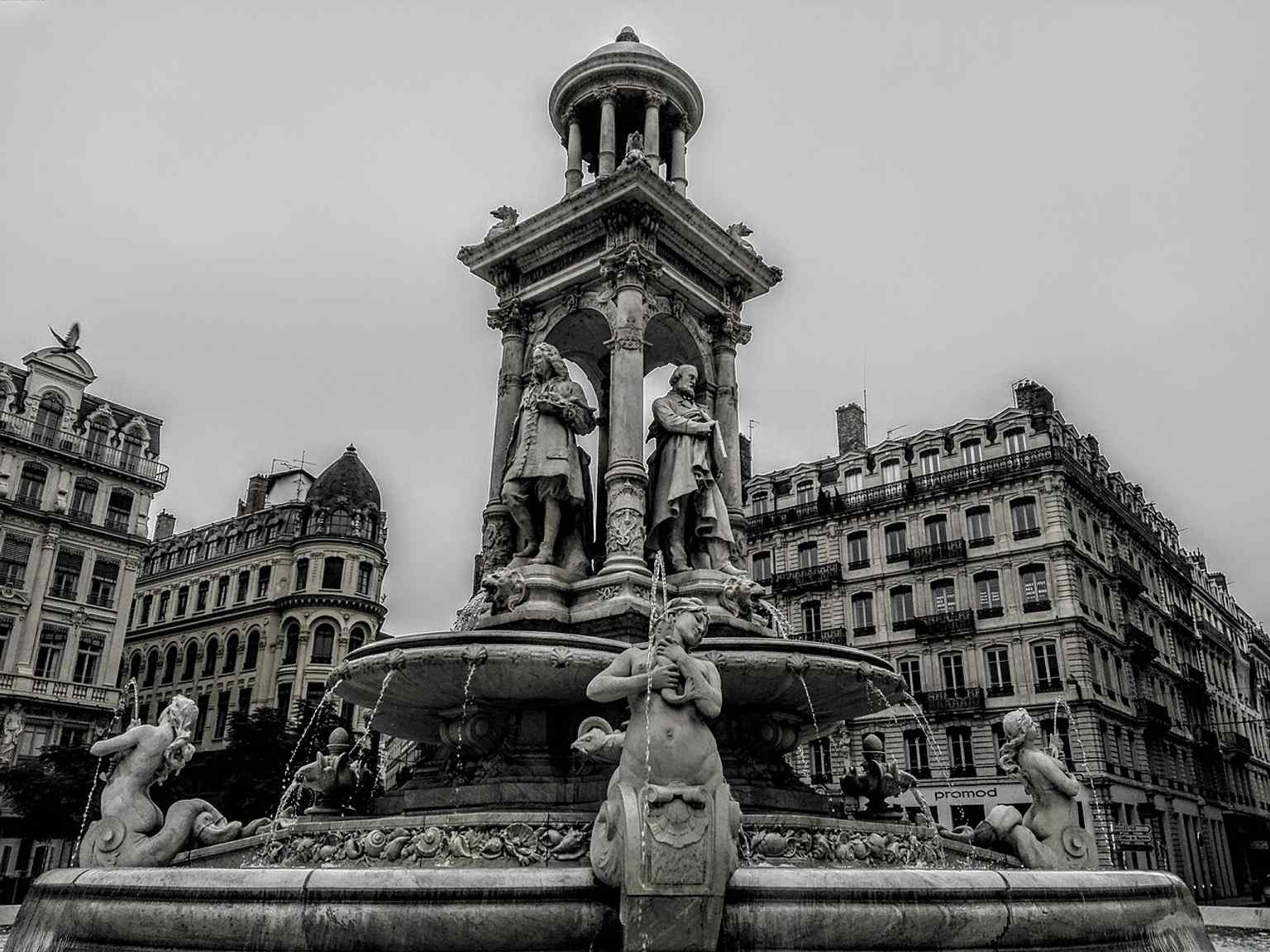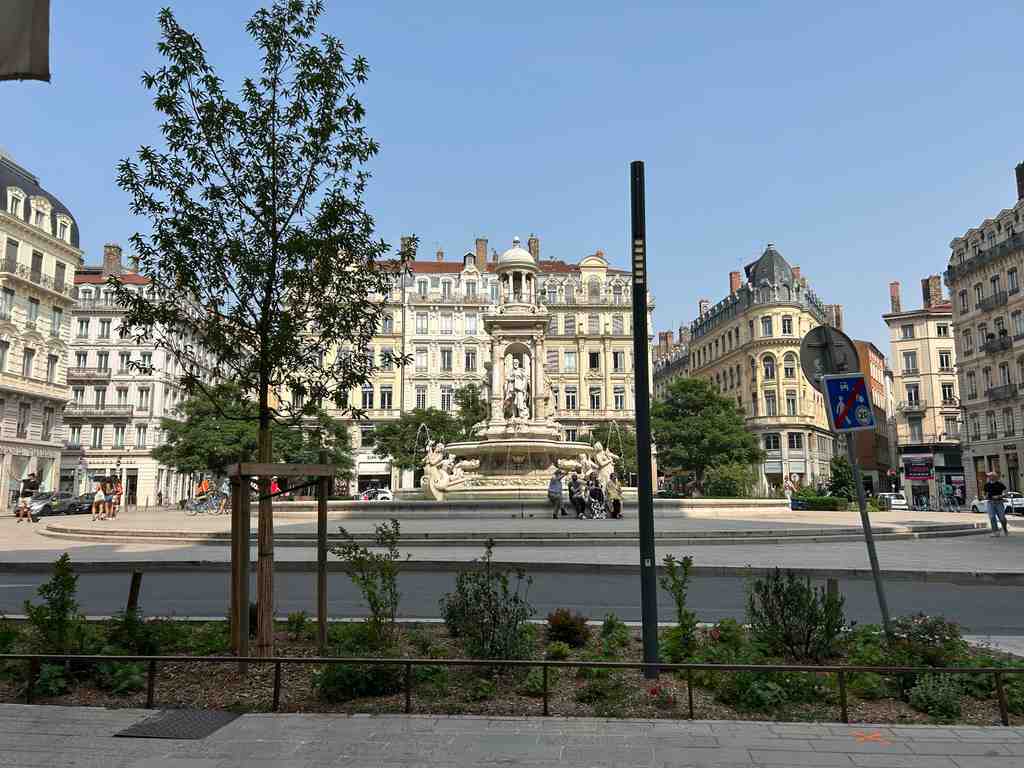
On your left, look for a broad stone square centered on a round pale-stone fountain, topped by a steep sculpted canopy and ringed with four standing statues.
At first glance, Place des Jacobins feels polished, almost theatrical. But that calm is a fine illusion. Under these elegant facades lies one of Lyon’s most overwritten pieces of ground.
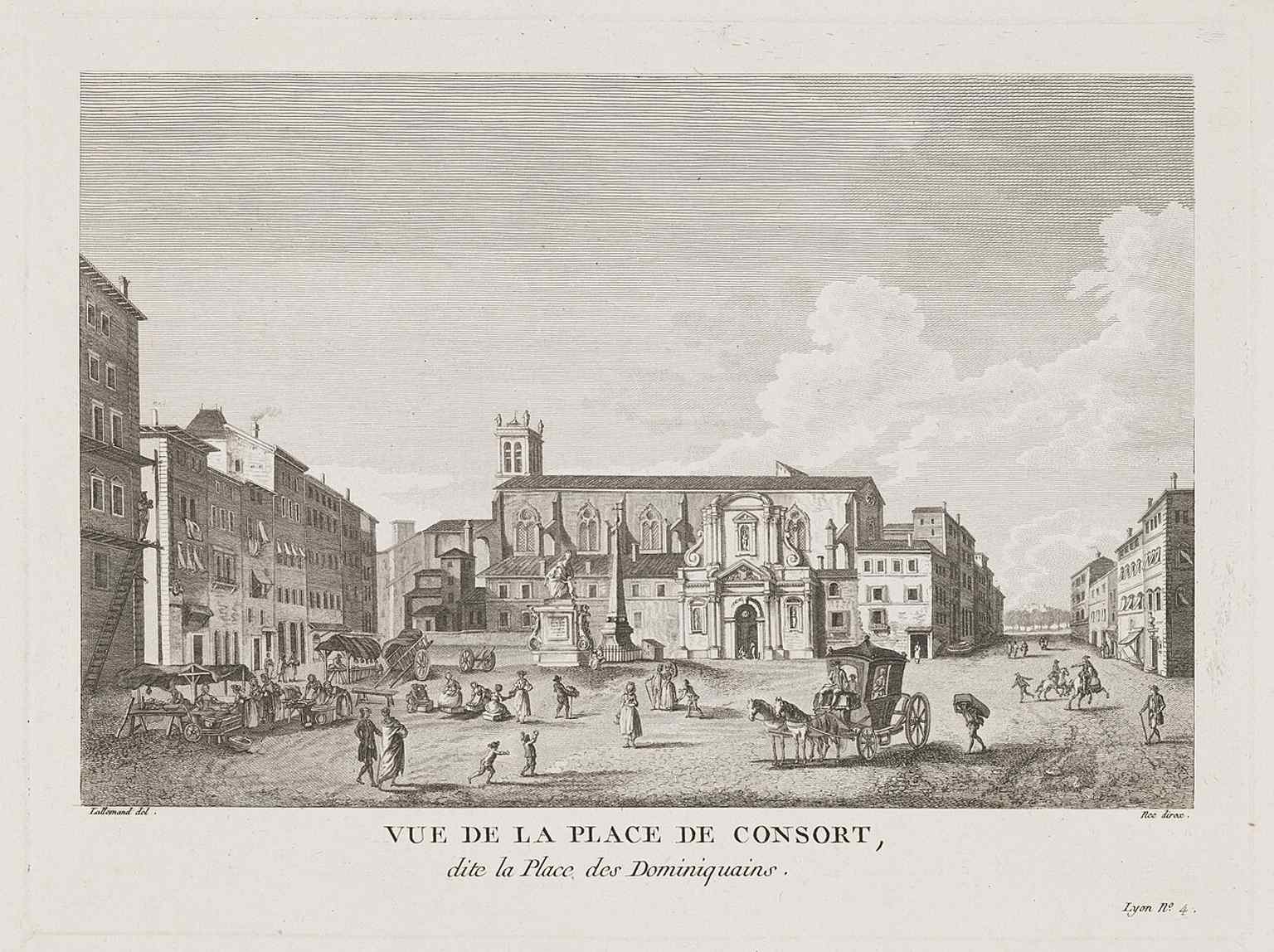
Before this became Place des Jacobins, it was Place Confort, a triangular public space pressed against the old Jacobin church and convent. Markets gathered here, and so did chatter. Rabelais, who knew Lyon well, joked about the “bavards de Confort” - the talkers of Confort - people who treated the square like the city’s unofficial news desk. Same human habit, different century.
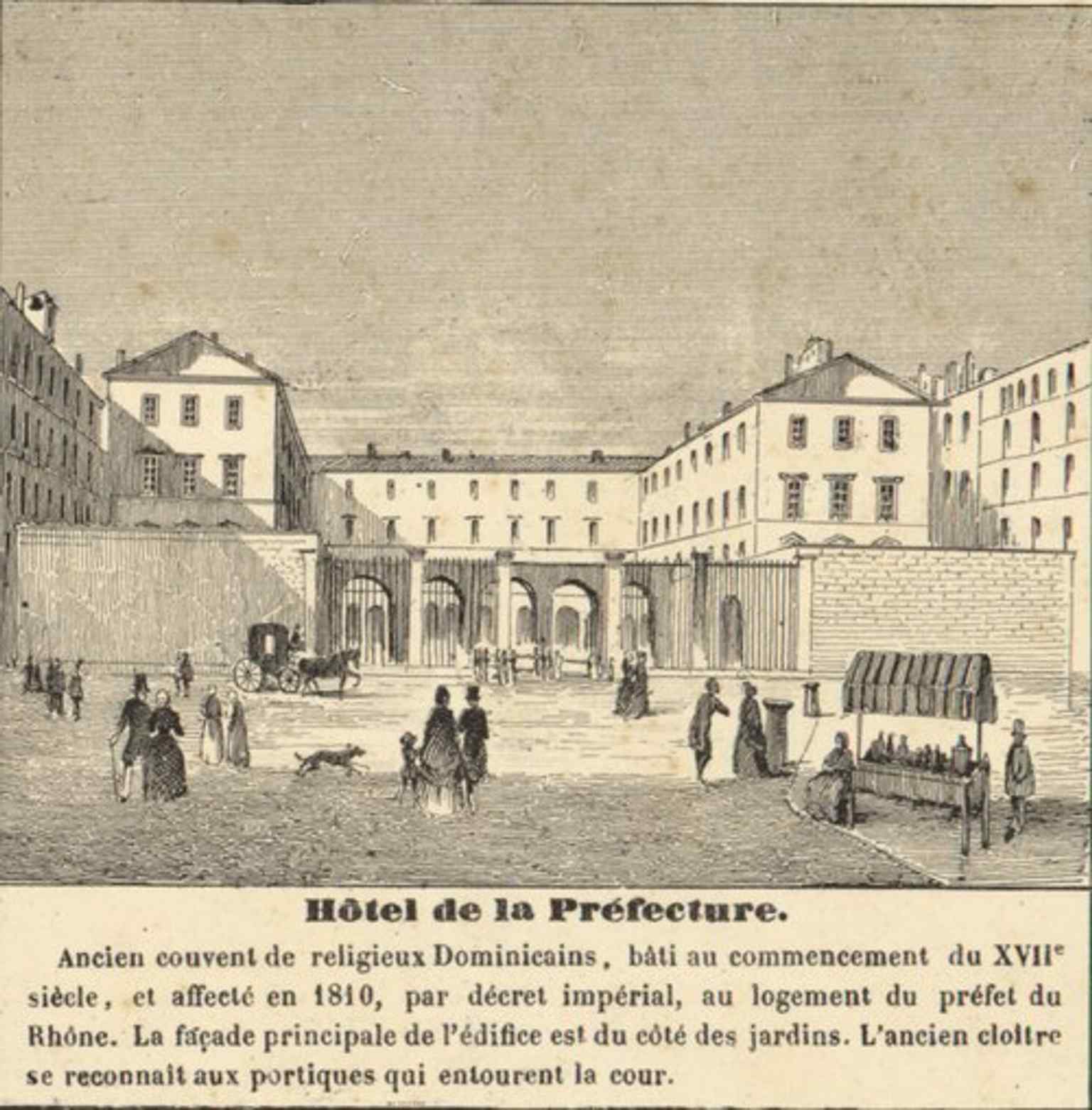
The name changed in seventeen eighty-two. “Jacobins” here does not mean the Revolution first of all; it meant the Dominican friars who occupied the south side of the square. In France, people called them Jacobins because their Paris house was linked with pilgrims bound for Saint Jacques - Saint James.
And now for the jolt beneath the paving stones. The Conclave of thirteen sixteen turned this convent into the stage for a European crisis. After Pope Clement the Fifth died, the cardinals argued for more than two years without choosing a successor. Philip of Poitiers, the future Philip the Fifth, finally trapped them into deciding: he gathered them in the Jacobin convent, then had the doors and windows closed off, leaving only a small opening for food. Under that pressure, they elected Jacques Duèze, who became Pope John the Twenty-Second, on the seventh of August, thirteen sixteen.
A few decades later, the square witnessed another quiet earthquake. On the sixteenth of July, thirteen forty-nine, Humbert the Second, broke, childless, and out of options, came here to sign the transfer of the Dauphiné to King Philip the Sixth of France for his grandson Charles, the future Charles the Fifth. That decision pulled the Dauphiné into France and gave the heir to the French throne his lasting title: Dauphin. Then Humbert did something almost unbelievable - he put on a monk’s habit in the same convent where he had just given up his principality.
That is Lyon in a nutshell: commerce in front, destiny negotiated behind the wall.
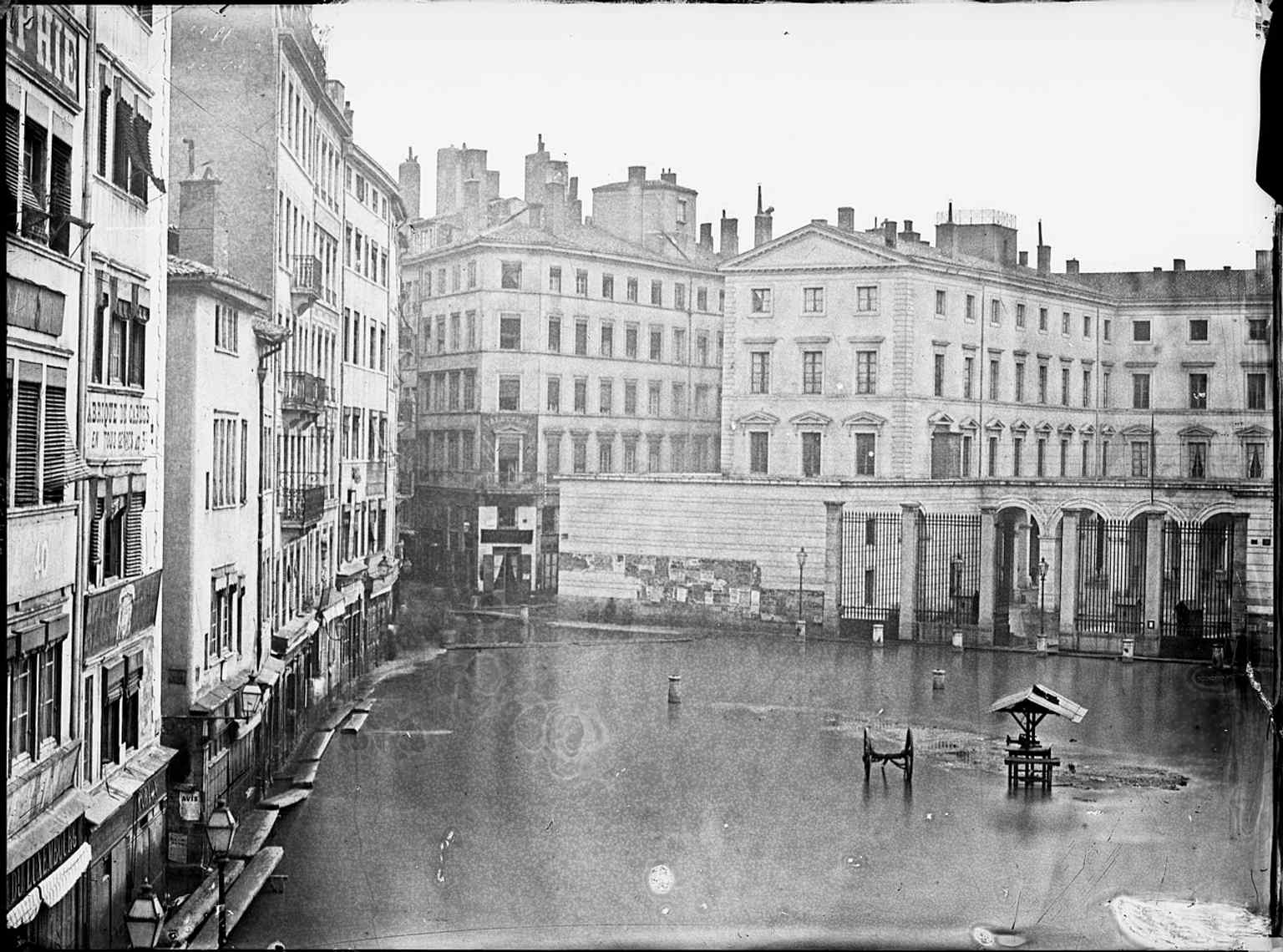
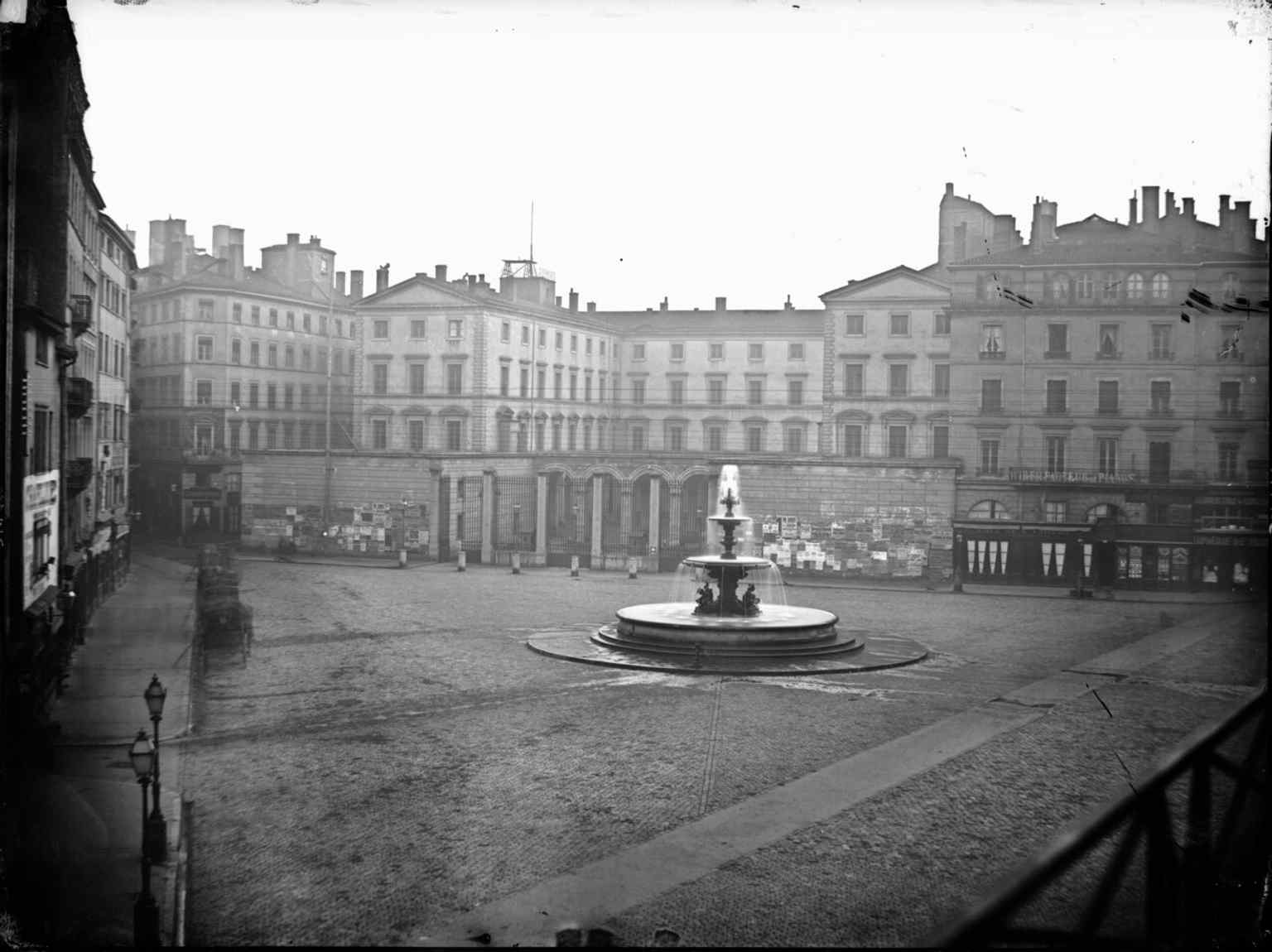
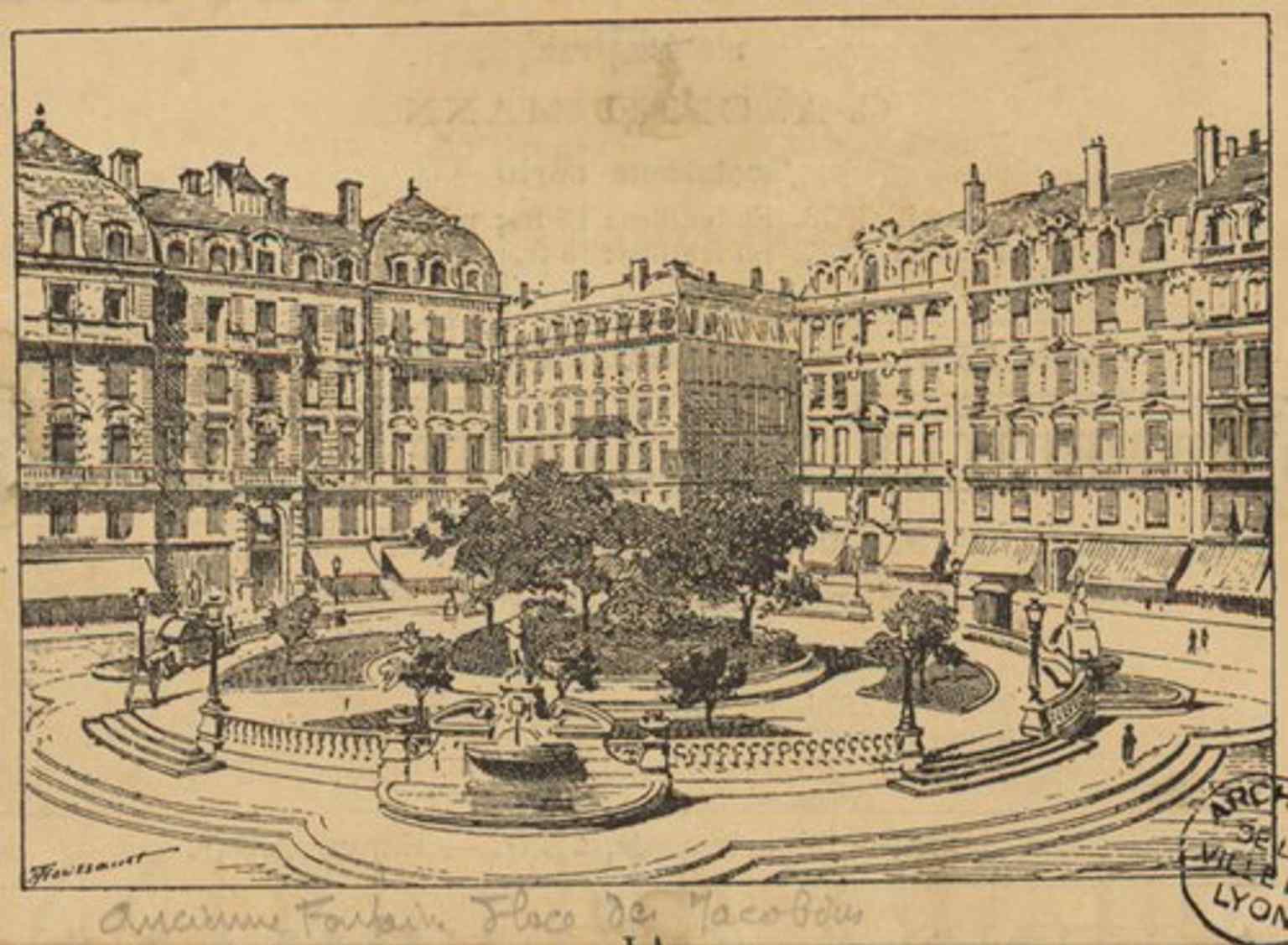
The square kept changing names as regimes came and went - Fraternité, Préfecture, Impératrice, then back to Jacobins in eighteen seventy-one. The convent became the prefecture. The church came down between eighteen seventeen and eighteen twenty-two to clear the view. The whole space shifted from a tight triangle to the broader shape you see now.
If you want a quick sense of that rewrite, check the before-and-after image in the app; the temporary fountain of eighteen fifty-three gives way to the grand monument Lyon knows today.
The present fountain arrived in eighteen eighty-five, designed by Gaspard André as a kind of stone shrine to Lyonnais art, with figures honoring Philibert Delorme, Gérard Audran, Guillaume Coustou, and Hippolyte Flandrin. Even number four on the square carries an echo: Pierre Bossan, the architect behind Fourvière, designed that facade.
So here’s the thought to carry with you: when a square looks this composed, yet once held a locked papal election and the surrender of a state, how much can vanish while the ground stays exactly where it is?
In about five minutes, Place Bellecour opens ahead - the great civic stage where Lyon stops whispering and starts speaking out loud.