
50+ języków

 Hamburg · Niemcy
 Audioprzewodniki po Hamburg
Odkryj Hamburg z samodzielnymi pieszymi audioprzewodnikami
headphones
2 tras
pin_drop
20 zabytków
translate
Trasy w Hamburg
Wybierz Hamburg warte przejścia.
Samodzielne audioprzewodniki napisane przez ludzi, którzy tam naprawdę mieszkają.
2 tras
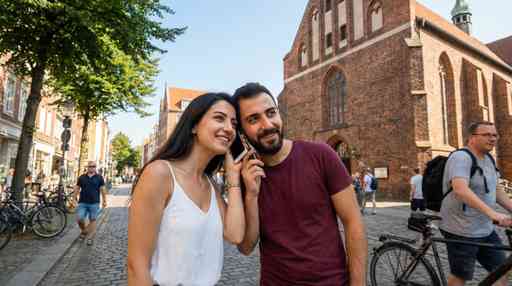
Audio-wycieczka po najważniejszych atrakcjach Hamburga: Morskie i architektoniczne cuda
W cieniu kościoła św. Michała Hamburg skrywa sekrety wyrzeźbione w bruku i żelaznych tunelach, które nie chcą mówić. To miasto zbudowane na kościach piratów, kupców i rewolucjonistów, których duchy wciąż unoszą się w słonym powietrzu. Eksploruj te zacienione ulice podczas samodzielnej wycieczki audio, która odkrywa ukryte archiwa portu. Odblokuj narracje, które unikają typowej mapy turystycznej i dotknij surowego pulsu miasta. Dlaczego maleńka uliczka wdów stała się miejscem zapomnianej rebelii? Jaka cicha tragedia spoczywa na dnie tunelu pod Łabą? Czy dzwony kościelne biły kiedyś, by ostrzec przed niemożliwą zdradą? Nawiguj po labiryncie przeszłości. Poczuj ciężar historii pod stopami i odmień swoje postrzeganie panoramy miasta. Zdemaskuj legendy Hamburga. Rozpocznij swoją podróż w mroczną historię portu już dziś.

Wycieczka audio po Hamburgu: Ikony sztuki i barwne przedsięwzięcia
W Hamburgu, mieście, gdzie legendy sztuki i kostiumowe postacie krzyżują swoje ścieżki pod balkonami opery, nic nie jest tak proste, jak się wydaje. Odkryj historie ukryte za wielkimi marmurowymi salami i w śmiechu niosącym się echem z niekonwencjonalnych festiwali podczas tej wciągającej wycieczki audio z własnym przewodnikiem. Przejdź się alejkami, które większość oczu mija zbyt szybko, i znajdź sekrety, którymi miejscowi rzadko się dzielą. Jaki skandal wstrząsnął niegdyś spokojem Hamburger Kunsthalle? Krążą szepty o tajemniczym mecenasie za kulisami Opery Państwowej w Hamburgu – kogo obserwował i dlaczego? I jaki dziki rytuał sprawia, że Eurofurence jest tak nieodparty dla wtajemniczonych? Niech każdy krok prowadzi Cię głębiej w sceny buntu, artystycznych intryg i niezapomnianego spektaklu. Przemierzaj stulecia mając tylko słuchawki, czując, jak każdy sekret przyciąga Cię bliżej wiecznie zmieniającego się serca Hamburga. Rozpocznij swoją eksplorację już teraz – i pozwól ukrytemu Hamburgowi pokazać swoje prawdziwe oblicze.
Najważniejsze zabytki
Hamburg, które każdy zna.
Zabytki z każdego przewodnika — i trasy, które powiedzą Ci to, czego przewodniki nie mówią.
Kilka słów o Hamburg
A port city that built culture like it builds ships.
Hamburg is Germany's second-largest city and its largest port -- one of the busiest in Europe -- and the relationship between commerce and culture here is not a tension but a long-established arrangement. The Speicherstadt, a district of red-brick neo-Gothic warehouses built on oak piles in the Elbe in the 1880s to store the goods of the world (coffee, cocoa, spices, tea), was declared a UNESCO World Heritage Site in 2015. It now holds museums, design agencies and the Miniatur Wunderland, the world's largest model railway with 16 kilometres of track and 1,040 trains. Next to it, the HafenCity district is the largest inner-city development project in Europe: a former dockland being converted into a new neighbourhood, complete with the Elbphilharmonie concert hall, whose distinctive glass wave of a roof rises from the top of a 1960s warehouse and contains some of the finest concert acoustics in the world.
The Reeperbahn in the St.
Pauli district has been Hamburg's red-light and entertainment district since the 19th century, and its reputation as the place the Beatles paid their early dues (at the Kaiserkeller and Star-Club in 1960-62, playing eight-hour sets for food money) has given it a particular kind of musical gravity. There is a Beatles-Platz at the top of Grosse Freiheit, where four steel silhouettes mark the spot. Hamburg's lake, the Alster -- actually a dammed river, divided into the Binnenalster and the Aussenalster in the middle of the city -- is where residents sail, swim and walk in good weather, and the cafes along its banks are pleasantly uninterested in tourism.
Hamburg
Hamburg FAQ
Before you walk.
The HVV network (S-Bahn, U-Bahn, buses) is excellent and covers the whole city. A Hamburg Card gives unlimited transit plus free museum entry and is good value for multi-stop days. The Speicherstadt and HafenCity are walkable from each other. Ferries on the Elbe (part of the HVV network) are a scenic way to move between waterfronts.
Hamburg is one of Germany's safer large cities. The Speicherstadt, HafenCity, Altstadt, Alster lakefront and most residential neighbourhoods are very comfortable during the day and evening. The Reeperbahn area is lively and busy rather than threatening. Keep standard awareness in busy tourist markets.
A Fischbrötchen -- a bread roll filled with pickled herring, smoked salmon or other North Sea fish with onions and sauce -- is the essential Hamburg street food, available from the fish market stalls near the Elbe. Labskaus (a sailor's dish of corned beef, potato and beet topped with a fried egg and pickled gherkins) is the local test of commitment. The Alster lakeside cafes do a good late-afternoon cake.
Yes, but book tickets in advance -- Miniatur Wunderland is one of Germany's most visited indoor attractions and queues can be substantial without a timed entry. It's in the Speicherstadt and pairs naturally with a walk through the warehouse district. Allow at least two hours inside; most people find it absorbing for much longer.
Każda trasa po Hamburg, w Twoim języku.
Wszystkie 50+ języków w cenie każdej rezerwacji.
🇬🇧 English🇫🇷 Français🇪🇸 Español🇩🇪 Deutsch🇮🇹 Italiano🇯🇵 日本語🇨🇳 中文🇰🇷 한국어+ 41 więcej
star AudaTours Unlimited
Odwiedzasz więcej niż jedno miasto? Subskrybuj.
Odblokuj wszystkie trasy w Hamburg — i tysiące więcej na całym świecie. Anuluj w dowolnym momencie.
$4.99/tydzień · Anuluj w dowolnym momencie

Więcej w Niemcy
Odkryj Niemcy arrow_forwardInne miasta do zwiedzenia w Niemcy.



Uwielbiany przez podróżników na całym świecieTysiące rozpoczętych tras.
Tysiące rozpoczętych tras.
Mnóstwo opinii.
4.8 w App Store i Google Play. Oto kilka, do których wracamy.
starstarstarstarstar
Ta trasa była świetnym sposobem na poznanie miasta. Historie były ciekawe, bez przesadnego scenariusza, i uwielbiałam możliwość zwiedzania we własnym tempie.

Jess
Trasa po Tbilisistarstarstarstarstar
To był solidny sposób na poznanie Brighton bez poczucia bycia turystą. Narracja miała głębię i kontekst, ale nie przesadzała.

Christoph
Trasa po Brightonstarstarstarstarstar
Zacząłem tę trasę z croissantem w jednej ręce i zerowymi oczekiwaniami. Aplikacja po prostu idzie z Tobą, bez presji, tylko Ty, Twoje słuchawki i fajne historie.

download Pobierz aplikację Słuchawki w uszach.


Słuchawki w uszach.
Wyjdź na zewnątrz.
Darmowe pobieranie. Trasy w każdym mieście. Zacznij w 60 sekund — bez konta, bez karty.

headphones
~ 4 min do startu pierwszej trasy
public
1000+ miast na świecie
all_inclusive
AudaTours
Unlimited
Każda trasa. Każde miasto. Jedna subskrypcja.
3097 tras2273 miast138 krajów50+ języków
$39 /rok
all_inclusive Odkryj Bez Limitu