
50+ languages

 Mannheim · Germany
 Mannheim Audio Tours
Discover Mannheim with self-guided audio walking tours
headphones
3 tours
pin_drop
20 landmarks
translate
Top landmarks
The Mannheim everyone knows.
The landmarks in every guidebook — and the tours that tell you what guidebooks don't.
A few words on Mannheim
The city with no street names. Only squares.
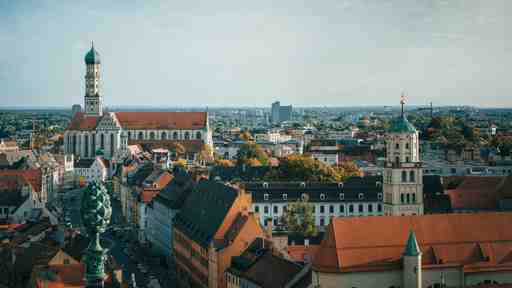
Mannheim is the only city in Germany where the streets in the historic centre have no names. They are organised into a strict grid and identified by a combination of letters and numbers: you might meet someone at the corner of G7 and F6, and this is not an address but a place. The grid dates to 1606 when Frederick IV of the Palatinate built a fortress here, and the internal plan of the fort was simply retained when the streets opened to public use. The nickname Quadratestadt, the square city, is both accurate and affectionate.
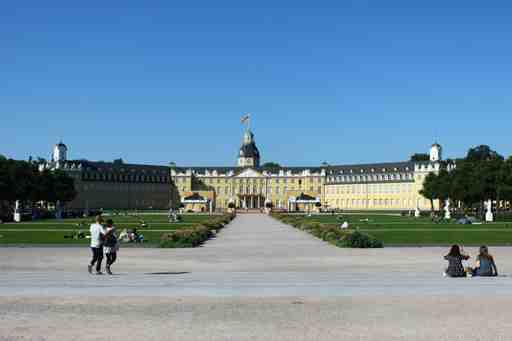
The Mannheim Palace, built between 1720 and 1760 when the Palatine electors moved their residence here, is the second largest Baroque palace complex in Europe after Versailles, extending for 445 metres along the Rhine side of the old city.
It now houses the University of Mannheim and is partly open to visitors. The Jesuitenkirche on Parade-Platz is the finest Baroque church in the city and one of the most impressive in southwest Germany. Much of the historic city was destroyed in World War II and rebuilt with post-war practicality, but the grid plan survived.
Mannheim
Mannheim FAQ
Before you walk.
Every Mannheim tour, in your language.
All 50+ languages, included with every booking.
🇬🇧 English🇫🇷 Français🇪🇸 Español🇩🇪 Deutsch🇮🇹 Italiano🇯🇵 日本語🇨🇳 中文🇰🇷 한국어+ 41 more
star AudaTours Unlimited
Visiting more than one city? Subscribe.
Unlock every Mannheim tour — plus thousands more worldwide. Cancel any time.
$4.99/week · Cancel anytime



Loved by travellersThousands of tours started.
Thousands of tours started.
Plenty of opinions.
4.8 across the App Store and Google Play. Here's a few we keep coming back to.
starstarstarstarstar
This tour was such a great way to see the city. The stories were interesting without feeling too scripted, and I loved being able to explore at my own pace.

Jess
Tbilisi Tourstarstarstarstarstar
This was a solid way to get to know Brighton without feeling like a tourist. The narration had depth and context, but didn't overdo it.

Christoph
Brighton Tourstarstarstarstarstar
Started this tour with a croissant in one hand and zero expectations. The app just vibes with you, no pressure, just you, your headphones, and some cool stories.

John
Marseille Tourdownload Get the app Pop your headphones in.


Pop your headphones in.
Step outside.
Free to download. Tours in every city. Start in 60 seconds — no account, no card.

headphones
~ 4 min until your first tour starts
public
1,000+ cities worldwide
all_inclusive
AudaTours
Unlimited
Every tour. Every city. One subscription.
3096 tours2272 cities138 countries50+ languages
$39 /year
all_inclusive Explore Unlimited