AudaTours logoAudaTours

캔터베리 오디오 투어: 이야기, 돌, 그리고 무대가 드러나다

오디오 가이드10 정류장

캔터베리의 고대 첨탑과 독특한 목조 골목 아래에는, 어디서 들어야 할지 안다면, 알려지지 않은 드라마의 세계가 펼쳐져 있습니다. 이 자율 안내 오디오 투어를 따라 현대적인 경이로움인 말로우 극장과 모든 돌 틈에서 역사가 속삭이는 수수께끼 같은 구 유대교 회당과 같은 상징적인 장소 뒤에 숨겨진 비밀을 밝혀내세요. 어떤 치명적인 비밀이 한때 이 평화로운 거리에 반란을 불러왔을까요? 구 유대교 회당의 파라오에서 영감을 받은 기둥 안에는 어떤 잊혀진 의식이 울려 퍼질까요? 위기의 순간에 왜 판지 인형이 극장의 '왕족'이 되었을까요? 번화한 중세 시장에서 그림자 진 성역으로 걸어가며, 각 조약돌이 스캔들, 생존, 그리고 변화로 고동치는 것을 느껴보세요. 캔터베리를 살아있는 무대로 경험하며, 간과되었던 세부 사항과 사라진 목소리가 걸음마다 생생하게 살아나는 것을 느껴보세요. 당신이 안다고 생각했던 도시에 드리워진 커튼을 걷어낼 준비가 되셨나요? 진정한 이야기는 당신의 발밑에서 기다리고 있습니다. 지금 바로 여정을 시작하세요.

투어 미리보기

map

이 투어에 대하여

  • schedule
    소요 시간 30–50 mins나만의 속도로 이동
  • straighten
    2.1 km 도보 경로안내 경로 따라가기
  • location_on
  • wifi_off
    오프라인 작동한 번 다운로드, 어디서든 사용
  • all_inclusive
    평생 이용언제든지 다시 재생 가능
  • location_on
    말로우 극장에서 시작

이 투어의 정류장

  1. Alright, take a look ahead-see that bold, shiny building with the shimmering metal mesh and the tall pointed tower? That’s the Marlowe Theatre! Look for the rows of polished stone…더 보기간략히 보기

    Alright, take a look ahead-see that bold, shiny building with the shimmering metal mesh and the tall pointed tower? That’s the Marlowe Theatre! Look for the rows of polished stone columns along the front, a bit like a modern palace, and if you spot a statue outside, that's the Muse of Poetry, keeping an eye on Canterbury’s thespians. If you hear a gentle buzz of excited voices and maybe catch a whiff of coffee drifting over from the foyer, you’re definitely in the right place. Ready for the show, or at least the story? The Marlowe Theatre is the grand stage of Canterbury, seating up to 1,200 eager theatre-lovers at a time. This place wears its playwright badge proudly-it’s named after Christopher Marlowe, who was actually born in Canterbury. I suppose he was the original Canterbury Tale! Back in the day, before World War I, a theatre opened in a different spot nearby, but by the 1920s it had swapped out plays for movies and became a cinema. Imagine the flickering light of old black-and-white films. When the war ended, drama returned and the Marlowe Theatre was reborn, changing homes a few times and even briefly hosting major music acts like The Cure and Joy Division! Fancy that-goths and Shakespeare sharing a stage. Standing here now, you might notice the gleaming copper and steel façade-the theatre’s third and most impressive home, also the second tallest structure in the city after the grand cathedral. Not bad company to keep, right? When they built this version in 2011, they cleverly created a glassy, grand foyer, and the flytower rises overhead like a silver exclamation point. Outside you’ll see two statues-one is the poetic muse, surrounded by characters from Marlowe’s plays. The other is comedian and panto star Dave Lee, smiling as if he just cracked a joke (which is entirely possible). So if you feel a chuckle coming on, blame Dave. Not even a global pandemic could close the curtain on the Marlowe for long. In 2020, during the lockdown, clever folks filled the empty red seats with cardboard cutouts of famous Kent residents so the place wouldn’t feel lonely. But don’t worry, those two-dimensional theatre fans have moved on to new homes, so the real stars-that’s you-are back in the stalls. Now, as you stand here, picture the thrill before curtain up, the orchestra tuning in the pit, and the promise that something unexpected might just leap from the stage. Shall we stroll on to our next act? On to the next stop! To expand your understanding of the building, activities or the controversies, feel free to engage with me in the chat section below.

    전용 페이지 열기 →
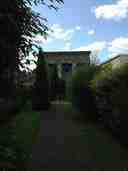
  2. As you walk along this quiet path, look ahead and you’ll spot a squat, rectangular building with an unusual, ancient look. It might even make you think of something from…더 보기간략히 보기

    As you walk along this quiet path, look ahead and you’ll spot a squat, rectangular building with an unusual, ancient look. It might even make you think of something from Hollywood’s version of Egypt. There’s a pair of chunky columns topped with lotus flowers flanking the front doorway, and the greyish stone almost sparkles in the sunlight as if it might be actual granite. All around, the building is hemmed in by lush green bushes and neat grass, giving it the feel of a hidden treasure at the end of a secret garden. You’re standing in front of Canterbury’s Old Synagogue-a building unlike any other in the city. Now, let’s travel back in time. Imagine it’s 1848. Canterbury is bustling with the sound of traders, the clip-clop of horses, and from this spot, the hopeful voices of a growing Jewish community. This synagogue was their center for prayer, celebration, and even a bit of gossip, I bet. Here, the air inside would’ve buzzed on Friday nights as families gathered for Shabbat, and the scent of fresh challah wafted out the doors. And see those columns? They’re not just any old pillars. With their lotus-leaf tops and Egyptian design, this place was built to stand out. In a city of gothic arches and medieval stones, why not a taste of the Nile? The architect, Hezekiah Marshall, was actually a local Christian-he must have loved a challenge! The synagogue was molded from Portland cement to look just like ancient granite, because, let’s face it, nothing says “We’re here to stay” quite like building your synagogue to look like a pharaoh’s temple. But don’t let the calm now fool you. This building has seen plenty of ups and downs. The Jewish community in Canterbury goes all the way back to the 1100s, surviving tougher times than a particularly spicy horseradish at Passover. Despite dramatic moments-like being forced out by King Edward I’s Edict of Expulsion-the community always bounced back. This spot, in fact, was once a hospice for the Knights Templar. If only walls could talk! Imagine a Templar and a rabbi sharing a cuppa. By the early 1900s, the Jewish community here had grown smaller, and the synagogue eventually closed its doors for worship. In 1982, The King’s School picked it up and turned it into a music recital hall. So, if you listen closely while you’re here, you might just hear echoes of ancient chants-or maybe just a student practicing the scales, trying desperately not to hit a wrong note. And here’s a final twist: this is one of the very few Egyptian Revival synagogues left in the whole world! It keeps company with buildings all the way in Tasmania and Tennessee. That’s Canterbury for you-full of hidden surprises. Now, take a moment to soak in the serenity and picture all the stories that still echo in its walls. Ready for our next adventure?

    전용 페이지 열기 →
  3. To spot Canterbury's city centre, look for the lively open square surrounded by stunning, timber-framed buildings and colorful shopfronts. Right in the middle, you’ll see a tall…더 보기간략히 보기

    To spot Canterbury's city centre, look for the lively open square surrounded by stunning, timber-framed buildings and colorful shopfronts. Right in the middle, you’ll see a tall monument with intricate stone carvings, and crowds of people often gathered around. Turn your gaze to the Tudor-style black-and-white buildings ahead-they’re a real showstopper. The area buzzes with activity, chatter and the feeling of history on every stone. Welcome to the heart of Canterbury, a city with more layers than a medieval onion! Imagine the hum of market traders and the clatter of horse hooves echoing off these ancient cobbles. This city has been alive since before written history-people were here in Paleolithic times, back when axes were all the rage. Today, Canterbury has over 55,000 residents, but you’ll also notice loads of students, giving the city a young, energetic feel-even the ghosts have to keep up! Canterbury is all about tourism, education, and shopping, so if you lose your way, just follow the nearest group of eager students or shoppers. Back in the day, the Celtic Cantiaci tribe called this place home. Then the Romans showed up in the first century, giving it the catchy name Durovernum Cantiacorum-say that five times fast! They built theatres, temples, and baths, plus a massive wall to protect against… well, angry barbarians and maybe the odd nosy neighbour. Over the centuries, Canterbury saw Viking invasions, Danish raids, and even a touch of the Black Death in 1348. If you think modern traffic is bad, imagine dodging Vikings and the plague on your way to the shops. When William the Conqueror rolled into town in 1066, the locals took one look and decided, “No thanks-come on in!” That’s how the castle and many of these famous walls were rebuilt in stone. There’s truly mystery around every corner here. From centuries-old schools to bustling squares just like this one, Canterbury is a city where the past and present are always mingling-sometimes, you might even hear a medieval joke echoing down the street! Remember, what happens in Canterbury stays in the history books… and occasionally in stories told by cheeky tour guides, too. Eager to learn more about the geography, culture or the education? Simply drop your inquiries in the chat section and I'll provide the details you need.

    전용 페이지 열기 →
7개 정류장 더 보기정류장 적게 보기expand_moreexpand_less
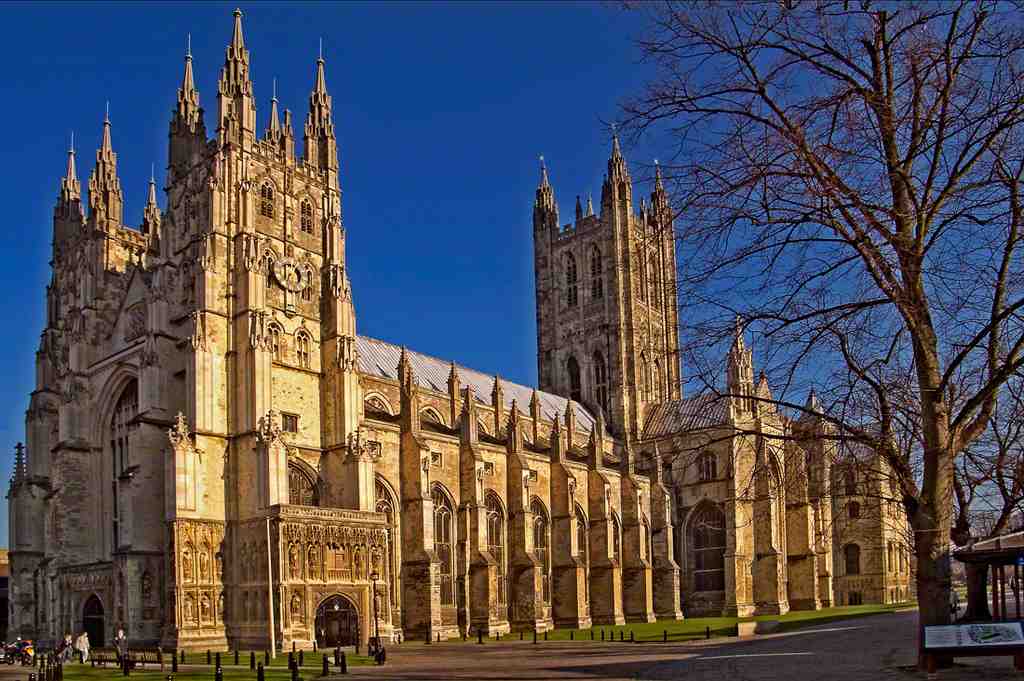
  1. As you walk forward, look up and to your left-you’ll spot the mighty Canterbury Cathedral rising above everything else. Its pale stone towers stretch up into the blue sky, and its…더 보기간략히 보기

    As you walk forward, look up and to your left-you’ll spot the mighty Canterbury Cathedral rising above everything else. Its pale stone towers stretch up into the blue sky, and its facade is covered in carvings and sharp, elegant edges. Honestly, if you miss it, you might want to get your eyes checked-this place really dominates the view! Notice the tall central tower and all those arched windows, catching the sunlight. If you hear a distant echo of bells or a gentle breeze stirring the old tree branches nearby, you’re exactly where you should be. Welcome to Canterbury Cathedral-the superstar of British cathedrals! This place is so famous, even the bricks are probably telling you historical secrets. It’s been the heart of English Christianity for over 1,400 years. The archbishop here isn’t just any priest-he’s the big boss of the Church of England and a symbolic leader for Anglicans all over the world. Pretty fancy, right? Way back in 597, when hardly anyone in England even knew what a “cathedral” was, this spot already buzzed with people and prayers. By the time you get to the 12th century, the cathedral has survived fires, angry invaders, and even its own celebrity murder-poor Archbishop Thomas Becket was killed right inside! Back then, the only thing more dangerous than being archbishop was being a rival on a reality TV show. Imagine medieval pilgrims arriving, their feet sore from a long journey, gasping at the sheer size of the building. Gothic arches soared overhead, stained glass shimmered with colored light, and whispers of wonder drifted down the aisles. You might catch the scent of old stone, candle wax, and maybe even a whiff of medieval stew wafting in from the kitchens next door. The cathedral grew larger to fit all the visitors-everyone wanted to catch a glimpse of Becket’s famous shrine. So, as you stand here, take a moment to soak it in. You’re witnessing centuries of hope, drama, and faith-all stacked together, stone by stone. And don’t worry, it’s a lot safer for archbishops these days. Unless maybe they forget to put the kettle on for tea. If you're keen on discovering more about the conservation, historic designations or the foundation, head down to the chat section and engage with me.

    전용 페이지 열기 →
  2. To spot the Reginald Pole landmark, look for a proud portrait of a man sitting on a wooden chair, his eyes steady and deep. He wears flowing, soft robes in pale grey, lined with a…더 보기간략히 보기

    To spot the Reginald Pole landmark, look for a proud portrait of a man sitting on a wooden chair, his eyes steady and deep. He wears flowing, soft robes in pale grey, lined with a warm peach-colored cloak draped over his shoulders. What stands out the most is his vivid red cap-shaped a bit like a loaf of bread-which marks him as a high-ranking churchman. His beard is grand and full, as if he’s been preparing for the role of “wise uncle” his whole life! If you spot a painting-like image of a dignified man with lots of rings on his fingers, you’ve found him. Alright, you’re standing face-to-face with Reginald Pole-the last Catholic Archbishop of Canterbury. Imagine it’s the 1500s. The air is thick with tension. Whispers swirl in the candlelit corridors of churches, and every decision could sway the future of a whole country. Reginald was born into a world where your family tree could make or break you. His granddad was a duke, his great-uncles were kings, and his mum was a countess. Let’s just say, Christmas must’ve been interesting at Pole family gatherings-especially when your relatives include the likes of Richard III. He was clever, too. Reginald bounced between top schools-Oxford, Padua, and more-learning from the best minds in Europe. Picture him, ink-stained fingers scribbling away, the glow of a lantern lighting ancient books while rain drums on the window. He hung out with scholars, bishops, and some real Renaissance VIPs. At one point, even King Henry VIII paid for his studies. Yes, you heard that right! The king himself wanted Reginald on his side. But here’s where things got dicey. Henry VIII, stubborn as a donkey, wanted to ditch his wife-and needed the church’s blessing. Reginald was asked to help, but he wasn’t so sure this royal divorce was a good idea. He wrote clever letters, dodged offers of shiny church jobs, and kept his wits about him as the future of England wobbled like a wobbly jelly. Reginald’s story is part detective drama, part soap opera. He went on missions to Paris, lived among secretive priests, and learned Hebrew just in case Henry wanted an extra trick up his sleeve. Standing here, imagine the rustle of heavy robes, the sharp scent of ink and parchment, maybe even the hush of nervous whispers as Reginald tried to stay true to his beliefs in a time when one wrong move could mean disaster. So, next time you see a portrait like this, remember: Behind that sharp gaze was a man who had to juggle secrets, kings, and questions of faith. And he did it in style-with a hat so red, you could spot him from across Canterbury! Exploring the realm of the early life, pole and henry viii or the cardinal pole? Feel free to consult the chat section for additional information.

    전용 페이지 열기 →
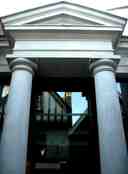
  3. You’re almost at the Canterbury Roman Museum-look out for the tall, smooth white stone columns right in front of you, topped by a triangular roof that looks almost like it belongs…더 보기간략히 보기

    You’re almost at the Canterbury Roman Museum-look out for the tall, smooth white stone columns right in front of you, topped by a triangular roof that looks almost like it belongs on a Greek or Roman temple. The entrance is framed by these columns, and behind them you’ll notice a big glass window reflecting nearby buildings. If you’re feeling like Julius Caesar about to march into history-you’re in the right place! Now, imagine stepping into a hidden time machine, where the city whirs and fades away beneath your feet. Below street level, tucked under modern Canterbury, lies an ancient secret: a beautifully preserved Roman pavement that once lay at the heart of a Roman townhouse. It’s been here-in one way or another-since about the year 300, when the Romans were the rulers of all they could see, and possibly a bit more, if you believe the stories. This remarkable pavement, with its bright mosaics, was discovered quite by chance. After World War II bombing had given Canterbury a rather severe haircut, a group of archaeologists crept in, dusted off the debris, and-voila!-found themselves staring at a slice of Roman life, almost perfectly preserved. Since then, this spot has been treating visitors to treasures of all kinds: silver spoons, mysterious dice (were the Romans unlucky?), shiny bits of cavalry harness, and even the grand 'Canterbury Treasure'-a hoard of late Roman silver buried like a secret in the earth for over a thousand years. Picture bustling Roman Canterbury in its prime: the smell of baking bread, the clatter of soldiers’ sandals by the city’s theatre and baths, the laughter echoing off mosaic floors. People chatted in winding corridors, residents argued over dinner, and ambitious builders tacked on new rooms and painted fresh scenes. By the way, if you ever worried about your house needing an extension, the Romans were experts-they seemed to change their homes as often as they changed their togas. And don’t miss the magic below your shoes: each step down into this museum means you’re traveling backwards in time, about a hundred years with every layer of earth. When you’re next to that ancient floor, you’re right in the heart of Roman Canterbury, with all its secrets and stories just whispering beneath your feet. So take a moment-close your eyes, maybe give a little bow to the long-gone Romans-and imagine what it would have been like to live here, through centuries of change, laughter, and maybe a few fierce debates about who actually won at dice. Fascinated by the exhibits, listing details or the resolved fears of closure? Let's chat about it

    전용 페이지 열기 →
  4. To spot the Beaney House of Art and Knowledge, look directly ahead for the building that stands out like something from a storybook. You’ll notice steep, pointed roofs, lots of…더 보기간략히 보기

    To spot the Beaney House of Art and Knowledge, look directly ahead for the building that stands out like something from a storybook. You’ll notice steep, pointed roofs, lots of decorative stonework, and big bay windows framed in detailed patterns. The brickwork is red and brown, with a mixture of fancy wood trim-the kind that almost looks hand-carved just for you. Find the wide steps leading up to a grand wooden doorway set in the middle, and you know you’ve found the Beaney! Alright, take a deep breath-can you smell that? That’s the scent of old books, mysterious artifacts, and maybe just a hint of old museum polish drifting from inside. The Beaney House of Art and Knowledge looks a little bit like a grand Tudor mansion stuck in the middle of the city-it’s got a roofline that zig-zags like the teeth on a saw and windows that look like they’re bursting with stories. This place is more than just a museum. It’s Canterbury’s ultimate treasure chest! For over a century, it’s been crammed with books, art, and so many odd objects that you half-expect a curious cat to poke its nose from a window. The building you see opened in 1899, thanks to Dr James George Beaney-he left a rather generous sum in his will for a place where working men could get a little culture. Although, if you ask me, I bet he also wanted a place where his portrait could look down on everyone! When the doors first opened, the smell of fresh mahogany filled the halls-those display cases actually came from the British Museum, which is a bit like getting hand-me-downs from royalty. There’s a bit of drama, too… originally Canterbury was supposed to get even more money from Dr Beaney’s will, but at the last minute he changed his mind and Melbourne, Australia, got the big prize. You can almost hear the gasps of Canterbury’s council in the old days! Over time, the museum gathered treasures from all over-books, art from the Victoria and Albert Museum, even rare pottery. Imagine the clatter and shuffle of people running up the stairs, hungry for knowledge, every time a new exhibition arrived. In fact, during the 1940s, the Beaney was inspiration for a film institute in “A Canterbury Tale”! And the tradition of pavement art right outside? It’s been going on here for over a hundred years. Some say the ghosts of artists past still whisper outside on chilly mornings. Now, this place isn’t just about the past-it’s buzzing with exhibitions, workshops, and stories yet to be told. So, as you stand here, give a little nod to Dr Beaney-controversial, generous, and secretly proud of his portrait inside. Don’t worry, he’s harmless… unless you’re holding an overdue library book!

    전용 페이지 열기 →
  5. Look ahead and you’ll spot the Canterbury Heritage Museum by its distinctive flint stone walls, cream window frames, and that nearly triangular roof right above a big, old wooden…더 보기간략히 보기

    Look ahead and you’ll spot the Canterbury Heritage Museum by its distinctive flint stone walls, cream window frames, and that nearly triangular roof right above a big, old wooden door. The blue clock with its gold hands sits high above the entrance, looking grand and giving you a hint of the history clocking away inside. There’s a black iron gate arched over the path, inviting you right up to the doorway-don’t worry, it won’t swing shut on you like the dungeons of old. Standing here, you’re about to step into a story that started way back in the 12th century. This place once buzzed with the shuffling feet of priests and the crackle of a giant fire right in the hall. Can you imagine old priests snoring away and someone accidentally burning the evening stew while the River Stour flowed quietly behind them? Here’s a funny twist-the building was first a stone house for a tanner, then a rich minter, then the minter’s son who decided it’d make a good almshouse for poor priests. Maybe he wanted extra prayer points! Priests lived, ate, and slept in one big space together-talk about sharing everything, even your midnight sneezes. Later, they added splendid rooms called the solar and undercroft to give the head priest some privacy. Believe it or not, by 1575 all things spiritual were out, and the building became secular: a school, clinic, poorhouse, and even a workhouse-hopefully with less snoring and more studying. Fast-forward to the 1980s, and the museum opened its doors wide to Canterbury’s treasures. Inside, you’d have found everything from Saxon brooches, like the mysterious Canterbury Cross, to a sun-shaped pendant that could only tell the time when the sun was right overhead-great if you never lose your hat. The exhibits ranged from prehistoric bones-yes, there were reconstructed faces staring out!-to wartime raids and even a detective game about the legendary Christopher Marlowe. And for anyone who believes in magic, picture original artwork and stories of Rupert the Bear, whose creator made Canterbury her home. Once crowds filled these halls-more than 30,000 people in a good year. But as numbers fell, the doors closed quietly, and the city nearly lost a lovable piece of its soul. Luckily, the community wasn’t having that! Thanks to a lively campaign, the museum transformed into the Marlowe Kit escape room and creative space, mixing modern adventure with medieval bones. So, as you stand outside and look at those weathered walls, just imagine all the laughter, secrets, and feet that have crossed this threshold-priests, inventors, kids, and history itself. If these stones could talk, I think they’d have plenty of tales… and maybe a few complaints about cold winters by the river!

    전용 페이지 열기 →
  6. Coming up ahead, look for a jagged wall of old stone looming above you, poking through the ground like the bones of some ancient giant. The walls are thick and rough, with windows…더 보기간략히 보기

    Coming up ahead, look for a jagged wall of old stone looming above you, poking through the ground like the bones of some ancient giant. The walls are thick and rough, with windows like empty eyes, telling tales of battles, prisoners, and long-forgotten kings. You’ll spot patches of wild grass and tiny plants clinging to the cracks-nature always finds a way, even in the middle of a Norman ruin. If you see something that looks like it should be in a fantasy film, you’ve found Canterbury Castle! Now, let’s imagine it’s the year 1066. The air is thick with the dust of Norman boots. William the Conqueror has just swept across the land, and this exact spot is chosen for one of three great royal castles in Kent. Why here, you ask? Well, you’re standing on the Roman road to London-a road any invader or king would want to control. What started as a wooden fortress quickly grew into the massive stone keep in front of you, a structure so big you could fit a dragon’s hoard in there. Just be glad it’s not the 1200s right now, or you might hear the clanking of chains-by then, it was turned into a prison! Take a moment and run your hand along the ruined stone. These flint and sandstone walls were once nearly 80 feet tall. Picture guards pacing the ramparts, keeping a suspicious eye on anyone daring enough to approach. And keep your eyes peeled-rumor has it the ghost of a long-lost prisoner still wanders around at night, looking for the way out. Or maybe it’s just a stray cat with a sense of history. By the 1800s, this proud, tough castle was stuffed full of gas tanks. Yes, gas tanks. A fortress, a prison, a fuel depot-talk about a makeover! Now, thanks to the local council, it sits quietly dreaming up its next adventure, but don’t get any ideas-they’ve closed it for safety. A few chunks of stone may still have ambitions to come down and join you. So as you stand in front of these time-worn walls, close your eyes and imagine knights and prisoners, royalty and rebels, and even the odd Victorian gasman, all beneath the same sky. Canterbury Castle might not have its roof anymore, but its stories are still sky-high. Ready for your next stop?

    전용 페이지 열기 →
  7. Here we are at our final stop, Catching Lives. You’re standing outside a place that’s proved a real lifeline for many people in Canterbury. Now, let’s pretend the walls here could…더 보기간략히 보기

    Here we are at our final stop, Catching Lives. You’re standing outside a place that’s proved a real lifeline for many people in Canterbury. Now, let’s pretend the walls here could talk-imagine what they’d say after seeing years of comings and goings, from cold winter nights to warm, hearty meals shared at long tables. Catching Lives is much more than just a building. It’s a safe haven for those without a home or who find themselves living on shaky ground. The place bustles with the efforts of volunteers-think the smell of freshly cooked meals wafting through, the hum of showers running and clothes spinning, laughter in the laundry room, and volunteers sorting piles of donated clothes. Here, even something as simple as a clean shirt or a hot cup of tea can mean the world. Starting as Canterbury Open Christmas-catchy name, right?-it has grown and changed over the years, guided by big-hearted locals like Joan and Ralph Scrine. Their dream was pretty simple: no one should be left out in the cold. It’s had its ups and downs, from running shelters night after night, to facing tough times when the money nearly ran dry-not exactly what you’d hope for in the season of goodwill. But like all good stories, the people here refused to let the ending be a sad one. There’s a hint of mystery, too: the Catching Lives Bookshop, run by volunteers, sits in The Crooked House at the end of Palace Street. This house really is crooked, from top to bottom-leaning at such a funny angle you might feel tipsy just looking at it. Next time you wander by, pop in for a book or a record, and you’ll help fund a hot meal or a bed for someone who needs it. The big idea here isn’t just about shelter-it’s about hope and second chances. From job training for the determined, to quiet support for someone who just isn’t ready yet, this place is like a patchwork quilt: every person and every story adds warmth. As you stand here, take a minute. Listen for distant laughter or the shuffle of feet inside. Know that Catching Lives has caught not only hundreds of people, but also the spirit of Canterbury - one of kindness, resilience, and hope. And hey, if you ever get the chance to volunteer or grab a book, you’ll leave with more than just change in your pocket-you bring a bit of Canterbury’s heart along with you. So, ready to catch your next adventure? I hear Canterbury’s ghosts are far friendlier than its winters!

    전용 페이지 열기 →

자주 묻는 질문

투어는 어떻게 시작하나요?

구매 후 AudaTours 앱을 다운로드하고 교환 코드를 입력하세요. 투어를 바로 시작할 수 있습니다 - 재생을 탭하고 GPS 안내 경로를 따라가시면 됩니다.

투어 중 인터넷이 필요한가요?

아닙니다! 시작 전에 투어를 다운로드하면 완전히 오프라인으로 즐길 수 있습니다. 채팅 기능만 인터넷이 필요합니다. 모바일 데이터 절약을 위해 WiFi에서 다운로드하시는 것을 권장합니다.

이것은 가이드가 안내하는 단체 투어인가요?

아닙니다 - 이것은 셀프 가이드 오디오 투어입니다. 폰을 통해 오디오 나레이션을 들으며 나만의 속도로 독립적으로 탐험합니다. 투어 가이드도, 단체도, 일정도 없습니다.

투어는 얼마나 걸리나요?

대부분의 투어는 60-90분이 소요되지만, 속도는 전적으로 본인이 조절합니다. 원할 때 언제든지 일시정지하거나, 정류장을 건너뛰거나, 휴식을 취하세요.

오늘 투어를 끝낼 수 없으면 어떻게 하나요?

괜찮습니다! 투어는 평생 이용이 가능합니다. 원할 때 언제든지 일시정지하고 다시 시작하세요 - 내일, 다음 주, 또는 내년에도. 진행 상황이 저장됩니다.

어떤 언어를 이용할 수 있나요?

모든 투어는 50개 이상의 언어로 이용 가능합니다. 코드를 교환할 때 원하는 언어를 선택하세요. 참고: 투어 생성 후에는 언어를 변경할 수 없습니다.

구매 후 투어는 어디에서 이용하나요?

App Store 또는 Google Play에서 무료 AudaTours 앱을 다운로드하세요. 교환 코드(이메일로 전송됨)를 입력하면 라이브러리에 투어가 나타나며, 다운로드하여 시작할 수 있습니다.

verified_user
만족 보장

투어가 마음에 들지 않으시면 환불해 드립니다. 문의: [email protected]

안전한 결제

Apple PayGoogle PayVisaMastercardPayPal

AudaTours: 오디오 투어

재미있고, 경제적이고, 자유로운 셀프 가이드 워킹 투어

앱 체험하기 arrow_forward

전 세계 여행자들에게 사랑받고 있습니다

format_quote 이 투어는 도시를 보는 정말 좋은 방법이었습니다. 이야기들이 너무 대본처럼 느껴지지 않으면서도 흥미로웠고, 나만의 속도로 탐험할 수 있어서 좋았습니다.
Jess
Jess
starstarstarstarstar
Tbilisi 투어 arrow_forward
format_quote 관광객처럼 느끼지 않으면서 Brighton을 알아가는 훌륭한 방법이었습니다. 내레이션에 깊이와 맥락이 있었지만 과하지 않았습니다.
Christoph
Christoph
starstarstarstarstar
Brighton 투어 arrow_forward
format_quote 크루아상을 한 손에 들고 아무 기대 없이 시작했습니다. 앱이 그냥 자연스럽게 함께해 주는 느낌이에요, 부담도 없고, 그냥 나와 이어폰과 멋진 이야기들.
John
John
starstarstarstarstar
Marseille 투어 arrow_forward

무제한 오디오 투어

전 세계 모든 투어의 잠금을 해제하세요

0 투어·0 도시·0 국가
all_inclusive 무제한 탐험