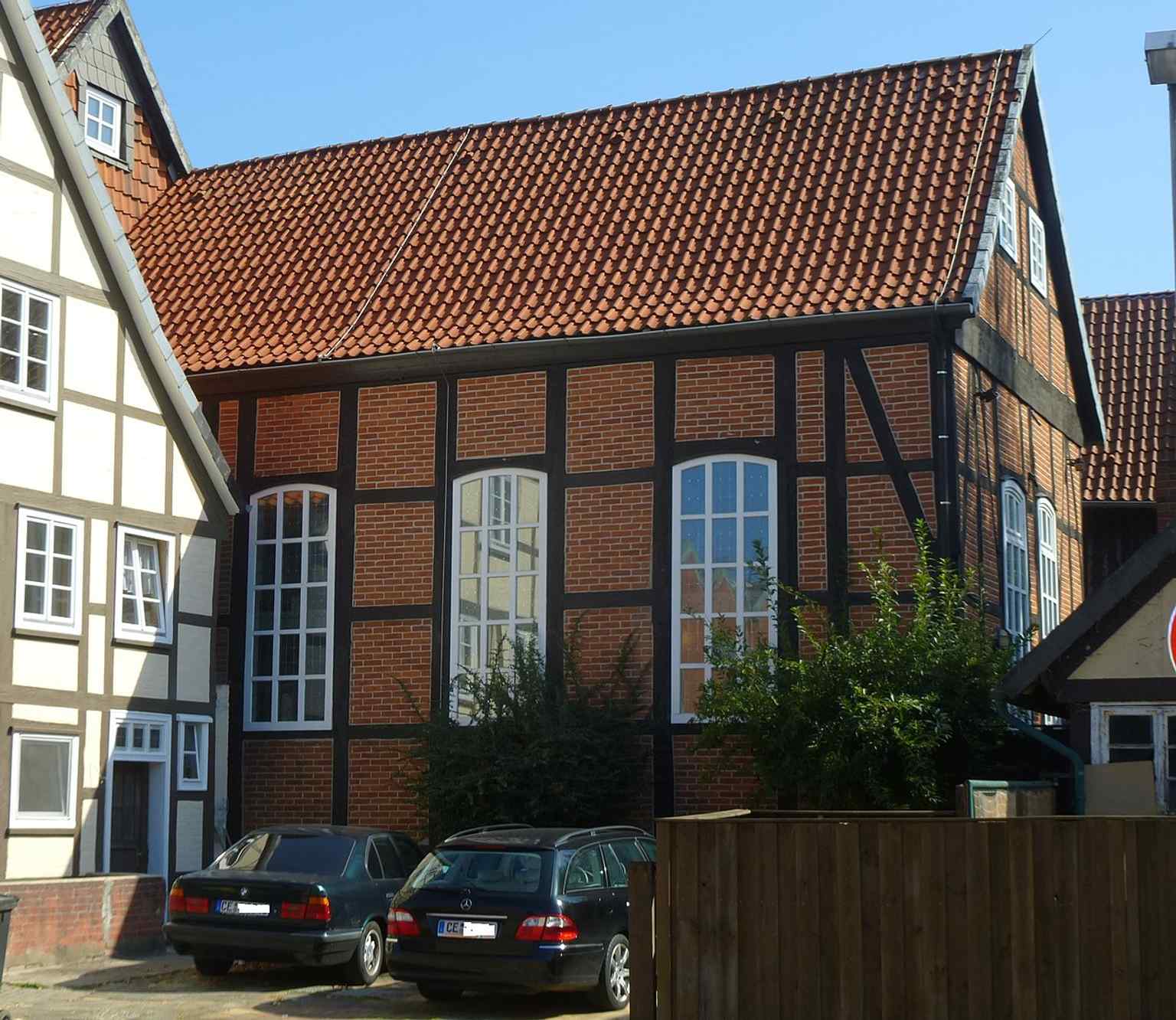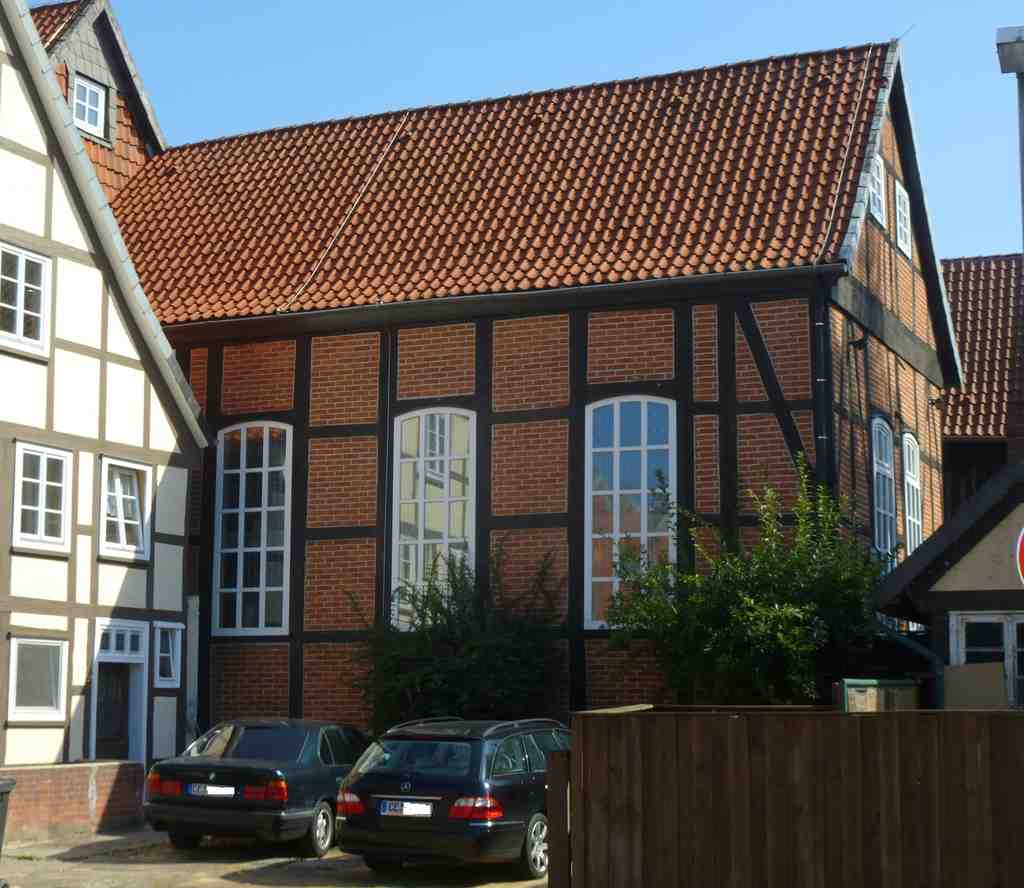
Während der Novemberpogrome 1938 wurde das Innere vollständig zerstört. Kultgegenstände wurden auf die Straße geworfen und verbrannt. Aber das Gebäude selbst blieb von den Flammen verschont. Warum? Weil die Angreifer fürchteten, dass ein Feuer auf die dicht gedrängten Holzhäuser von nebenan übergreifen würde. Ihr Selbsterhaltungstrieb ist der einzige Grund, warum dieses seltene Gebäude heute noch steht.
Danach wurde es als Lagerraum genutzt und diente ab 1942 als Sammellager für die verbliebene jüdische Gemeinde vor ihrer Deportation. Wenn Sie auf das Pflaster in der Nähe blicken, sehen Sie mehrere Stolpersteine, kleine Gedenktafeln aus Messing, die direkt in den Boden eingelassen sind, um die Opfer der Nationalsozialisten zu ehren. Zwei von ihnen erinnern an russische Kriegsgefangene, Jakob Gerschez und David Klatschko, die Zwangsarbeiter waren.
Doch die Geschichte endet nicht in einer Tragödie. Die Stadt kaufte die Gebäude 1969, und nach umfangreichen Restaurierungen wurde die Synagoge 1974 wieder eingeweiht. Im Inneren bietet der achtzig Quadratmeter große Saal dank eines sehr klugen, versteckten Dachstuhlsystems keine Säulen, die den Blick versperren. Sogar die Bima, das erhöhte zentrale Podium, von dem aus die Tora gelesen wird, wurde rekonstruiert, und die obere Hälfte des Toraschreins an der Ostwand ist sogar noch original.
Wenn Sie sich die Ausstellungen im Inneren ansehen möchten, sind die Türen von Dienstag bis Sonntag von 11 bis 16 Uhr geöffnet. Nehmen Sie sich einen Moment Zeit zum Nachdenken und gehen Sie dann zum nächsten Punkt auf unserer Route.
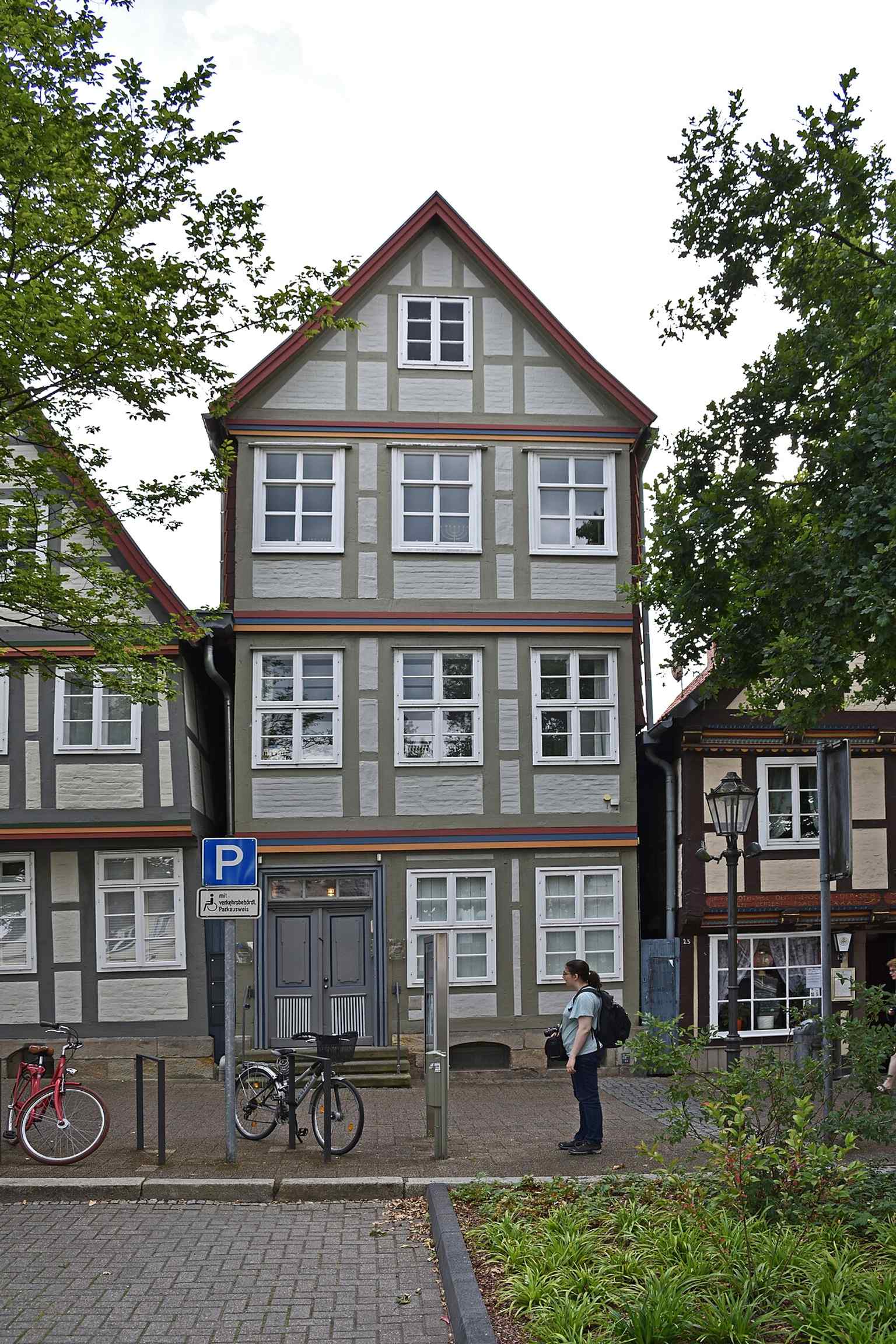
During the November pogroms of 1938, the interior was totally destroyed. Sacred objects were thrown into the street and burned. But the building itself was spared from the flames. Why? Because the attackers were terrified a fire would spread to the tightly packed wooden houses next door. Their self preservation is the only reason this rare building is still standing today.
After that, it was used as a storage room, and by 1942, a holding space for the remaining Jewish community before they were deported. If you look down at the pavement nearby, you will see several Stolpersteine, small brass memorial blocks set directly into the ground to honor victims of the Nazis. Two of them remember Russian prisoners of war, Jakob Gerschez and David Klatschko, who were forced laborers.
But the story does not end in tragedy. The city bought the buildings in 1969, and after massive restorations, the synagogue was re-inaugurated in 1974. Inside, the eighty square meter hall has no pillars blocking the view, thanks to a seriously clever hidden roof truss system. They even reconstructed the Bima, the raised central platform where the Torah is read, and the upper half of the Torah shrine on the east wall is actually original.
If you want to check out the exhibitions inside, the doors are open Tuesday through Sunday from 11 AM to 4 PM. Take a moment to reflect here, then continue to the next spot on our route.