伯尔尼语音导览:马尔齐利河畔故事与隐藏瑰宝
在伯尔尼宏伟的议会大厦下方,蒸汽曾推动着革命,而神秘人物则在河岸边窥视。马尔齐利的每个角落都低语着大多数人从未听过的阴谋。 这个自助语音导览将带您走过隐秘小径,穿梭于被忽视的地标之间。当马尔齐利褪去其宁静的面纱时,揭开超越寻常观光的精彩故事。 为什么一个例行的海关哨所会爆发丑闻,并回荡在瑞士的权力走廊中?什么秘密交易永远改变了蒸汽发电厂的命运?谁对缆索铁路机械的奇特痴迷导致了一场夜间破坏? 从河畔风光漫步到古老机器的脉动,历史的回声在每个转弯处都紧密相随。每一站都让您追随那些塑造了脚下这座城市的策划者、梦想家和规则破坏者的足迹。 立即播放,挖掘马尔齐利尘封的故事。伯尔尼的秘密就在地表之下等待着。
导览预览
关于此导览
- schedule持续时间 40–60 mins按照自己的节奏
- straighten3.0 公里步行路线跟随引导路径
- location_on
- wifi_off离线工作一次下载,随处使用
- all_inclusive终身访问随时重播,永久有效
- location_on从 联邦海关和边境安全局 开始
此导览的景点
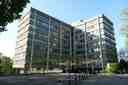
To spot the Federal Office for Customs and Border Security, look for a large V-shaped concrete building with rows of square windows, standing at the edge of an open plaza with a…阅读更多收起
To spot the Federal Office for Customs and Border Security, look for a large V-shaped concrete building with rows of square windows, standing at the edge of an open plaza with a few tidy trees out front. As you stand here, picture the faint hum of Europe’s busiest trade routes in one big beige building-yes, that’s right, you’re at Switzerland’s headquarters for customs and border security! Every day, just behind those endless windows, experts are working at the nerve center where thousands of tons of goods zigzag across the Swiss borders. Their job? It’s a bit like being a superhero, but instead of capes, they get uniforms… and a tiny bit more paperwork! These folks make sure everything from chocolate to luxury watches is properly declared, taxes are collected, and nothing dodgy slips past their well-trained eyes. Once, this place was known as the Swiss Customs Administration, but on January 1st, 2022, with a dramatic flourish (and probably a few emails), they reorganized and changed the name to the Federal Office for Customs and Border Security-sounds a bit more high-tech, don’t you think? The building here orchestrates border safety for not just Switzerland, but also for some places you’d never guess, like Büsingen in Germany and even the Principality of Liechtenstein! And oh, here’s a twist-thanks to a reform called DaziT, by 2026, customs work here is getting a major digital upgrade. Picture former customs officers and border guards merging into one new role: “Specialist for Customs and Border Security,” equipped with smarter tools and a dash of Swiss efficiency. Controversy? Oh, absolutely. Some folks worry about these officers getting extra powers (and perhaps fancier hats), but the debate only adds spice to this daily border drama. In fact, between leadership shakeups and industrial tariff changes, you never know what surprise will be coming through those glass doors next! Intrigued by the tasks, organization and responsibility or the transformation? Make your way to the chat section and I'll be happy to provide further details.
打开独立页面 →As you stand here in front of the Federal Office of Justice, imagine the building buzzing with the quiet energy of legal minds at work-papers shuffling, phone lines humming, the…阅读更多收起
As you stand here in front of the Federal Office of Justice, imagine the building buzzing with the quiet energy of legal minds at work-papers shuffling, phone lines humming, the soft clack of keyboards. This isn’t just any Swiss office block. It's the beating heart of justice in Switzerland, guiding the laws that keep this country ticking smoothly-rather like a finely tuned Swiss watch, only with more paperwork! Established as one of the four main offices of the Swiss Federal Department of Justice and Police, this institution is where some of the nation’s most important decisions are made. The people inside are entrusted with shaping civil and criminal law, overseeing the big tomes of rules that decide everything from contracts to crime. If you have ever wondered how Switzerland keeps those detailed law books in order, look no further-these folks even oversee registries for marriages, births, and properties, and supervise who can buy land, especially if you're from abroad and think buying an idyllic chalet will be easy. Not so fast! But wait, there’s more! This office is also a nerve center for Switzerland’s international legal adventures. From complex international child abductions to collaborating with law enforcement agencies from around the world, the Federal Office of Justice is a place where Swiss law meets global challenges-sometimes with a bit of friendly negotiation, and sometimes with more courtroom drama than a TV series. Close your eyes and you might hear the urgent buzz as lawyers consult on tricky extraditions. Over the years, notable directors like Michael Schöll and Martin Dumermuth have led this team of legal eagles. If you see someone racing in with a briefcase, give them a nod-they're probably off to make Swiss legal history. And remember: behind every calm Swiss river, there’s an office nearby where justice flows just as steadily!
打开独立页面 →Close your eyes and picture Bern in 1885. The city buzzed with excitement as the famous Swiss marksmen’s festival was about to begin. Seven entrepreneurial Bernese had an idea: a…阅读更多收起
Close your eyes and picture Bern in 1885. The city buzzed with excitement as the famous Swiss marksmen’s festival was about to begin. Seven entrepreneurial Bernese had an idea: a shortcut from Marzili to the Bundeshaus above. Their funicular license was hot off the presses and construction was a whirlwind; if there’d been a Bernese Olympics for fastest railway building, they would have taken the gold. When the first passengers loaded in, the ride was powered not by electricity, but by water-imagine the upper car’s tank filling with up to 3.5 tonnes of water from the city stream, making it heavy enough to glide down and pull the second car up. Operators, standing at the ready, communicated by bell signals. Efficient, but also a great way to practice for the next round of Swiss bell ringers. In those early days, ticket prices were fixed at 10 rappen-but the Federal Council had to stop them from charging non-locals double. Even back then, everyone wanted a shortcut, but nobody wanted to pay extra! Through the years, this line’s had garden scenery tended by its conductors beneath the raised steel tracks and swapped out cars more times than some of us change socks. Its upgrade to electric power in 1974 was so modern, some people joked you could charge your fondue pot on the ride! Standing here, outside this “tiny titan” of Bern, you’re next to a funicular that’s made everything from Swiss exhibitions to government business that much smoother and snappier-proving, once and for all, that shortcuts really do make life more fun!
打开独立页面 →
再显示 9 个站点显示更少站点expand_moreexpand_less
To spot the Dalmazi Bridge, just look for a simple, sturdy concrete bridge stretching low over the glittering Aare river, with evenly spaced lamps lining its rails and trees…阅读更多收起
To spot the Dalmazi Bridge, just look for a simple, sturdy concrete bridge stretching low over the glittering Aare river, with evenly spaced lamps lining its rails and trees flanking both ends. Now, as you stand here, close your eyes for a moment and listen to the gentle flow of the river beneath your feet. Imagine it’s the early 1870s: the Marzili neighborhood is springing to life, and the city’s landowners-along with the grand old Burgergemeinde-are pooling their coins for a bold new project. Back then, the bridge wasn’t concrete but made of iron, sturdy yet elegant, bringing together the buzzing Marzili and the stately Kirchenfeld. Picture top hats bobbing, carts rattling, and perhaps a dog or two, all crossing a bridge built with genuine community spirit. Fast forward to 1958, and the old iron lady retired, making way for this modern concrete cousin-less glamorous, but a workhorse nonetheless. If these beams could talk, they’d boast of secret midnight swims, whispered love stories, and the occasional daredevil duck. Dalmazi Bridge may not be the flashiest crossing in Bern, but it’s a living link between yesterday’s dreams and today’s daily strolls, holding tight the spirit of two neighborhoods and, maybe, a cheeky ghost or two waving from beneath the rails!
打开独立页面 →Back in the 18th and 19th centuries, these folks weren’t just out for fun. Many were trained to build floating military bridges-yes, river soldiers! The Bernese Schwellenmeister…阅读更多收起
Back in the 18th and 19th centuries, these folks weren’t just out for fun. Many were trained to build floating military bridges-yes, river soldiers! The Bernese Schwellenmeister (call him the river boss) was responsible for construction, and if the army needed to cross a river, these were the people they called. By 1860, locals had formed Bern’s first pontonier club, and by 1876, with a little nudge from the Canton of Bern’s engineering society-and some official Swiss army approval-the Pontonier Driving Club officially set sail. But these pontoniers weren’t just about rowing and military drills. Every year, in 1871, they threw a huge party and took everyone out on the Aare for a public ride-perhaps Switzerland’s earliest version of UberPOOL, but with way more splinters. Their club expanded fast: They started a shooting section in 1908, had a choir for those who preferred singing over swimming, and even a “Veterans’ Section” for those too tired to row. And when winter blanketed Bern, the boats were tucked away, but the fun never stopped. Enter the “Skibande Ankerrödu.” In 1920, a group of adventurous pontoniers started hitting the ski slopes together. They even got their own alpine hut to use during snow season! By 1926, these river champs had skied their way to second place at a national military patrol race in Wengen-proof that Bernese pontoniers moved just as well on snow as they did on water. So right here, you’re standing where a club of river heroes, singers, marksmen, and ski bandits shaped Bern’s spirit-proving they could handle oars, rifles, and even skis, often all in the same year. I bet the only thing they never tried was synchronized swimming, but hey, there’s still time!
打开独立页面 →To spot the Marzili bath, look for a large open green space dotted with swimming pools and surrounded by trees right at the edge of the turquoise Aare river-just beyond the…阅读更多收起
To spot the Marzili bath, look for a large open green space dotted with swimming pools and surrounded by trees right at the edge of the turquoise Aare river-just beyond the rooftops and before the hills roll away in the distance. Now, take a moment to soak in the atmosphere-this is the legendary Marzili! Right at the foot of that mighty federal parliament hill, this outdoor pool has been an iconic splash zone since 1782. Back then, you had to pay five francs to take a dip; they even called it Füferweiher, which basically means “Five-Franc Pond.” But things have changed! Today, the entry is free, making Marzili one of Switzerland’s most popular places for locals to cool off in summer. Picture kids and adults, towels over their shoulders, wandering upstream along the river. Why? Because here, the brave (and slightly bonkers) swimmers jump into the chilly, fast-flowing Aare, grabbing onto the metal rails and steps along the banks, then zipping downstream like floating rubber ducks. It’s thrilling, a little wild, and absolutely unforgettable! But Marzili’s charms don’t stop at the river. There’s a massive 50-meter pool from 1968-a perfect spot for those who don’t fancy chasing their towel halfway to Basel. For daredevils, there’s a springboard for flips, and for the little ones, shallow splash pools and the legendary Buberseeli pond. There’s even a sunbathing terrace for women who prefer a “nothing but the sun and sky” approach to tanning. Through wars and the wildest Swiss summers, Marzili has always been the city’s favorite meeting place. In 2020, over half a million visitors leapt in, lounged about, or just stopped by for an ice cream at the poolside restaurant. Big things are still to come-a major renovation approved by an overwhelming 73% of voters is set to start soon. You could say Marzili always manages to keep its head above water-no floaties required!
打开独立页面 →If you’re trying to spot the Dampfzentrale Bern, just look for the handsome brick building with big arched windows right on the riverbank, with the blue-green water of the Aare…阅读更多收起
If you’re trying to spot the Dampfzentrale Bern, just look for the handsome brick building with big arched windows right on the riverbank, with the blue-green water of the Aare flowing gently beside it. Alright, you're standing in front of a building that’s been many things over its lifetime-an inventor’s dream, a rebel’s fort, and now one of Bern’s hottest spots for dance and music. Let’s crank things back to 1904. Imagine the sharp click and clank of metal as this place first sprang to life as a power station, with clouds of steam billowing up from its mighty machines. Back then, architect Eduard Joos, who also built the main university building, made sure it looked as sturdy as it was useful. Later, diesel engines joined the clunky coal boilers-by 1939, coal was out, engines were in, and sadly, the 50-meter chimney was chopped off. The place finally shut down in 1973 and got downgraded to the unglamorous job of storage. But here’s where the plot thickens. In the 1980s, Bern had a bit of an identity crisis: swim hall or sports complex? Eventually, the city decided on neither-and these walls nearly met the wrecking ball. Enter the heroes: preservationists who argued for the building’s industrial character, and the cultural scene, thirsty for a venue. Inspired by barricades, band concerts, and even a touch of police drama, local artists and musicians decided the Dampfzentrale shouldn't sleep in silence. In 1987, they boldly staged an occupation and pumped culture back into these halls-famous band Züri West even wrote a song about the adventure. Their efforts paid off, because by the 90s, the city agreed to restore the Dampfzentrale as a real-deal cultural center. Today, the turbine and boiler halls come alive with over 500 events a year-dance, new music, and everything in between. There’s even a restaurant that once became so trendy, you’d think they were serving pure electricity for lunch. The main theater seats 400 people, so the shows are intimate but the energy is always explosive. These days, artistic directors run the place as a team, and the Ensemble Proton Bern even calls the Dampfzentrale home. If buildings could dance, this one would probably never sit down.
打开独立页面 →To spot the Lichtspiel / Kinemathek Bern, look for a sturdy, tan brick building with a classic industrial feel, topped with red roof tiles and a mix of tall, narrow windows, set…阅读更多收起
To spot the Lichtspiel / Kinemathek Bern, look for a sturdy, tan brick building with a classic industrial feel, topped with red roof tiles and a mix of tall, narrow windows, set just off the main street-its simple, strong outline stands out between leafy trees and parking spaces. Now, let me take you back in time-imagine Bern in the year 2000, where an amazing collection of film treasures was nearly lost to history. This is where our story begins, with a man named Walter A. Ritschard, a real cinema wizard from Bern. Walter was completely obsessed-in the best possible way-with everything to do with film. I mean, he started putting on private cinema shows when he was just a teenager, calling it “Cinéma Hardy.” In his lifetime, he gathered over 100 projectors, 500 film reels, and piles and piles of film magazines-honestly, if you sneezed in his attic, you’d probably start a silent movie. But when Walter passed away in 1998, his legendary collection was nearly scattered to the winds. In swooped the Lichtspiel Association, whose members probably had more energy than a popcorn machine on a Saturday night. They rescued this mountain of cinematic history and, with a lot of elbow grease (and maybe a few dropped film rolls), built a one-of-a-kind regional film archive. And here’s the fun part: In 2012, volunteers-picture a parade of film lovers-carried those massive, ancient projectors by hand to this very building. Now, the Lichtspiel doesn’t just keep films safe; it brings them to life. Every Sunday night for years, people gather to watch rare, short films from the archive. The collection now boasts about 15,000 reels-everything from local documentaries to quirky animation stored in a chilly vault. Odd fact: the library is packed with old Swiss film magazines and technical books, making it part-museum, part-cinema, part time machine. And yes, this spot is so important it’s listed as a Swiss cultural treasure. So, as you stand here, picture that hum of old projectors, the thrill of a lost film flickering back to life, and the care of a community determined never to let movie magic fade away.
打开独立页面 →As you gaze across to the south façade of the Swiss Parliament and the rooftops of Bern’s old town, picture all the travelers from Les Verrières to Luzern who’ve zoomed over this…阅读更多收起
As you gaze across to the south façade of the Swiss Parliament and the rooftops of Bern’s old town, picture all the travelers from Les Verrières to Luzern who’ve zoomed over this main road, part of Highway 10. Fun fact: the bridge has kept up with the times-even recently in 2022 and 2023, car lanes got swapped for new bus lanes to keep traffic moving smoothly, like a Swiss watch on wheels. So, whether you’re here for a great photo, an epic view, or just to practice your echo, you’re part of a place where history, design, and, yes, the occasional traffic jam, all come together! Ready for the next stop?
打开独立页面 →Back in the day, handling all these people and their careers must have felt like juggling Swiss chocolates on a summer day-not easy and quite messy if you’re not careful. The…阅读更多收起
Back in the day, handling all these people and their careers must have felt like juggling Swiss chocolates on a summer day-not easy and quite messy if you’re not careful. The Federal Personnel Office is like the guardian of fairness, making sure women and men get equal chances, no matter their generation, language, or even if they’re bringing a bit of extra Swiss flavor from another culture-or ability. Inside, there are three main branches. There’s a division for rules and communication, one for making sure employees keep learning and growing, and another that’s all about managing budgets and keeping the numbers happy. There’s even a special team just for advice-so if a federal chef has a question about office drama, or a nervous newbie wants career guidance, help is close. These folks also run the training centers for everyone from HR experts to future leaders. And you know what else? The EPA keeps a keen eye on workplace health. If anyone in the federal administration catches a cold, this crew is practically on standby with a bowl of chicken soup-well, almost. And if you think “data management” sounds boring, remember: every federal personnel record flows through their hands, safe and secure. So next time you pass by, imagine all the human stories and Swiss dreams at work just beyond these doors. And never underestimate the power of a good HR department-after all, they might be the real superheroes in Switzerland’s capital!
打开独立页面 →To spot the Federal Tax Administration, look for a wide, modern office building with a grid of vertical and horizontal slats across its facade, standing just behind a row of…阅读更多收起
To spot the Federal Tax Administration, look for a wide, modern office building with a grid of vertical and horizontal slats across its facade, standing just behind a row of colorful flower planters near the street. Welcome to the mighty headquarters of Switzerland’s Federal Tax Administration - or as some folks like to call it, the “House of Swiss Francs”! Picture this: over a thousand busy minds inside, from finance whizzes to legal eagles, all working with the precision of a Swiss watch to keep the country’s tax system ticking. The air inside hums with quiet efficiency as they collect everything from VAT to those mysterious stamp duties, and even manage the curious “military service replacement tax.” But don’t worry, despite the building’s serious exterior, there’s always a whisper of mystery - will today bring a fresh international tax riddle to solve, or a new tweak to Swiss tax law? These halls have seen it all, keeping track of numbers, calming anxious taxpayers, and sometimes, just sometimes, sneaking a smile when someone finally figures out the difference between VAT and direct federal tax. So as you stand here, imagine generations of tax experts shaping the Swiss financial landscape, all from this very spot - and hey, who knows, maybe even cracking a joke about accountants having too many “assets.”
打开独立页面 →To spot the Gaskessel, look straight ahead for two big, dome-shaped buildings covered in colorful graffiti-they stand out like spaceships landed right next to the Aare. Now, let…阅读更多收起
To spot the Gaskessel, look straight ahead for two big, dome-shaped buildings covered in colorful graffiti-they stand out like spaceships landed right next to the Aare. Now, let me take you on a wild ride through Gaskessel’s story. Picture this: it’s the early 1970s, the city’s old gas reservoirs are sitting here, silent as a tomb-until suddenly, the domes come alive with pounding music, the chatter of young voices, and a swirling aroma of creativity and rebellion. What used to hold gas for Bern is now home to one of Europe’s oldest youth culture centers. Here, teenagers and dreamers transformed these two half-spheres into a place where almost anything could happen. One night you’d find an experimental theater show, the next a disco where even your shoes might want to dance, followed by wild discussions, gritty concerts, and art exhibitions you’d never see anywhere else. Change was in the air, literally and architecturally-because these domes have shape-shifted over the years to fit the needs of every new generation. The Gaskessel isn’t just run for youth, it’s run BY youth-most of the people running the show are young themselves, making the rules and then occasionally breaking them. In the ‘80s and ‘90s, things got edgy, with hard drugs and wild scenes, but by the 2000s, the rougher edges softened. Now the main “contraband” is music, art, and a bit of cannabis and beer-legal, since only the mid-90s! There’s a lot of heart here too: the Gaskessel offers jobs and projects to young people who don’t quite fit elsewhere, giving everyone a way to shine. Even the city recognized this, awarding it a social prize in 2011. Not to mention the legendary alternative community, Zaffaraya, which once set up camp nearby, turning this zone into a tiny republic of free-spirited ideas. Gaskessel remains a charismatic misfit-a place where the walls might sag under all the dreams, but the spirit never gets old.
打开独立页面 →
常见问题
如何开始导览?
购买后,下载 AudaTours 应用并输入您的兑换码。导览将准备好立即开始--只需点击播放并按照 GPS 引导的路线行驶即可。
导览期间我需要互联网吗?
不需要!开始前下载导览并完全离线享受。只有聊天功能需要互联网。我们建议在 WiFi 下下载以节省移动数据。
这是导游带领的团体游吗?
不是--这是自助语音导览。您按照自己的节奏独立探索,通过手机播放音频解说。没有导游,没有团体,没有时间表。
导览需要多长时间?
大多数导览需要 60-90 分钟才能完成,但您完全控制节奏。随时暂停、跳过站点或休息。
如果我今天无法完成导览怎么办?
没问题!导览具有终身访问权限。随时暂停和恢复--明天、下周或明年。您的进度已保存。
有哪些语言可用?
所有导览均提供 50 多种语言版本。在兑换代码时选择您的首选语言。注意:导览生成后无法更改语言。
购买后我在哪里访问导览?
从 App Store 或 Google Play 下载免费的 AudaTours 应用。输入您的兑换码(通过电子邮件发送),导览将出现在您的资料库中,准备下载并开始。
如果您不喜欢该导览,我们将退款。请联系我们 [email protected]
安全结账使用