AudaTours logoAudaTours

Stop 14 of 15

Lungshan Temple

headphones 03:28 Buy tour to unlock all 17 tracks

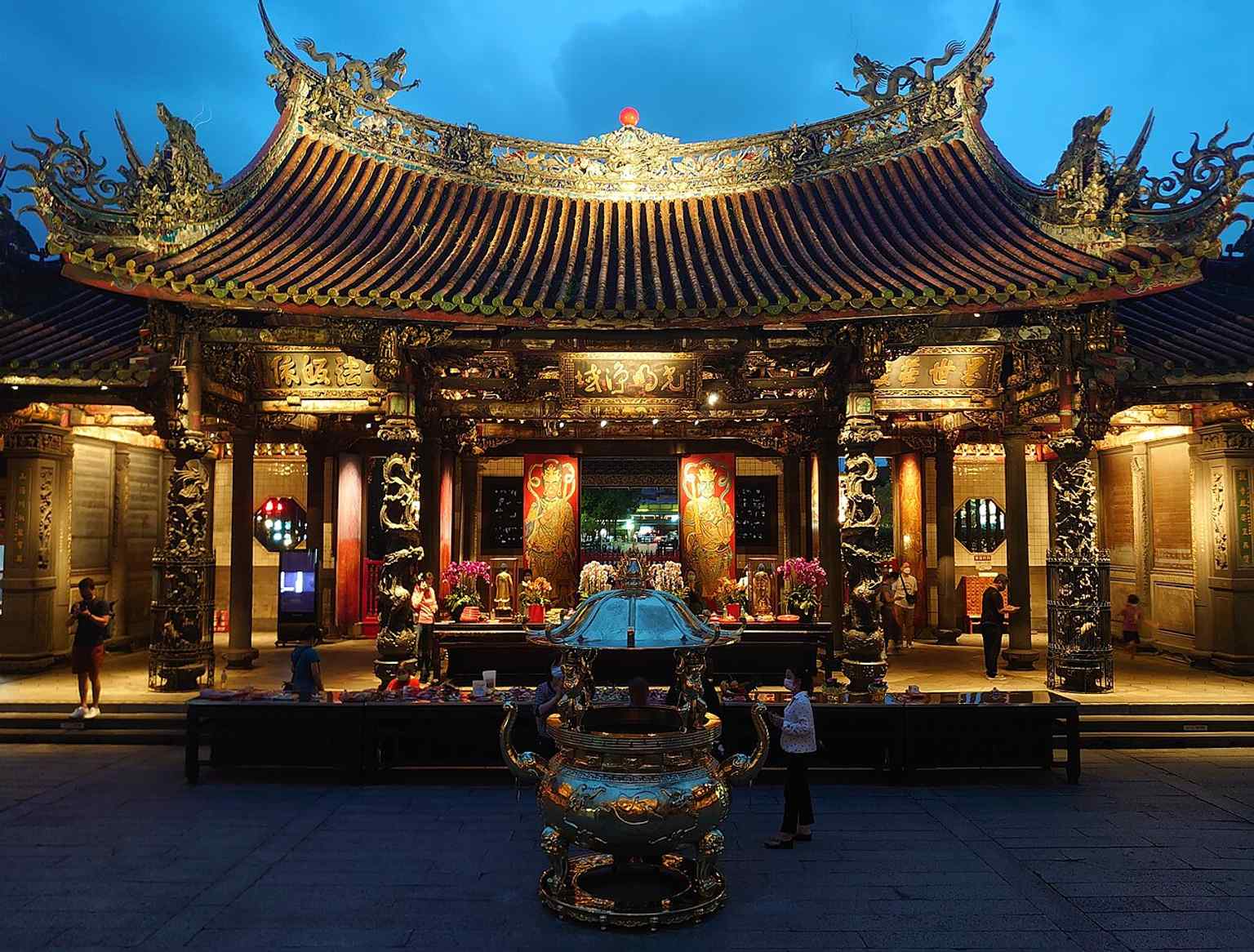
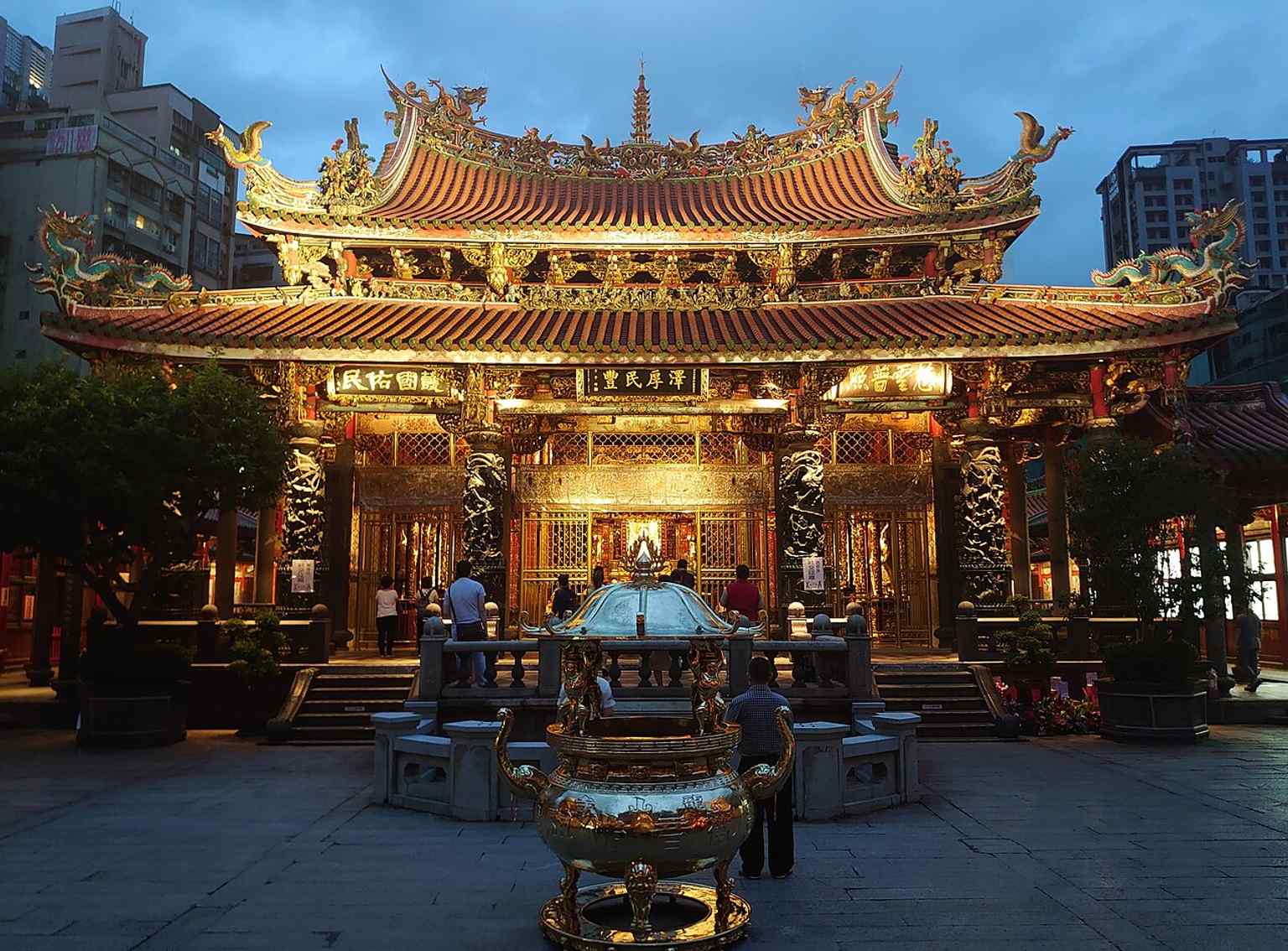
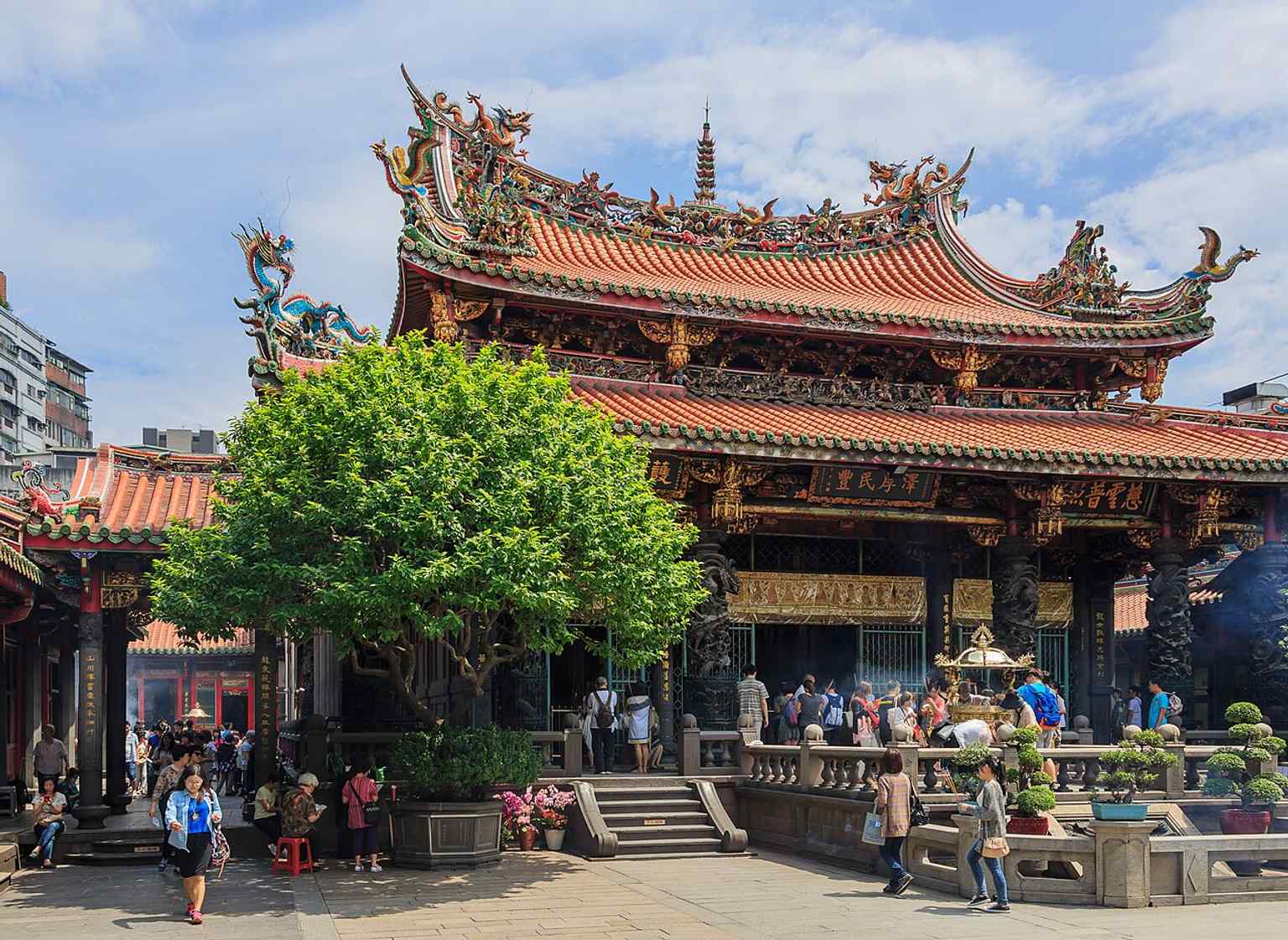
On your right, Longshan Temple rises from a gray stone base into layered dark-timber roofs, with sweeping upturned ridgelines and a richly carved gate crowded with dragon figures.

This is where old Mengjia gave itself a heart. In seventeen thirty-eight, migrants from Quanzhou’s three districts began building a temple to Guanyin, the bodhisattva of compassion, after local lore said a rattan merchant accidentally left behind an incense pouch from his hometown’s Longshan Temple and people treated it as a sign. Merchant Huang Dianmo organized the effort, and by seventeen forty, the temple stood.

But this place never worked as only a temple. Traders gathered here, local leaders settled disputes here, and merchants paid fees through the temple if they wanted business to run smoothly. So yes... part sanctuary, part boardroom, part unofficial city government. Taipei has always been efficient about multitasking.

That local authority could get very real. In eighteen eighty-four, when French forces threatened Taiwan, local accounts say governor Liu Mingchuan was preparing to withdraw with soldiers, valuables, and supplies. Mengjia’s merchants thought he was fleeing. They surrounded him, dragged him from his sedan chair, cursed him as a coward, and held him inside this temple until he promised to stay and defend Taipei. Not exactly constitutional procedure, but the neighborhood was not in a patient mood.

The temple also remembers violence within the community. During the eighteen fifty-three fighting between Quanzhou settlers and people from Tong’an, Longshan Temple became a base. The dead were folded into ritual memory, and that memory still lives in Wanhua’s Ghost Festival ceremonies, now recognized as intangible cultural heritage.

What you see today is a survival story in layers. In nineteen nineteen, Abbot Fuzhi gave his life savings to rescue a termite-damaged temple, bringing in the master builder Wang Yishun and craftsmen from Quanzhou. They created the lush architectural language people still admire here: intricate roof brackets, bold stonework, and dragon columns in cast copper. Then the great air raid of nineteen forty-five destroyed the main hall. In the nineteen fifties, local patrons rebuilt it, and Wang Shinan followed Wang Yishun’s earlier design closely, so the temple could recover without erasing the wound. If you want to compare the damage and rebuilding at a glance, the app image makes that long repair easy to see.

And that may be the clearest ending for our walk. We’ve stood before offices, courts, gates, banks, and museums... the official grammar of power. Here, power feels older and more stubborn. It came from migrants pooling money, neighbors enforcing promises, craftsmen rebuilding loss, and worshippers returning generation after generation. After everything you’ve seen, which place seems to hold authority more deeply: the one protected by the state, or the one ordinary people keep alive with their own hands?

Longshan Temple stands here with its answer.

If you want to linger, the temple is open daily from six in the morning to ten at night.
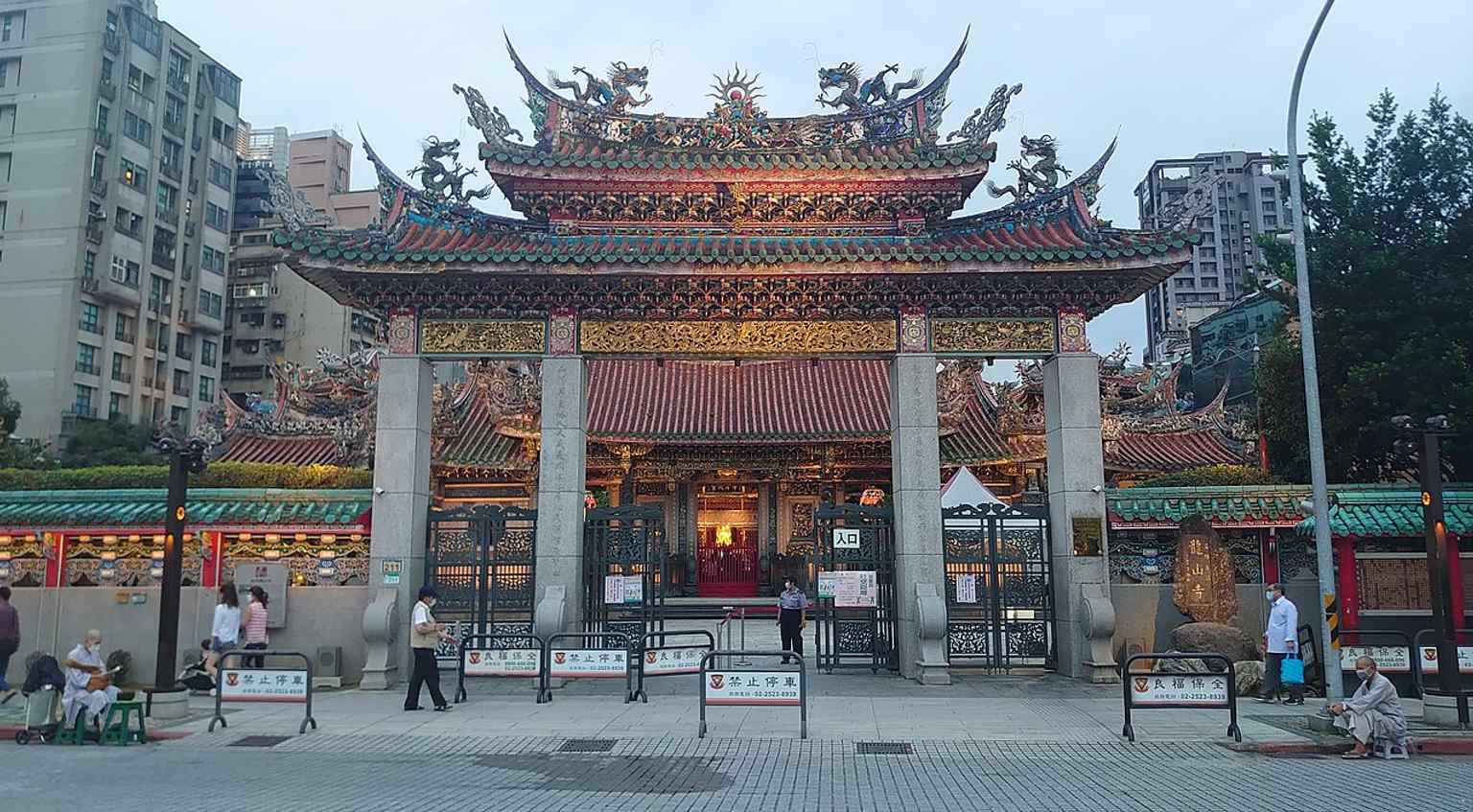
The ornate paifang at the temple entrance — a classic gateway into the complex that introduced Longshan Temple’s ceremonial front.
The ornate paifang at the temple entrance — a classic gateway into the complex that introduced Longshan Temple’s ceremonial front.Photo: Yu tptw, Wikimedia Commons, CC BY-SA 4.0. Cropped & resized.
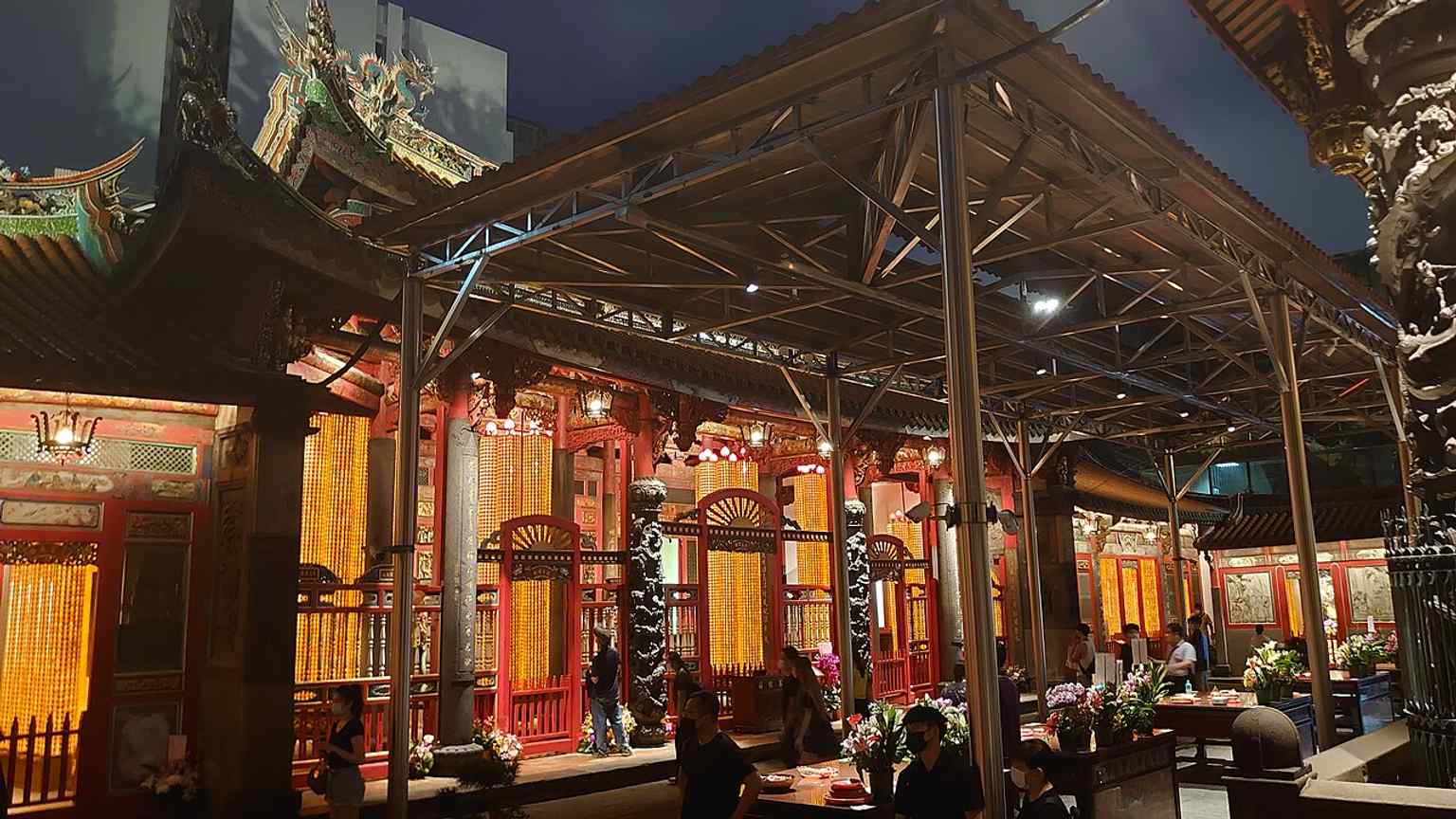
The Sanchuanmen at night, where layered roofs and glowing details show the temple’s dramatic frontage and restored craftsmanship.
The Sanchuanmen at night, where layered roofs and glowing details show the temple’s dramatic frontage and restored craftsmanship.Photo: Yu tptw, Wikimedia Commons, CC BY-SA 4.0. Cropped & resized.
The main hall lit at night — this is the heart of the temple, where Guanyin is worshipped and the building’s rich ornamentation stands out.
The main hall lit at night — this is the heart of the temple, where Guanyin is worshipped and the building’s rich ornamentation stands out.Photo: Yu tptw, Wikimedia Commons, CC BY-SA 4.0. Cropped & resized.
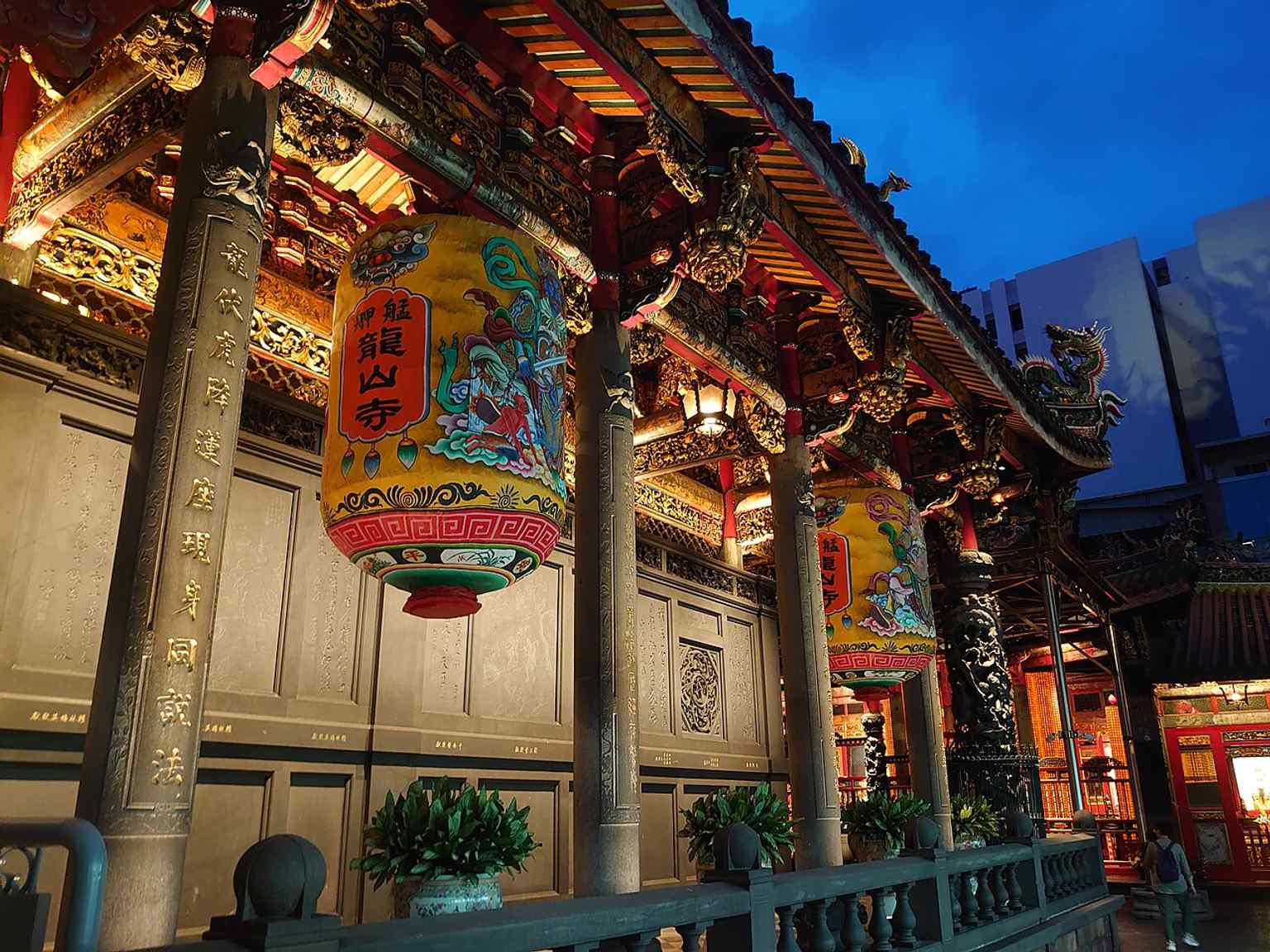
The gallery above the main hall, showing the open circulation around the core sanctuary and the temple’s multi-bay layout.
The gallery above the main hall, showing the open circulation around the core sanctuary and the temple’s multi-bay layout.Photo: Yu tptw, Wikimedia Commons, CC BY-SA 4.0. Cropped & resized.
The rear hall of Longshan Temple — useful for telling the story of the temple’s expanded triple-hall structure and later additions.
The rear hall of Longshan Temple — useful for telling the story of the temple’s expanded triple-hall structure and later additions.Photo: 弟魯, Wikimedia Commons, CC BY-SA 4.0. Cropped & resized.
A night view of the apse and rear hall, highlighting how the temple complex glows after dark and emphasizing its layered architecture.
A night view of the apse and rear hall, highlighting how the temple complex glows after dark and emphasizing its layered architecture.Photo: Yu tptw, Wikimedia Commons, CC BY-SA 4.0. Cropped & resized.
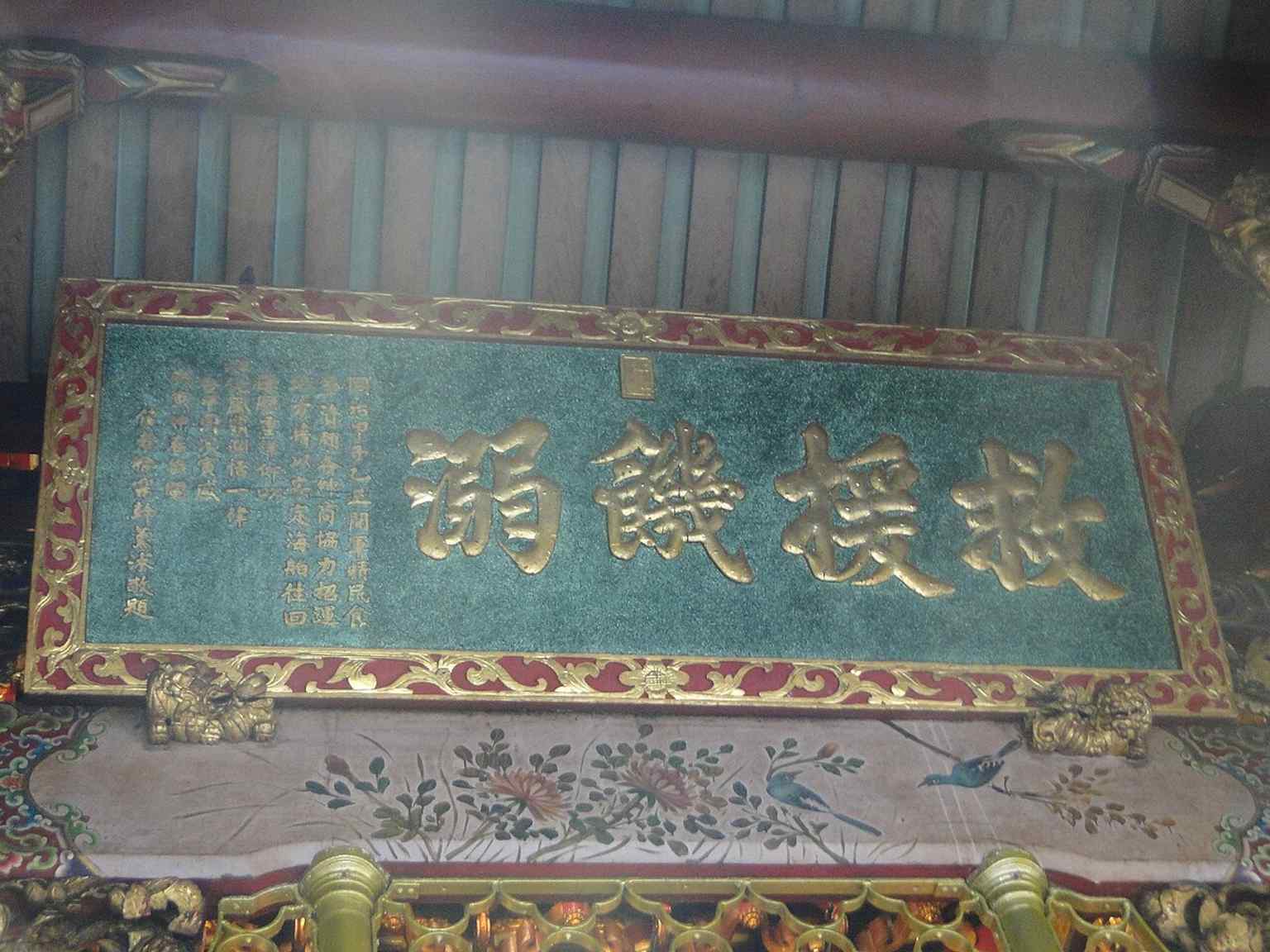
The ‘Rescue the Hungry and the Drowning’ plaque from 1866 — a reminder of the temple’s long history of patronage and public goodwill.
The ‘Rescue the Hungry and the Drowning’ plaque from 1866 — a reminder of the temple’s long history of patronage and public goodwill.Photo: 弟魯, Wikimedia Commons, CC BY-SA 4.0. Cropped & resized.
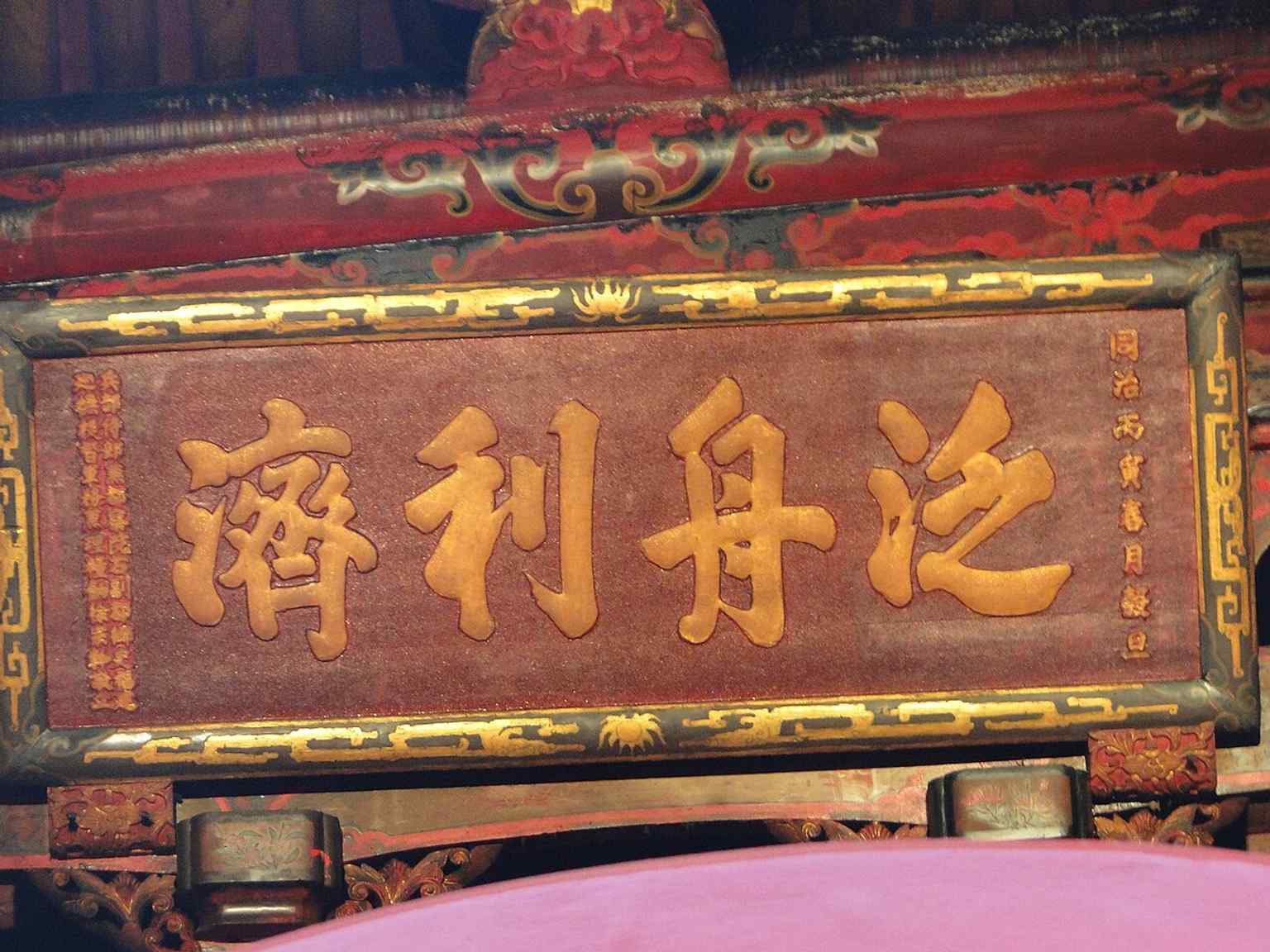
Another 1866 plaque, ‘Helping Boats and Benefiting the People,’ linking the temple to maritime trade and the commercial life of old Bangka.
Another 1866 plaque, ‘Helping Boats and Benefiting the People,’ linking the temple to maritime trade and the commercial life of old Bangka.Photo: 弟魯, Wikimedia Commons, CC BY-SA 4.0. Cropped & resized.
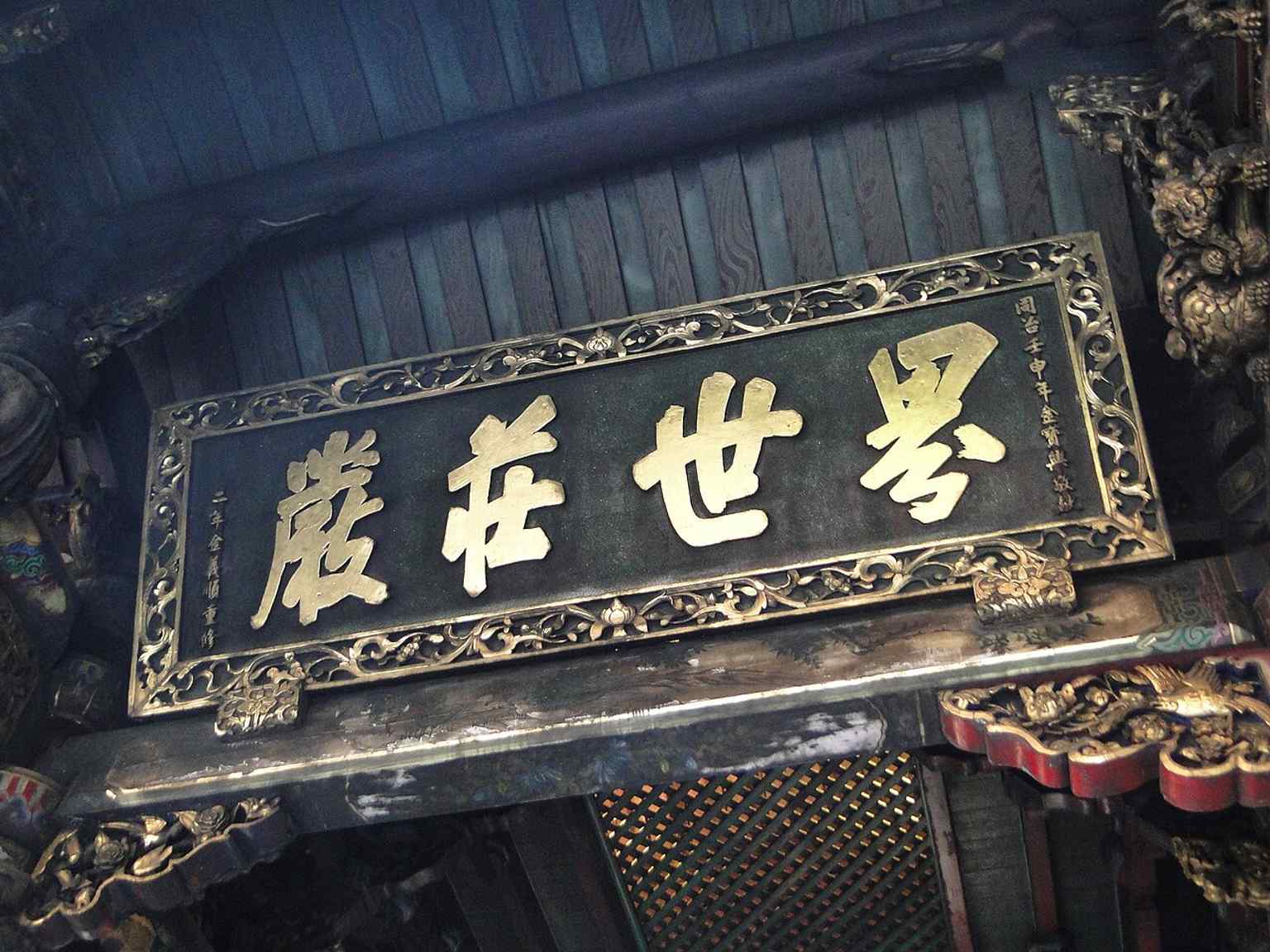
The ‘Worldly Purity’ plaque, one of the temple’s historic inscriptions that reflects its prestige among donors and worshippers.
The ‘Worldly Purity’ plaque, one of the temple’s historic inscriptions that reflects its prestige among donors and worshippers.Photo: 弟魯, Wikimedia Commons, CC BY-SA 4.0. Cropped & resized.
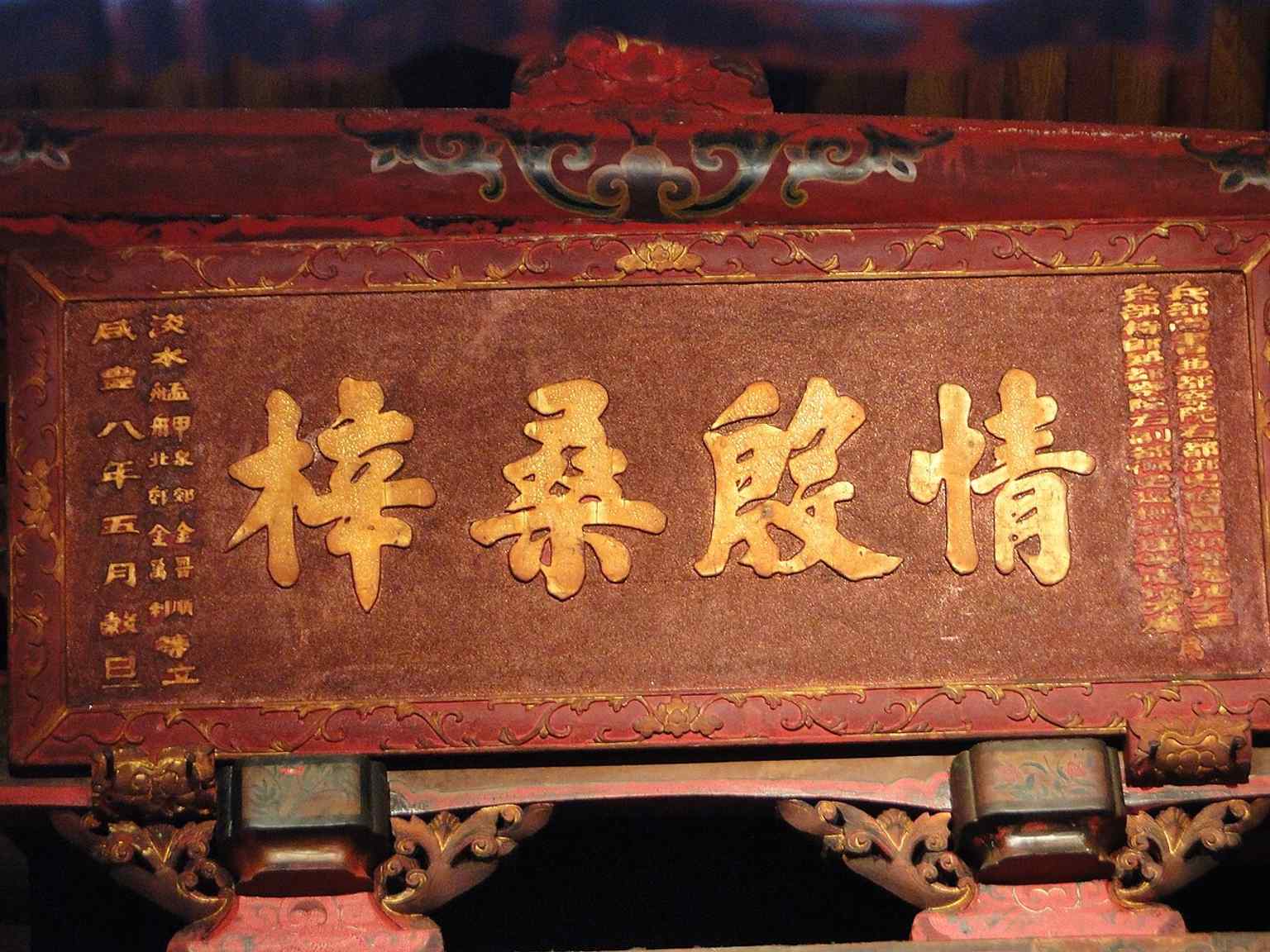
The ‘Deep Affection for the Native Place’ plaque — a glimpse into the local merchant and migrant communities that sustained the temple.
The ‘Deep Affection for the Native Place’ plaque — a glimpse into the local merchant and migrant communities that sustained the temple.Photo: 弟魯, Wikimedia Commons, CC BY-SA 4.0. Cropped & resized.
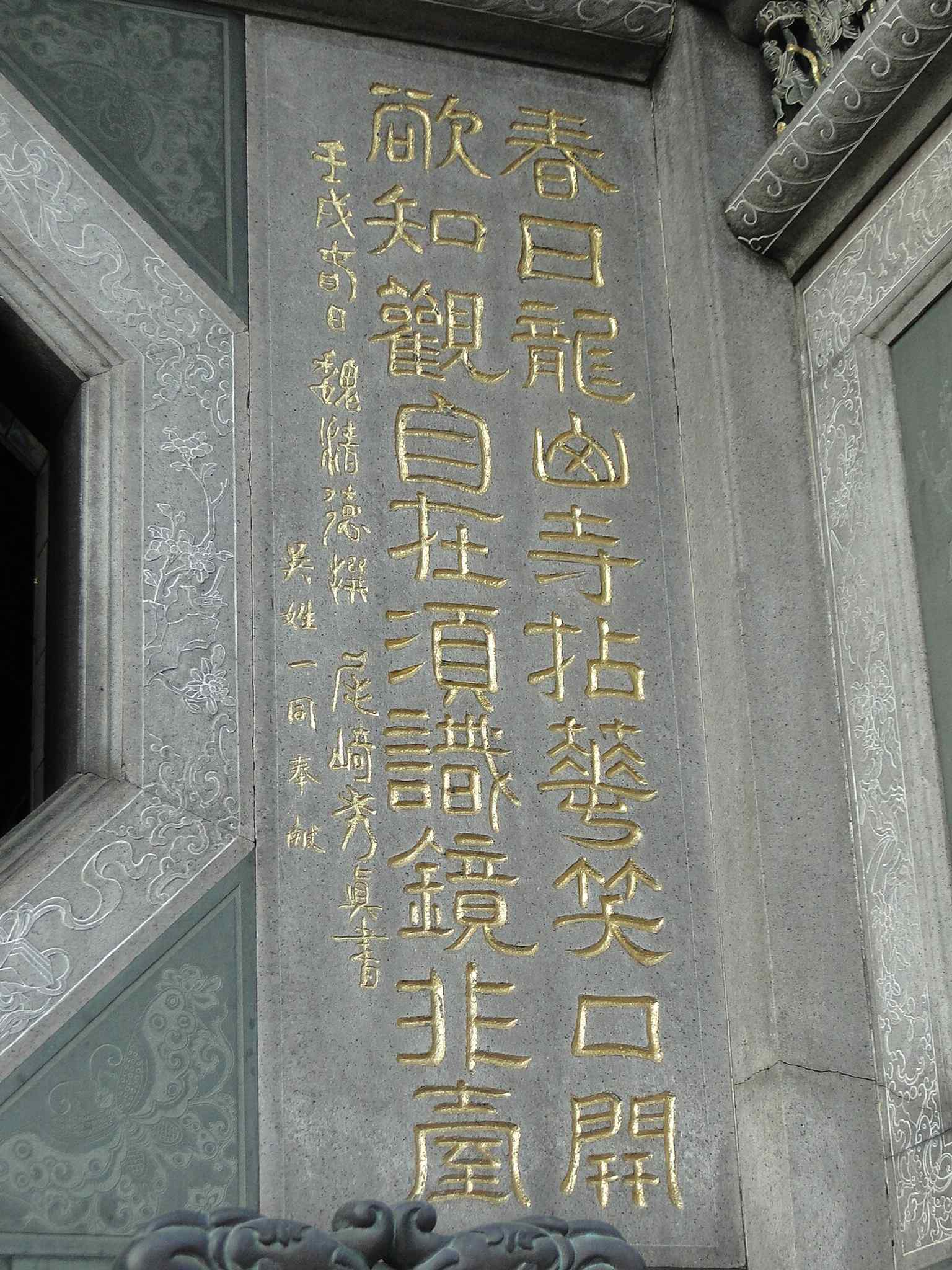
Calligraphy by Ozaki Hozuma preserved at the temple, showing how Longshan Temple also became a home for modern inscriptions and cultural layers.
Calligraphy by Ozaki Hozuma preserved at the temple, showing how Longshan Temple also became a home for modern inscriptions and cultural layers.Photo: 弟魯, Wikimedia Commons, CC BY-SA 4.0. Cropped & resized.
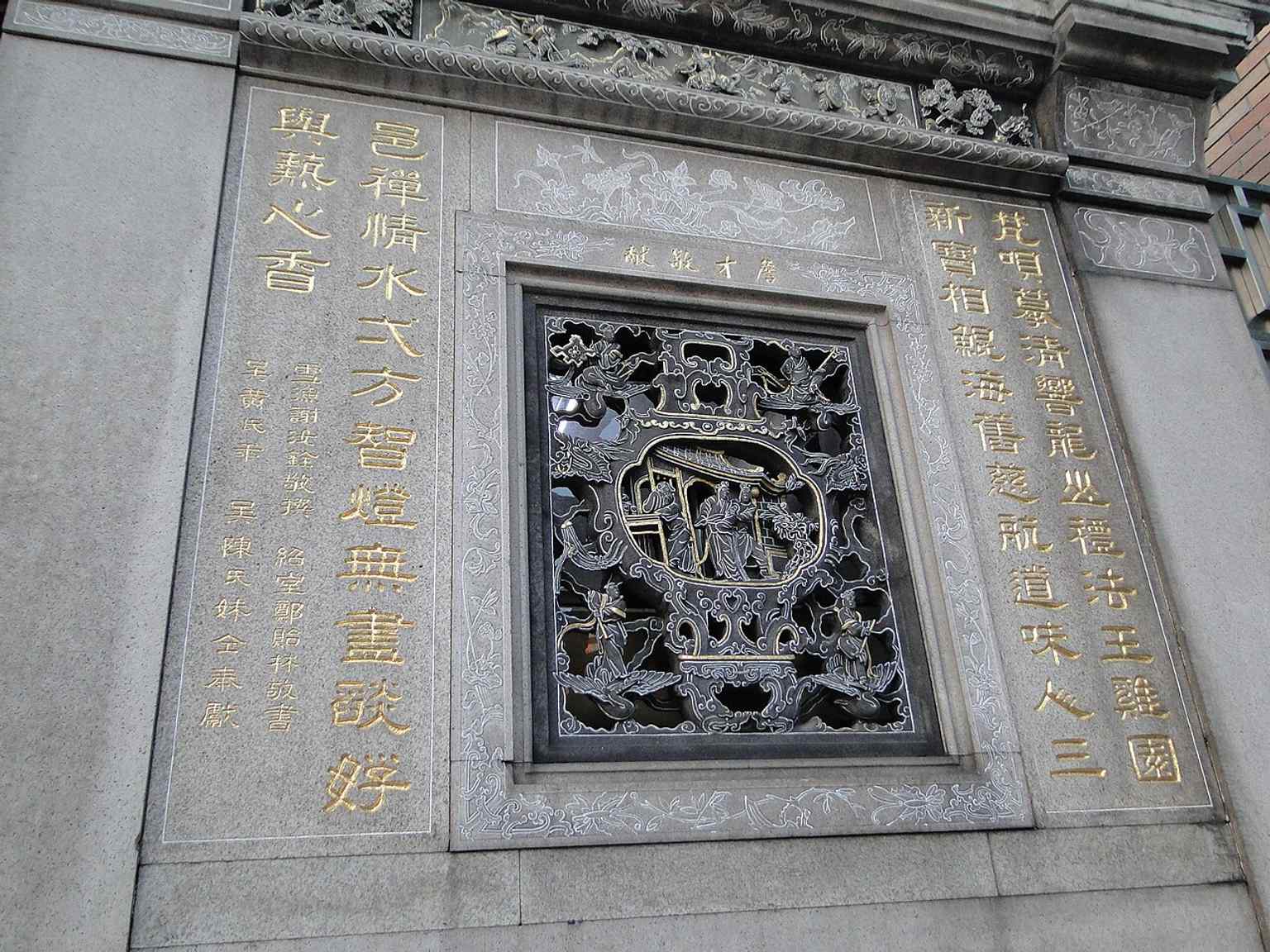
A calligraphic panel by Zheng Yilin in the cloister — a fine example of the temple’s side galleries holding artworks beyond the main sanctuaries.
A calligraphic panel by Zheng Yilin in the cloister — a fine example of the temple’s side galleries holding artworks beyond the main sanctuaries.Photo: 弟魯, Wikimedia Commons, CC BY-SA 4.0. Cropped & resized.
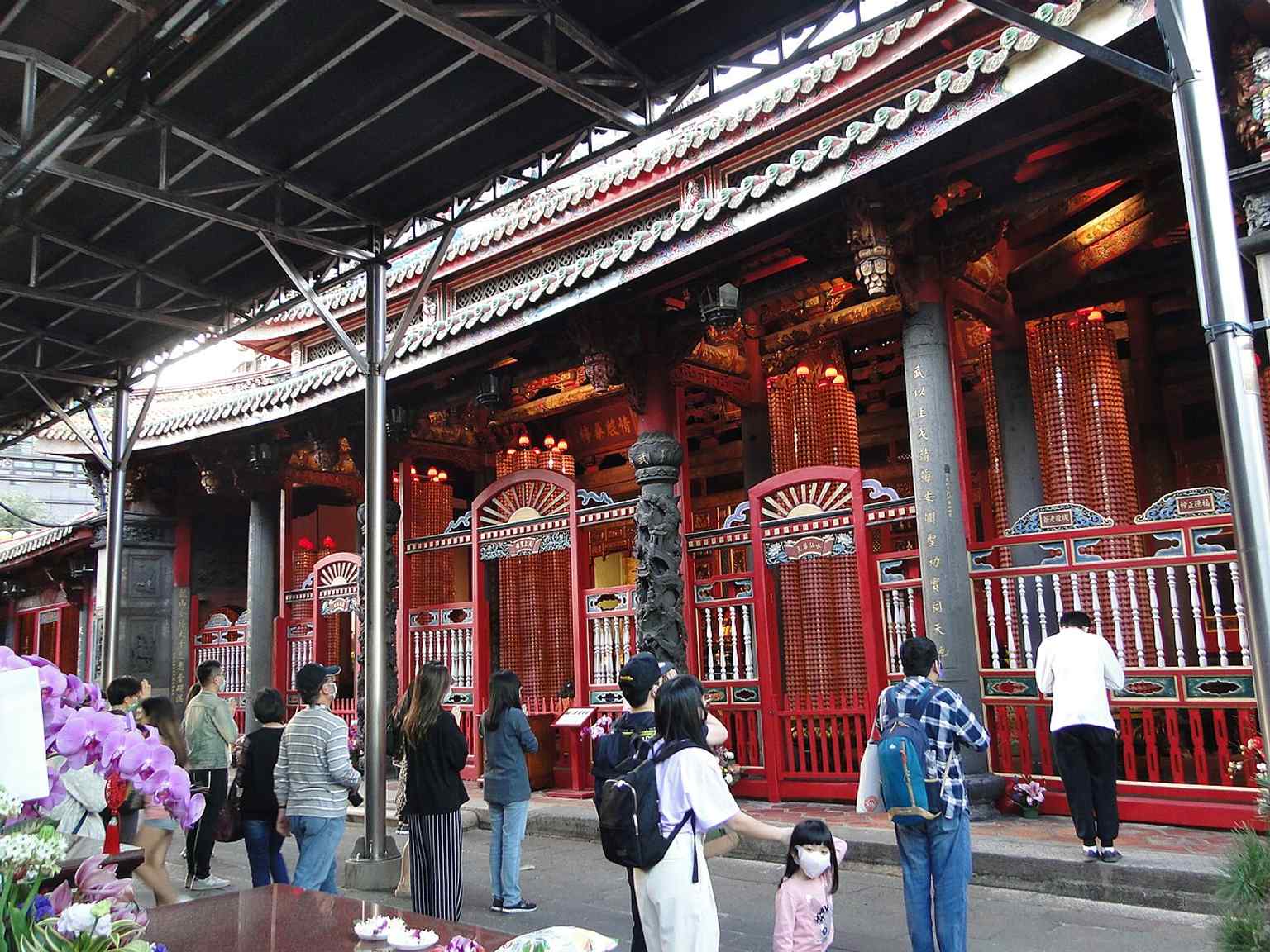
An interior view inside Mengjia Longshan Temple, ideal for showing visitors the lived devotional space rather than just the façade.
An interior view inside Mengjia Longshan Temple, ideal for showing visitors the lived devotional space rather than just the façade.Photo: CEphoto, Uwe Aranas, Wikimedia Commons, CC BY-SA 3.0. Cropped & resized.
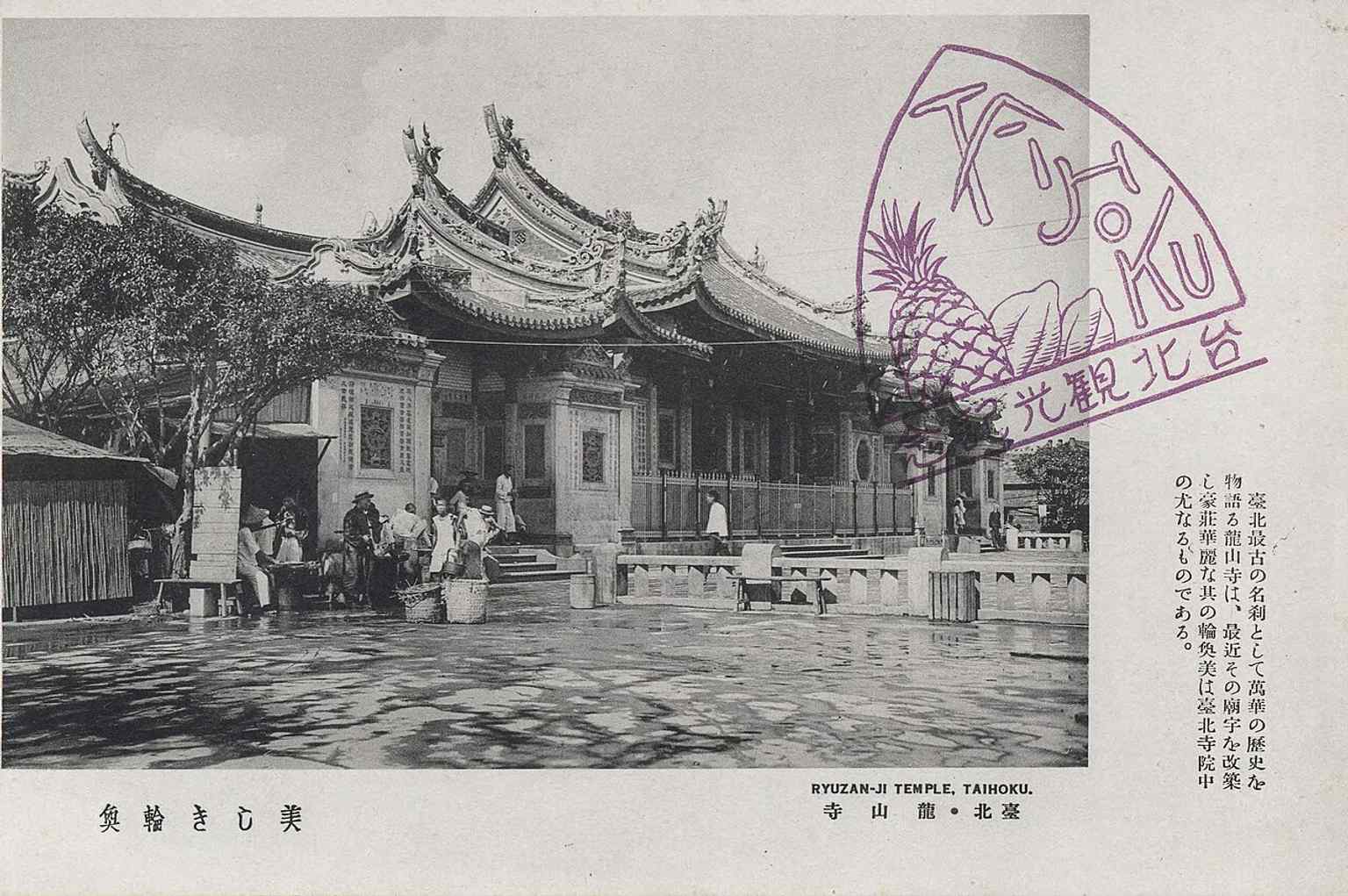
A vintage illustration of Longshan Temple in Taipei — useful for connecting the temple to its 19th-century fame, war history, and repeated rebuilding.
A vintage illustration of Longshan Temple in Taipei — useful for connecting the temple to its 19th-century fame, war history, and repeated rebuilding.Photo: Unknown authorUnknown author, Wikimedia Commons, Public domain. Cropped & resized.
arrow_back Back to Taipei Audio Tour: Historical Paths
Loved by travellers

Thousands of tours started.
Plenty of opinions.

4.8 across the App Store and Google Play. Here's a few we keep coming back to.

starstarstarstarstar
This was a solid way to get to know Brighton without feeling like a tourist. The narration had depth and context, but didn't overdo it.
Christoph
Christoph
Brighton Tour
starstarstarstarstar
Started this tour with a croissant in one hand and zero expectations. The app just vibes with you, no pressure, just you, your headphones, and some cool stories.
download Get the app

Pop your headphones in.
Step outside.

Free to download. Tours in every city. Start in 60 seconds — no account, no card.

Download on the App StoreGet it on Google Play
starstarstarstarstar_half
4.8
AudaTours app icon
headphones
~ 4 min until your first tour starts
public
1,000+ cities worldwide
all_inclusive
AudaTours
Unlimited

Every tour. Every city. One subscription.

3097 tours2273 cities138 countries50+ languages