
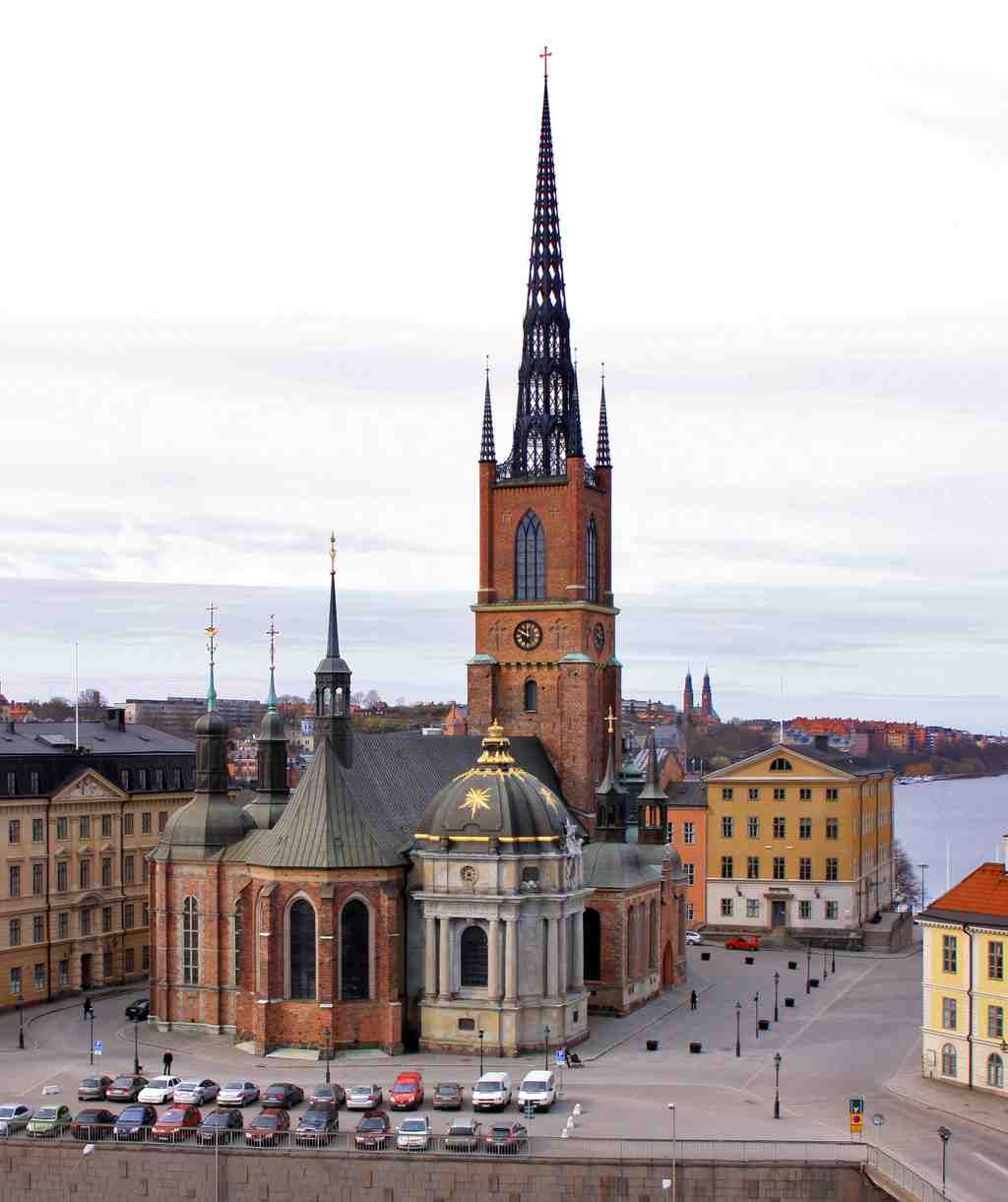
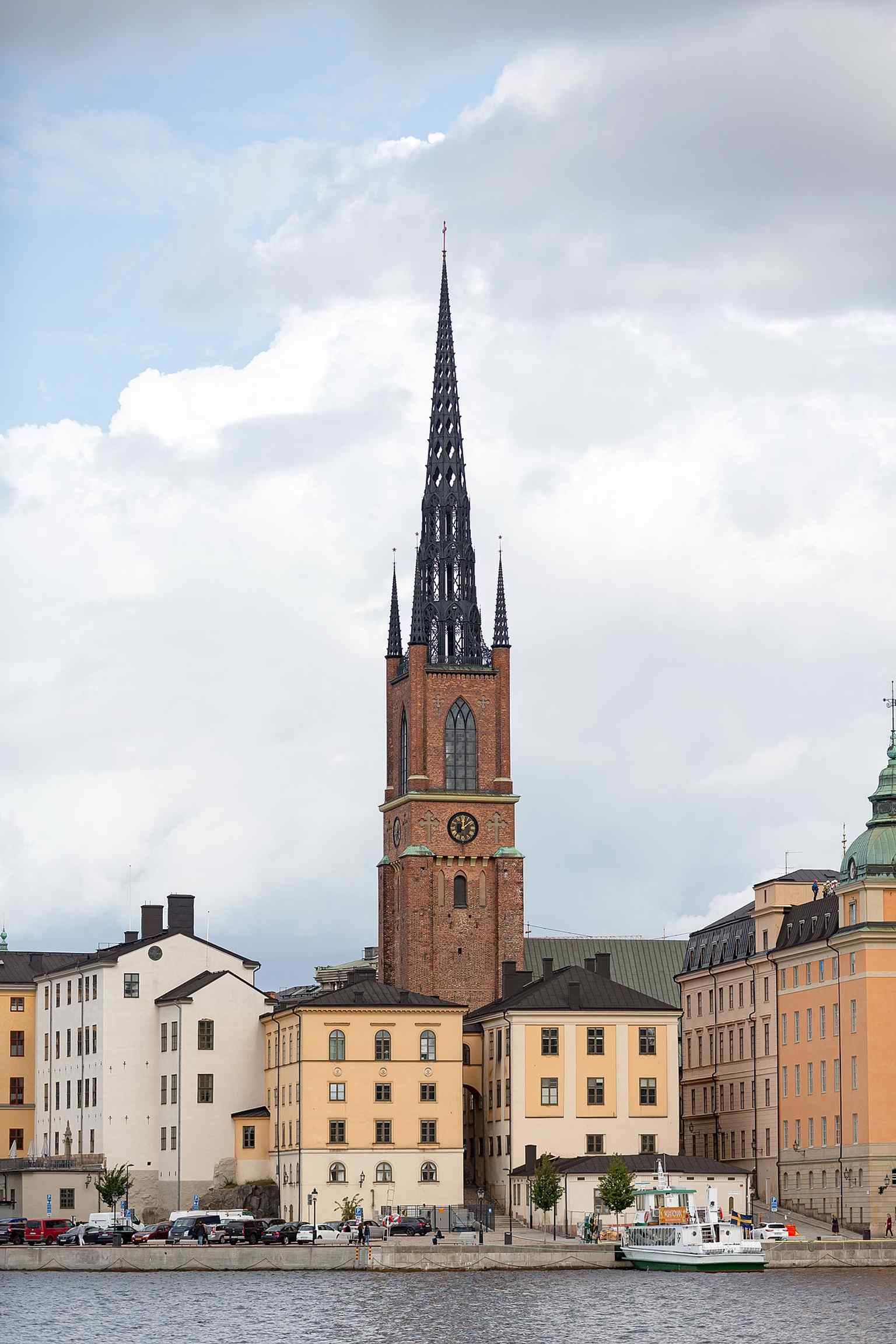
On your right, look for the red-brick basilica with its long polygonal choir and the lace-like black cast-iron spire rising from the west tower.
From across the square, the church reads almost like a timeline in brick. Those walls are the oldest brick above ground in Stockholm, and this is the city’s only surviving medieval monastery church. It began as the church of the Greyfriars, the Franciscan order, after King Magnus Ladulås gave the friars land here in the twelve seventies. He asked to be buried in this church, and when they laid him in the choir in twelve ninety-two, the building was still young. In a sense, this place became royal before it was even fully finished.
But that was not yet the church you see in Stockholm’s memory. After Gustav Vasa broke the old Catholic order and pulled monastic wealth into the Crown, the friars disappeared and the building changed with the kingdom. It became Protestant, then parish, and eventually something even more ceremonial: a church where monarchy could turn into permanence.
If Storkyrkan was the place where a ruler met the realm in public ritual, this was the place where that same ruler entered history. Gustav the Second Adolf understood that. Before he left for war in Germany, he chose his burial place here. He died at Lützen in sixteen thirty-two, and by the time his funeral took place in sixteen thirty-four, the tradition had been restored. From him to Gustaf the Fifth, nearly every Swedish ruler came here in the end, with Queen Kristina the great exception. Count the medieval kings linked to the high altar, and the total reaches seventeen rulers.
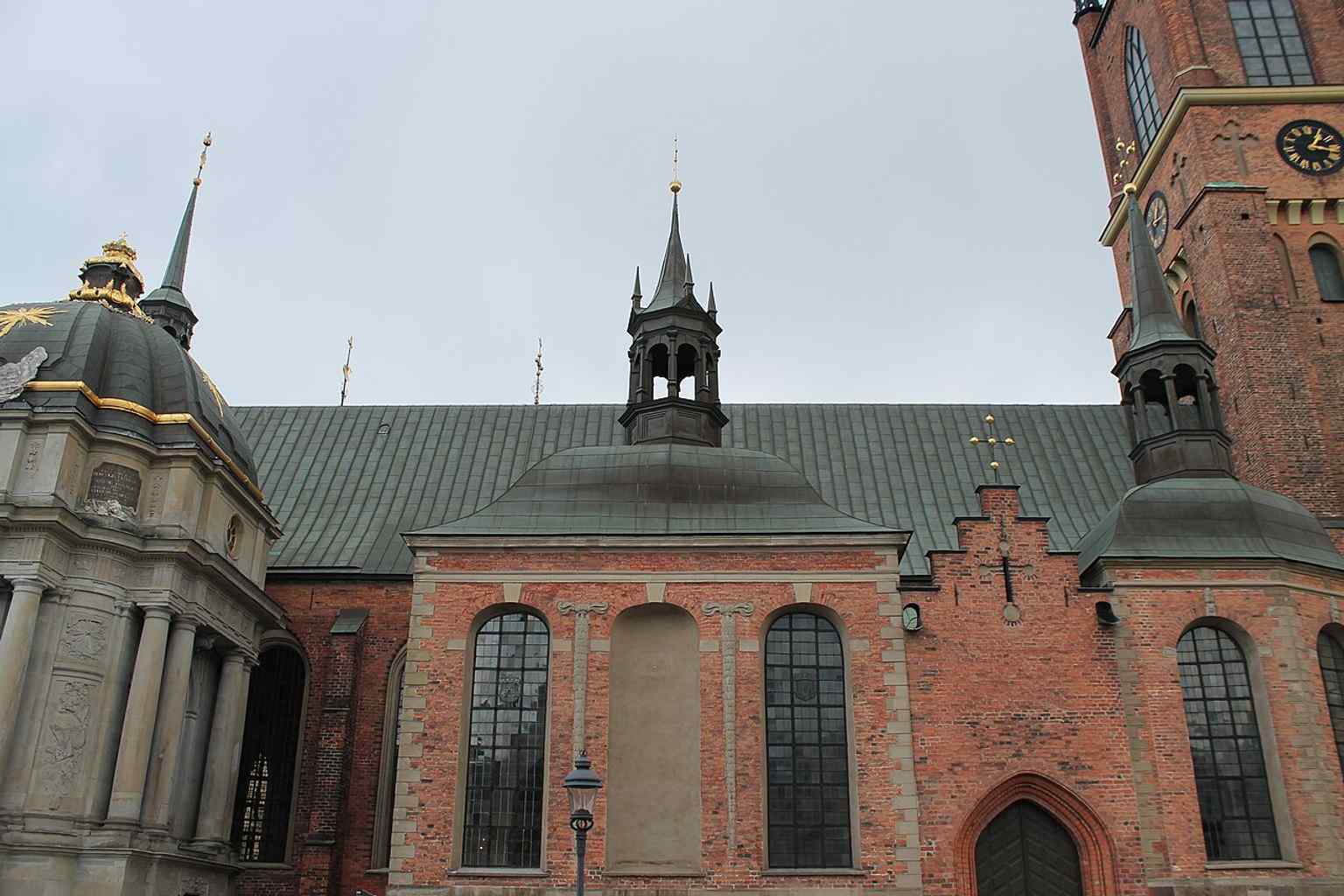
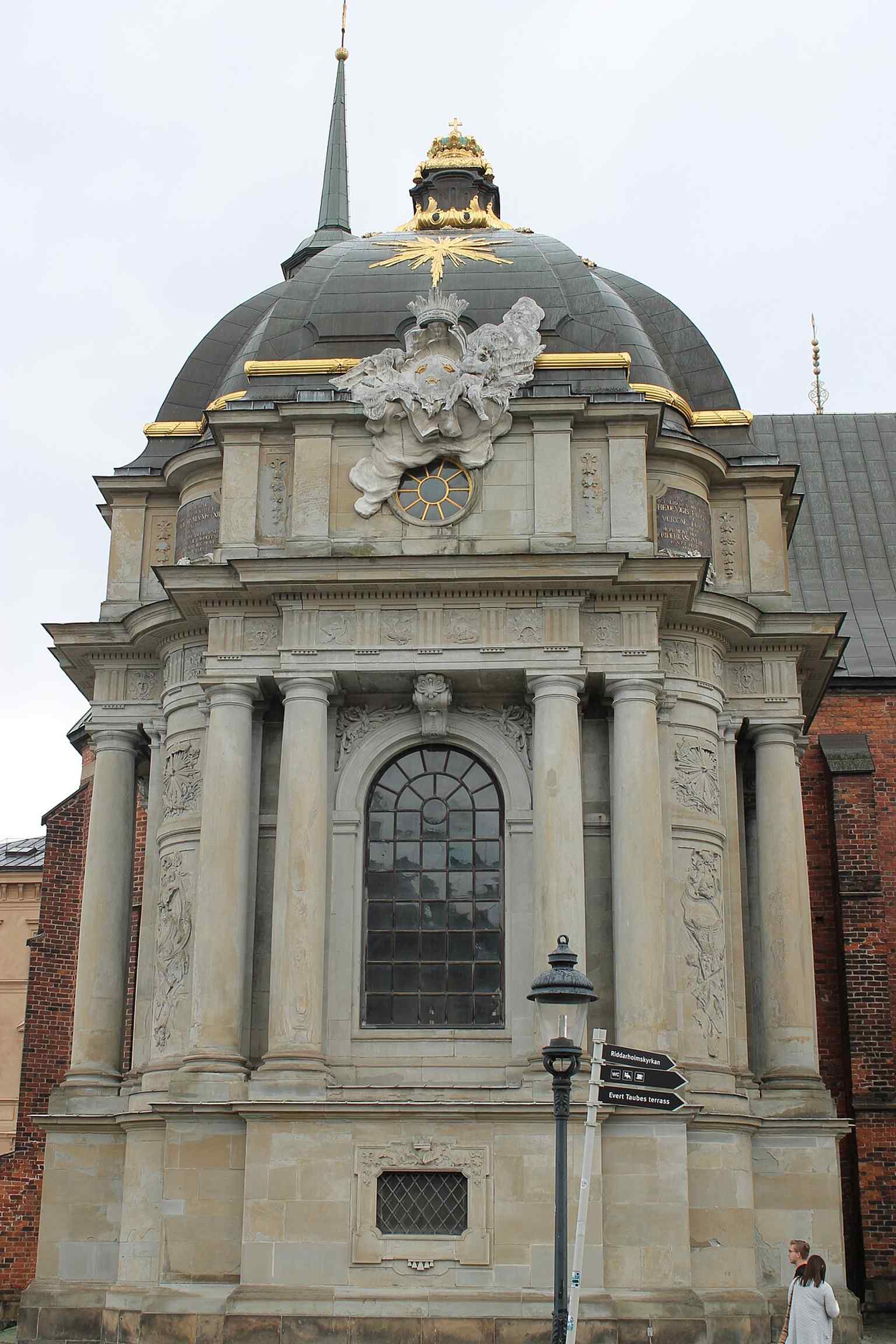
Look at the church’s sides. Those chapels pressed against the brick are not just additions. They are dynasties in stone: the Gustavians, the Carolines, the Bernadottes, and noble families who built their own burial chapels beside the royal dead. And if you look at the interior image on your screen, you can see how the whole space fills with tombs, shields, and memorials, less a parish church than a chamber of state memory.
Even here, memory is not the same as certainty. In the late sixteenth and seventeenth centuries, kings wanted glorious ancestry displayed as clearly as power. Johan the Third ordered grand monuments for Magnus Ladulås and Karl Knutsson before the high altar. For centuries, people believed one grave truly held Magnus. Then, in two thousand eleven, modern tests showed the bones inside were more than a century too young.
The monument stayed powerful anyway. That tells you something important: kingdoms preserve not only bodies, but stories about themselves.
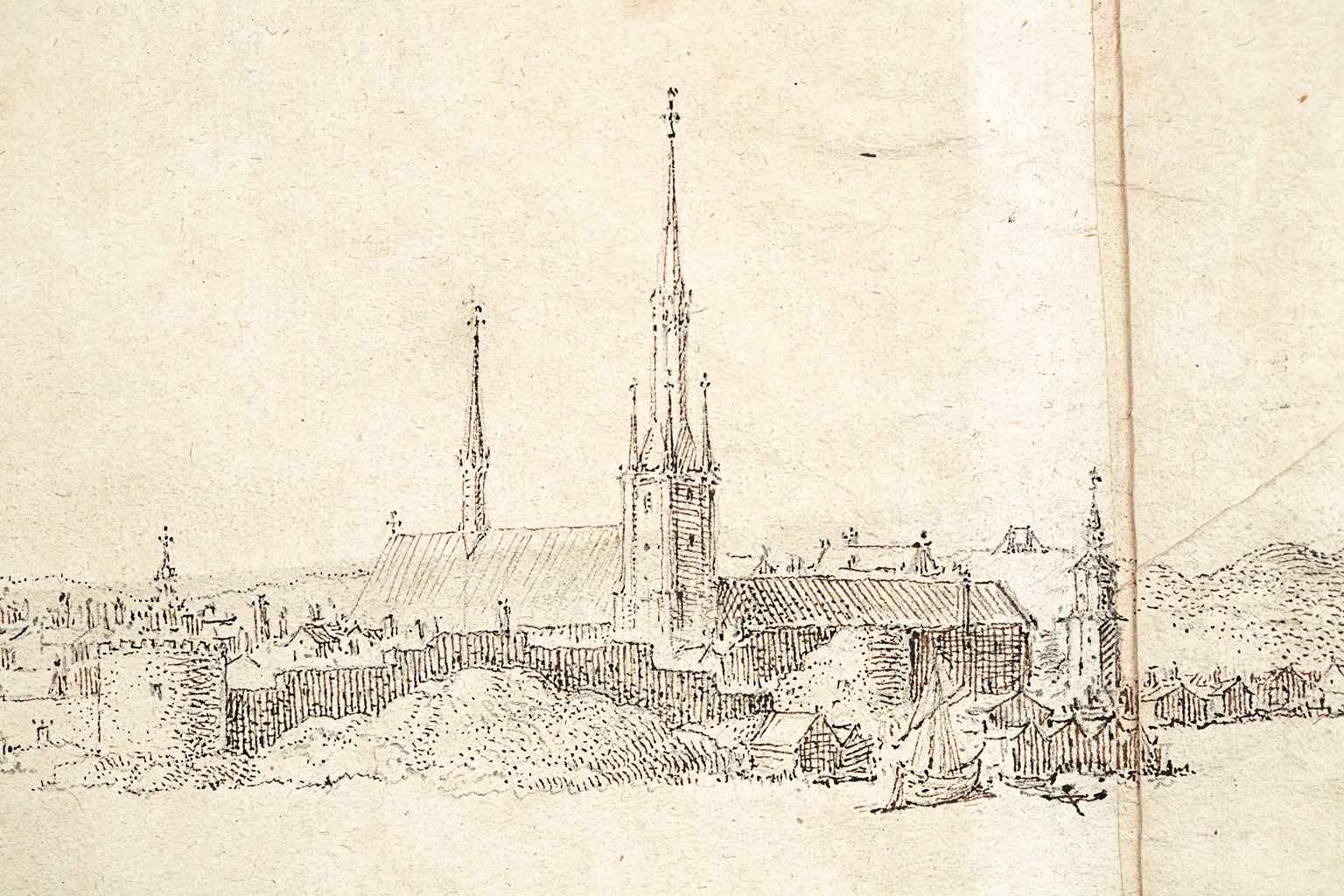
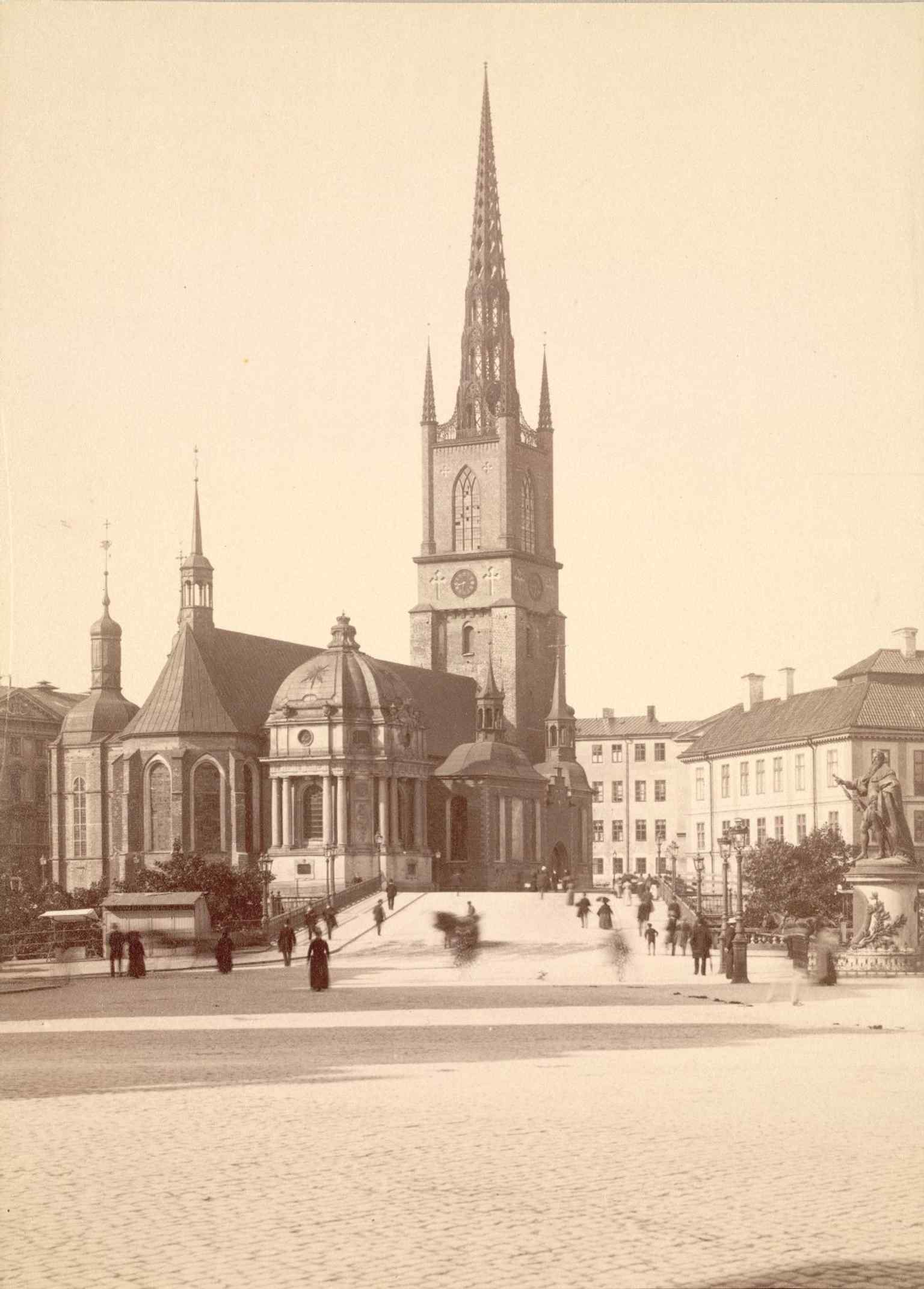
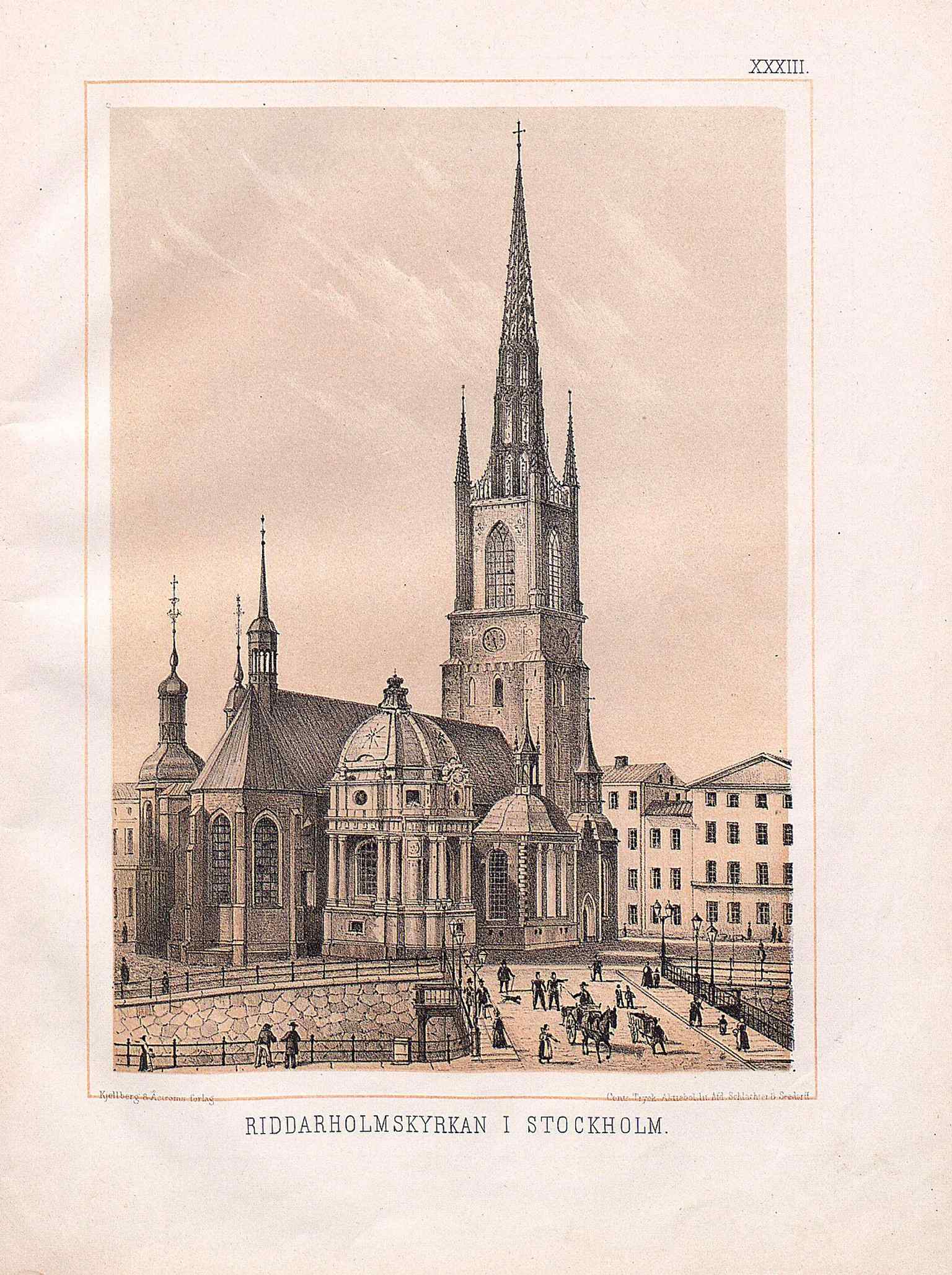
The spire above it all carries another layer. Lightning struck the tower in eighteen thirty-five, fire raged for three days, and the old spire collapsed. When the church rose again, craftsmen and architects gave it this cast-iron crown, industrial and Gothic at once, a newer age fastening itself onto medieval brick. If you want, glance at the before-and-after image in the app; it shows how the church kept its authority while the waterfront around it became unmistakably modern.
And that is the quiet force of this place. Here, rule becomes remembrance, ceremony becomes archive, and stone teaches a nation how to picture its own past. At the next stop, the Forum for Living History, that question changes: not how a state honors dynasties, but how it accepts responsibility for history. If you want to come back inside later, the church is generally open daily from ten in the morning to five in the afternoon.






.jpg)


