
Stand here for a moment and take in the idea before the building... Sweden’s highest elected authority feels calm, almost restrained. No fortress walls, no royal fanfare, just a parliament doing the work of decisions. And yet that calm sits on top of older struggles over who counted, who spoke, and who obeyed.
This part of Stockholm is small enough to cross on foot, but it holds stacked kinds of rule: king, church, nobility, merchants, crowds, and finally elected representatives. That is what makes these streets so revealing. Power here rarely disappears... it settles into new rooms, new rituals, and new stone.
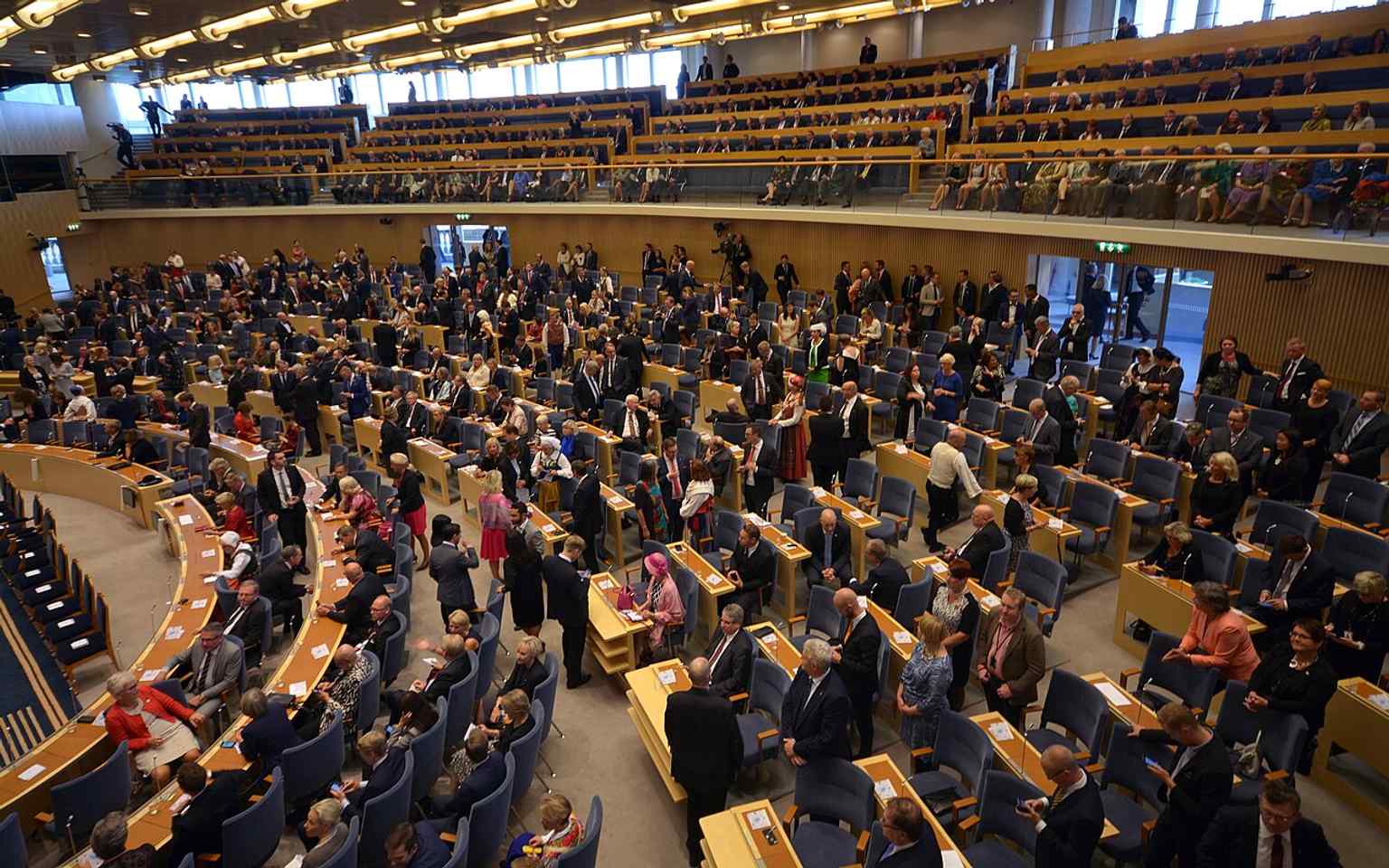
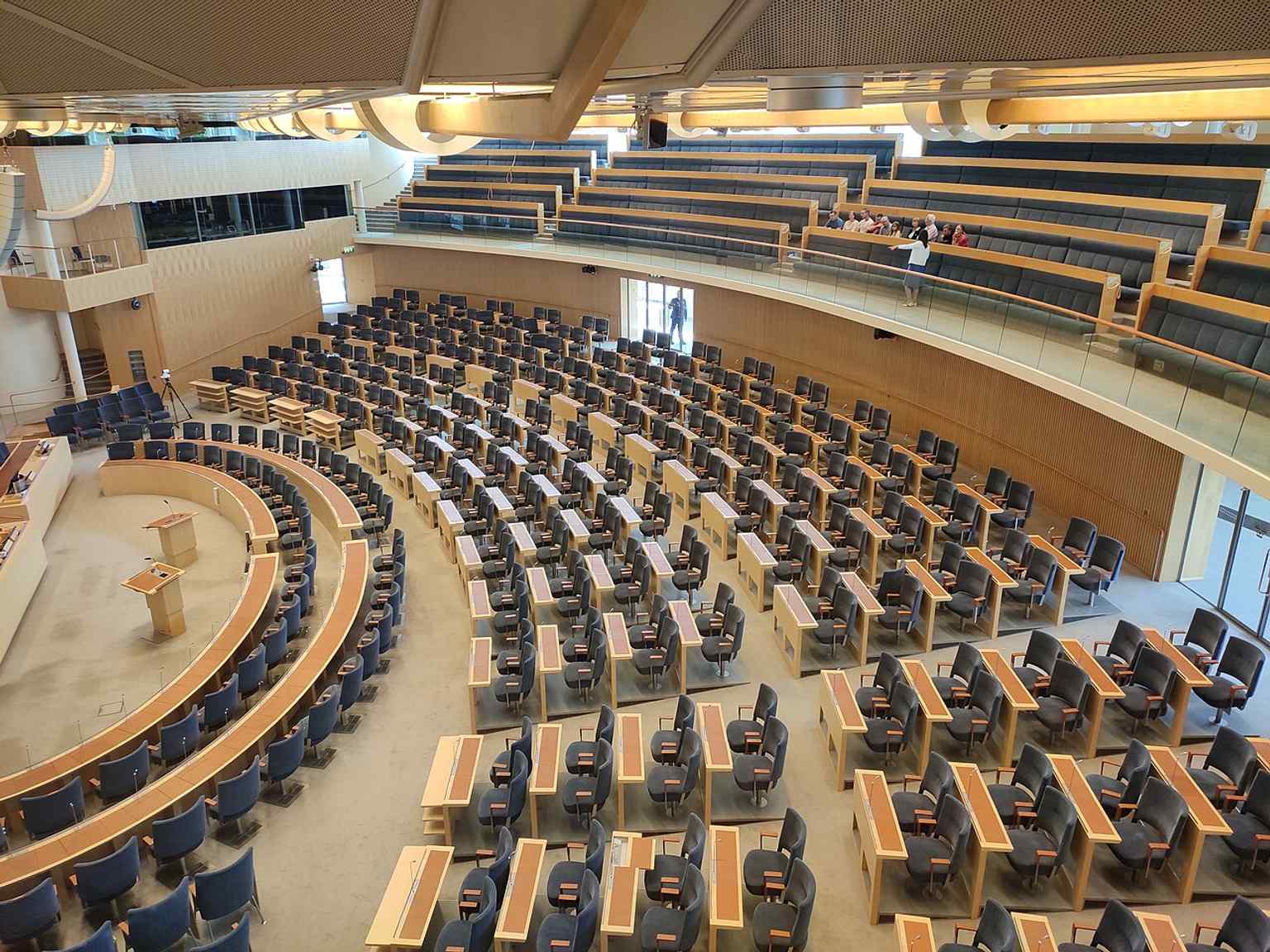
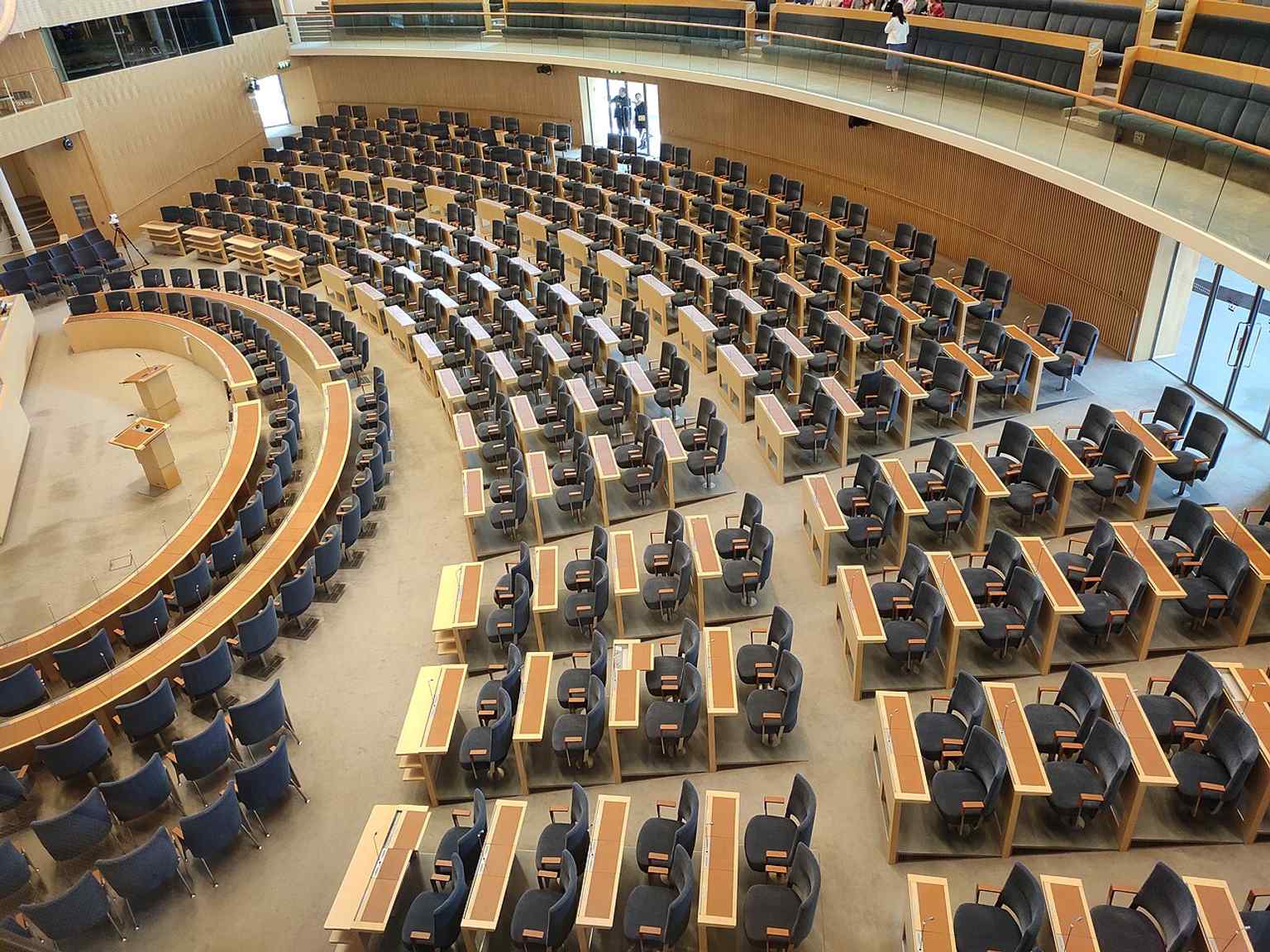
The Swedish parliament, the Riksdag, is now a single chamber with three hundred and forty-nine members, elected by proportional vote for fixed four-year terms. It enacts laws, approves constitutional change, and, under Sweden’s modern constitutional order, its speaker nominates the prime minister. That sounds clean and contemporary, but the institution grew slowly out of something much older: assemblies of estates, where society spoke not as equal citizens, but as ranked groups.
Its roots reach back to a meeting at Arboga, traditionally dated to fourteen thirty-five. Then, in fifteen twenty-seven, Gustav the First Vasa pulled representatives of all four estates into the system: nobility, clergy, burghers, and freeholding farmers. It lasted for centuries. Only in eighteen sixty-six did Louis De Geer force through the reform that swept away estate representation and replaced it with a bicameral parliament, an upper and lower chamber. He faced fierce resistance, especially from nobles who understood exactly what they were losing.
If you glance at the image on your screen, you can see one of those older chambers preserved inside the parliament complex, the former First Chamber hall. It is a reminder that even modern democracy often arrives by passing through imperfect rooms first.
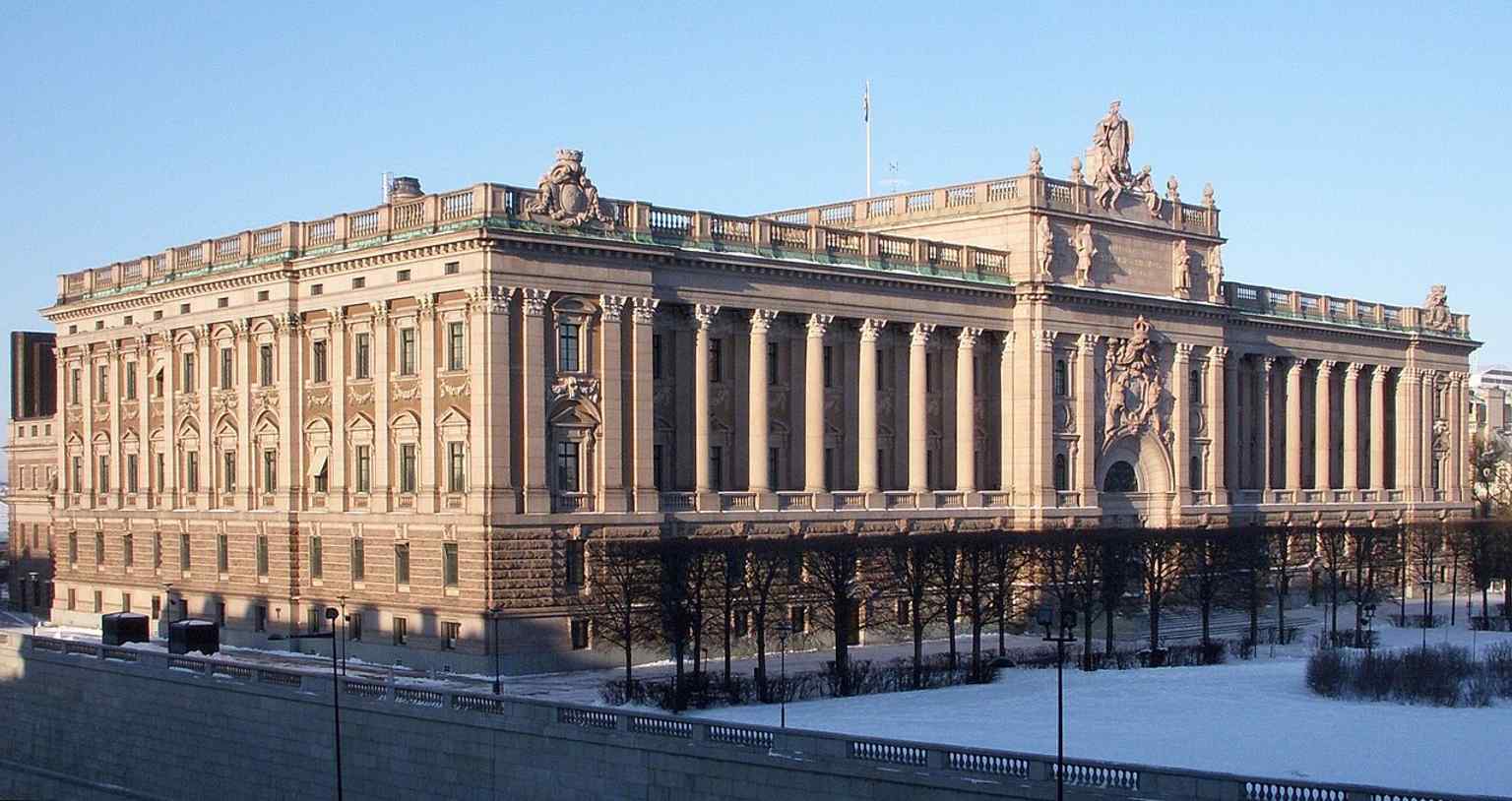
And then there is the ground itself. Locals sometimes speak about Stockholm as if it has a second body under the visible one. During construction of the new parliament house on Helgeandsholmen, workers cut into the earth and uncovered a thirteenth-century city wall and a medieval cemetery. That discovery stopped work and started another argument: should the state press on, or should the older city be protected? In the end, part of those remains survived beneath the parliament, and you can still trace that buried Stockholm in the museum below. Most visitors look at the institution above and never realize a graveyard and defensive wall helped interrupt its making.
The move here also sparked debate about how public authority should look, and who it was meant to impress. Critics attacked the design as too lavish. In a way, they were arguing over the same old question De Geer faced: what should public authority look like, and who is it meant to impress?
Even the modern Riksdag has shown its fragility. In the nineteen seventy-three election, the chamber split evenly, one hundred and seventy-five to one hundred and seventy-five, and some decisions had to be settled by lot. Sweden cut the number of seats to three hundred and forty-nine soon after, so chance would not sit in the speaker’s chair again.
So let me leave you with this... when you picture political authority, do you picture ideas, institutions, or the earth they rise from? In Stockholm, you are rarely allowed to choose only one. From here, we move from law on paper to law in stone, and walk to the parliament house itself.






.jpg)

