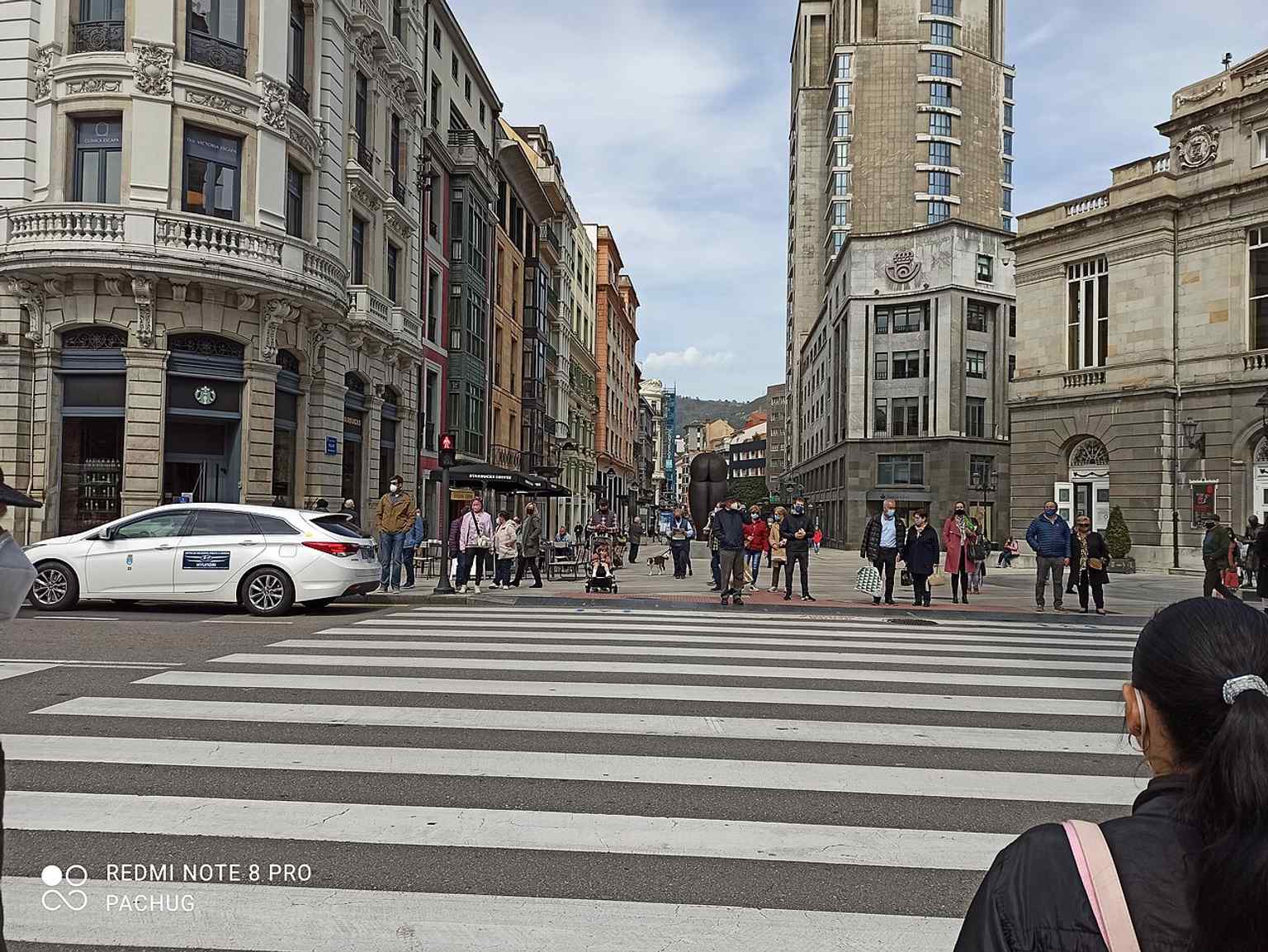
On your left, Teatro Campoamor is an elegant stone theater with a broad symmetrical facade, tall arched windows, and a central pediment crowning the entrance.
This is Teatro Campoamor, Oviedo’s great prestige theater... the place where the city learned to present itself with a little polish, a little ceremony, and, let’s be honest, a very clear seating chart for who mattered most. It opened to the public on the seventeenth of September, eighteen ninety-two, when Oviedo’s rising middle and upper classes wanted a proper home for opera and drama instead of relying on the older theater at El Fontán.
The site itself tells you something important about Oviedo. This ground once belonged to the convent of Santa Clara. Then the city pushed outward, laid out new streets behind Uría, and turned former religious land into public culture. Same heartbeat, different clothes.
One man gave the building its name. Writer and councilman Leopoldo Alas, better known as Clarín, proposed honoring the Asturian poet Ramón de Campoamor. Campoamor could not attend the opening, so he sent his brother in his place and sent one thousand pesetas to be shared among the poor of Oviedo... a gift worth several thousand euros in practical terms today. A graceful gesture, though it also hints at the social world this theater served.
Here is the local clue most visitors miss: the first season’s ticket table almost advertised the city’s class ladder in plain sight. Boxes, those private little compartments along the sides, and the best floor seats cost far more than the upper gallery. The paradise, meaning the highest and cheapest seats tucked under the roof, sat at the bottom of the price scale. So yes, everyone entered the same building... but not everyone entered the same Oviedo once inside. Opera can be wonderfully democratic in theory and very selective in upholstery.
The first night featured Meyerbeer’s Les Huguenots, and this house went on to host one of Spain’s oldest regular opera seasons in Spain. If you glance at the image on your screen, you can see how firmly the theater anchors these central streets, almost like the city set a ceremonial stage right into the neighborhood grid.
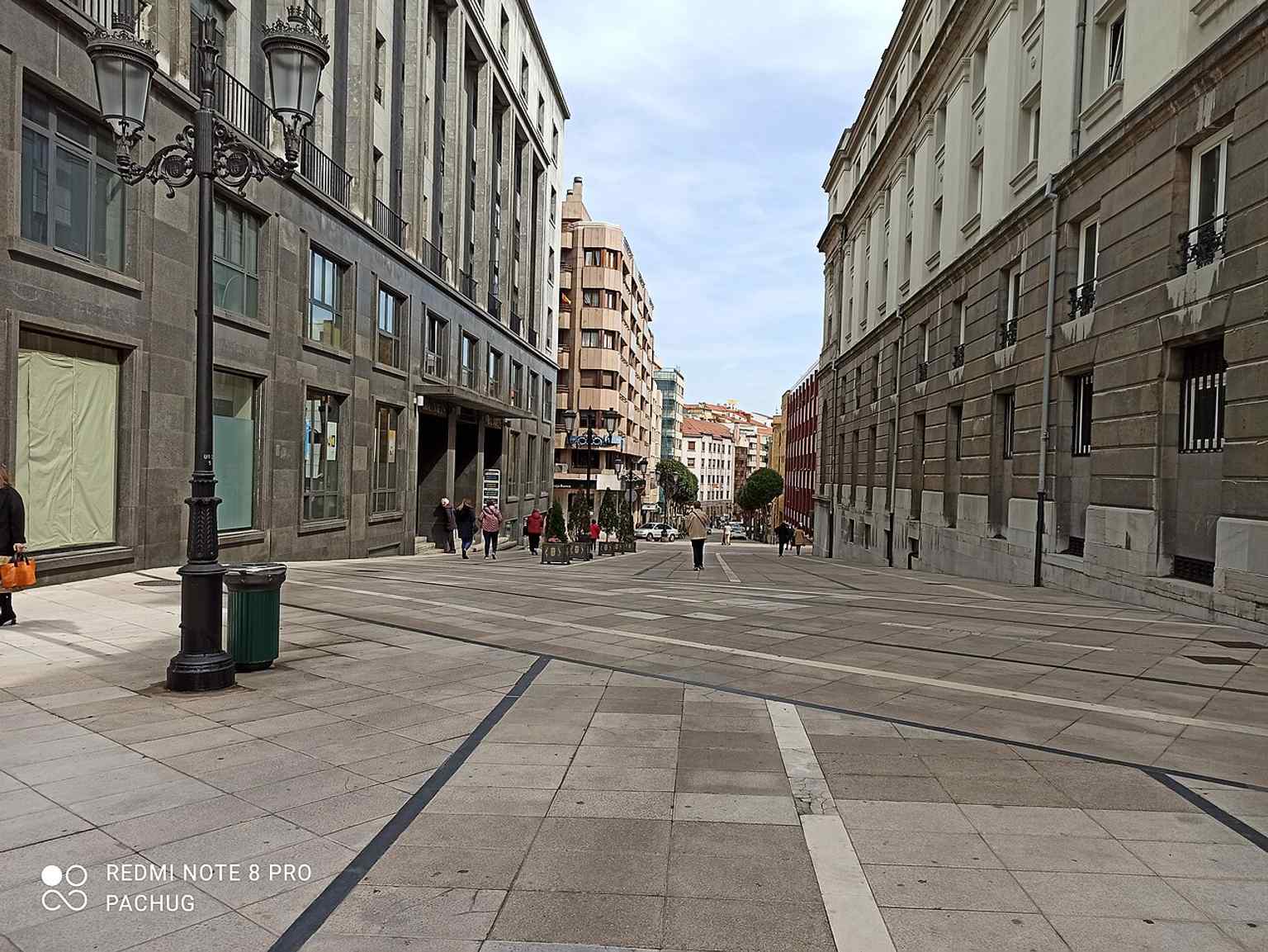
Then came fire. During the revolution of nineteen thirty-four, soldiers acting on orders from Camilo Alonso Vega burned the theater so revolutionaries could not use it against the nearby Santa Clara barracks. The blaze reduced almost everything to rubble. Only the main facade survived... the very face you’re looking at now. Reconstruction started in nineteen forty-one, and the theater reopened in September of nineteen forty-eight with Massenet’s Manon.
Later upgrades kept it alive rather than frozen. In nineteen eighty-eight, architect José Rivas, advised by stage designer Julio Galán Martín, modernized the stage, flattened its sloped floor, and enlarged the orchestra pit, the sunken space between audience and stage where the musicians play. Beneath the plaza and street nearby, the city also tucked in dressing rooms, rehearsal space, workshops, and technical rooms.
Today the Campoamor hosts opera and, above all, the Princesa de Asturias Awards. This is a fine Oviedo lesson early in our walk: the public face of a city is never neutral. It is arranged, priced, rebuilt, and argued over. Hold onto that thought as you head to Plaza de la Escandalera, about a minute away. If you want to check inside later, the theater generally opens every day from eleven to two and again from five to eight.