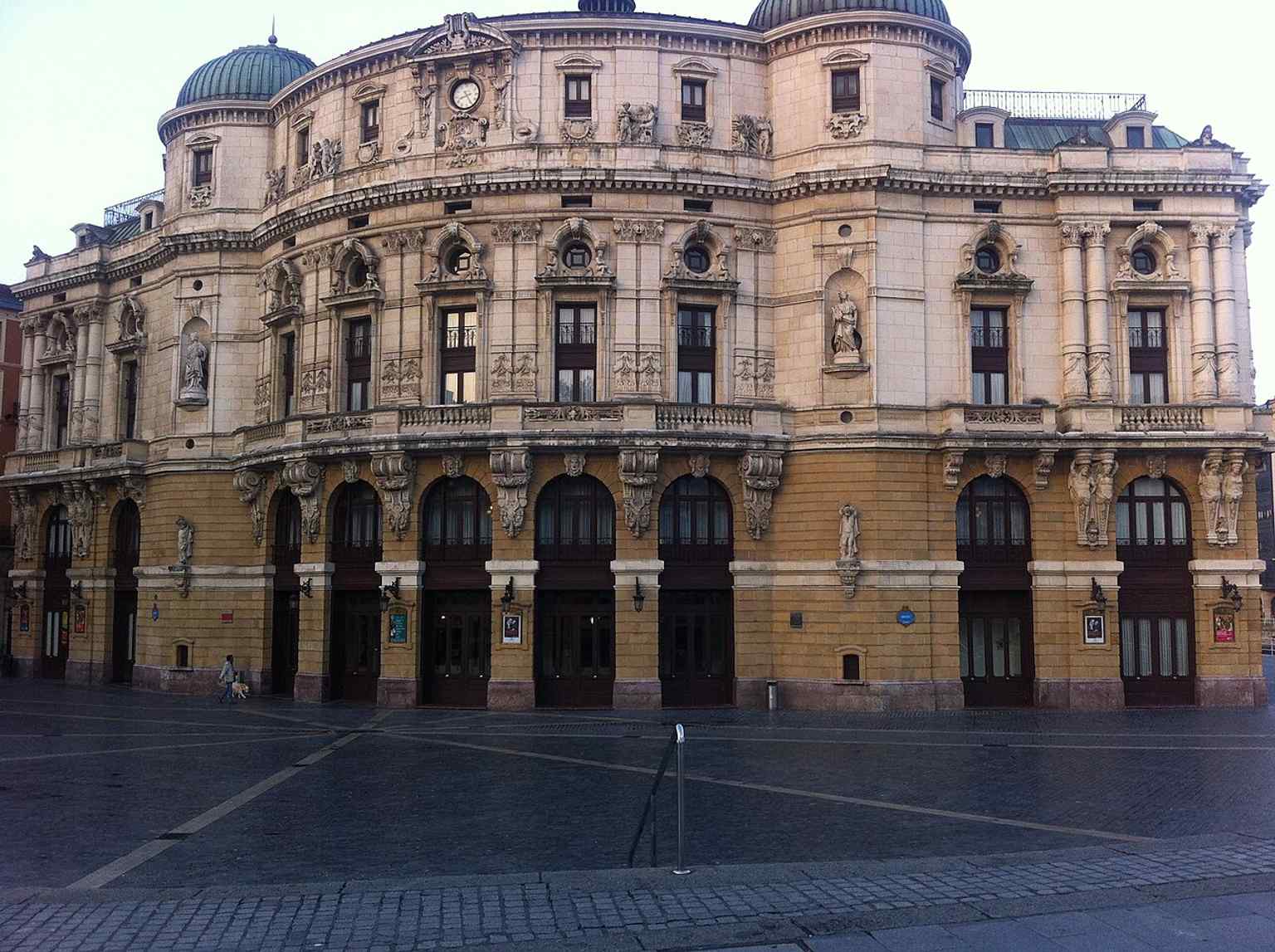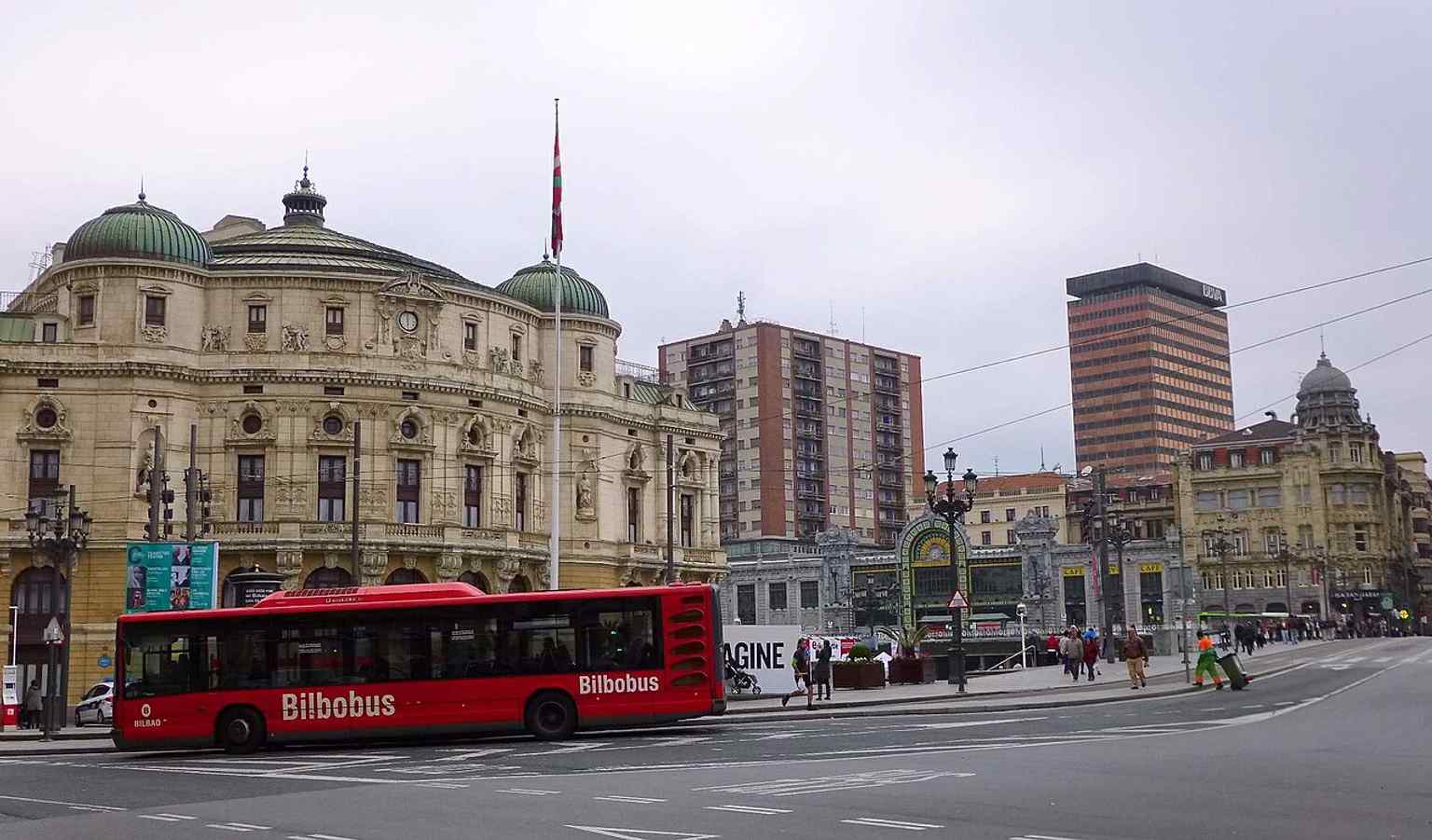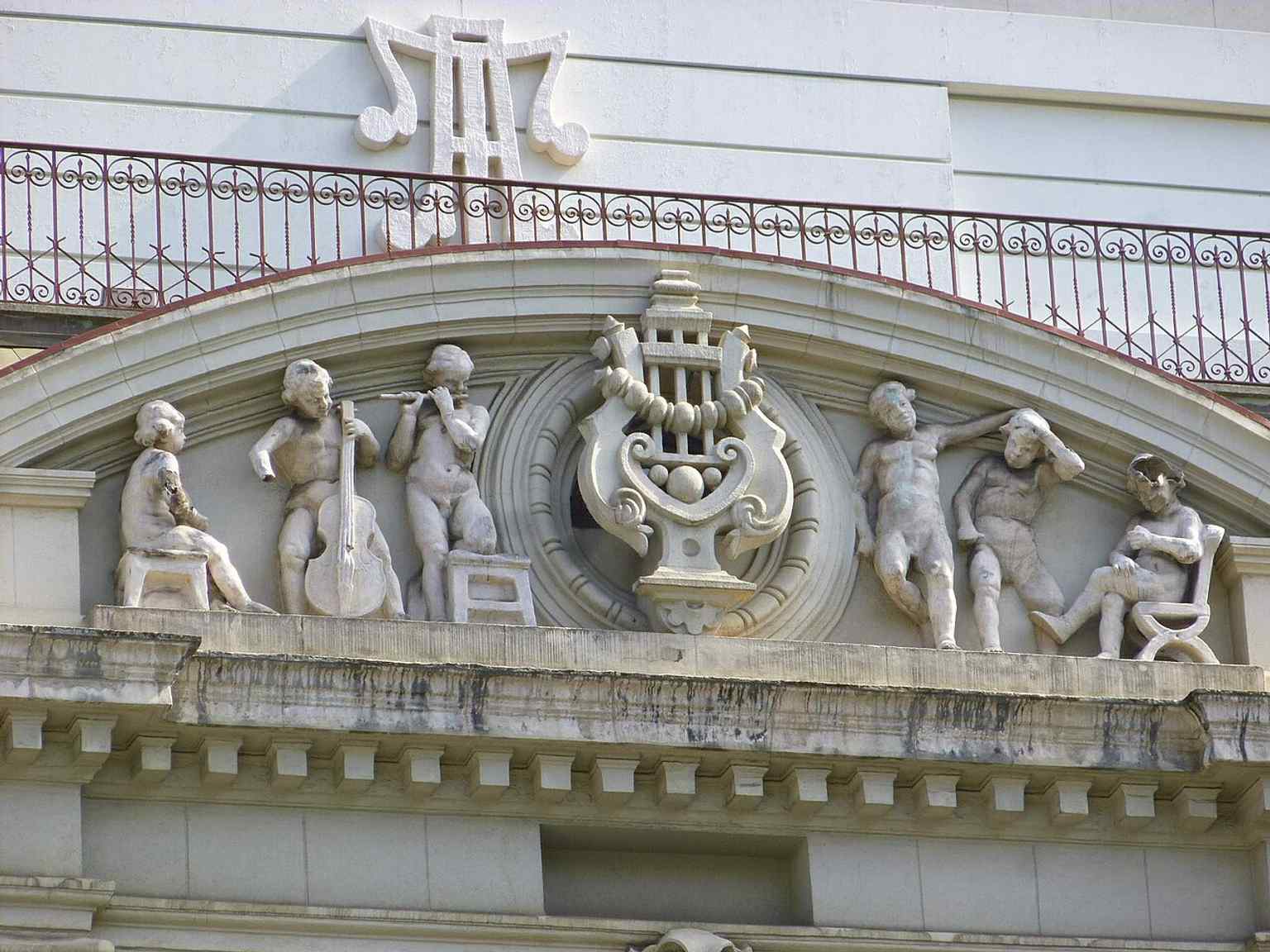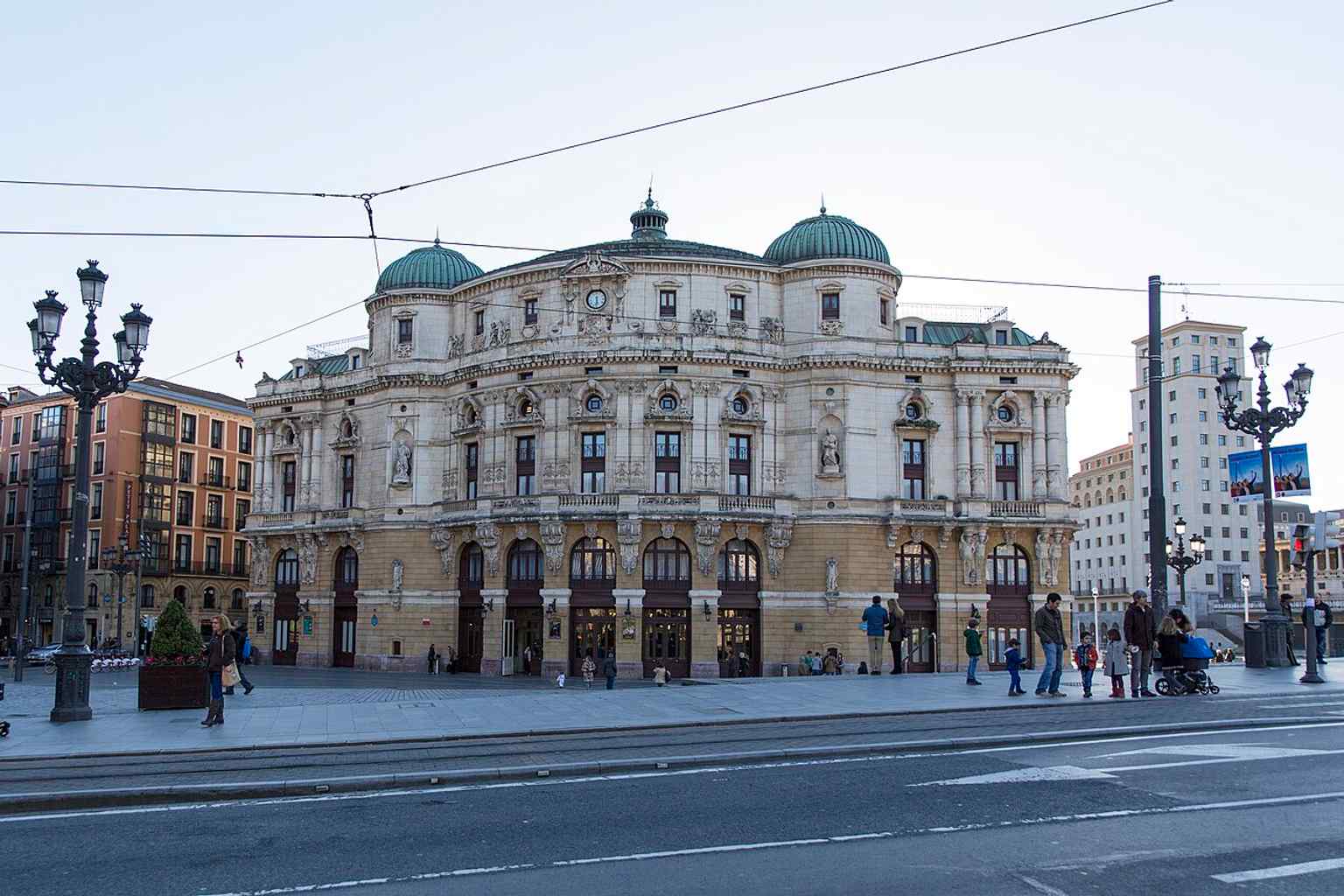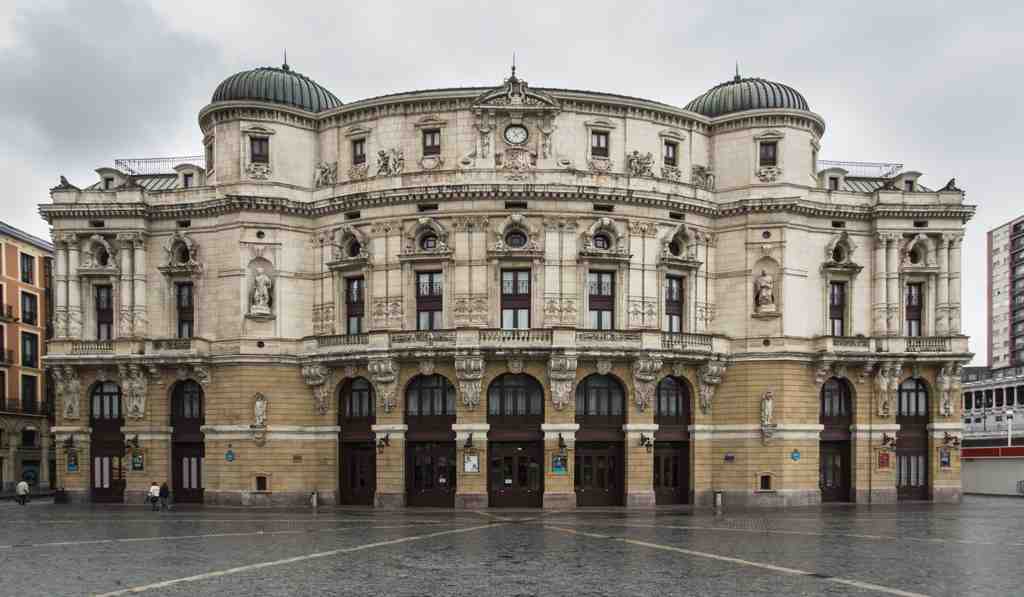
Ahead of you stands a pale stone theater with a curved central façade, mansard roofs and small domed corner towers, all crowned by a lyre beneath a clock.
Think of that lyre as Bilbao introducing itself on purpose. When the architect Joaquín de Rucoba opened this theater on the thirty-first of May, eighteen ninety, he gave the city a grand public face: neo-baroque, meaning it borrowed the swagger and ornament of older European opera houses to say, very politely and very clearly, “we belong on the big stage too.”
And the name belongs to someone who never got a long second act. Juan Crisóstomo de Arriaga was born in Bilbao in eighteen oh six, on the same day Mozart would have turned fifty. He died at just nineteen. That is why people called him the Spanish Mozart, and why this building always carries a small note of heartbreak under all its finery.
Bilbao has a habit you’ll notice all through this walk: it presents itself in public. Not just with speeches, but with stone, façades, bridges, parks, and grand rooms. This theater is the perfect opening curtain, because it tells you the city wants to be seen, judged, admired... and remembered.
Take a good look at that central curve, the balcony, and the heavy decoration. From where you’re standing, ask yourself what matters most here: beauty, prestige, or stubborn survival. Truth is, Bilbao chose all three.
Most visitors think the story starts in eighteen ninety. Locals know the stage was older than this costume. There was already a Teatro de la Villa on this ground in eighteen thirty-four, and Bilbao’s official theater memory reaches back to a dedicated performance venue in seventeen seventy-nine, before fire erased it. This city did not invent itself once. It kept rebuilding the set and carrying on.
Even this version paid a price to rise. In eighteen eighty-seven, part of the construction collapsed, killing two workers and injuring four. The finished theater cost one million pesetas, a fortune at the time, and it arrived with the latest marvels: electric lighting, plus an early telephone system that let people follow performances from a distance. Opera by landline... not bad for the nineteenth century.
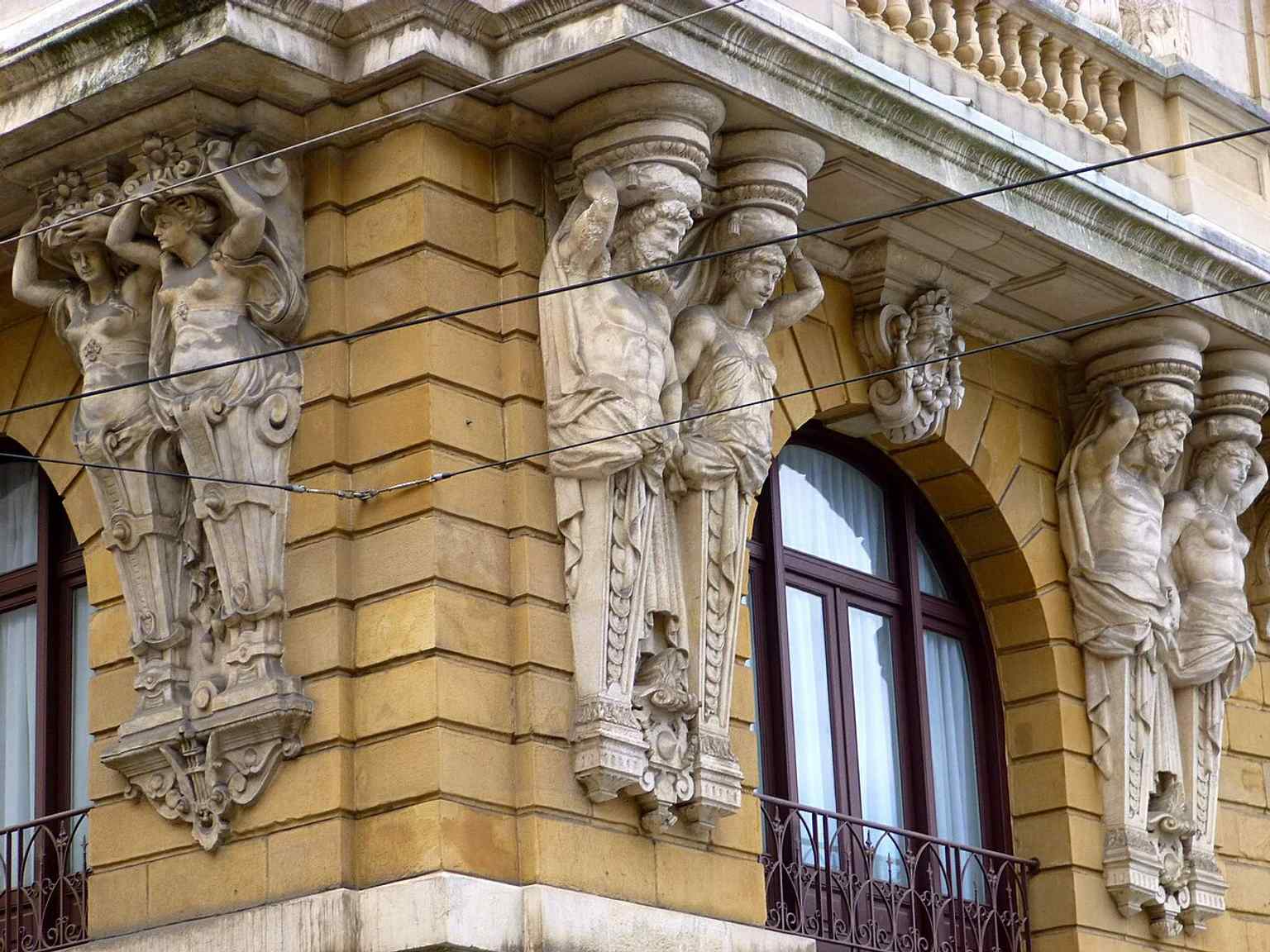
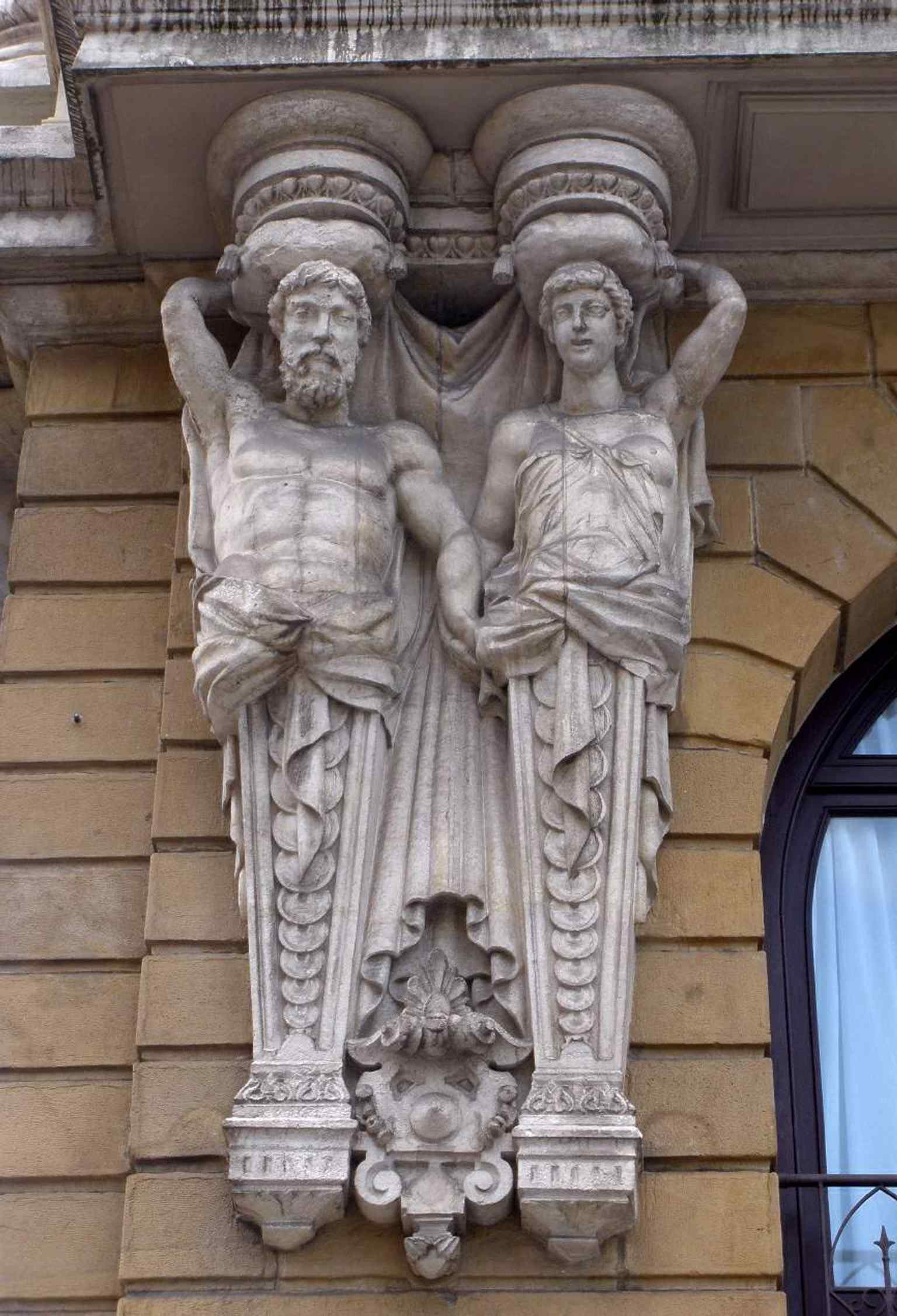
If you glance at the image on your screen, you can spot the caryatids, sculpted women used like columns, whose generous proportions made locals nickname the place “the maternity house.” Bilbao has always mixed elegance with a little elbow-in-the-ribs humor.
The Arriaga did more than stage plays. In eighteen ninety-one, the lower floor hosted the first sessions of the Bilbao Stock Exchange. In nineteen oh one, Miguel de Unamuno took part here in literary festivities. Money downstairs, ideas upstairs, music in the middle... that’s a whole city in one building.
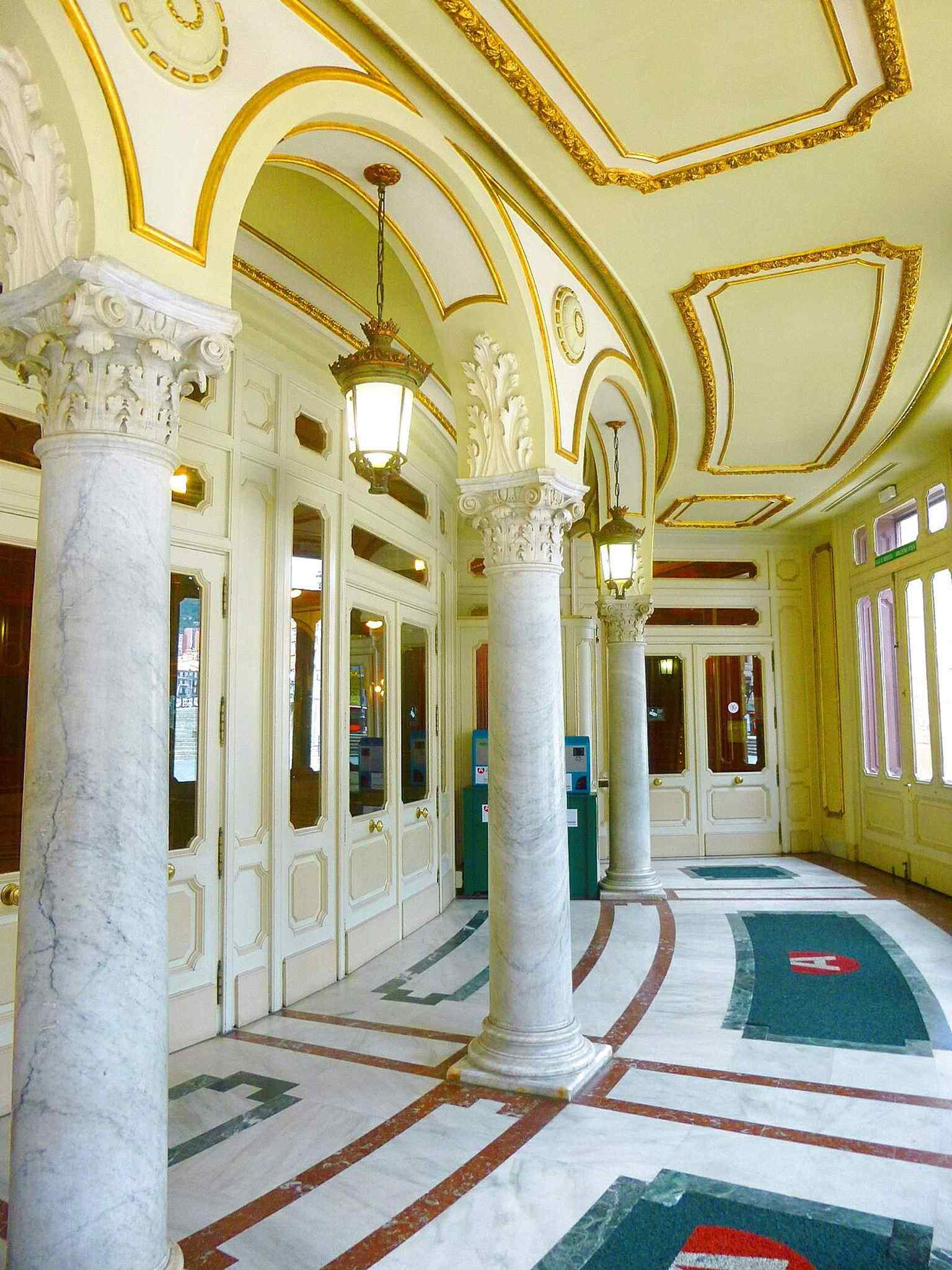
And then came the blows. A fire destroyed the theater in nineteen fourteen while the zarzuela company of Salvador Videgain García was performing. Federico de Ugalde rebuilt it. Decades later, the flood of nineteen eighty-three sent water up to the second floor during another restoration, forcing Bilbao to rethink the rescue yet again. If you look at the interior image in the app, that grand imperial staircase belongs to the later recovery, when Francisco Hurtado de Saracho reshaped the entrance and vestibule instead of merely patching the wounds.
So this is our first clue to Bilbao: a city that keeps its memories, but refuses to leave them in ruins. From here, the story moves from the public stage to private power. In about sixteen minutes, at Chavarri Palace, we’ll meet the social ambition that dressed itself just as carefully as this theater does.