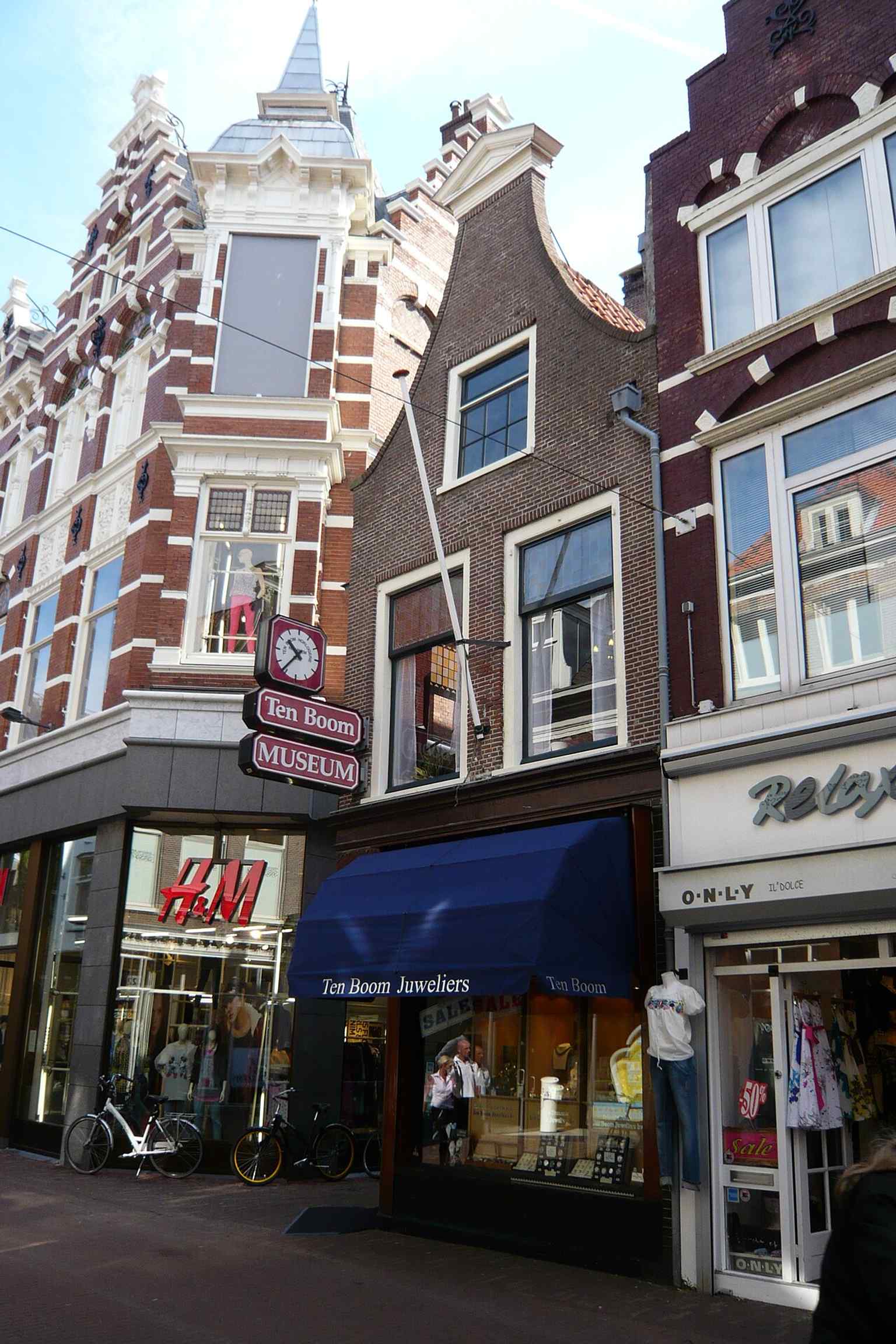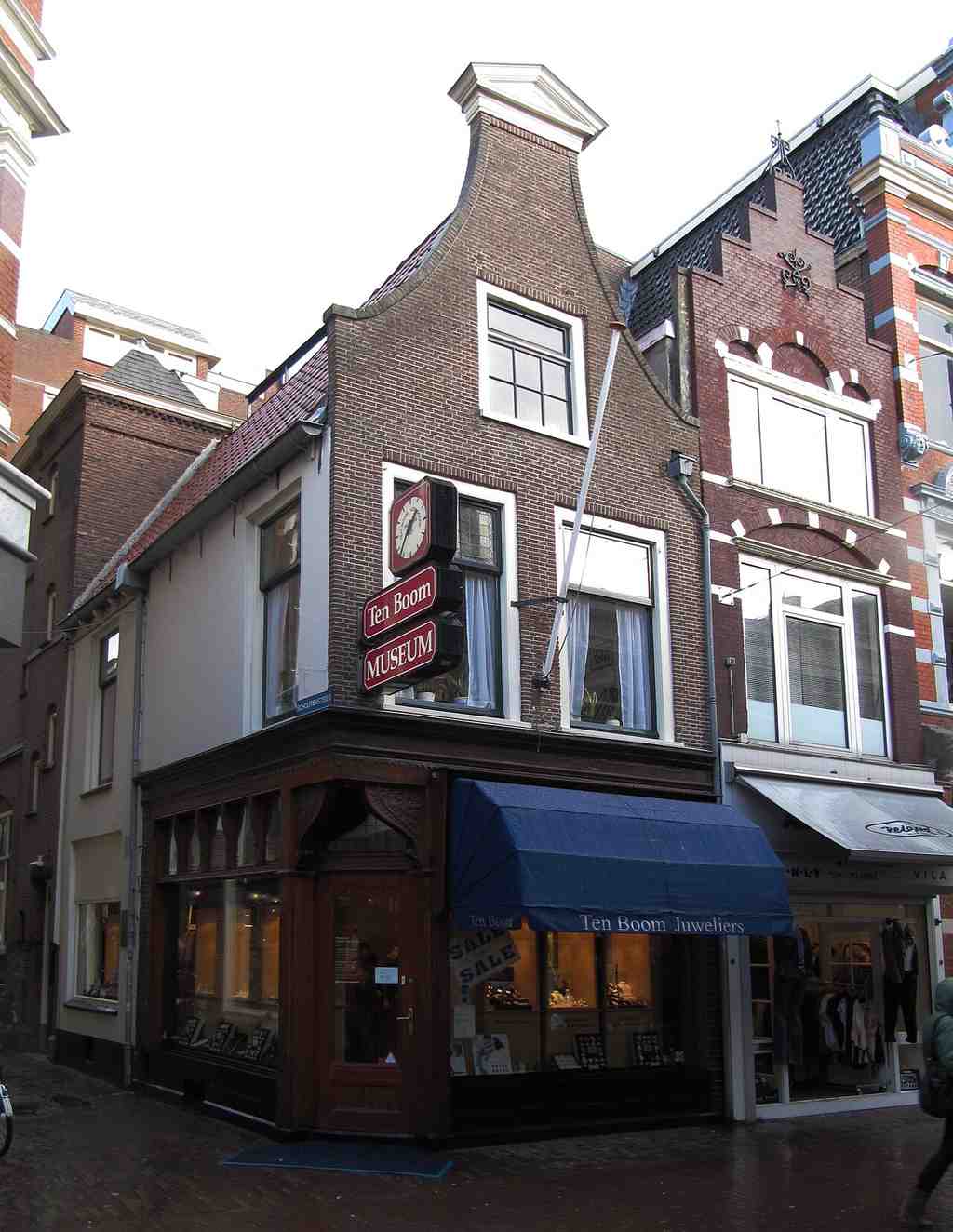
Look for the narrow town house with a plain brick facade, tall vertical windows, and a modest shopfront that still hints at its old life as a watchmaker’s home.
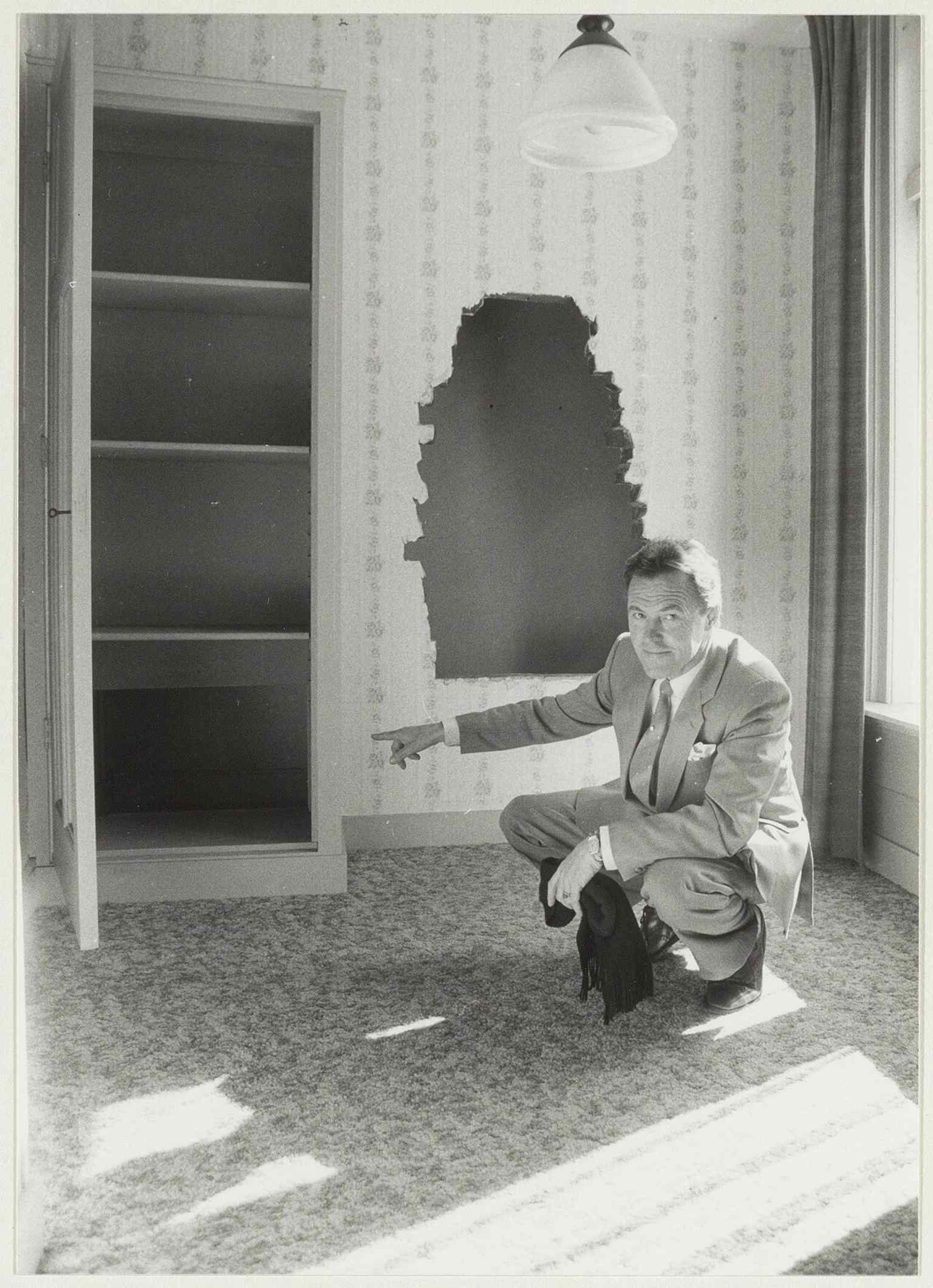
Imagine, for a moment, not a museum but a family room... linens folded away, a bed against the wall, a cupboard that looked as innocent as Sunday toast. Behind Corrie ten Boom’s bedroom, through a linen cupboard, helpers built a hiding place only about two and a half meters long and seventy centimeters wide. Five or six people squeezed in there during raids, breathing through a crude vent and making no sound at all. If your own home had to turn into a refuge overnight, which ordinary corner would suddenly become an instrument of courage?
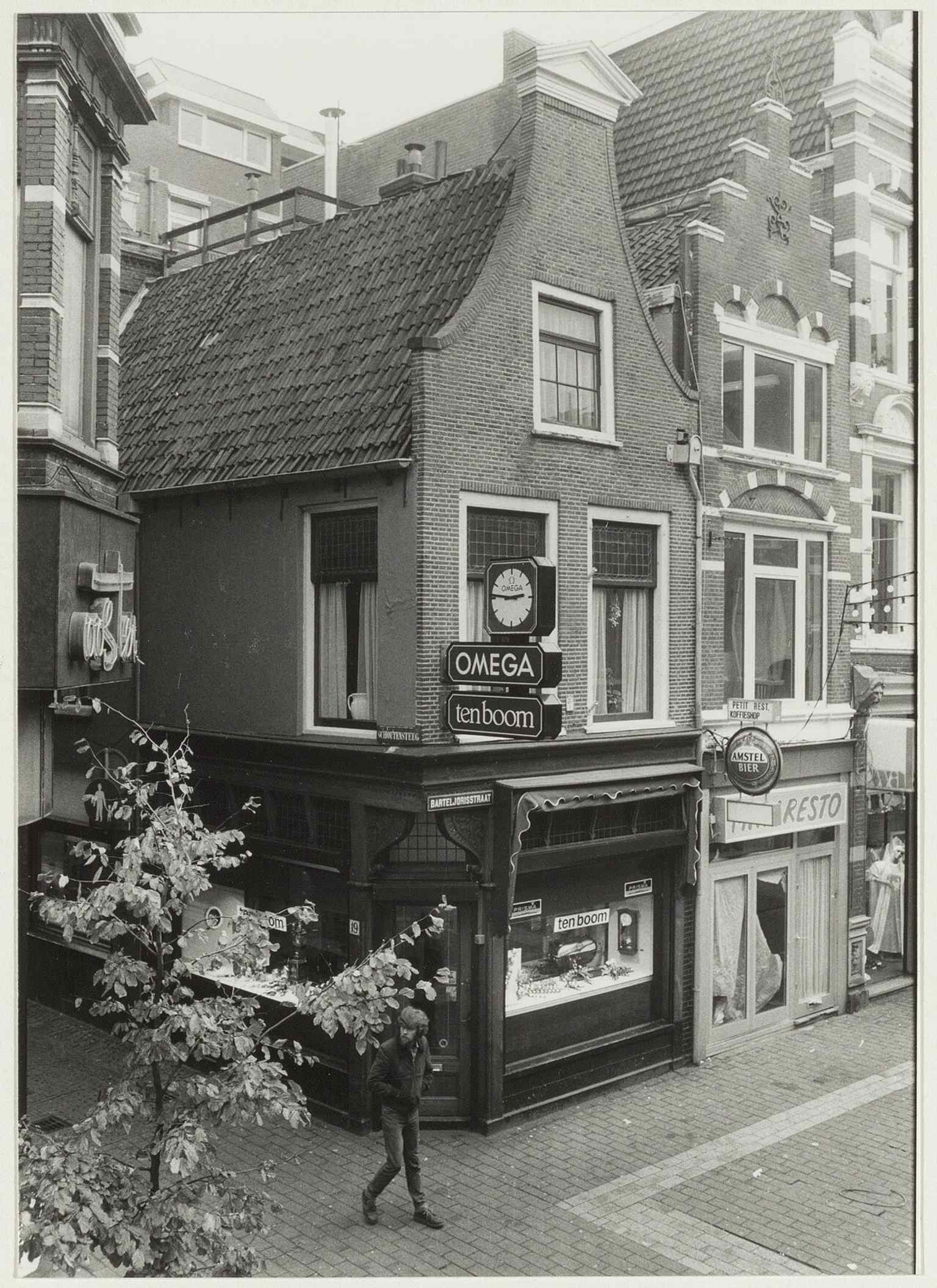
That is the first lesson this house offers. Long before Corrie, this address had another life entirely. Around sixteen hundred, Haarlem’s bailiff lived here. In eighteen thirty-seven, Willem ten Boom opened a clock and watch shop, and the house settled into the rhythm of family business. By the nineteen twenties and nineteen thirties, the Ten Booms were also taking in foster children whose parents served on the mission field. Care came first here; resistance grew out of that habit, not the other way around.
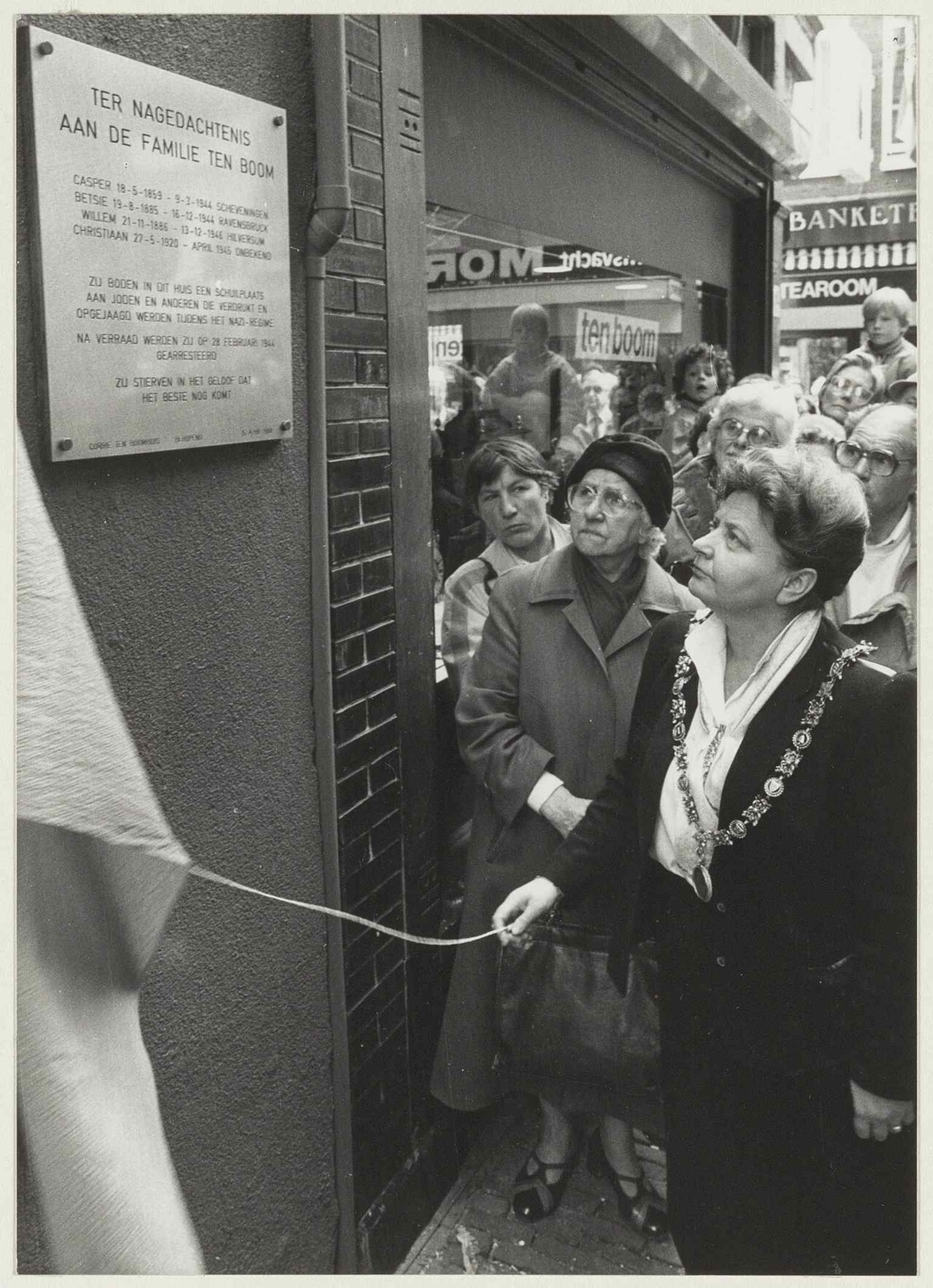
Casper ten Boom, respected enough to chair Haarlem’s Chamber of Commerce, stood at the heart of a family woven into city life. Then occupation tightened, and in nineteen forty-three and nineteen forty-four this home became part of an underground network that likely helped about eight hundred Jews and other fugitives. They even rehearsed for searches, with nighttime drills and a secret telephone.
On the twenty-eighth of February, nineteen forty-four, betrayal brought the German S-D, the security service, through the door. More than thirty people were arrested, including Casper, Corrie, and Betsie. Yet the six people behind the wall were not found, and the resistance got them out after about forty-seven hours. If you like, check the before-and-after image in the app; it neatly shows the old watch shop becoming a place of remembrance. And the interior photo helps you feel how ordinary the rooms looked.
Casper died ten days later in prison. Betsie died in Ravensbrück, a German concentration camp. Corrie survived, carried her message of faith and forgiveness across more than sixty countries, and this house reopened as a memorial on the fifteenth of April, nineteen eighty-eight.
Keep that in mind as you look at the street around you: in Haarlem, a calm facade can hide an older job, a deeper wound, or a brave secret. When you’re ready, head to Hoofdwacht, about a two-minute walk from here. If you want to come back inside later, the museum is usually open Tuesday through Saturday from ten AM to three-thirty PM.