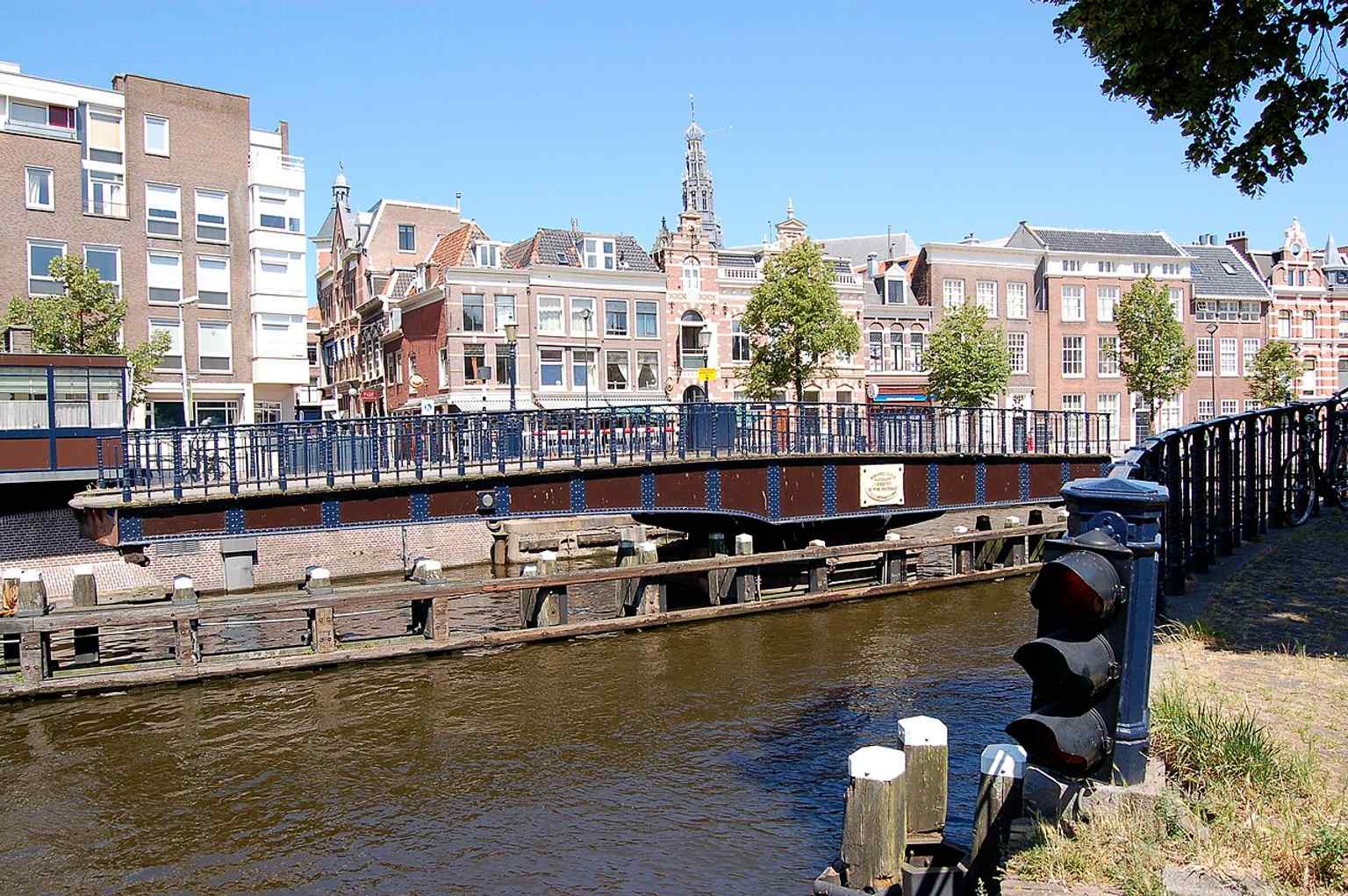
Look for the iron swing bridge with its uneven arms, solid stone supports, and the small bridge keeper’s house set beside the roadway.
This is the Melkbrug, the Milk Bridge... though in the Middle Ages people also called it the Fish Bridge, because the city fish hall stood nearby until it moved to the Grote Markt in sixteen oh three. So even the name tells you this crossing keeps changing jobs.
What you see now dates to eighteen eighty-seven, when city architect Jacques Leijh replaced an older double bascule bridge here with something heavier and more deliberate: an unequal-arm swing bridge over the Binnenspaarne. A bascule bridge, by the way, is the kind that lifts like a drawbridge. Leijh chose a different machine, but he did not make it plain. He dressed this practical piece of city hardware in neo-Renaissance details, giving a workhorse a nicely tailored coat.
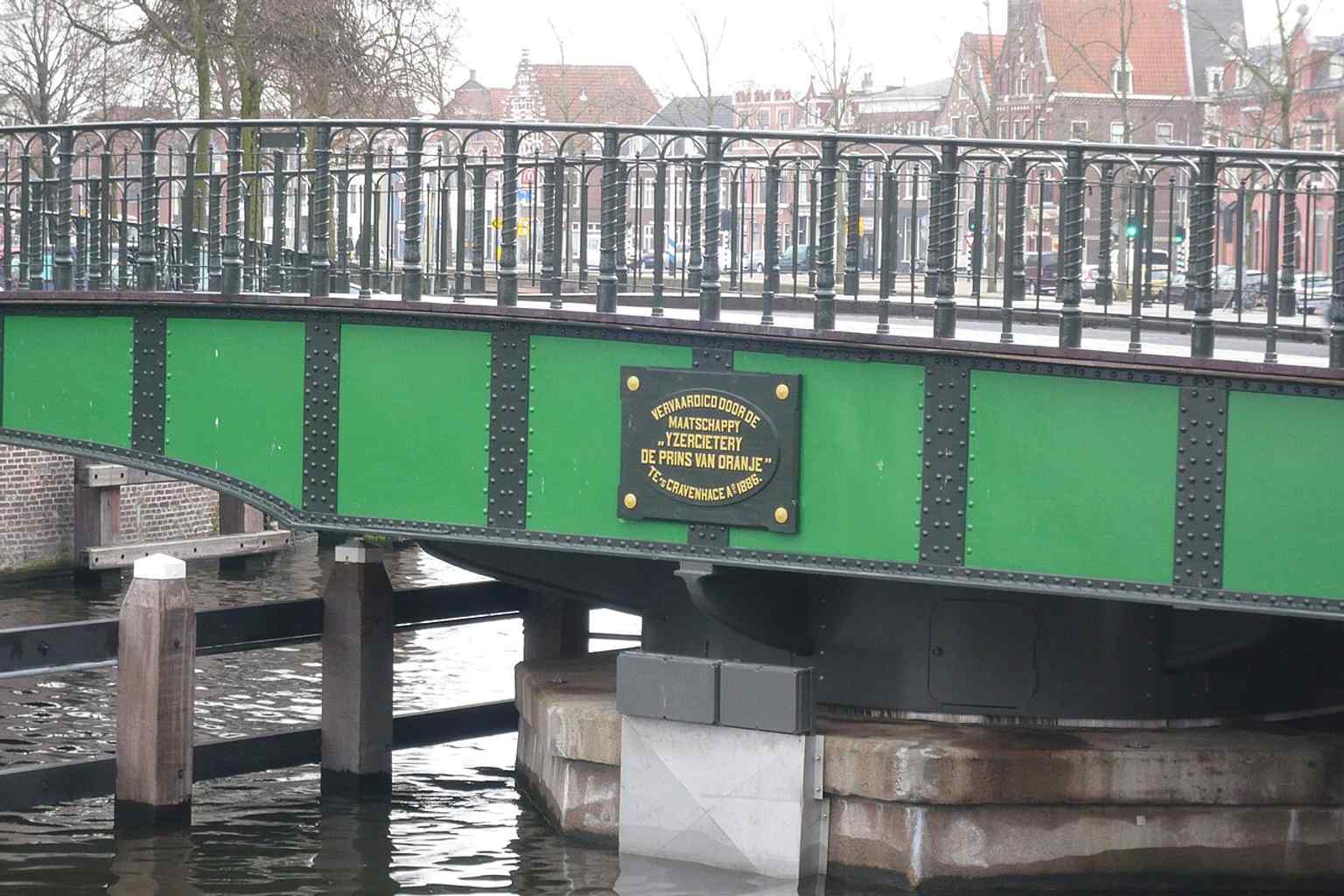
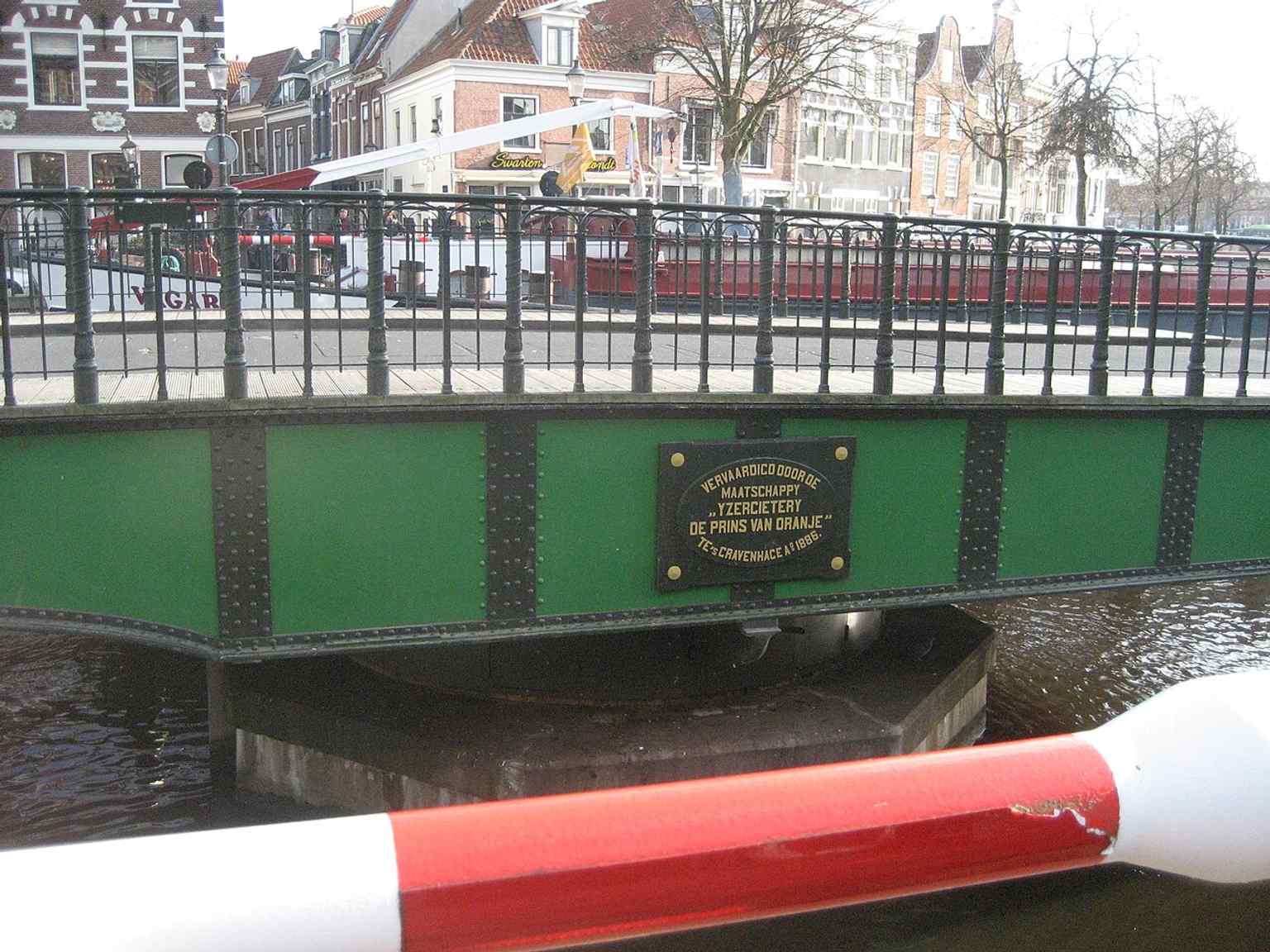
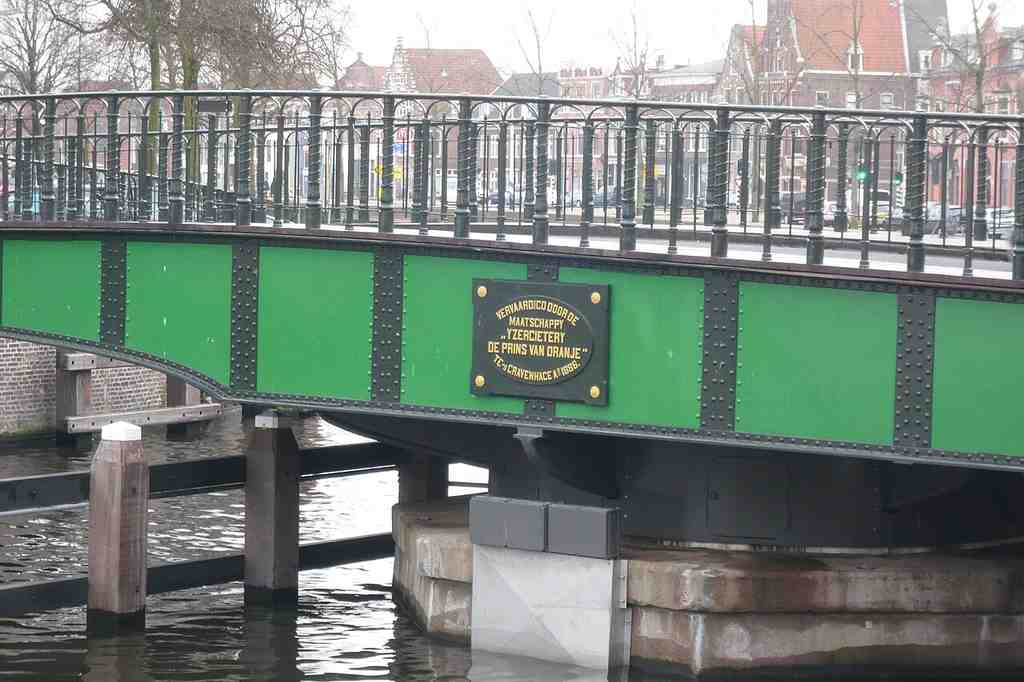
That matters in Haarlem. Even a bridge had to contribute to the street scene. Leijh designed not only the bridge, but also a wooden bridge keeper’s house and signaling equipment, because this was never just a crossing for feet and wheels. It was a staffed control point in the water network. The iron upper structure came from the Prins van Oranje foundry in The Hague, while G. P. J. Beccari handled the lower works here in Haarlem.
If you want, take a quick peek at the before-and-after image from the two thousand ten restoration; it shows how carefully the bridge was renewed and marked with commemorative plaques. And if you glance at the photo of the bridge opened for boats, you can see its mechanical side in action.
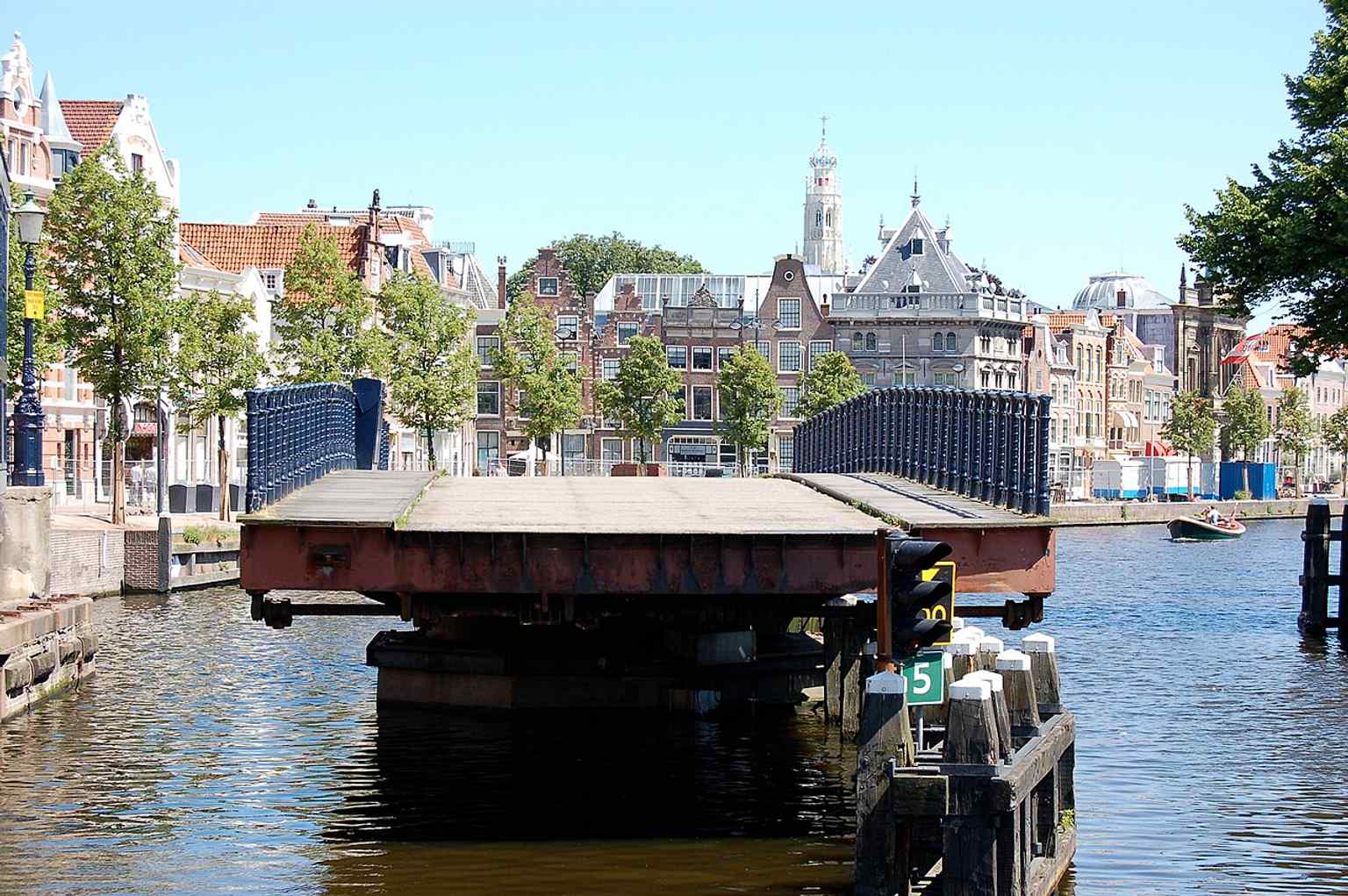
Here’s the twist: this pretty monument is still on the job. Since nineteen seventy-one it has operated electrically, and the nearby Melkhuisje, redesigned by Marjolein van Eig in two thousand fifteen, helps manage four central bridges. Boats still pass through here, but only if they fit under a clearance of about two meters, and tourists can distract the bridge keeper by parking bikes or crowding the controls. So this bridge is not frozen history. It is Haarlem, still negotiating beauty, traffic, labor, and space.
From here, we leave circulation behind and head toward a place where care took institutional form, and disaster forced relocation: Museum Haarlem.