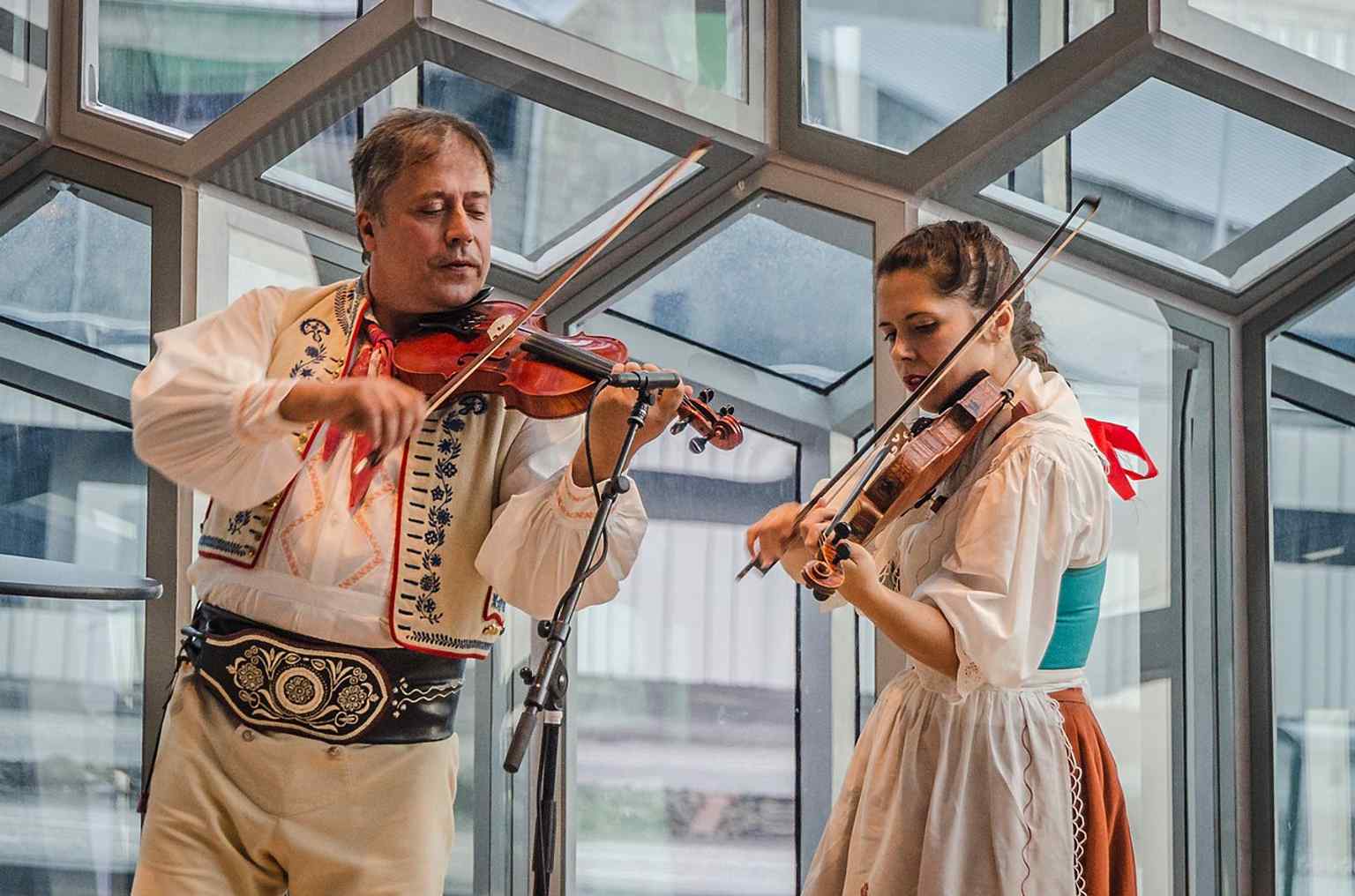
On your right, Harpa looks like a giant glass hive: a steel-framed block wrapped in colored geometric panels, with a shimmering honeycomb façade as its unmistakable signature.
This is Reykjavík’s concert hall and conference center, but Harpa is more than a handsome music box. It’s also a comeback story. Construction began in two thousand and seven as part of an ambitious redevelopment of this harbor district, with plans for a hotel, apartments, shops, restaurants, parking, even a new headquarters for Landsbankinn. Then Iceland’s financial crisis hit in two thousand and eight, and the whole dream slammed on the brakes. Work stopped. For a while, nobody knew whether this half-built shell would end up as a monument to overconfidence.
Instead, the Icelandic government stepped in and funded the rest of the concert hall. That decision turned Harpa into something almost symbolic: for several years, it was the only construction project going on in the entire country. Not exactly a small vote of confidence.
The building finally opened with its first concert on the fourth of May, two thousand and eleven. The Iceland Symphony Orchestra played under conductor Vladimir Ashkenazy, with pianist Víkingur Ólafsson as soloist, and R-U-V, the Icelandic National Broadcasting Service, carried it live across the country. That mattered because this was Reykjavík’s first purpose-built concert hall, designed from the ground up for sound, not borrowed from some older building trying its best.
The architects at Henning Larsen worked with the Danish-Icelandic artist Olafur Eliasson, and you can see that partnership all over the exterior. Those glass cells echo Iceland’s basalt landscape, the kind of rock that forms in crisp, column-like patterns after lava cools. So Harpa doesn’t just sit in Iceland... it sort of translates Iceland into glass and steel. Pretty neat trick.
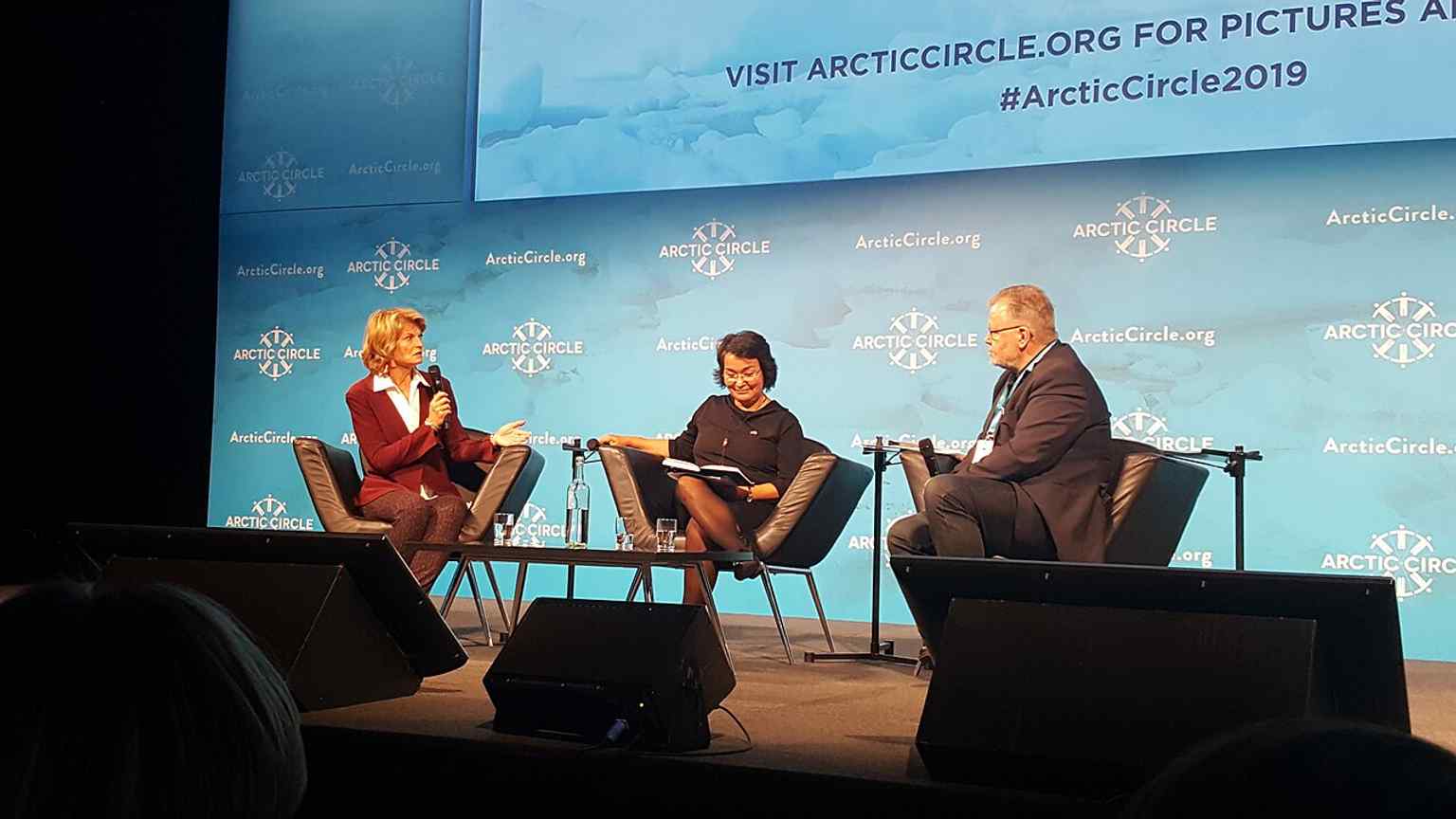
If you glance at the app, you can see the concert space in use, packed with musicians and audience, which gives you a sense of what this place was built to do. But music is only half the story. Harpa also became one of Reykjavík’s major meeting places for the world. Summits gather here, including the Council of Europe summit in two thousand and twenty-three, and the Arctic Circle assembly has filled these halls with policymakers, scientists, and diplomats. Take a look at the conference image on your screen and you’ll see that second life clearly.
Harpa keeps expanding its personality, too. Its glass façade holds seven hundred fourteen L-E-D lights, displaying video works by Olafur Eliasson and, later, other artists. In one playful twist, artists even turned the façade into a giant version of Pong, the old arcade game. Not every concert hall can say it has doubled as a city-sized toy.
Inside, Harpa houses the Iceland Symphony Orchestra, and starting in two thousand and twenty-six, it becomes the home of the Icelandic National Opera as well. It has hosted the European Film Awards, Iceland Airwaves, Reykjavík Arts Festival, a world yo-yo contest, and even appeared on screen in Sense8, Black Mirror, and The Bachelor, which is a sentence no nineteenth-century architect ever expected to inspire.
Harpa proves that a building can survive a crash and still sing.
When you’re ready, continue on and let Reykjavík show you its next surprise.