AudaTours logoAudaTours

Stop 7 of 17

Église Saint-Paul - Chapelle Sainte-Marguerite

Église Saint-Paul - Chapelle Sainte-Marguerite
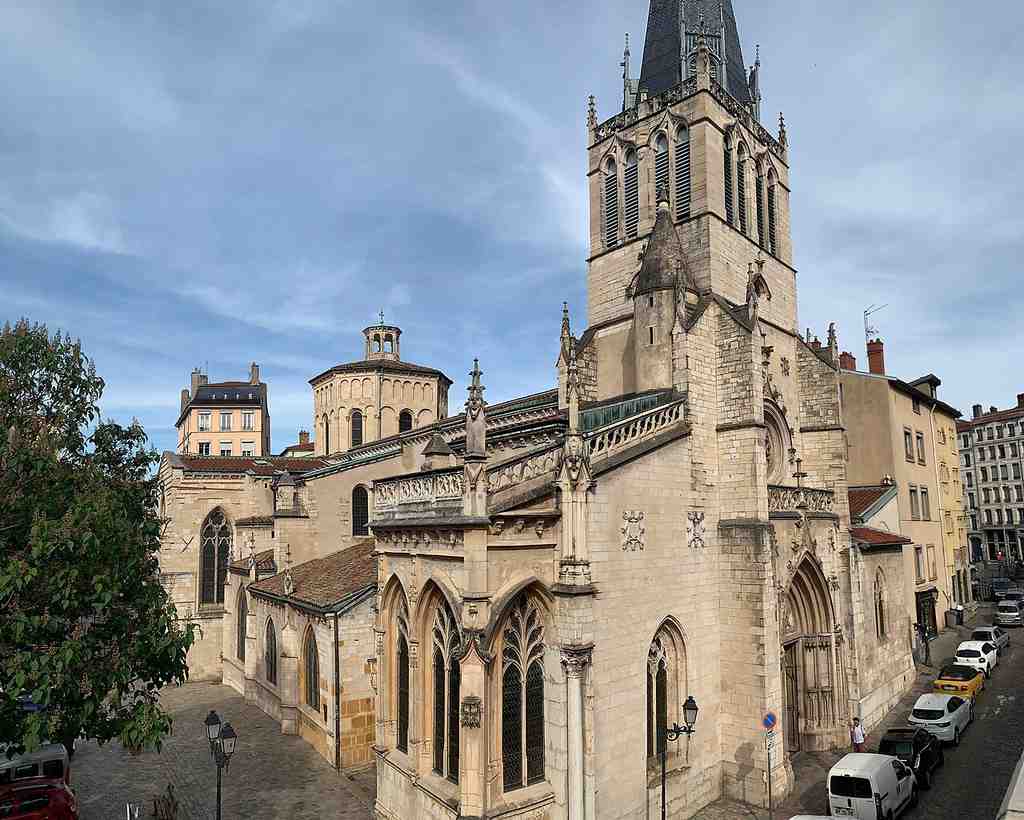
Saint Paul's Church in Lyon
Saint Paul's Church in LyonPhoto: Samari Prismade, Wikimedia Commons, CC BY-SA 4.0. Cropped & resized.

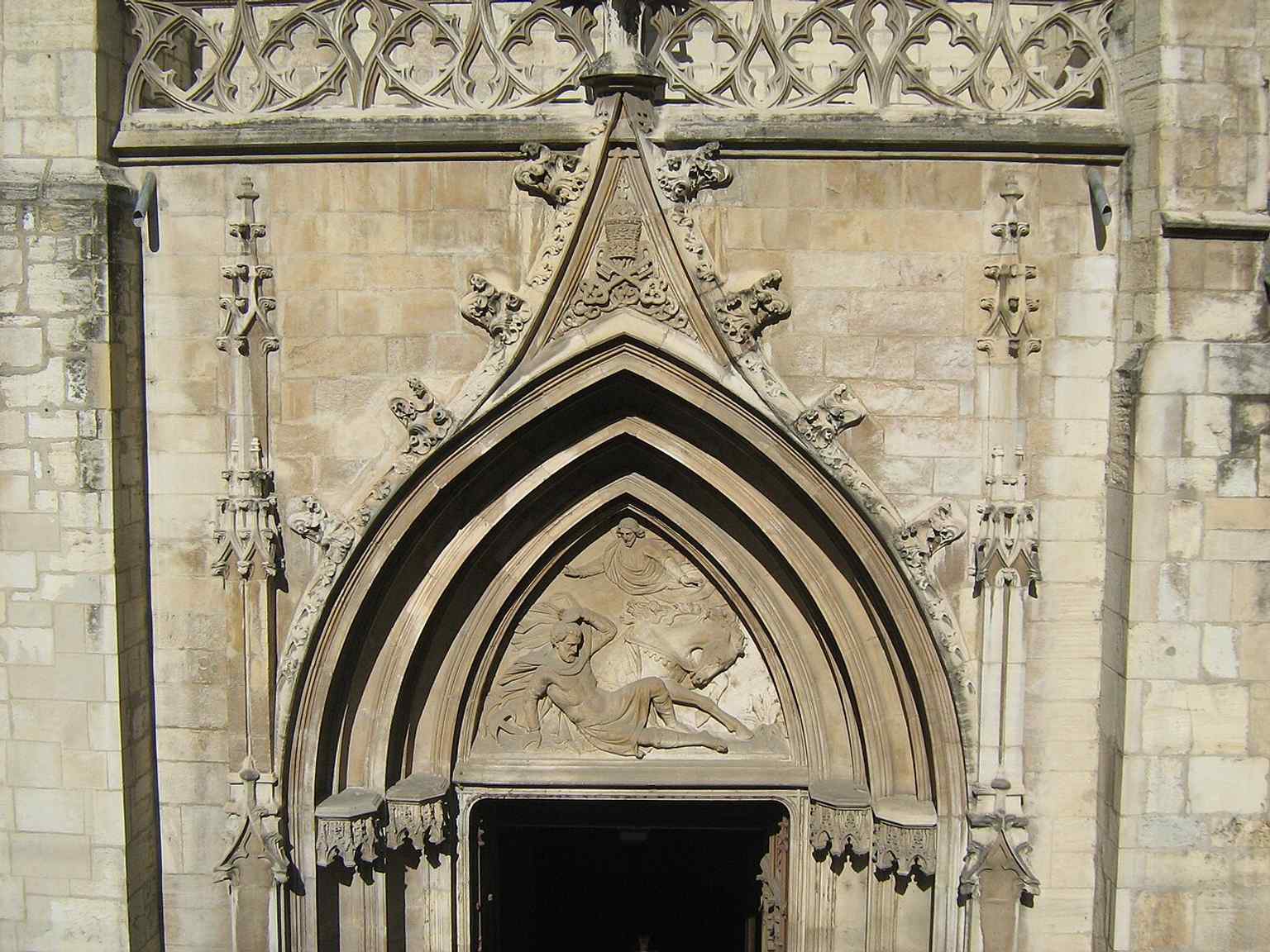
On your right, Saint-Paul is a pale stone church with a broad, steep roof, a square lantern tower rising above the crossing, and a deeply carved medieval portal set into the front.

Saint-Paul is one of the oldest churches in Lyon, and it carries its age the way some people carry an old scar... plainly, and without apology. Documents sent by Bishop Leidrade to Charlemagne mention a church here as early as the ninth century, though none of that first building survives. What you can still read in the stone began in the late eleventh century and took shape through the twelfth: the Romanesque core, the Saint-Laurent portal, the lantern tower, and those little carved blocks high on the walls, where masons left animals, human figures, and monsters grinning out at the street.

Then Lyon revised the place instead of replacing it. In the thirteenth century, builders added Gothic elements: a rebuilt bell porch and side chapels, giving the church more height and complexity. Later centuries kept editing. A Doric portal arrived in the seventeenth century. After the Revolution, the church suffered badly. Looters stripped it, and during the siege of seventeen ninety-three, people turned it into a saltpeter storehouse... not exactly a glorious second career. When it returned to parish use in eighteen oh-one, it was in rough shape.

This church also held the dead close. By the tenth century, it had become an important burial place, with three cemeteries behind Saint-Paul and nearby Saint-Laurent. The two churches were even linked by a covered passage; fragments of that connection still survive near the chapel and baptismal font, the basin used for baptism. Memory here was never tidy. It was physical, crowded, and sometimes disturbed.

That brings us to Jean Gerson. He was one of the great theological minds of his age, and after political turmoil in the early fifteenth century, he took refuge in Lyon with his brother. Here, in the Saint-Paul cloister, he spent his final years teaching poor children for free and working on devotional writings associated with the Imitation of Christ. He died in fourteen twenty-nine and was buried next door at Saint-Laurent, close to this church. Local people remember the unsettling part: when workers rediscovered his burial vault in eighteen forty-two, his tombstone had vanished and the grave had already been profaned.

If you want a quick look at how constant the church has been, open the before-and-after image; the street changes, but Saint-Paul holds its shape like an old witness. And if you glance at the app’s interior photo, you’ll see the nave, the church’s long central hall, where Romanesque weight meets Gothic lift.
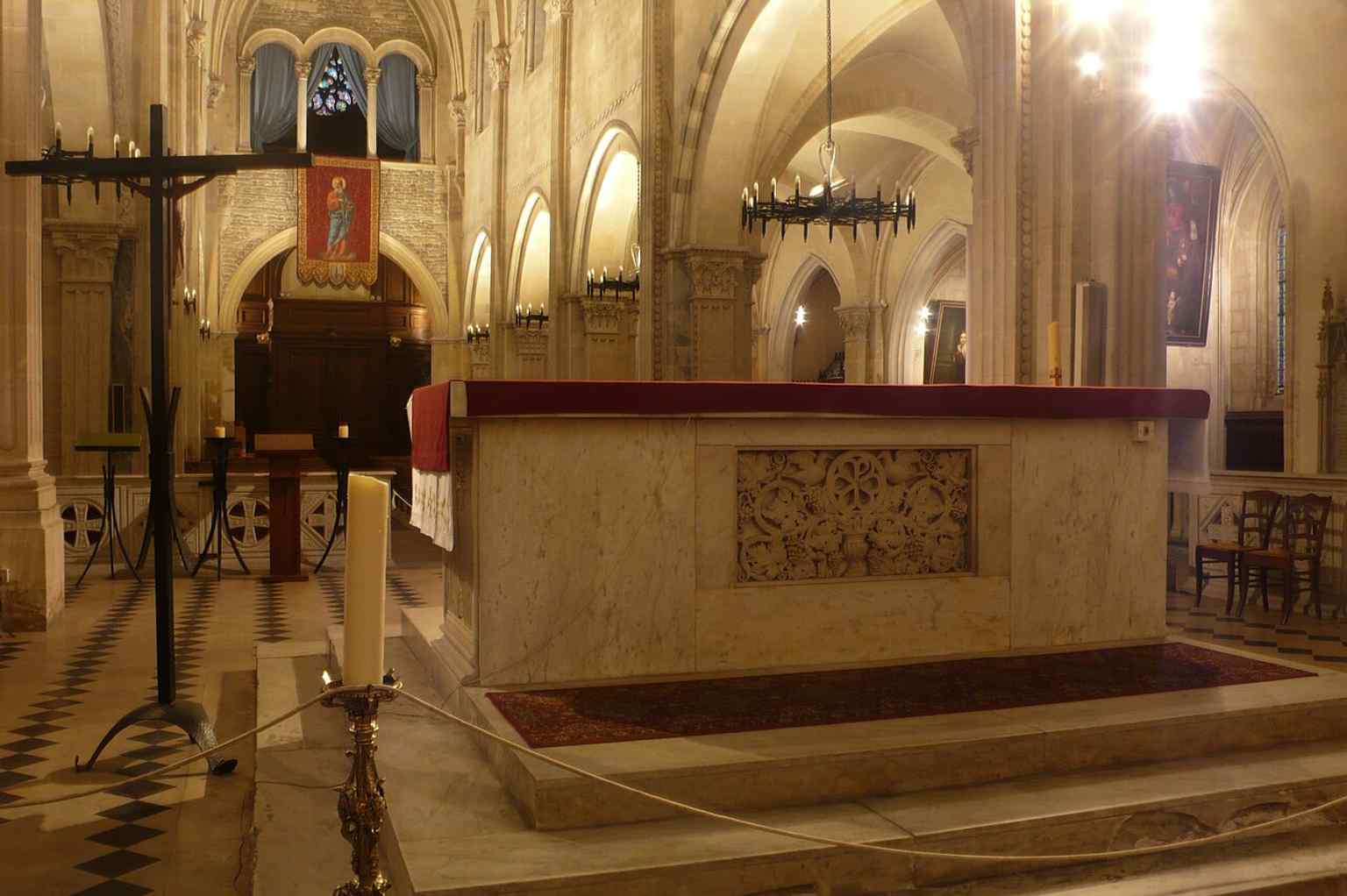
A look down the nave from the altar, revealing the Romano-Gothic interior restored after the 19th-century campaigns.
A look down the nave from the altar, revealing the Romano-Gothic interior restored after the 19th-century campaigns.Photo: Alexmar983, Wikimedia Commons, CC BY-SA 3.0. Cropped & resized.

Even its protected status proved fragile. The lantern tower gained protection in nineteen twenty, but the whole church lost and only later regained full monument status in the nineteen nineties. So what makes a city remember: a great mind, a grave, a statue, or simply the accident of rediscovery?

From here, we’ll head toward the Museum of Fine Arts, about a nine-minute walk away, where Lyon tries to preserve memory with labels, galleries, and a steadier hand.
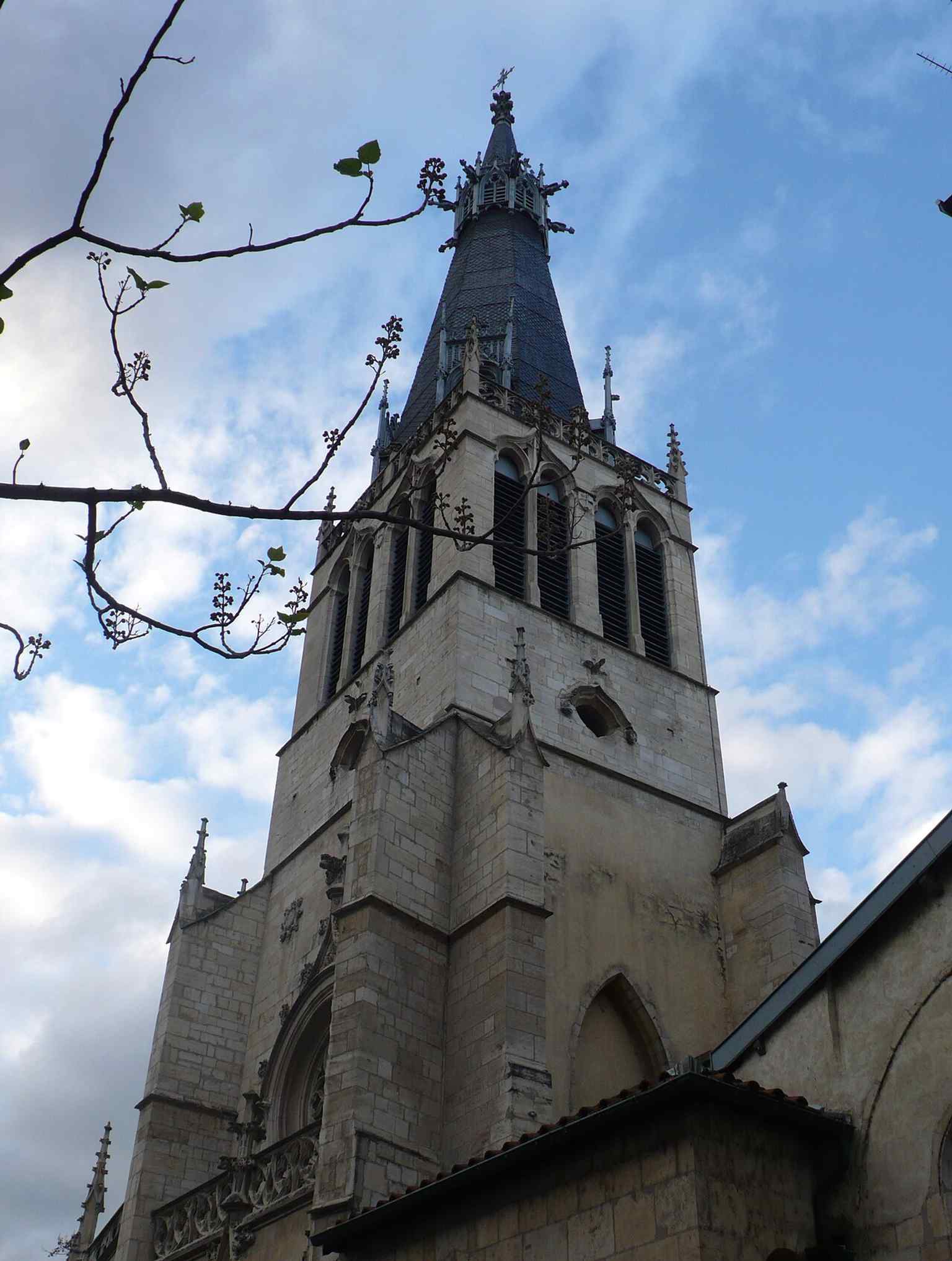
The church tower rising above Vieux Lyon — one of Saint Paul’s Romanesque landmarks and a historic monument since 1920.
The church tower rising above Vieux Lyon — one of Saint Paul’s Romanesque landmarks and a historic monument since 1920.Photo: Alexmar983, Wikimedia Commons, CC BY-SA 3.0. Cropped & resized.
A full façade-and-roof view that shows the church’s Romanesque massing and later Gothic additions in one glance.
A full façade-and-roof view that shows the church’s Romanesque massing and later Gothic additions in one glance.Photo: Pucesurvitaminee, Wikimedia Commons, CC BY-SA 3.0. Cropped & resized.
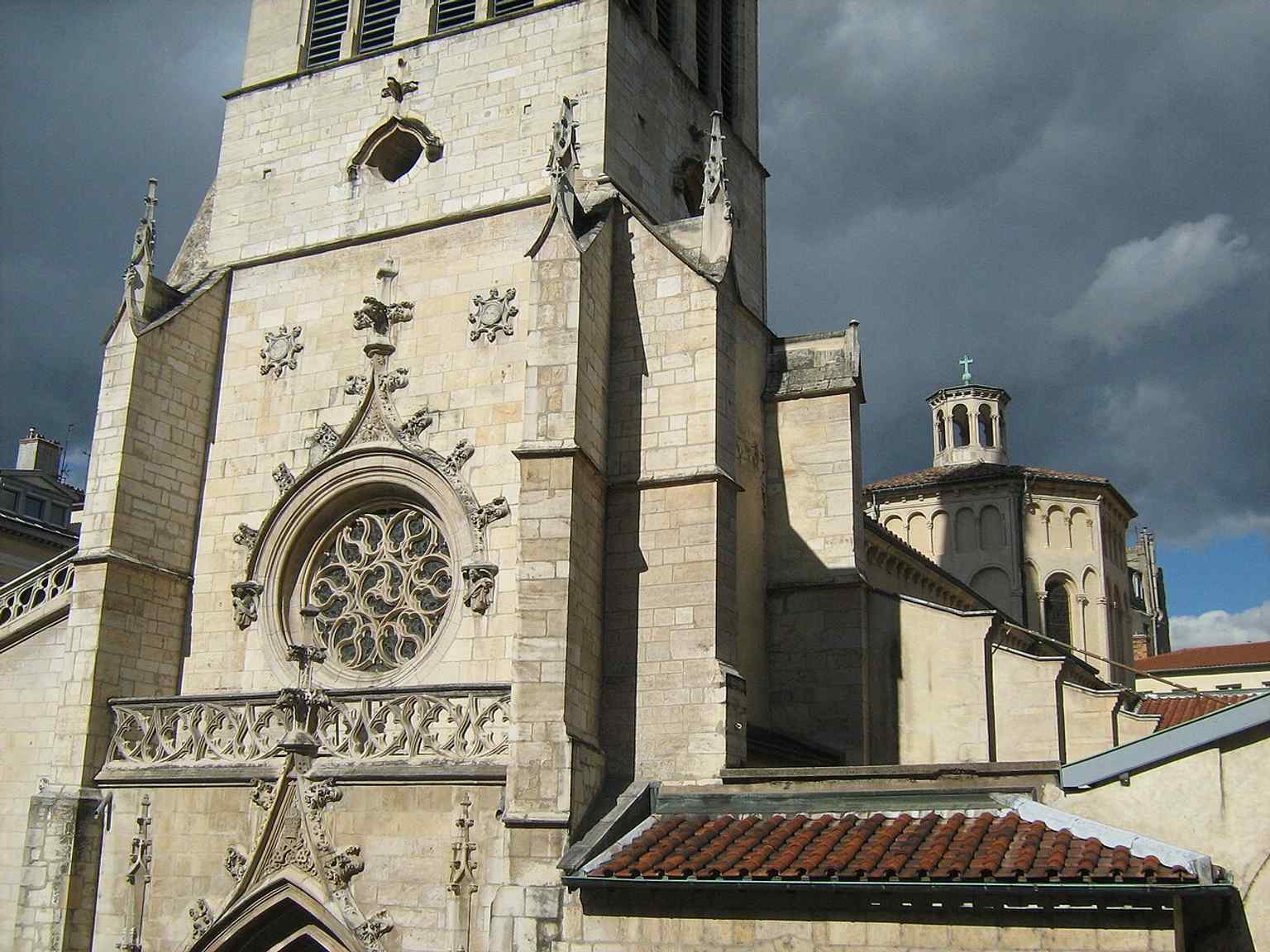
The west portal tympanum — a key decorative feature of the church’s entrance and an important piece of its medieval stonework.
The west portal tympanum — a key decorative feature of the church’s entrance and an important piece of its medieval stonework.Photo: Pucesurvitaminee, Wikimedia Commons, CC BY-SA 3.0. Cropped & resized.
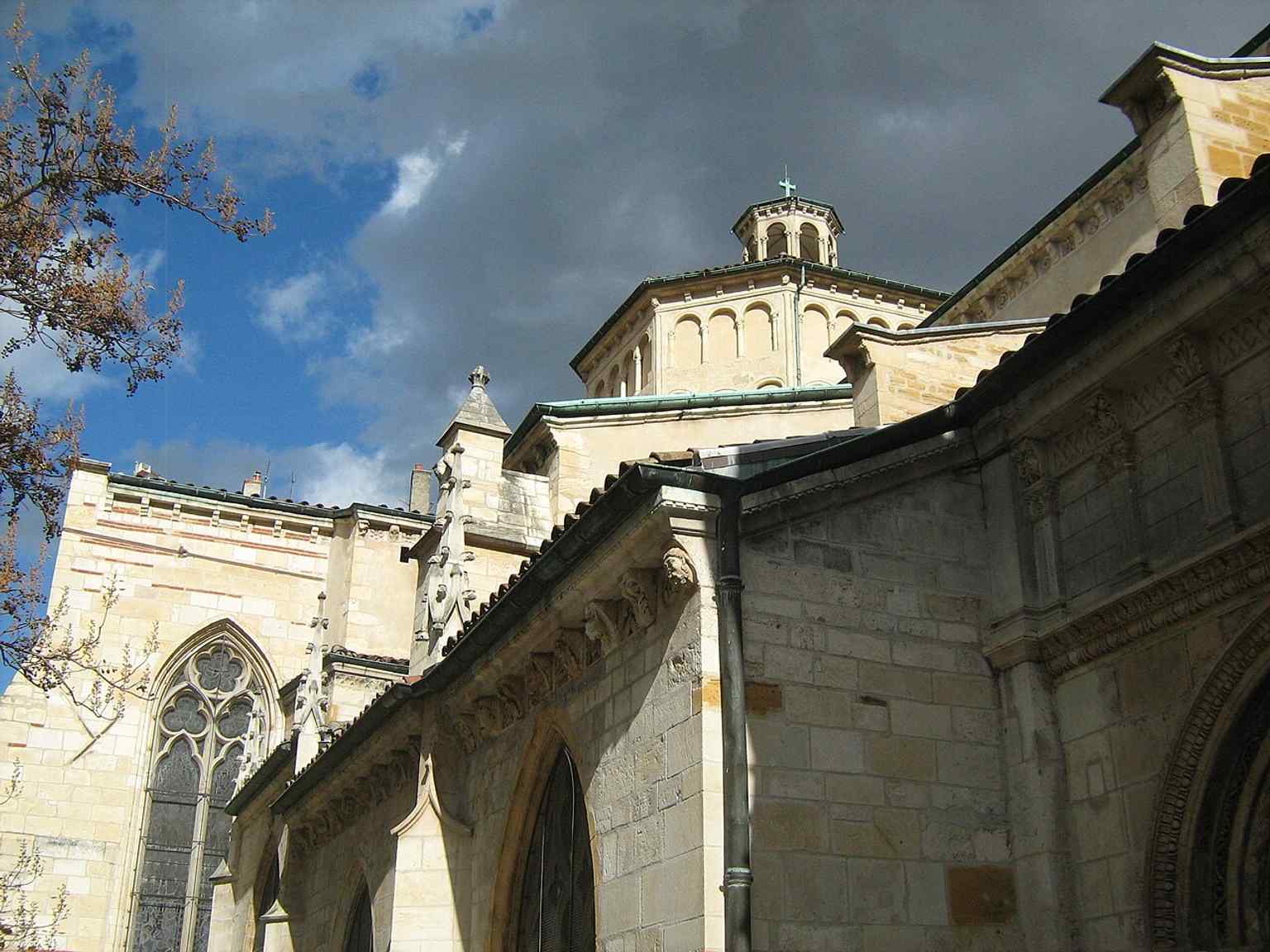
The north façade, where the building’s layered history becomes visible in its walls, towers, and later modifications.
The north façade, where the building’s layered history becomes visible in its walls, towers, and later modifications.Photo: Pucesurvitaminee, Wikimedia Commons, CC BY-SA 3.0. Cropped & resized.
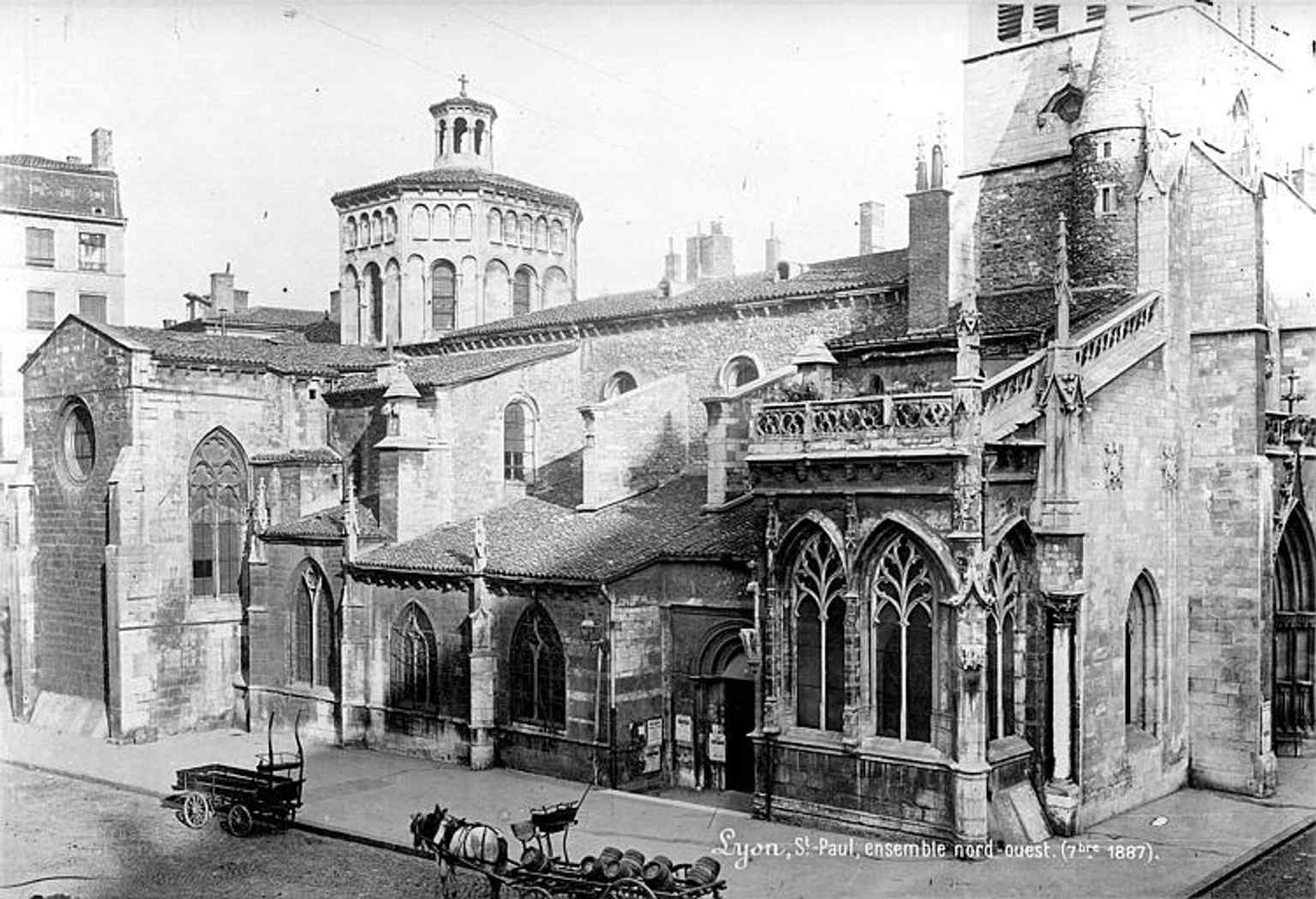
An 1887 view of the northwest side, useful for showing how the church looked before modern restorations.
An 1887 view of the northwest side, useful for showing how the church looked before modern restorations.Photo: Séraphin-Médéric Mieusement, Wikimedia Commons, CC BY-SA 4.0. Cropped & resized.
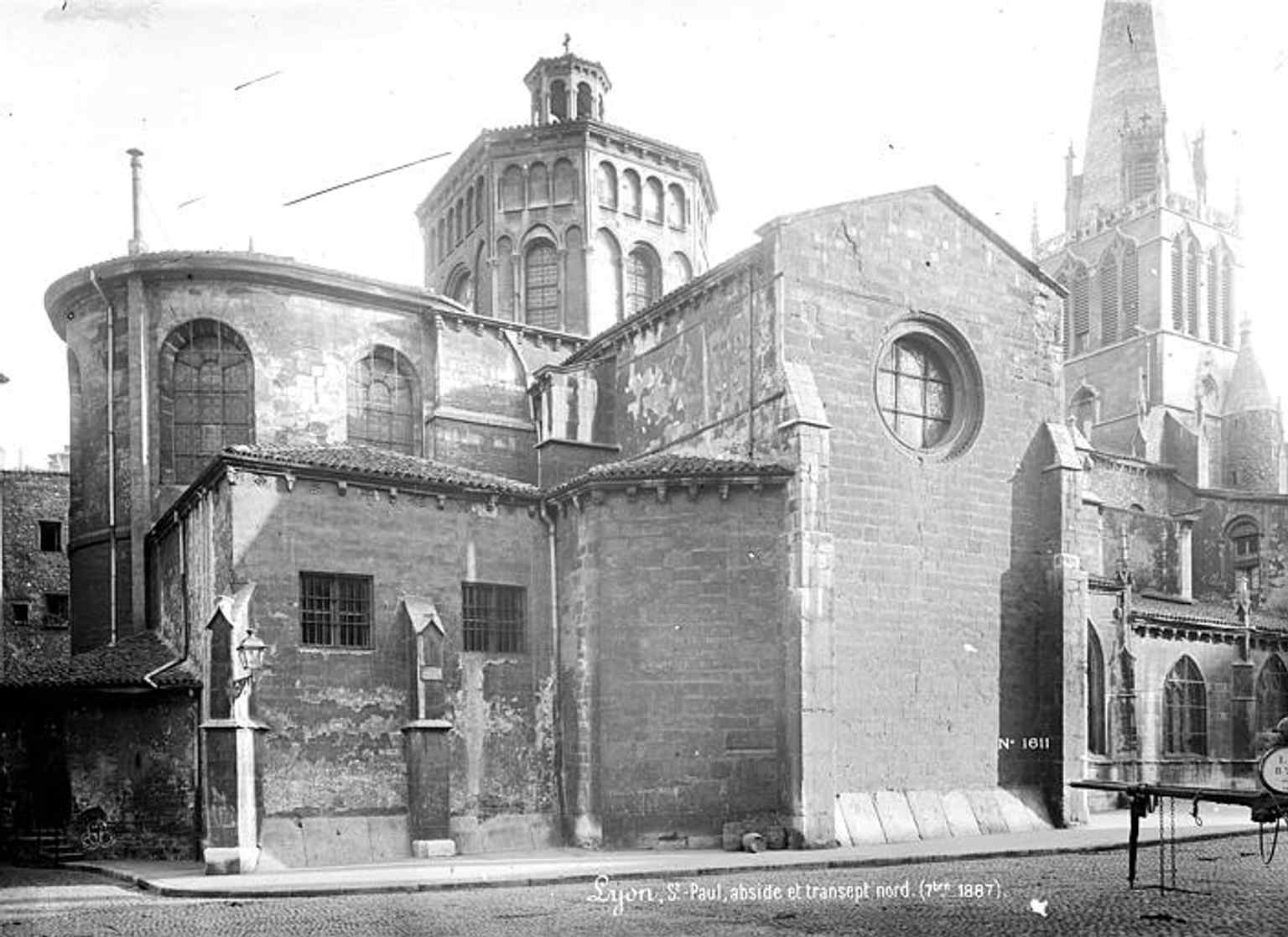
Another late-19th-century exterior, highlighting the north façade, apse, and transept before the 20th-century work.
Another late-19th-century exterior, highlighting the north façade, apse, and transept before the 20th-century work.Photo: Séraphin-Médéric Mieusement, Wikimedia Commons, CC BY-SA 4.0. Cropped & resized.
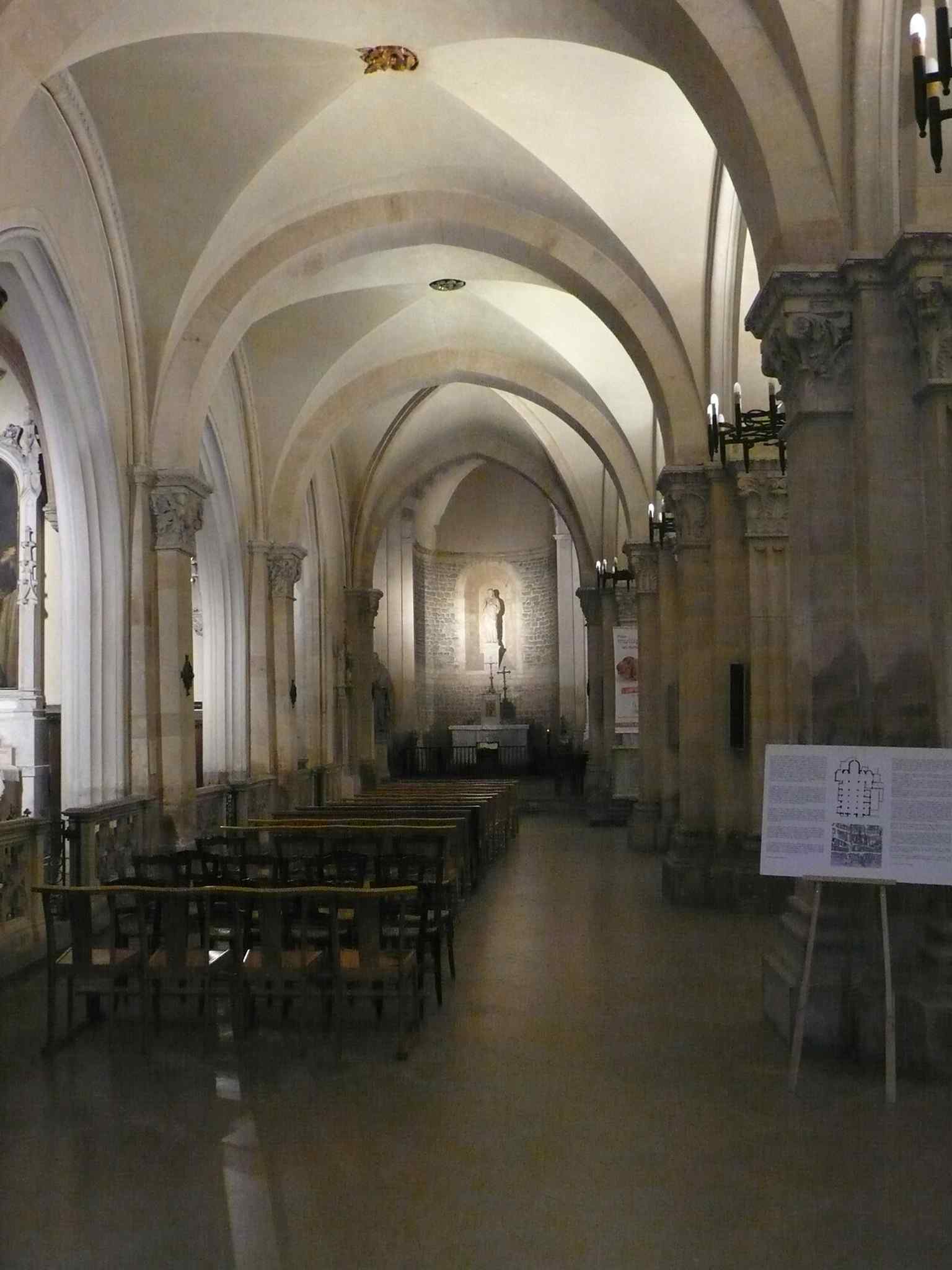
The north aisle inside Saint Paul — a good view of the church’s interior structure and scale.
The north aisle inside Saint Paul — a good view of the church’s interior structure and scale.Photo: Alexmar983, Wikimedia Commons, CC BY-SA 3.0. Cropped & resized.
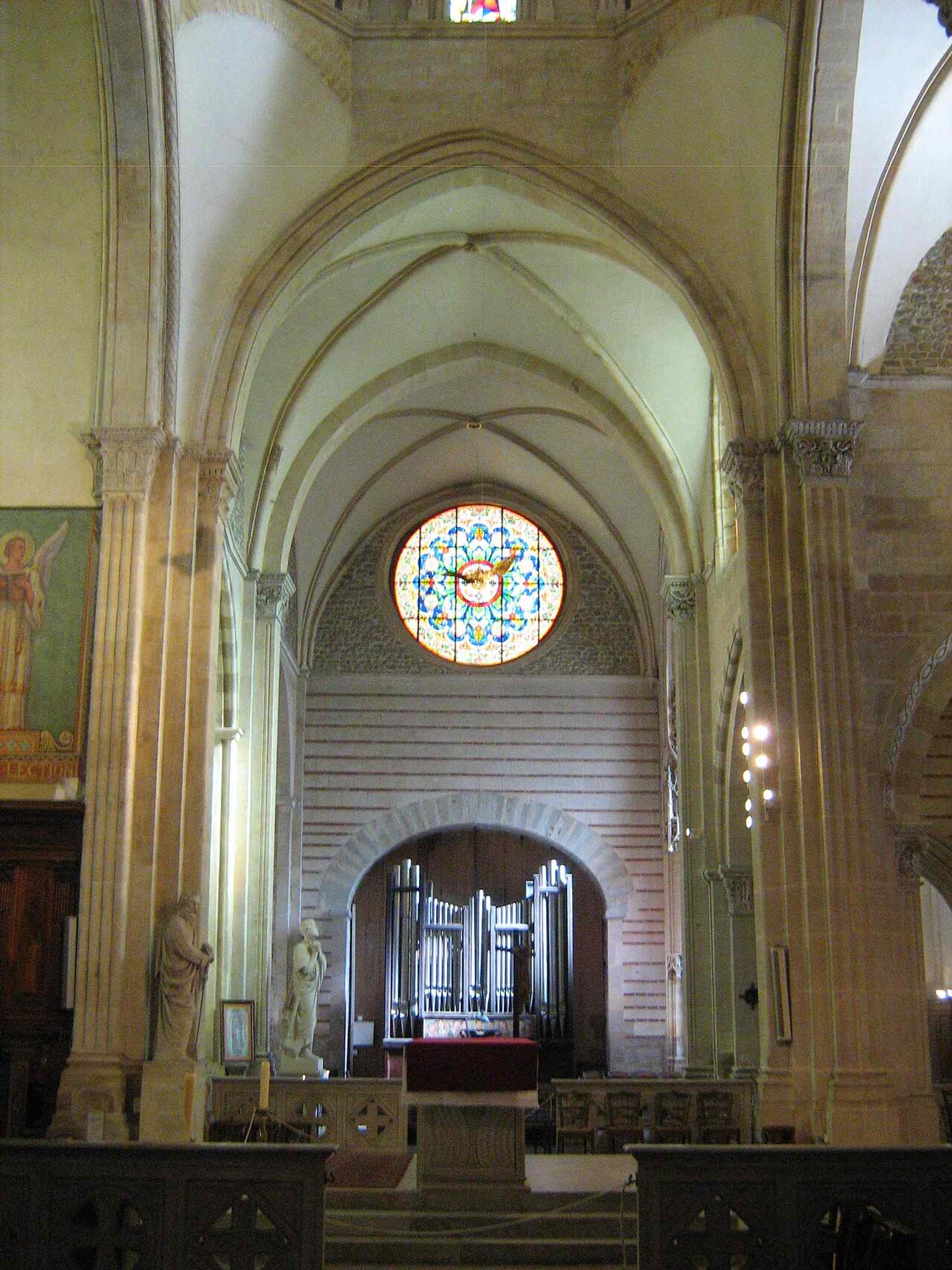
The chancel and south transept, where later restoration and decorative campaigns shaped the church’s present interior.
The chancel and south transept, where later restoration and decorative campaigns shaped the church’s present interior.Photo: Pucesurvitaminee, Wikimedia Commons, CC BY-SA 3.0. Cropped & resized.
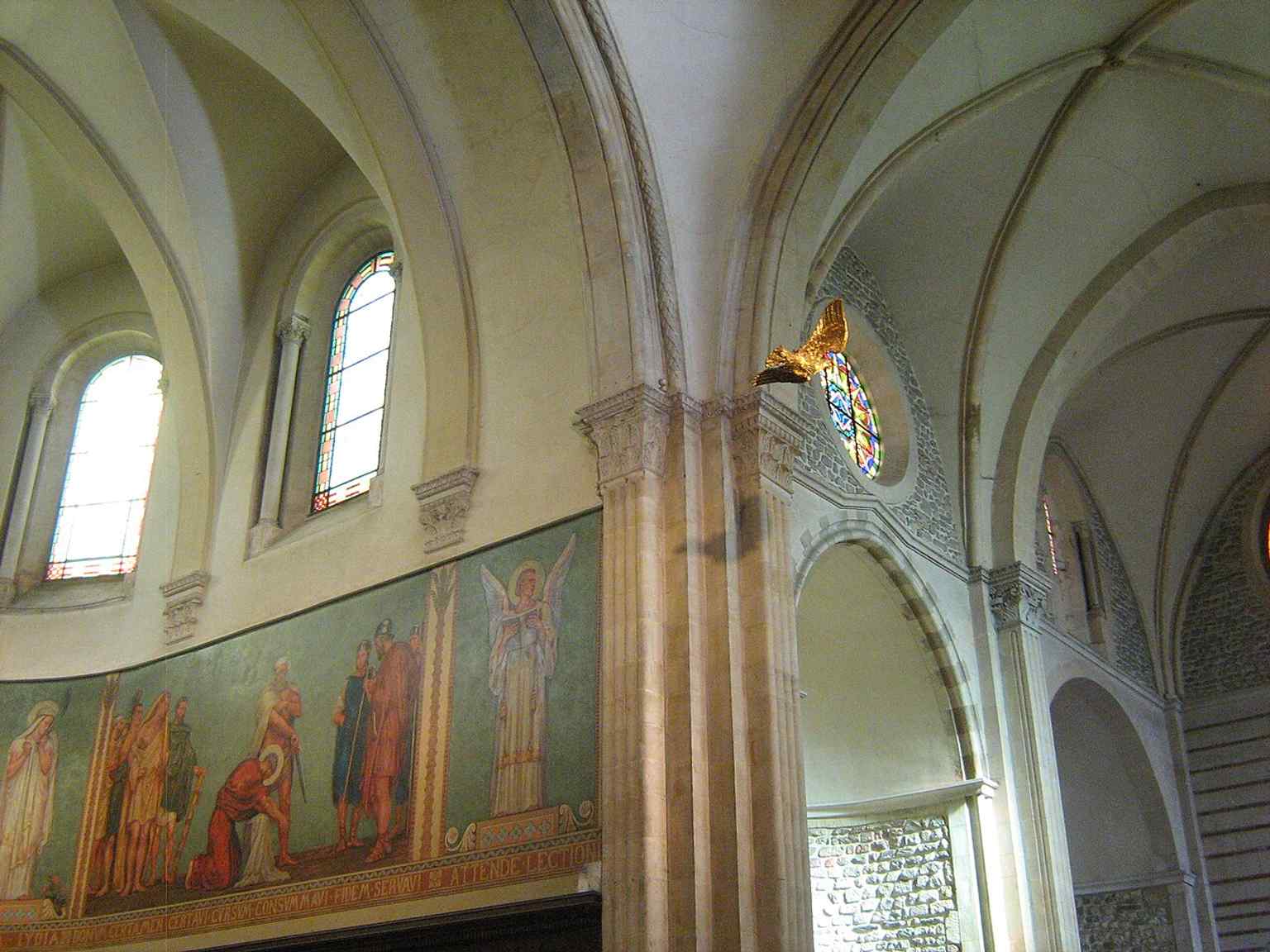
The choir with Paul Borel’s frescoes, linking the church’s interior to the major 1898–1904 restoration.
The choir with Paul Borel’s frescoes, linking the church’s interior to the major 1898–1904 restoration.Photo: Pucesurvitaminee, Wikimedia Commons, CC BY-SA 3.0. Cropped & resized.
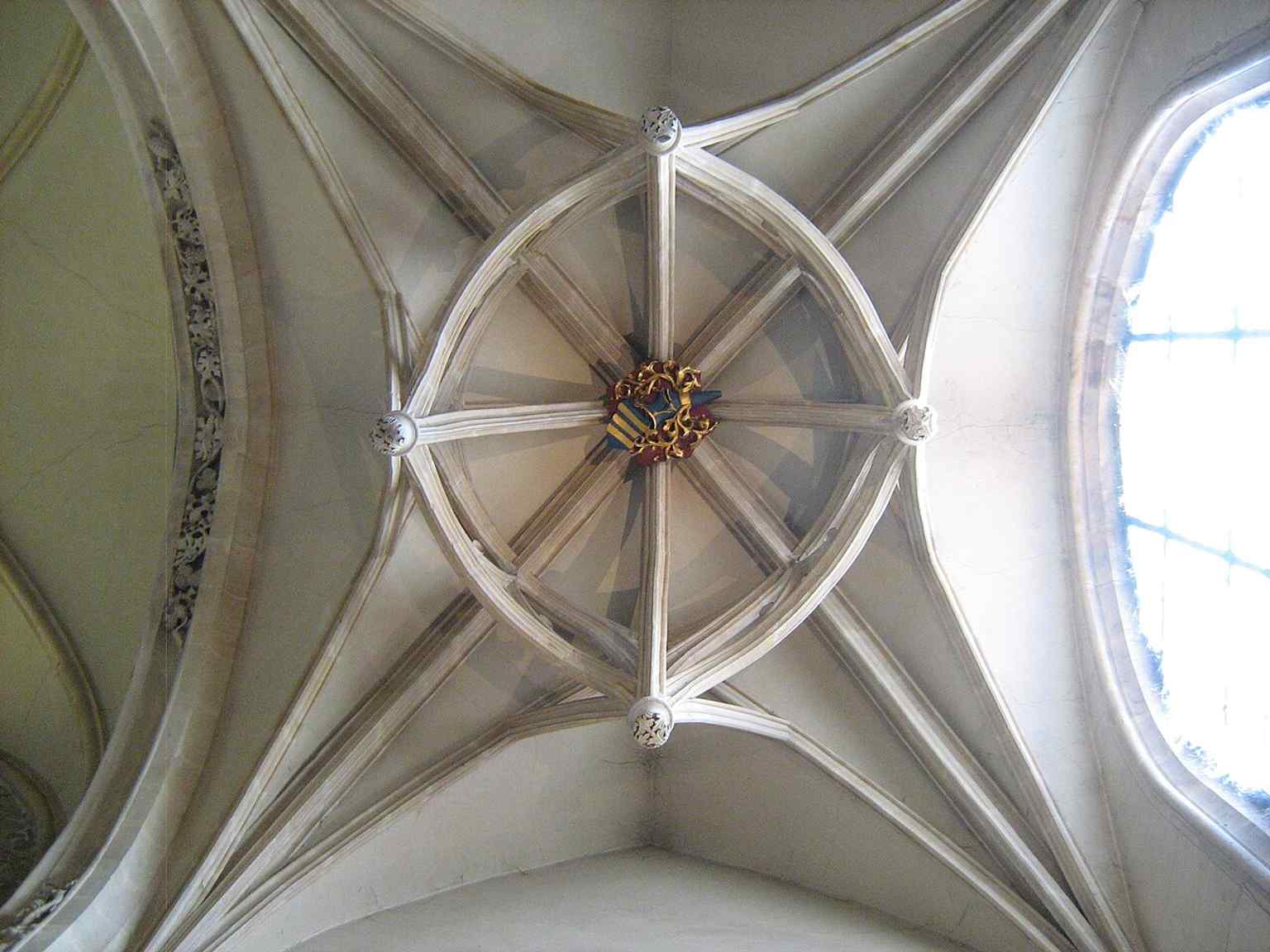
The south transept vault with a dated 1495 keystone — a fine example of the church’s late Gothic phase.
The south transept vault with a dated 1495 keystone — a fine example of the church’s late Gothic phase.Photo: Pucesurvitaminee, Wikimedia Commons, CC BY-SA 3.0. Cropped & resized.
arrow_back Back to Lyon Audio Tour: Historic Heritage
Loved by travellers

Thousands of tours started.
Plenty of opinions.

4.8 across the App Store and Google Play. Here's a few we keep coming back to.

starstarstarstarstar
This was a solid way to get to know Brighton without feeling like a tourist. The narration had depth and context, but didn't overdo it.
Christoph
Christoph
Brighton Tour
starstarstarstarstar
Started this tour with a croissant in one hand and zero expectations. The app just vibes with you, no pressure, just you, your headphones, and some cool stories.
download Get the app

Pop your headphones in.
Step outside.

Free to download. Tours in every city. Start in 60 seconds — no account, no card.

Download on the App StoreGet it on Google Play
starstarstarstarstar_half
4.8
AudaTours app icon
headphones
~ 4 min until your first tour starts
public
1,000+ cities worldwide
all_inclusive
AudaTours
Unlimited

Every tour. Every city. One subscription.

3097 tours2273 cities138 countries50+ languages