
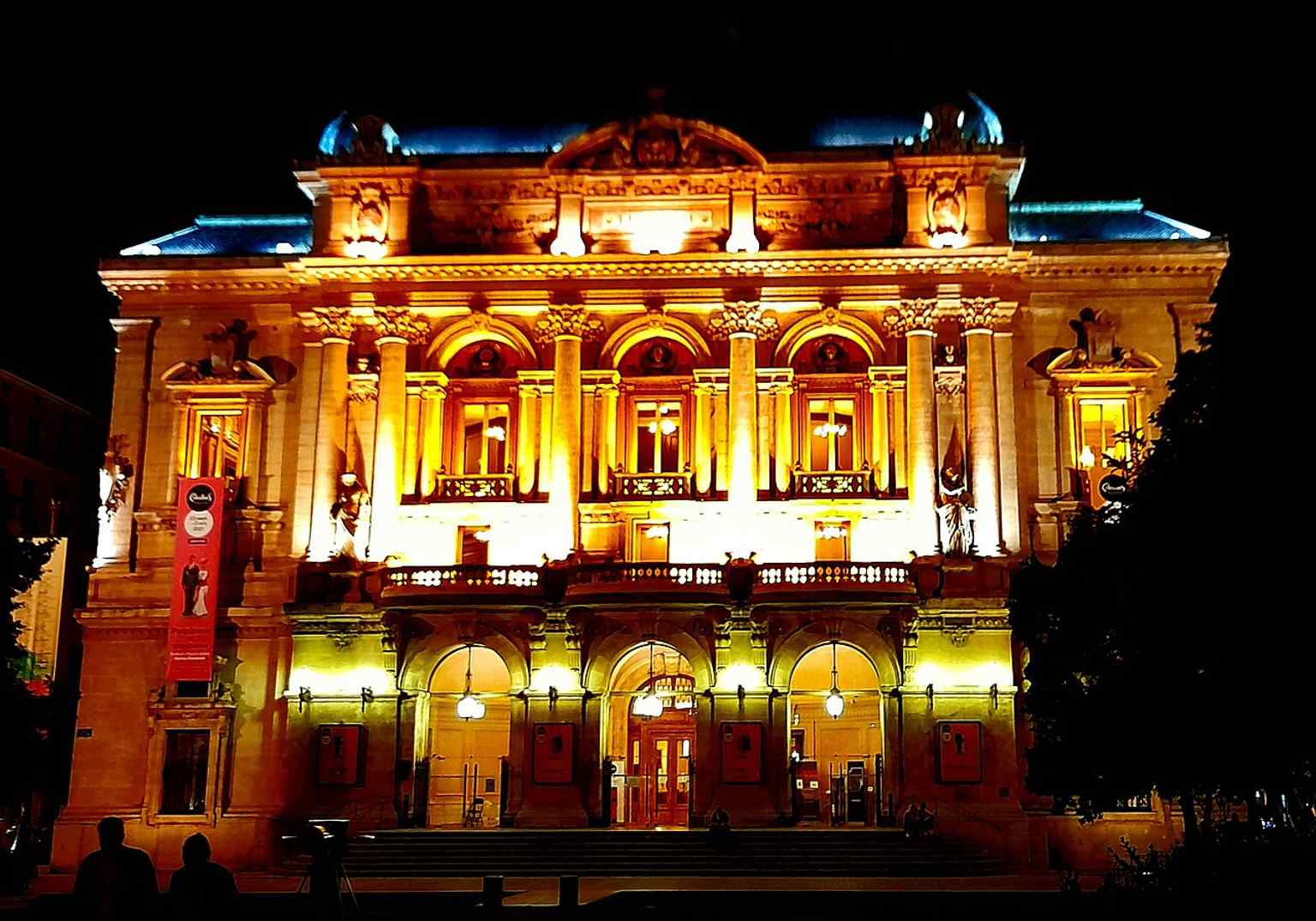
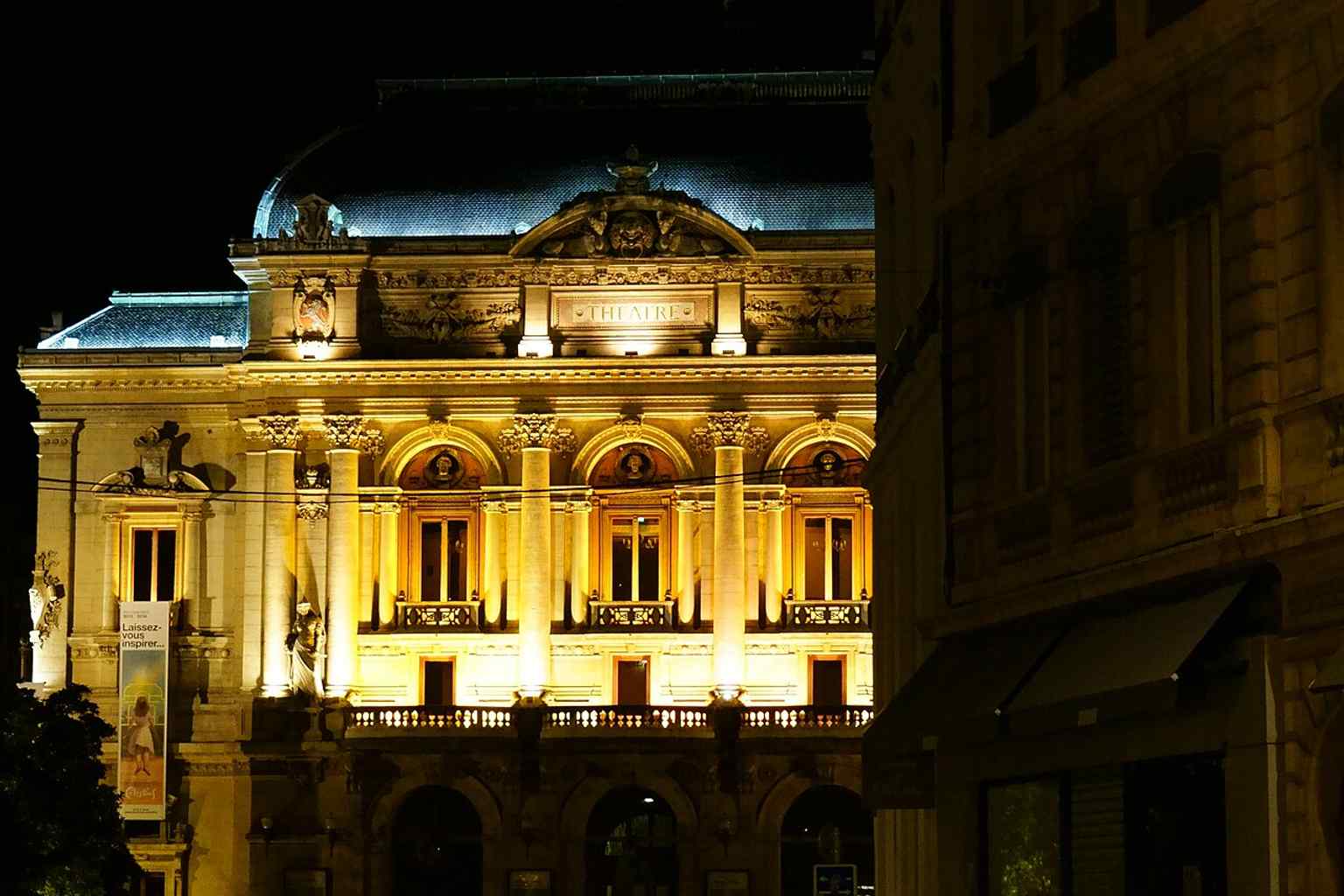
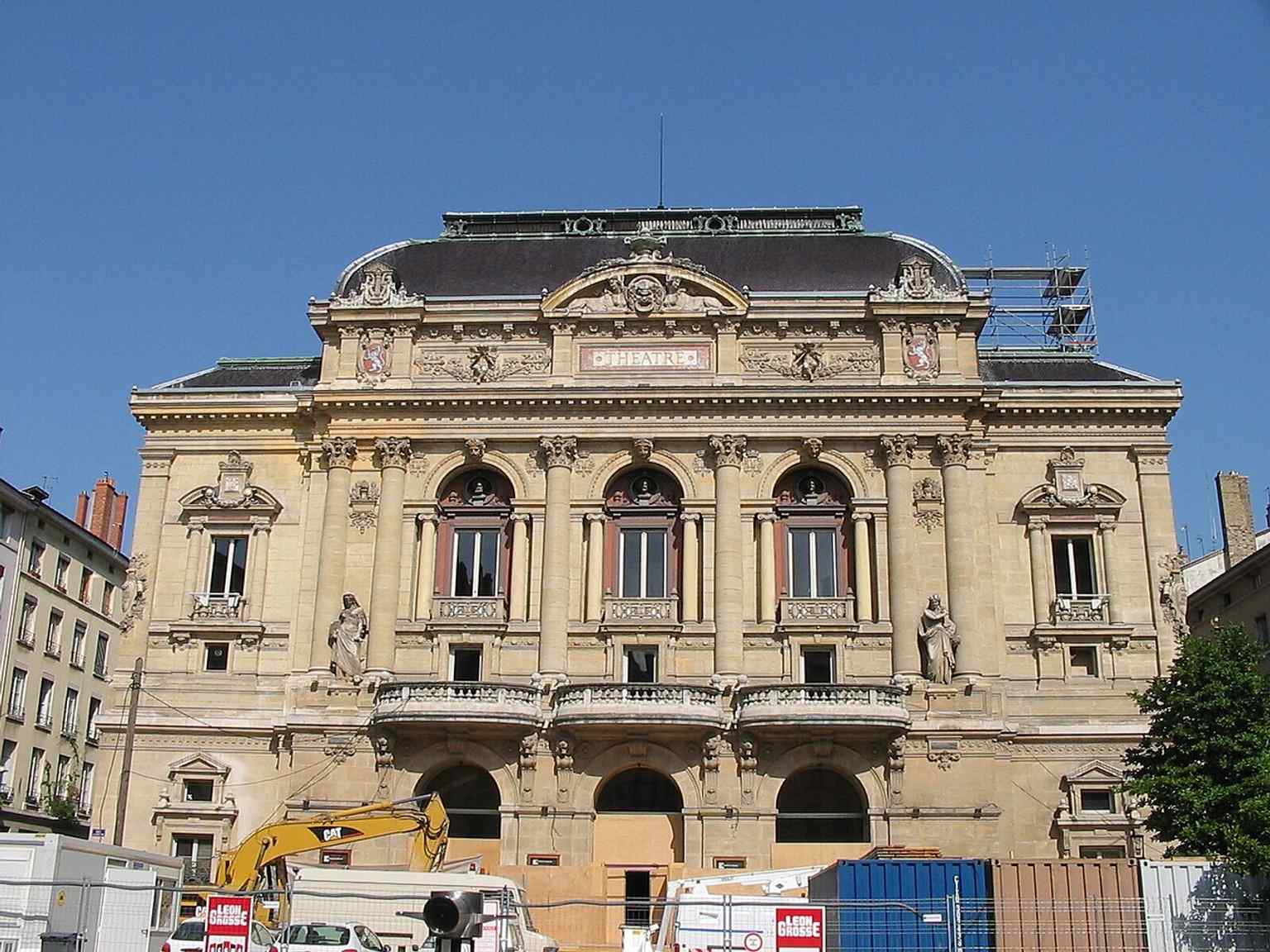
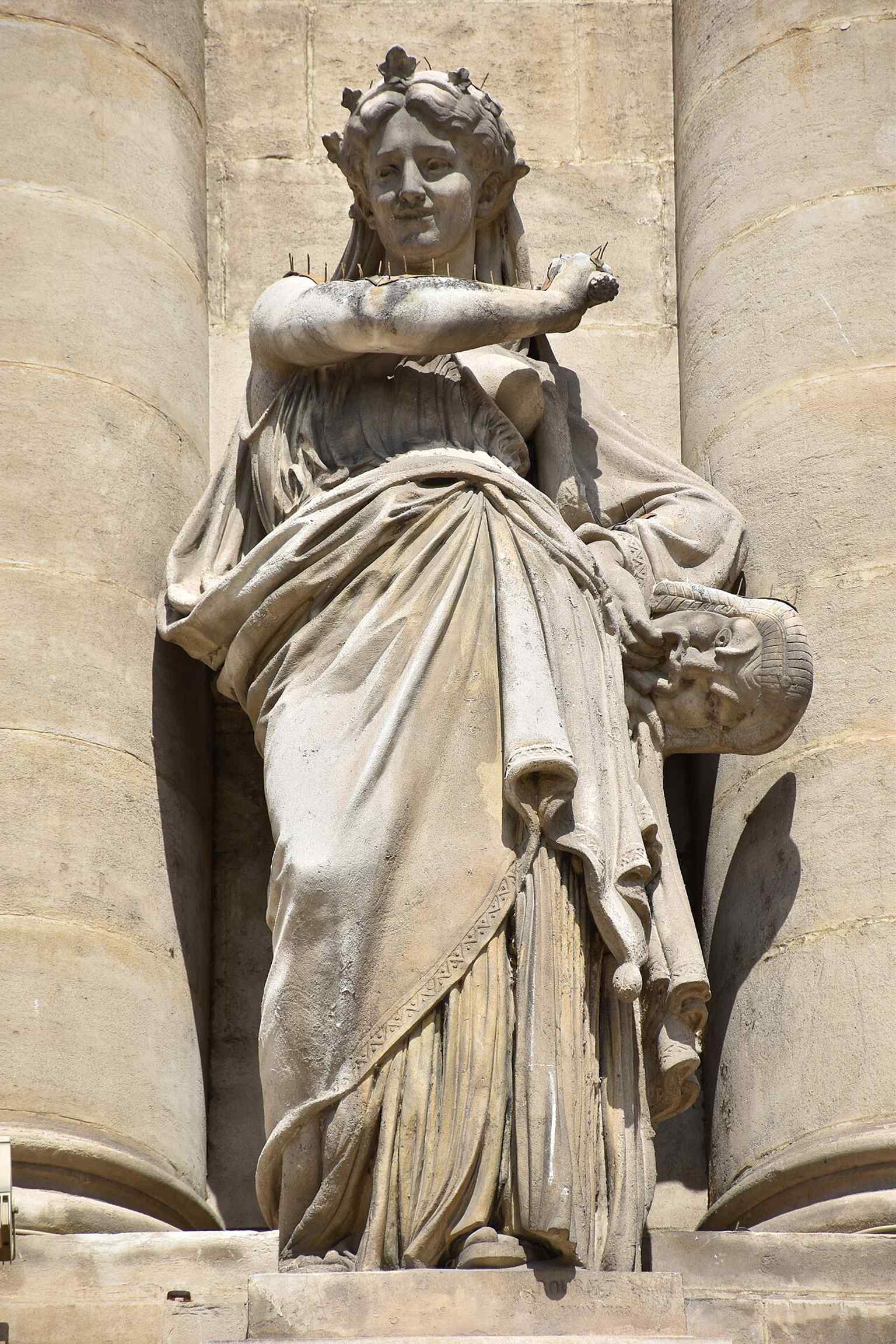
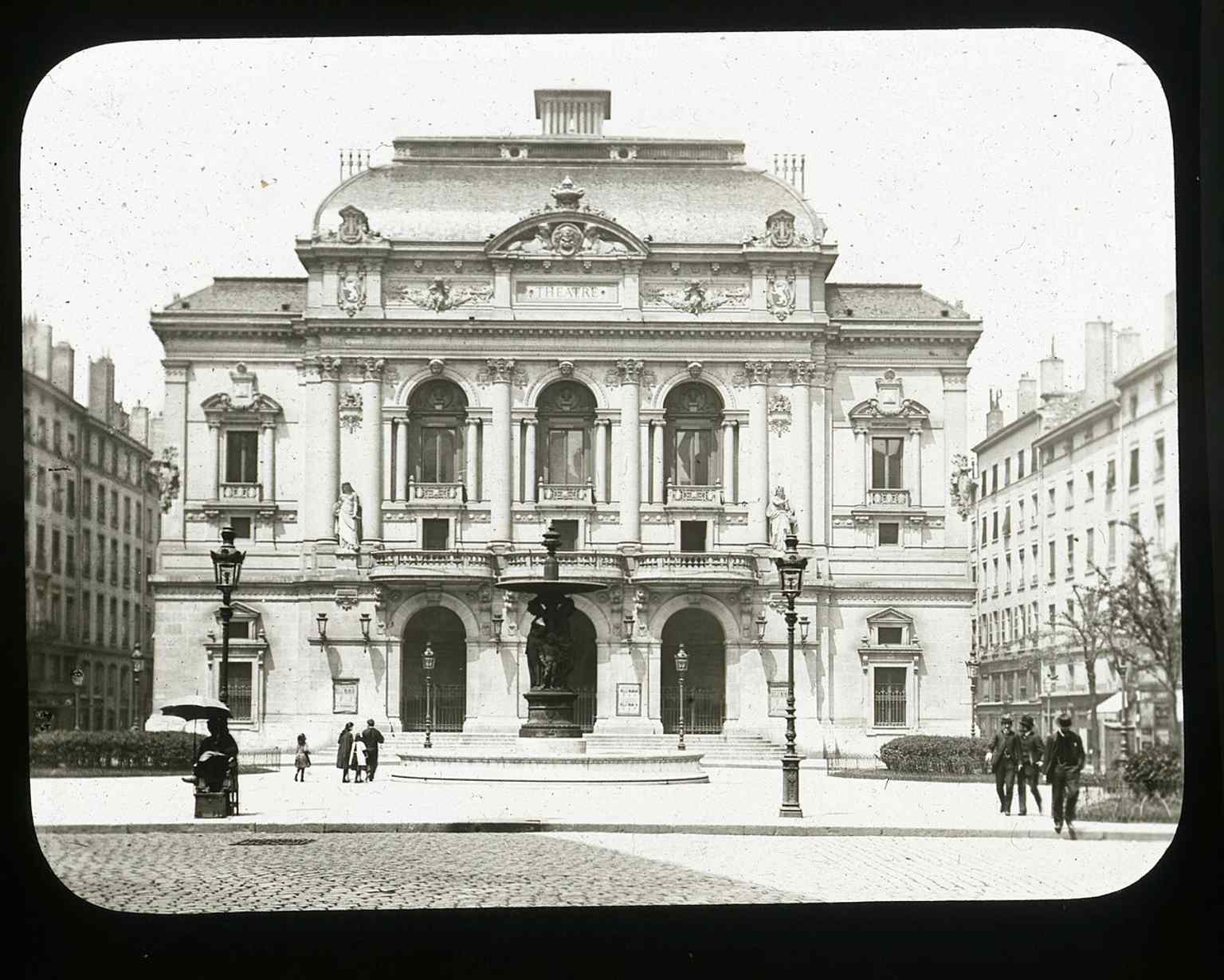
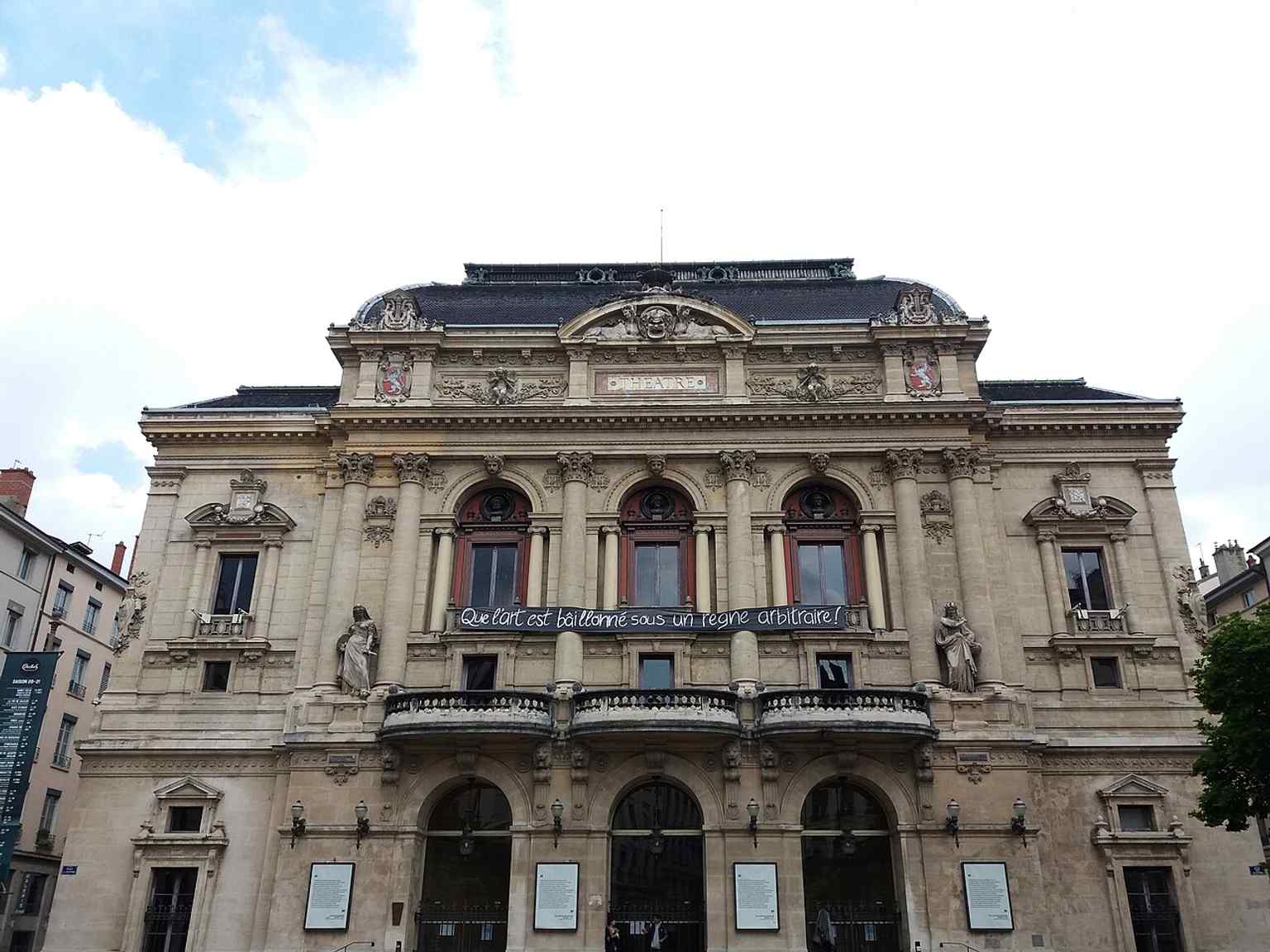
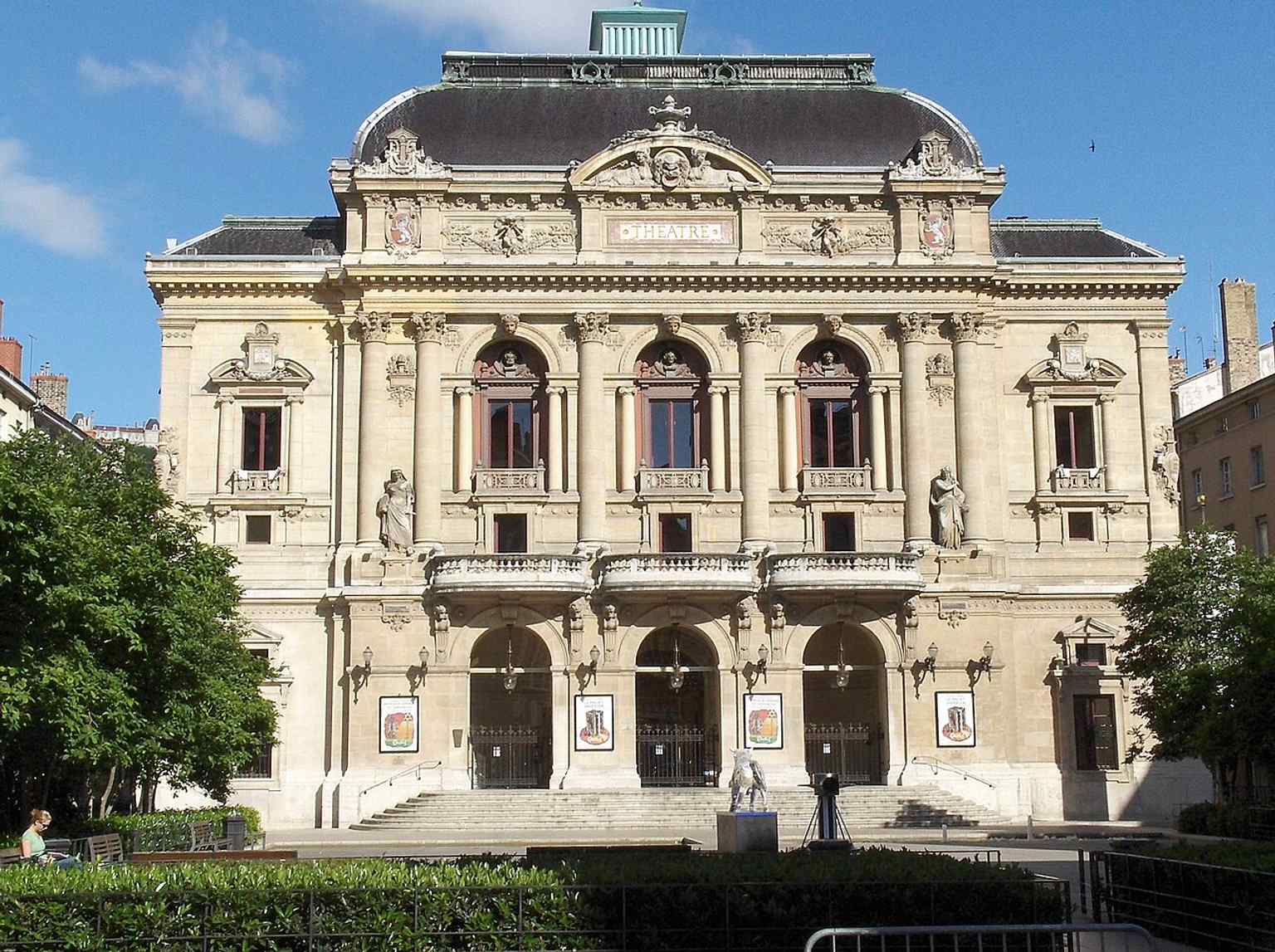
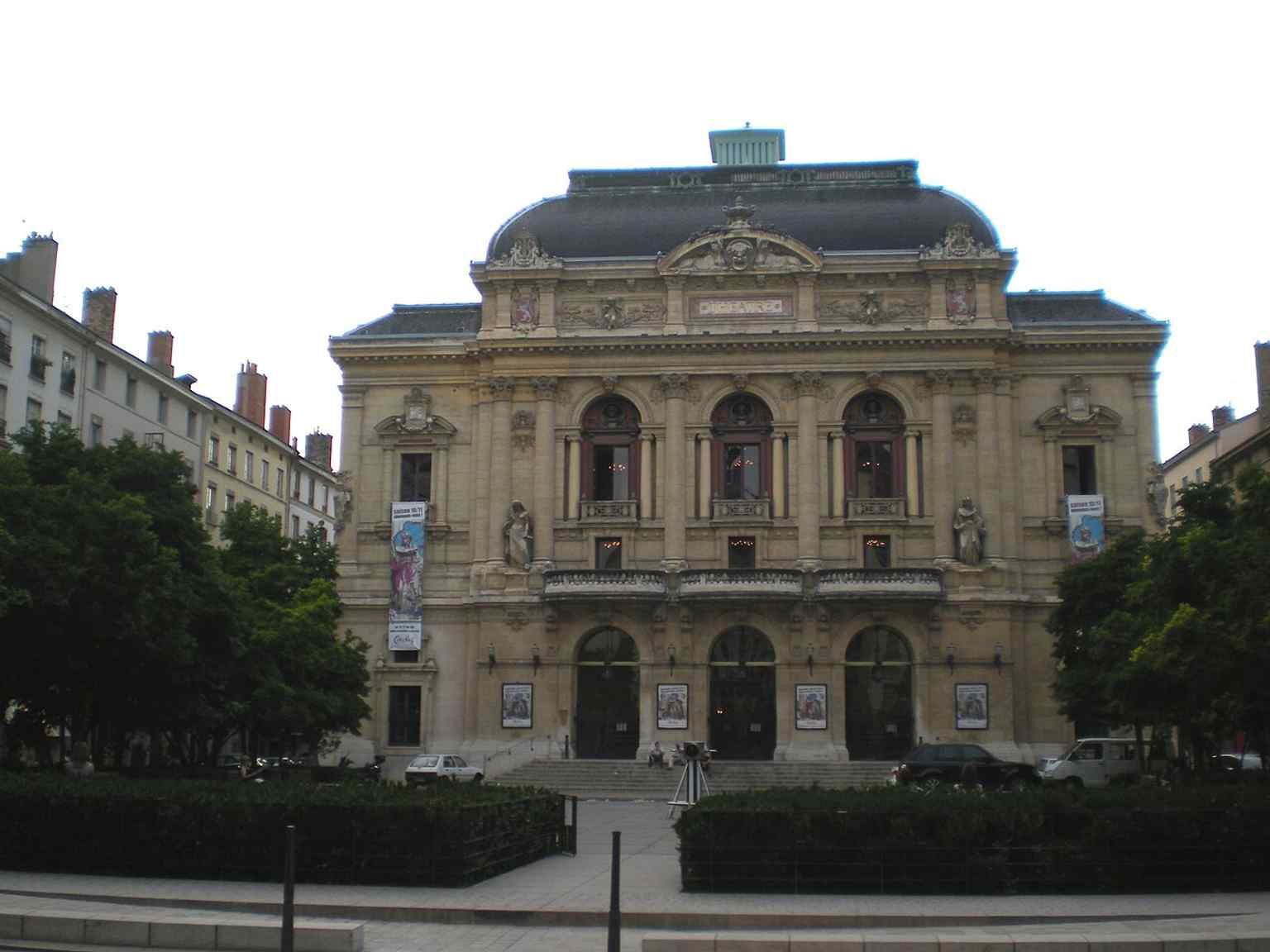
On your right, look for the pale stone façade with its broad curved front, tall arched openings, and sculpted figures set high above the entrance.
This theater sits on a patch of land that kept changing costumes without ever leaving the stage. Long before actors took over, the Templars held this ground. In fourteen oh seven, Amédée the Eighth, Count of Savoy, gave the property to the Célestins, a Catholic monastic order, and they built an abbey and a church here called Notre-Dame-de-Bonne-Nouvelle. For nearly four centuries, people came here for prayer... until the convent closed in seventeen seventy-nine.
Then Lyon pulled one of its favorite tricks. It did not erase the place; it gave it a new role. In seventeen ninety-two, the former church became the Théâtre des Variétés. That long run makes Les Célestins one of the rare theaters in France with more than two centuries of dramatic history. After the Roman theaters up on Fourvière, this feels like a familiar Lyon habit: take important ground, gather people there, and turn attention toward a shared spectacle. Different script, same instinct.
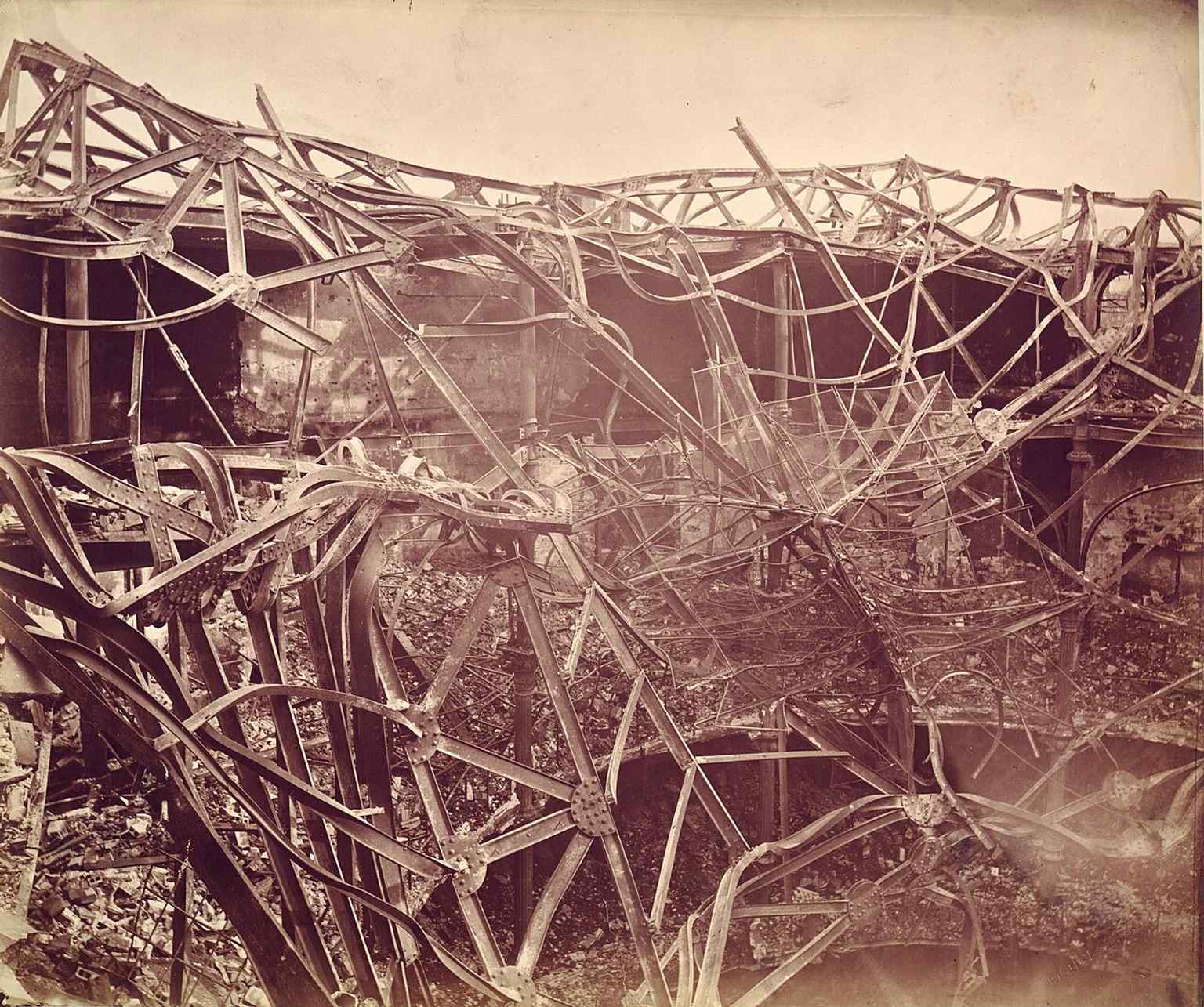
Fire, though, kept testing the site. The convent burned in fifteen oh one, again in sixteen twenty-two, and again in seventeen forty-four, when its library went up in flames. The theater then suffered a partial fire in eighteen fifty-three, total destruction in eighteen seventy-one, and another major blaze in eighteen eighty, when the roof and stage burned in the night. This address and fire knew each other far too well.
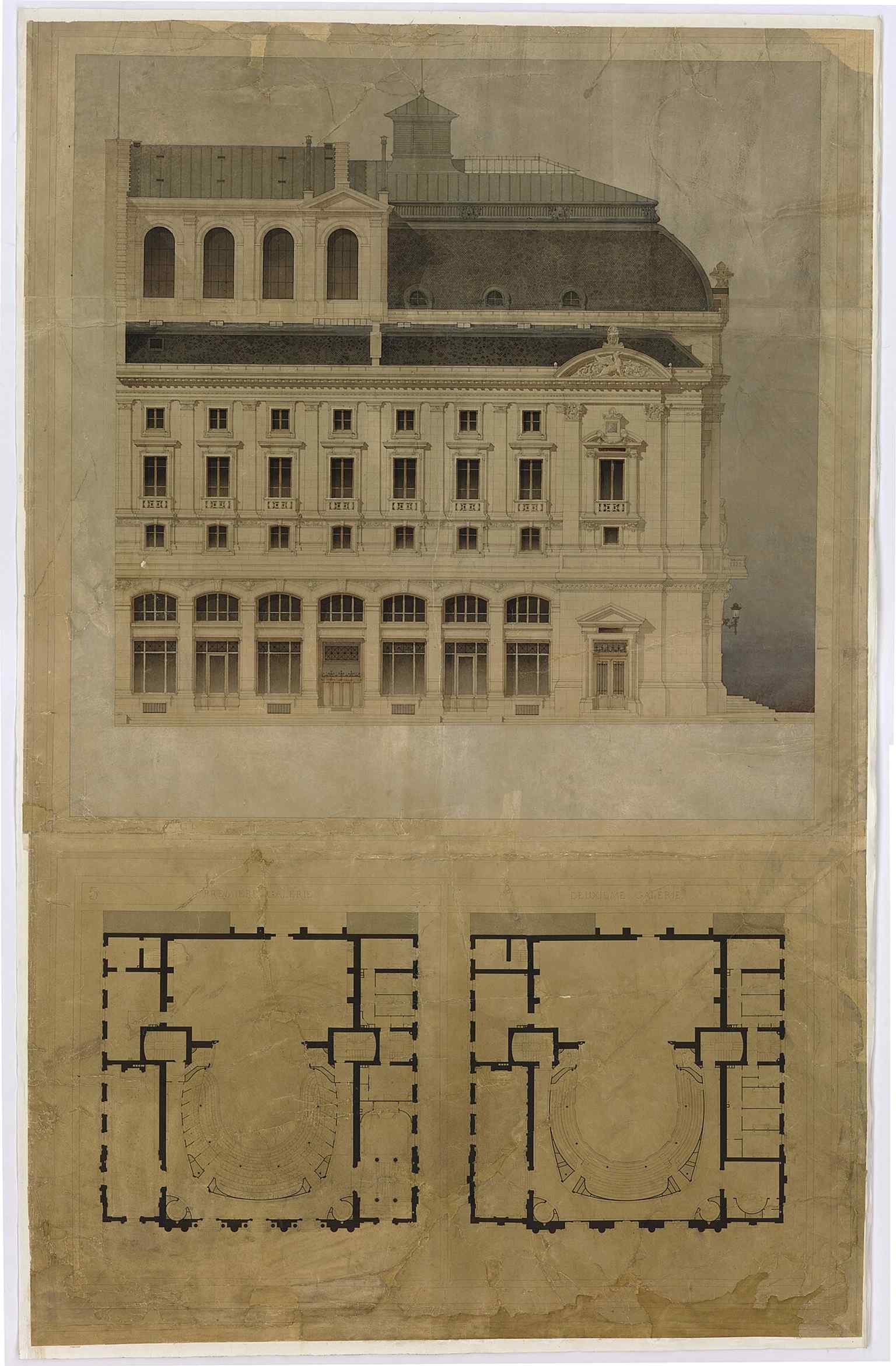
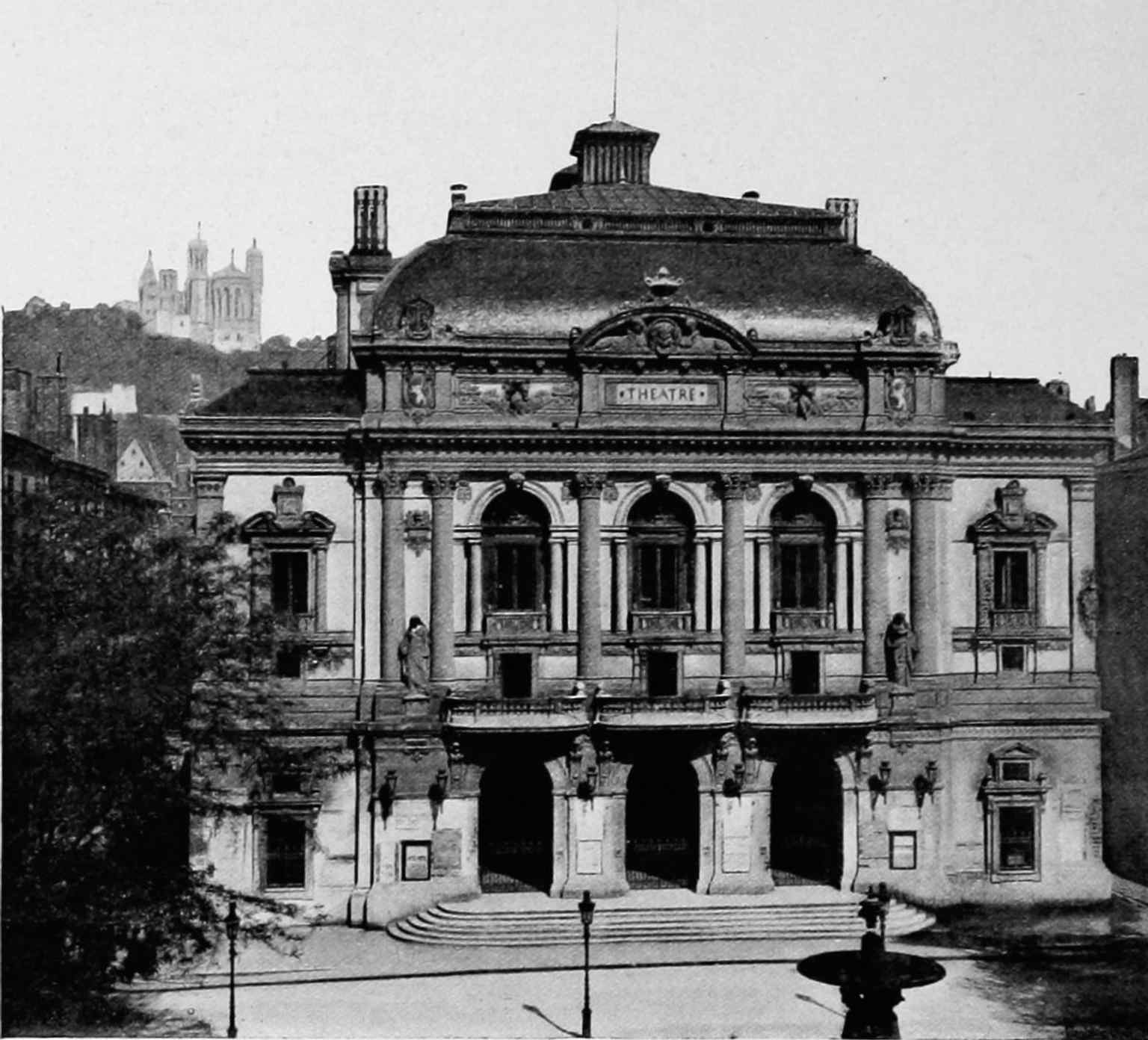
The person who gave the theater its present face was Gaspard André. Lyon chose him in eighteen seventy-three after a competition, and he designed the building you see now. He made it an Italian-style theater, meaning a horseshoe-shaped auditorium focused on a framed stage, intimate and grand at the same time. And here is the detail worth holding onto: André placed that stage where the choir of the old convent church once stood. Prayer had faced one direction here, and later applause did too. If you want a quick side-by-side, open the before-and-after image in the app; the eighteen eighty-four view shows the theater just after its nineteenth-century comeback.
André reopened it in eighteen seventy-seven, then rebuilt the damaged parts after the eighteen eighty fire without changing the design. Inside, he went full ceremony: red and gold decoration, mosaics, and a ceiling honoring Aristophanes and Athena. Great performers followed, from Sarah Bernhardt to Joséphine Baker and Fernandel. Not a bad roll call for one square in Lyon.
Even in recent history, the building kept serving as a guardian. During May sixty-eight, director Albert Husson agreed to hide ancient Egyptian objects from the university here, and stagehands carried the crates in at night, tucking them into a sealed dressing room for a year.
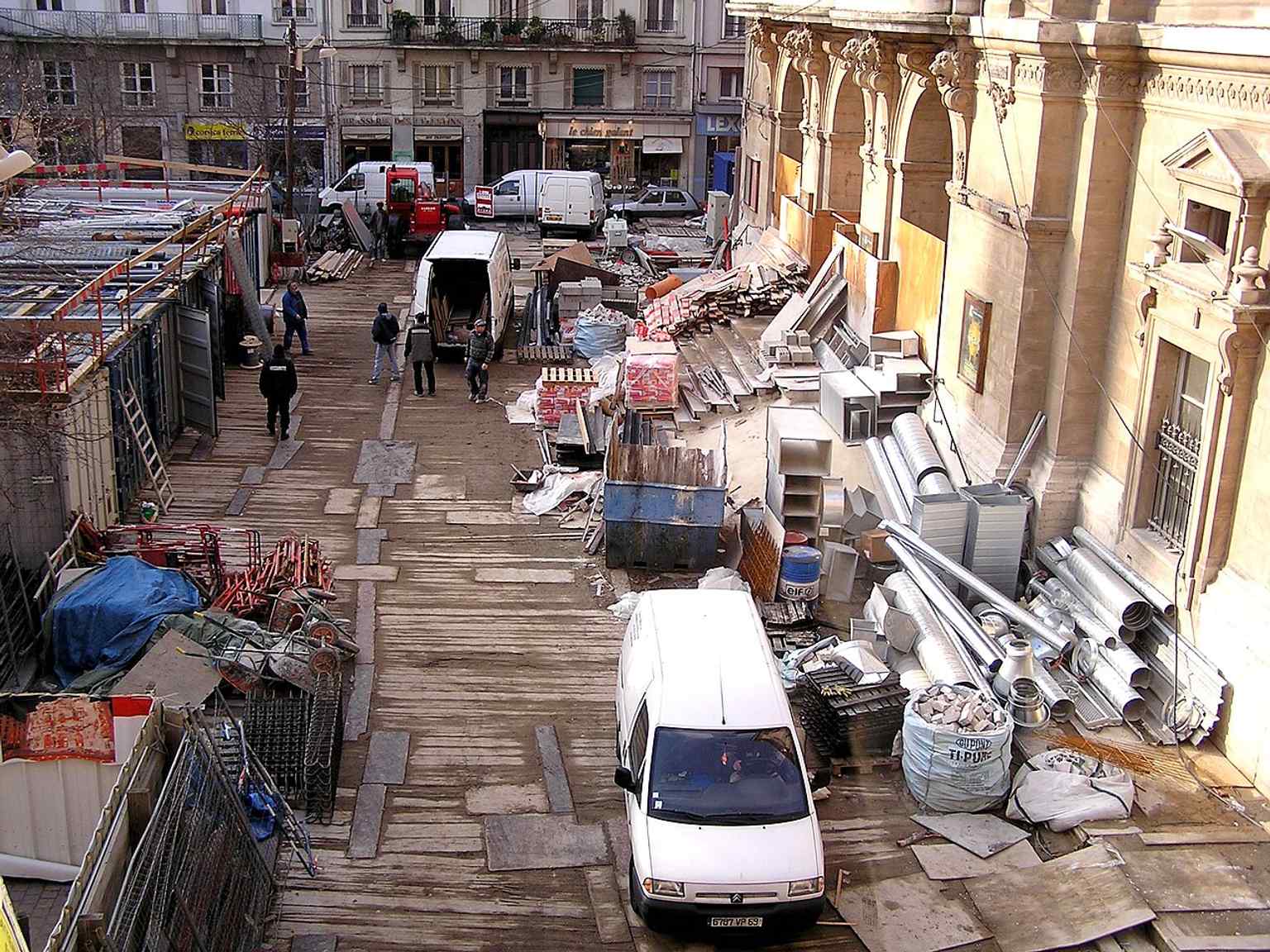
From two thousand three to two thousand five, the city restored André’s decoration and added a smaller underground space, the Célestine. So this theater still does what Lyon does best: it keeps the old bones, then teaches them a new line.
Next we leave the house of performance and head toward the city’s older center of gravity, Saint John’s Cathedral, about an eight-minute walk away. If you plan to return, the theater is closed Monday and Sunday, usually opens at one o’clock Tuesday through Friday, at noon on Saturday, and closes at six thirty.





.jpg)


