AudaTours logoAudaTours

Stop 7 of 16

Saint Peter's Church

headphones 05:02 Buy tour to unlock all 18 tracks
Saint Peter's Church
St. Peter's Church (Leuven)
St. Peter's Church (Leuven)Photo: Johan Bakker, Wikimedia Commons, CC BY-SA 3.0. Cropped & resized.

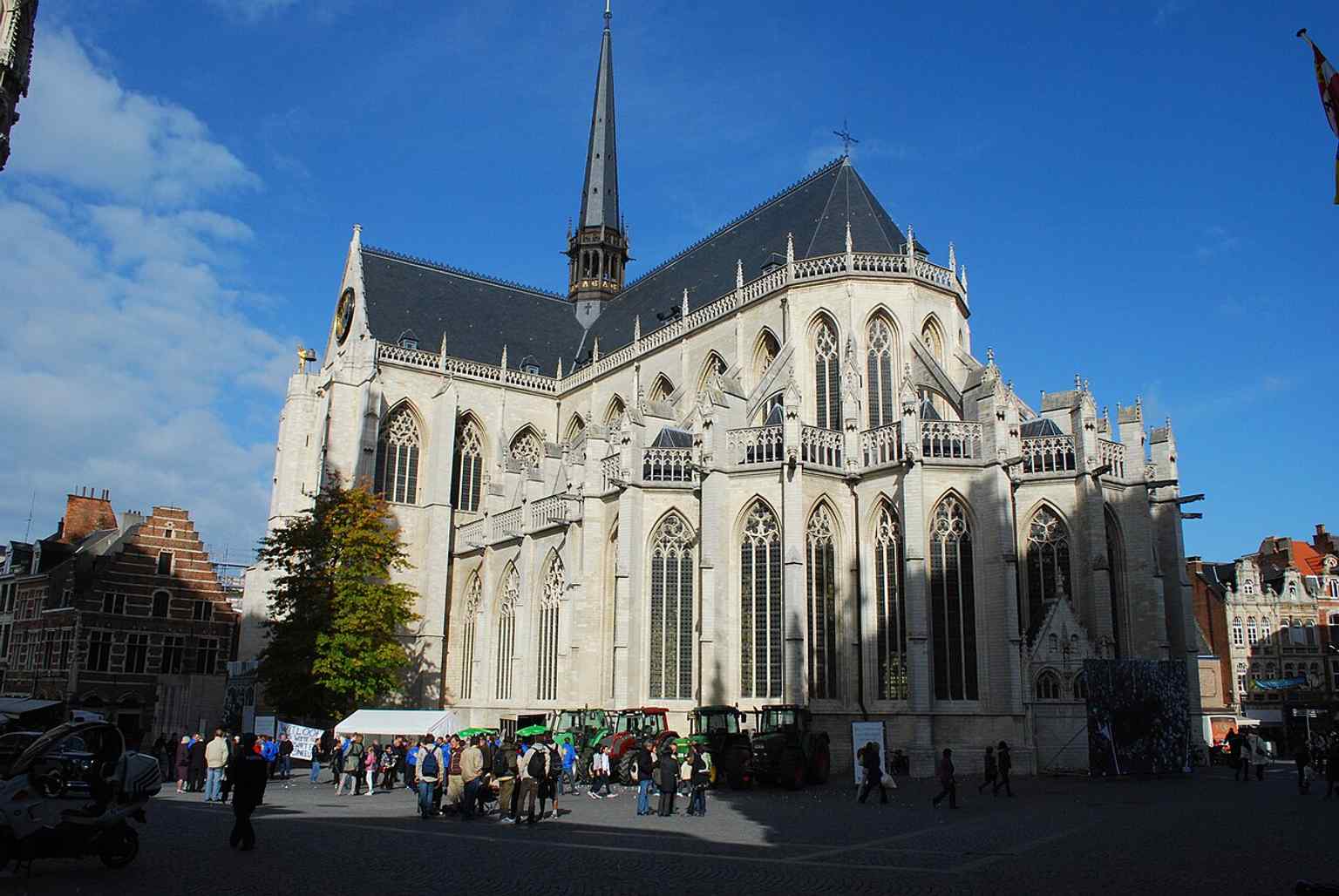
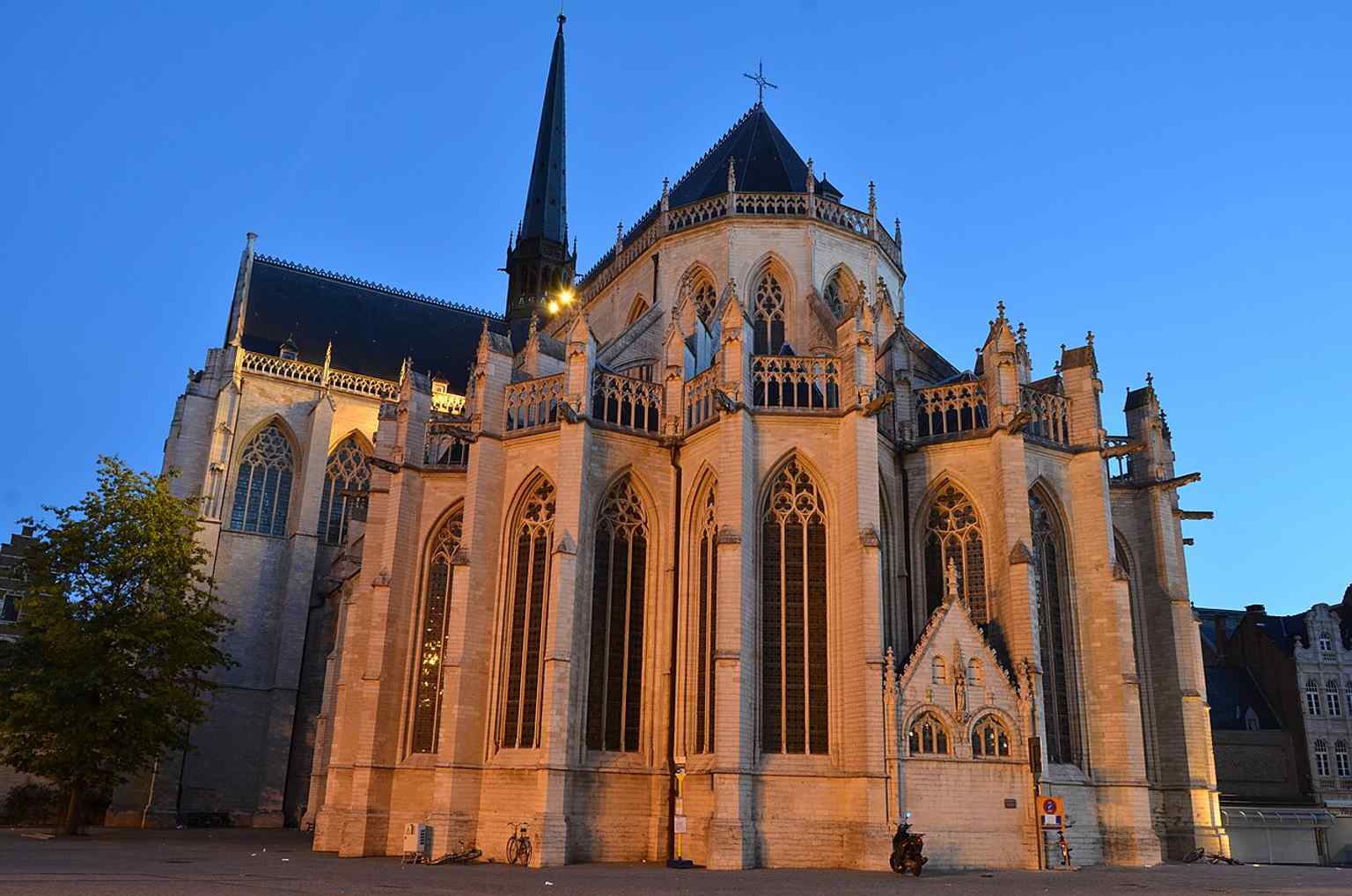
Ahead of you, Sint-Pieterskerk shows itself as a pale stone Gothic apse, ringed with angular buttresses and tall pointed windows, with chapel roofs stepping around the back like a crown of smaller wings.

This is Sint-Pieterskerk, and it carries Leuven’s memory much deeper than its student reputation. Beneath this church lies evidence that shifts the city’s own story backward: not just one old building, but layers of belief, rebuilding, and buried ground reaching to around the year one thousand... and likely even earlier.

From where you stand, at the rear, you are looking at the part that came first in the Gothic rebuilding. Around the year fourteen hundred, masons began here at the choir, the sacred eastern end where clergy gathered for worship. Before this church rose, a wooden church likely stood here in the eighth century. Around the year one thousand, townspeople replaced it with a stone Romanesque church. Then, around ten seventy, builders added what we now call the crypt, an underground chapel space. Except here it turns out that “underground” is a little misleading. After the Second World War, restorers rediscovered that this crypt was actually the preserved choir of that earlier church, left standing while the street level outside slowly rose over centuries. Leuven, in other words, did not simply remember its beginning... it accidentally buried it, then found it again.

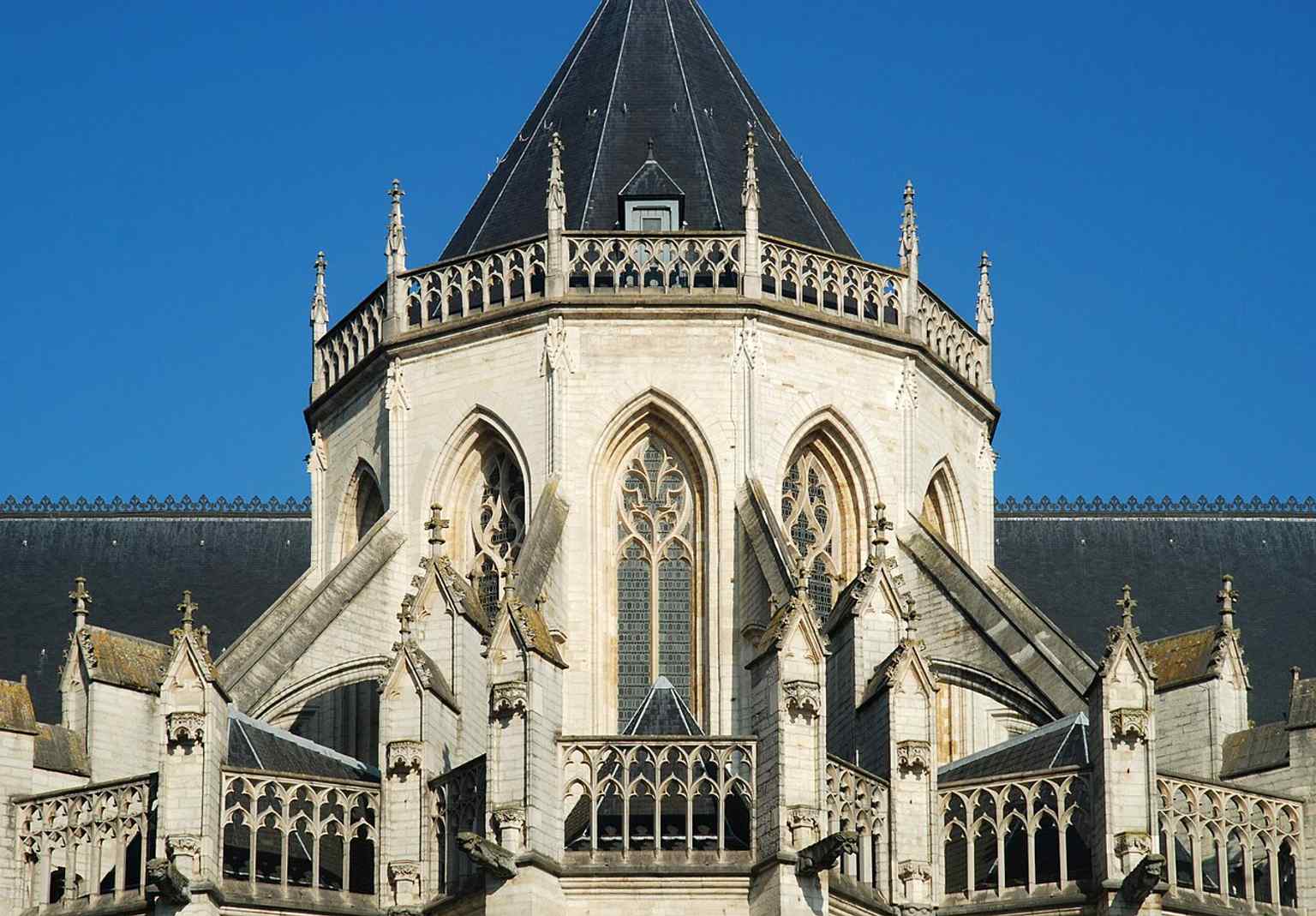
If you check the view on your screen, this angle of the choir makes that early building campaign easier to picture. Those buttresses, the stone supports bracing the walls, tell you this is Brabantine Gothic: tall, elegant, and practical at the same time. Grace with good engineering... at least most of the time.
The choir seen from Fochplein highlights the eastern end of the basilica, where the medieval building campaign began.
The choir seen from Fochplein highlights the eastern end of the basilica, where the medieval building campaign began.Photo: Johan Bakker, Wikimedia Commons, CC BY-SA 3.0. Cropped & resized.

One man to remember here is Sulpitius van Vorst, a master builder known to be working on the church by fourteen twenty-five. He pushed this Gothic vision forward, using stone from places like Affligem and Gobertange. By fourteen thirty-one, workers could already start covering the choir. After van Vorst died, progress slowed, and other major builders stepped in: Jan the Second Keldermans, then Matthijs de Layens, whose name you already know from the city. Inside, Matthijs designed the spectacular sacrament tower, a tall carved stone shrine for the consecrated host. If you peek at that detail in the app, you’ll see just how finely Leuven could turn stone into lace.
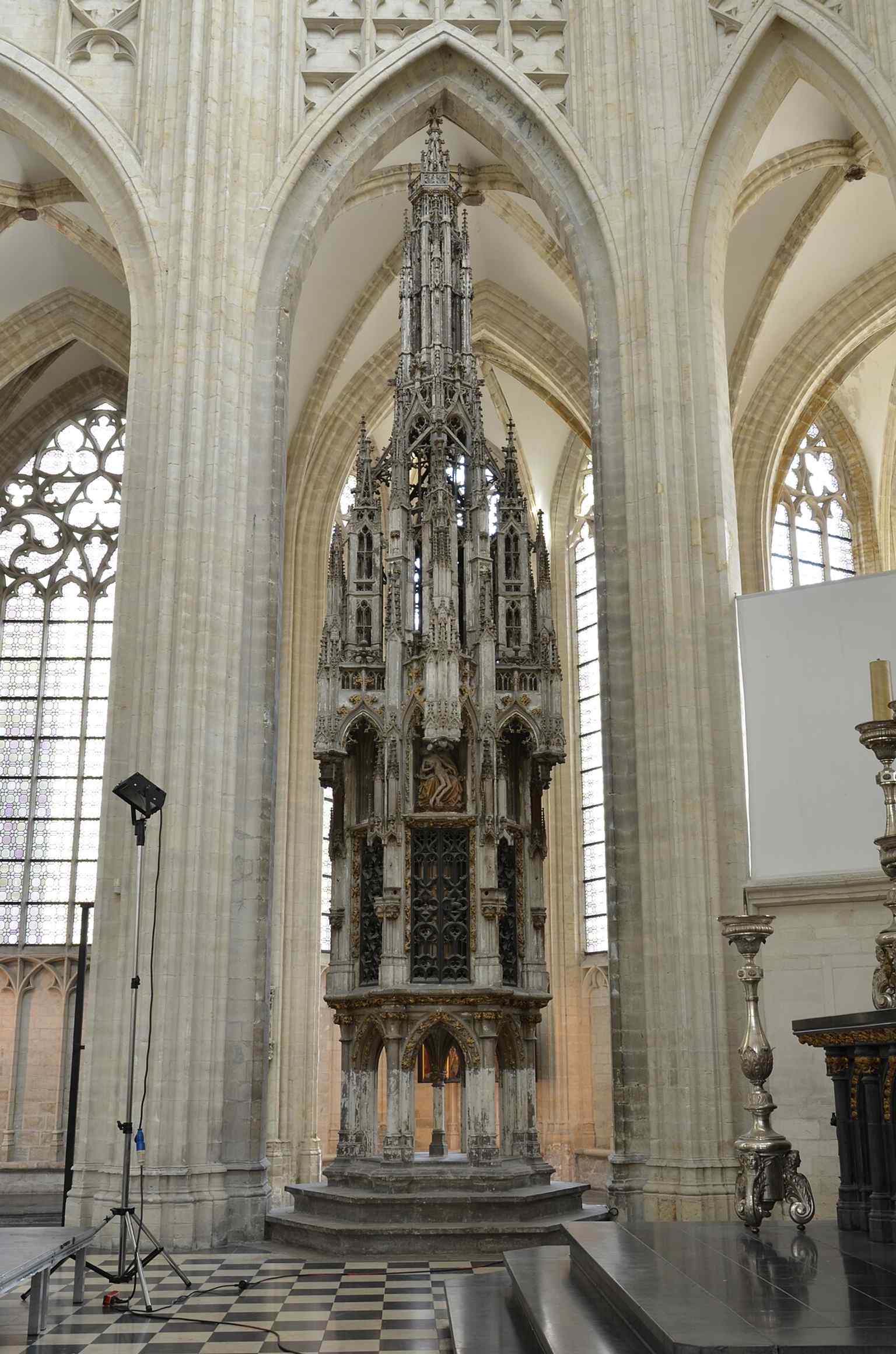
The sacrament tower is one of the church’s celebrated late-Gothic treasures, closely tied to Matthijs de Layens.
The sacrament tower is one of the church’s celebrated late-Gothic treasures, closely tied to Matthijs de Layens.Photo: Paul Vanden Bossche, Wikimedia Commons, CC BY-SA 3.0. Cropped & resized.

And yet this church never reached all its ambitions. Joost Metsys later planned three huge west towers, with the middle one meant to soar to about one hundred fifty meters. The soil proved unstable, the anchoring failed, and the design could not safely carry the dream. So the towers stayed unfinished. That feels very Leuven to me: bold minds, big plans, and the occasional hard lesson from gravity.

War hit this church brutally. Fire in the First World War took the roof. Bombing in the Second World War struck it again, and many treasures disappeared. What you see now is not a frozen medieval relic, but a long act of repair. Even the bells lived a rough life: stolen, destroyed, carried away, then partly returned after liberation.

Inside, the church still holds wonders: Dieric Bouts’s Last Supper returned to the place it was painted for, the university’s Our Lady statue - Sedes Sapientiae, or Seat of Wisdom - became a symbol for both church and university, and the chapel of Fiere Margriet keeps alive one of Leuven’s favorite holy legends. Locals even picked up a nickname from Saint Peter himself: Pietermannen, Peter’s people.

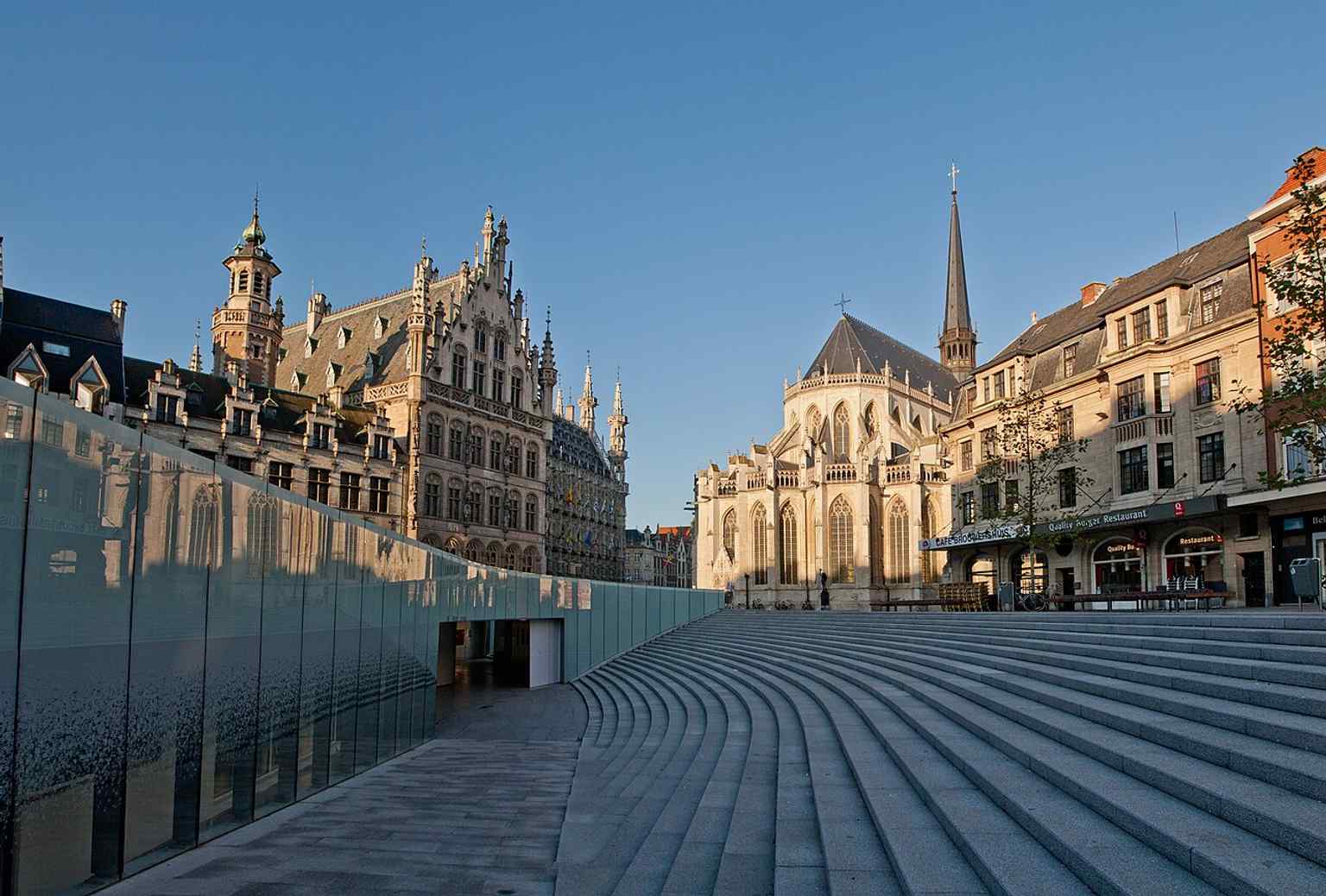
Now let your attention drift toward the square on the other side, where civic pride answers sacred authority in carved stone. That is our next stop, Leuven Town Hall, just steps away. If you want to come back inside later, the church usually opens from ten to four-thirty, except Wednesday, and on Sundays from eleven to four-thirty.
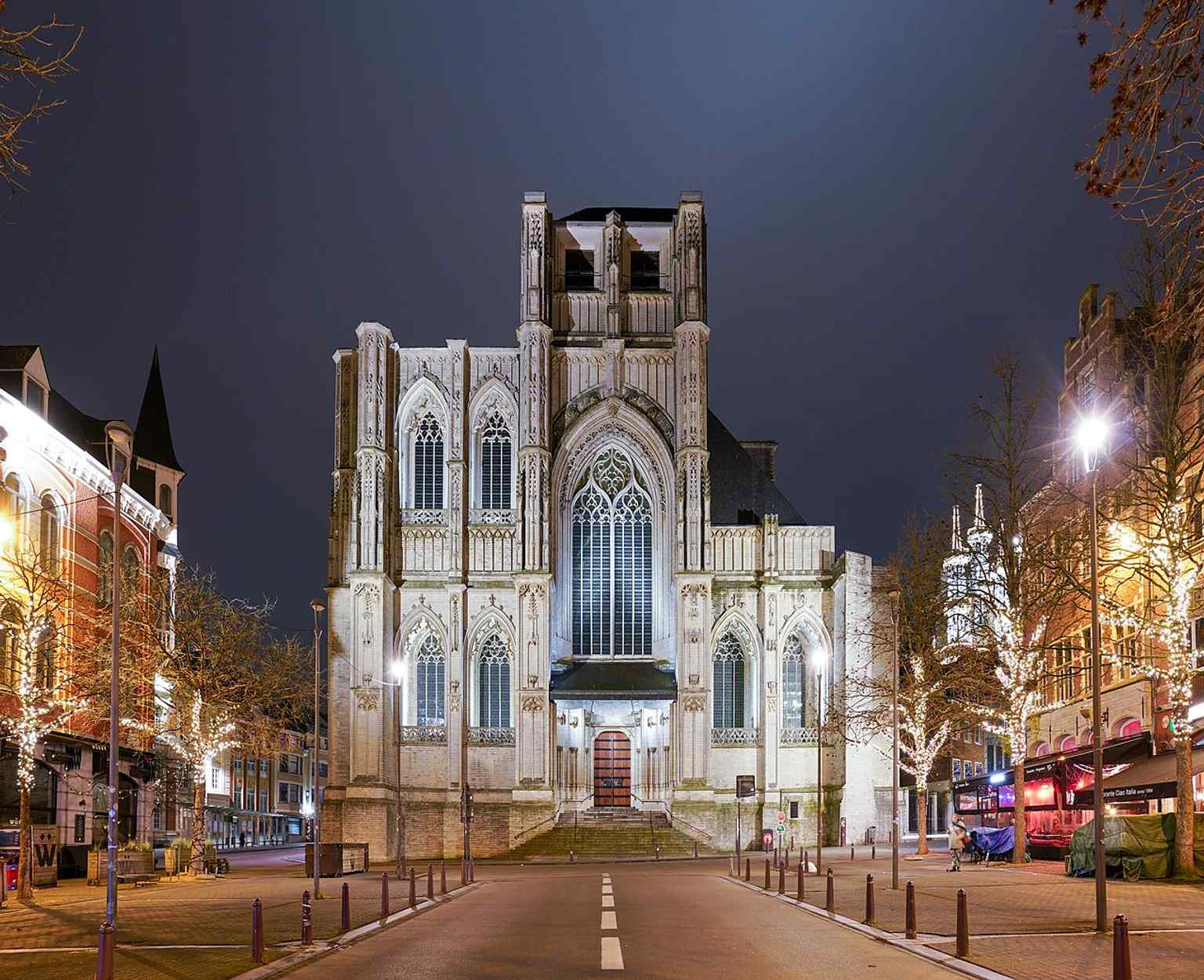
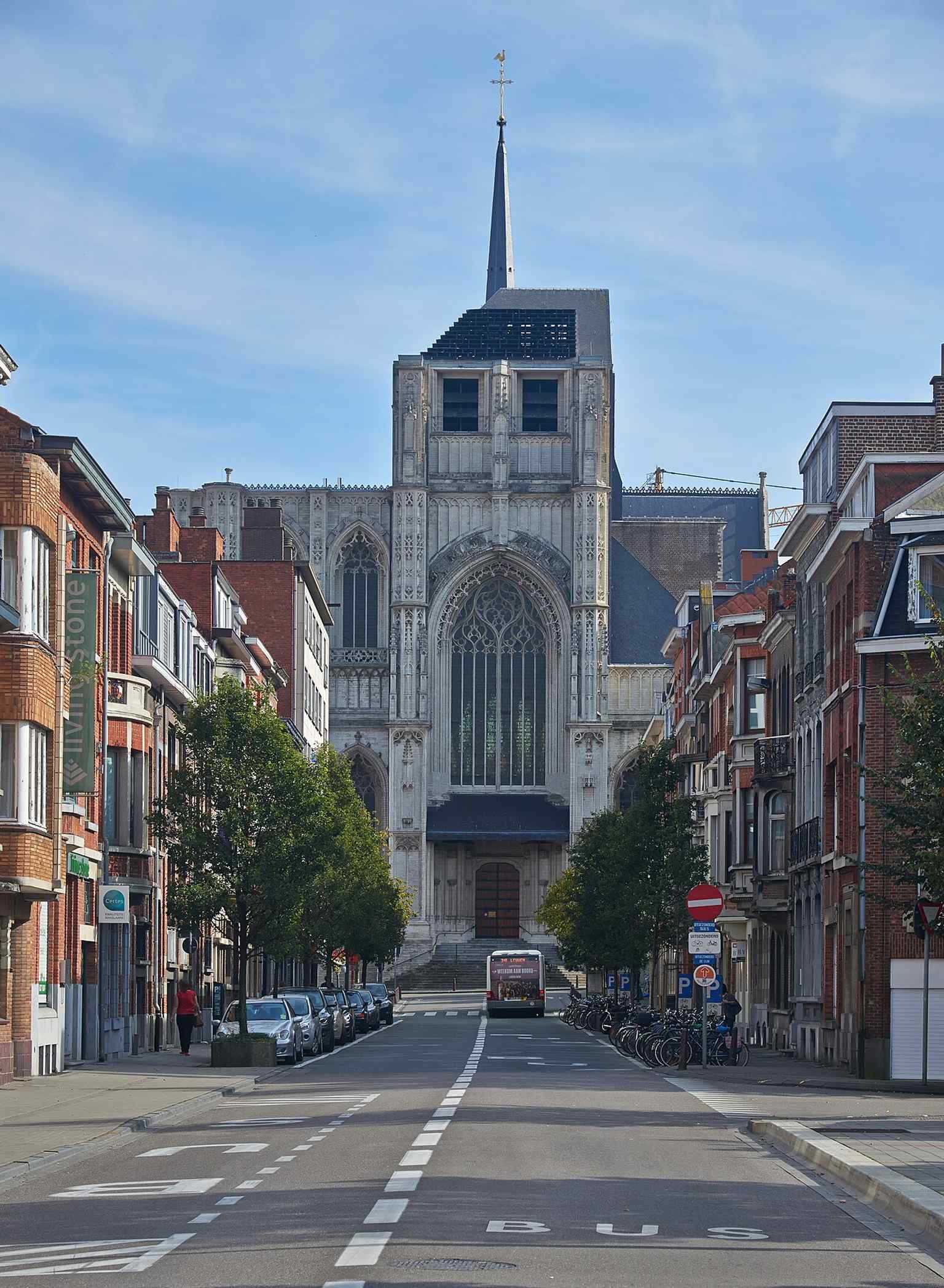
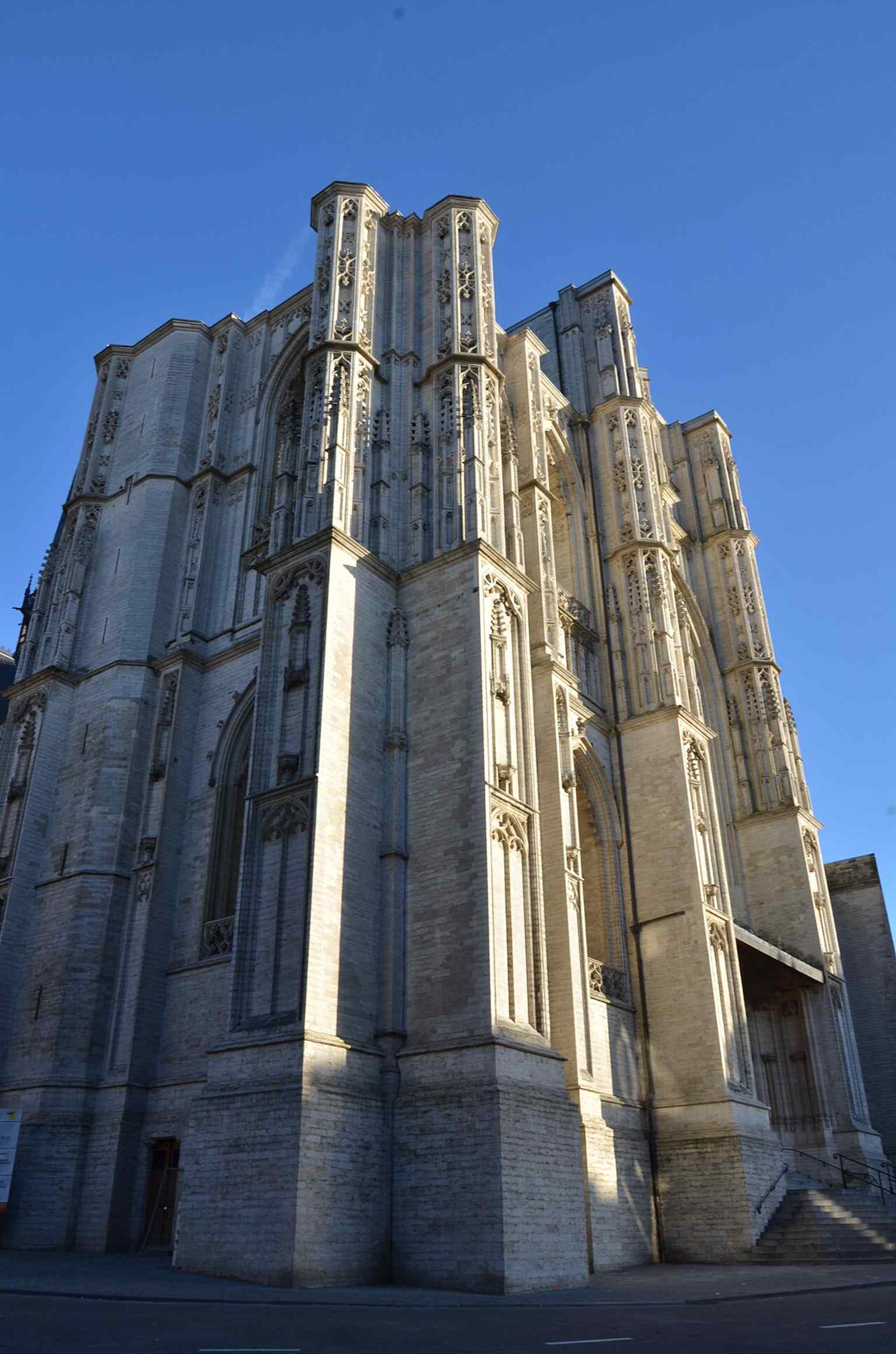
A crisp modern view of St. Peter’s Church, showing the Brabantine Gothic massing and the famously unfinished west towers.
A crisp modern view of St. Peter’s Church, showing the Brabantine Gothic massing and the famously unfinished west towers.Photo: Giles Laurent, Wikimedia Commons, CC BY-SA 4.0. Cropped & resized.
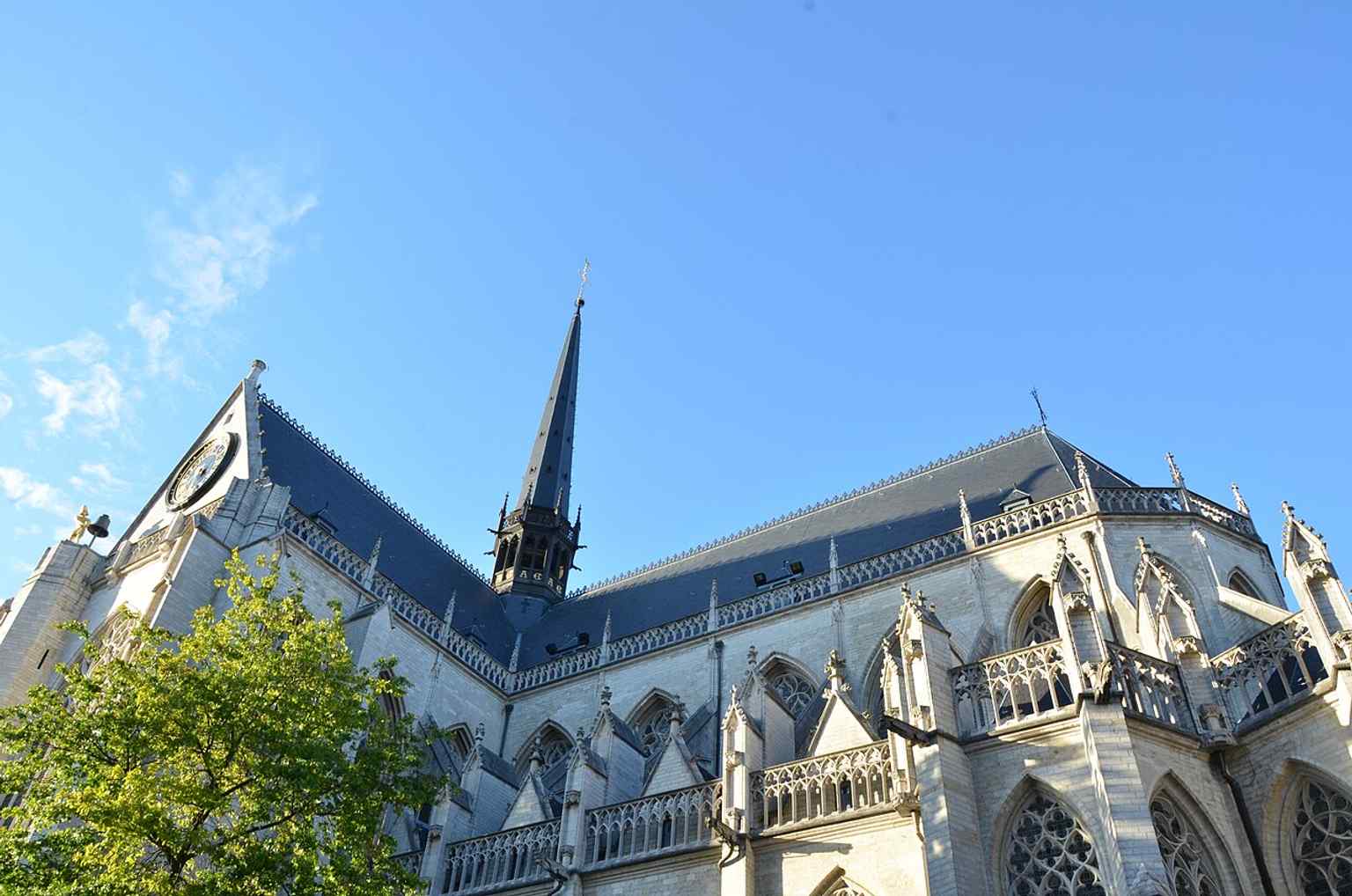
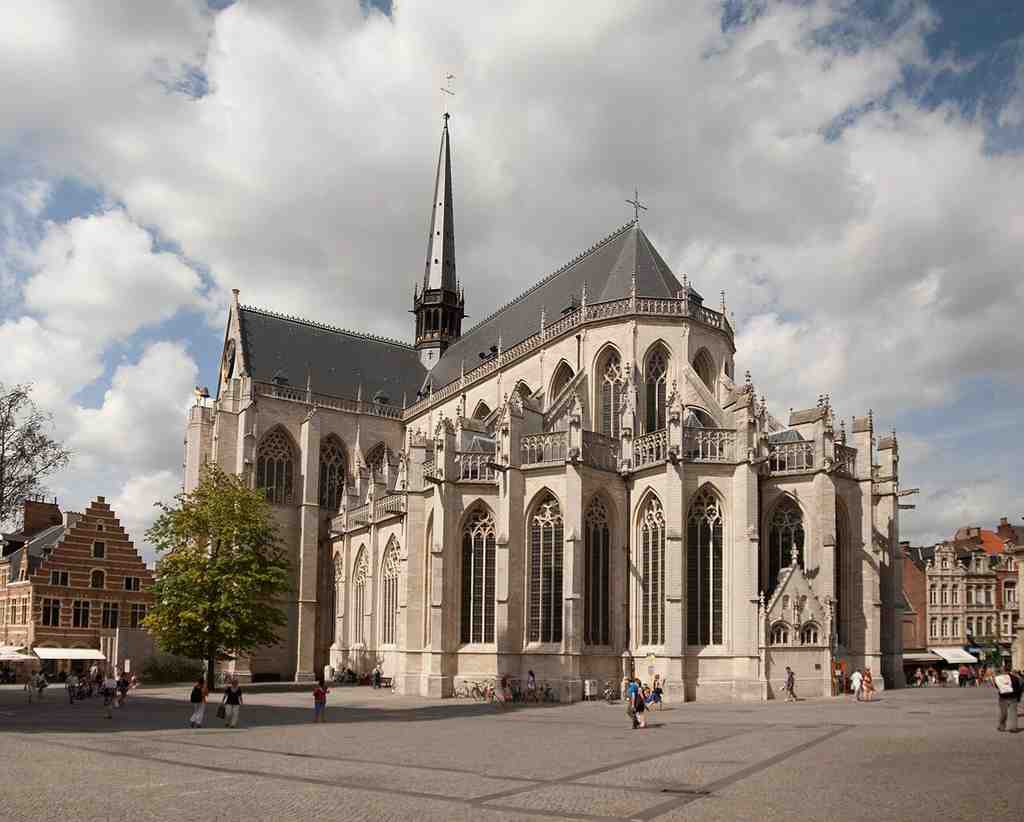
The church’s side exterior emphasizes the soaring Gothic windows and the long, unfinished medieval fabric described in the history.
The church’s side exterior emphasizes the soaring Gothic windows and the long, unfinished medieval fabric described in the history.Photo: EmDee, Wikimedia Commons, CC BY-SA 4.0. Cropped & resized.
Seen from Dirk Boutslaan, this angle catches the church’s tower group and underscores how the west front never reached its intended height.
Seen from Dirk Boutslaan, this angle catches the church’s tower group and underscores how the west front never reached its intended height.Photo: Wouter Hagens, Wikimedia Commons, CC BY-SA 3.0. Cropped & resized.
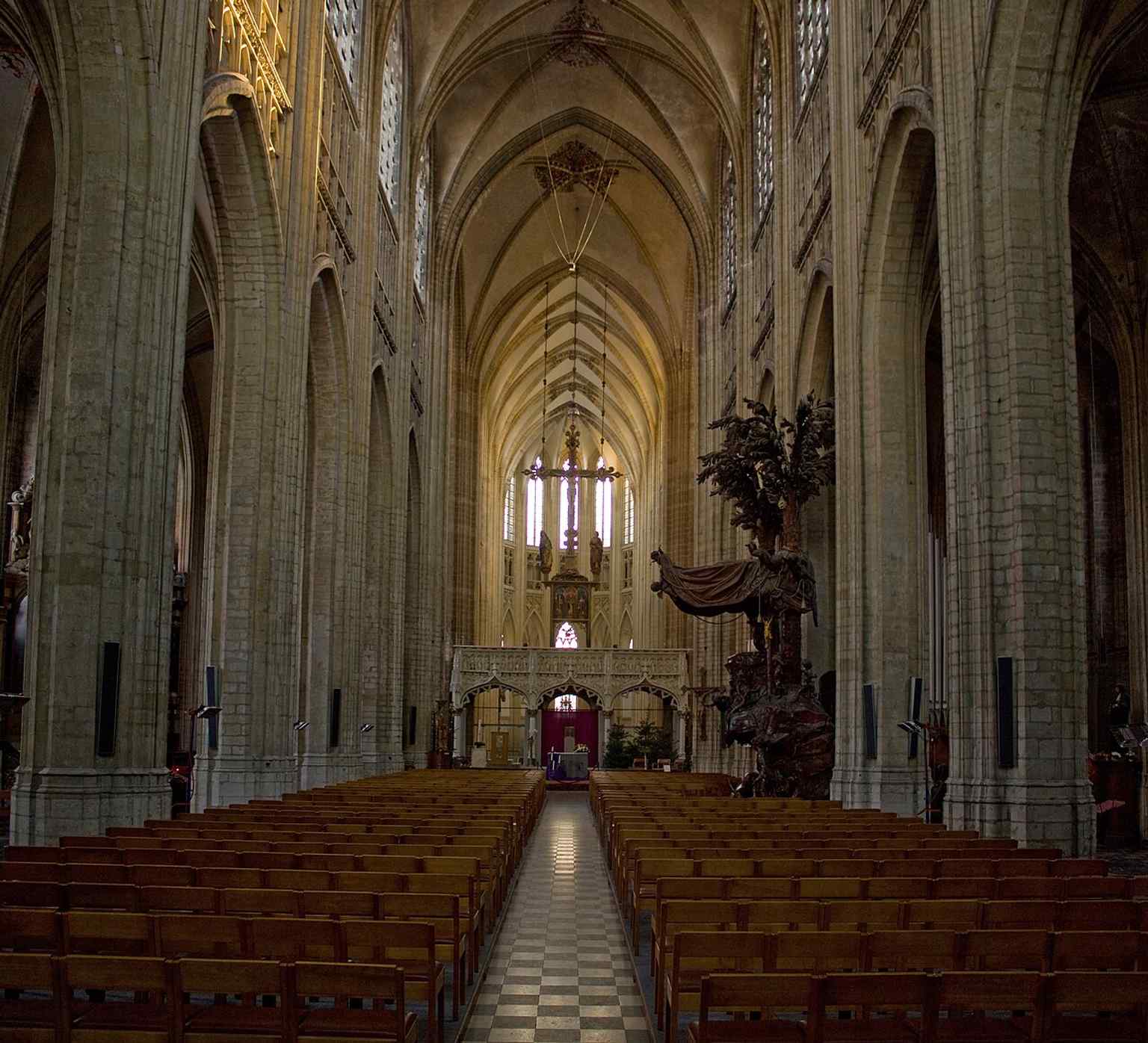
The nave interior conveys the scale of the three-aisled basilica and the restored postwar church space.
The nave interior conveys the scale of the three-aisled basilica and the restored postwar church space.Photo: Johan Bakker, Wikimedia Commons, CC BY-SA 3.0. Cropped & resized.
A broad interior view of the church, useful for showing the Gothic atmosphere and museum-like presentation of the artworks.
A broad interior view of the church, useful for showing the Gothic atmosphere and museum-like presentation of the artworks.Photo: Paul Vanden Bossche, Wikimedia Commons, CC BY-SA 3.0. Cropped & resized.
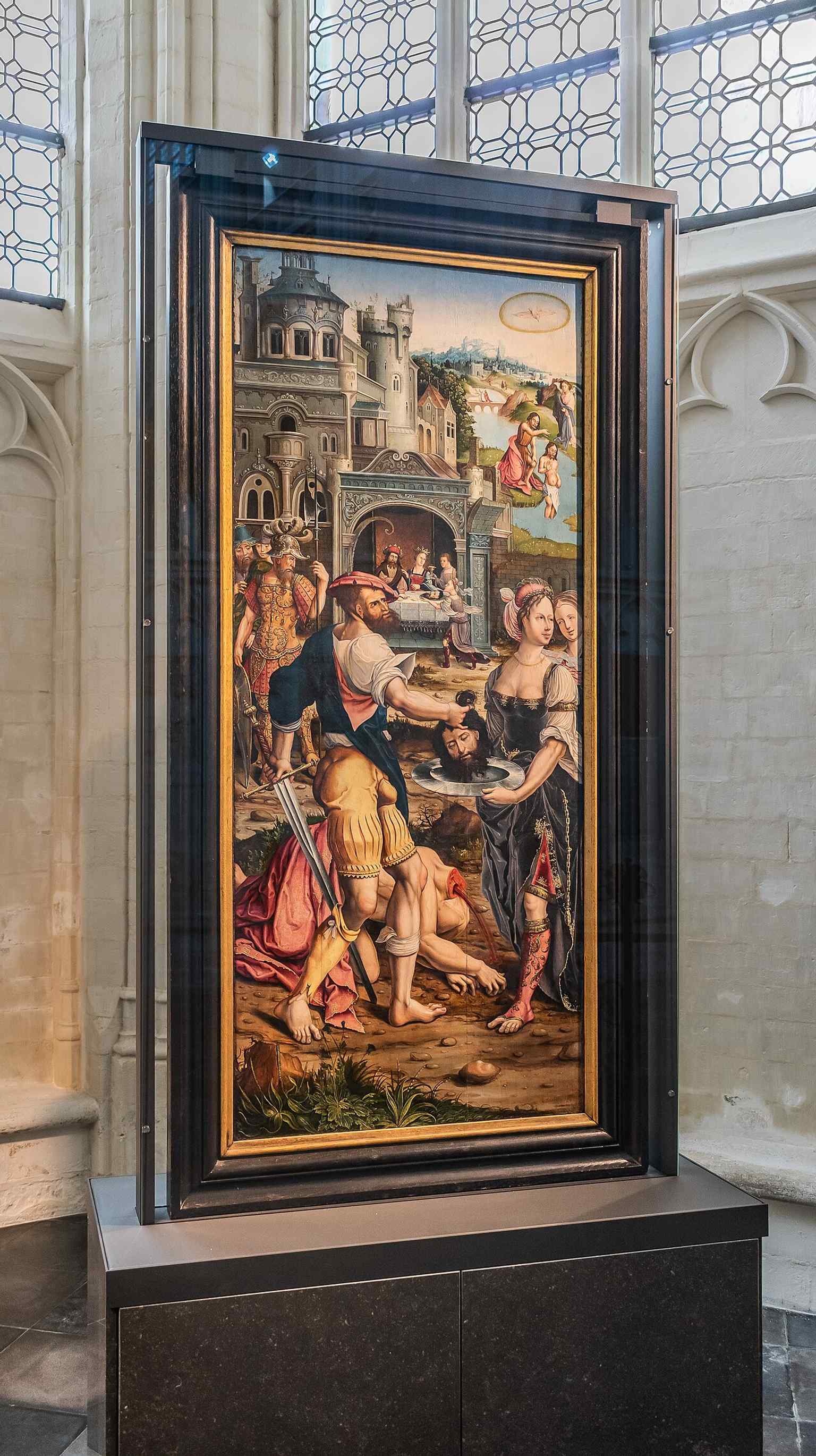
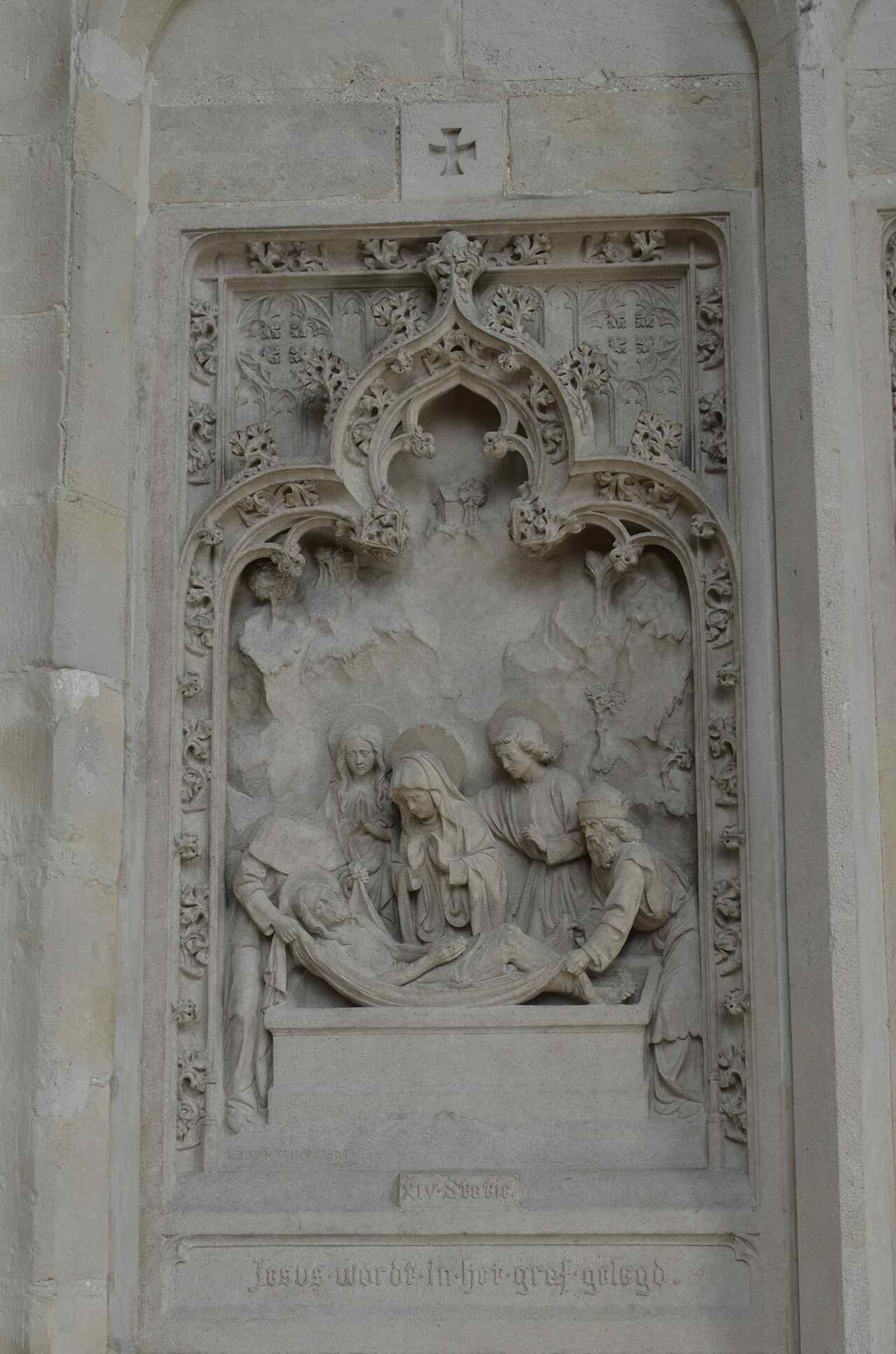
This Gothic carving is part of the church’s artistic heritage, among the devotional works that made St. Peter’s a major Leuven museum-church.
This Gothic carving is part of the church’s artistic heritage, among the devotional works that made St. Peter’s a major Leuven museum-church.Photo: anonymous, Wikimedia Commons, Public domain. Cropped & resized.
An older exterior view of the church before recent presentation changes, useful for contrasting the monument’s long restoration story.
An older exterior view of the church before recent presentation changes, useful for contrasting the monument’s long restoration story.Photo: Jeanhousen, Wikimedia Commons, CC BY 3.0. Cropped & resized.
An interior perspective that helps place the church’s restored art and architecture in one continuous worship space.
An interior perspective that helps place the church’s restored art and architecture in one continuous worship space.Photo: Paul Vanden Bossche, Wikimedia Commons, CC BY-SA 3.0. Cropped & resized.
A deeper interior look that fits the story of the church as both Gothic basilica and curated heritage site.
A deeper interior look that fits the story of the church as both Gothic basilica and curated heritage site.Photo: Paul Vanden Bossche, Wikimedia Commons, CC BY-SA 3.0. Cropped & resized.
Another wide interior view, useful for showing the nave, vaulting, and the scale of the church after wartime restoration.
Another wide interior view, useful for showing the nave, vaulting, and the scale of the church after wartime restoration.Photo: Paul Vanden Bossche, Wikimedia Commons, CC BY-SA 3.0. Cropped & resized.
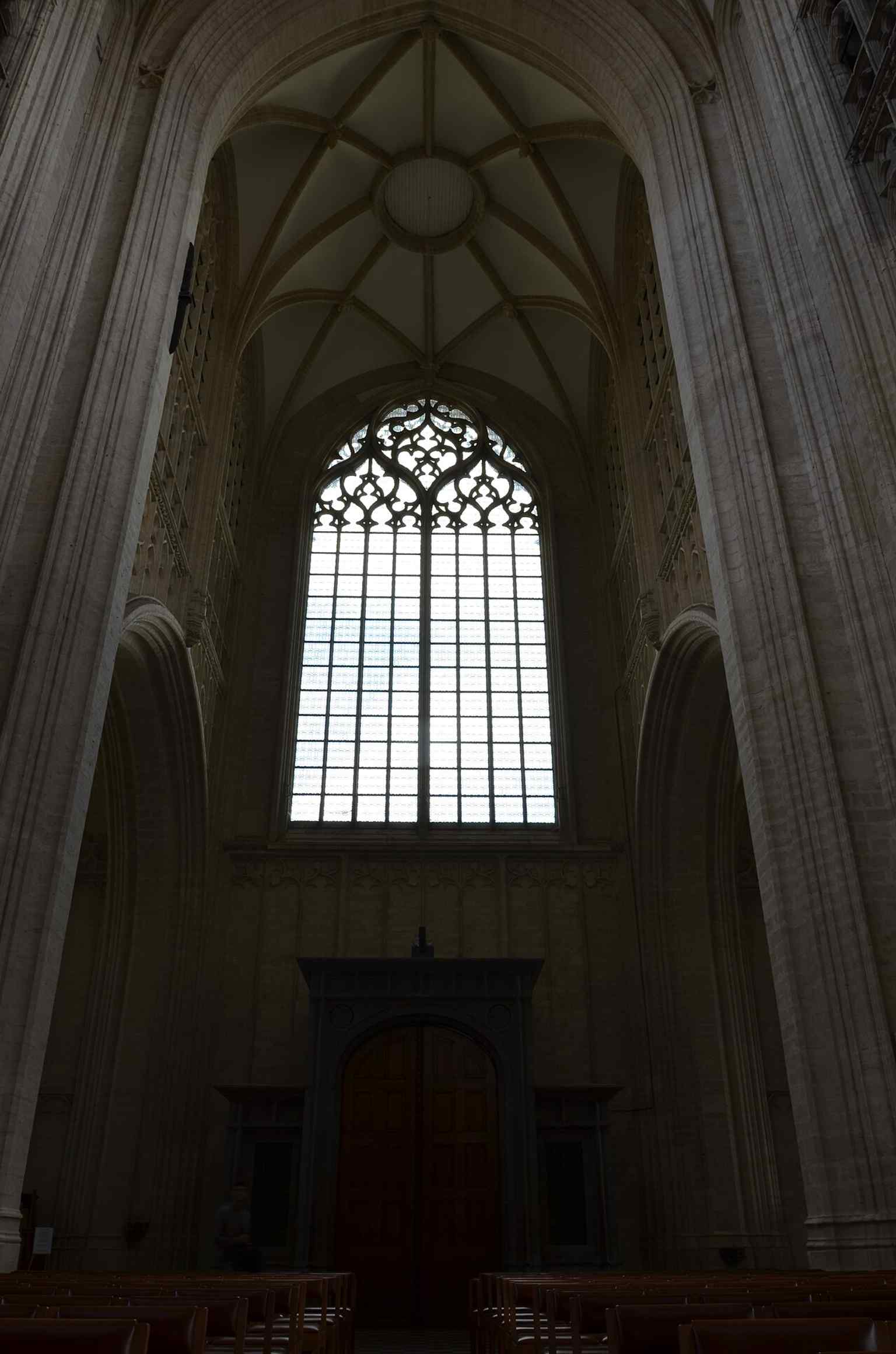
A close look at a Gothic architectural detail, echoing the church’s celebrated Brabantine stonework and unfinished medieval ambitions.
A close look at a Gothic architectural detail, echoing the church’s celebrated Brabantine stonework and unfinished medieval ambitions.Photo: Paul Vanden Bossche, Wikimedia Commons, CC BY-SA 3.0. Cropped & resized.
This interior view can support the story of the church’s liturgical furnishings and its richly layered sacred space.
This interior view can support the story of the church’s liturgical furnishings and its richly layered sacred space.Photo: Paul Vanden Bossche, Wikimedia Commons, CC BY-SA 3.0. Cropped & resized.
arrow_back Back to Leuven Highlights Audio Tour: Academic Heritage and Cultural Charms
Loved by travellers

Thousands of tours started.
Plenty of opinions.

4.8 across the App Store and Google Play. Here's a few we keep coming back to.

starstarstarstarstar
This was a solid way to get to know Brighton without feeling like a tourist. The narration had depth and context, but didn't overdo it.
Christoph
Christoph
Brighton Tour
starstarstarstarstar
Started this tour with a croissant in one hand and zero expectations. The app just vibes with you, no pressure, just you, your headphones, and some cool stories.
download Get the app

Pop your headphones in.
Step outside.

Free to download. Tours in every city. Start in 60 seconds — no account, no card.

Download on the App StoreGet it on Google Play
starstarstarstarstar_half
4.8
AudaTours app icon
headphones
~ 4 min until your first tour starts
public
1,000+ cities worldwide
all_inclusive
AudaTours
Unlimited

Every tour. Every city. One subscription.

3097 tours2273 cities138 countries50+ languages