
50+ języków

 Lahaur · Pakistan
 Audioprzewodniki po Lahaur
Odkryj Lahaur z samodzielnymi pieszymi audioprzewodnikami
headphones
2 tras
pin_drop
20 zabytków
translate
Trasy w Lahaur
Wybierz Lahaur warte przejścia.
Samodzielne audioprzewodniki napisane przez ludzi, którzy tam naprawdę mieszkają.
2 tras
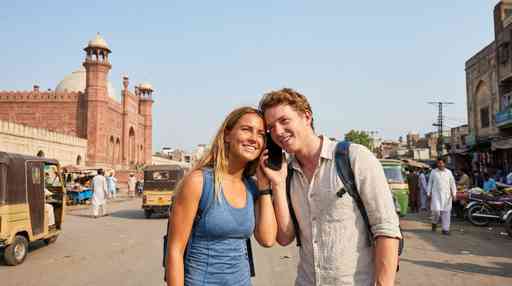
Wycieczka audio po Lahaurze: Podróż przez czas i dziedzictwo.
W parną letnią noc w Lahaurze cesarz obserwował niegdyś bunt tlący się na murach, podczas gdy tancerki snuły tajemnice za ciężkimi drzwiami. W tych kamieniach wyryte są wieki dramatycznych wydarzeń – historii, które łatwo przeoczyć, lecz niemożliwe jest ich zapomnienie. Ta wycieczka audio z przewodnikiem to zaproszenie do odkrycia ukrytych warstw Warownego Miasta. Zwiedzaj we własnym tempie i poznaj rywalizacje, zdrady oraz piękno, które umykają większości turystów. Kto przemycał zakazane listy pod łukami Heera Mandi, gdy cienie wojny pełzły przez Fort Lahaur? Która zaginiona królewska uczta stała się tematem plotek – i obaliła dynastię – w jeden wieczór? Dlaczego starożytny mural w Shahi Qila przedstawia scenę tak osobliwą, że przewodnicy ściszają głos? Przemierzaj wąskie uliczki płonące wspomnieniami. Przekraczaj bramy, gdzie historia unosi się niczym zapach jaśminu, a echa skandali dobiegają z tajemnych dziedzińców. Pozwól, by Lahaur ukształtował się na nowo pod Twoimi stopami. Czy jesteś gotów uchylić kurtynę i wkroczyć w najlepiej strzeżone historie Lahauru?
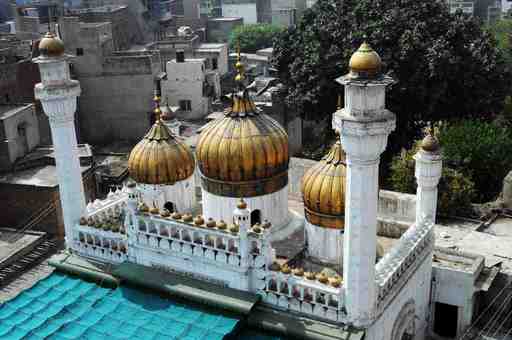
Wycieczka audio z najważniejszymi atrakcjami Lahore: Cuda Starego Miasta
Pod tętniącymi życiem ulicami Lahore kryją się wieki krwi, złota i tajemnic pogrzebanych głęboko w terakotowych murach Starego Miasta. Odkryj kolejne warstwy historii dzięki tej wycieczce audio z przewodnikiem. Przemierzaj starożytne korytarze meczetów Begum Shahi, Sunehri i Wazir Khan, aby odkryć opowieści, które znikają ze standardowych przewodników. Która ukryta komnata skrywała złoto, które wywołało krwawy bunt polityczny? Jaki szeptany skandal splamił niegdyś nieskazitelne kafle królewskiego sanktuarium? Dlaczego na dziedzińcu meczetu Sunehri stoi jeden niepasujący do reszty, milczący filar? Poczuj rytm Lahore, dryfując przez zatłoczone bazary i wypełnione echem sale modlitewne. Poczuj ciężar zapomnianych imperiów pod swoimi stopami. Zmień swoją wędrówkę w dramatyczną eksplorację władzy i intryg. Załóż słuchawki i rozpocznij podróż do serca historii już dziś.
Najważniejsze zabytki
Lahaur, które każdy zna.
Zabytki z każdego przewodnika — i trasy, które powiedzą Ci to, czego przewodniki nie mówią.
Kilka słów o Lahaur
Mughals built it. Everyone else just kept adding.
Lahore was the Mughal Empire's second city and its cultural soul. The emperors who made it -- Akbar, Jahangir, Shah Jahan, Aurangzeb -- left behind a collection of monuments that is simply staggering to walk through. The Lahore Fort and Shalimar Gardens are jointly listed as a UNESCO World Heritage Site; the Badshahi Mosque, completed in 1673 under Aurangzeb's orders, was for a century the largest mosque in the world. The Walled City still has gates bearing the names of Mughal nobles, and the Anarkali Bazaar -- named for a court dancer allegedly entombed alive by Emperor Akbar -- is reputedly the oldest bazaar on the subcontinent still in operation. Rudyard Kipling set the novel Kim here, which is the kind of literary endorsement that sticks.
The food of Lahore is Punjabi cooking at its most uncompromising: nihari (spiced stew slow-cooked through the night), seekh kebabs from the coal fires of Food Street on Fort Road, and paya (braised trotters) eaten at breakfast from restaurants that open at dawn specifically for this purpose.
Lahore operates with the confidence of a city that was magnificent before most European capitals were planned -- and knows it.
Lahaur
Lahaur FAQ
Before you walk.
The Lahore Metro Bus and Orange Line Metro serve several points near the historic center. Rickshaws and ride-share apps (Uber and Careem both operate) reach the Delhi Gate and Roshnai Gate areas easily. Most of the Walled City is best explored on foot or by rickshaw through its narrower lanes, where larger vehicles cannot enter.
The historic center around the Lahore Fort, Badshahi Mosque, and Walled City is well-frequented by tourists and generally safe during the day. Stay aware of traffic in the busier bazaar streets. Evening visits to the Wagah Border ceremony (30 kilometers from the city) and the light-and-sound area near the mosque bring additional crowds that require the usual market vigilance.
Food Street near the Lahore Fort is the curated version of Lahore dining, with traditional restaurants in restored havelis serving karahi, biryani, and seekh kebab. For the more authentic experience, the area around Gawalmandi (the traditional food district) and the nihari restaurants around Lohari Gate that open at 4am are worth the trip. Shahi tukray (bread pudding in saffron cream) is the Lahori dessert of note.
Modest dress is appropriate throughout the city and required at religious sites. Women should cover hair and legs when entering mosques; men should remove shoes and preferably wear long trousers. During summer, lightweight, loose clothing is essential. In winter, Lahore mornings can be genuinely cold, so layering is advisable. Comfortable flat shoes are best given the Walled City's stone and brick paving.
Każda trasa po Lahaur, w Twoim języku.
Wszystkie 50+ języków w cenie każdej rezerwacji.
🇬🇧 English🇫🇷 Français🇪🇸 Español🇩🇪 Deutsch🇮🇹 Italiano🇯🇵 日本語🇨🇳 中文🇰🇷 한국어+ 41 więcej
star AudaTours Unlimited
Odwiedzasz więcej niż jedno miasto? Subskrybuj.
Odblokuj wszystkie trasy w Lahaur — i tysiące więcej na całym świecie. Anuluj w dowolnym momencie.
$4.99/tydzień · Anuluj w dowolnym momencie

Więcej w Pakistan
Odkryj Pakistan arrow_forwardInne miasta do zwiedzenia w Pakistan.


Uwielbiany przez podróżników na całym świecieTysiące rozpoczętych tras.
Tysiące rozpoczętych tras.
Mnóstwo opinii.
4.8 w App Store i Google Play. Oto kilka, do których wracamy.
starstarstarstarstar
Ta trasa była świetnym sposobem na poznanie miasta. Historie były ciekawe, bez przesadnego scenariusza, i uwielbiałam możliwość zwiedzania we własnym tempie.

Jess
Trasa po Tbilisistarstarstarstarstar
To był solidny sposób na poznanie Brighton bez poczucia bycia turystą. Narracja miała głębię i kontekst, ale nie przesadzała.

Christoph
Trasa po Brightonstarstarstarstarstar
Zacząłem tę trasę z croissantem w jednej ręce i zerowymi oczekiwaniami. Aplikacja po prostu idzie z Tobą, bez presji, tylko Ty, Twoje słuchawki i fajne historie.

download Pobierz aplikację Słuchawki w uszach.


Słuchawki w uszach.
Wyjdź na zewnątrz.
Darmowe pobieranie. Trasy w każdym mieście. Zacznij w 60 sekund — bez konta, bez karty.

headphones
~ 4 min do startu pierwszej trasy
public
1000+ miast na świecie
all_inclusive
AudaTours
Unlimited
Każda trasa. Każde miasto. Jedna subskrypcja.
3097 tras2273 miast138 krajów50+ języków
$39 /rok
all_inclusive Odkryj Bez Limitu