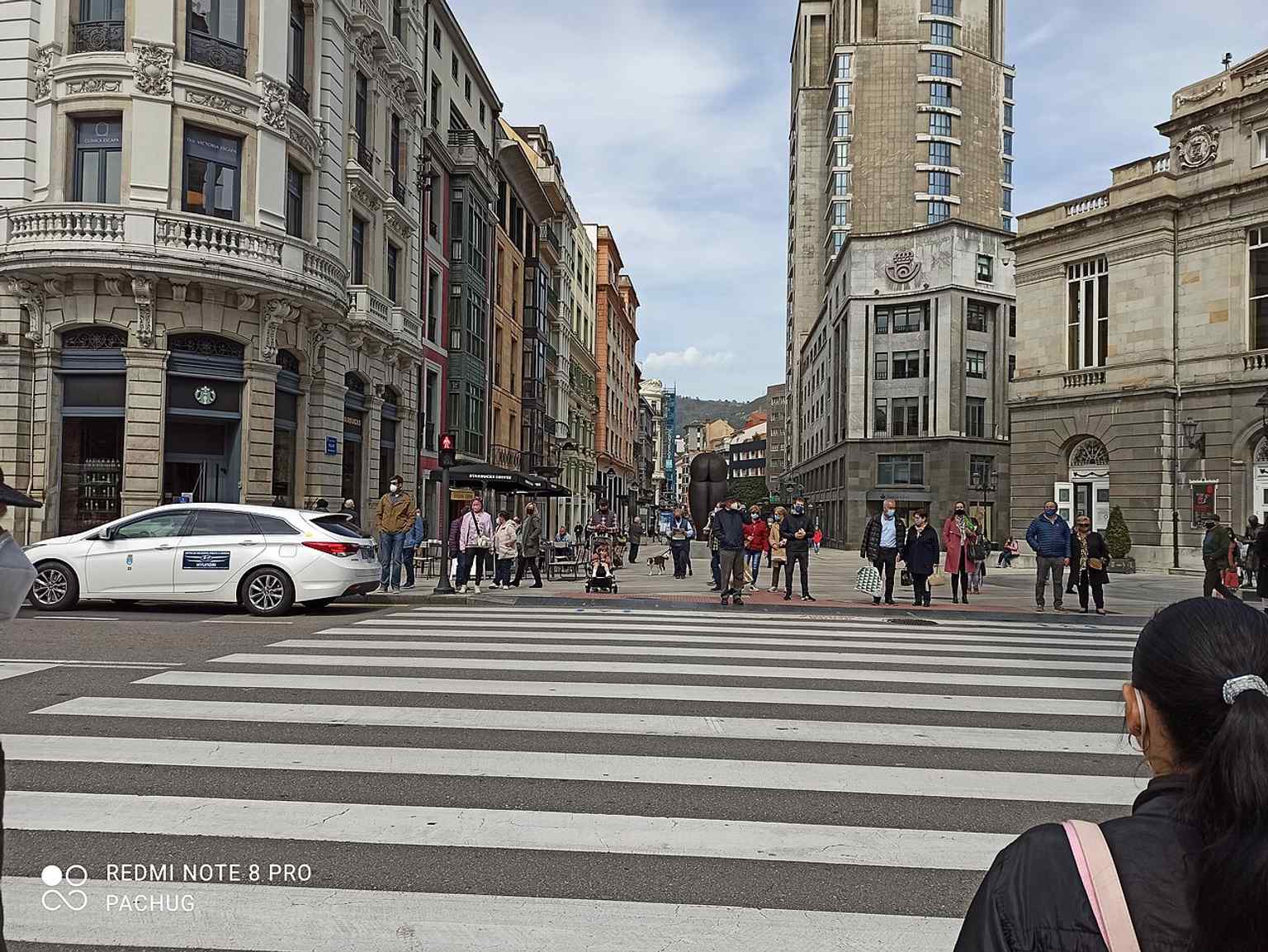
Then came fire. During the revolution of nineteen thirty-four, soldiers acting on orders from Camilo Alonso Vega burned the theater so revolutionaries could not use it against the nearby Santa Clara barracks. The blaze reduced almost everything to rubble. Only the main facade survived... the very face you’re looking at now. Reconstruction started in nineteen forty-one, and the theater reopened in September of nineteen forty-eight with Massenet’s Manon.
Later upgrades kept it alive rather than frozen. In nineteen eighty-eight, architect José Rivas, advised by stage designer Julio Galán Martín, modernized the stage, flattened its sloped floor, and enlarged the orchestra pit, the sunken space between audience and stage where the musicians play. Beneath the plaza and street nearby, the city also tucked in dressing rooms, rehearsal space, workshops, and technical rooms.
Today the Campoamor hosts opera and, above all, the Princesa de Asturias Awards. This is a fine Oviedo lesson early in our walk: the public face of a city is never neutral. It is arranged, priced, rebuilt, and argued over. Hold onto that thought as you head to Plaza de la Escandalera, about a minute away. If you want to check inside later, the theater generally opens every day from eleven to two and again from five to eight.
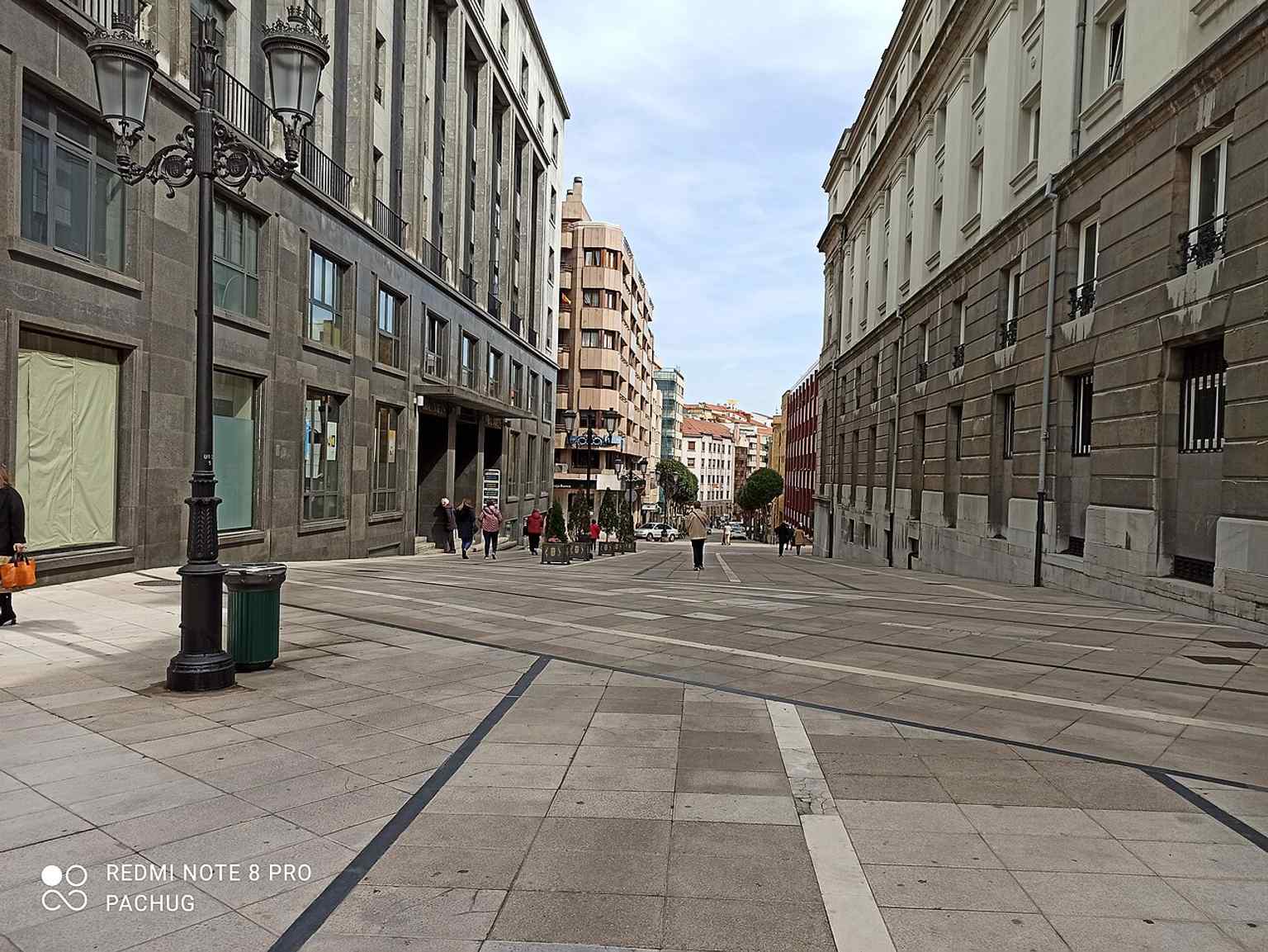
Then came fire. During the revolution of nineteen thirty-four, soldiers acting on orders from Camilo Alonso Vega burned the theater so revolutionaries could not use it against the nearby Santa Clara barracks. The blaze reduced almost everything to rubble. Only the main facade survived... the very face you’re looking at now. Reconstruction started in nineteen forty-one, and the theater reopened in September of nineteen forty-eight with Massenet’s Manon.
Later upgrades kept it alive rather than frozen. In nineteen eighty-eight, architect José Rivas, advised by stage designer Julio Galán Martín, modernized the stage, flattened its sloped floor, and enlarged the orchestra pit, the sunken space between audience and stage where the musicians play. Beneath the plaza and street nearby, the city also tucked in dressing rooms, rehearsal space, workshops, and technical rooms.
Today the Campoamor hosts opera and, above all, the Princesa de Asturias Awards. This is a fine Oviedo lesson early in our walk: the public face of a city is never neutral. It is arranged, priced, rebuilt, and argued over. Hold onto that thought as you head to Plaza de la Escandalera, about a minute away. If you want to check inside later, the theater generally opens every day from eleven to two and again from five to eight.