AudaTours logoAudaTours

베를린 오디오 투어: 크로이츠베르크 예술과 저항의 숨겨진 역사

오디오 가이드12 정류장

베를린의 벽돌 하나하나에는 혁명이나 비밀스러운 악수가 숨겨져 있을 수 있습니다. 도시의 거리는 표면 아래에 기억들로 반짝입니다. 이 셀프 가이드 오디오 투어는 여러분을 크로이츠베르크의 활기찬 맥박을 따라 과거가 여전히 남아있는 구석구석으로 안내하며, 겹겹이 쌓인 역사의 층을 벗겨내도록 초대합니다. 마르틴 그로피우스 바우는 왜 전후의 잿더미 속에서 솟아나 세계를 변화시키는 예술을 전시하게 되었을까요? 전전 베를린에 어둠이 내릴 때, 슈츠슈타펠의 닫힌 문 뒤에서는 어떤 소름 끼치는 권력이 부화했을까요? 어떤 지하 터널이 기차 여행객들을 모두의 눈을 피해 엑셀시오르 호텔의 대리석 홀로 곧장 실어 날랐을까요? 폭탄으로 상처 입은 파사드와 사라진 웅장함 사이를 용감하게 걸으며, 재즈로 가득했던 밤부터 고요한 폐허까지의 흔적을 따라가 보세요. 드라마를 기대하세요. 젖은 자갈길 위의 네온사인처럼 마음에 오래 남을 발견들을 기대하세요. 더 깊이 들어가 베를린의 심장이 발밑에서 뛰는 것을 볼 준비가 되셨나요? 이야기는 지금 시작됩니다. 역사가 결코 소리 내어 말하지 않았던 것을 들어보세요.

투어 미리보기

map

이 투어에 대하여

  • schedule
    소요 시간 40–60 mins나만의 속도로 이동
  • straighten
    3.9 km 도보 경로안내 경로 따라가기
  • location_on
  • wifi_off
    오프라인 작동한 번 다운로드, 어디서든 사용
  • all_inclusive
    평생 이용언제든지 다시 재생 가능
  • location_on
    마르틴 그로피우스 바우에서 시작

이 투어의 정류장

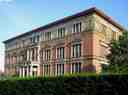
  1. To spot the Martin-Gropius-Bau, look for a large, ornate, red-brick building with rows of tall windows and colorful, round mosaics decorating the top floor-just across the street…더 보기간략히 보기

    To spot the Martin-Gropius-Bau, look for a large, ornate, red-brick building with rows of tall windows and colorful, round mosaics decorating the top floor-just across the street from a big leafy hedge. Alright, take a good look at this grand and elegant building in front of you! Did you notice the shimmering mosaics and the richly decorated stonework wrapping around the walls like an embroidered ribbon? You’re standing by the Martin-Gropius-Bau, a true heavyweight of Berlin’s cultural scene-though thankfully, you don’t need muscle to get inside, just curiosity! This masterpiece was cooked up by the talented Martin Gropius-yes, the great uncle of the legendary Walter Gropius. Built back between 1877 and 1881, the Gropius Bau was designed in the lush, detailed neo-Renaissance style. Imagine people back in the 1880s, bustling in and out with stiff collars and puffy dresses, their footsteps echoing in what was then a cutting-edge Museum of Applied Arts. Now, behind those grand windows is an atrium so large and majestic, you might half-expect to see a flock of pigeons take up residence-or perhaps some very inspired artists! The walls are adorned with dazzling mosaics and the proud coats of arms of the old German states, sculpted by Otto Lessing. If those coats of arms could talk, I bet they’d have a few gossipy tales from the ages. But the building’s story isn’t just beauty: it’s survival. In 1945, bombs tore through Berlin, leaving the Gropius Bau badly battered. It stood in quiet ruin for decades, finally rising again after careful reconstruction in 1981-like a phoenix with especially good taste. For years, this spot was right at the border of East and West Berlin. Imagine spies and soldiers watching each other, barely separated by a line on the ground. Since its rebirth, the Gropius Bau has hosted legendary exhibitions by Ai Weiwei, Anish Kapoor, and yes-even a show all about David Bowie! Today, it’s one of Berlin’s brightest gems, welcoming everyone into its creative embrace. Ready for the next adventure? Just wait until you see what's up next!

    전용 페이지 열기 →
  2. As you stand here, take a moment to look around and imagine Berlin in the late 1920s-a city full of noise, ambition, uncertainty, and shadows. Now, take a deep breath. I promise,…더 보기간략히 보기

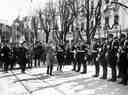
    As you stand here, take a moment to look around and imagine Berlin in the late 1920s-a city full of noise, ambition, uncertainty, and shadows. Now, take a deep breath. I promise, there won’t be a pop quiz at the end, but this is one of Berlin’s most chilling stops. Right before you, history feels heavy because this is where the notorious Schutzstaffel, or SS, once ruled. “Schutzstaffel” simply means “Protection Squadron” in German, which sounds almost cozy-until you remember these were some of the most feared people in 20th-century Europe. They sure took the “security” part of “security detail” a little too seriously. Picture the early Nazi meetings in gloomy Munich beer halls. There, a handful of volunteers called the “Saal-Schutz”-the Hall Security-kept order. They weren’t exactly secret agents; in the beginning, there were just eight of them! But soon, a man named Heinrich Himmler walked through their door in 1925. He was ambitious, steely-eyed, and determined. By 1929, Himmler took command and rapidly transformed this group from party bouncers into an elite ideological force. The SS ballooned from hundreds to hundreds of thousands. Himmler used to say he wanted his SS to be like “Teutonic knights, Jesuits, and Samurai”-all rolled into one very intimidating package. I suppose you could say, “If you want something done right, hire yourself some knights, priests, and sword-wielding warriors.” Well, that was Himmler for you. Back then, Berliners would have heard the echo of marching boots and the as the SS paraded through these very streets. The Allgemeine SS enforced Nazi racial laws and regime purity, tapping on doors in the night, while the Waffen-SS fought as combat troops-their allegiances sworn directly to Hitler, not even the army. And there were the dreaded “Death’s Head Units”-the Totenkopfverbände-their skull-emblazoned insignia used to run the concentration camps, a symbol today of some of the darkest crimes in history. Let’s lift the mood with a mystery. Legend has it that Himmler, who adored rituals, bought an old castle-Wewelsburg-and filled it with mock-pagan ceremonies just for his SS officers. Picture a bunch of men in black uniforms, earnestly lighting candles in a medieval castle and holding secret meetings. It sounds straight out of an Indiana Jones movie, doesn’t it? Sadly, the SS’s passion for pageantry was easily matched by their deadly seriousness. Berlin itself became a city under constant watch. The SS, together with the Gestapo, set up a police state. They listened in on phones, checked the mail, and “invited” anyone who looked suspicious for... let’s call it a not-so-friendly chat. Paper trails and surveillance files bloomed like weeds. Ordinary citizens learned to trust only their shadows; even jokes about Hitler could land someone in a cold, grey cell. The SS’s obsession with “race purity” meant members had to prove “Aryan” ancestry all the way back to 1750. No pressure if your great-great-great-grandpa left the paperwork at the bakery! And Christian holidays? Out with Christmas, in with strange solstice parties invented by Himmler himself. He replaced church weddings with SS-only ceremonies-think less “Here Comes the Bride,” more “Here Comes the Sworn Follower of the Fuehrer.” When World War II broke out, the SS evolved into a monster with many heads. Their special units-the Einsatzgruppen-followed the army into Poland and elsewhere, leaving unimaginable horrors in their wake. Whole villages would vanish overnight. And all the while, the same SS officers who planned terror campaigns by day enjoyed fine dinners and swapped medals by night. By the war’s end, the SS was known and feared across Europe for war crimes and the unthinkable brutality of the Holocaust. After Germany’s defeat, the world judged these men at Nuremberg. The SS-as an organisation-was declared criminal. Their leaders, if still alive, found themselves facing judgment-and a hangman’s noose. Now, as the Berlin wind blows, remember: these stories hold a warning. The SS began as an ordinary group, became extraordinary in their cruelty, and were finally infamous for crimes against humanity. But Berlin endured. Today, the city stands as a monument to resilience, with reminders like this, ensuring we never forget. So, ready to shake off the chills and step into the golden age of Berlin hotels at our next stop? I promise the only uniforms you’ll hear about there were the ones worn by waiters with too much cologne. Wondering about the origins, pre-war germany or the ss in world war ii? Feel free to discuss it further in the chat section below.

    전용 페이지 열기 →
  3. To spot the old site of Hotel Excelsior, look for the wide, imposing building that once sprawled across Askanischer Platz with its elegant, rounded facade and grand entrance where…더 보기간략히 보기

    To spot the old site of Hotel Excelsior, look for the wide, imposing building that once sprawled across Askanischer Platz with its elegant, rounded facade and grand entrance where ornate lettering proudly announced “Hotel Excelsior” above the doorway-a classic four-story structure that would have dominated this stretch of the street. Now, let’s go back in time! Imagine the year is 1908, and you’re standing on the busy corner of Königgrätzer Straße-now known as Stresemannstrasse-just a stone’s throw from the bustling Anhalter Bahnhof. All around you, there’s the sound of carriages, the clatter of luggage wheels, the shouts of porters, and the bright optimism of a city on the rise. In front of you, glistening in the afternoon sun, stands the brand new Hotel Excelsior. Its large windows sparkle, and its inviting arched entrance glows with the promise of luxury. At first, it offered just 200 rooms, but with Berlin growing at breakneck speed, more and more visitors needed a place to rest their heads-and maybe enjoy a slice of cake in style. Just five years after opening, the hotel nearly doubled in size, gobbling up space on Anhalter Strasse. If you’d walked through its doors, you’d have heard multiple languages spoken in the lobby, the clink of fine china, and maybe the nervous laughter of newcomers arriving in the big city for the first time. But within a few years, the mood changed. The world spun into war, and the proud hotel stood almost empty-its polished floors echoing with silence. War rattled even the grandest addresses. And yet, the Excelsior’s story was just beginning. After World War I, a business dynamo named Curt Elschner swooped in, bringing the energy of a hundred espresso shots. In the “Golden Twenties,” the Excelsior wasn’t just refurbished-it was reinvented. Think jazz, neon lights, roaring engines, and a city determined to forget the hard times. Elschner looked to the grand hotels of America for inspiration and made the Excelsior more than just a place to sleep. He electrified everything, from kitchens to bakeries, and introduced a marvel-an 1,800-square meter underground spa where tired travelers could wash away the dust of adventure. No wonder guests must have thought they’d stumbled into a paradise-imagine stretching out and relaxing under the city, safe from the chill Berlin air. But hold on, because here comes my favorite detail-a tunnel, built in 1929, that connected the hotel straight to the Anhalter Bahnhof! An 80-meter marvel, wide enough for guests and their trunks. You could roll off your sleeper train, stroll through a warm corridor (no umbrellas needed!), and be relaxing in your room before the newspapers had caught up with you. There was even a ticket office inside the hotel; you could plan your next escape while eating a five-course meal. Speaking of meals, the Excelsior had not one, not two, but nine restaurants plus a library bursting with 200 newspapers from around the globe. For anyone missing home-or eager to learn about the rest of the world-this was the place. By then, the hotel boasted 600 rooms, over 700 beds, 250 bathrooms, and enough marble in the halls and lobbies to sparkle day and night. Even the windows told stories, with stained glass showing philosophers, popes, and thinkers-until political storms rolled in during the 1930s. The National Socialists wanted Hitler to use the hotel as his Berlin base, but Elschner refused, protecting the Excelsior’s legacy for as long as he could. The hotel’s motto, “The Hall of Free Thought,” came under attack; the beautiful windows were packed away and the library’s books-too radical for the new regime-met a fiery end. As the clouds of war returned, Curt Elschner was forced to flee. The hotel became a “Fehling-Bunker,” a care point for soldiers. Its glory faded, its marble halls echoing now with the urgent footsteps of war rather than the laughter of travelers. In the final days of World War II, Allied bombs fell, and by the close of April 1945, the mighty Excelsior was reduced to rubble, smoke, and memories. Today, an apartment and shop complex stands where the Excelsior once sparkled. But if you listen carefully, you might still hear the echoes of lively conversations and the chime of glasses raised in one of its nine restaurants. Oh, and here’s a neat twist: This grand old hotel inspired Vicki Baum’s famous novel, “Menschen im Hotel,” which became the Oscar-winning film “Grand Hotel.” That’s right-Hollywood walked these floors, if only in spirit! So as you stand here, you’re not just on a street corner. You’re on the crossroads of old Berlin, where jazz and tragedy danced together, where trench coats brushed marble, and where, for a brief shining moment, Berlin dared to dream big, right here at the heart of it all. Curious about the early years, excelsior expansion in the golden twenties or the excelsior in hitler's thirties? Don't hesitate to reach out in the chat section for additional details.

    전용 페이지 열기 →
9개 정류장 더 보기정류장 적게 보기expand_moreexpand_less
  1. Take a look at this sturdy, impressive building: you’re standing before Ideal Insurance, or as the locals might call it, IDEAL Lebensversicherung a.G. But trust me, even insurance…더 보기간략히 보기

    Take a look at this sturdy, impressive building: you’re standing before Ideal Insurance, or as the locals might call it, IDEAL Lebensversicherung a.G. But trust me, even insurance has its dramatic chapters. Let’s take you on a journey-no paperwork needed. Imagine it’s the year 1913, right here in Berlin. The streets are alive with horse-drawn carts, gas lamps flicker at twilight, and a small but determined group launches something called the “Volks-Feuerbestattungsverein Groß-Berlin.” Quite a mouthful, isn’t it? Back then, their main mission wasn’t selling you a fancy policy-it was simple: make funerals more dignified and affordable for ordinary folks. If you look around, you can almost see Berliners in heavy coats, clutching service slips and hoping for a little peace of mind for their loved ones. Jump ahead to 1925 and things start heating up-well, literally and figuratively. The company spins off its funeral services and begins handing out cash insurance. And just like everyone else in Berlin, they’re chased by history’s relentless winds. The thirties bring regime changes, and by 1933 the company’s name is forcibly switched to “Vaterländische Volksversicherung.” But the IDEAL spirit doesn’t flicker out, it adapts-just like a proper Berlin fox. Flash forward to the 1960s-imagine tailfins on cars and rock-n-roll reverberating from nearby radios. The company merges, morphs, and finally adopts a new name: IDEAL Lebensversicherung. It’s a new era, and IDEAL sets its sights beyond burials, venturing into life, accident, and even private care insurance. Now, here’s where IDEAL starts showing off its moves. By the 1980s, they’re not just protecting you in life and death-they’ve created specialty accident insurance, and in the roaring nineties, they’ve got a stake in one of Germany’s biggest funeral firms, Ahorn-Grieneisen. Seriously, if Berlin ever gave out Oscars for best insurance, IDEAL would have a trophy shelf to show off. But IDEAL doesn’t just live in the past. In the 21st century, IDEAL invents Germany’s first private care annuity insurance-imagine being the trendsetter at the insurance party! They stay on the cutting edge: launching special risk coverage for cancer, unveiling digital insurance accounts, and even making funeral planning a few clicks away with their online broker. Sure, it’s not an action movie chase scene, but for anyone fretting over future uncertainties, it’s pure suspense. Look closely at this building-behind its solid facade, over 290 staff work tirelessly, and about 10,000 independent partners crisscross the country selling security, peace of mind, and maybe even a dash of hope. Walk around Kreuzberg, and you might just bump into one! The IDEAL team specializes in serving those over 40, but their policies are as diverse as Berliners themselves: from life and accident to funeral costs and care-covering you from your first gray hair to, well, your last curtain call. And while every insurer has its storms (did you catch the 2007 TV controversy?), IDEAL keeps adapting, evolving, and yes, insuring-come rain or shine. You could say they’ve been Berlin’s rainy day fund for over a century! Ready for the next stop? Let’s leave the paperwork behind and continue our walk through history.

    전용 페이지 열기 →
  2. To find Checkpoint Charlie, look ahead for a small white guardhouse with flags and a big American flag towering above it, standing prominently in the middle of the street at a…더 보기간략히 보기

    To find Checkpoint Charlie, look ahead for a small white guardhouse with flags and a big American flag towering above it, standing prominently in the middle of the street at a bustling crossroads. Welcome to Checkpoint Charlie, where history once crackled with tension thicker than the fog on a chilly Berlin morning! If you squint, you might almost see a time when the air here was razor sharp with suspense-when American and Soviet tanks stared each other down, and all of Berlin held its breath. Checkpoint Charlie, or as the NATO alphabet would have it, “Checkpoint C,” was the most famous crossing point between East and West Berlin during the Cold War. Right here, this was the spot where two worlds collided-one side promising freedom, the other enforcing control. The Berlin Wall slammed down in 1961, slicing through the city like a bitter scar. The East German leader, Walter Ulbricht, pushed for it, terrified of losing bright minds-doctors, engineers, dreamers-who wanted more than life behind concrete and barbed wire. Every day, families stood on opposite sides, looking for a flicker of hope that things might change. Imagine this street in the early years: barriers, a simple wooden hut, sandbags piled for protection, and a line of cobblestones marking where East stopped and West began. In the shadows, an American soldier would eye you wearily, while across the line, East German guards watched every movement. This crossing was only for foreigners and Allied forces-everyone else had to try their luck in more secretive, perilous ways. Now, let’s rewind to October 1961-tank engines growling, men tense behind the iron sights of their cannons. It started over a simple question: could East German guards check the papers of an American diplomat en route to the opera? Apparently, “opera glasses” and “international incident” go hand-in-hand. Before you could say “Ich bin ein Berliner,” ten Soviet and ten American tanks stood face-to-face right here, just 100 yards apart. For three days, the world’s superpowers sized each other up. Some folks probably bit their fingernails so hard, you could hear it across the city! Thanks to backchannel talks-picture Robert F. Kennedy chatting secretly with his Soviet counterpart-the confrontation ended without a single shot. Checkpoint Charlie wasn’t just a place of standoffs-it was a desperate stage for escape attempts. Grab your imagination and picture someone racing a convertible straight through the barrier, windshield already removed for a quick getaway. East German ingenuity could never quite keep up-every time they added a new obstacle, someone dreamt up a new way to slip by. But for every daring escape, there were heart-wrenching tragedies. Peter Fechter, barely more than a boy, was shot trying to cross to freedom in 1962. He lay bleeding in plain sight, caught in limbo, as crowds wept and the world’s media looked on. His story became a symbol of hope, heartbreak, and the brutal price of division. Today, most of the old border installations have disappeared, but Checkpoint Charlie lives on as a symbol, a place for storytellers and dreamers. The original American guardhouse now resides in the Allied Museum, but a replica stands here-a photo opportunity and living memory of days when crossing this street could change your fate. Just a hop away, you’ll find the "Museum Haus am Checkpoint Charlie," packed with tales of ingenious escapes-hot-air balloons, chairlifts, even mini-submarines (and if you believe Berlin legend, maybe a secret agent’s fake mustache or two!). And if you hear someone humming Elvis Costello or see a fellow James Bond fan reenacting a cross-border chase-well, you’re not alone. This spot has graced films, inspired songs, and grown into Berlin’s place to remember, imagine, and laugh at the absurdity of walls that once thought they could hold back hope itself. So take a look around. Listen for the whispers of the past and the excited chatter of visitors today. At Checkpoint Charlie, the divide of yesterday has become the memory that fuels today’s freedom. Wondering about the background, checkpoint or the related incidents? Feel free to discuss it further in the chat section below.

    전용 페이지 열기 →
  3. taz was born out of the Tunix Congress in 1978, a gathering of left-leaning thinkers, students, and all-around world-changers. They didn’t just want to read the news - they wanted…더 보기간략히 보기

    taz was born out of the Tunix Congress in 1978, a gathering of left-leaning thinkers, students, and all-around world-changers. They didn’t just want to read the news - they wanted to turn journalism upside down. Instead of stiff, suit-and-tie editors, taz began as a self-managed collective, launched by idealists who believed everyone should get the same salary, no matter if you were the editor or brewing the coffee. The first “dummy edition” was crafted like a zine by students in a cramped Berlin kitchen. Max Thomas Mehr, a former bookseller with a head full of revolutionary ideas, teamed with Hans-Christian Ströbele, and they drummed up support from all corners for a new kind of paper - one not afraid to poke fun, question authority, and share the news their way. A newspaper with anarchic humor, taz’s staff even once used the “trick with the bosoms” - that’s right, the first women’s quota in German journalism was demanded when women bared their chests at a meeting. You’ve got to appreciate their… boldness! From the very start, taz was out to rattle cages, with headlines that bit back and coverage of topics the big papers shied away from. They kept office politics playful: every worker received the same pay - total equality, if not total comfort. Imagine opening the paper in those years and finding a report on house squatting, a cartoon lampooning the chancellor, and advice for the next big left-wing demo, all squeezed between anti-nuclear manifestos and “what’s on at the co-op café tonight?” The first regular edition came out on April 17, 1979. Its target audience? Rebels, students, Greens, social democrats, and anyone feeling a bit alternative. One early edition quoted Gabriel García Márquez and interviewed a peepshow performer - you can’t make this up! Things got dicey, as start-ups often do. By the early 1990s, taz teetered on bankruptcy. But, instead of folding, the paper transformed into a cooperative, owned by its readers. Now there are more than 22,000 coop members, each with a stake in the paper’s independent spirit. Talk about people power! Over the decades, taz has been a journalist’s boot camp and a launching pad: ministers, chancellors’ speechwriters, and more passed through its doors. Staff turnover is famously high - other newsrooms sneak in hoping to “borrow” their writers. You could call taz a “talent furnace” - or maybe just an office with great coffee and even better ideas. Time marched on and so did technology. By the 2000s, taz was one of the first German dailies online. Today, you can get all their stories via ePaper, app, or good old print - though by the end of 2025, the daily print editions (except the weekend “wochentaz”) will go fully digital. Even online, there’s a twist: articles are free, but readers can pay whatever they think is fair. “Paywahl” instead of paywall. It’s like leaving a tip for the chef after a satisfying meal. And about those quirky side projects: the taz once included a Turkish-German section for Berlin’s big Turkish community, and its offices host the annual “taz lab,” a festival of debate and public forums. Oh, and the logo? A bear pawprint, which got the paper into an odd trademark scandal with an outdoor clothing company. Let’s just say, taz didn’t roll over and play dead. As for the headquarters you’re looking at, this new eco-friendly building was finished in 2018. It’s powered by a rooftop solar array and heated with the waste warmth of computer servers and the taz canteen. So, the next time someone accuses the “lefty press” of being full of hot air, well… I guess they’re right, in a way! The newsroom here is a lively jumble, with meetings that can sound more like lively debates or perhaps friendly bickering. Today, taz is run by two women at the top - a first for a major German daily. Their stories still ruffle feathers, make waves, and, at times, spark a little outrage. That’s how they like it. So, whether you hold a paper copy, browse an app, or just stop by their annual open house, you’re tapping into a living, breathing legacy of independent thought that refuses to go quietly. That’s taz for you - Berlin’s unruly, unforgettable daily newspaper. Now, ready to take the next step on our tour? Exploring the realm of the newspaper, taz.de or the taz gazete? Feel free to consult the chat section for additional information.

    전용 페이지 열기 →
  4. To spot the Sea Level landmark, look for a round-headed stone marker with a vertical measuring scale in the center, flanked by the big words “37 METER ÜBER NORMAL = NULL”-almost…더 보기간략히 보기

    To spot the Sea Level landmark, look for a round-headed stone marker with a vertical measuring scale in the center, flanked by the big words “37 METER ÜBER NORMAL = NULL”-almost like a giant ruler announcing Berlin’s elevation secret! Now, as you stand here, you might be wondering: “Why on earth would anyone carve ‘37 meters above normal zero’ into a stone?” Well, my friend, welcome to the mysterious world of heights, measurements, and a tiny bit of German obsession with precision. This very spot tells a story that’s as much about geography as it is about history and even a bit of political drama. Let’s journey back to the end of the 19th century, when Europe was buzzing with scientific competition and Germany wanted to pin down its own ‘zero’ level. Picture surveyors trudging through mud, forests, and city streets, with strange equipment, eventually declaring that this, right here, is “Normalnull”-or Normal Zero. This was the gold standard for measuring all heights across the country, a sort of invisible waterline. It was like Germany’s own secret coordinate that foreigners, frankly, found a bit odd. The scale you see is more than decoration-it’s a symbol of a nation’s attempt to anchor itself, literally, to the world beneath its feet. And why ‘37 meters’? Well, the zero point wasn’t actually above the ground, but calculated from a magical point almost 37 meters below the original measuring station at the New Berlin Observatory. Geodesists (that’s “people who are extremely good with measuring tapes”) transferred that elevation all the way from Amsterdam’s sea level using tools as sensitive as a chef’s ego, and the final measurement was set in stone-quite literally-on March 22, 1878. But the plot thickens! Time moved on, and soon enough, Normalnull was looking a bit dated. Lines were redrawn, cities rebuilt, and even the observatory itself was torn down. In 1912, the zero point hopped over to a rural spot about 40 kilometers east of Berlin. Can you imagine being the one to move Germany’s whole sense of “up and down” out to the countryside? Talk about a job with ups and downs! Now, every height in Germany referenced this system. If a mountain didn’t measure itself by NN-Normalnull-it was considered, well, a bit suspicious! But the system was really just a great guess at mimicking the real shape of the earth, and sometimes, mountains were a little “taller” or “shorter” depending on who did the measuring. Science marches on, and by the 1990s, Germany switched to a new system-Normalhöhennull, or NHN-a sort of normal zero 2.0, uniting East and West after reunification and setting Germany in line with the rest of Europe. Meanwhile, in the old East Germany, a different sea level called Kronstadt, slightly higher, became the ‘truth’-meaning even the water had to pick a side during the Cold War! Still, throughout all these changes, this marker in Berlin remains a quiet testament to the never-ending human quest to pin down exactly where “zero” begins. So next time someone asks you what Berlin’s altitude is, you know the answer: it’s written right in front of you, and backed by centuries of “height drama.” Now that’s a number you can stand on!

    전용 페이지 열기 →
  5. To spot the Berlin Observatory, look for a stately cream-colored building with a prominent rounded dome perched in the center of its rooftop-just follow your eyes to the…더 보기간략히 보기

    To spot the Berlin Observatory, look for a stately cream-colored building with a prominent rounded dome perched in the center of its rooftop-just follow your eyes to the cross-shaped structure with classic columns and elegant, simple lines set amid a quiet patch of trees. Now, take a breath and imagine yourself standing here nearly 200 years ago, at the edge of a rapidly growing Berlin. The streets are quieter, carriages rumble by, and, rising above the rooftops, you see this striking observatory-its iron dome gleaming in the evening sun, as if ready to lift off to the stars. The year is 1835, and Berlin is abuzz not just with gossip and inventions, but with the thrill of discovery. Back then, King Frederick William III of Prussia, with a nudge from legendary explorer Alexander von Humboldt, has just agreed to finance a public observatory-but on one unmissable condition: it must open its heavens to ordinary people twice a week. You can just imagine the excitement, neighbors lined up with telescopes, waiting for a glimpse of Saturn’s mysterious rings or a shot at seeing new planets. But, let’s rewind the clock even more. It all starts in 1700 with Gottfried Leibniz-yes, the very same “inventor of calculus and eternal brainiac” Leibniz-who dreamed up the Brandenburg Society of Science. At first, there's no grand building, just one ambitious astronomer, Gottfried Kirch, peering through a telescope from a makeshift observatory in a Berlin home. Kirch and his wife, Maria Margarethe, are the ultimate astronomical power couple-she even discovers a comet herself! Their daughter later keeps the accounts and helps calculate the all-important calendars. Berlin’s calendar, by the way, was so vital that its fees funded science in the city for decades. Now that’s what I call a time management plan! Early observatories were tucked into modest towers-27 meters high, three levels packed with telescopes, instruments, and plenty of creaking wooden stairs. When the city unified its different districts in 1710, the observatory became a hub for learning: philosophers like Euler and mathematicians like Lagrange walked these halls, wrestling with cosmic mysteries over cups of coffee (probably arguing who gets to name the next comet). Time marches on. Prussia keeps growing, Berlin keeps expanding, and scientific ambition reaches for the stars. In 1825, Johann Franz Encke takes charge, and suddenly things get exciting-royal grants pour in, famous architects like Karl Friedrich Schinkel design the new observatory, and Munich’s Joseph von Fraunhofer builds a giant 9-inch refractor telescope, the last of its kind. Picture this: the Fraunhofer refractor has just arrived, its massive lens dusted with anticipation. Berliners flock to the new building, ready to peer at Saturn with their own eyes. Humboldt himself lobbies for funding, pushing paperwork back and forth, until finally the dome is built-the first true hemisphere dome in Prussia, rotating smoothly with a slit opening to the night sky. With the observatory finished, the next act truly sparkles. It’s 1846, and, inside that big dome, Johann Gottfried Galle and student Heinrich d’Arrest have just received a letter from Paris. The Frenchman Le Verrier claims there’s an unknown planet tugging at Uranus. Everyone else thinks he’s dreaming. But Galle, guided by Berlin’s famous “Akademische Sternkarte,” swings the observatory’s telescope into position. That very night, out of the endless dark, shimmers Neptune-the planet nobody else believed existed. Imagine the cheer in the observatory, echoing off books and brass fittings! Berlin rockets to international fame-suddenly, this city is a beacon for astronomers worldwide. Decades pass. This once-edge-of-town observatory finds itself swallowed by Berlin’s growth. Streetlamps outnumber stars, making observations almost impossible. The solution: pack up those precious telescopes and move. By 1913, the Berlin Observatory shifts to Potsdam-Babelsberg, its land sold and dome silent, though the legend of its discoveries keeps humming through Berlin’s air. Today, the spot holds memories: of royal dreams, comet-hunting families, and the moment a planet was found just a few steps from where you’re standing. And remember-if you spot a little glint in the sky tonight, maybe the spirit of Berlin’s astronomers hasn’t quite left their post. Shall we chase the next stop before Berlin’s stars have their say?

    전용 페이지 열기 →
  6. To spot the Jerusalem Church, just look for a tall, grand structure with a sharp steeple rising high above the crossroads where several streets meet-its light yellowish-brick…더 보기간략히 보기

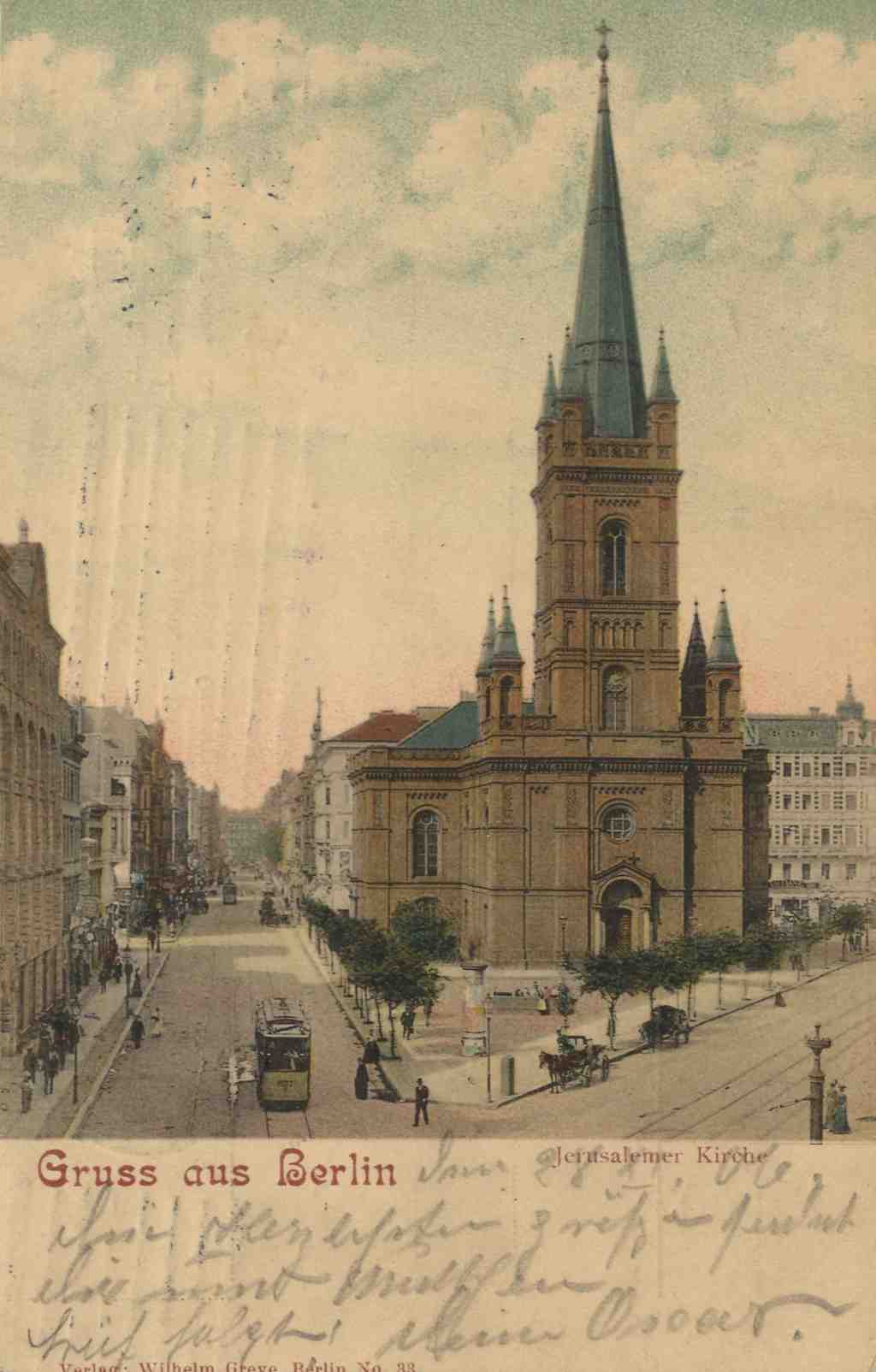
    To spot the Jerusalem Church, just look for a tall, grand structure with a sharp steeple rising high above the crossroads where several streets meet-its light yellowish-brick facade and pointed tower make it stand out from the neighboring buildings. Now, take a breath and imagine you’re standing at one of the liveliest crossroads in old Berlin-the city’s history practically hums beneath your feet. Close your eyes briefly and you might even hear the distant clip-clop of horses and the faint ringing of tram bells from days gone by. You’re facing the Jerusalem Church-or at least, you’re standing where it has stood, evolved, and, at one dramatic point, completely vanished, only to rise again. Our story starts with fortune, fear, and a little bit of faith. Over five hundred years ago, a man named Müller, a Berliner just like you, found himself in the Holy Land, surrounded by Saracens. Remarkably, he survived, and upon returning home, he built a chapel right here in thanks. Picture the late 1400s: fields all around, the city still a short walk from here, and travelers on dusty highways heading for far-off Magdeburg or Leipzig. In 1484, official church business stepped in. The local Prince-Bishop offered an indulgence-help repair the chapel and you got forty days less time in purgatory. (That’s what I call a heavenly deal!) Back then, this peaceful spot sat almost a kilometer outside the safety of Berlin’s walls. And the small chapel became famous, because inside, someone had built a copy of the Holy Sepulchre from Jerusalem-just as they imagined it. It was so important that the road leading here was dubbed Jerusalemer Straße, and eventually the church itself took the name Jerusalem Church. Fast forward to the Reformation, and things get turbulent. The Elector and his people switched from Catholicism to Lutheranism, and the little chapel followed suit. But then-disaster! The Thirty Years’ War swept across Europe like a storm, decimating Berlin and leaving the chapel abandoned. For a while, it seemed this place would return to wild grass and wind. But Berlin doesn’t give up so easily. In 1680, the area was revived-new hospitals, new city districts, and the chapel reborn as a parish church for the founders of Friedrichstadt (now part of what you walk through). Oddly enough, it was both Calvinist and Lutheran, sometimes at the same time-a real “can’t we all just get along?” moment in church history! The years that followed saw wild debates, energetic pastors, and families so wealthy they added their own private chapels onto the church. In the early 1700s, Berlin’s royal ambitions kicked in, uniting city districts into a grand capital. The church was remodeled, expanded, and at one point had a stubby little tower because the first wooden one was just too wobbly to survive. (Guess even in the old days, do-it-yourself repairs could go spectacularly wrong.) The church witnessed more than its share of drama during the Prussian era. In 1838, the celebrated architect Karl Friedrich Schinkel gave it a new tower-this one wasn’t going anywhere! Inside, the congregation grew, with elegant stained glass and an organ so beautiful people came just to hear it-plug your ears and imagine grand music filling the streets on a Sunday morning. But as Berlin boomed, big companies moved in, and the congregation grew smaller until the church was almost the only residential heart left in a city of offices and bustling publishers. By the 1930s, politics crept in-a struggle between the church and the Nazi regime, with local leaders battling for their community’s very soul. Secret baptisms defied unjust rules, and the church stood as a beacon for those seeking acceptance and courage through some of Berlin’s darkest days. A twist of fate followed. In World War II, the church switched to Romanian Orthodox use-new rituals, new congregations, and then, like much of Berlin, it was bombed to ruins in 1945. If you listen closely, you might almost sense the rumble and chaos of the bombing raids. For decades, the ruins stood as a painful memory, until the Berlin Senate bought the land and rebuilt a new Jerusalem Church in 1968. This time, it became a place not just for worship, but for dialogue: Christian, Jewish, Dutch, and more. Today, the church is officially retired from regular Protestant services and hosts meetings, prayers, and conversations that echo the open spirit of its long history. Before you move on, remember: beneath your feet ran the walls of centuries-old sanctuaries, and out in the city’s cemeteries, lie the stories of poets, judges, and visionaries whose lives were tied to this church. Strange, isn’t it? A simple crossroads that has witnessed centuries of faith, conflict, rebirth-and always, the hope of coming together, no matter what history throws its way. Intrigued by the as a lutheran place of worship (1539-1682), as a calvinist and lutheran simultaneum (1682-1830) or the as a prussian union place of worship (1830-1941)? Make your way to the chat section and I'll be happy to provide further details.

    전용 페이지 열기 →
  7. You’re now standing before one of Berlin’s most striking and story-filled landmarks: the Jewish Museum Berlin. Take a good look at this building-its angular, zigzag lines look…더 보기간략히 보기

    You’re now standing before one of Berlin’s most striking and story-filled landmarks: the Jewish Museum Berlin. Take a good look at this building-its angular, zigzag lines look like a lightning bolt frozen in stone. It’s no accident! The architect, Daniel Libeskind, wanted to make the building itself tell a story-a story of disruption, resilience, and identity. Some people even called his design the “Blitz,” which means “Lightning” in German. Just imagine what people must have thought the first time they saw this dramatic shape rising from the Berlin streets. Hard to lose track of your museum when it looks like it might leap away if you blink! But let’s step back in time-back to 1933, just days before the Nazis took power. That’s when Berlin’s very first Jewish Museum was opened, brimming with art, hope, and a zest for creativity. Its founder, Karl Schwartz, dreamed that the museum would show that Jewish history was vibrantly alive, not just locked up in dusty display cases. The entrance hall was filled with busts of famous thinkers like Moses Mendelssohn and works by contemporary Jewish artists. It echoed with the footsteps and excited whispers of visitors discovering new exhibitions. But then, in a chilling twist, during the horror of Kristallnacht in 1938, the Gestapo stormed the museum, closed its doors, and confiscated its treasures. Decades passed. War raged, walls fell, history spun its web. A “Society for a Jewish Museum” came together in 1976, and by the late 1980s, the city of Berlin began to dream again-daring to imagine a new space to honor Jewish culture and history. An anonymous architectural competition produced Libeskind’s radical winning design: a twisted, deconstructivist style that confounded traditional ideas of what a museum should look like. Construction began in the 1990s, survived a brief political pause (they almost cancelled it to fund the Olympics! No pressure…), and at last, the museum opened in 2001. Today, you’re looking at a complex of three buildings. There’s the original baroque Kollegienhaus, and Libeskind’s dramatic zigzag, which you can only enter through an underground corridor. These two buildings have no connection above ground-you have to go beneath the surface, literally and metaphorically, to move from one to the other. Talk about setting the mood! Down there, you’ll find three intersecting corridors, or “axes”, symbolizing the different paths of Jewish life in Germany-continuity, emigration, and the tragedy of the Holocaust. And let’s not forget the “Voids”-these haunting, empty shafts of space that slice through the building. They’re 20 meters high and echo with silence. Libeskind called them “that which can never be exhibited”: the losses too vast for words or display. In one void, you’ll discover Menashe Kadishman's moving installation, “Fallen Leaves”-10,000 steel faces strewn across the floor. Visitors are invited to walk over them, filling the air with the clatter and clang of metal-an eerie, unforgettable soundscape that makes your heart skip a beat. The museum’s exhibitions are just as powerful, telling the story of Jews in Germany from the Middle Ages right up to the present day. You’ll find art and artifacts, of course, but also video installations, interactive games, and even a children’s museum. The permanent exhibition is organized in five historical chapters: from medieval Ashkenaz to the Enlightenment, through periods of emancipation, the horror and aftermath of National Socialism, and modern challenges and successes. There’s something for everyone, whether you like medieval manuscripts or a lively Shabbat table. Across from the main building, you’ll see the W. Michael Blumenthal Academy-a transformed former flower market, where you’ll find archives, a library of 100,000 items, a lecture hall, and a Diaspora Garden. Not only do you learn about history here-it comes to life, blooming with new ideas and perspectives. And if you’re looking to get your name in lights, be warned: since 2002, the museum’s prestigious Prize for Understanding and Tolerance has gone to everyone from Angela Merkel to Madeleine Albright. Not an easy crowd to impress! Of course, it’s not all smooth sailing. The museum has weathered controversy, artistic debates, and political storms-sometimes living up to its nickname as the “lightning bolt” of Berlin’s museum scene. But above all, it remains a place where memory, identity, and hope spark together, inviting all of us to walk the corridors, hear the echoes, and ask questions that matter. So go ahead-step inside, listen for those clanging steel faces beneath your feet, and let the stories find you! Interested in knowing more about the design, exhibitions or the permanent installations

    전용 페이지 열기 →
  8. To spot the Berlinische Galerie, just look ahead for a striking white, cube-like modern building with big glass windows-right in front of you-its entrance perched atop a yellow…더 보기간략히 보기

    To spot the Berlinische Galerie, just look ahead for a striking white, cube-like modern building with big glass windows-right in front of you-its entrance perched atop a yellow sidewalk that’s covered in bold black letters forming a giant word puzzle. Imagine you’re standing here as the sky shifts and the letters beneath your feet almost seem to rearrange themselves with your steps, welcoming you to Berlin’s temple of modern creativity. The Berlinische Galerie isn’t just a museum, it’s a shapeshifter with a past full of adventures-and a tendency to wander, much like an artist searching for inspiration. Founded in 1975, the museum’s first home was nothing glamorous-just an ordinary office in Charlottenburg, where art hung out in borrowed spaces of Berlin’s top galleries, always on the move, always looking for a real home. If these walls could talk, they’d have more moving stories than a whole season of reality TV! By the late 1970s, the collection squeezed into a former officers’ mess-imagine rows of paintings hanging where soldiers once queued for lunch. Then in 1986, the art packed its bags once again and moved into the magnificent Martin-Gropius-Bau, but, just as things were feeling permanent, reconstruction boots everyone out in 1998. The collection became nomadic again, wandering six long years before finding its true home-right here, in this former glass warehouse tucked in Kreuzberg. When you step inside, think about all the glass that once rested here, waiting to become Berlin’s windows, now replaced by breathtaking art illuminating Berlin’s soul. In 2015, after a €6 million facelift, the museum reopened, now sparkling with state-of-the-art equipment-security cameras blinking and climate controls humming quietly to keep masterpieces comfy. Berlinische Galerie doesn’t just hoard paintings-oh no, its collection is wilder than that! We’re talking 5,000 pieces of fine art, from the wild Berlin Secession to the out-of-this-world Dadaists and the splashy Neue Wilde. There’s even avant-garde art from Eastern Europe and Berlin’s freshest young talents, especially the expressive whirlwind after the Berlin Wall tumbled down. Are you a fan of sketches and doodles? Well, you’re in luck! Over 15,000 prints and drawings trace the hyperactive creativity of Berliners through expressionist storms, the cool lines of New Objectivity, and on to cutting-edge contemporary work. Wander further and you might be dazzled by a treasure trove of around 73,000 photographs-portraits, snapshots of Berlin’s shape-shifting skyline, whimsical fashion shoots, photomontages, and even conceptual works that might make you tilt your head-either with admiration or confusion (or both, which is quite the Berlin mood). Oh, and if you’ve ever wanted to get lost in blueprints and models, this place might just sweep you off your feet: 300,000 architectural plans, mountains of photographs, mysterious design cartons for glasswork, and rows upon rows of curious models huddle together in its archives-whispering the secrets of Berlin’s architectural dreams and disasters from 1900 to today. If you listen closely, you can almost hear the crinkle of old papers and the shuffle of archivists, collecting the stories of not just artists, but all those rebels, dreamers, and scholars who made Berlin sparkle with invention. When it comes to exhibitions, the upper floor is a time machine: you’ll walk from the imperial paintings of the late 1800s to the experimental playgrounds of the 20th century, past the grandeur of modernism, and slam into the creative chaos of the late 20th century. The ground floor, meanwhile, hosts a whirlwind of special shows-sometimes so modern, you half-expect the walls to tweet at you. And if you’re feeling like joining a secret society, know that the “Friends of the Berlinische Galerie”-over 1,700 strong-help keep the place buzzing, including a young crowd called “Jung und Artig” who get special behind-the-scenes access (and, of course, free admission). So, whether you come for the art, the photography, the architecture, or just to solve the world’s biggest word search on the forecourt, the Berlinische Galerie isn’t just a collection-it’s an ever-evolving love letter to Berlin’s brilliant, stubborn, shape-changing artistic spirit. To expand your understanding of the collection, exhibitions or the friends of the museum: förderverein, feel free to engage with me in the chat section below.

    전용 페이지 열기 →
  9. You’re now standing before the Bundesdruckerei-Berlin’s master of paper, ink, and security secrets. Take a deep breath and imagine it’s 1879. The air is thick with the scent of…더 보기간략히 보기

    You’re now standing before the Bundesdruckerei-Berlin’s master of paper, ink, and security secrets. Take a deep breath and imagine it’s 1879. The air is thick with the scent of fresh ink, horses’ hooves clatter on Kreuzberg’s cobbles, muffled shop sounds fill the street, and inside, the Reichsdruckerei is just coming to life. This wasn’t just any printer-this was where Prussia’s most secret documents were pressed onto thick, official parchment, under the watchful eyes of men in starched collars and bushy mustaches. Inside, they even had their own color-making workshop-because if you’re going to print banknotes, you’d better make sure your shade of royal blue is impossible to fake! Fast-forward a bit, and this place isn’t just making paperwork. It’s publishing Berlin’s very first phone book-a hefty tome you’d need both hands for-art reproductions, patented inventions, all the stamps you could ever want, and of course an ocean of official documents. When World War I breaks out, the clang of machinery echoes long into the night. Metal for coins is suddenly precious, so the presses thunder even faster producing paper money-at the peak, there are over 8,600 workers, fingers stained in ink, churning out banknotes as the value of money spins into chaos. Then, during the Second World War, bombs rain down. February 1945: the Reichsdruckerei is slammed by a fierce air raid-piles of paper feed the flames, and half the buildings vanish in the smoke. But somehow, they keep running right up to the bitter end. After the war, the battered survivors roll up their sleeves. The Allies-especially the British and Americans-demand a new branch out west, so suddenly there’s a satellite office in Frankfurt, later shifting to Neu-Isenburg, while here in Berlin, they’re repairing and rebuilding. By the 1950s, Berlin’s printers are reconnected to a new nation. For the first time since the war, crisp West German banknotes roll off these presses. If you could hold one, it’d have that special “new money” smell. Not long after, the very first post-war German ID cards and the passport are produced here-and exported worldwide! Venezuela, for one, trusted a little Kreuzberg magic for its stamps and secure documents. The Cold War years inject their own tension. Security gets tighter. The designs of bills and documents evolve every decade, packing in more anti-counterfeit tricks-secret threads, holograms, you name it. Graphic artist Reinhold Gerstetter designs an entire D-Mark series bristling with features basically screaming “Don’t even try to fake me!” By now, the Bundesdruckerei is the James Bond of paperwork. By the late 1990s, a big change-privatization. The state releases its grip, and suddenly the Bundesdruckerei passes through the hands of powerful investors. For a short time, the company joins a constellation of security and tech players-think digital trust centers, cryptography experts, even a firm that specializes in making your cash register receipts as fraud-proof as a Fort Knox door! But, a plot twist: in 2009, the state returns as hero, swooping in to buy the company back. Now it’s once again guarding the secrets of German identity, right here in Kreuzberg. In the 2000s and beyond, the Bundesdruckerei goes high-tech. They take up the challenge of producing Euro banknotes-fresh, shiny, with raised edges and all. The new ID cards and passports come with chips and security features that make your average spy novel sound boring. When you hear about Germany’s electronic ID cards, ultra-secure driver’s licenses, or high-tech military badges, odds are they started life here. Even other countries-Libya, UAE, and Venezuela-are carrying around little pieces of Kreuzberg in their wallets. Today, it’s a global player, printing not just money and passports, but also stamps, tax seals for cigarettes and even secure electronic publications. It handles the entire infrastructure behind Germany’s ePass system-supplying machines, software, call centers, onsite techs zipping around in logo’d vans, making sure that nobody’s paperwork gets left behind. Through war, peace, fire, and even the euro, this spot has held onto one job: keeping identity and money safe-in every sense! So if you’ve ever wondered where Berlin’s best-kept secrets are printed and guarded… well, you’re looking at it. And if you listen closely? You might still catch a hint of ink, a whisper of machines, and the faint, stubborn heartbeat of 140 years of German history.

    전용 페이지 열기 →

자주 묻는 질문

투어는 어떻게 시작하나요?

구매 후 AudaTours 앱을 다운로드하고 교환 코드를 입력하세요. 투어를 바로 시작할 수 있습니다 - 재생을 탭하고 GPS 안내 경로를 따라가시면 됩니다.

투어 중 인터넷이 필요한가요?

아닙니다! 시작 전에 투어를 다운로드하면 완전히 오프라인으로 즐길 수 있습니다. 채팅 기능만 인터넷이 필요합니다. 모바일 데이터 절약을 위해 WiFi에서 다운로드하시는 것을 권장합니다.

이것은 가이드가 안내하는 단체 투어인가요?

아닙니다 - 이것은 셀프 가이드 오디오 투어입니다. 폰을 통해 오디오 나레이션을 들으며 나만의 속도로 독립적으로 탐험합니다. 투어 가이드도, 단체도, 일정도 없습니다.

투어는 얼마나 걸리나요?

대부분의 투어는 60-90분이 소요되지만, 속도는 전적으로 본인이 조절합니다. 원할 때 언제든지 일시정지하거나, 정류장을 건너뛰거나, 휴식을 취하세요.

오늘 투어를 끝낼 수 없으면 어떻게 하나요?

괜찮습니다! 투어는 평생 이용이 가능합니다. 원할 때 언제든지 일시정지하고 다시 시작하세요 - 내일, 다음 주, 또는 내년에도. 진행 상황이 저장됩니다.

어떤 언어를 이용할 수 있나요?

모든 투어는 50개 이상의 언어로 이용 가능합니다. 코드를 교환할 때 원하는 언어를 선택하세요. 참고: 투어 생성 후에는 언어를 변경할 수 없습니다.

구매 후 투어는 어디에서 이용하나요?

App Store 또는 Google Play에서 무료 AudaTours 앱을 다운로드하세요. 교환 코드(이메일로 전송됨)를 입력하면 라이브러리에 투어가 나타나며, 다운로드하여 시작할 수 있습니다.

verified_user
만족 보장

투어가 마음에 들지 않으시면 환불해 드립니다. 문의: [email protected]

안전한 결제

Apple PayGoogle PayVisaMastercardPayPal

AudaTours: 오디오 투어

재미있고, 경제적이고, 자유로운 셀프 가이드 워킹 투어

앱 체험하기 arrow_forward

전 세계 여행자들에게 사랑받고 있습니다

format_quote 이 투어는 도시를 보는 정말 좋은 방법이었습니다. 이야기들이 너무 대본처럼 느껴지지 않으면서도 흥미로웠고, 나만의 속도로 탐험할 수 있어서 좋았습니다.
Jess
Jess
starstarstarstarstar
Tbilisi 투어 arrow_forward
format_quote 관광객처럼 느끼지 않으면서 Brighton을 알아가는 훌륭한 방법이었습니다. 내레이션에 깊이와 맥락이 있었지만 과하지 않았습니다.
Christoph
Christoph
starstarstarstarstar
Brighton 투어 arrow_forward
format_quote 크루아상을 한 손에 들고 아무 기대 없이 시작했습니다. 앱이 그냥 자연스럽게 함께해 주는 느낌이에요, 부담도 없고, 그냥 나와 이어폰과 멋진 이야기들.
John
John
starstarstarstarstar
Marseille 투어 arrow_forward

무제한 오디오 투어

전 세계 모든 투어의 잠금을 해제하세요

0 투어·0 도시·0 국가
all_inclusive 무제한 탐험