
50+ langues

 Kolkata · Inde
 Audioguides Kolkata
Découvrez Kolkata avec des tours à pied audioguidés en autonomie
headphones
1 tours
pin_drop
20 monuments
translate
Tours à Kolkata
Choisis un Kolkata qui mérite d'être parcouru.
Audioguides en autonomie rédigés par des gens qui y habitent vraiment.
1 tours
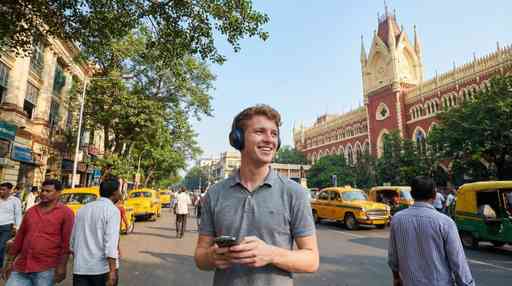
Monuments incontournables
Le Kolkata que tout le monde connaît.
Les monuments de tous les guides — et les tours qui te racontent ce que les guides taisent.
Quelques mots sur Kolkata
India's intellectual capital, still arguing about it.
Kolkata has always been a city with opinions. It served as capital of British India until 1911, produced Nobel laureate Rabindranath Tagore, and became the city where the independence movement crystallized into political force. When the British moved the capital to Delhi, Kolkata did not stop mattering; it simply argued more eloquently. The tradition of street-corner debate, of coffee house intellectual culture, of theater, poetry, and political outrage never left. The Indian Coffee House on College Street, open since 1942, still serves the same strong coffee to students and writers who treat the place like a seminar room.
The Howrah Bridge, a cantilever span completed in 1943 that carries an estimated 100,000 vehicles and countless pedestrians every day, is possibly the best single image of Kolkata's intensity.
The Victoria Memorial -- enormous in white Makrana marble, finished in 1921 -- sits in its southern gardens as if the British Empire never quite accepted it was over. Kalighat temple is among the holiest Shakti shrines in India, and Durga Puja turns the city every October into something that must be witnessed rather than described: temporary outdoor shrines of staggering elaboration fill every neighborhood for five consecutive nights. The street food alone -- kati rolls from Nizam's, phuchka from corner vendors, jhalmuri mixed to order -- is a serious civic institution.
Kolkata
Kolkata FAQ
Before you walk.
Kolkata has India's only functioning tram network, which runs through the central city and is worth riding for the experience alone. The metro covers north-south routes efficiently. Yellow Ambassador taxis are a Kolkata institution, and auto-rickshaws navigate the lanes that larger vehicles cannot. Ride-share apps also operate throughout the city.
The historic areas -- Dalhousie Square (now BBD Bagh), the North Kolkata lanes around Sovabazar, and the South Kolkata neighborhoods around Kalighat -- are all rewarding on foot. Footpaths can be uneven and busy, so sturdy, comfortable shoes are essential. The city is flat, which helps. Start early to avoid the midday heat in warmer months.
Kati rolls (flatbread wrapped around egg and meat from a tawa) were invented at Nizam's restaurant on New Market Street in the 1930s and are still best there. Mishti doi (sweetened curd) and rosogolla (sponge sweet in syrup) are the Bengali desserts worth tracking down. Fish -- particularly hilsa in mustard sauce -- is central to the Bengali kitchen.
Kolkata rewards slower exploration rather than rushing between sites. North Kolkata (the old mansion district, Kumartuli where clay idols are made) and South Kolkata (Kalighat, Victoria Memorial, the Maidan) have distinct characters and could reasonably fill a full day each. The colonial center around Dalhousie Square fits well into a half-day walk.
Tous les tours de Kolkata, dans ta langue.
50+ langues, incluses avec chaque réservation.
🇬🇧 English🇫🇷 Français🇪🇸 Español🇩🇪 Deutsch🇮🇹 Italiano🇯🇵 日本語🇨🇳 中文🇰🇷 한국어+ 41 autres
star AudaTours Unlimited
Tu visites plus d'une ville ? Abonne-toi.
Débloque tous les tours de Kolkata — et des milliers d'autres partout dans le monde. Annule quand tu veux.
$4.99/semaine · Annule quand tu veux

Encore en Inde
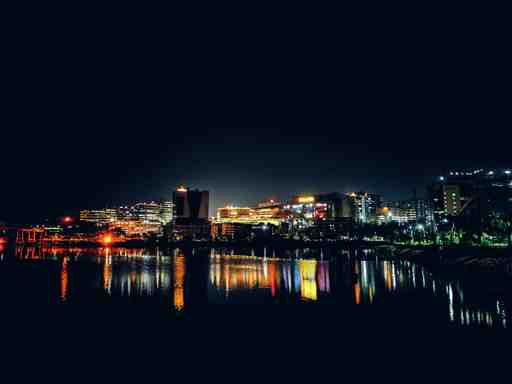
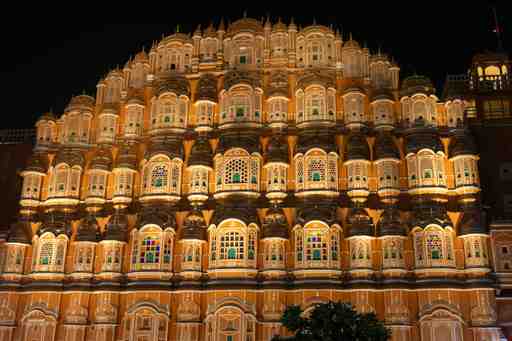
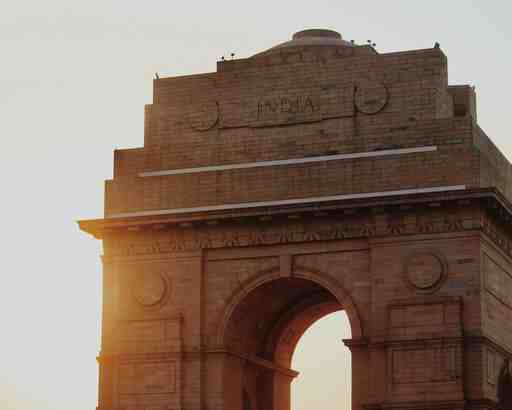
Explorer Inde arrow_forwardD'autres villes à parcourir en Inde.

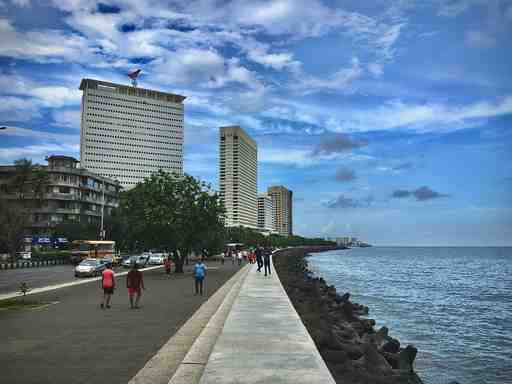
Adoré par les voyageurs du monde entierDes milliers de tours commencés.
Des milliers de tours commencés.
Plein d'avis.
4,8 sur l'App Store et Google Play. En voici quelques-uns qu'on adore relire.
starstarstarstarstar
Ce tour était un excellent moyen de voir la ville. Les histoires étaient intéressantes sans paraître trop scénarisées, et j'ai adoré pouvoir explorer à mon propre rythme.

Jess
Tour de Tbilissistarstarstarstarstar
C'était un bon moyen de découvrir Brighton sans se sentir comme un touriste. La narration était profonde et contextuelle, sans en faire trop.

Christoph
Tour de Brightonstarstarstarstarstar
J'ai commencé ce tour avec un croissant dans une main et zéro attente. L'application vibre tout simplement avec vous, pas de pression, juste vous, vos écouteurs et quelques histoires sympas.

download Télécharger l'appli Mets tes écouteurs.


Mets tes écouteurs.
Sors te promener.
Gratuit à télécharger. Des tours dans chaque ville. Commence en 60 secondes — sans compte, sans carte.

headphones
~ 4 min avant ton premier tour
public
1 000+ villes dans le monde
all_inclusive
AudaTours
Unlimited
Chaque visite. Chaque ville. Un abonnement.
3097 tours2273 villes138 pays50+ langues