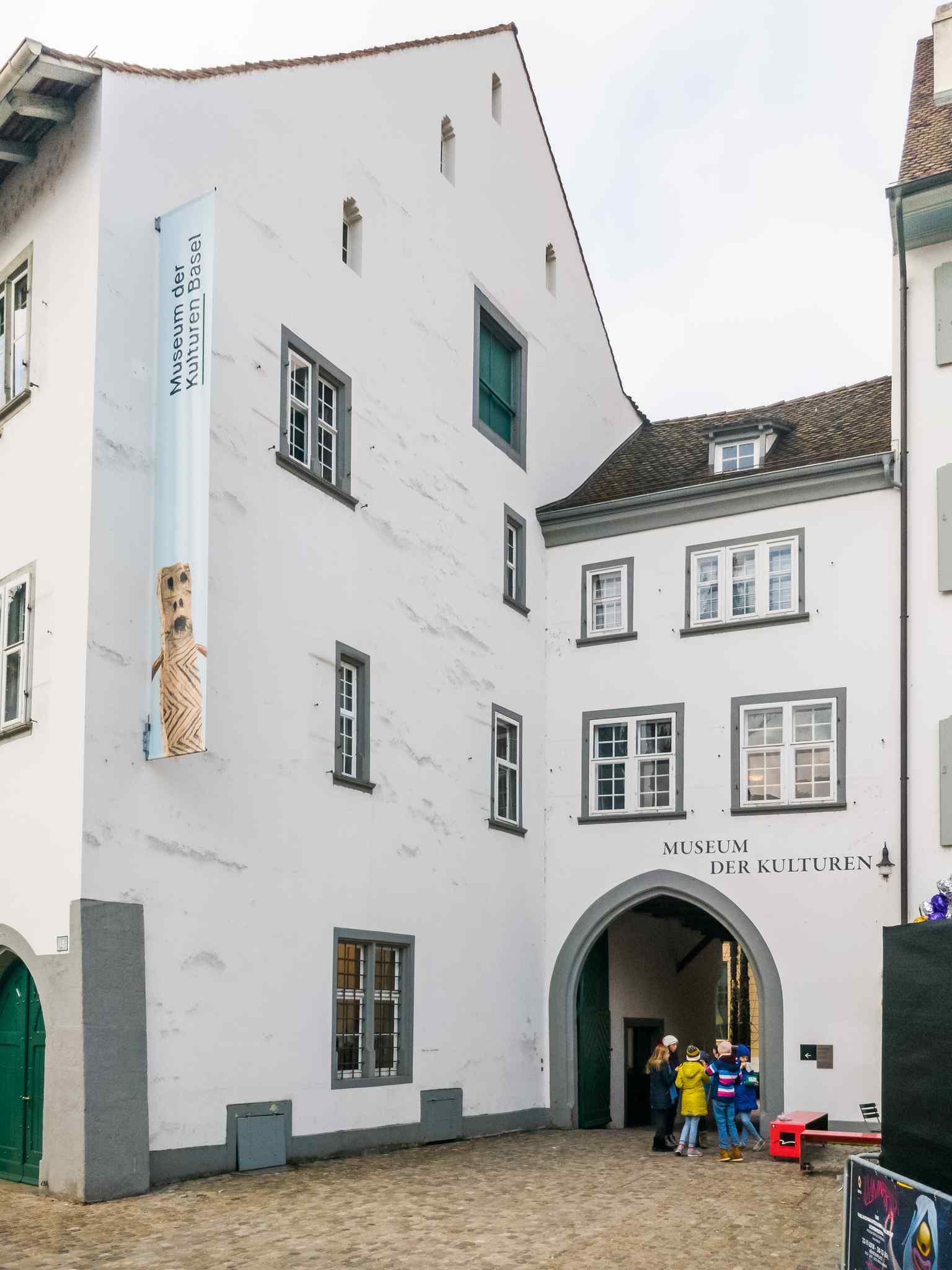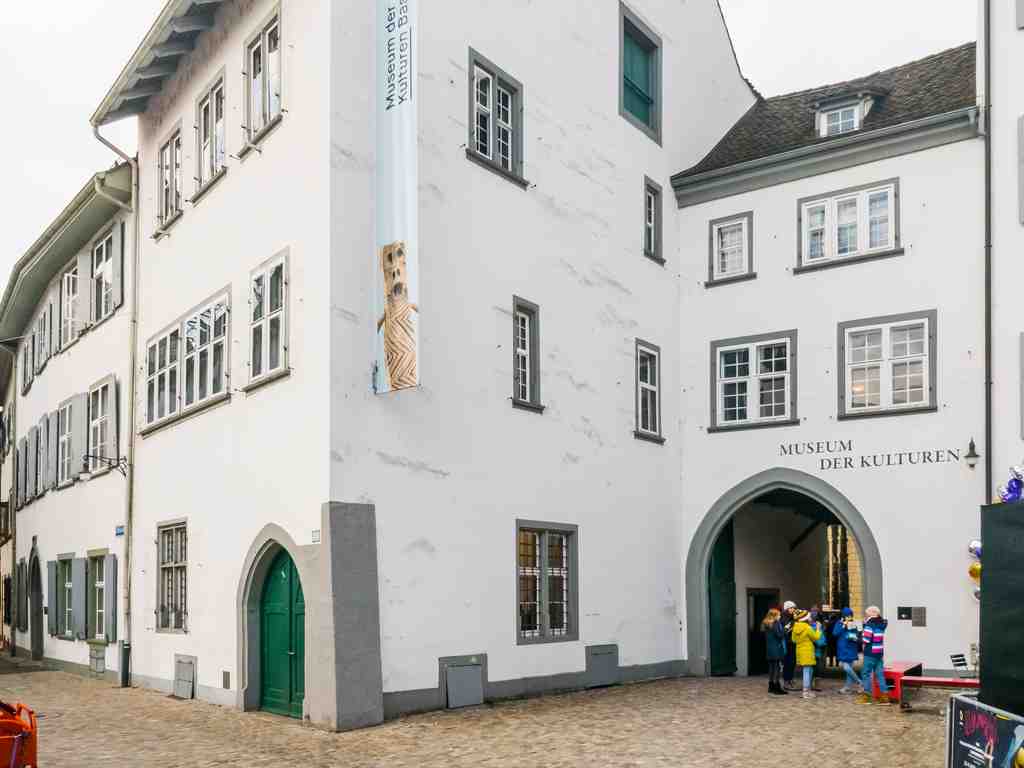
Dieser Ort erzählt eine Basler Geschichte, die sich plötzlich zur ganzen Welt öffnet. Von außen gehört er noch zum alten Hügel des Münsters... aber im Inneren sammelt die Stadt schon seit weit über einem Jahrhundert Objekte, Bilder und Fragen, die weit über die Schweiz hinausreichen. Diese weltoffene Neugier hat Basel außergewöhnliches Wissen verliehen, und um ehrlich zu sein, zeigt sie auch, wie Städte Einfluss gewinnen, indem sie Dinge sammeln.
Das Museum steht auf dem Gelände eines Augustinerklosters. Im Jahr 1849 ersetzte der Architekt Melchior Berri den Klosterkomplex durch ein großes öffentliches Museum, eine Art bürgerliches Schatzhaus, das von der Berliner Bauakademie inspiriert war. Hier wich also die eine Art von Autorität der anderen: Gebet wich Studium, Kloster wich Sammlung. Basel hat die Angewohnheit, die Nutzung eines Ortes zu verändern, ohne dessen alten Geist vollständig auszulöschen.
Wenn Sie nach oben schauen, können Sie die neueste Ebene erkennen. Herzog & de Meuron haben das Museum zwischen 2008 und 2011 umgebaut und erweitert und ihm das Falt-Dach aus schwarz-grünen, sechseckigen Keramikziegeln gegeben. Die Form erinnert an das Dach des nahegelegenen Münsters, als würden sich die alte Kirche und das Museum stillschweigend gegenseitig die Kleidung leihen. Wenn Sie einen genaueren Blick darauf werfen möchten, schauen Sie sich das Bild auf Ihrem Bildschirm an.
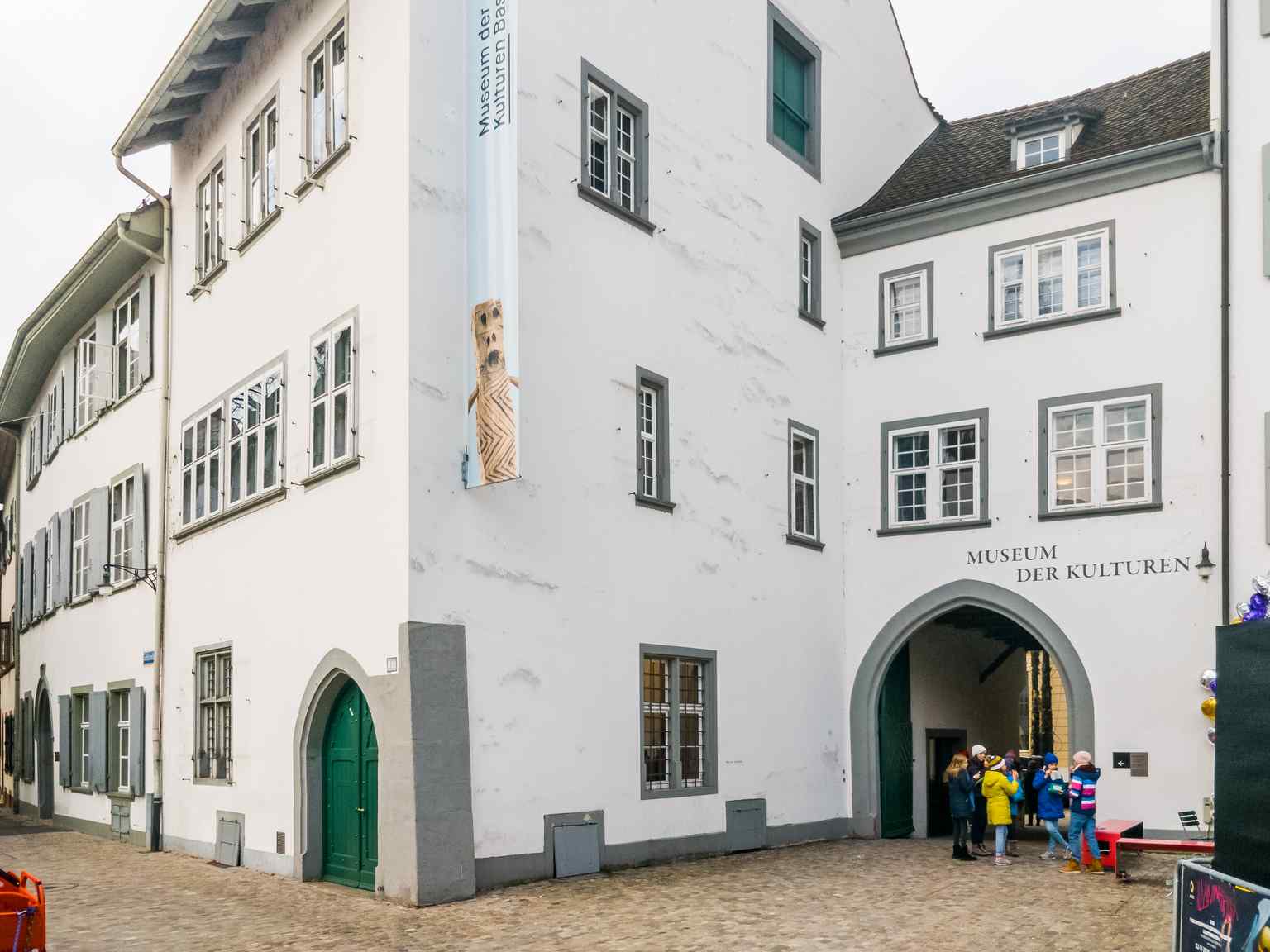
Now here’s the part most visitors miss. One of the museum’s foundational treasures came from a Basel entrepreneur named Lukas Vischer. He spent nine years in Mexico and, between eighteen twenty-eight and eighteen thirty-seven, assembled a remarkable collection of ancient Mexican sculpture and ceramics. In other words, Basel’s early global reach did not begin with some abstract institution. It began with one traveler, his eye, his money, and the power to bring a distant world home in crates. That is both impressive and a little unsettling... which is exactly why this museum matters now.
At first, wealthy Basel citizens brought objects back from their travels. Later, trained ethnologists - scholars who study how people live and make meaning - took over. Names like Fritz and Paul Sarasin, Felix Speiser, Alfred Bühler, and Paul Wirz expanded the collection through research journeys in Sri Lanka, Vanuatu, Indonesia, East Timor, and Cameroon. Today the holdings reach more than three hundred twenty thousand objects, plus around fifty thousand historical photographs. That scale is world-class. It also raises a fair question: under what conditions did all of this arrive here?
The museum no longer dodges that question. Its focus shifted from displaying “other cultures” to creating dialogue with them. Provenance research - tracing where objects came from, how they moved, and whether coercion played a role - now sits at the center of the work. In recent years, the museum joined research on objects from Benin City linked to the British punitive expedition of eighteen ninety-seven, and in twenty twenty-four it returned forty-seven objects to Veddah cultural centers in Dambana, Sri Lanka. Even Bruno Manser’s diaries entered the collection, bringing in a different Basel connection: not collecting from afar, but activism tied to rainforest people and questions of responsibility.
So this building widens the map, then asks who drew it.
Keep that question with you as we head to St. Martin’s Church, about a five-minute walk from here, where Basel’s local faith and reform story comes back into view. And if you plan to go inside later, the museum is open Tuesday through Sunday, from ten in the morning to five in the afternoon.