
50+ Sprachen

 Bangalore · Indien
 Bangalore Audioguides
Entdecken Sie Bangalore mit selbstgeführten Audioguides
headphones
1 Touren
pin_drop
20 Wahrzeichen
translate
Bangalore-Touren
Such dir ein Bangalore zum Erkunden aus.
Selbstgeführte Audioguides, geschrieben von Leuten, die wirklich dort leben.
1 Touren
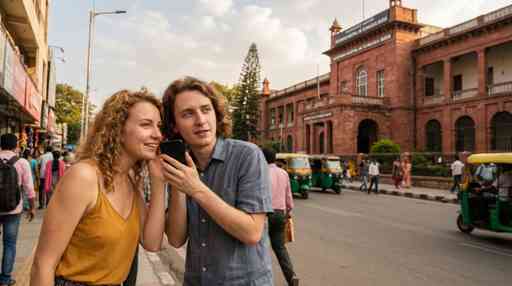
Top-Sehenswürdigkeiten
Das Bangalore, das jeder kennt.
Die Wahrzeichen aus jedem Reiseführer — und die Touren, die erzählen, was Reiseführer nicht sagen.
Ein paar Worte zu Bangalore
Garden city grew into a server farm.
Kempe Gowda founded a mud fort here in 1537, and for most of the next four centuries Bangalore existed as a temperate, leafy city on the Deccan Plateau -- high enough at 900 meters to make the British comfortable, green enough to earn the name Garden City. Lal Bagh Botanical Garden, established in the 1760s under Hyder Ali, still covers 240 acres in the city center with a 19th-century glass house modeled on London's Crystal Palace. Cubbon Park adds another 300 acres of shade and pathways. The combination suggests a city that once valued its breathing room, and still has enough of it to remember what it felt like.
What happened in the 1990s was something else entirely.
India's economic liberalization coincided with the rise of software outsourcing, and Bangalore became the country's technology capital almost by accident. Infosys and Wipro built their campuses here; IT parks multiplied along Hosur Road and into the Electronic City district. The city now runs on strong filter coffee, masala dosa from Vidyarthi Bhavan (open since 1943, queues mandatory), and an improbable number of craft breweries that have made Bangalore's pub culture the most elaborate in India. The old and the new operate at the same volume here, which is to say: very loud.
Bangalore
Bangalore FAQ
Before you walk.
The Namma Metro has expanded significantly and covers routes between major areas including MG Road, Cubbon Park, and the southern districts. Ride-share apps (Uber, Ola) are reliable and inexpensive. Auto-rickshaws are available everywhere and useful for short trips, though agree on a price or use the meter. The city is large and spread out, so metro plus walking works best for the central areas.
The historic center around Cubbon Park, the Vidhana Soudha (State Legislature), and the commercial streets of MG Road are good for walking. The older areas around Chickpet and KR Market have narrow lanes that reward slow exploration on foot. Footpaths in the outer ring road areas are less consistent, so stick to the central districts for the best walking experience.
Filter coffee -- served in a metal tumbler with a davara (small bowl) for cooling -- is the Bangalore morning ritual. Masala dosa at Vidyarthi Bhavan in Gandhi Bazaar or MTR on Lalbagh Road is a city institution. Bisi bele bath (a spiced rice and lentil dish), set dosa, and rava idli (invented at MTR in the 1940s during a rava shortage) are all specifically Bengaluru contributions to the South Indian breakfast canon.
Absolutely -- Bangalore is possibly India's best city for this. Third-wave specialty coffee shops have proliferated across Indiranagar, Koramangala, and the MG Road area alongside the longstanding traditional filter coffee culture. A pause at a darshini (standing café) for a quick filter coffee and snack costs almost nothing and is a fundamental Bangalore experience.
Jede Bangalore-Tour, in deiner Sprache.
Alle 50+ Sprachen, bei jeder Buchung inklusive.
🇬🇧 English🇫🇷 Français🇪🇸 Español🇩🇪 Deutsch🇮🇹 Italiano🇯🇵 日本語🇨🇳 中文🇰🇷 한국어+ 41 weitere
star AudaTours Unlimited
Besuchst du mehr als eine Stadt? Dann abonniere.
Schalte alle Bangalore-Touren frei — plus tausende weitere weltweit. Jederzeit kündbar.
$4.99/Woche · Jederzeit kündbar

Mehr in Indien
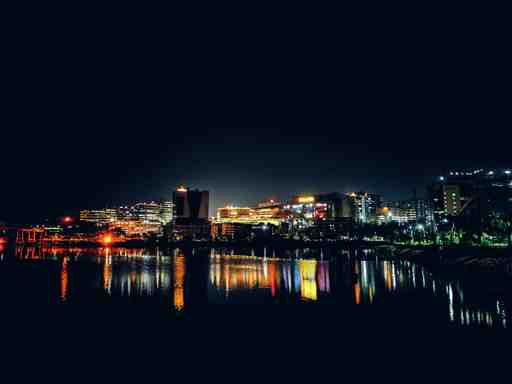
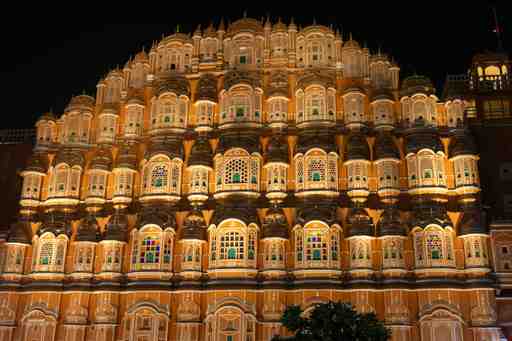
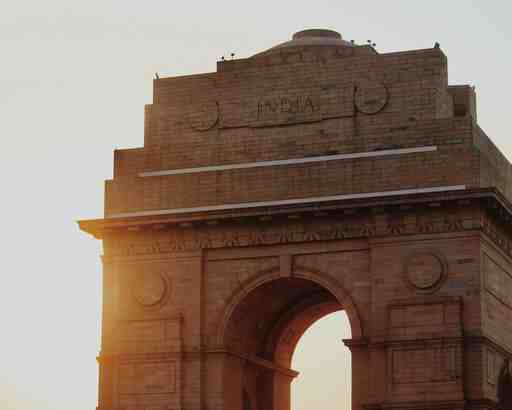
Indien erkunden arrow_forwardAndere Städte in Indien zum Erkunden.

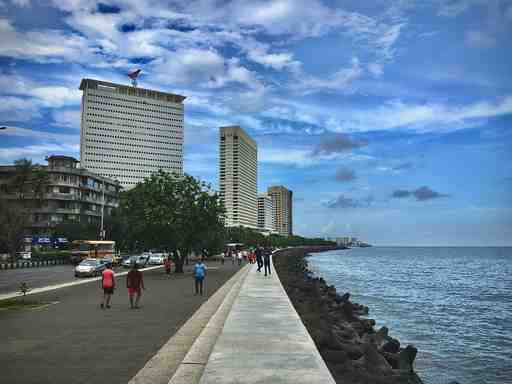
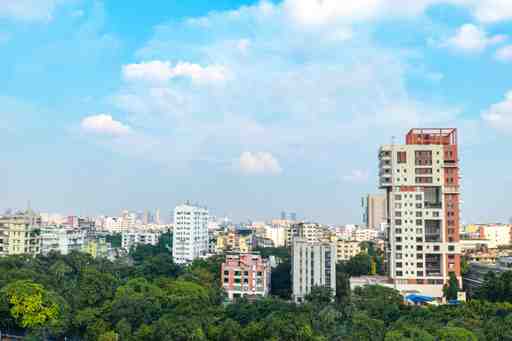
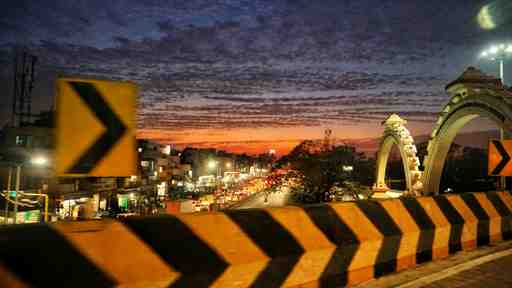
Beliebt bei Reisenden weltweitTausende gestartete Touren.
Tausende gestartete Touren.
Genug Meinungen.
4,8 im App Store und Google Play. Hier sind ein paar, zu denen wir immer wieder zurückkehren.
starstarstarstarstar
Diese Tour war eine großartige Möglichkeit, die Stadt zu sehen. Die Geschichten waren interessant, ohne zu konstruiert zu wirken, und ich liebte es, in meinem eigenen Tempo erkunden zu können.

Jess
Tbilisi-Tourstarstarstarstarstar
Das war eine solide Art, Brighton kennenzulernen, ohne sich wie ein Tourist zu fühlen. Die Erzählung hatte Tiefe und Kontext, übertrieb es aber nicht.

Christoph
Brighton-Tourstarstarstarstarstar
Habe diese Tour mit einem Croissant in der einen Hand und null Erwartungen gestartet. Die App schwingt einfach mit einem mit, kein Druck, nur man selbst, Kopfhörer und ein paar coole Geschichten.

John
Marseille-Tourdownload App holen Kopfhörer rein.


Kopfhörer rein.
Raus nach draußen.
Kostenlos herunterladen. Touren in jeder Stadt. Startklar in 60 Sekunden — kein Konto, keine Karte.

headphones
~ 4 Min. bis deine erste Tour startet
public
1.000+ Städte weltweit
all_inclusive
AudaTours
Unlimited
Jede Tour. Jede Stadt. Ein Abo.
3097 Touren2273 Städte138 Länder50+ Sprachen
$39 /Jahr
all_inclusive Unlimited erkunden