
Birmingham Audio Tour: Historic Heart
Beneath the polished Victorian stone of Birmingham lies a frantic history of radical rebellions and forgotten scandals that time failed to erase. Unlock the secrets of the city with this self guided audio tour. Move beyond the guidebooks to uncover the hidden narratives etched into the very foundations of the Chinese Quarter and the grand halls of power. Why did a violent uprising once threaten to topple the city elite from these very squares? What phantom secrets remain buried beneath the imposing facade of Baskerville House? Can you find the precise mark left by a desperate criminal during a midnight escape near St Philip’s Cathedral? Traverse the vibrant streets as the past surges into the present. Experience the electric rush of discovery as you peel back the layers of a complex, dramatic metropolis. Start your journey now and finally see what others walk right past.
Tour preview
About this tour
- scheduleDuration 70–90 minsGo at your own pace
- straighten2.3 km walking routeFollow the guided path
- location_onLocationBirmingham, United Kingdom
- wifi_offWorks offlineDownload once, use anywhere
- all_inclusiveLifetime accessReplay anytime, forever
- location_onStarts at Grand Central, Birmingham
Stops on this tour
lock_open 3 free previews · 8 unlock with purchase
On your left, look for the tall beige-and-glass tower with a squared shape, a fully glazed top, and older façades stitched into the lower levels. This is the Orion Building, a…Read moreShow less
Open dedicated page →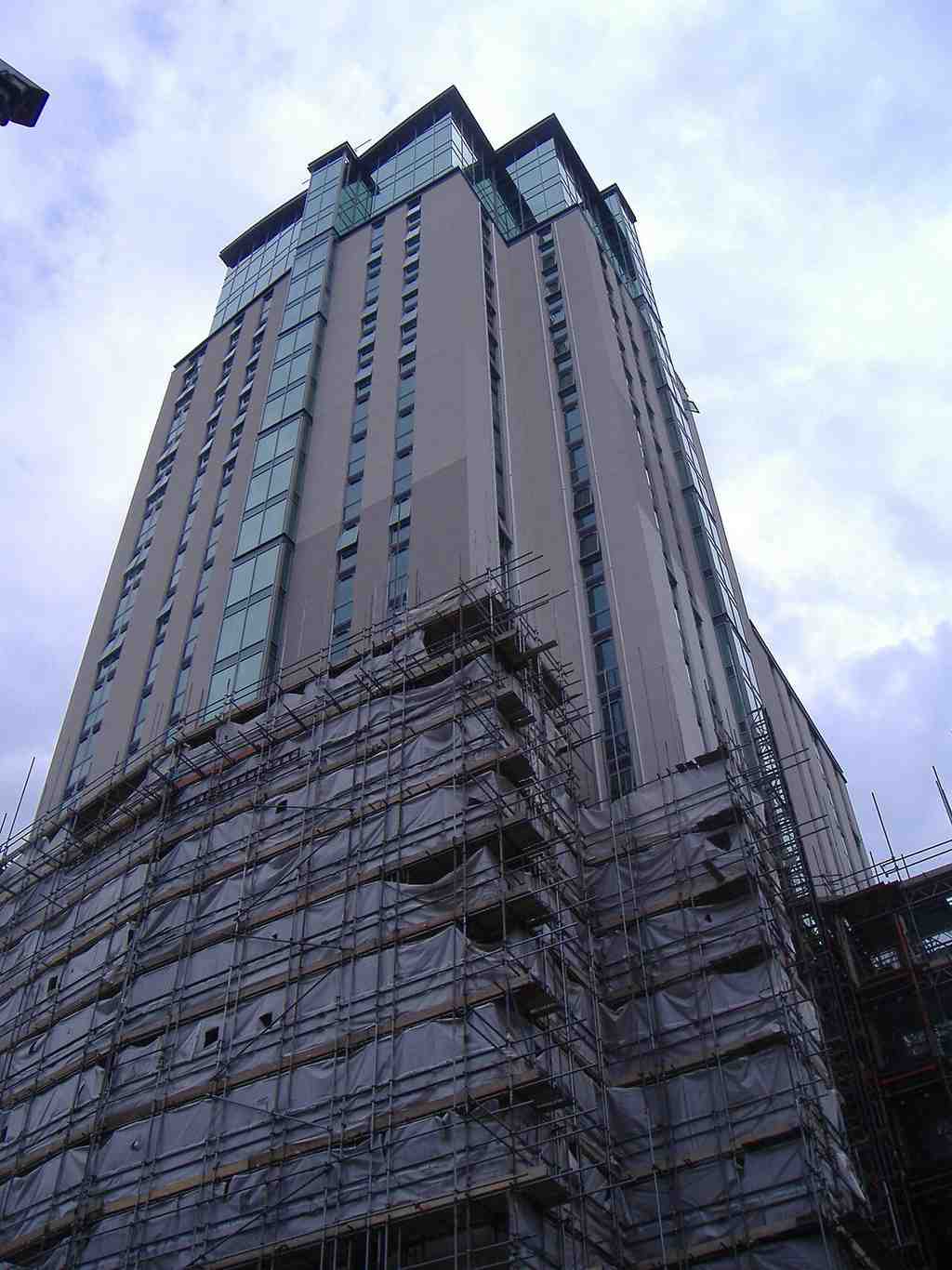
Orion BuildingPhoto: Erebus555, Wikimedia Commons, CC BY-SA 3.0. Cropped & resized. On your left, look for the tall beige-and-glass tower with a squared shape, a fully glazed top, and older façades stitched into the lower levels.
This is the Orion Building, a ninety-meter residential tower that opened in two thousand and seven after developers cleared the earlier building from the site in two thousand and four. They kept parts of the older street front and folded them into the lower-rise sections, which is a very Birmingham move: erase boldly... then keep a souvenir. The main tower climbs twenty-eight storeys above five basement levels, and from the street you can feel the ambition in it.
But Orion was never just about engineering. It sold a lifestyle. Fashion designer John Rocha designed the two hundred apartment interiors and called the project a "fashion first," which tells you exactly what the sales team wanted buyers to imagine: not simply a flat, but a whole new version of urban life. Trade reports even lingered over the doors, with about three thousand supplied for the building; the front doors came in walnut real-wood veneer, the internal doors in white, turning everyday fittings into part of the brand.
The timing mattered too. Birmingham City Council approved the first scheme in two thousand and two, then the project hit a very modern snag: contractor Carillion fell out with Crosby Homes, construction stopped, Carillion walked away, and Taylor Woodrow stepped in to restart it. Even so, before phases one and two began, all one hundred and fifty apartments had already sold. Nothing says confidence like buying into a hole in the ground.
If you like, have a quick look at the before-and-after image in the app; it shows Orion changing from scaffold-wrapped newcomer to finished landmark in only a few years.
Developers pushed the glamour hard. Orion included the city's first penthouse, meaning a luxury apartment at the very top, and it sold for one point six five million pounds. The ground floor added four retail units, including a Sainsbury's Local, because reinvention still needs somewhere to buy bread. A later phase even took the name Sirius, as though one celestial sales pitch might not quite be enough. And the tower's L-E-D light strips turned the skyline into advertising for a new Birmingham.
Not everyone admired it. Critics put Orion on the two thousand and seven Carbuncle Cup shortlist for ugly new buildings, and The Times called it one of Britain's ugliest. Harsh... though cities rarely reinvent themselves politely.
Then real life caught up with the brochure. Leaseholders later formed their own association to challenge costs and management issues, and in twenty twenty-three firefighters rescued residents from a flat fire here before containing it to the apartment where it started. So Orion carries both stories at once: aspiration on the outside, daily life behind the glass.
When you're ready, head on to Victoria Square, about a three-minute walk away.
Show 8 more stopsShow fewer stopsexpand_moreexpand_less
On your right, St Philip’s is a pale stone Baroque church with a sturdy square tower, tall evenly spaced windows, and a small lead dome with a lantern perched on top. For all its…Read moreShow less
Open dedicated page →On your right, St Philip’s is a pale stone Baroque church with a sturdy square tower, tall evenly spaced windows, and a small lead dome with a lantern perched on top.
For all its calm, this building has done a fair bit of surviving. St Philip’s began because Birmingham outgrew its medieval parish church, St Martin’s in the Bull Ring, so in seventeen ten Robert Philips gave this patch of land, then called the Barley Close, and Thomas Archer designed a new church here. It opened in seventeen fifteen, dedicated to Saint Philip in a neat nod to the donor. Archer chose Baroque, the dramatic, slightly theatrical style that liked bold shapes and a bit of swagger. Even from out here, you can see that confidence in the tower and those crisp lines along the roof.
This site sits on one of the highest points in the district, and people liked to say it stood level with the cross on Saint Paul’s Cathedral in London. Birmingham has never been shy about measuring itself against bigger names. Fair enough.
For nearly two centuries, St Philip’s served as a parish church. Then Birmingham grew into a city, and in nineteen oh five Joseph Chamberlain and Bishop Charles Gore helped raise it to cathedral status, with Gore as the first bishop. Even churches, it turns out, get promoted.
But the reason St Philip’s feels especially moving is not just growth. It is survival... active, practical, stubborn survival. On the seventh of November, nineteen forty, bombing gutted the cathedral. Fire tore through the interior. The shell you see standing here could easily have become a memorial to loss and nothing more. Instead, one crucial act happened before the bombs fell: Birmingham Civic Society removed the cathedral’s best-known stained glass windows by Edward Burne-Jones and stored them in a slate mine in Wales. That is wartime survival and salvage in a nutshell: foresight doing its best, and luck agreeing to cooperate for once.
Those windows mattered deeply. Burne-Jones was born nearby on Bennett’s Hill and baptized here as a baby, so his glass was not some distant commission. It was personal, almost a return home. His cycle began with an Ascension window in eighteen eighty-five, and when he saw it installed, he pushed for more. One donor, Emma Chadwick Villers-Wilkes, even insisted the Nativity should contain no oxen because she found them too brutish. A small private opinion, permanently fixed in public art... which is very human, really.
If you glance at the screen, image three shows those Burne-Jones windows inside, back where they belong after the war. And if you fancy it, the before-and-after image in the app shows how this cathedral kept its place while Birmingham gathered a denser city around it.
The building reopened after restoration in nineteen forty-eight. So what stands here is not untouched. It is chosen, repaired, and carried forward. That may be how cities endure: not by escaping disaster, but by deciding what cannot be surrendered. In a moment, we’ll head to the Old Joint Stock Theatre, just a one-minute walk away. If you want to return later, the cathedral is generally open from early morning into late afternoon, with slightly shorter hours on weekends.
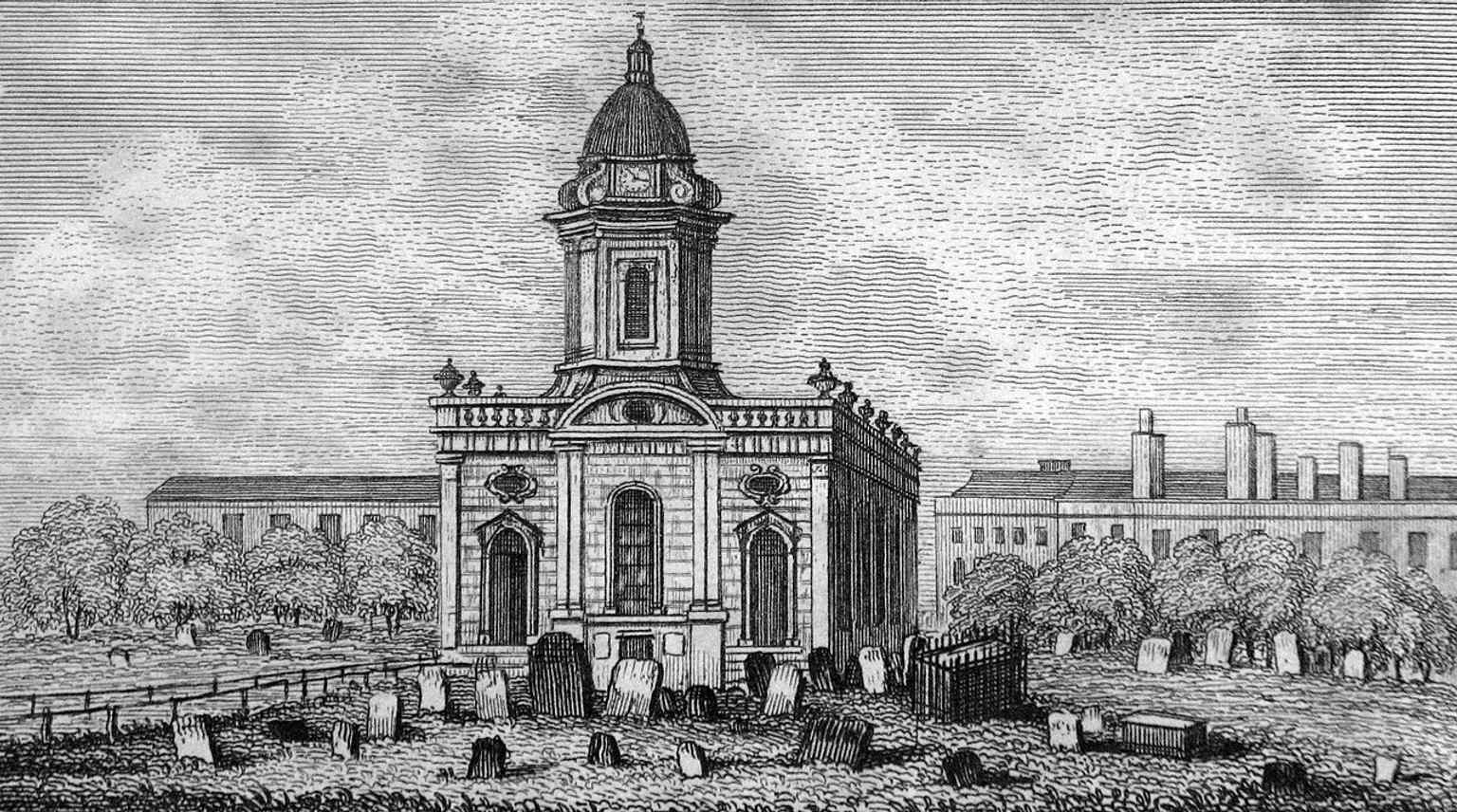
A 19th-century engraving of St Philip’s Church, useful for showing how the building was depicted long before it became the Cathedral of Birmingham.Photo: James Drake, Wikimedia Commons, Public domain. Cropped & resized. 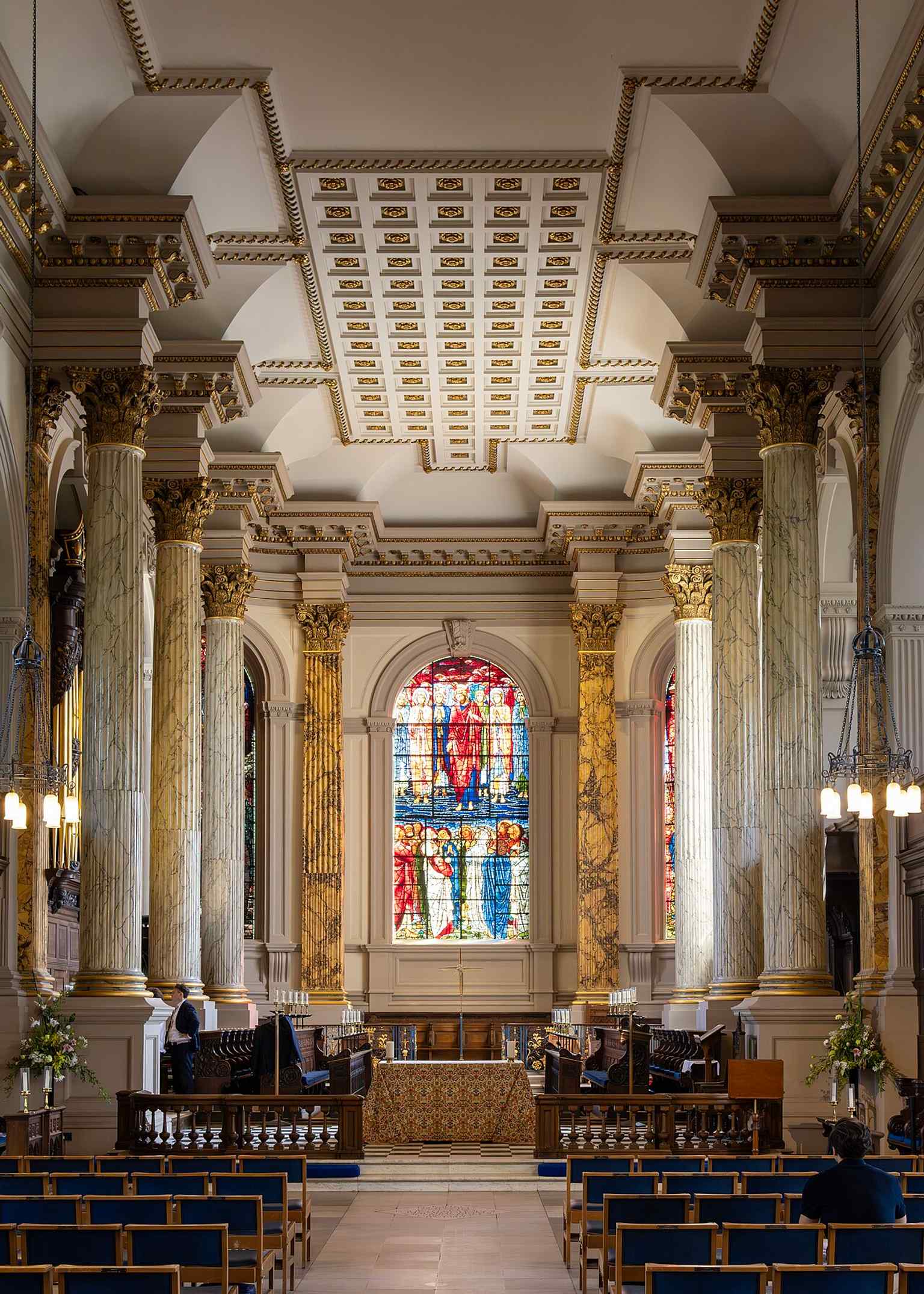
An elevated city view that places St Philip’s in Birmingham’s modern skyline, reflecting its role at the centre of the city’s historic core.Photo: The wub, Wikimedia Commons, CC BY-SA 4.0. Cropped & resized. On your right is a compact pale-stone Victorian building with a rounded corner turret, tall arched windows, and carved classical detailing that still gives it the stern face of an…Read moreShow less
Open dedicated page →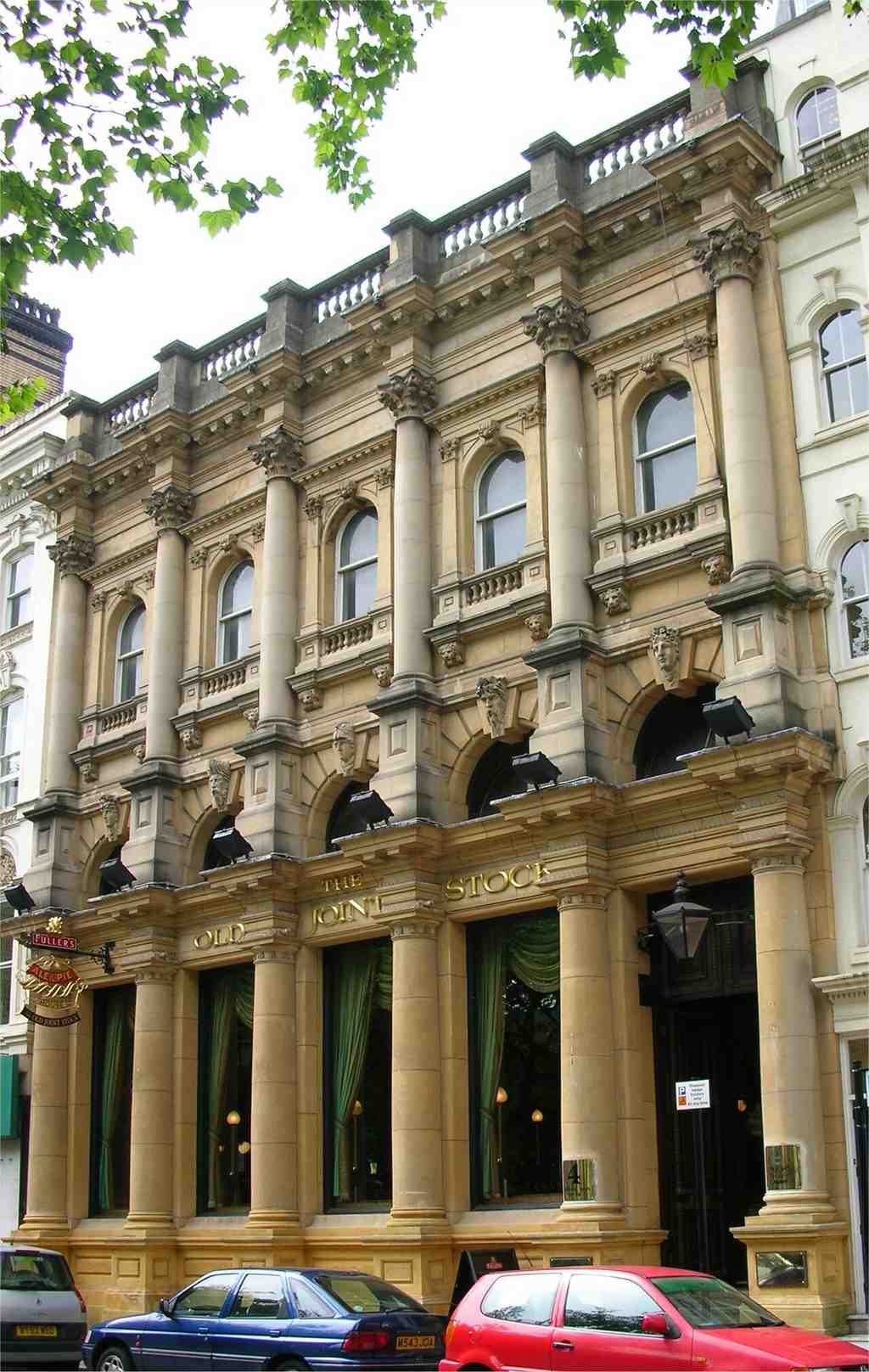
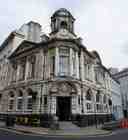
Old Joint Stock TheatrePhoto: Oosoom, Wikimedia Commons, CC BY-SA 3.0. Cropped & resized. On your right is a compact pale-stone Victorian building with a rounded corner turret, tall arched windows, and carved classical detailing that still gives it the stern face of an old bank.
This place has had more career changes than most people. Architect J. A. Chatwin designed it in eighteen sixty-two as a parson’s library for St Philip’s Church - a clergy library, in other words, meant to serve the church community across the road. Chatwin also worked on St Philip’s itself, so there is a neat local family resemblance here: sacred reading on one side, worship on the other.
That calm scholarly beginning did not last long. The Birmingham Joint Stock Bank, founded in eighteen sixty-one, took over the building, and its Temple Row branch opened here in eighteen sixty-two. Then, in eighteen eighty-nine, Lloyds absorbed the bank and carried on from this address. That date matters a bit more than it first seems: eighteen eighty-nine is also when Birmingham officially became a city. So while the paperwork changed hands inside, the city outside was stepping up in status too.
If you want a closer look at the façade, glance at the image in the app - it shows how much of that Victorian confidence still clings to the exterior.
Now take a moment and study the details in front of you... the stonework, the formal windows, the slightly grand entrance. Which earlier life feels strongest here: library, bank, pub, or theatre? The building seems happy to answer, “yes.”
In nineteen ninety-seven, the old bank became a pub, but not a wipe-clean conversion. Fuller’s kept many of the original fixtures and fittings in the main bar and function rooms, so the place held on to some of its old character instead of pretending history had never happened. Then, in two thousand and six, the owners spent three hundred and fifty thousand pounds turning derelict second-floor rooms into a studio theatre. They even brought in an experienced former theatre manager as a consultant, which is reassuring - nobody wants a theatre designed by guesswork and optimism alone.
Upstairs, reached by stairs at the back, is a small flexible theatre seating about ninety-five. That tucked-away approach gives it an intimate feel, perfect for comedy, cabaret, and small-cast drama. Touring comics have used it as a testing ground before heading to the Edinburgh Fringe, and it has welcomed names like Stewart Lee, Reginald D Hunter, Jim Jefferies, and Tom Allen. It also backs local work, including Untamed Productions’ Birmingham premiere of Blackout in twenty twenty-two.
That is the charm here: not every reinvention needs a skyline. Sometimes one doorway holds a whole civic biography. When you’re ready, head on to one hundred and thirty Colmore Row, about a three-minute walk away. If you fancy coming back later, the pub keeps fairly generous hours - mostly eleven to eleven, with shorter Sunday opening - and prices are moderate.
On your right, look for a pale stone corner building with arched ground-floor openings, tall Ionic columns, and a clock set beneath a small cupola. In nineteen oh-three, Goddard…Read moreShow less
Open dedicated page →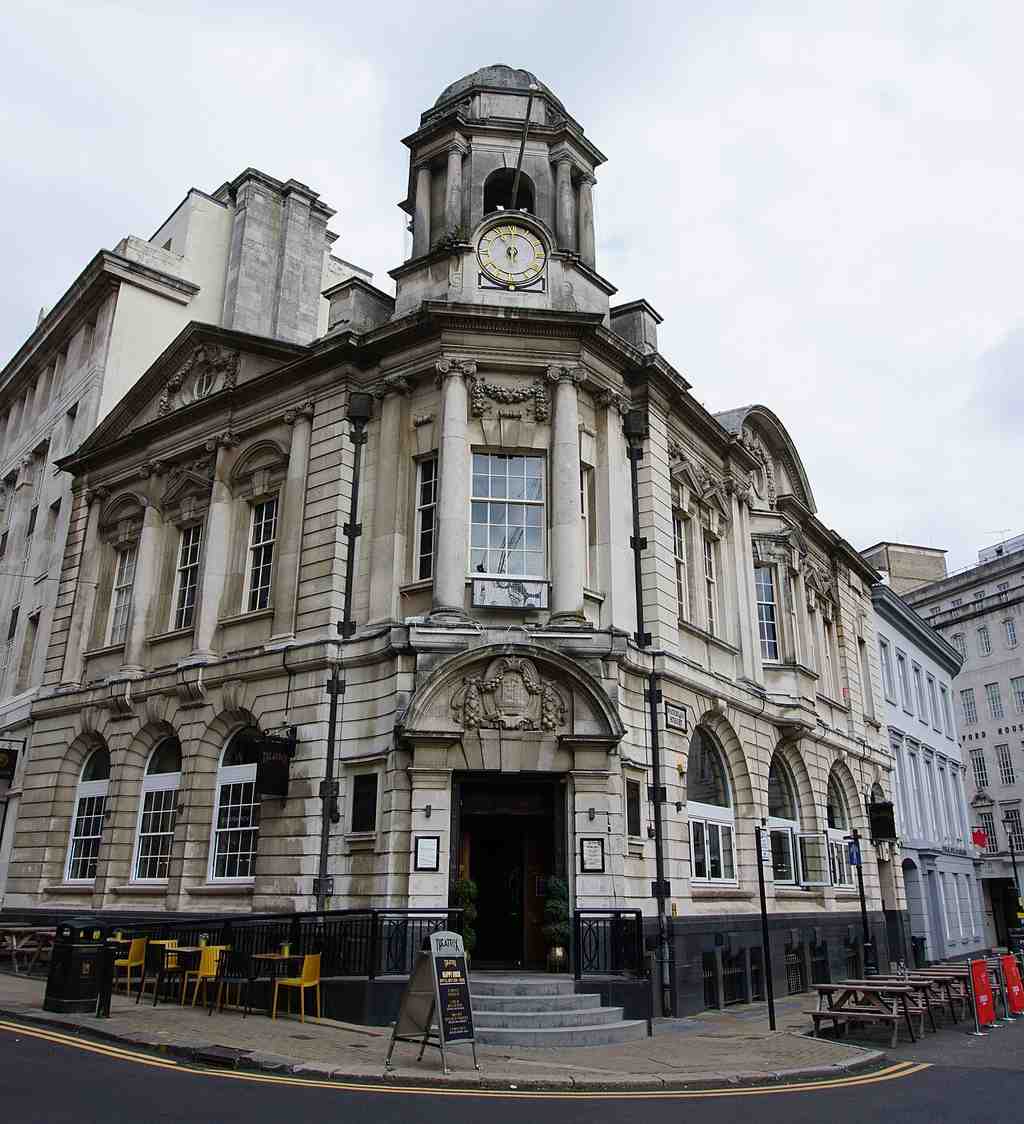
130 Colmore RowPhoto: Wagphoto, Wikimedia Commons, CC BY-SA 4.0. Cropped & resized. On your right, look for a pale stone corner building with arched ground-floor openings, tall Ionic columns, and a clock set beneath a small cupola.
In nineteen oh-three, Goddard and Company of Leicester designed this as Alliance Assurance’s main Birmingham office, and insurance firms rarely paid for modesty. Historic England gave it Grade Two protection early, on the twenty-first of January, nineteen seventy, because this facade makes a point: banded rustication, those chunky horizontal stone courses at the base, then arches, pilasters, and columns rising into a full Edwardian display of confidence.
Civic patrons and benefactors are only part of Birmingham’s cast. Insurers, councils, investors, and conservation officers all shape the city too, each with their own idea of what deserves permanence. Locals who read the fine print know something most visitors miss: the old listing treated one hundred and thirty Colmore Row and number twenty-six Waterloo Street as one protected corner composition, valuing the pair for the way they turn the street together, not just for one handsome frontage alone.
After Alliance Assurance left in the nineteen nineties, the city council used the building as a tourist office and later a careers centre. A Chinese investment consortium bought it in two thousand and thirteen, then Keane Design Associates oversaw a one million pound fit-out for Nosh and Quaff in July two thousand and fifteen, run by Aktar Islam’s Lasan Group. Later, it became Theatrix. If you want the architectural details teased out, have a look at the close view on your screen. And if you fancy it, the app’s comparison view shows how quickly this address absorbs change and starts to feel settled.
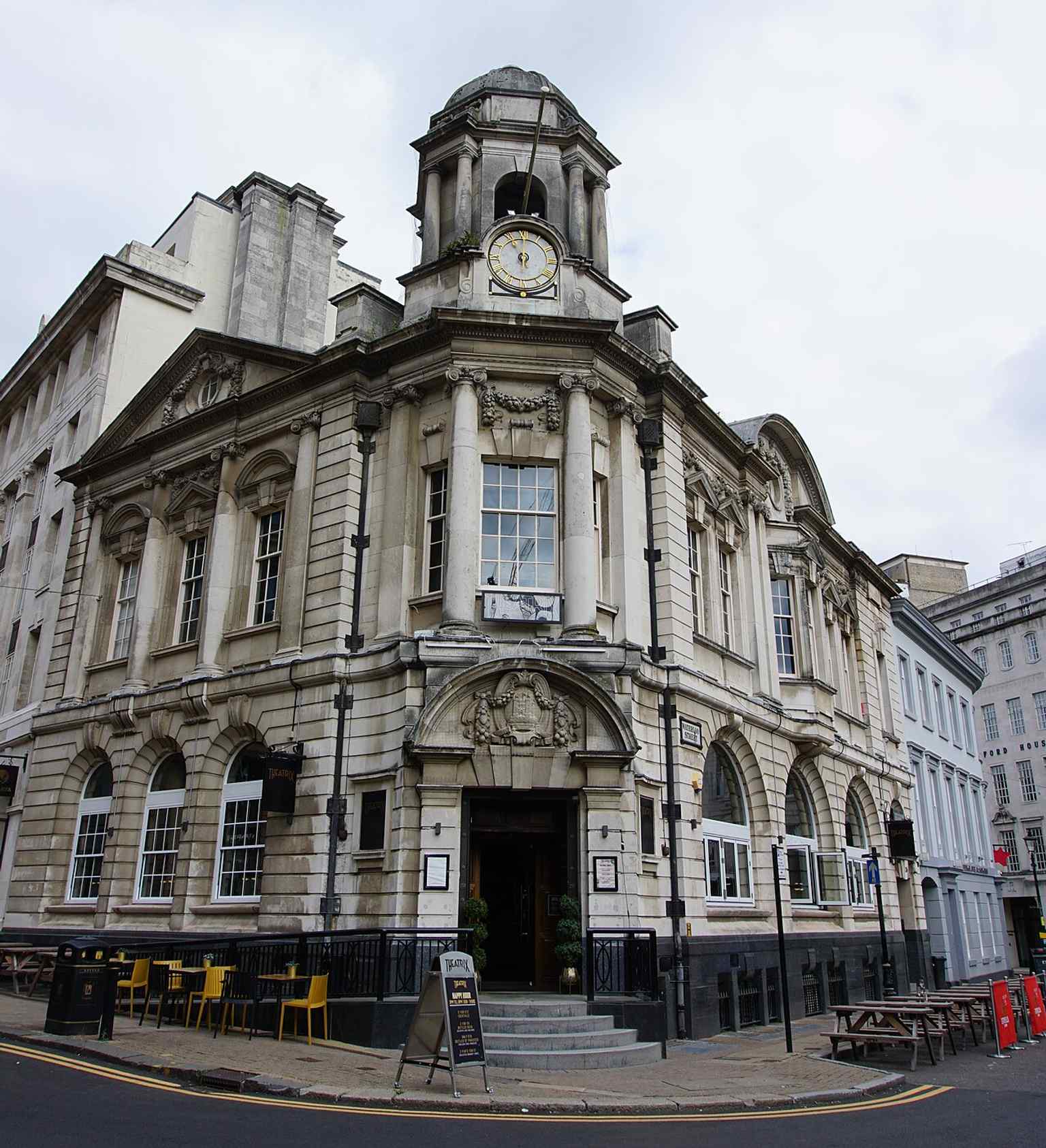
A close architectural view of 130 Colmore Row, useful for showing the Edwardian showpiece details that Historic England highlights, like the ornate facade and corner composition.Photo: Wagphoto, Wikimedia Commons, CC BY-SA 4.0. Cropped & resized. Now imagine this corner erased for a wider postwar ring road. That nearly happened. Rising land values and stronger conservation arguments stopped it... and in about two minutes, the Chamberlain Memorial carries that civic argument into the open.
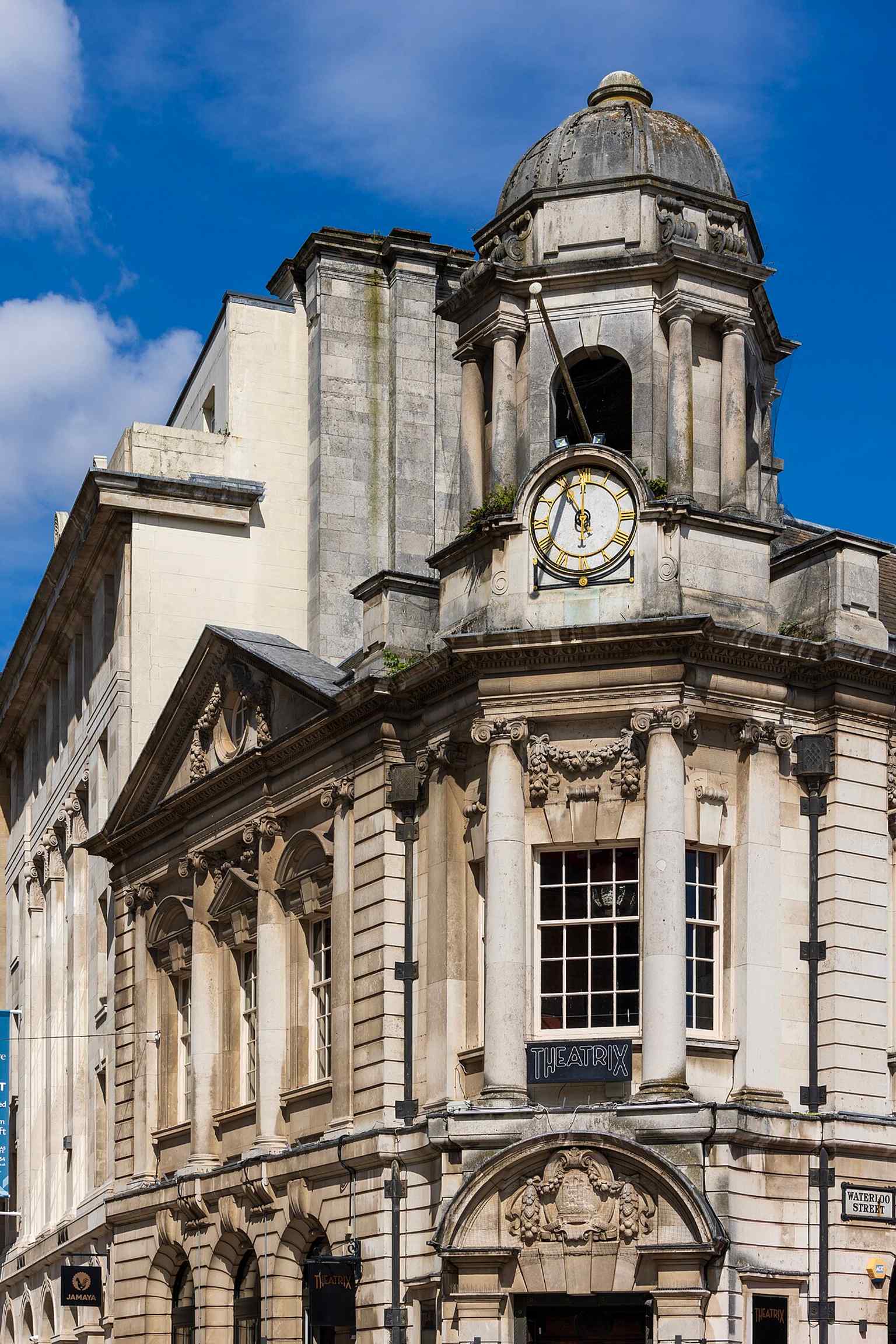
A recent street view of 130 Colmore Row, the Grade II-listed former Alliance Assurance office that still anchors the corner with Waterloo Street.Photo: The wub, Wikimedia Commons, CC BY-SA 4.0. Cropped & resized. On your right, look for a tall Portland-stone spire in a neo-Gothic shape, rising above fountain bowls and marked by a portrait medallion of Joseph Chamberlain. Joseph…Read moreShow less
Open dedicated page →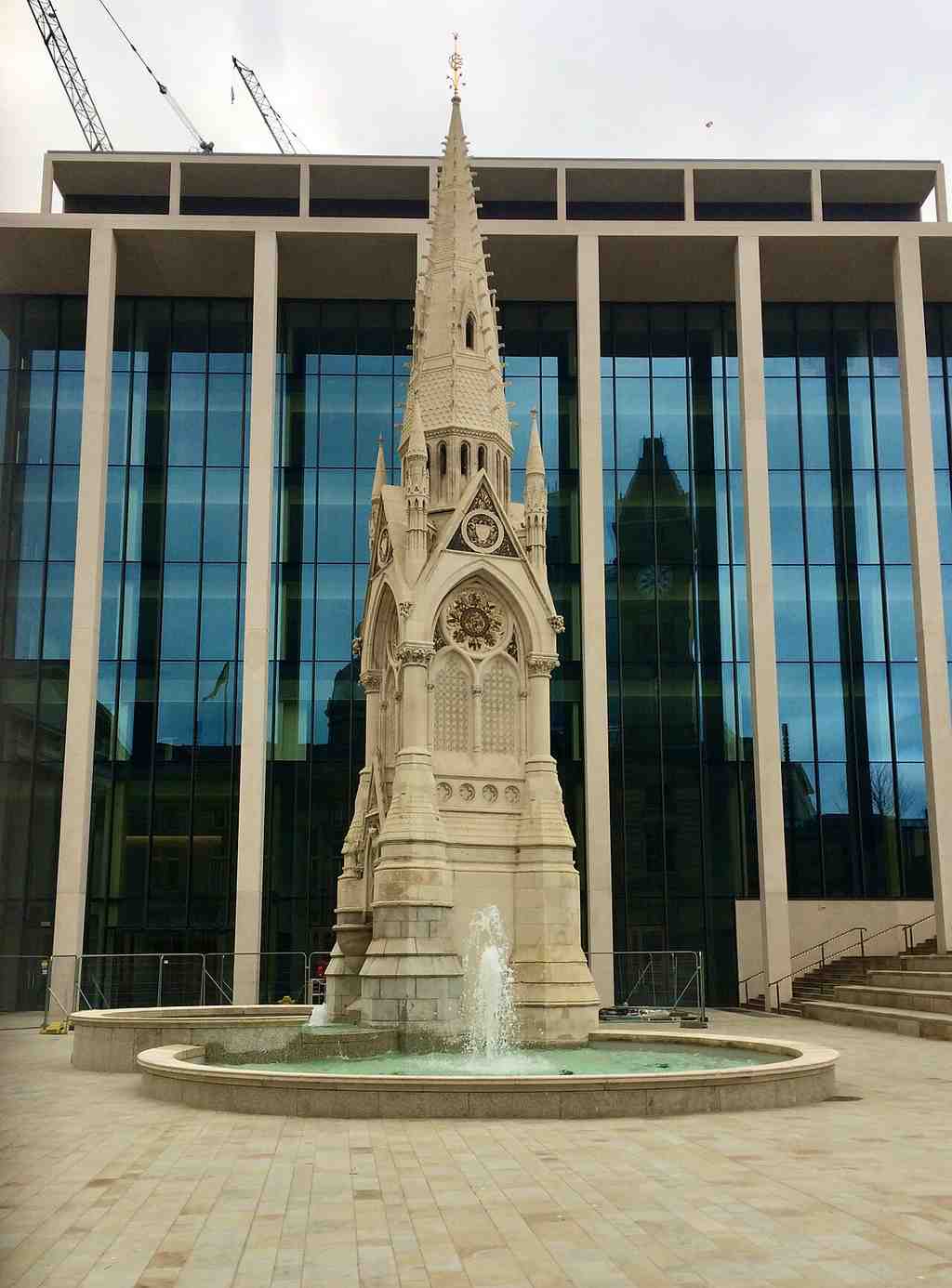
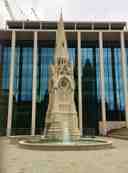
Chamberlain MemorialPhoto: Rcsprinter123, Wikimedia Commons, CC BY 3.0. Cropped & resized. On your right, look for a tall Portland-stone spire in a neo-Gothic shape, rising above fountain bowls and marked by a portrait medallion of Joseph Chamberlain.
Joseph Chamberlain was not just a name Birmingham carved into stone later on; he was a live wire in the making of the modern city... businessman, councillor, mayor, Member of Parliament, and a politician who understood publicity almost as well as policy. This memorial opened in eighteen eighty, and Chamberlain himself stood here for the inauguration on the twentieth of October. That matters. The city was not mourning him. It was presenting him.
About three thousand pounds in public funds paid for it - roughly a few hundred thousand pounds today - so this was civic gratitude with a collection plate. The architect, John Henry Chamberlain, was no relation, though he was a friend and very much part of the same Liberal circle that shaped Birmingham’s public life. He gave the city this sixty-five-foot neo-Gothic design - meaning a Victorian take on medieval drama, full of pointed forms, carved ornament, and a spire that reaches upward with admirable self-confidence. If you glance at the image on your screen, the old aerial view shows how it sat as the centerpiece of a newly cleared civic space beside the Town Hall.
There is a lot packed into it: carving by Samuel Barfield, mosaics by a Venetian firm called Salviati Burke and Company, and on the south side, a portrait medallion by Thomas Woolner. Some critics hated it, calling it an “architectural scarecrow” or an ungainly jumble. Birmingham kept it anyway.
That stubbornness paid off. The pools disappeared in the late nineteen sixties, returned in nineteen seventy-eight, and the fountain came back into service in twenty twenty-one after the Paradise redevelopment nearly swept away everything else from the older square. If you check the close detail image, you can see the carved richness those critics were grumbling about.
So here’s the real point: Birmingham’s leaders did not simply run the city... they staged how the city would remember them. From here, Alpha Tower is about a seven-minute walk away. And, conveniently for a monument in the middle of a civic square, this one is accessible around the clock.
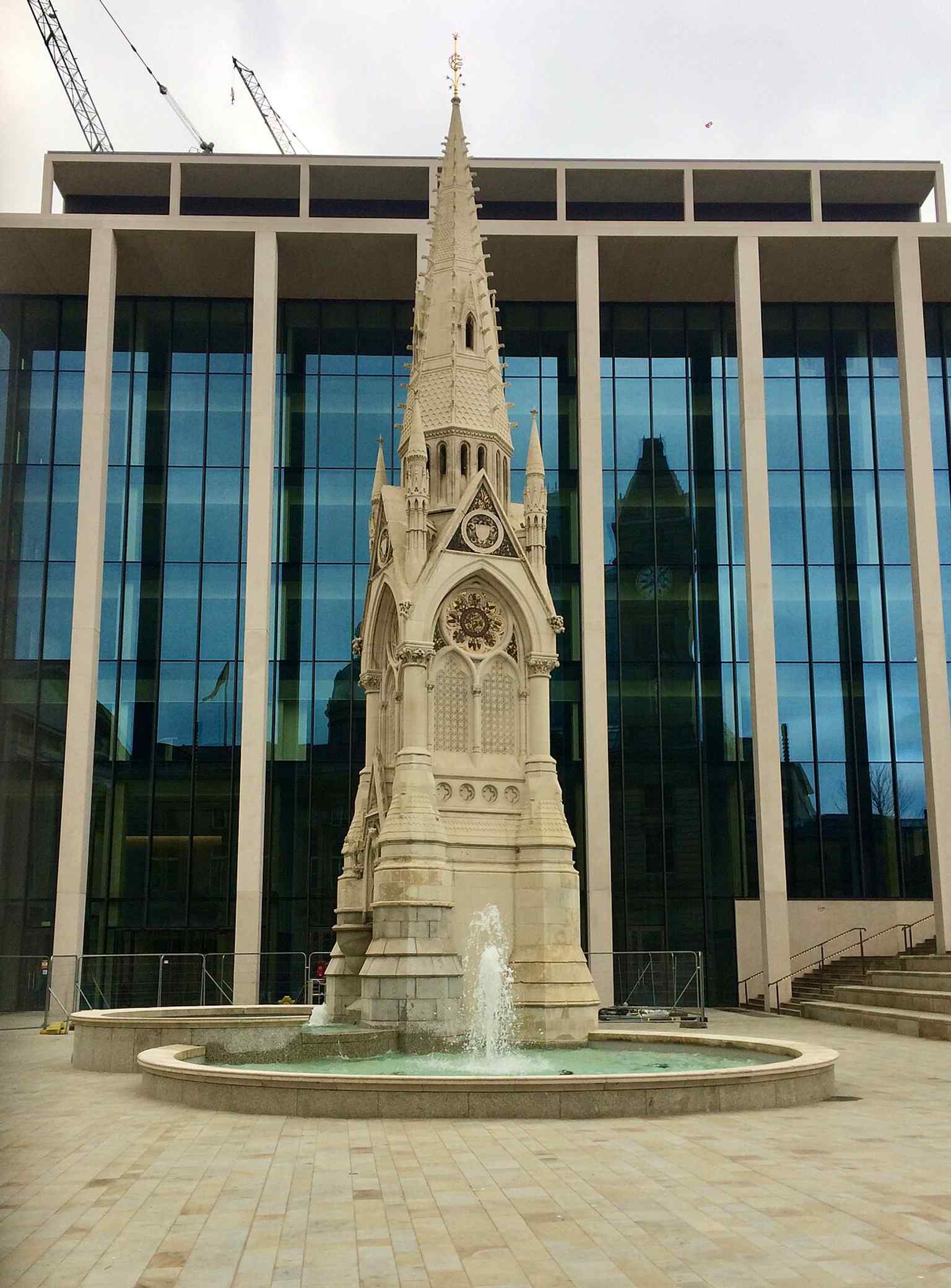
A clear front view of the Chamberlain Memorial fountain in Chamberlain Square, which was erected in 1880 to honour Joseph Chamberlain while he was still alive.Photo: Rcsprinter123, Wikimedia Commons, CC BY 3.0. Cropped & resized. 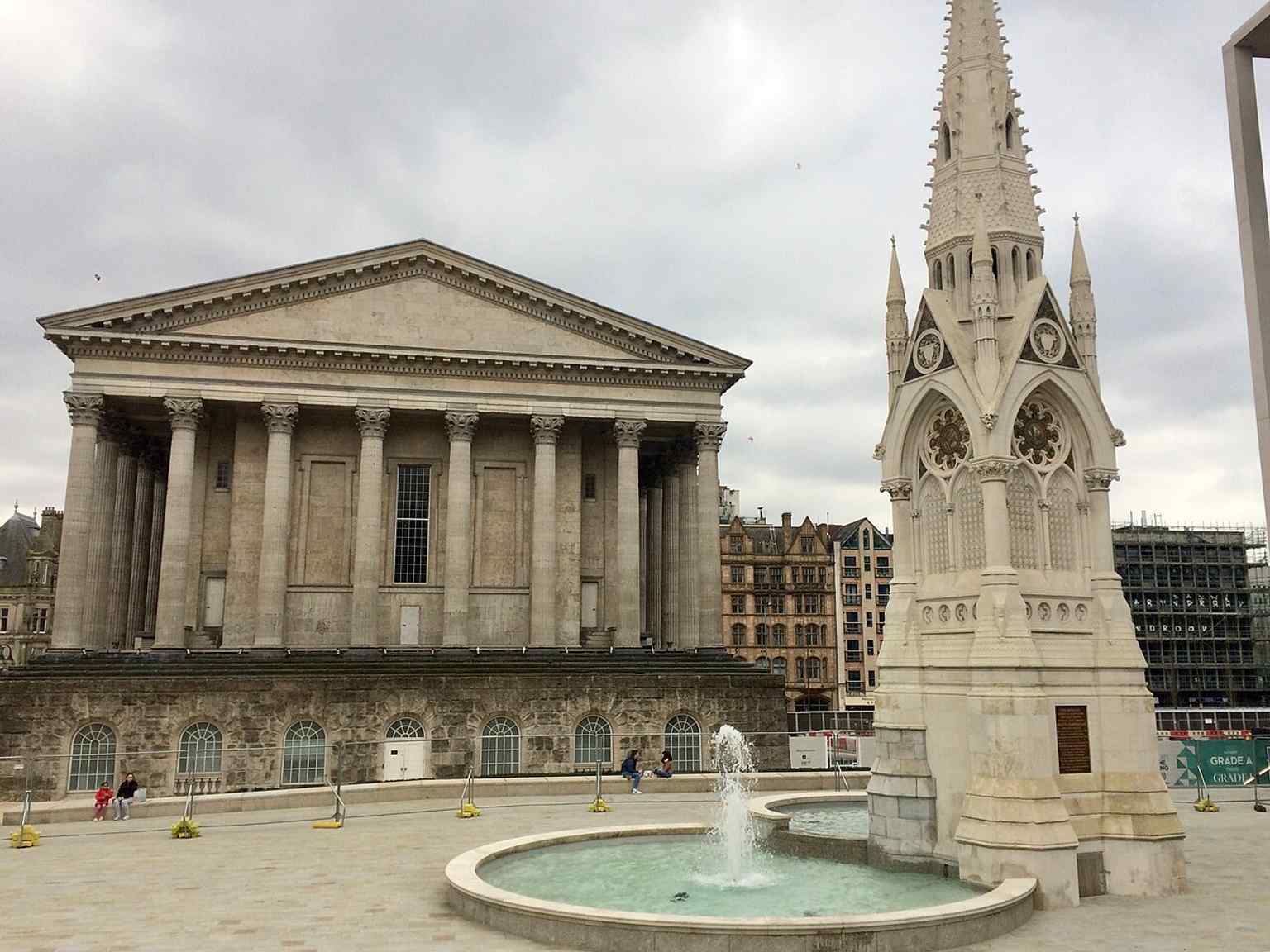
The memorial beside Birmingham Town Hall shows how it formed the civic centrepiece of the square’s Victorian redesign.Photo: Rcsprinter123, Wikimedia Commons, CC BY 3.0. Cropped & resized. 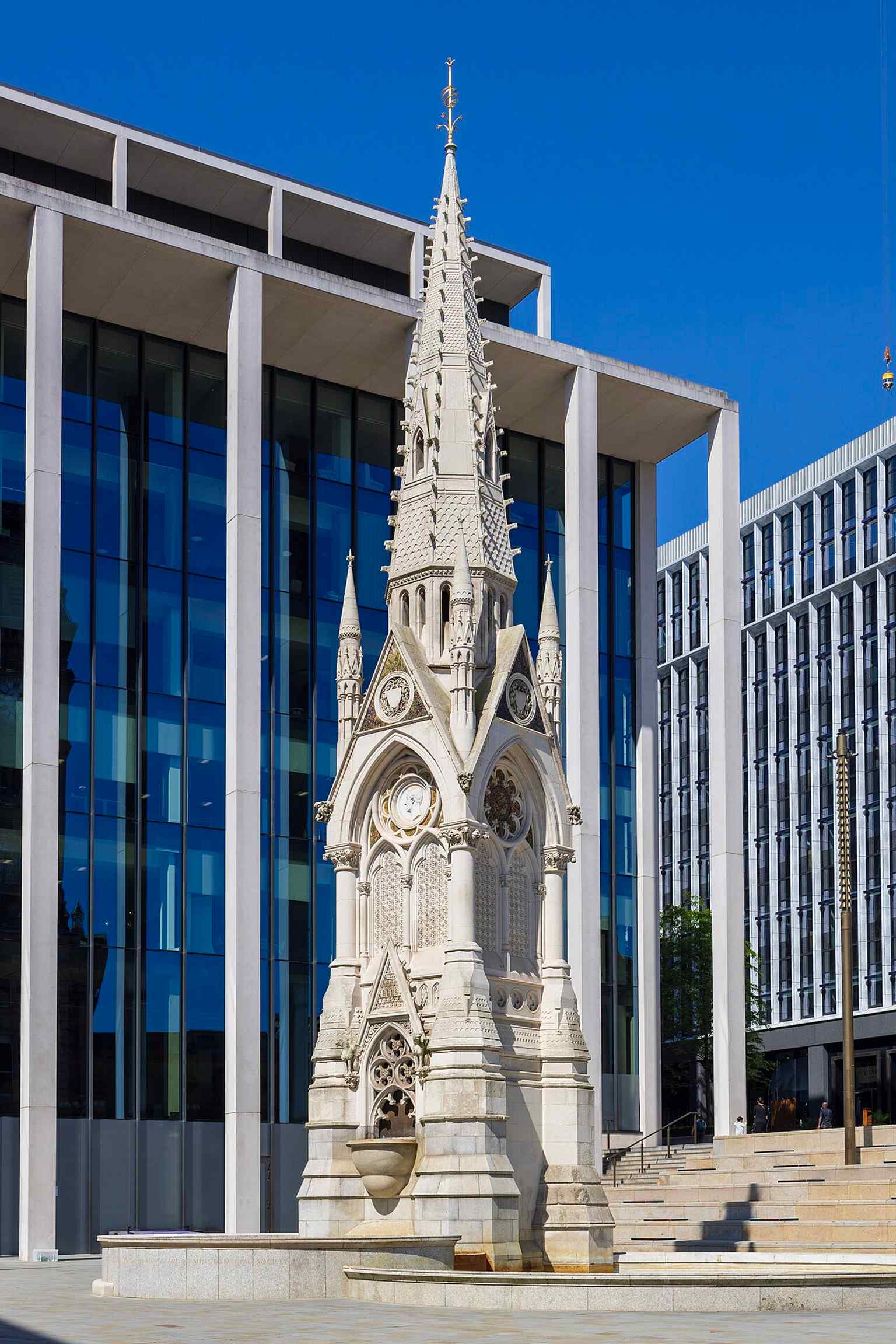
A modern close view of the 65-foot neo-Gothic memorial, useful for seeing the Portland stone spire and fountain bowls restored in 2021.Photo: The wub, Wikimedia Commons, CC BY-SA 4.0. Cropped & resized. On your right, Alpha Tower is a tall rectangular slab of dark glass and pale concrete, with sharp vertical bands and a slightly offset service core that gives it a distinctive…Read moreShow less
Open dedicated page →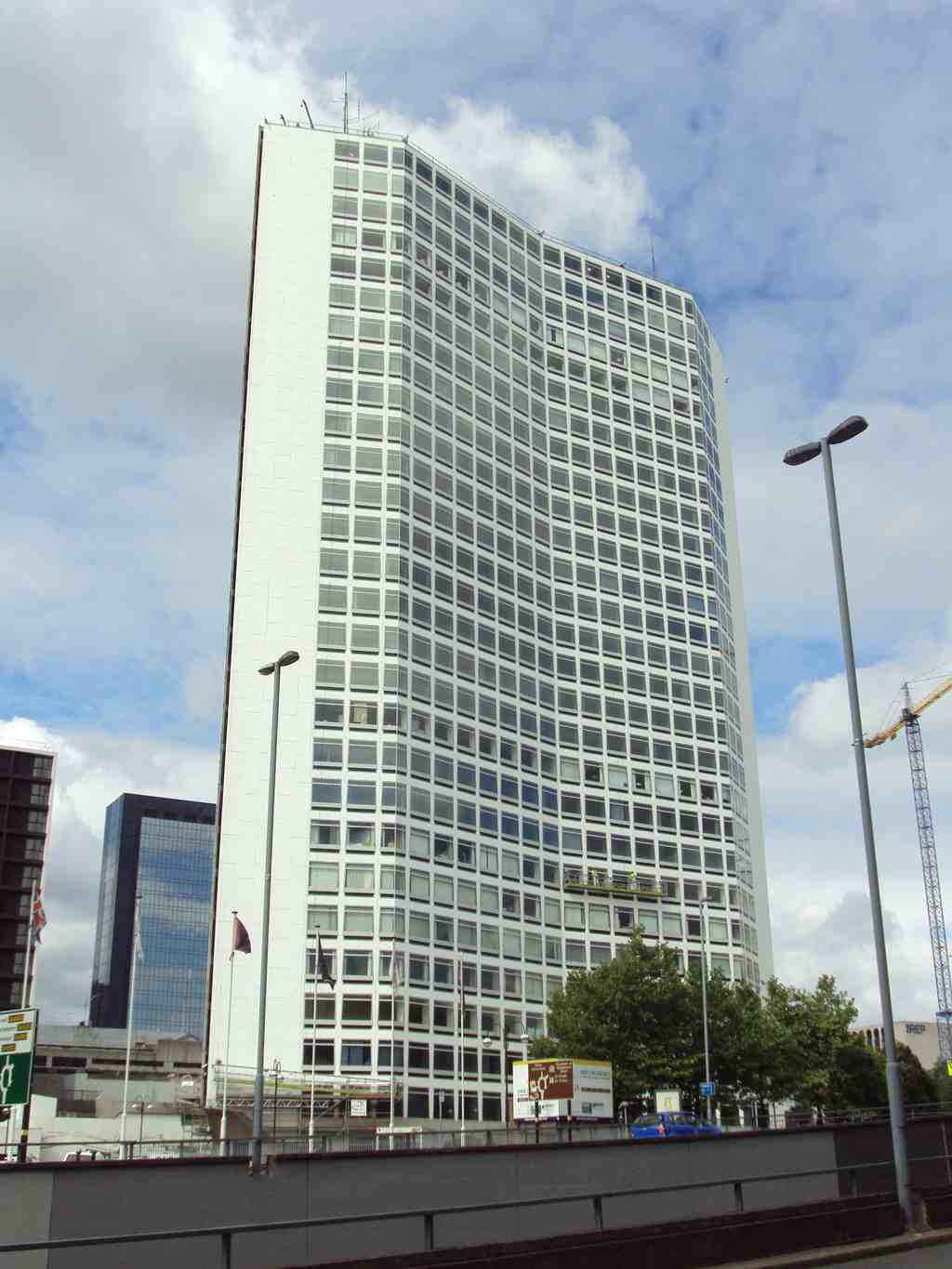
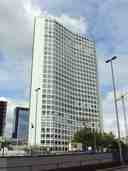
Alpha TowerPhoto: Rept0n1x, Wikimedia Commons, CC BY-SA 3.0. Cropped & resized. On your right, Alpha Tower is a tall rectangular slab of dark glass and pale concrete, with sharp vertical bands and a slightly offset service core that gives it a distinctive late-modern silhouette.
This is Birmingham’s media-age modernity in one clean gesture. Television had become glamour, technology, and civic bragging rights all at once... and modernity, apparently, needed a tower.
Alpha Tower opened as the headquarters of A-T-V, Associated Television, beside a new production complex called the A-T-V Centre. In the late nineteen sixties, I-T-V was preparing for colour broadcasts, and A-T-V’s old Aston studios had been designed for monochrome, meaning black-and-white only. So the company came here to build purpose-made colour studios off Broad Street, promoted at the time as Britain’s first purpose-built colour television studio.
If you glance at the image on your screen, you can see how the tower still reads as a self-contained statement, even after the rest of its campus disappeared. George Marsh, a Birmingham-born architect from Richard Seifert and Partners, designed it as a sleeker departure from the earlier Centre Point look he had helped shape in London.
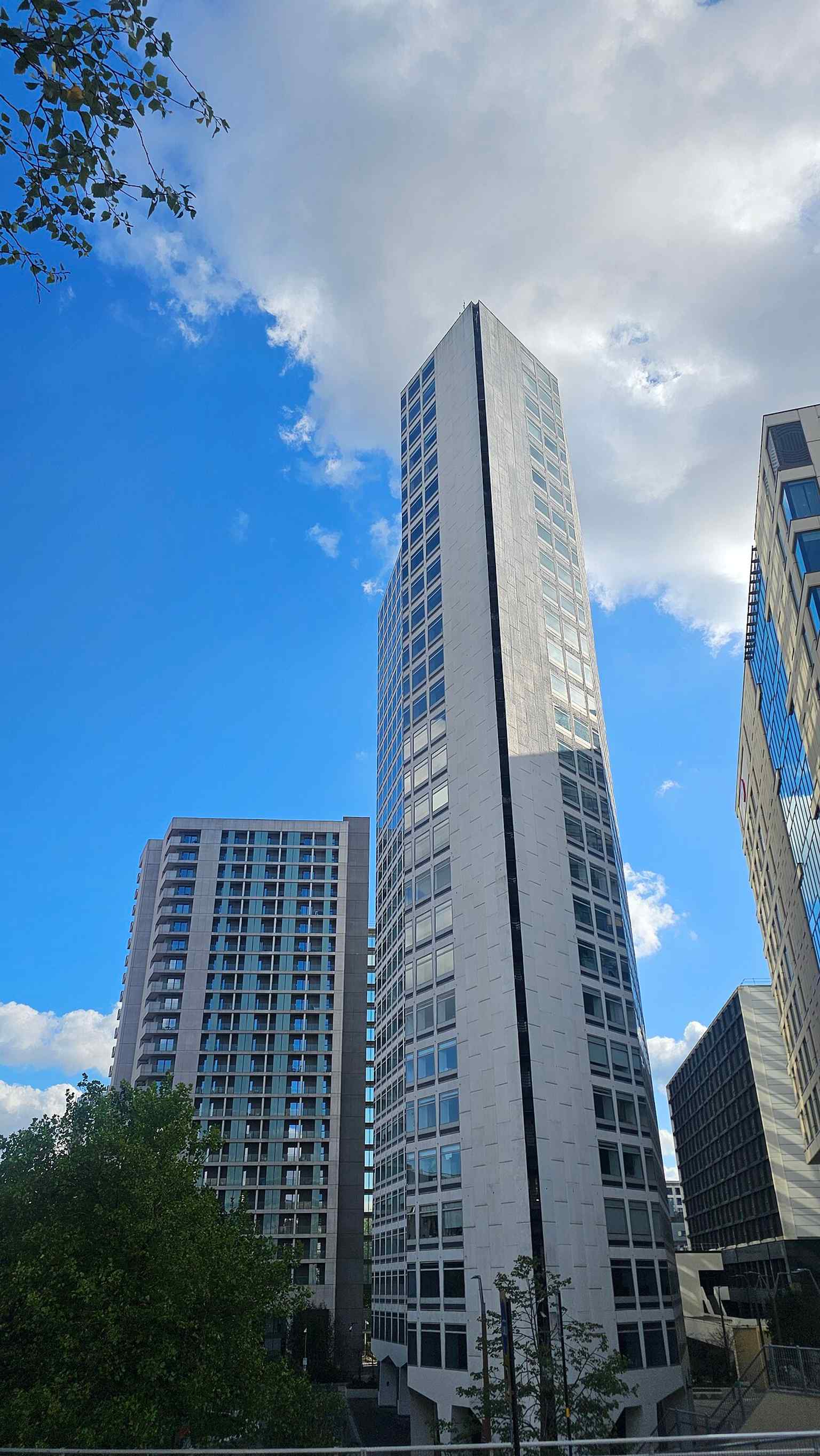
A clear modern view of Alpha Tower, the 100-metre Grade II listed office tower that survived the wider ATV Centre redevelopment.Photo: Brumbug, Wikimedia Commons, CC BY-SA 4.0. Cropped & resized. The original plan, unveiled in nineteen sixty-nine, aimed far higher. Developers imagined the Paradise Centre: shops, offices, a conference hall, an air terminal, a hotel, and a thirty-five-storey tower linked to the hotel in a zig-zag composition. Then reality arrived with paperwork. Objections from the General Post Office and the city council stalled things for three years, the scheme shrank to twenty-eight storeys, and the hotel vanished. A shorter companion tower was planned too, but never arrived.
That is the shift in Birmingham’s ambitions: not Victorian improvement in stone, but corporate futurism in glass, broadcast light, and boardroom confidence. At one hundred meters, Alpha still carries that mood. Even Cliff Richard used it for Take Me High in nineteen seventy-three, which feels exactly right.
The strange part is that this fragment survived. A-T-V closed in nineteen eighty-two, and the building became offices. In two thousand, planners allowed demolition of the old A-T-V Centre but specifically spared Alpha Tower. A campaign to protect it as a listed building, meaning legally protected for special historic interest, dragged on for years; after a real fight, it finally won Grade Two listed status in twenty fourteen.
By then it had been through a rough patch, falling from a sale at forty-two and a half million pounds to an asking price of ten and a quarter million, before new owners bought it for fourteen million in twenty fourteen and set about refurbishing it.
The grand future imagined here never fully arrived: no hotel, no air terminal, no second tower, just this one survivor, still upright and a little defiant. In about three minutes, we’ll continue to the Hall of Memory.
On your right, the Hall of Memory is a pale Portland-stone pavilion with a square colonnade, a low domed roof, and four carved corner figures standing watch. This is the still…Read moreShow less
Open dedicated page →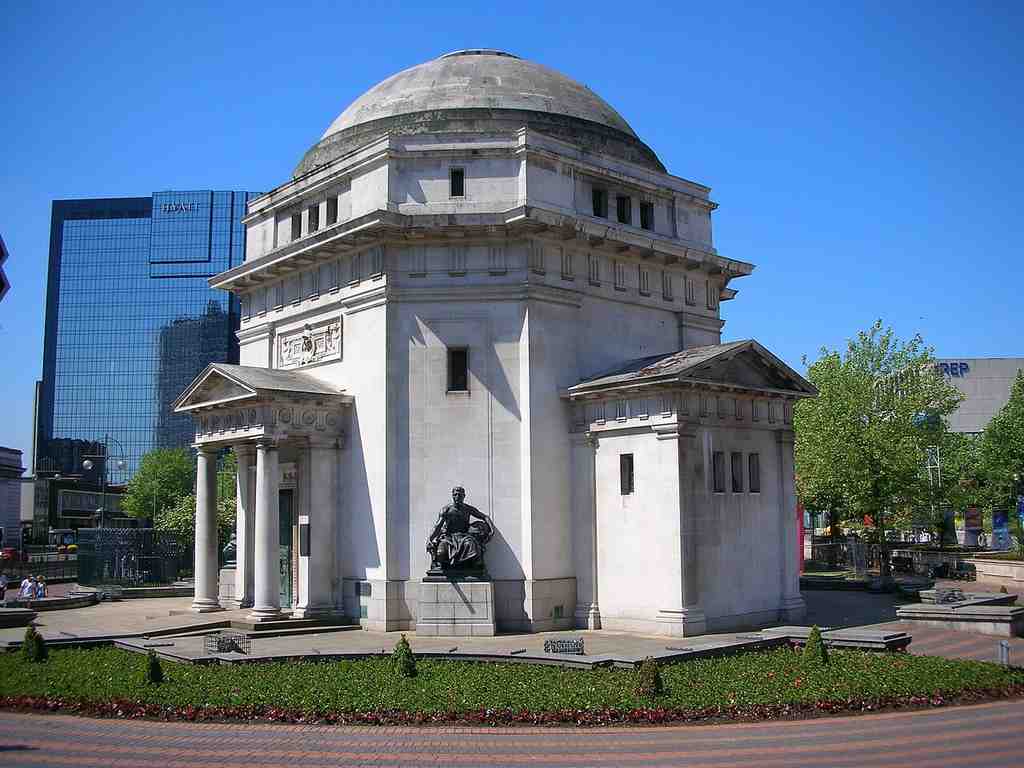
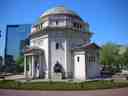
Hall of Memory, BirminghamPhoto: Oosoom, Wikimedia Commons, CC BY-SA 3.0. Cropped & resized. On your right, the Hall of Memory is a pale Portland-stone pavilion with a square colonnade, a low domed roof, and four carved corner figures standing watch.
This is the still point in Birmingham’s Centenary Square memory landscape... a place where remembrance and redevelopment share the same ground, quite literally. Most visitors never realize the Hall stands directly over the filled-in canal basin of Gibson’s Arm, so beneath this calm stone memorial lies an invisible strip of Birmingham’s working waterway.
That layering suits the story. Birmingham did not arrive at this memorial in one clean burst of certainty. People argued for years over what the city’s war memorial should look like, how much it should cost, and who should pay. Cities, after all, rarely manage public grief without first consulting the budget. In the end, architects S-N Cooke and W-N Twist gave Birmingham this restrained classical hall, and John Barnsley and Son raised it between nineteen twenty-two and nineteen twenty-five.
It honors twelve thousand, three hundred and twenty Birmingham citizens killed in the First World War. The Prince of Wales laid the foundation stone on the twelfth of June, nineteen twenty-three. Prince Arthur of Connaught opened the building on the fourth of July, nineteen twenty-five, before a crowd of thirty thousand. The cost came to sixty thousand pounds, paid by public donations, which would be roughly four million pounds today.
Look at the four exterior statues by local artist Albert Toft: they represent the Army, the Navy, the Air Force, and Women’s Services. Inside, William Bloye carved three bas-reliefs, which means shallow sculpted panels, showing Call, Front Line, and Return. If you look at the close-up image in the app, you can see Return, with the wounded arriving home.
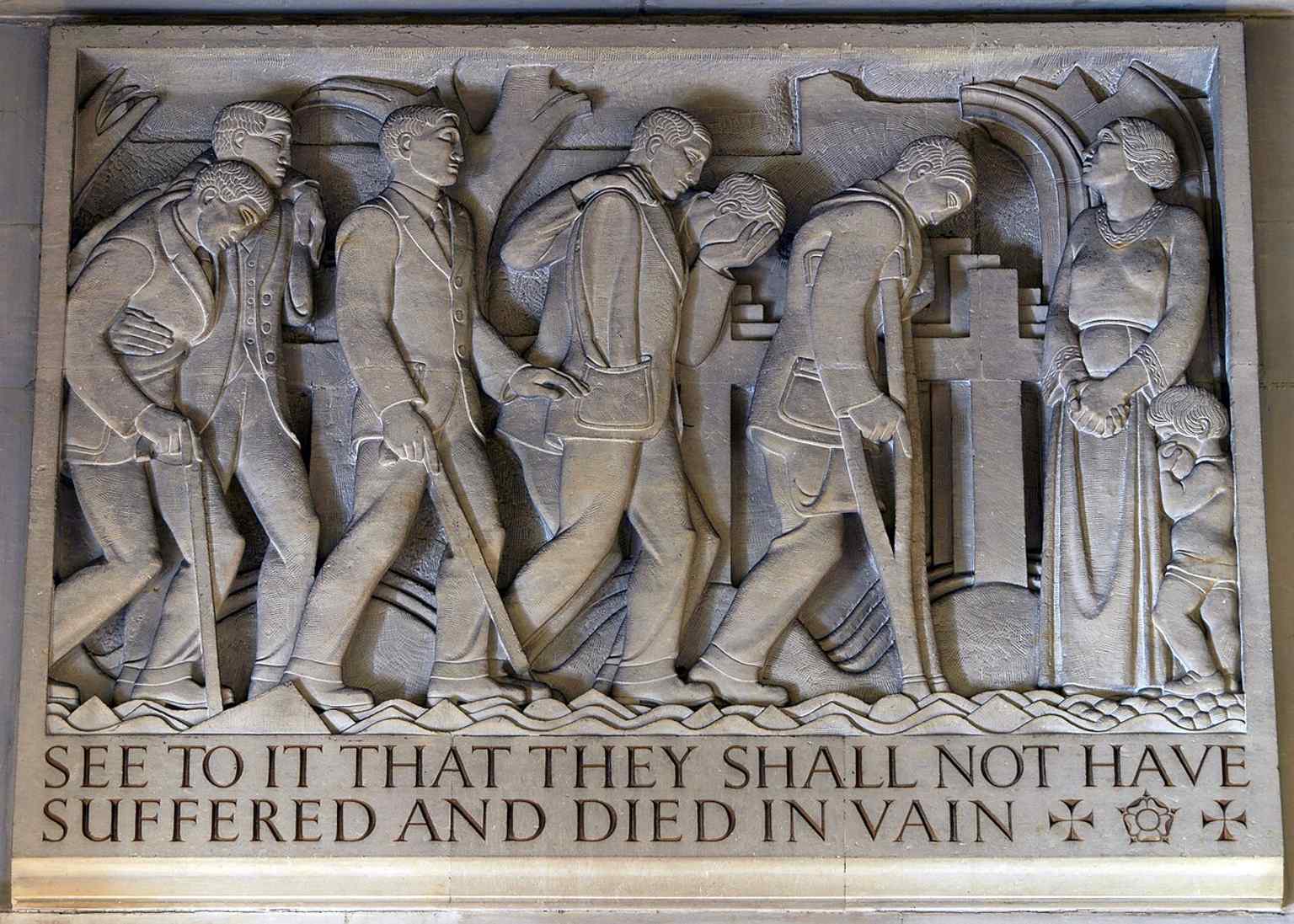
William Bloye’s bas-relief ‘Return’ shows the wounded coming home, part of the three-tableau interior sequence that also includes ‘Call’ and ‘Front Line’.Photo: Oosoom, Wikimedia Commons, CC BY-SA 3.0. Cropped & resized. And here is the question this place quietly presses on you: when a city gives grief a building, is it honoring loss, shaping it, or trying to keep it bearable?
The Hall did not stay fixed in one war. After the Second World War, Birmingham created a Book of Remembrance office, and in nineteen fifty, after the two minutes’ silence on Remembrance Day, the final illuminated copy came here. The memorial later widened again to include the city’s dead of the Second World War and those killed in active service since nineteen forty-five.
This whole square kept changing around it. A grand civic plan once imagined council offices, a mayor’s residence, a library, and a concert hall here; war interrupted that ambition, and only part of Baskerville House emerged. If you want to see the shift, check the before-and-after image in the app; the Hall once sat marooned by traffic and pedestrian subways before the square became this calmer open space.
By two thousand and fourteen, Historic England upgraded the Hall to Grade One status, the highest listing, because it matters both as architecture and as witness.
Birmingham’s confidence and its sorrow sit side by side here.
If you want to come back when it is open, the Hall usually welcomes visitors from Thursday to Saturday, ten to four; when you are ready, the King Edward the Seventh Memorial is about a minute away.
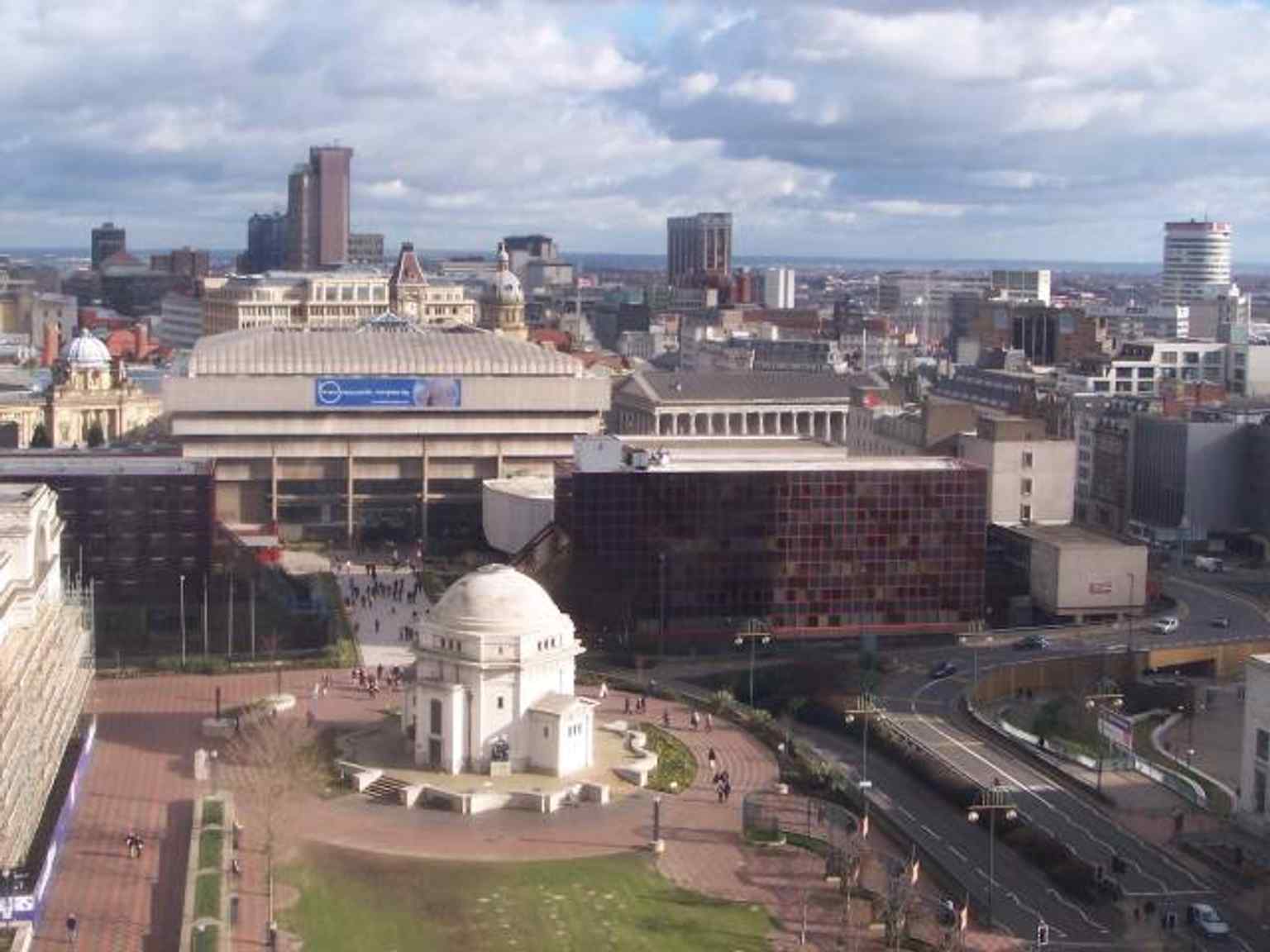
A high-level view of Centenary Square showing the Hall of Memory at the heart of Birmingham’s civic centre, with the surrounding skyline that grew around the memorial.Photo: The original uploader was Andy G at English Wikipedia. Later versions were uploaded by G-Man at en.wikipedia., Wikimedia Commons, CC BY-SA 3.0. Cropped & resized. 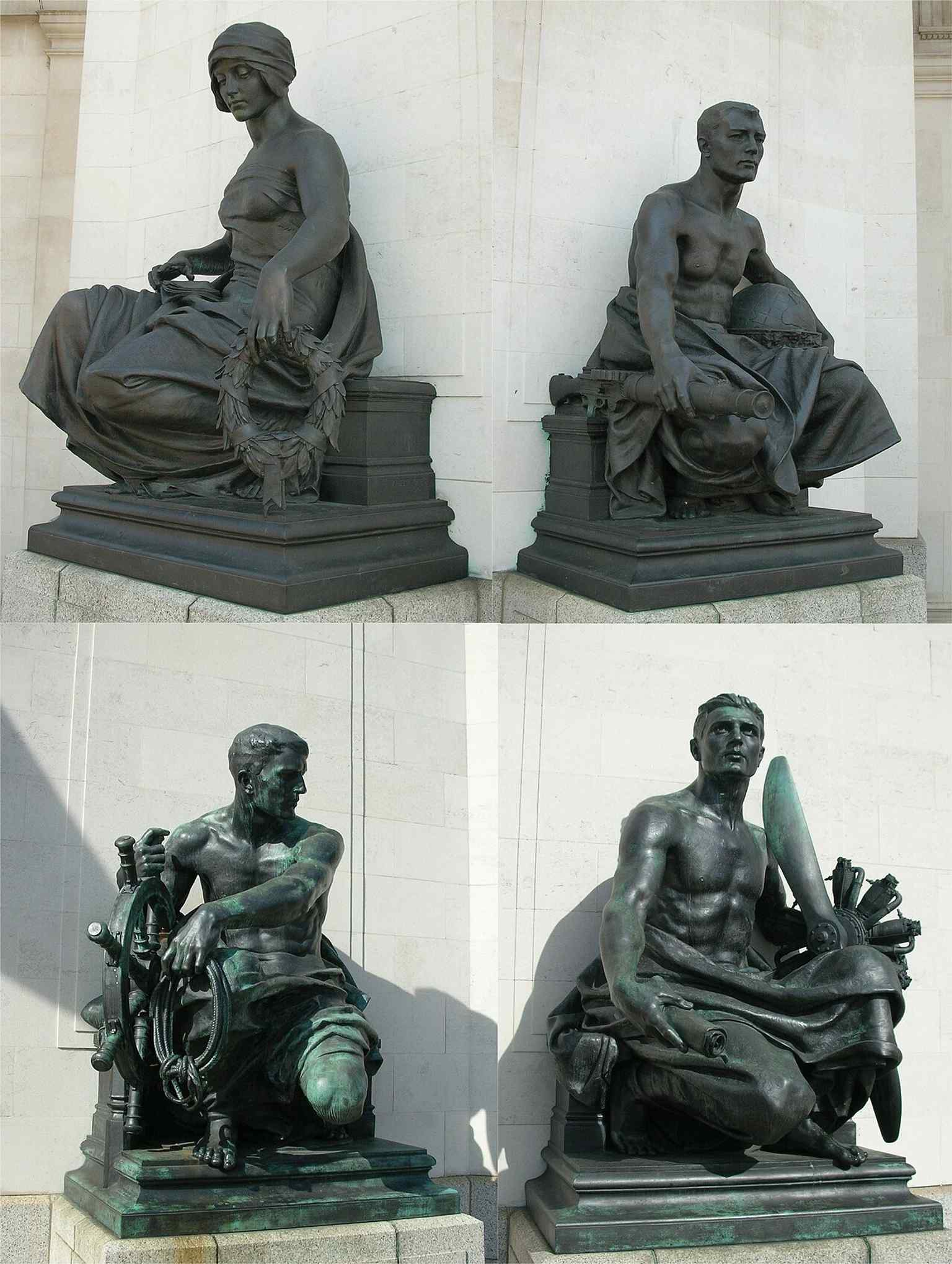
The four Albert Toft statues at the corners of the memorial — Army, Navy, Air Force, and Women’s Services — were added as part of the Hall’s 1920s tribute to Birmingham’s wartime dead.Photo: Oosoom at English Wikipedia, Wikimedia Commons, CC BY-SA 3.0. Cropped & resized. 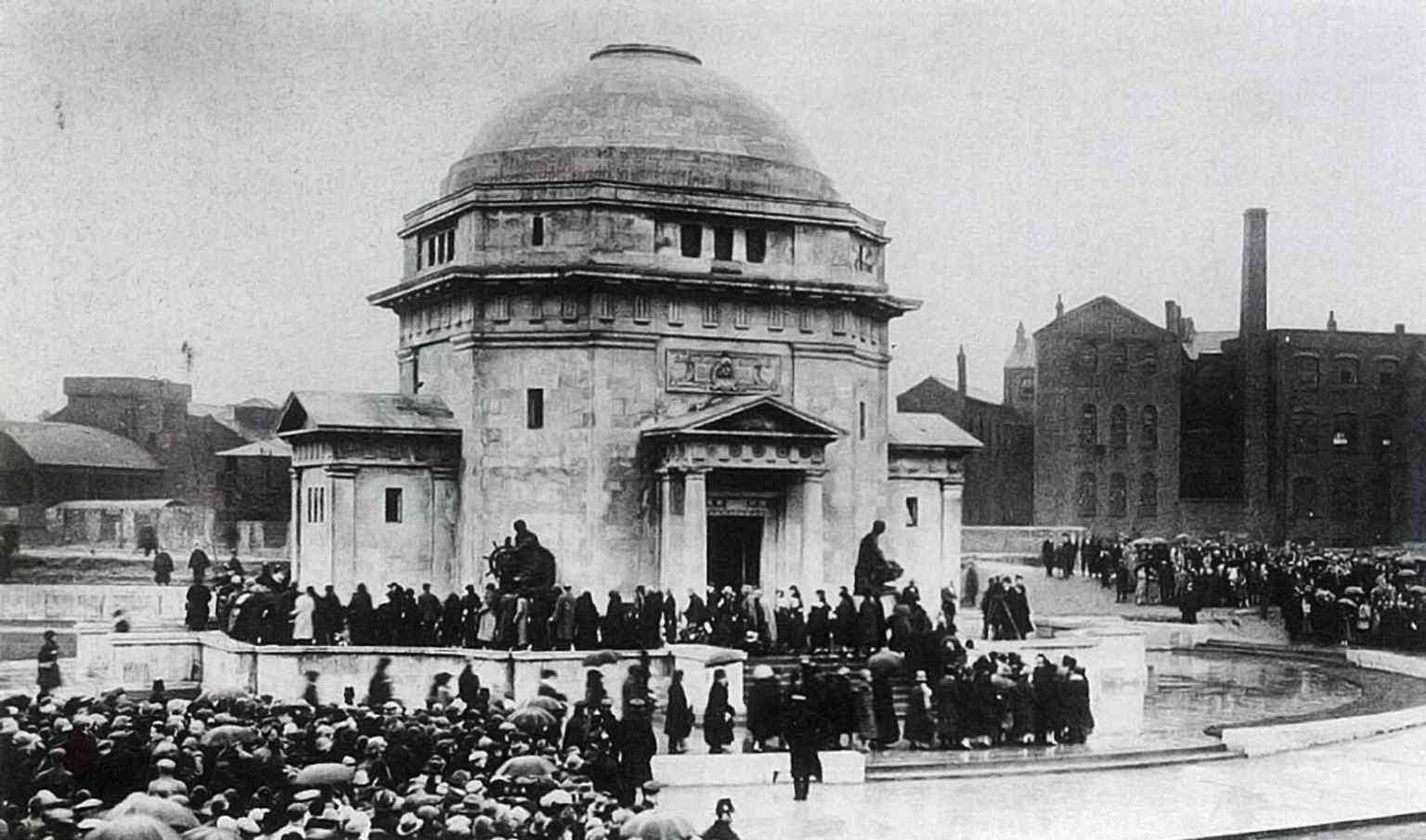
The Hall of Memory at its 1925 opening ceremony, when tens of thousands gathered to see the city’s new war memorial unveiled.Photo: Eric Armstrong (Author) Photographer (Unknown), Wikimedia Commons, Public domain. Cropped & resized. 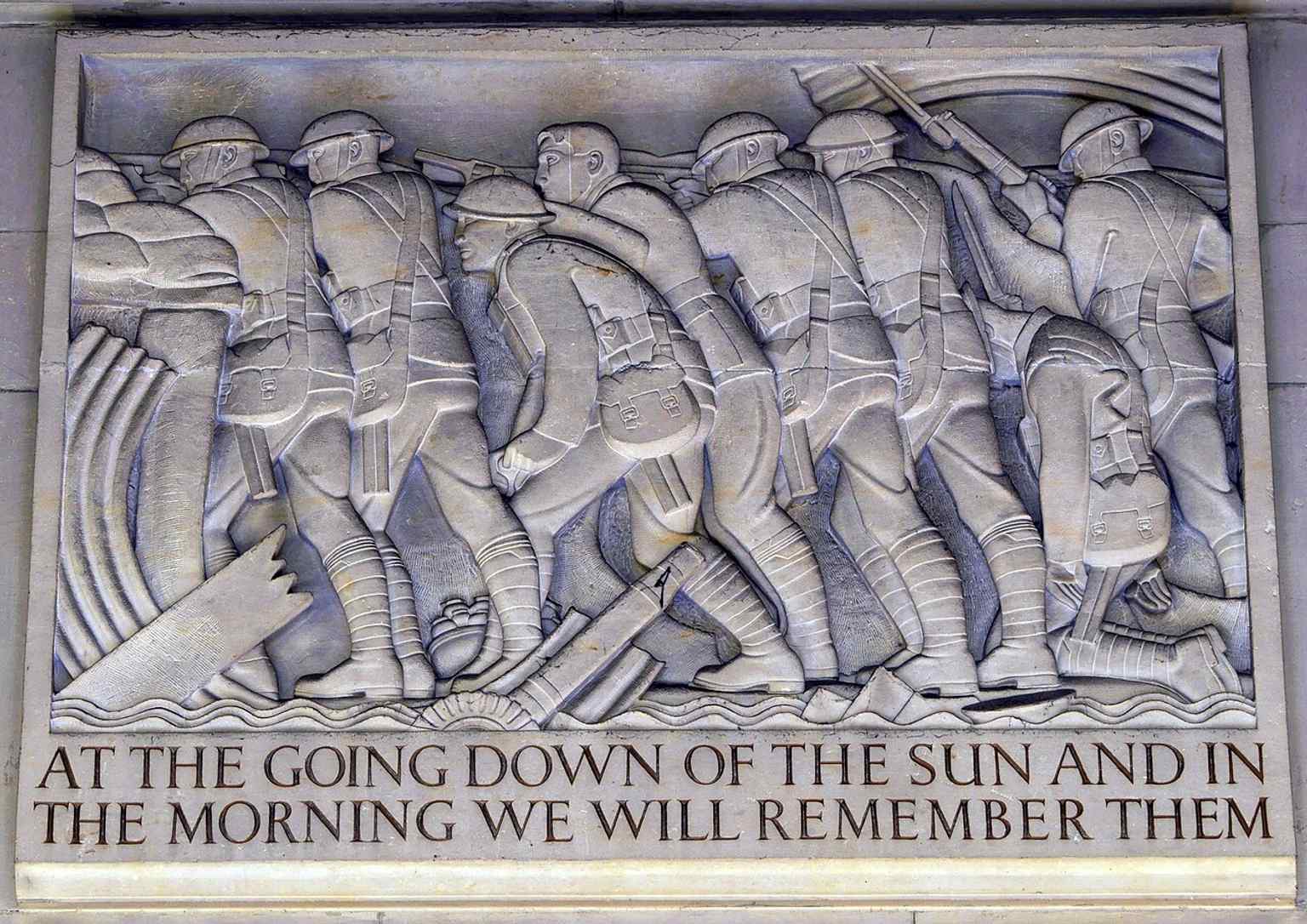
‘Front Line’ is one of William Bloye’s three interior reliefs, marking the violence of battle in the Hall’s remembrance sequence.Photo: Oosoom, Wikimedia Commons, CC BY-SA 3.0. Cropped & resized. 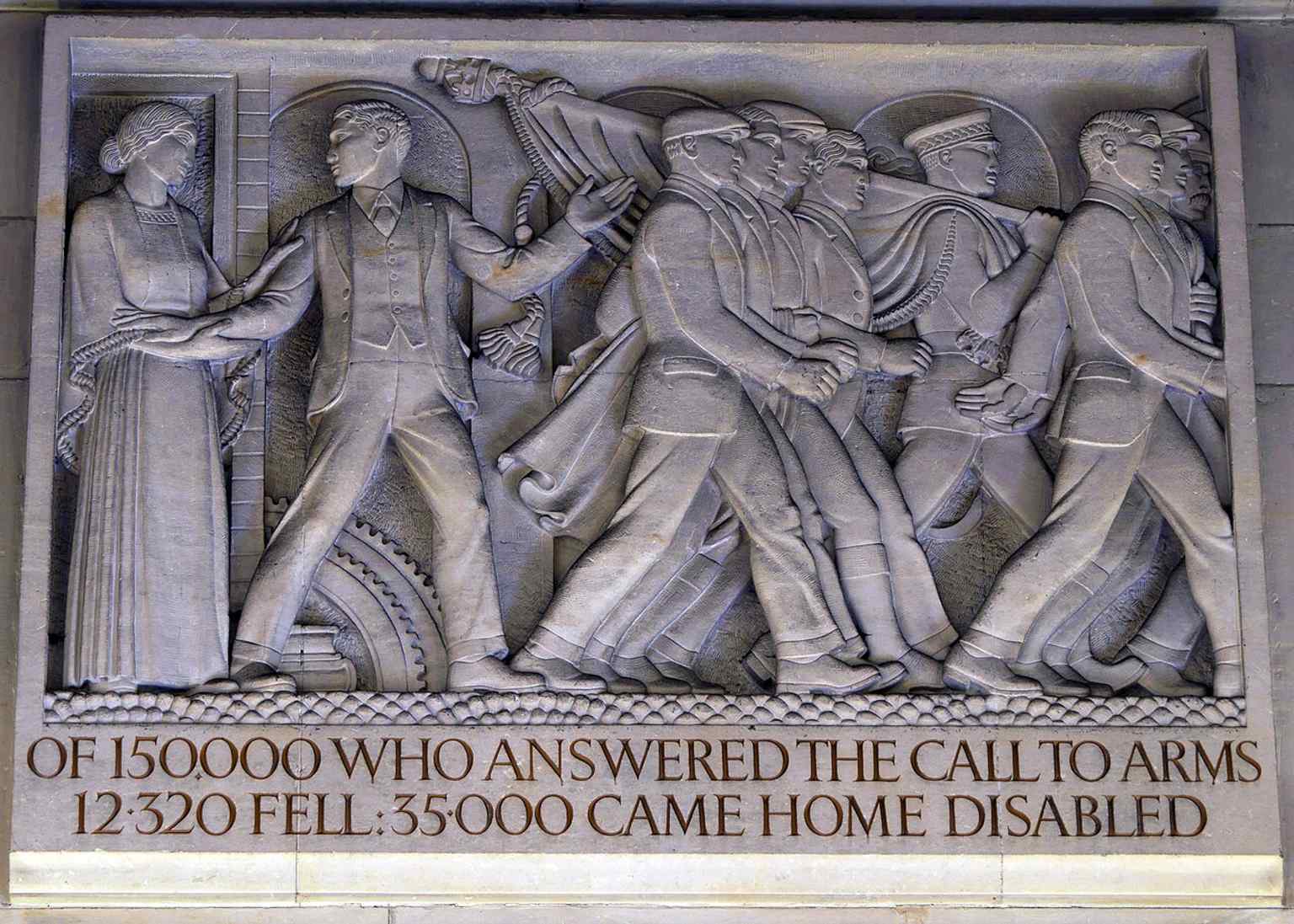
‘Call’ begins the memorial’s interior narrative of departure to war, created in 1925 by William Bloye for the Hall of Memory.Photo: Oosoom, Wikimedia Commons, CC BY-SA 3.0. Cropped & resized. 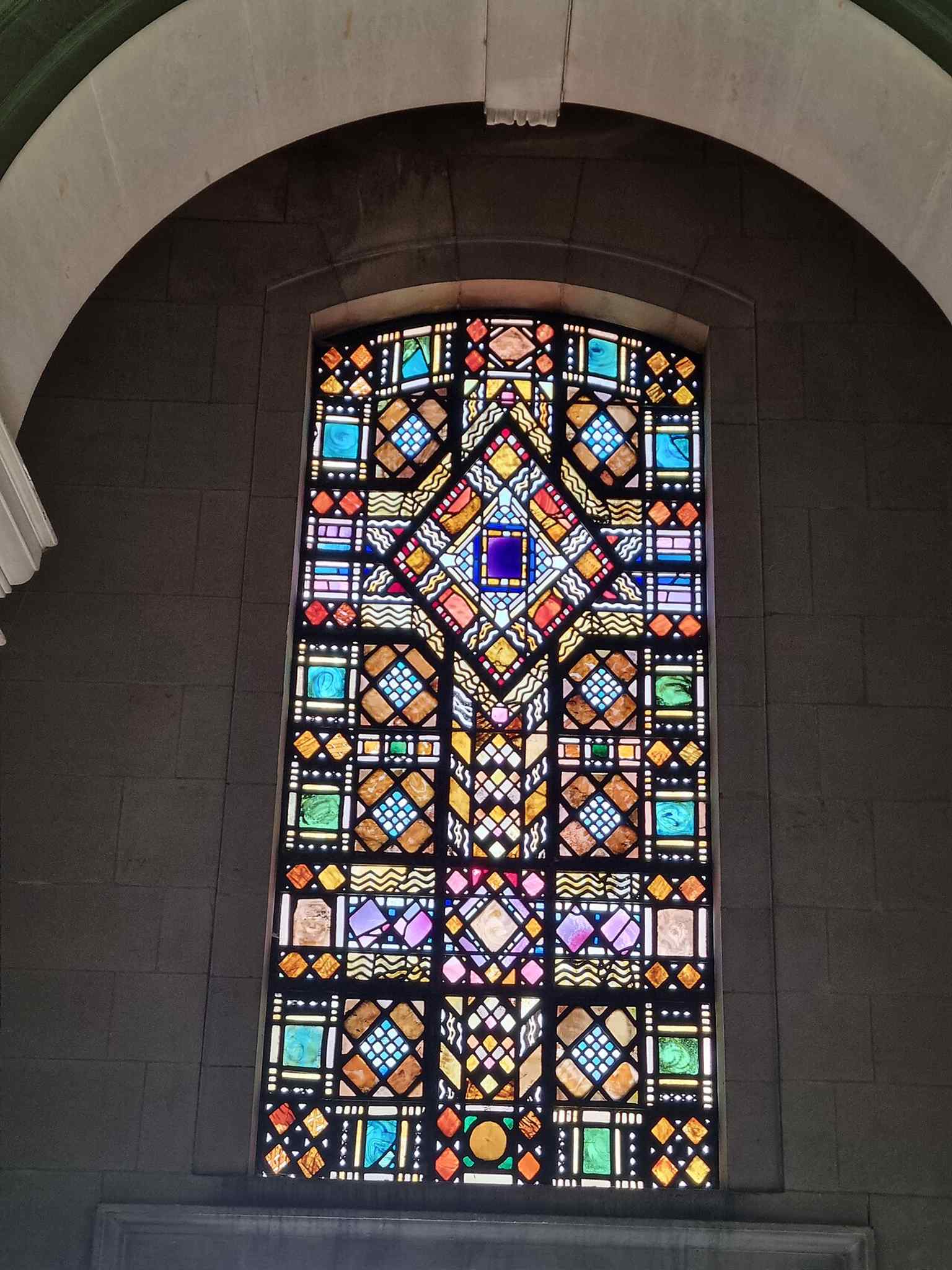
A rare open interior view from 2022, showing the memorial’s solemn chamber during the Commonwealth Games reopening.Photo: Harry Mitchell, Wikimedia Commons, CC BY 4.0. Cropped & resized. 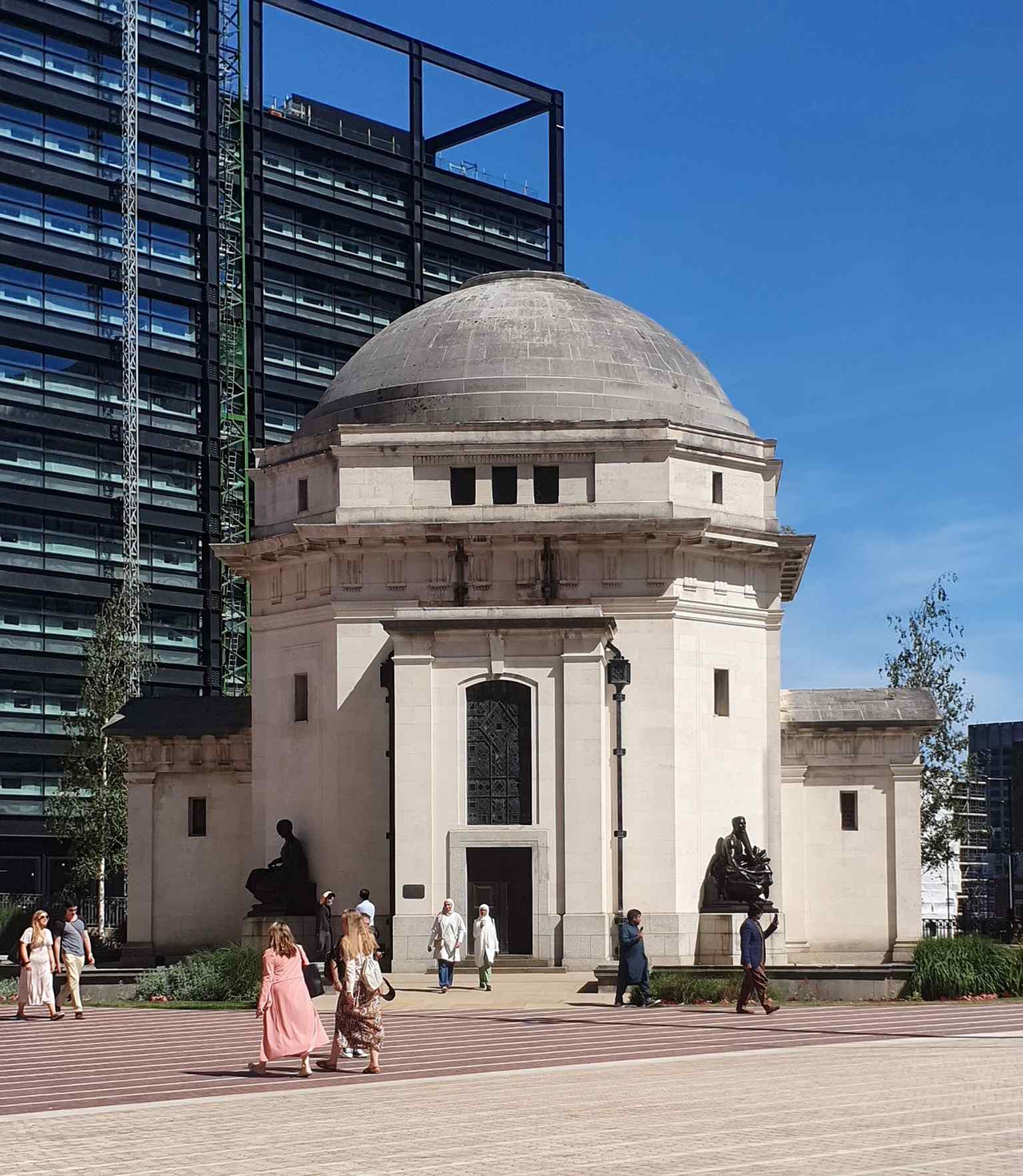
The Hall of Memory in 2022, after its upgrade to Grade I listed status, underlining its national importance as both architecture and memorial.Photo: Mutney, Wikimedia Commons, CC BY-SA 4.0. Cropped & resized. 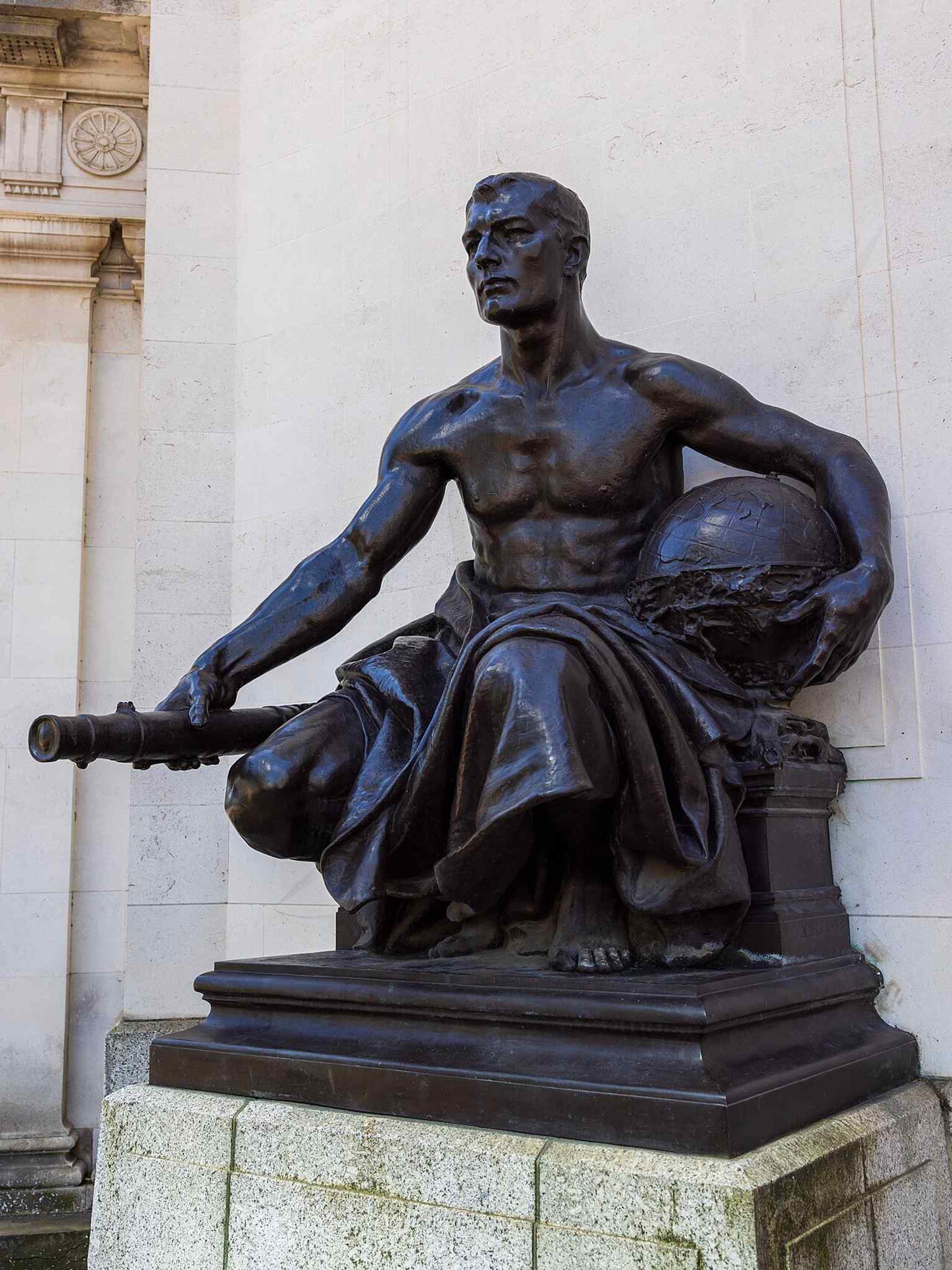
Close-up of the Army statue by Albert Toft, one of the four exterior figures that represent the service branches commemorated here.Photo: The wub, Wikimedia Commons, CC BY-SA 4.0. Cropped & resized. Look for a white marble king standing upright on a tall pale stone plinth, with dark bronze groups at the base and a crown-like finial above. This memorial honors King Edward the…Read moreShow less
Open dedicated page →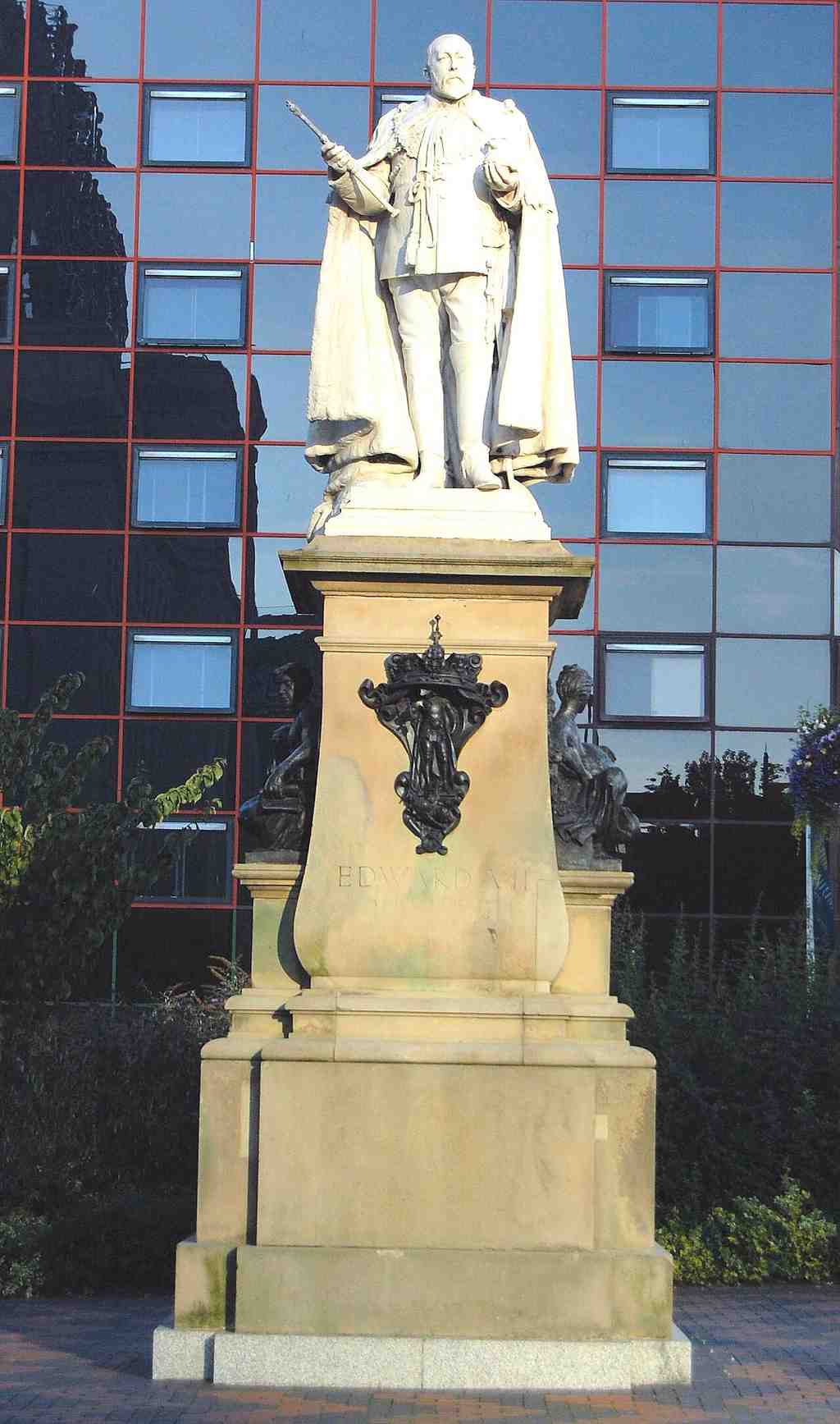
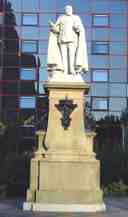
King Edward VII MemorialPhoto: Andy Mabbett, Wikimedia Commons, CC BY-SA 3.0. Cropped & resized. Look for a white marble king standing upright on a tall pale stone plinth, with dark bronze groups at the base and a crown-like finial above.
This memorial honors King Edward the Seventh... but it also tells a very Birmingham story about newspapers, local pride, and a monument that refused to stay put. In nineteen ten, after Edward died, the Birmingham Mail launched an appeal for a statue, and readers responded fast. Ordinary people, alongside civic leaders, gave more than five thousand pounds on public subscription, meaning lots of people each chipped in, which is something like well over half a million pounds today. A crowd-funded king, long before the internet made that sort of thing fashionable.
The sculptor was Albert Toft, a Birmingham-born artist from Handsworth, and that local connection matters. He was not just making a royal likeness for the city; he was helping shape Birmingham’s public face. This commission even gave him a practical headache: the statue needed a huge block of Carrara marble, the fine white stone from Italy, and finding one large enough for a figure over six feet tall took real effort.
At first, space was set aside for the memorial at Birmingham Children’s Hospital on Ladywood Road near Five Ways. Yet the statue finally entered civic life in Victoria Square, where Princess Louise, Duchess of Argyll, Edward’s sister, unveiled it on Saint George’s Day, the twenty-third of April, nineteen thirteen. That gave the ceremony a strong family-and-empire flavor. The finished statue cost about two thousand seven hundred pounds, roughly a few hundred thousand pounds in today’s money, though the fundraising had already made it bigger than a simple bill for stone.
Then the city changed around it. People complained that Edward and Queen Victoria made an ill-matched pair, and when Victoria Square was remodeled in nineteen fifty-one, Edward got moved to Highgate Park. Away from the spotlight, the memorial declined badly. First Saint George’s lance disappeared. Then, in nineteen eighty-five and nineteen eighty-six, thieves stole the three bronze groups representing Peace, Education and Progress, plus Saint George slaying the dragon. None of them ever came back.
If you like, glance at the comparison view in the app; the jump from park exile to the middle of Centenary Square says a lot.
The comeback took persistence. The Victorian Society pushed hard, Birmingham City Council agreed to restore and re-site the memorial, and an appeal in two thousand and seven raised almost twelve thousand pounds toward the work. Cliveden Conservation in Bath began restoration in two thousand and nine, remaking the missing bronzes and the scepter-and-orb top so the whole thing could stand again on its original plinth. Since two thousand and thirteen, it has stood here near Baskerville House, and near Toft’s later work at the Hall of Memory.
So this statue is not fixed in one meaning or one place. It has traveled, shed parts, regained them, and returned with a different role. Public memory, it turns out, is more mobile than stone suggests. When you’re ready, Baskerville House is about a two-minute walk away.
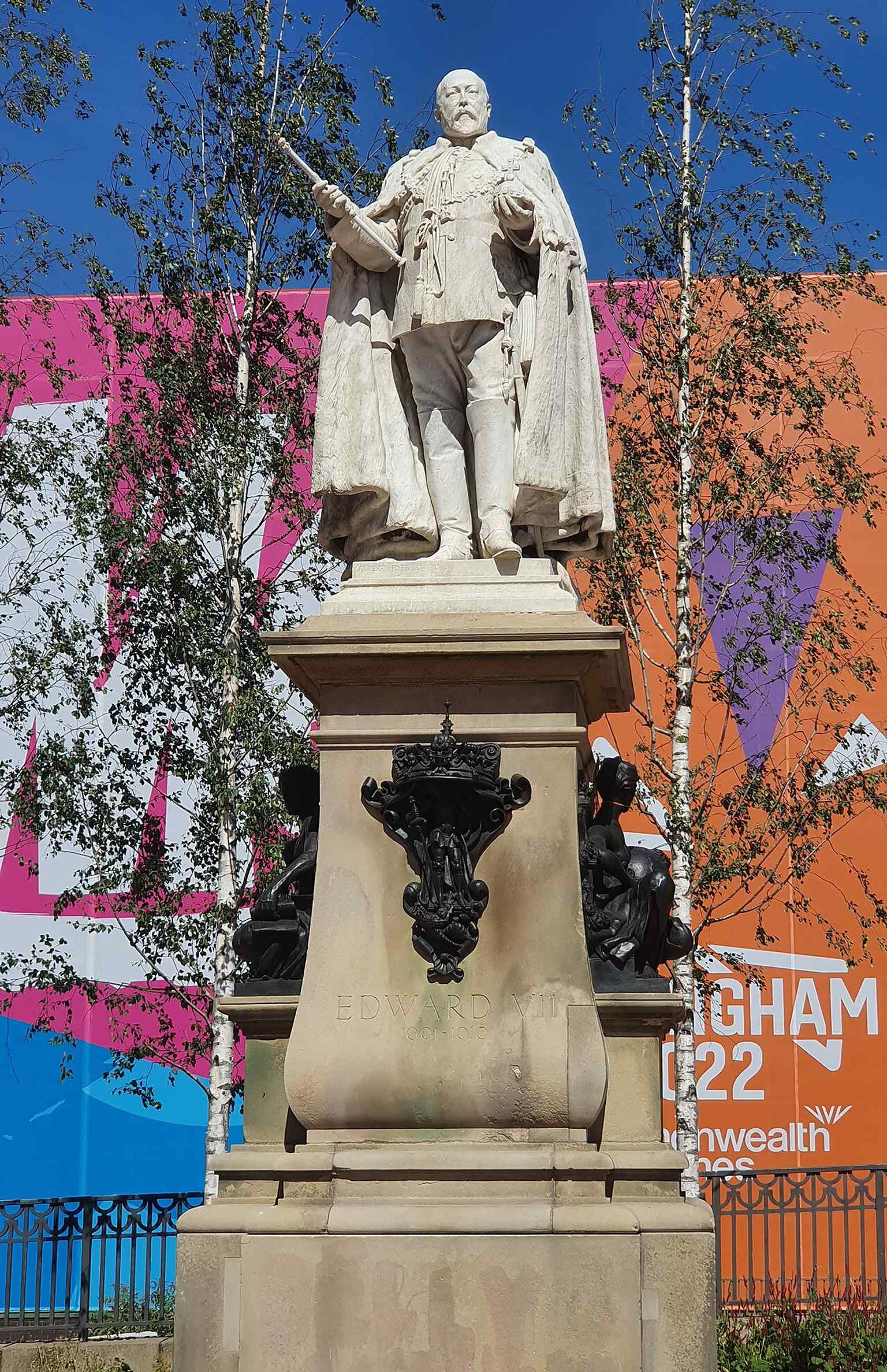
The restored King Edward VII Memorial in Centenary Square — the statue returned to Birmingham city centre in 2013 after a long campaign to repair and re-site it.Photo: Mutney, Wikimedia Commons, CC BY-SA 4.0. Cropped & resized. On your left is a broad pale-stone building with a rounded corner, a formal classical front, and two set-back steel-and-glass top floors, finished with Birmingham’s coat of…Read moreShow less
Open dedicated page →On your left is a broad pale-stone building with a rounded corner, a formal classical front, and two set-back steel-and-glass top floors, finished with Birmingham’s coat of arms.
Baskerville House looks settled now, but this ground has never stayed still for long. Before the offices, before Centenary Square, this was part of Easy Hill, where John Baskerville lived. He was Birmingham’s great printer and type designer, and in a final act of stubborn independence he refused burial in a churchyard, so his family buried him in his own garden nearby.
Then the city started digging.
When canal construction came through, Baskerville’s body was exhumed and, rather disturbingly, found to be in good condition. Curious locals treated that less like a solemn moment and more like an attraction. His remains were reportedly displayed in a cellar, later shown again at Marston’s warehouse, and only after magistrates stepped in did he finally get reburied at Christ Church. Birmingham’s archive still keeps a drawing of his remains and even part of his shroud, which says a lot about how thoroughly his grave entered local folklore. The man became civic folklore by refusing to stay neatly buried.
The land itself followed the same pattern. Industry took over. The Birmingham Aluminium Company cut in Baskerville Basin nearby, and Gibson’s Basin served the rolling mills. Then the council bought the area for a grand new civic centre and filled the basins in. In the nineteen twenties, Birmingham held a design competition, but many entries were judged, rather wonderfully, “too ambitious.” So the city asked T. Cecil Howitt to design this building instead. Construction began in nineteen thirty-eight.
And then war stopped everything.
Baskerville House ended up as the only real piece of a much larger civic dream. The rear brick wall was supposed to be temporary, just a practical wartime expedient, and after the war the heavy Roman imperial style no longer felt quite right for public buildings. If you want, take a quick look at the old civic-centre model in the app; it shows how much more Birmingham once meant to build here.
Later, even this survivor nearly lost its purpose. The council moved out in nineteen ninety-eight. One idea turned it into a hotel. Another tried to make it the Central Library, but the verdict was brutal and fairly funny: the structure was not strong enough for all the books. In the two thousands, developers gutted it, added the extra steel-and-glass floors you can see now, and gave the old civic shell a second life. The comparison image is worth a glance here.
So here’s the question this place leaves hanging: when a city keeps rebuilding over graves, canals, offices, and abandoned plans, is the real Birmingham the newest surface... or the older layers still pressing upward underneath?
Maybe the truest map of this city is not just what stands in front of you, but what has been moved, buried, renamed, and somehow saved.
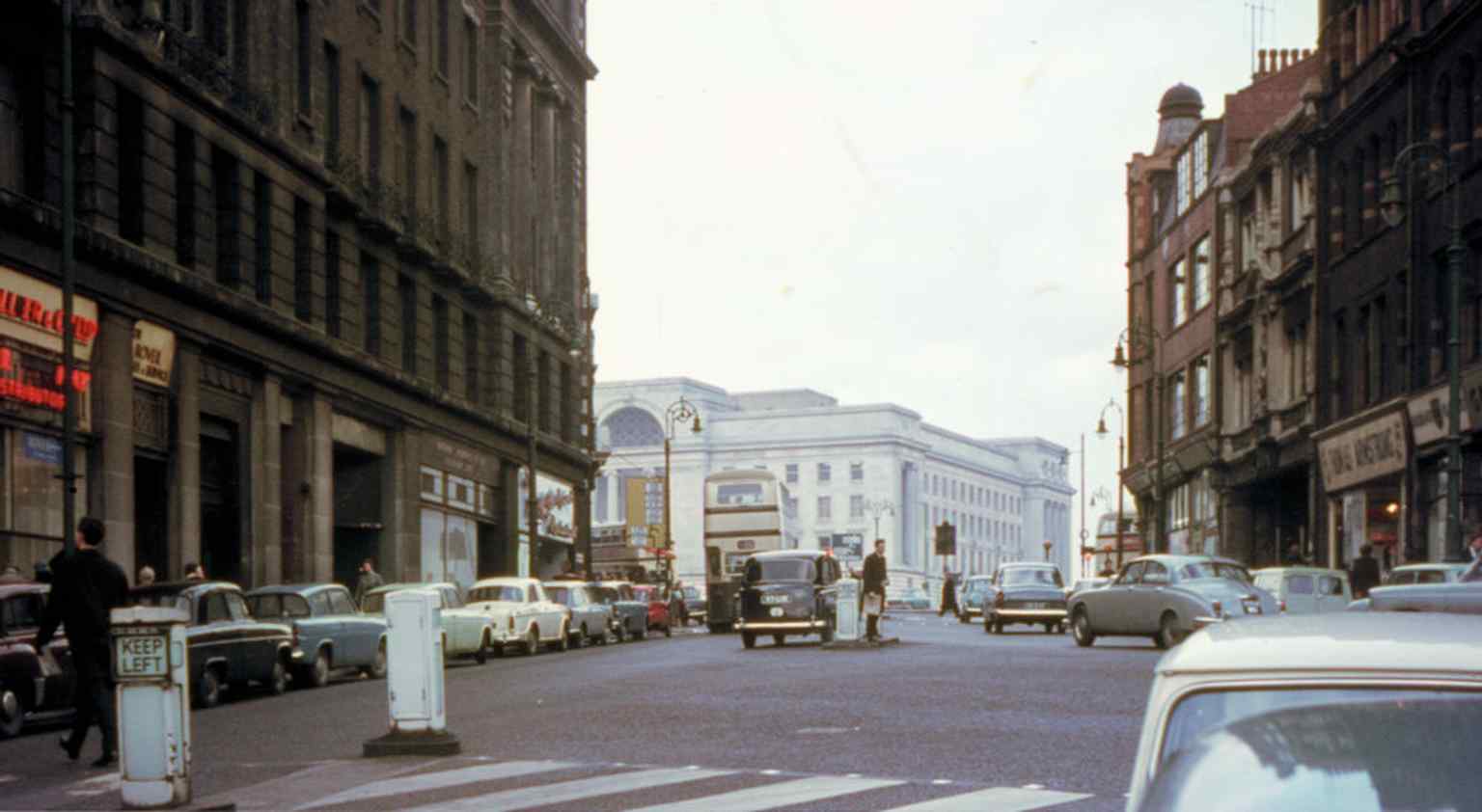
A 1964 city-centre view with Baskerville House in the distance, useful for showing the building in its mid-century setting near Paradise Street.Photo: John Ball, Wikimedia Commons, CC BY-SA 4.0. Cropped & resized.
Frequently asked questions
How do I start the tour?
After purchase, download the AudaTours app and enter your redemption code. The tour will be ready to start immediately - just tap play and follow the GPS-guided route.
Do I need internet during the tour?
No! Download the tour before you start and enjoy it fully offline. Only the chat feature requires internet. We recommend downloading on WiFi to save mobile data.
Is this a guided group tour?
No - this is a self-guided audio tour. You explore independently at your own pace, with audio narration playing through your phone. No tour guide, no group, no schedule.
How long does the tour take?
Most tours take 60–90 minutes to complete, but you control the pace entirely. Pause, skip stops, or take breaks whenever you want.
What if I can't finish the tour today?
No problem! Tours have lifetime access. Pause and resume whenever you like - tomorrow, next week, or next year. Your progress is saved.
What languages are available?
All tours are available in 50+ languages. Select your preferred language when redeeming your code. Note: language cannot be changed after tour generation.
Where do I access the tour after purchase?
Download the free AudaTours app from the App Store or Google Play. Enter your redemption code (sent via email) and the tour will appear in your library, ready to download and start.
If you don't enjoy the tour, we'll refund your purchase. Contact us at [email protected]
Checkout securely with 






%20skyline%20-%20Centenary%20Square%20640.jpg)


