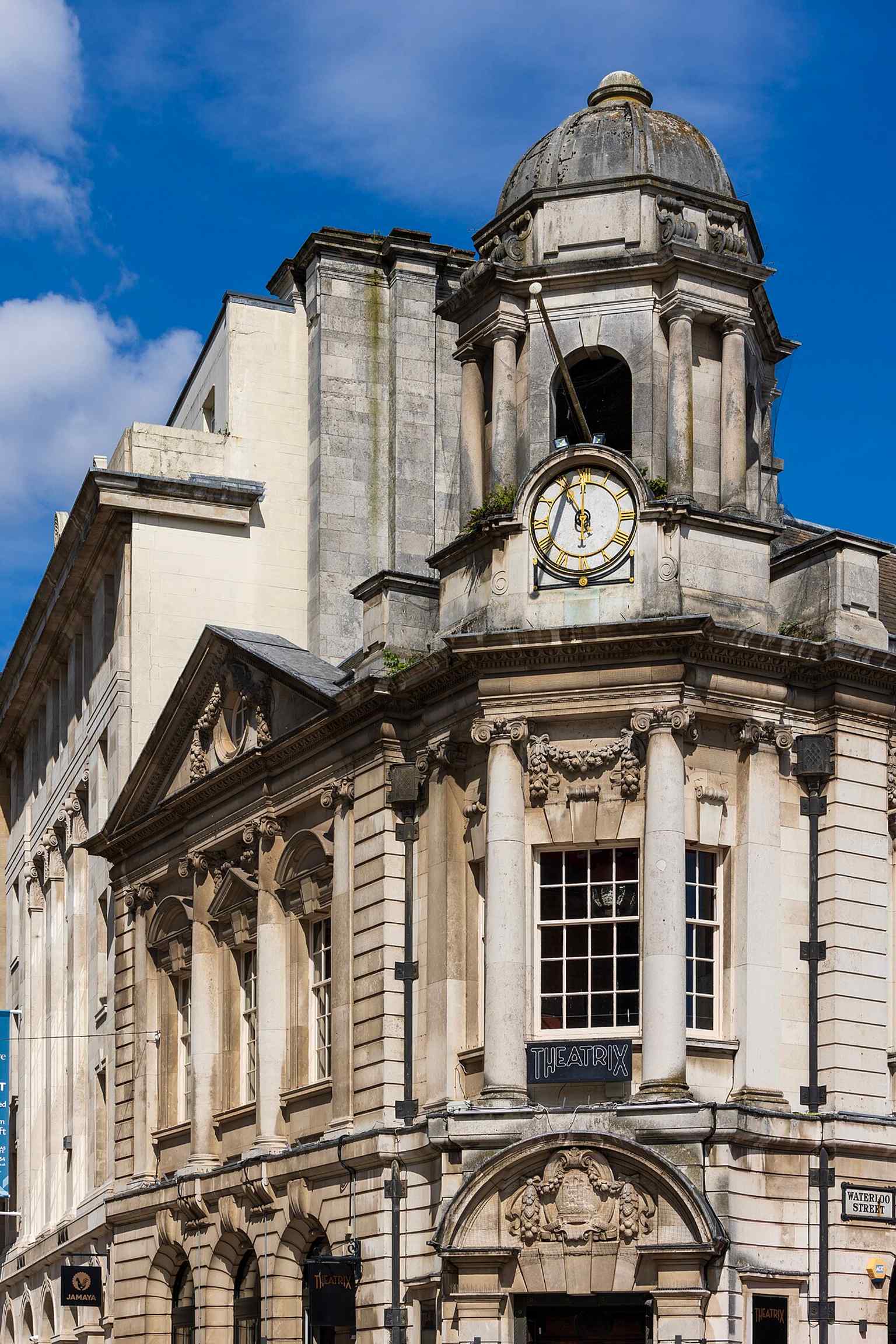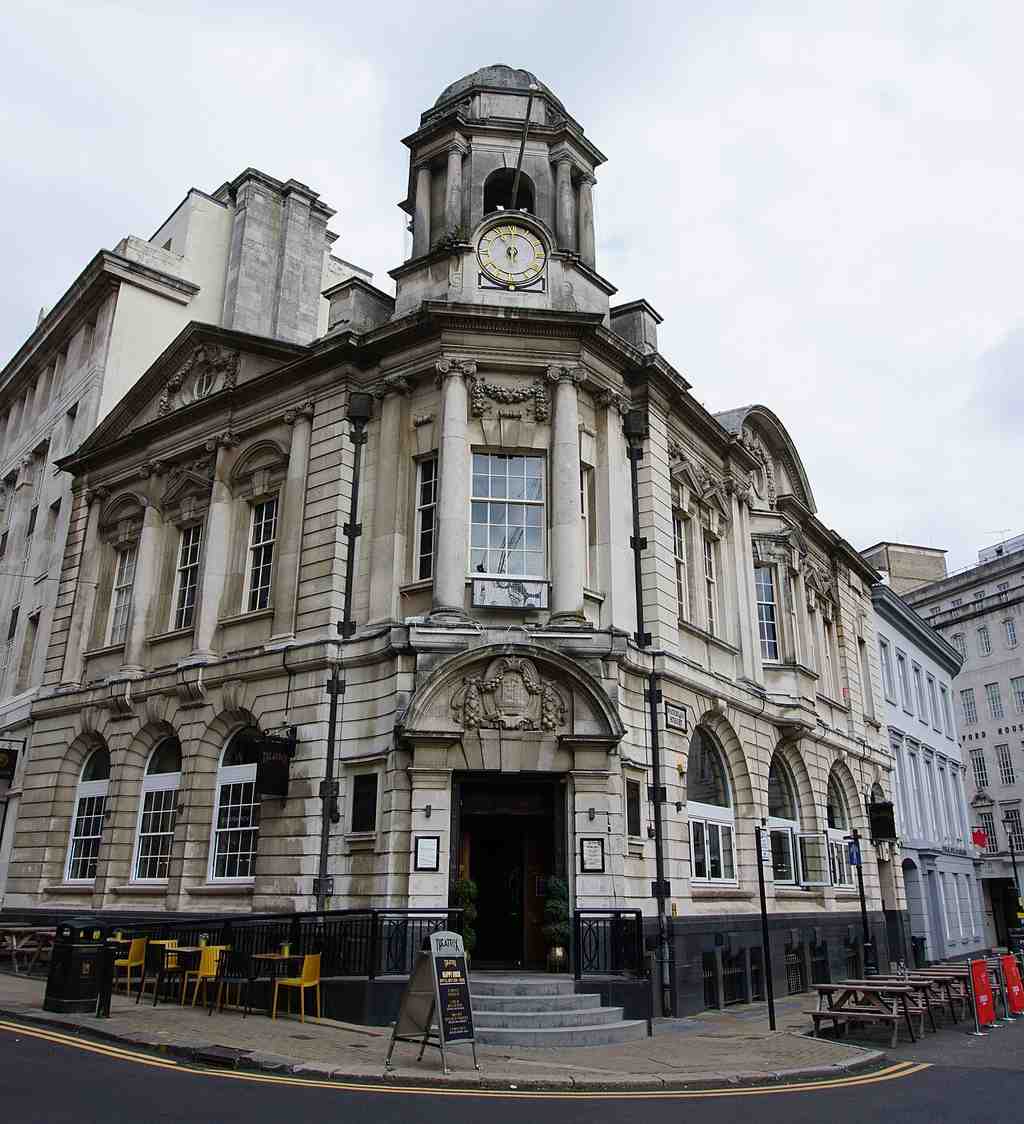
On your right, look for a pale stone corner building with arched ground-floor openings, tall Ionic columns, and a clock set beneath a small cupola.
In nineteen oh-three, Goddard and Company of Leicester designed this as Alliance Assurance’s main Birmingham office, and insurance firms rarely paid for modesty. Historic England gave it Grade Two protection early, on the twenty-first of January, nineteen seventy, because this facade makes a point: banded rustication, those chunky horizontal stone courses at the base, then arches, pilasters, and columns rising into a full Edwardian display of confidence.
Civic patrons and benefactors are only part of Birmingham’s cast. Insurers, councils, investors, and conservation officers all shape the city too, each with their own idea of what deserves permanence. Locals who read the fine print know something most visitors miss: the old listing treated one hundred and thirty Colmore Row and number twenty-six Waterloo Street as one protected corner composition, valuing the pair for the way they turn the street together, not just for one handsome frontage alone.
After Alliance Assurance left in the nineteen nineties, the city council used the building as a tourist office and later a careers centre. A Chinese investment consortium bought it in two thousand and thirteen, then Keane Design Associates oversaw a one million pound fit-out for Nosh and Quaff in July two thousand and fifteen, run by Aktar Islam’s Lasan Group. Later, it became Theatrix. If you want the architectural details teased out, have a look at the close view on your screen. And if you fancy it, the app’s comparison view shows how quickly this address absorbs change and starts to feel settled.
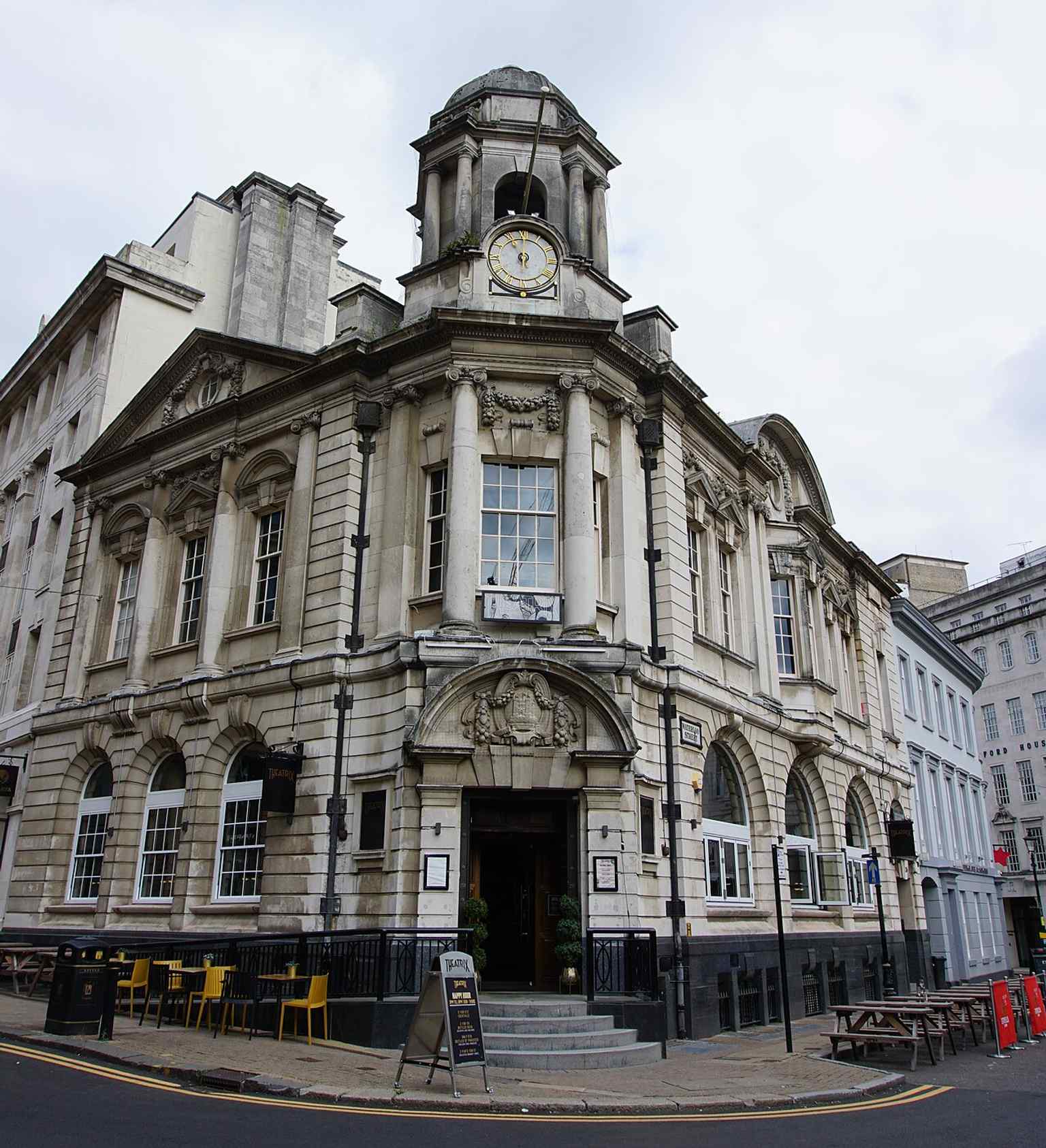
Now imagine this corner erased for a wider postwar ring road. That nearly happened. Rising land values and stronger conservation arguments stopped it... and in about two minutes, the Chamberlain Memorial carries that civic argument into the open.