
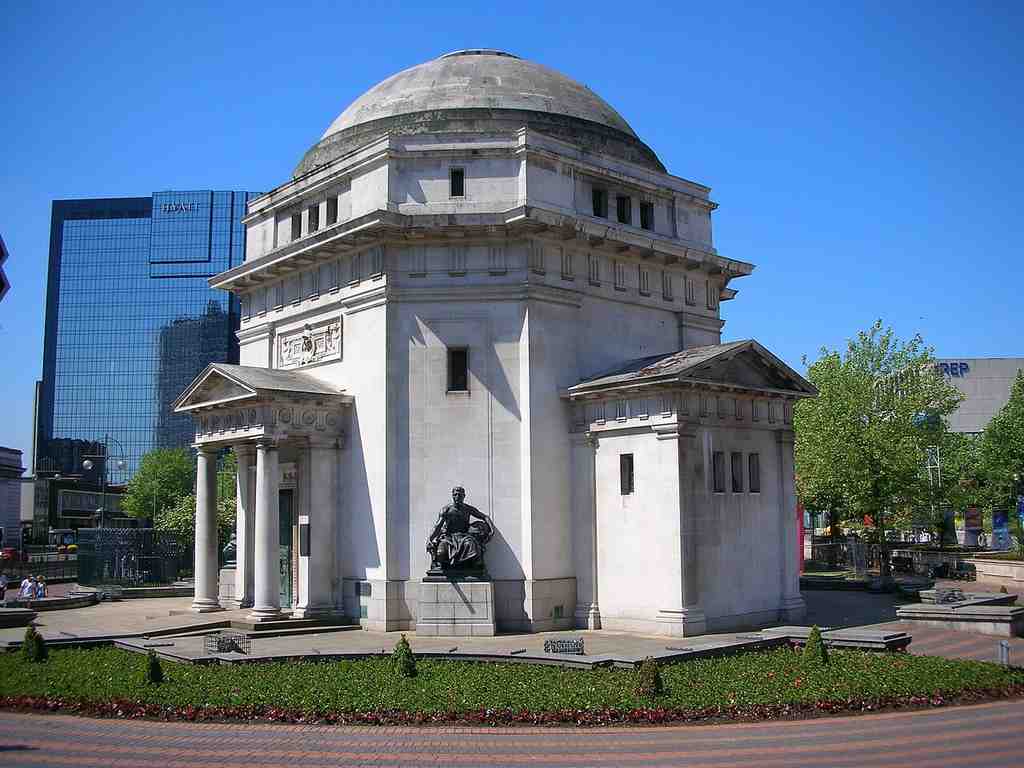
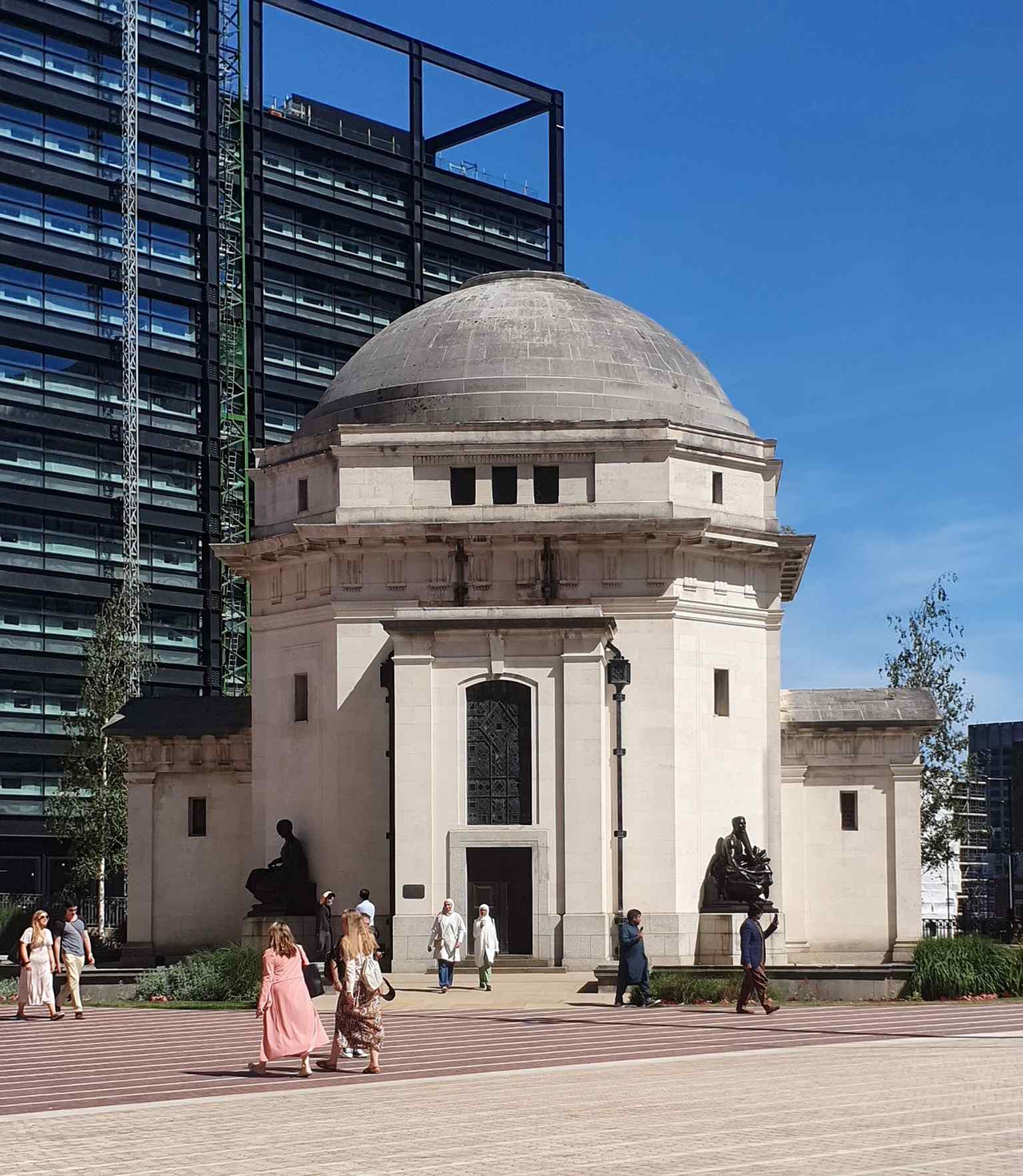
On your right, the Hall of Memory is a pale Portland-stone pavilion with a square colonnade, a low domed roof, and four carved corner figures standing watch.
This is the still point in Birmingham’s Centenary Square memory landscape... a place where remembrance and redevelopment share the same ground, quite literally. Most visitors never realize the Hall stands directly over the filled-in canal basin of Gibson’s Arm, so beneath this calm stone memorial lies an invisible strip of Birmingham’s working waterway.
That layering suits the story. Birmingham did not arrive at this memorial in one clean burst of certainty. People argued for years over what the city’s war memorial should look like, how much it should cost, and who should pay. Cities, after all, rarely manage public grief without first consulting the budget. In the end, architects S-N Cooke and W-N Twist gave Birmingham this restrained classical hall, and John Barnsley and Son raised it between nineteen twenty-two and nineteen twenty-five.
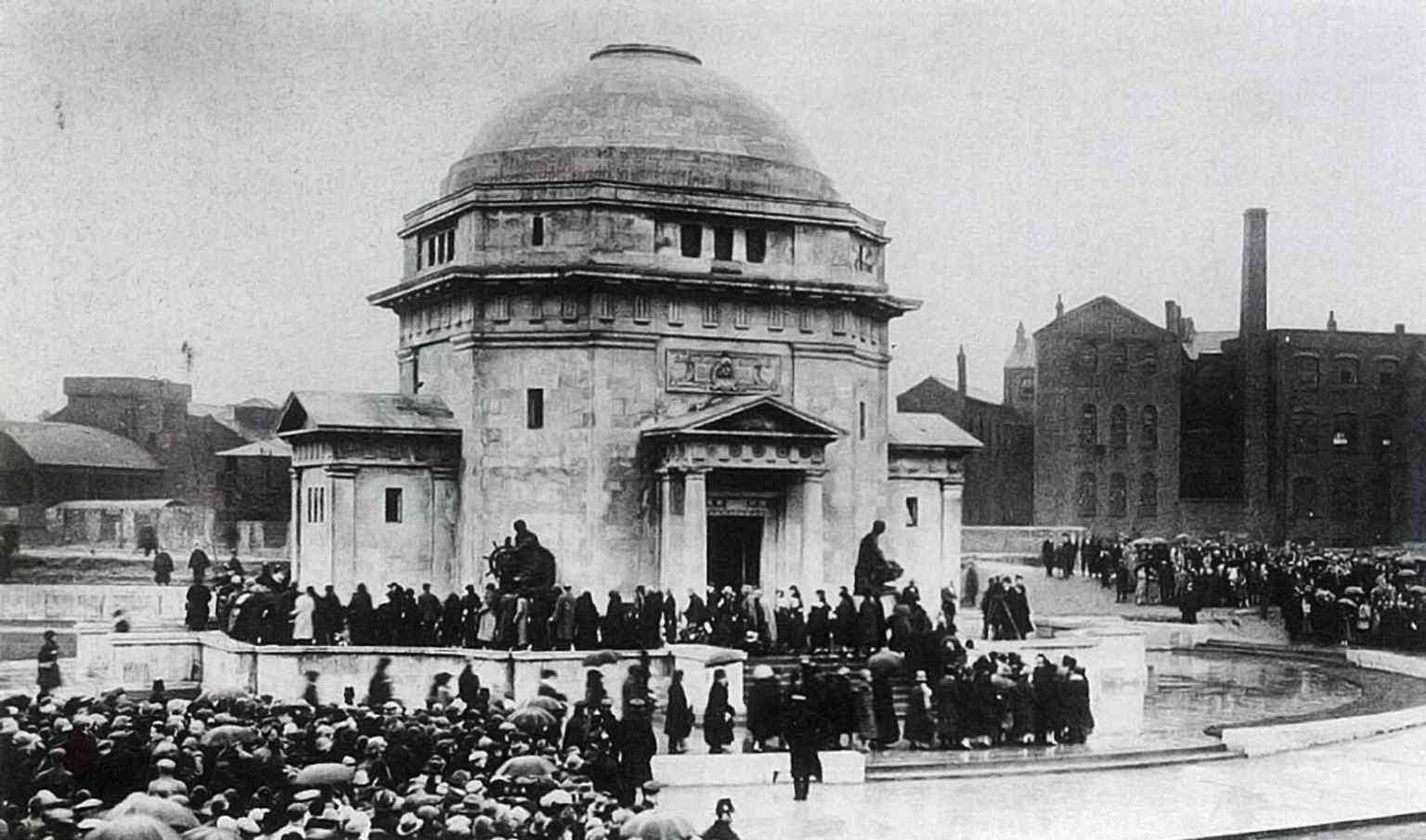
It honors twelve thousand, three hundred and twenty Birmingham citizens killed in the First World War. The Prince of Wales laid the foundation stone on the twelfth of June, nineteen twenty-three. Prince Arthur of Connaught opened the building on the fourth of July, nineteen twenty-five, before a crowd of thirty thousand. The cost came to sixty thousand pounds, paid by public donations, which would be roughly four million pounds today.
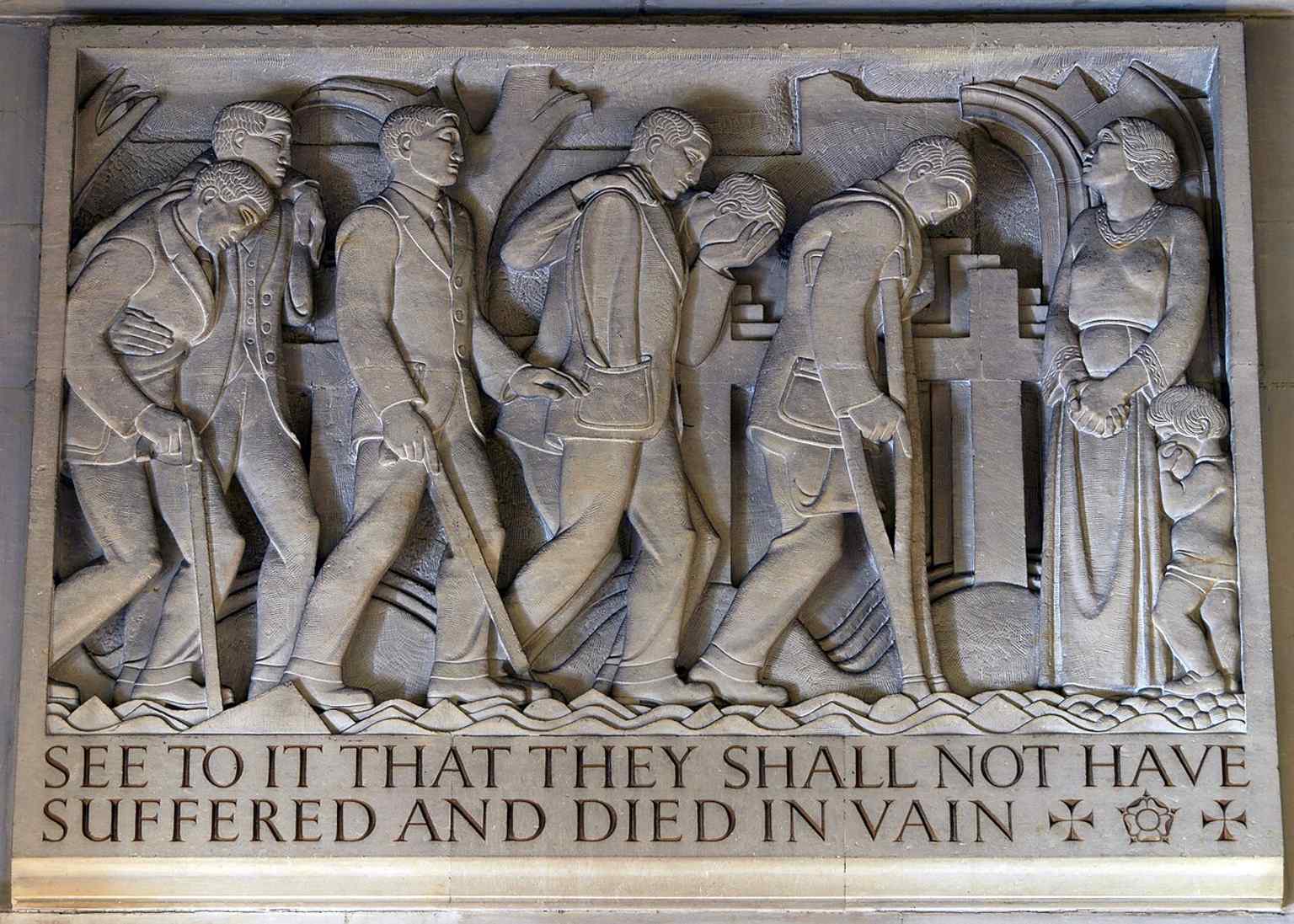
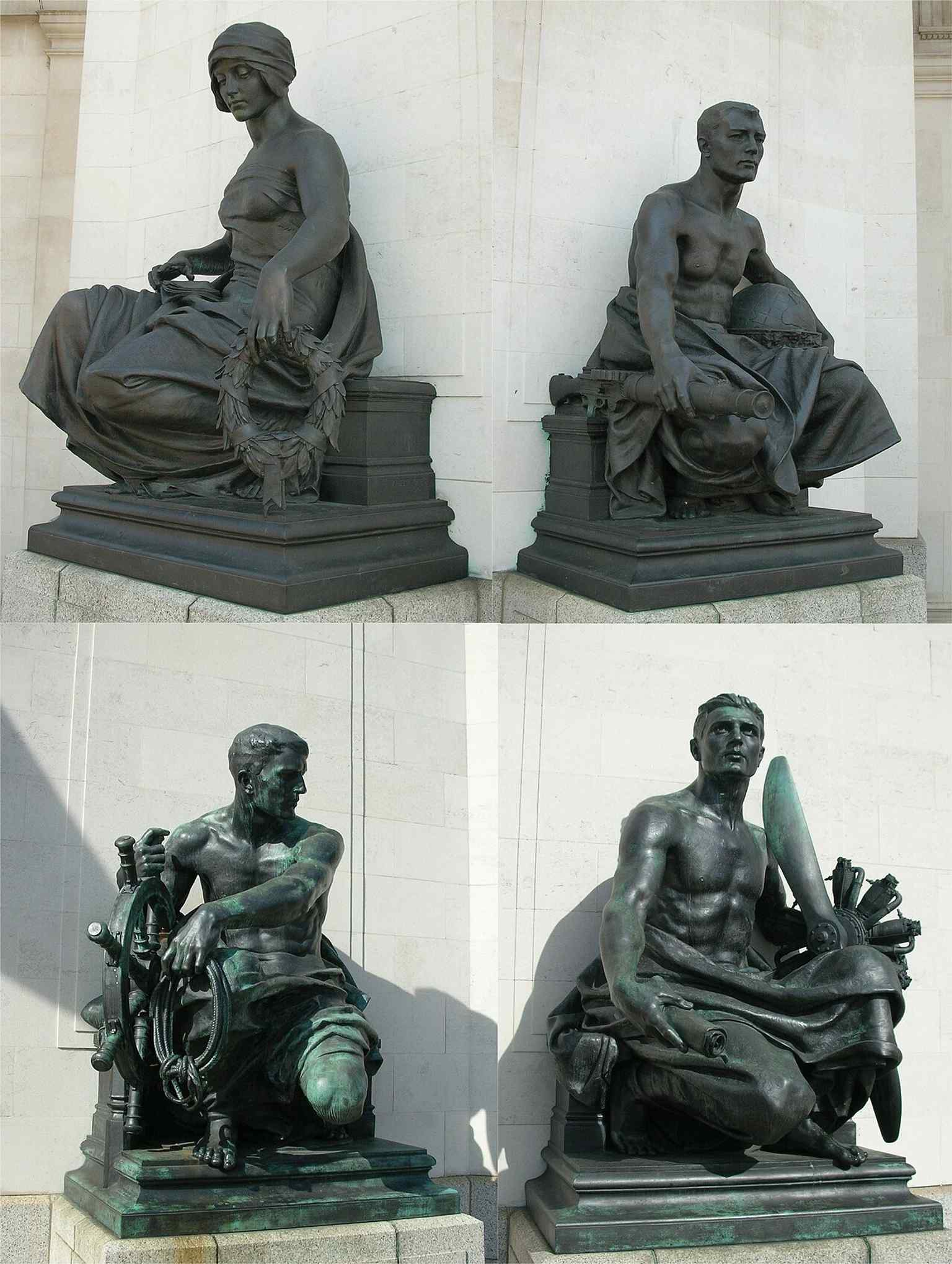
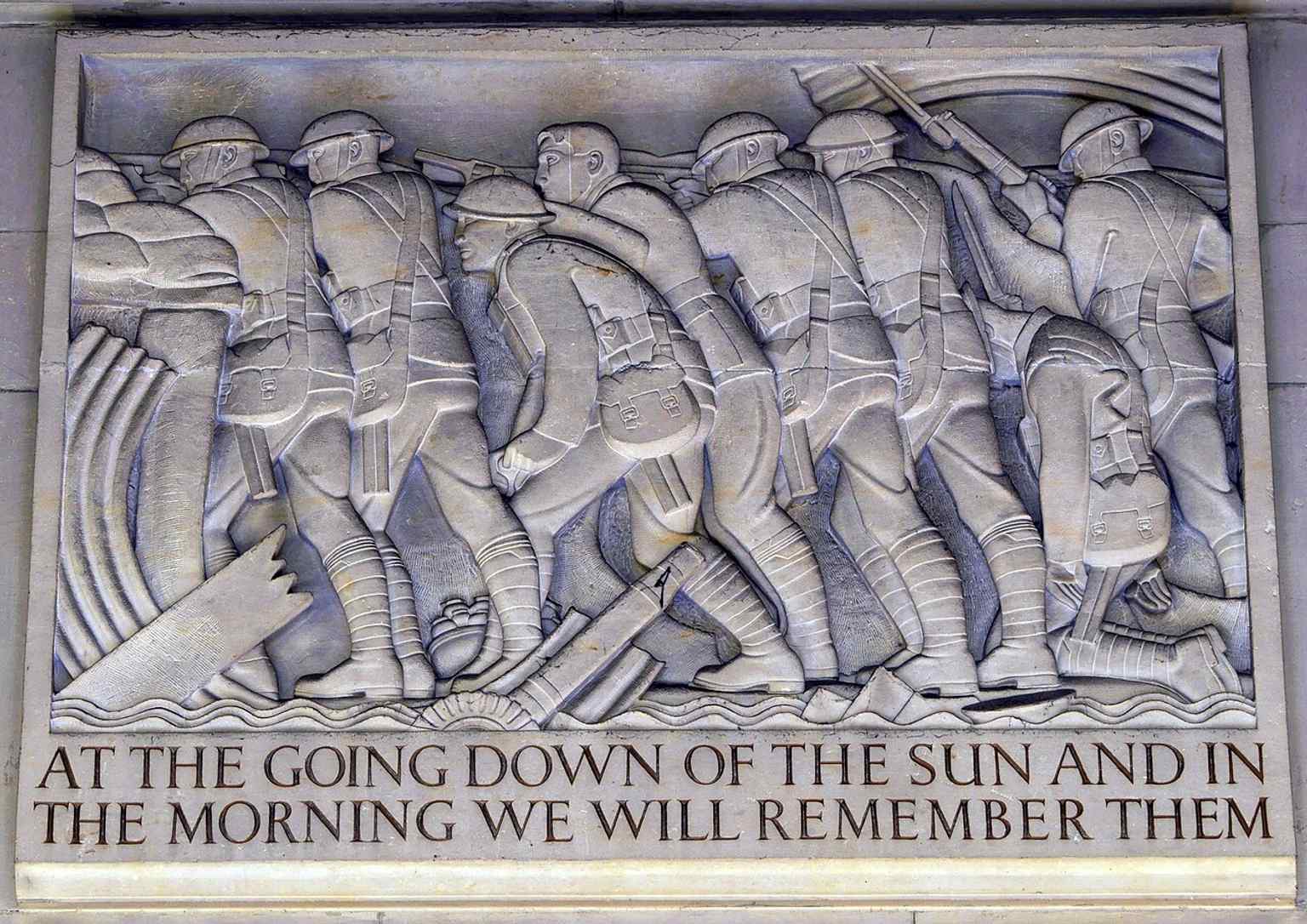
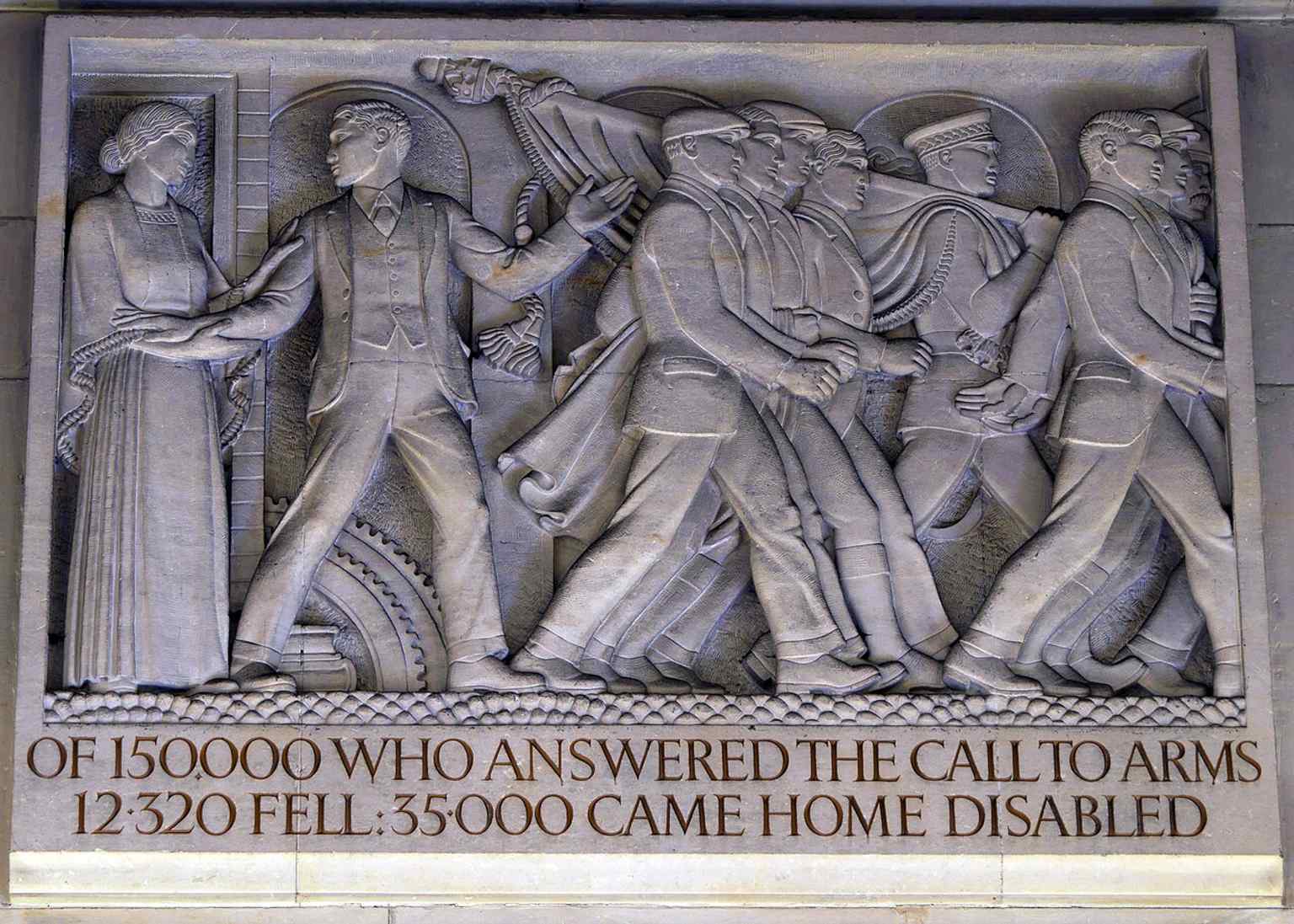
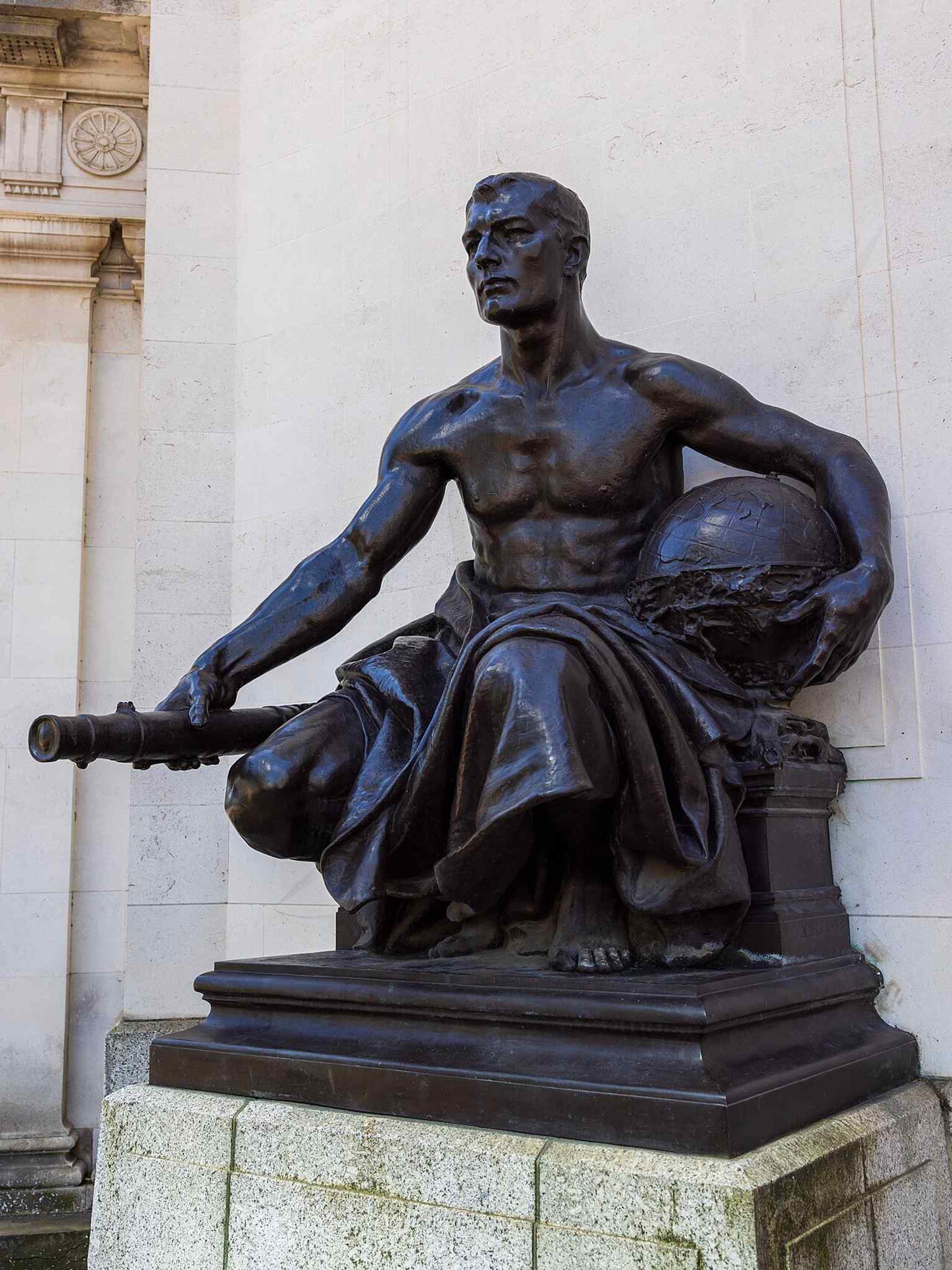
Look at the four exterior statues by local artist Albert Toft: they represent the Army, the Navy, the Air Force, and Women’s Services. Inside, William Bloye carved three bas-reliefs, which means shallow sculpted panels, showing Call, Front Line, and Return. If you look at the close-up image in the app, you can see Return, with the wounded arriving home.
And here is the question this place quietly presses on you: when a city gives grief a building, is it honoring loss, shaping it, or trying to keep it bearable?
The Hall did not stay fixed in one war. After the Second World War, Birmingham created a Book of Remembrance office, and in nineteen fifty, after the two minutes’ silence on Remembrance Day, the final illuminated copy came here. The memorial later widened again to include the city’s dead of the Second World War and those killed in active service since nineteen forty-five.
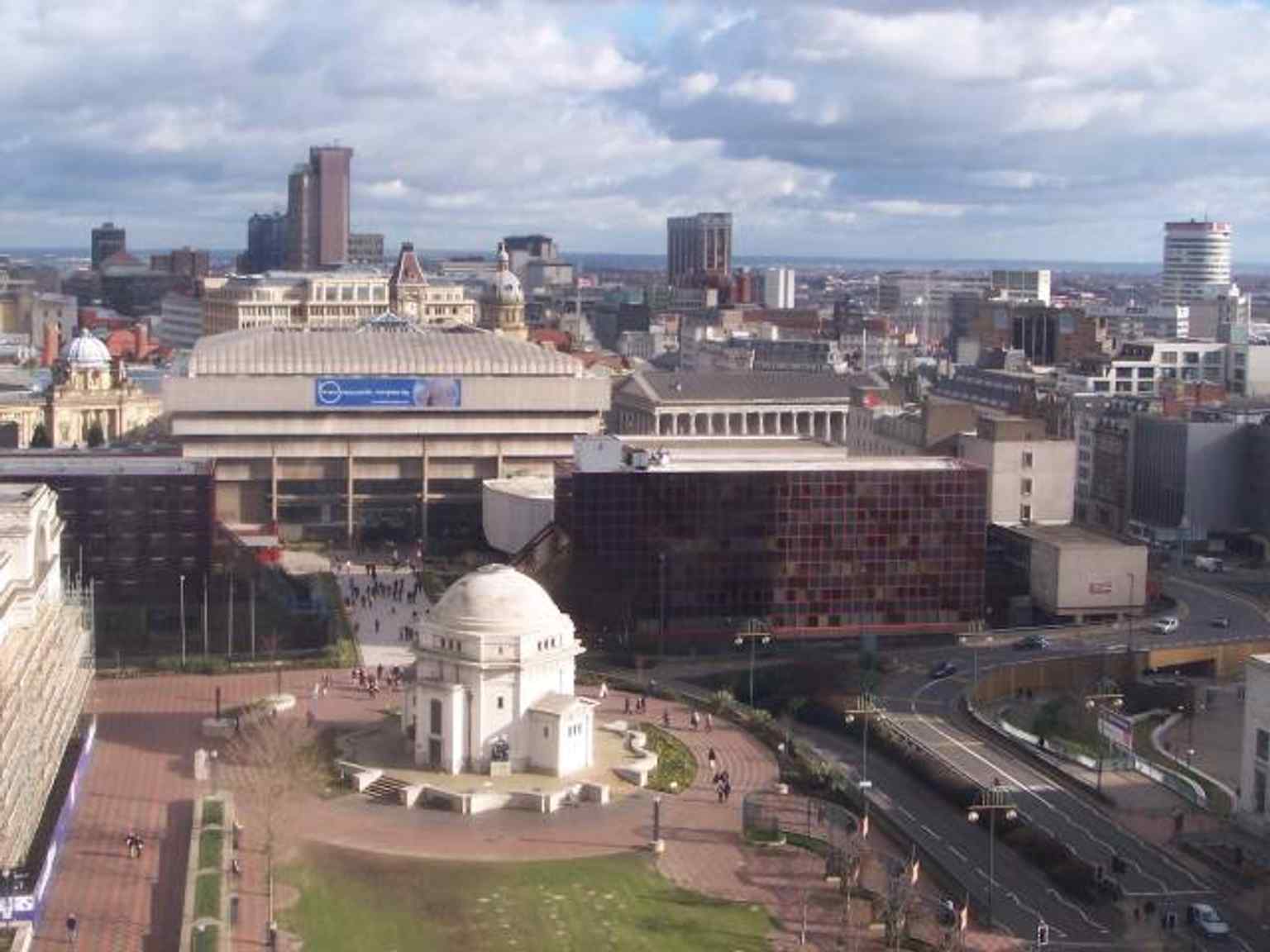
This whole square kept changing around it. A grand civic plan once imagined council offices, a mayor’s residence, a library, and a concert hall here; war interrupted that ambition, and only part of Baskerville House emerged. If you want to see the shift, check the before-and-after image in the app; the Hall once sat marooned by traffic and pedestrian subways before the square became this calmer open space.
By two thousand and fourteen, Historic England upgraded the Hall to Grade One status, the highest listing, because it matters both as architecture and as witness.
Birmingham’s confidence and its sorrow sit side by side here.
If you want to come back when it is open, the Hall usually welcomes visitors from Thursday to Saturday, ten to four; when you are ready, the King Edward the Seventh Memorial is about a minute away.






%20skyline%20-%20Centenary%20Square%20640.jpg)


