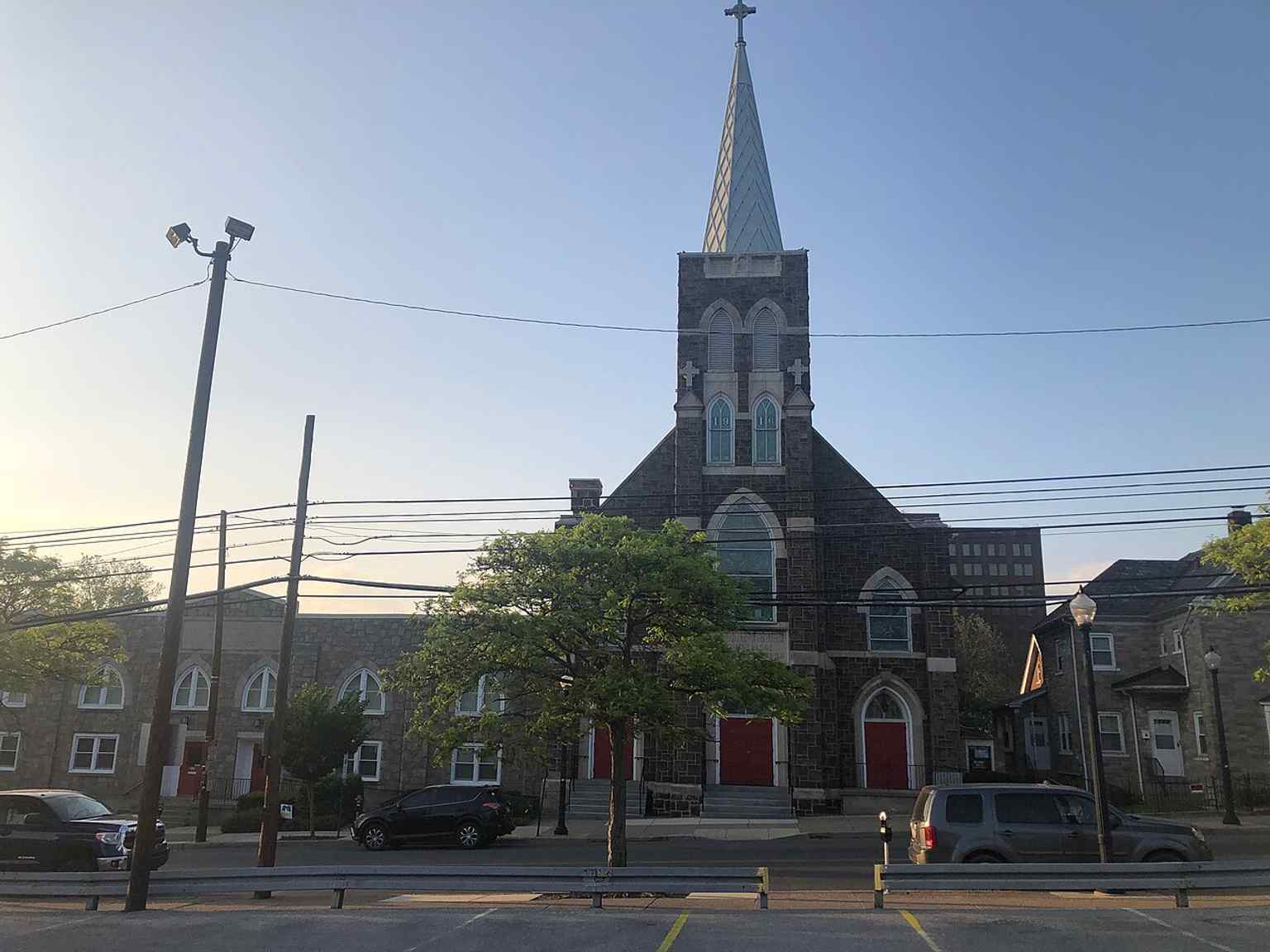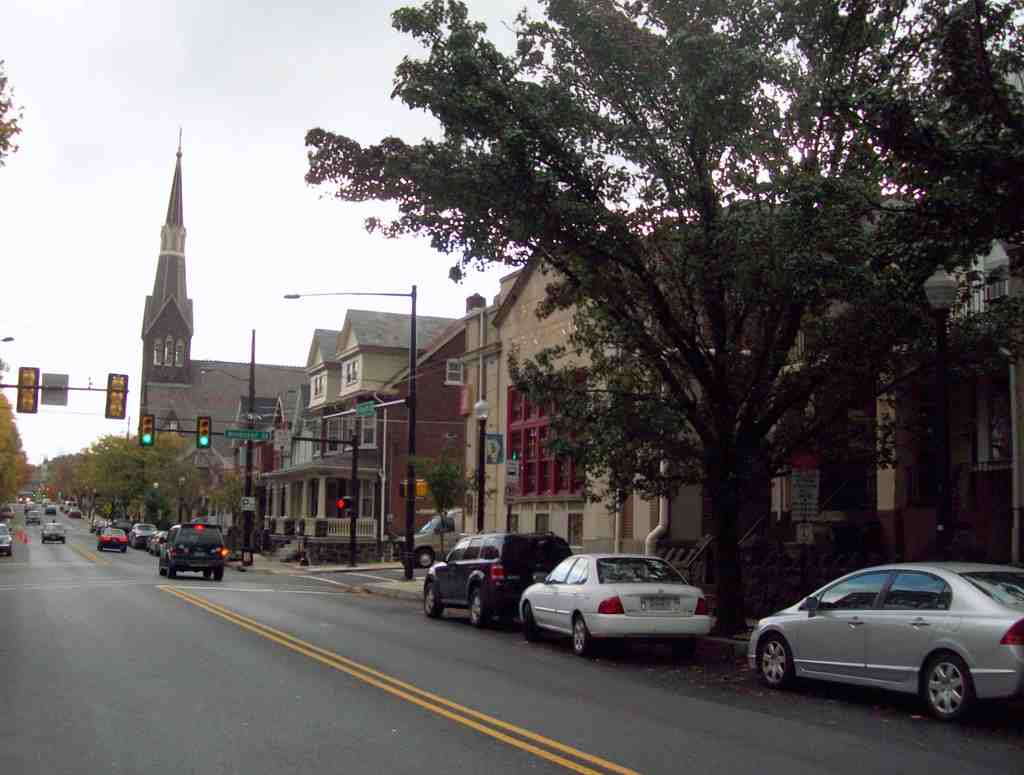
Look for a stretch of red-brick, two- to four-story storefront blocks, with broad ground-floor windows and church towers rising above the roofline.
This is South Bethlehem in its everyday form... the working city stitched together block by block. Not the boardroom version, not the ceremonial version, but the place where industrial paychecks turned into groceries, library cards, church pews, and rent.
The National Register of Historic Places recognized this district in two thousand five, and for good reason. It gathers two hundred eighty-eight contributing buildings and two smaller historic objects into one dense urban patchwork. Most date from about nineteen hundred to nineteen thirty-five, and together they hold the full cast of city life: commercial buildings, municipal services, industrial structures, and homes standing shoulder to shoulder like they’ve long since stopped asking for personal space.
If you glance at the aerial image in the app, you can see that density for yourself. Streets, roofs, church spires, and storefronts pack in tight, which tells you something basic and important: steel did not just produce beams and rails. It produced errands, neighborhoods, arguments, ambitions... and very likely a shortage of parking before anyone had the courtesy to complain online.
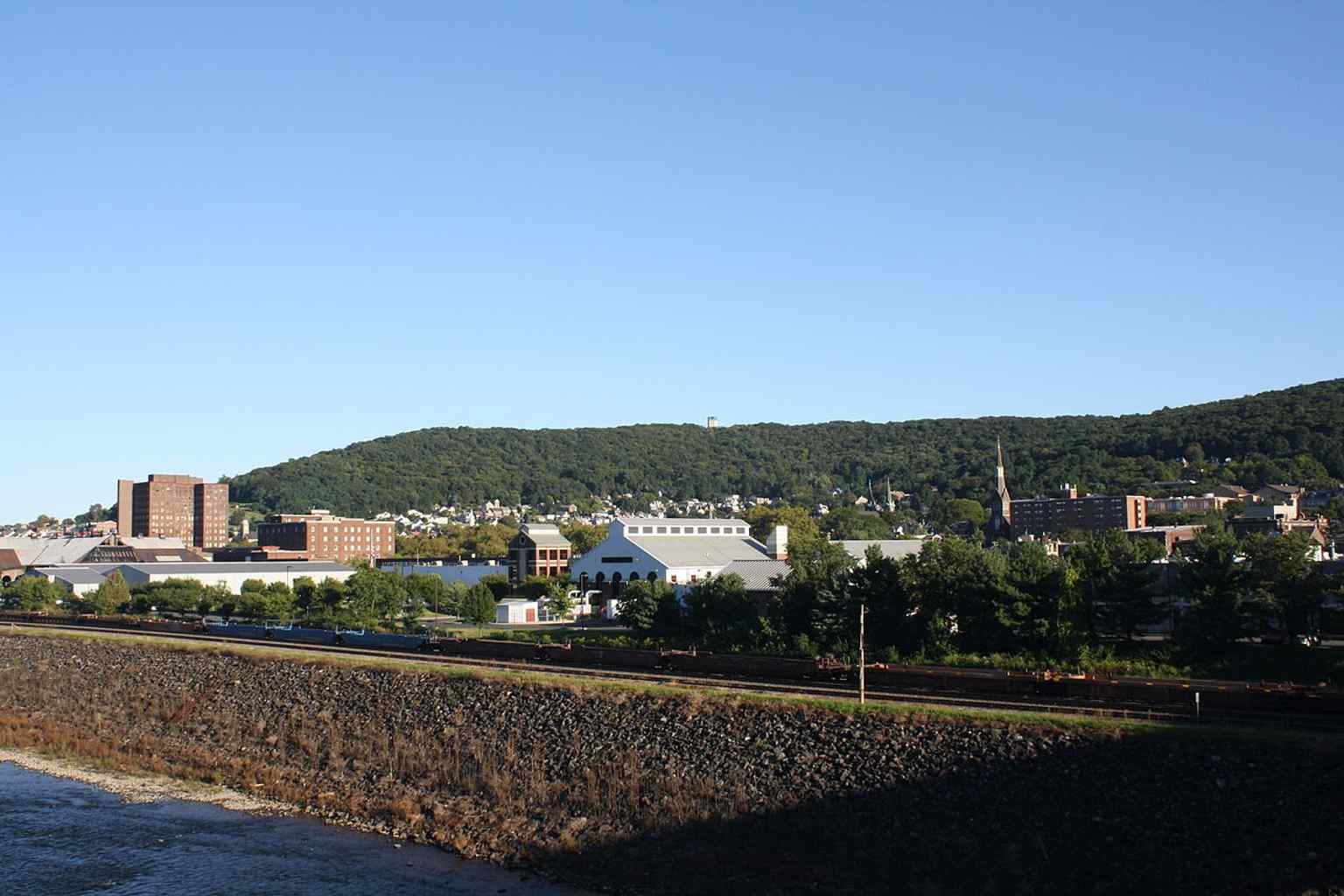
Around this district stood places like the South Bethlehem Post Office from nineteen sixteen, the Bethlehem Public Library from nineteen twenty-nine, Holy Infancy Catholic Church, the Banana Factory, and steel-related commercial buildings that kept the local economy humming. This is where the city’s muscle had to learn manners and routines.
One name to hold onto here is Rosemarie Parham. She was fourteen. In nineteen seventy, the old Protection Firehouse, first opened in eighteen seventy-five as South Bethlehem’s original fire station, had become a youth center. On the fifth of August, a drive-by shooting and attempted firebombing hit a crowd there. The bomb failed to explode, but gunfire killed Rosemarie and seriously injured sixteen-year-old Carlos Garcia. It is a brutal moment in a district full of ordinary streets... which is exactly why it matters. History here is not only brick and cornices. It is memory with names attached.
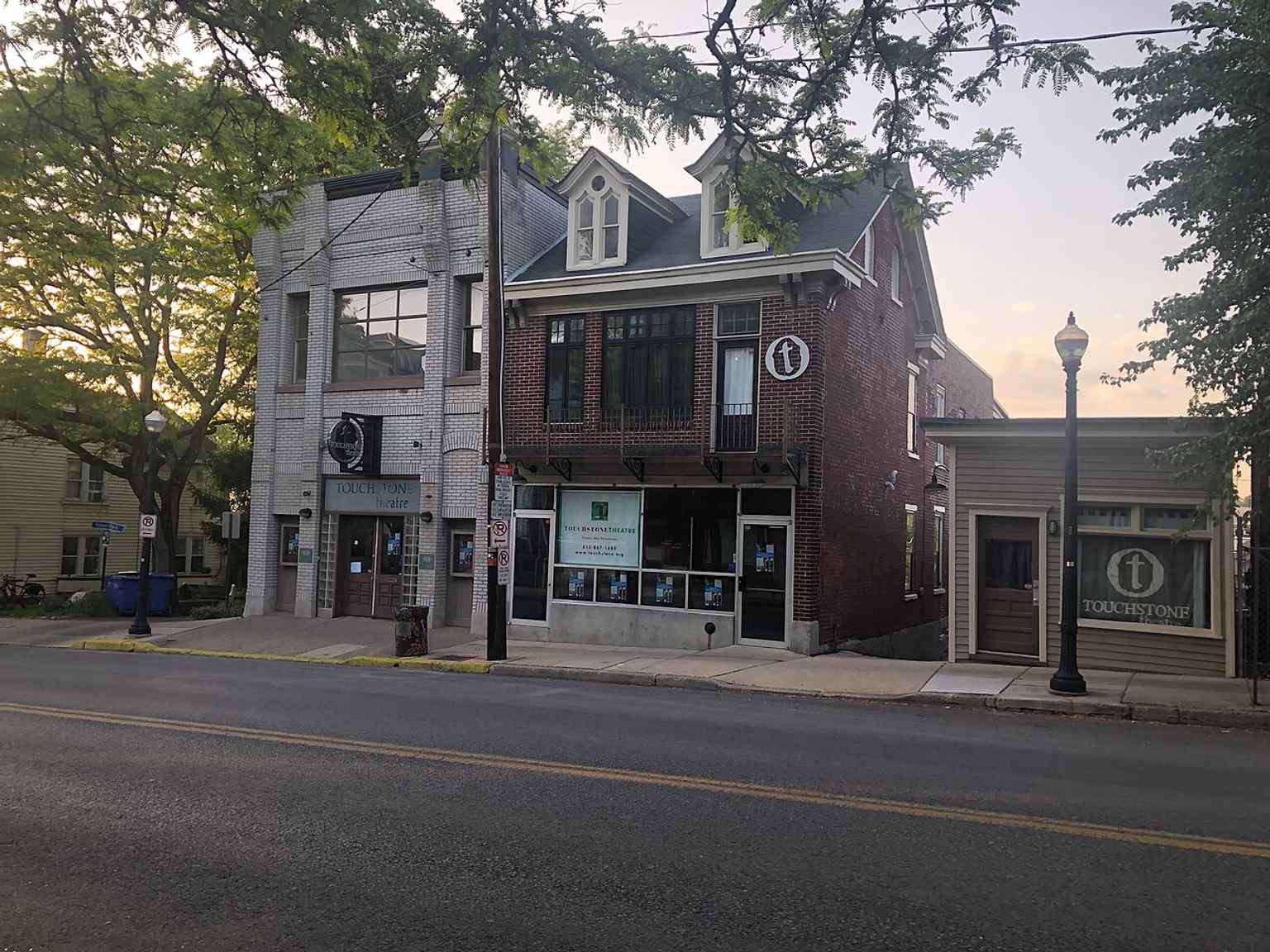
Years later, Touchstone Theater rescued that same abandoned firehouse and turned it into a seventy-two-seat home for performance, with help from libraries, schools, city offices, Spanish-speaking groups, Holy Infancy, and neighborhood organizations. If you want to see that building on your screen, pull up the firehouse image. That reuse says a lot about South Bethlehem: people keep finding ways to make old structures serve new civic lives.
The same pattern shows up at Saint John’s Windish Lutheran Church and nearby Windish Hall. Slovene immigrants founded them in the early nineteen hundreds after coming here for mill and factory work. Locals called them “Windish,” a rough label for the community, and the buildings became anchors for language, worship, and belonging. Even Grace House, the smaller South Side residence of Bethlehem Steel president Eugene Grace, reminds you that wealth and labor lived on the same map, just with very different square footage.
Before you head on, let your eyes wander across the facades on this block. How many layers of work, service, faith, and daily survival can you read in one streetscape?
In about six minutes, the National Museum of Industrial History will gather the machines and big forces into one place. Here, you’ve been standing in the neighborhood they shaped.