
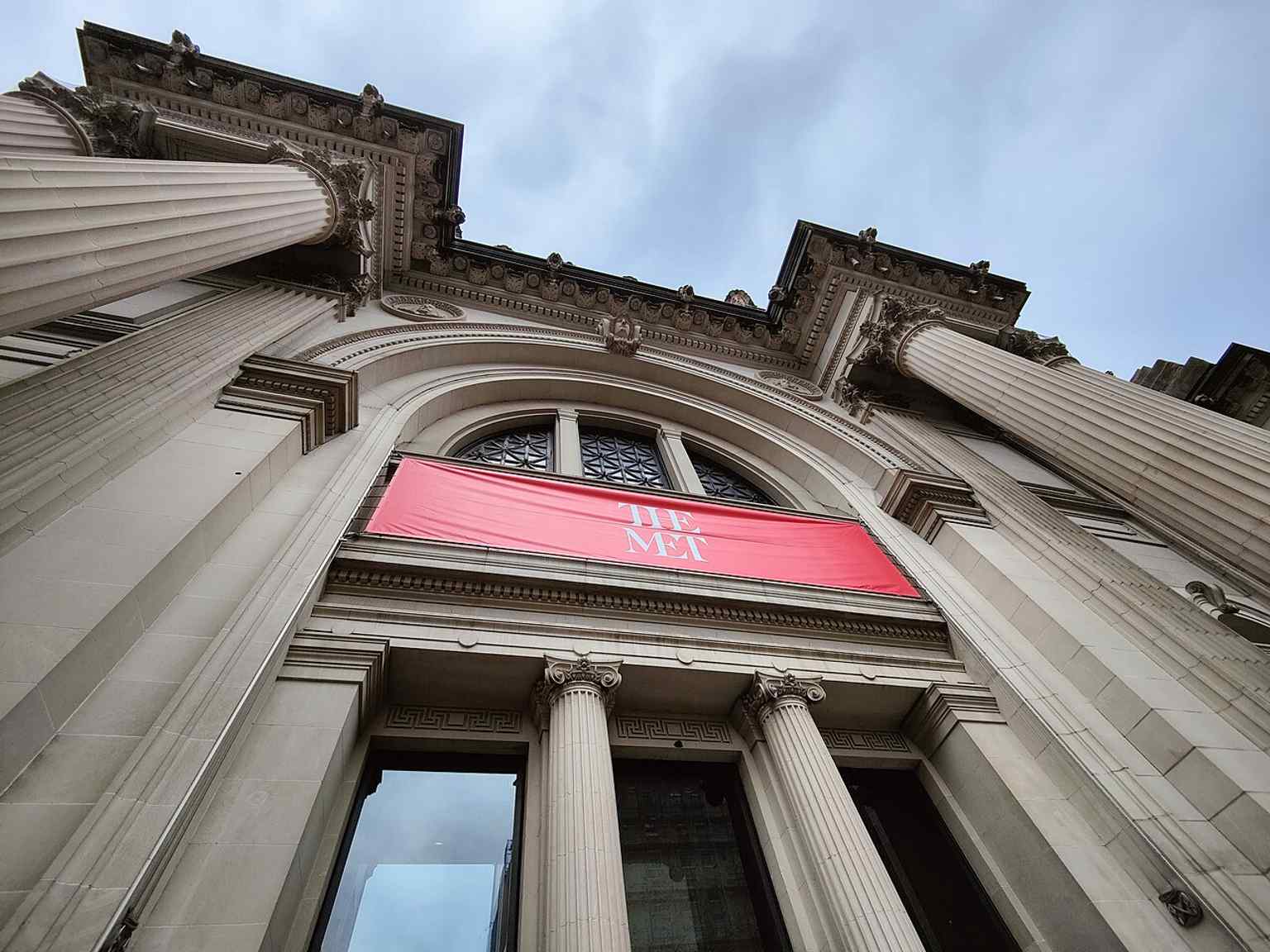
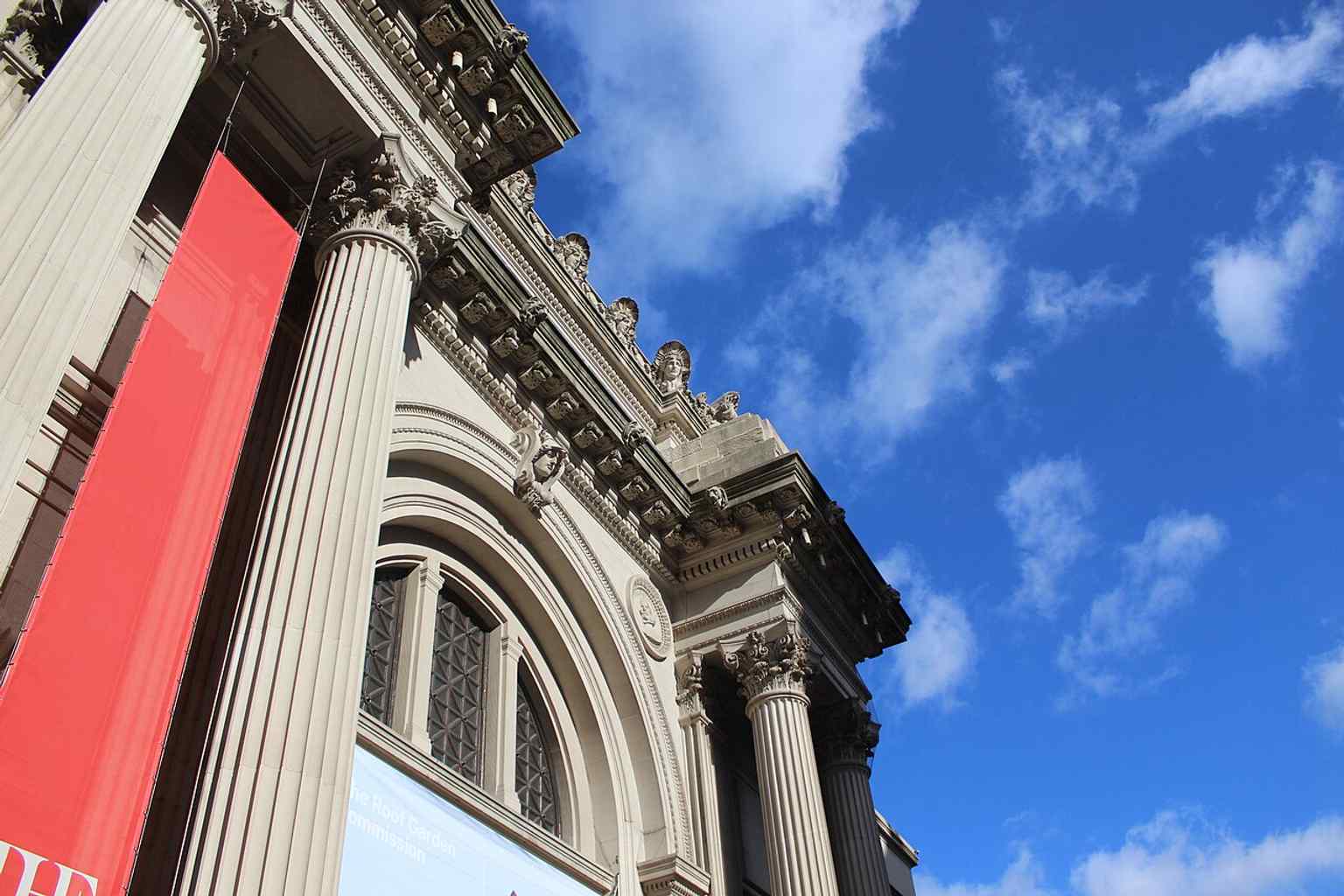
In front of you rises a broad limestone Beaux-Arts façade, layered like a palace with arched windows and a central pediment, all anchored by the museum’s famously wide stone stair.
This is the Metropolitan Museum of Art... and it is less a single building than a national ambition with walls. Founded in eighteen seventy by financiers, artists, and reformers, including Theodore Roosevelt Senior, the Met set out to do something enormous: gather the art of the world, study it, preserve it, and hand it to the public as a shared inheritance. Not bad for an institution whose first accession was a Roman sarcophagus.
What you see here took shape in layers. The first museum building on this site opened in eighteen eighty. Then Richard Morris Hunt and his son gave it this grand Fifth Avenue front and the great stair, while McKim, Mead and White completed the flanking wings in nineteen ten. Behind that stately face sprawls a giant: nearly a quarter mile long, more than two million square feet, and really an accretion - a buildup - of more than twenty structures stitched together over time. It is the largest art museum in the Americas, which feels about right for a city that rarely does modesty.
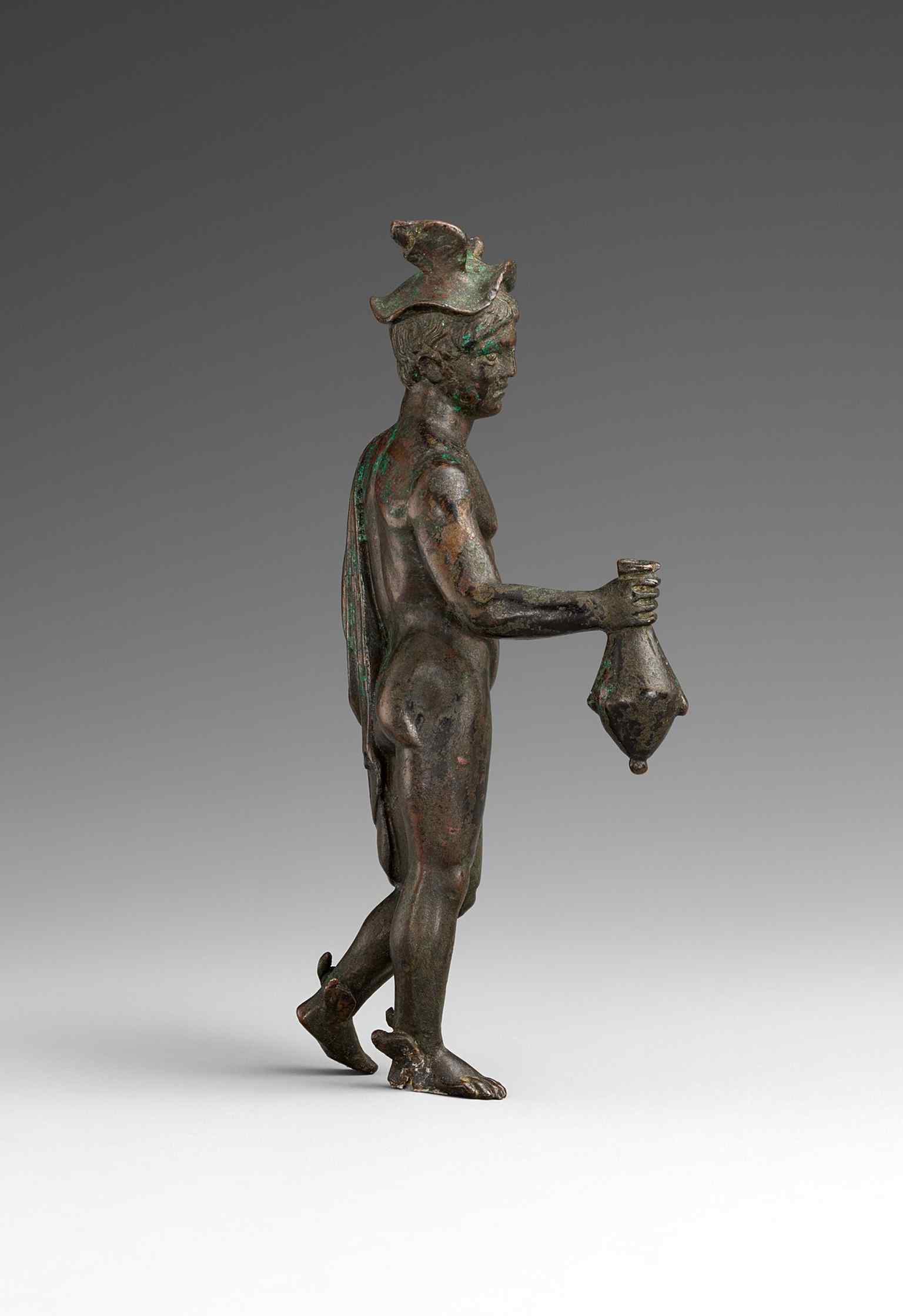
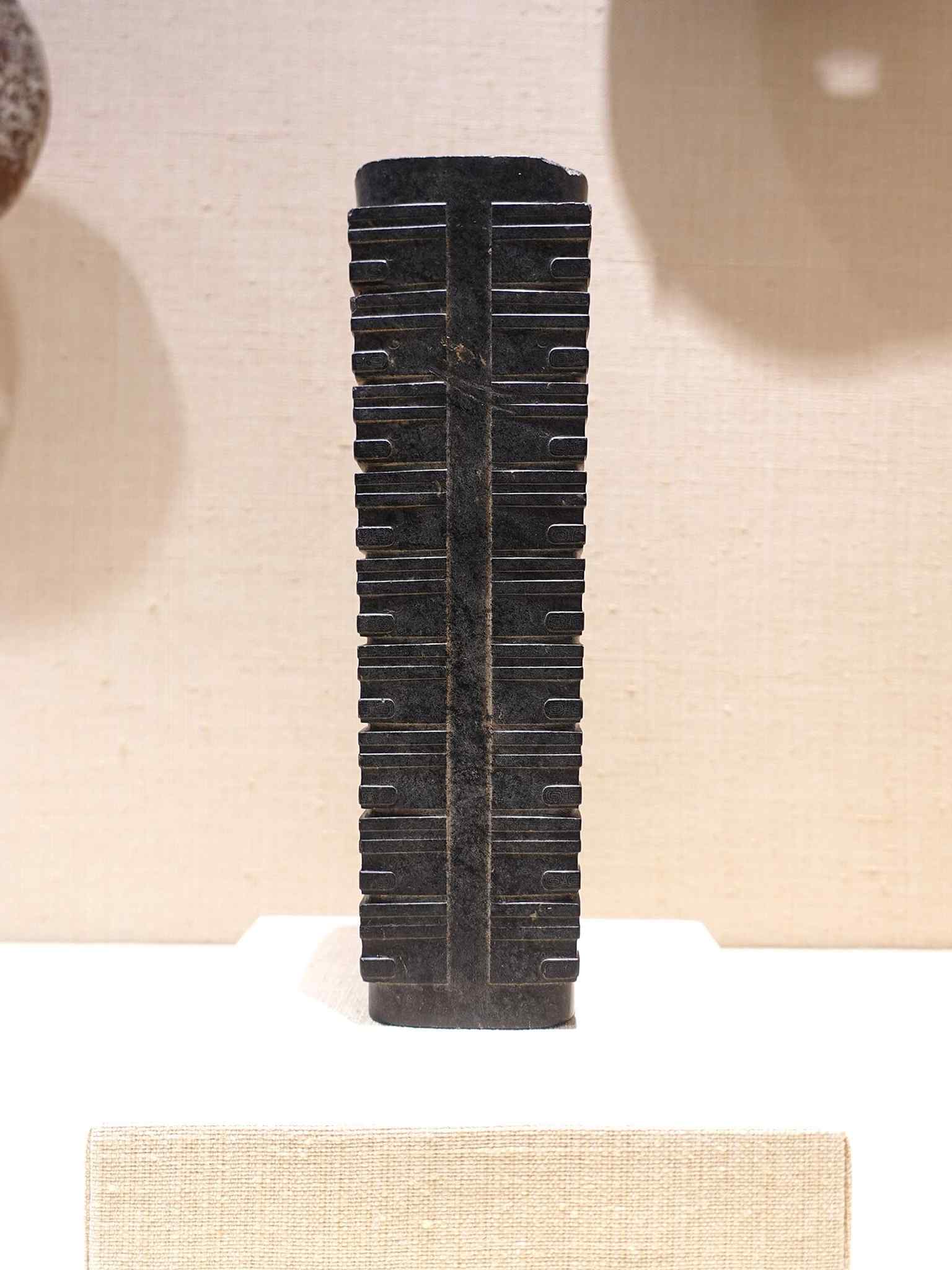
The Met calls itself encyclopedic. That means it tries to hold nearly every chapter of human making under one roof: ancient Egypt, Greek and Roman sculpture, Islamic manuscripts, armor, textiles, musical instruments, European painting, modern art, photographs, whole historic rooms. Inside are about one point five million works organized by seventeen curatorial departments. An Egyptian temple even stands indoors, reassembled block by block after Egypt gave it to the United States in the nineteen sixties.
If you want a neat little jump cut, check the before-and-after image in the app: horse-drawn traffic once passed Cleopatra’s Needle outside this same façade, and the building still plays the dignified constant while New York races around it.
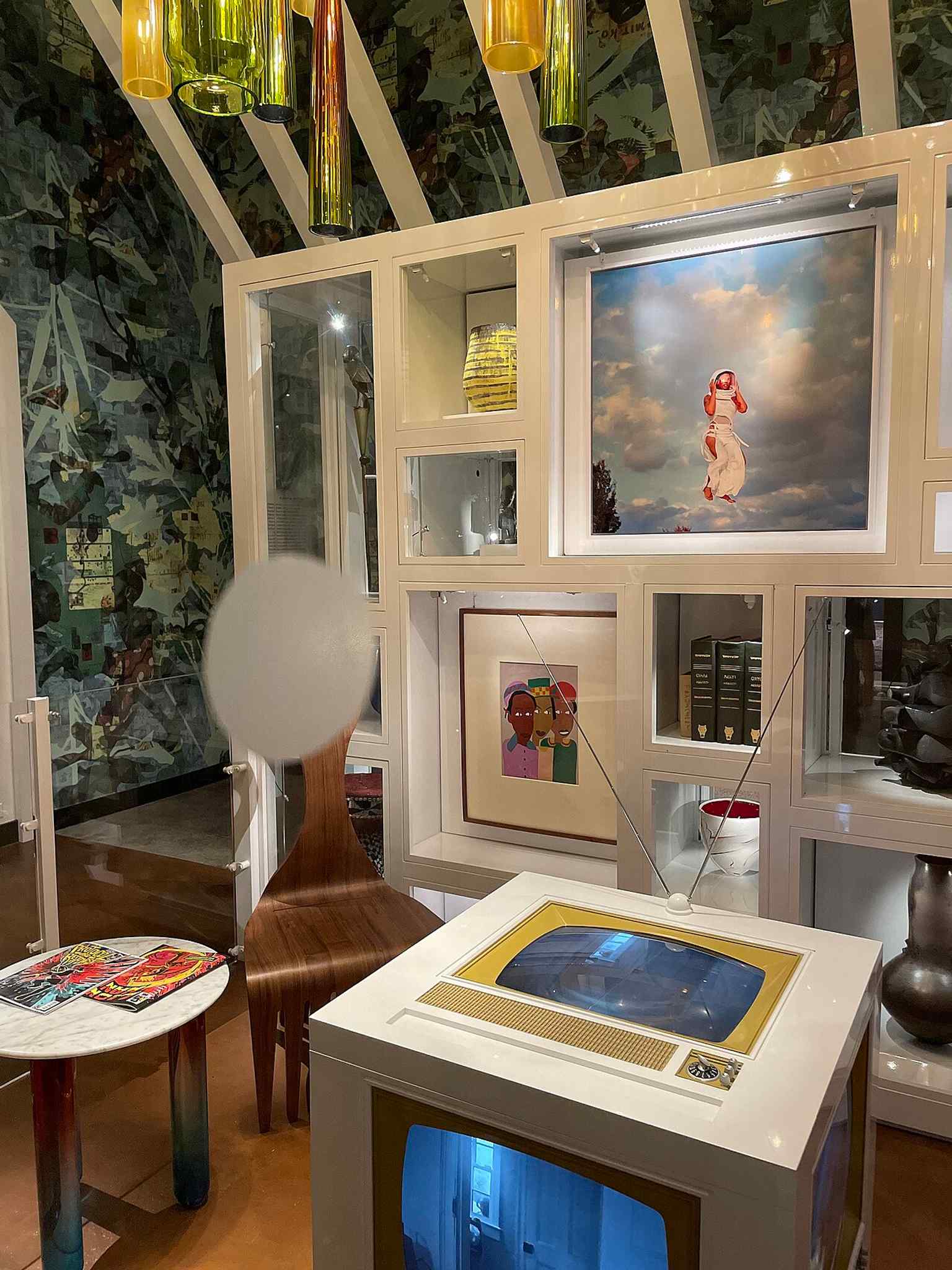
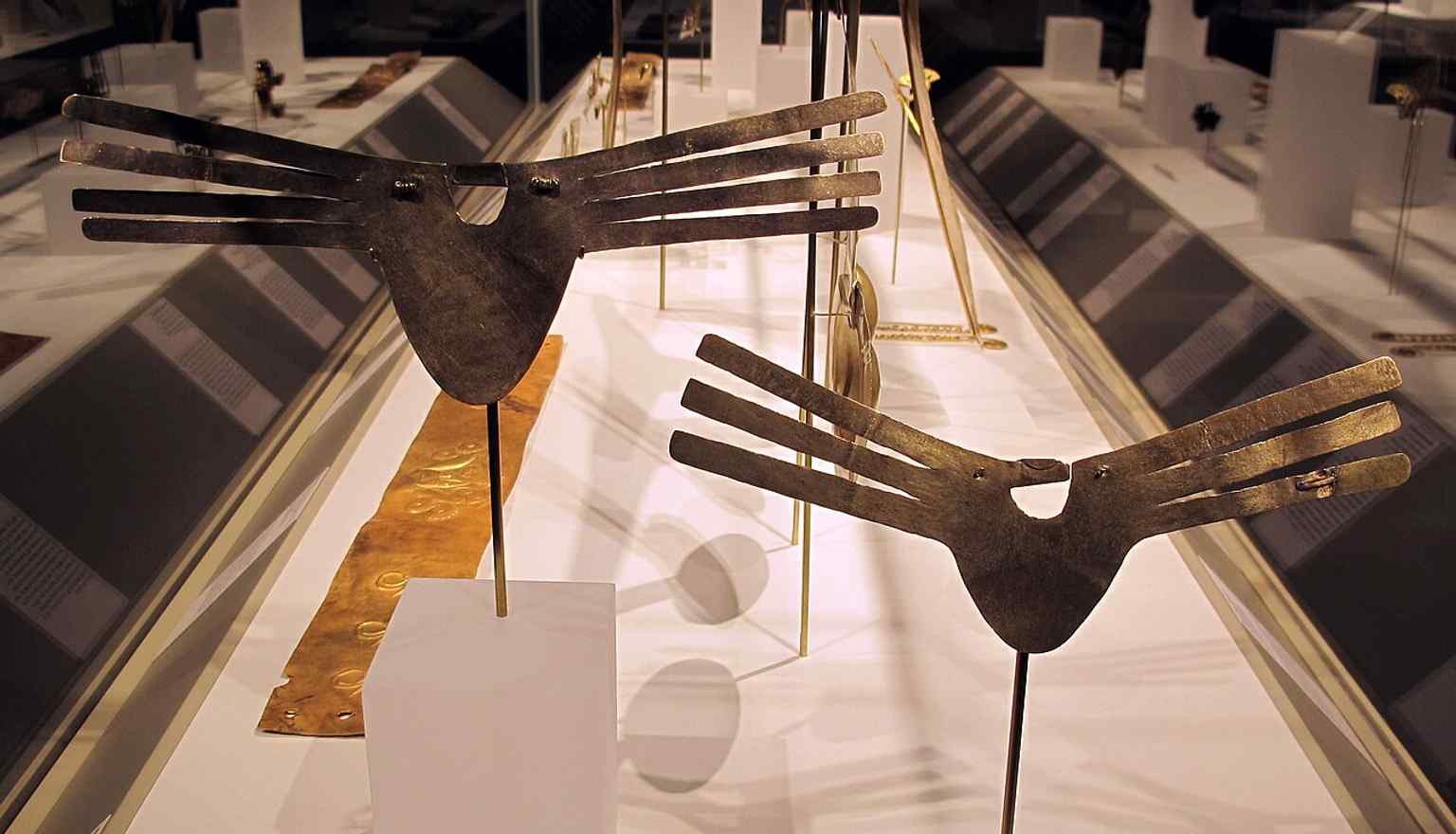
But the Met is not just a treasure house. It is also a machine for deciding what belongs in the grand story of civilization. When the Michael C. Rockefeller Wing opened in nineteen eighty-two, works from Africa, Oceania, and the Americas entered the museum’s permanent narrative as art, not merely as ethnographic material - that is, not just objects used to explain other peoples. That shift mattered. So did the fact that private collectors helped drive it.
And there’s the rub. Private ambition built this public authority. The museum sits on city land, but a private corporation runs the institution and owns the collection. Donors shaped departments, wings, and taste. The museum has also had to return objects it once proudly displayed: the golden coffin of Nedjemankh went back to Egypt after investigators found it had been looted and sold with forged papers; Khmer sculptures have gone back to Cambodia and Thailand; a bronze griffin head is returning to Greece. So the Met preserves memory, yes... but it also keeps revising who had the right to own that memory in the first place.
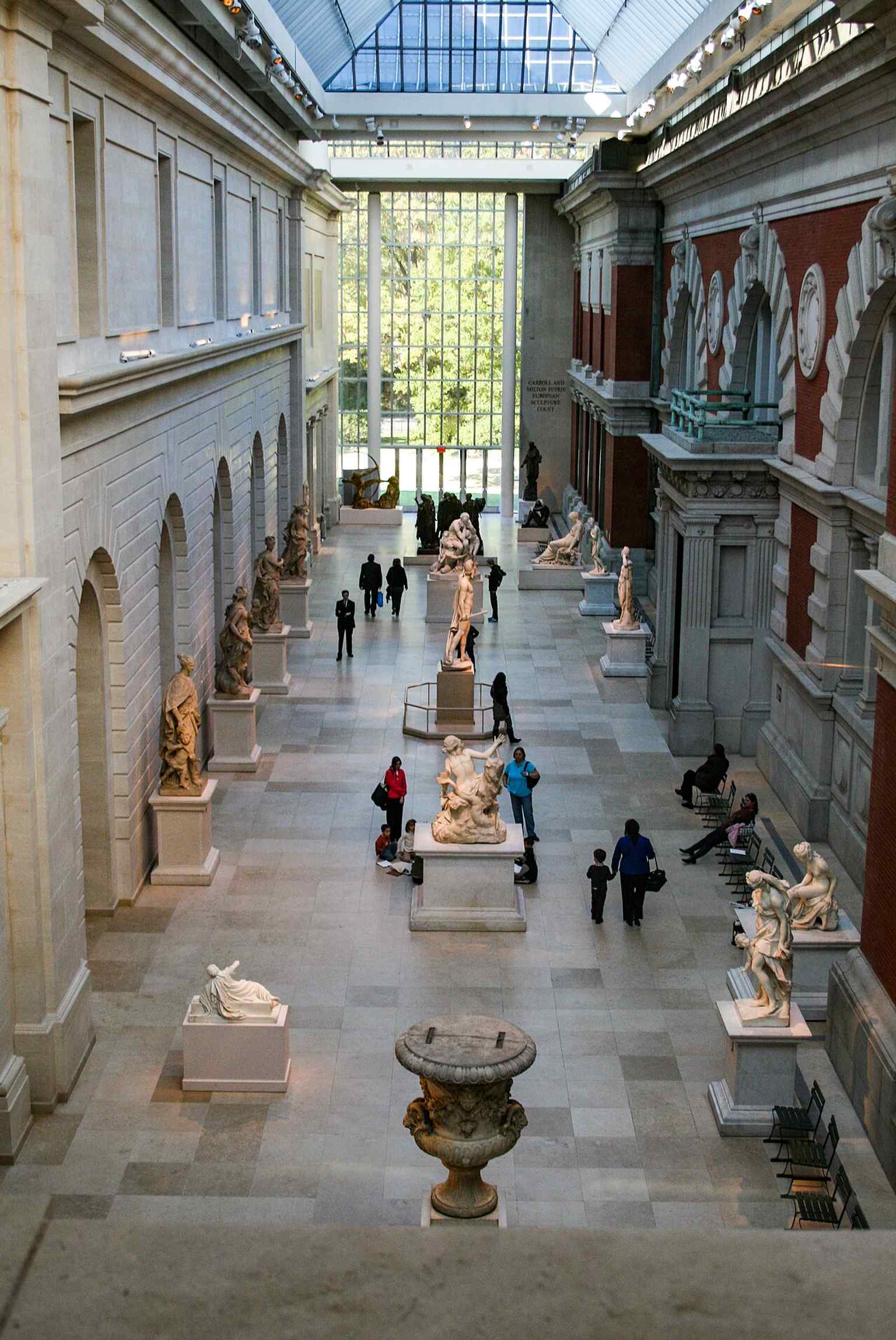
If you glance at the gallery image on your screen, you can see how the museum turns sheer quantity into order, almost like an indoor map of the world.
Now bring your eyes back to Fifth Avenue. Across from this public palace stood, and still stand, the homes of the families who financed New York’s cultural empire; our next stop, the Benjamin N. Duke House, is about a one-minute walk away. If you plan to come back inside, the Met is open from ten to five most days, closed Wednesday, and open until nine on Friday and Saturday.






.jpg)


%2C%20ornamenti%20per%20il%20naso%2C%20XIII-XVI%20sec%2C%20lega%20d'oro%20a%20sbalzo.JPG)
%20for%20Allen%20%26%20Ginter%20Cigarettes%20Brands%20MET%20DP834976.jpg)